

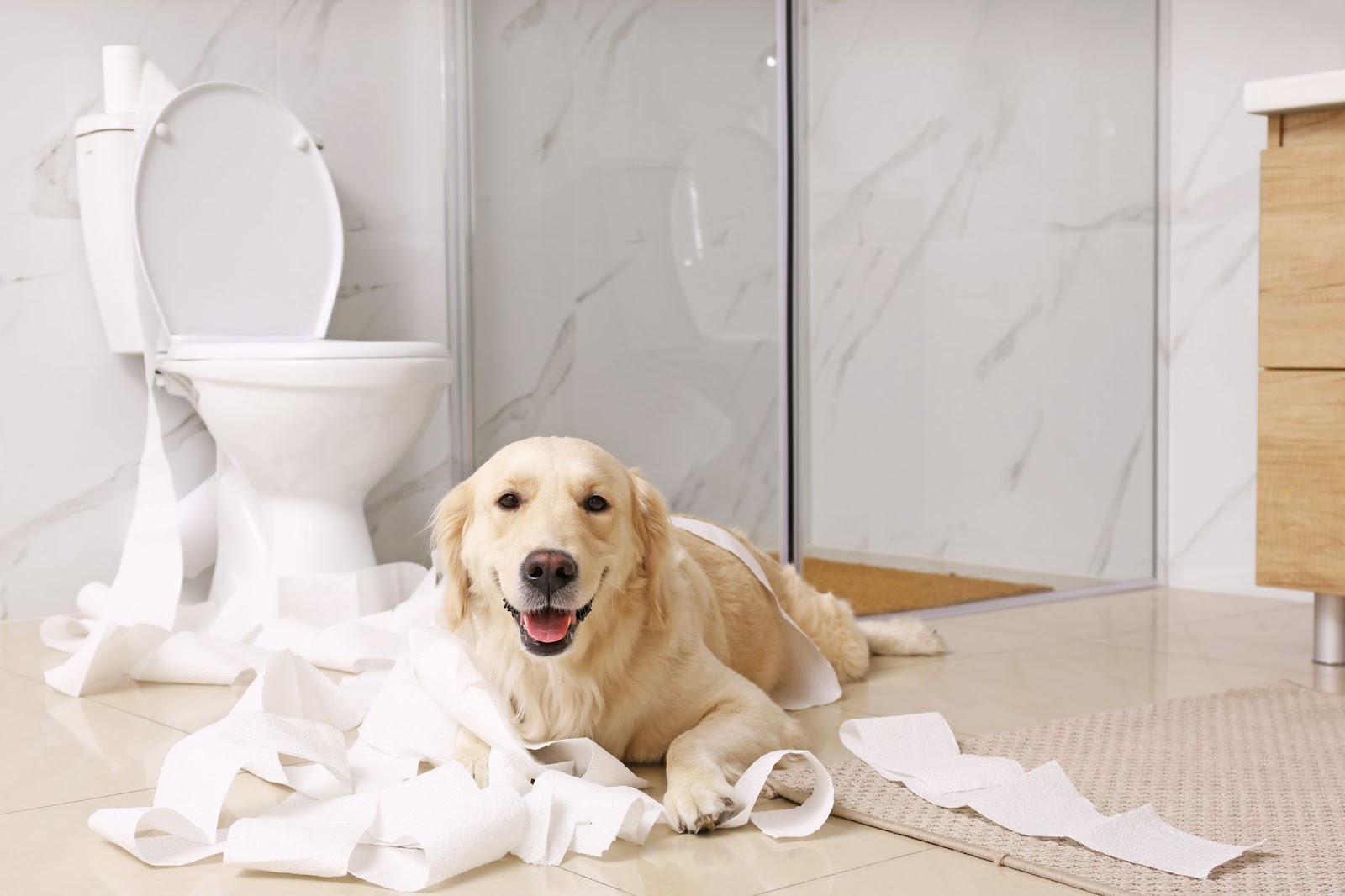
- How often should I feed my puppy?
- How many times a day should I feed him?
- Do I need to strictly follow the feeding schedule?
If you're wondering about this, we've got the answers.
It's best to feed your puppy 3-5 times a day, depending on their age. It's recommended to feed them evenly so they don't get hungry for long periods of time.
Food is often given in the morning, afternoon, evening, and night to suit the owner's daily routine, but there are individual differences, so you'll need to adjust the schedule based on your puppy's condition.
This article explains the number of meals and timing for each age, as well as things to keep in mind. Please use it as a reference for your pet's daily life and enjoy happy days.
Guideline for how often to feed your puppy
Puppies have small stomachs and immature digestive systems. Feeding them all at once puts a strain on their digestive system, so they need to be fed in small portions.
Depending on the age of your puppy, divide the daily recommended amount into 3-5 feedings.
Please refer to the following for a guideline for meal frequency and age.
- 3 months old = 3-5 times a day
- 4-5 months old = 3-4 times a day
- 6 months to 1 year = 2-3 times a day
Since puppies vary from one another, adjust the amount and frequency of meals based on your puppy's condition.
For example, some toy poodles grow to the size of a medium-sized dog. If you feed a large puppy the average amount and frequency of meals for a toy poodle, it will suffer from malnutrition.
Observe your dog's condition and adjust accordingly.
The following information will help you determine whether the amount and frequency of meals are appropriate for your dog.
- Is your puppy in good spirits?
- Does he leave any food uneaten?
- Does he vomit after meals?
- Is he sleeping well?
- Is his stool healthy?
This article also goes into more detail about how often to feed your puppy and why you should separate meals.
Learn how much food to feed your puppy, when to feed it, and three important points to keep in mind!
How to schedule your puppy's mealtimes
When should you feed your dog 3 to 5 meals a day?
First-time dog owners can be confused about the appropriate timing.
We'll explain specific examples of timing and the reasons for them below.
Space meals roughly evenly
The recommended meal interval is "when your puppy gets hungry," and there are individual differences, so there are no set times.
However, it is recommended to space meals so that the intervals between meals are roughly evenly spaced.
Here's a typical example.
Assuming you feed your pup four meals a day, taking into account the owner's daily routine, it would look like this:
- Right after waking up
- After lunch
- Before dinner
- Before bedtime
Puppies get hungry quickly, so if you're busy and short on time, it's best to ask a trusted friend, pet board, or sitter to help you.
Why feed evenly?
The reason for feeding evenly is the same as for humans. Just as humans eat breakfast, lunch, and dinner, dogs also need to eat at equal intervals between meals to minimize physical strain.
If the gap between meals is too long, dogs may vomit, become stressed, and develop mischief or other problematic behaviors. We humans also suffer when we are hungry for long periods of time.
Adjust the intervals between meals in these cases
Generally, it's best to spread mealtimes evenly, but you may need to adjust your mealtimes if any of the following apply:
- Mewing to Request Food
- Vomiting in the Morning
We will explain the circumstances and detailed reasons for the above cases.
Mewing to Request Food
If your puppy meows or barks like an adult dog every time it's time for food, it means that it has learned that it's mealtime and is now requesting food.
If you respond to a puppy's begging, it will mistakenly believe that barking means it gets food and will assume control. If a dog thinks it's in control, it will stop listening, so you must make it clear to it that you are in control.
If your dog barks or whines before a meal, don't feed it immediately. Instead, wait a little while until it's quiet. The next day, feed it before it begs, or try not to respond to its begging. This will teach it that you are in control.
Vomiting in the Morning
The interval between hunger episodes varies from individual to individual, and some pets may vomit stomach acid if they go too fast.
If your pet vomits yellow liquid in the morning, it's likely stomach acid.
Many people are surprised by the bright yellow color, but this is not uncommon. Just feed your pet and observe its behavior for a while. If it acts normally, there's no need to take it to the vet.
If your pet vomits stomach acid in the morning, try one of the following:
- Feed your puppy a later meal before bedtime
- Feed him an earlier meal in the morning
If your dog's daily routine is unreasonable, try slightly increasing the amount of food he eats before bed.
Also, if your puppy is expending energy during the night, it may be that he is not getting enough sleep. One solution is to reassess whether your puppy's sleeping environment is safe and secure.
Watch out for hypoglycemia in puppies
If your puppy develops hypoglycemia, prompt treatment is required.
Leaving this untreated can be life-threatening or result in serious injuries, so be careful.
Hunger leads to energy deficiency
Explaining the amount of food to feed your puppy, the time of feeding, and three important points to keep in mind! As mentioned briefly in the article, puppies can also develop hypoglycemia due to hunger.
Hypoglycemia is a condition in which the body lacks energy. Very small dogs with poor appetites may develop hypoglycemia even if they miss just one meal, so caution is advised.
Pets who are so absorbed in playing that they burn more energy than they eat are also prone to hypoglycemia, so if they're playing too much, try adjusting their diet by giving them a little more food.
If symptoms appear, administer first aid and take your pet to a veterinarian.
Symptoms of hypoglycemia include:
- Unsteady
- Vomiting
- Dazed
- Lethargic
- Shivering
- Not responding when called
As a first aid measure, giving your pet 5% sugar water with a spoon or dropper, or applying it to the gums or inside of the mouth, may help restore its energy.
If this does not improve the condition, please take your pet to a veterinarian immediately.
Summary
First-time dog owners can be confused about the appropriate amount of food and how often to feed them.
Feed your puppy 3-5 times a day depending on its age, evenly spaced throughout the day.
Puppies are physically weaker than adult dogs, so constant monitoring is necessary.
If they choke or have an allergic reaction outside of mealtimes, immediate action is required. If you don't have time to watch your puppy, ask a helper or a sitter.
If there's something you don't understand, don't keep it to yourself. Consult a knowledgeable person, such as a veterinarian or dog trainer.







![[Free Only] 3 Sites Where You Can Download Dog Bone Illustrations](https://with-my-dog.com/wp-content/uploads/2022/03/947760_sのコピー-150x150.jpg)



![[Veterinarian's recommendation] How to choose dog food! Find the perfect food for your dog!](https://with-my-dog.com/wp-content/uploads/2022/07/image4-11-300x200.png)