
Hello, dog lovers!
Many people shampoo and brush their dogs about once a month, but do you also clean their ears?
- Should I clean my dog's ears in the first place?
- What's the correct frequency and method?
You probably have many questions, such as:
However, care at home is especially important for dogs with droopy ears.
Cleaning your dog's ears at home is important because it helps maintain ear health and prevent disease!
However, the cleaning method and frequency will vary depending on the condition of your dog's ears.
This time, we've created a column focusing on cleaning your dog's ears!
Why Dogs Need Ear Cleaning?
Why is ear cleaning necessary?
Ear cleaning is necessary to prevent the growth of bacteria and keep them clean.
A dog's ears are divided into three parts: the outer ear, middle ear, and inner ear. The ear canal, which connects to the eardrum, is L-shaped and cannot be seen. Therefore, if water remains in the ear after shampooing or playing in water, the inside of the ear canal will become humid.
In addition, Japan's humid climate makes ears humid, which makes it easy for bacteria to grow. In particular, dogs with droopy ears are more prone to humidification than dogs with prickly ears because their ear canals are blocked, resulting in extremely high humidity in the ear canal.
It's recommended to clean your dog's ears once or twice a month to prevent the growth of bacteria like Malassezia and Staphylococcus aureus, which are common in dogs.
Especially from the rainy season through to summer, humidity levels are high, making the ear canal prone to steaming after shampooing, which can lead to increased oil production from the earwax glands. Since oil is a nutrient source for Malassezia, it's easy for it to grow and cause otitis externa. In the worst case scenario, surgery may be necessary, so ear cleaning is important for prevention.
Dog breeds that require ear cleaning
Dogs prone to ear problems
Dogs with droopy ears
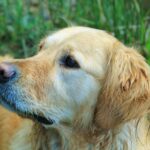
Golden retrievers, hounds, labradors, toy poodles, and dachshunds
Dogs with lots of ear hair
Miniature poodles, poodles
Dogs with narrow ear canals
Pugs, bulldogs, French bulldogs
Dog breeds with lots of earwax
Shih Tzus, West Highland White Terriers
, etc.
Ear Cleaning Instructions and Precautions
Check the condition of your ears
First, check the outside of your ears. Dirt is easily visible in the outer ear, so if it is dirty, wipe it with a cotton ball soaked in cleaning solution.
If your pet's ears are redder than usual, or the color or smell of earwax is different from usual, it may be an otitis externa, so take them to the vet before cleaning their ears.
Also, pay attention to the color of their earwax to check their condition.
Earwax color varies depending on the pet's constitution, so it can be difficult to determine if they have an illness. However, checking the color is important because it can be related to illness.
Black earwax may indicate an ear mite infection, while brown earwax may be a sign of a skin disease caused by Malassezia (a fungus). Brown or yellow earwax may indicate otitis externa.
Carefully observe any unusual behavior.
How to Clean Your Dog's Ears
Because the inside of a dog's ears is L-shaped, you cannot clean them with cotton swabs or other tools.
Therefore, use ear cleaning solution to clean out dirt deep inside the ear.
① First, drip a few drops of cleaning solution into the ear.
At this point, warming the cleaning solution to body temperature will help your dog accept the cleaning without being startled.
② Pinch the base of the ear and massage the solution in.
③ When you let go, your baby will shake its head. This will expel excess water.
If your baby doesn't shake its head on its own, blowing into its ear will encourage it to do so.
④ Once the ear cleaner and dirt have come out, wipe the inside of the ear and around the ear canal.
In addition to ear cleaner, there are also ear cleaning wipes available, which can easily clean the ear skin and the entrance to the ear canal.
Important Notes for Ear Cleaning
The skin on a dog's ears is very delicate. Rubbing too hard can damage the skin, so wipe gently. Also, never use rubbing alcohol as a cleaning solution. Alcohol is too strong and can even destroy the skin's barrier function.
If your dog resists ear cleaning, such as refusing or biting, don't force it. Instead, start by getting your dog used to having its ears touched. Use treats to train your dog well.
If this is still difficult, consider taking your dog to a veterinarian or groomer to have its ears cleaned.
Also, avoid cleaning your dog's ears too often. Dogs' ears naturally have a self-cleaning function, so excessive ear cleaning can damage the skin's barrier function. Therefore, clean your dog's ears about once or twice a month, keeping an eye on them.
Finally
If the ears are not dirty or red, there is no need to clean them. However, breeds prone to otitis externa require frequent ear checks. Early detection is crucial to prevent ear disease. Be sure to carefully observe the condition of your earwax.
Also, be careful not to clean your ears too often, and aim for once or twice a month.
If your child dislikes ear cleaning, it's a good idea to leave it to a professional.
Be careful not to clean your ears on the day you're going to the doctor!
Take proper care of your child and prevent illness!




![[Senior Dog Food] What kind of food does an elderly dog need?](https://with-my-dog.com/wp-content/uploads/2021/09/TSURU170308-074_TP_V-150x150.jpg)