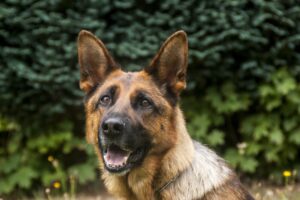


- What are the reasons my dog is shivering?
- Should I take him to the vet immediately?
- Is it possible that he's sick?
For those of you who are worried about this, we'll explain each of these points.
When you see your dog shivering, you start to worry that something is wrong with him.
There are a variety of reasons why dogs shiver.
Depending on the cause of trembling, there are various ways to deal with it. Some trembling is due to no intervention, such as vigilance or a desire for attention. Others may require support, such as cold weather or old age, or may require a visit to the vet, such as illness or seizures. There are also various ways to deal with trembling.
This article explains the causes of trembling in dogs and how to deal with it.
Please observe your dog's behavior and use it as a guide to determine whether emergency treatment or a trip to the vet is necessary.
When do dogs tremble when breathing?
It is very dangerous to assume that trembling is due to age.
There are two reasons why dogs tremble: psychological causes and physical causes.
Tremors in dogs are not just due to old age; they could also be a sign of a serious illness or neurological condition.
The next chapter will explain in detail when trembling occurs.
First, check to see if your pet's tremors fit the causes outlined in this article.
If you notice any symptoms that warrant a visit to the vet, please visit a veterinarian immediately.
Also, if you're unsure at all, consult your veterinarian.
10 Reasons Why Dogs Tremble When Inhaling and What to Do About It
Here are some possible causes and solutions for when your dog is trembling.
Once you've determined the reason your dog is shaking, take immediate action.
Dogs can't speak, so they can't tell you if they're shaking because of pain or illness.
Emergency veterinary care may be necessary. Observe your dog carefully and consider the cause.
① Excited
One reason dogs tremble when inhaling is excitement. Their minds may be filled with happy or interesting thoughts, causing them to become excited and tremble. If excitement is the cause, in addition to trembling when inhaling, you may also see the following behaviors:
- Movement becomes more agitated
- Panting
- Barking
- Staring
There's no need to take your dog to the vet, but if his excitement persists, you'll need to calm him down. Try giving him simple commands like sit or shake and getting him to focus on something else, as this will help calm him down.
② Wanting Attention
Dogs who have learned that shaking attracts attention may intentionally tremble to get their owner's attention. This is because, from experiences where their owner exaggeratedly responded with "What's wrong?", "Oh no!", or "Are you okay?" when they saw them shaking, they learned that trembling attracts their owner's attention.
Some dogs also tremble intentionally when they are being scolded for mischief or other mischief. This is similar to the case above; dogs have learned that shaking brings good things, having experienced their owner stopping their anger or suddenly becoming kind when they see them shaking.
In these cases, there's no need to worry; the shivering will subside once the dog has achieved its goal. If the shivering continues even after the goal has been achieved, consider other possible causes.
③ Cold
Dogs can shiver when they're cold. This is a normal behavior called "shivering," in which the dog generates heat by shivering, similar to the behavior we experience when we're cold. Puppies, older dogs, lean dogs, small dogs, and dogs with short hair are particularly susceptible to cold and are prone to shivering.
Even if your pet is shivering from the cold, there's no need to take it to the vet. Instead, try to create a comfortable living environment for your pet by adjusting the temperature (ideally 24-26°C) and dressing it in clothing.
If your pet is shivering from the cold, there's no need to take it to the vet, but you should be careful of life-threatening hypothermia. Puppies are particularly susceptible to hypothermia, so if they show the following symptoms and the condition doesn't improve even after adjusting the temperature, take them to the vet.
- Low energy
- Drop in body temperature
- Feeling cold
- Body stiffness
④ Pain
If you shiver not only when breathing but also when relaxed or sleeping, consider the possibility that the shivering is caused by some kind of pain.
While skeletal pain, such as a herniated disc, can be the cause, similar symptoms can also be seen with abdominal pain caused by internal organs, such as pancreatitis.
Tremors caused by pain can also cause other symptoms, such as the following, so make sure they don't apply.
- Diarrhea and vomiting
- Whining when touched
- Staying still
- Growling and other aggressive behavior
These symptoms should suspect a physical abnormality. Take your dog to a veterinarian immediately and explain your dog's condition and symptoms.
⑤ Illness
A characteristic of tremors caused by illness is the tremors, which are so small that you may not even notice they're shaking until you touch them. In addition to tremors, other symptoms include loss of appetite, rapid breathing, and lethargy.
The most likely cause of illness is a fever caused by an infection, but brain damage, poisoning, hypoglycemia, organ dysfunction, and other possible causes are also possible, so immediate medical attention is essential.
⑥ Stress, Anxiety, and Fear
Fear, tension, and stress can cause tremors due to a shift in the balance of the autonomic nervous system. These include being scolded, standing on an examination table at the hospital, hearing loud noises like thunder or fireworks, or being approached by a stranger.
If stress, anxiety, or fear is suspected, a visit to the hospital is not necessary. However, continued mental stress can weaken your dog's immune system and make them more susceptible to illness, so try to find ways to relieve stress. If your dog dislikes going to the hospital, praise him and give him treats after the examination to help him recognize it as a non-threatening place.
⑦ Alertness
If your dog is alert about potential danger, such as going to an unfamiliar place, meeting a stranger, or experiencing construction near the house, it may tremble out of vigilance. This behavior is common in alert dogs and is a defensive behavior, so no countermeasures are necessary.
If your dog is not only trembling but also drooling heavily and panting heavily, it may be under excessive stress. Try the following:
- Speak to them
- Move them to another location
- Touch them gently
- Distract them with a toy or treat
⑧ Muscle weakness due to aging
As pets age, muscle mass decreases, which can lead to tremors. Place non-slip mats on the floor of their activity space to create an environment where they can walk comfortably. Obesity and lack of exercise can easily lead to muscle loss, so it's important to manage their weight and encourage them to exercise regularly.
Many dogs enjoy walking and running, so take care of their feet by keeping them indoors and exercising them from puppyhood so they can walk independently even when they're older.
⑨ Seizures
If your dog is trembling and unresponsive when you call to him, he may be having a seizure. Loss of consciousness due to causes other than seizures is extremely rare. Seizures can be fatal within hours or can cause serious brain damage, so immediate attention is required. Also, if your pet is conscious but unable to stand or walk independently, ataxia may be a neurological symptom.
In either case, early treatment is necessary, so take your pet to the veterinarian immediately. When a seizure occurs, your pet may exhibit abnormal movements and a distressed expression, but because it is unconscious, it is not experiencing pain or distress. You may panic, but stay calm and wait for the seizure to stop before going to the vet.
⑩ Some Neurological Symptoms
Trembling may also be a neurological symptom. Neurological symptoms include repeated tremors, intense tremors, tremors after performing the same action, and loss of consciousness. For example, tremors due to neurological symptoms such as an extreme drop in blood sugar, a premonition of an epileptic seizure, or a brain tumor can be signs of a serious condition, so a visit to the veterinarian is necessary. Neurological symptoms may be congenital or genetic, making them difficult to prevent, but specialized treatment is available, so early treatment is important.
If your pet exhibits these symptoms, you should immediately visit the vet.
If the tremors subside quickly, there's no problem. However, the tremors may progress to seizures.
If your dog is shivering and showing signs of illness, such as loss of energy or appetite, vomiting, or other symptoms, take him to the vet.
You may be worried and panicked when your beloved dog is shivering, but don't panic.
It will be difficult to make a calm judgment.
If your dog is experiencing seizures, wait until the symptoms subside. If you suspect illness or pain, check for other symptoms.
As you can see, emergencies require calm judgment from the owner, so it's important to stay calm and deal with the situation.
Also, it's reassuring to have a dog specialist available to consult in an emergency, so it's a good idea to find a trusted animal hospital or veterinarian in advance.
Summary (Dogs Shake When Breathing)
Trembling is both a physiological phenomenon and a sign of illness.
It is impossible to determine whether a dog is shivering without comprehensively evaluating the circumstances surrounding the shivering and other symptoms.
It is dangerous for owners to make a diagnosis on their own.
If you're unsure of the cause, consult a veterinarian to confirm its cause.
While it may be difficult to actually show your dog shivering, we recommend taking a video of the shivering video to provide more accurate information for a diagnosis.
Turning is a subtle behavior, so owners should make it a habit to touch their dog's body and communicate with it regularly so they can notice any abnormalities.

















![[Baby dog allergies] Precautions and benefits](https://with-my-dog.com/wp-content/uploads/2022/07/image8-12-300x300.jpg)