

![[Additive-free is popular] 5 recommended Japanese dog foods!](https://with-my-dog.com/wp-content/uploads/2022/07/image4-7.png)
Dog food comes in both domestic and imported varieties. Since it's something you feed your dog every day, you want to choose food you can feel safe feeding.
- I often see imported dog food, but what about domestically produced food?
- Domestically produced food seems safe, but what about cost-effectiveness?
- What products are popular?
When choosing, it can be difficult. In this article, we'll introduce the differences and benefits of domestic and imported dog food.
In addition, for those who prefer domestically produced dog food, we'll also introduce how to choose domestic dog food and recommend some products. Be sure to read to the end.
What's the difference between domestically produced and imported dog food?
In the United States and Europe, dog food research is progressing, and many high-quality products are being produced.
Japan also has a pet food safety law, but the standards are said to be vague compared to other countries. However, there are many dog foods made with a focus on quality.
Domestically and internationally produced dog food each have their own advantages, so it's difficult to say which is better.
Dog food is labeled as "domestic" if it's ultimately processed in Japan, or "foreign" if it's processed overseas. It's important to know that even if the ingredients are foreign, it's still labeled "domestic" if it's processed in Japan.
Legal regulations differ between Japan and other countries. Europe, in particular, has strict pet protection laws and is animal-friendly. There are also rating agencies in the United States.
Legal regulations in other countries and Japan are as follows.
| United States | Regulatory regulations are regulated by two levels: federal and state governments. The federal government regulates all feed, including pet food, based on the Federal Food, Drug, and Cosmetic Act, to ensure safety. State governments regulate pet food to ensure the proper distribution of commercially available pet food, based on model laws created by the Association of American Feed Control Officials. |
| EU | With the aim of protecting human life and health and protecting consumer interests, and taking into consideration the health and welfare of animals, all feed, including pet food, is regulated by law based on common EU regulations and directives. |
| Japan | There are no legal regulations regarding ensuring the safety of pet food. The Pet Food Fair Trade Council has established fair competition rules based on the Act against Unfair Premiums and Misleading Representations, and promotes fair labeling. |
Reference: Ministry of Agriculture, Forestry and Fisheries and Ministry of the EnvironmentPet food in other countries Safety Status
If you want to know more about American dog food, check this out.
Which American dog food is recommended? Introducing the rankings!
Benefits of Japanese Dog Food
Japanese dog food is made in Japan, so it doesn't have to be transported.
This means that the product arrives fresh, without the worry of quality deterioration.
Another benefit is that it's easy to obtain.
Advantages of Imported Dog Food
Overseas dog food has stricter standards than Japan, so there are many high-quality foods available.
Furthermore, additives and other information are more clearly listed than in domestically produced dog food.
Therefore, the advantage is that you can thoroughly check safety before making a selection.
Three Ways to Choose Japanese Dog Food
Although food standards in Japan are still lax compared to other countries, there are many safe and delicious dog foods available. Here's how to choose Japanese-made dog food.
Check for Safety
As mentioned above, the advantage of domestically produced dog food is that it is fresher than imported products.
First, check for safety by referring to the points below.
- Is it additive-free?
- Is the ingredient list detailed?
- Is it human-grade?
- Does it have features unique to domestically produced food (such as the origin of the ingredients and the careful blending of ingredients)?
Check if it's a complete nutritional diet
Dog food comes in a variety of types, including complete nutritional diets, snacks, and therapeutic diets. When choosing, alwaysmake sure it's labeled as a complete nutritional diet.
Complete food is a nutritionally balanced food. By providing it as a meal, your dog can get all the nutrients it needs to grow, just through food and water.
Check if it's suitable for your dog's age and characteristics
Dog food is generally available in all-age and age-specific varieties, but there are also breed-specific varieties available, such as small, medium, and large dogs. Furthermore, choose a food that suits your needs, such as a low-calorie variety for dogs on a diet or a high-calorie variety for dogs with a picky appetite.
There are not only dry foods, but also soft, dry, and wet foods. We recommend choosing food based on your dog's health and age.
- Puppies and senior dogs with bad teeth: Wet food or soft foods
- Dogs who are slightly overweight: Low-calorie foods
- Dogs with poor appetites who are losing weight: High-calorie foods
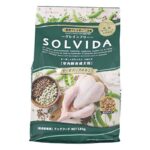
Introducing 5 Popular Japanese Dog Foods!
Next, we'll introduce five carefully selected, recommended Japanese-made dog foods.
Each food is carefully crafted and has a good reputation, so you can feed it to your dog with confidence. Be sure to choose a food that suits your dog's preferences.
This rice
Source: Official Website
Kokono Gohan is a dog food specially developed for small dogs, suitable for puppies and senior dogs alike. Made with high-quality chicken breast meat from Kyushu, this low-fat, protein-rich food delivers nutrients right down to your dog's coat. It also provides a balanced diet of natural ingredients, including lactic acid bacteria, dietary fiber, and potassium, which promote a healthy intestinal environment.
This human-grade food is free of preservatives, antioxidants, and artificial additives, so you can rest assured knowing your dog is safe. The kibble size is 7-8mm in diameter, making it easy for small dogs to eat.
UMAKA
Source: Official website
This veterinarian-recommended dog food is suitable for all breeds and ages. It's made by Hakata Kamaitachi, a hot pot restaurant in Hakata, using 100% Kyushu-grown Kamaitachi chicken. High in protein and low in fat, it's well-balanced, and is free of artificial colorings and wheat gluten, so you can feed it with peace of mind.
Contains glucosamine and chondroitin to help your dog run around for hours, and bifidobacteria and oligosaccharides help maintain its health.
Naturol
Source: Official Website
Naturol is a gluten- and grain-free, domestically produced dog food. It's 100% additive-free and made with only carefully selected fresh ingredients, ensuring it's safe for human consumption.
Made with over 55% fresh, raw beef, chicken, horse meat, and fish, these foods are known for their appealing taste.
They also contain the world's first "high-concentration, stable, sustained-release vitamin C" at 1,000 mg/kg (equivalent value).
Pon Pom Deli
Source: Official Website
Ponpon Deli is a dog food specifically designed for adult small breeds like toy poodles. Made with fresh chicken and chicken liver from Kyushu, it's low in fat and offers just the right amount of protein, neither too high nor too low. By using ingredients that don't burden the intestinal environment, it addresses concerns like allergies, coat condition, and dry eyes.
This food is safe and secure, containing no preservatives or antioxidants, and no genetically modified ingredients. We're also pleased to see that they regularly test for pesticides and other hazards.
Yawaka
Source: Official website
This soft dog food is designed for dogs that don't like hard food or have sensitive stomachs.Like "Umaka," made by a Hakata mizutaki restaurant, this human-grade food is made with 100% Kyushu-grown Hanamidori chicken, so you can feed it to your dog with peace of mind.
It has a pleasant texture and is recommended for puppies and older dogs whose chewing ability has weakened. Its semi-dry texture retains a moderate firmness, ensuring that chewing ability will not weaken.
Dog Food Glossary: What You're Too Embarrassed to Ask About
When choosing dog food, you'll often come across terms like organic and human grade. You know they're generally good, but you often don't know what they actually mean.
Here we'll explain dog food terminology. Knowing this will help you choose the right dog food.
What is organic?
Organic refers to organic agricultural products and processed foods. They are made without pesticides or chemical fertilizers, and are healthy for both the body and the environment.
There are many organic certification organizations, and standards vary, but the term often refers to processed products made from ingredients that meet organic requirements and without additives.
What is Human Grade?
As the name suggests, human grade means that the food is made to the same standards as human food.
Human-grade dog food lists ingredients by origin and uses the same parts of meat and fish as those consumed by humans. Furthermore, additives are used to the minimum extent necessary, and factories are subject to the same quality control as those used to produce human food.
However, unlike organic food, there are no clear standards established by organizations.
What are gluten-free and grain-free?
Gluten is made up of two proteins, glutenin and gliadin, found in wheat flour. Wheat and wheat bran are used as binders to form food, but they can cause allergies.
Gluten-free refers to a diet that does not include foods containing gluten.
Grain refers to grains such as wheat and corn. This can also cause allergies, and grains like wheat and white rice have a high GI, which increases blood sugar levels and can lead to obesity.
Grain-free dog food is dog food that does not contain grains.
Both of these terms are often used to avoid allergies in dog food. For dogs with food allergies, choose gluten-free and grain-free options.
Summary (Recommended Japanese Dog Food)
What did you think of our guide to choosing Japanese dog food and our recommended products?
Each dog food has its own unique characteristics, so feed your dog food that will help them stay healthy and happy, taking into account their current physical condition and state.
Since origin and safety are not the same, it's important to carefully check the ingredients before purchasing. By choosing the perfect dog food for you, your beloved dog will be able to live a healthy life every day.
















![[Bone fracture in dogs] Sometimes they don't show any pain? Explaining symptoms and treatment](https://with-my-dog.com/wp-content/uploads/2021/10/犬 アレルギー 薬 3枚目-300x200.webp)
![[Small dogs are very popular] Survey on cute dog rankings](https://with-my-dog.com/wp-content/uploads/2022/07/image4-26-300x225.jpg)
![[Senior Dog Food] What kind of food does an elderly dog need?](https://with-my-dog.com/wp-content/uploads/2021/09/TSURU170308-074_TP_V-300x200.jpg)