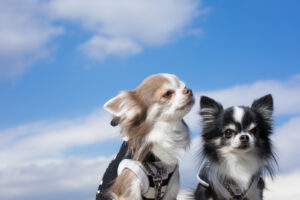

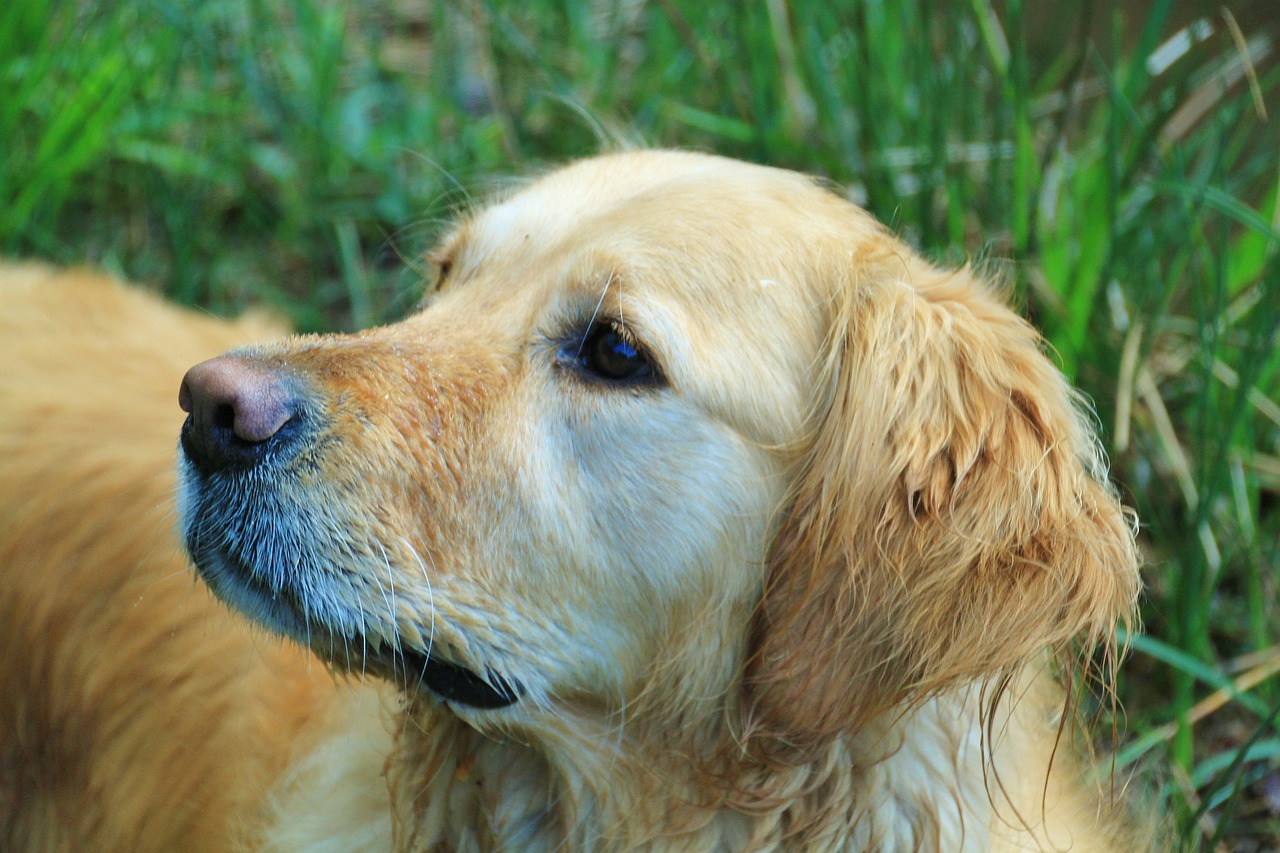
The Shiba Inu is a popular Japanese dog breed, attracting attention overseas as a pet.
Many people are interested in owning a Shiba Inu.
When searching online for information about Shiba Inu, you'll notice many articles about toilet training. This is because Shiba Inu have different habits and techniques than other dog breeds.
- Is toilet training a Shiba Inu really that difficult?
- What should I prepare?
- Are there any points I should be careful of?
Even if you're worried about this, understanding the unique habits of Shiba Inu dogs will help you prepare for potty training!
Shiba Inu dogs may take a little longer to train than other breeds, but they'll definitely get it done. Use this article as a guide and try potty training them.
Let's start by learning about Shiba Inu habits
To successfully toilet train your Shiba Inu, you need to be aware of its habits.
Before you start training, make sure you understand the habits introduced below.
They like to defecate away from their sleeping area
Dogs generally do not defecate in their sleeping area. This is because they have a habit of leaving no scent behind in their sleeping area, so predators won't know where they are.
In particular, Shiba Inu dogs still retain a strong wild side, so they never defecate in their nest area.
Furthermore, Shiba Inu dogs are clean freaks, so they never soil their sleeping area.
Preferring to defecate outdoors
It is said that Shiba Inu dogs have a tendency to defecate outdoors more than other dogs.
While defecation outdoors is good because it prevents odors from lingering indoors, it can be a hassle, requiring walks on rainy days or when the owner is unwell. Train your dog to defecate indoors.
Three Tips for Toilet Training Your Shiba Inu
Here are some tips on toilet training your Shiba Inu.
You can train your dog once it's an adult, but if you train it every day from when it's a puppy, it will get better faster.
① Place the litter box away from the playpen
As mentioned above, Shiba Inu dogs do not like to defecate in their sleeping area. They also do not seem to defecate in a litter box near their sleeping cage or in a cage where the litter box and sleeping area are connected.
For this reason, prepare a litter box separate from the sleeping area.
The litter box should be located away from the sleeping area, in a comfortable place such as a corner of the room. The litter box should be spacious enough, not too small, and should have four corners enclosed so that the dog can defecate in a comfortable environment.
If you don't have a toilet that's big enough for your Shiba Inu or the space in your room, you can always make one yourself.
This article provides tips on how to make a DIY dog toilet, so please refer to it.
Make your dog's toilet stylish with DIY! Five DIY Tips
② Make sure your Shiba Inu only defecates indoors
If your Shiba Inu can only defecate outdoors, it can cause problems, such as holding it in when you're away or when it can't go outside, or marking everywhere.
Make sure to get your dog used to using the toilet indoors before going for walks from the moment you get it.
If your dog needs to defecate outdoors, it's best to guide it in.
③ Don't scold them if they fail
Not just for Shiba Inus, but for any dog, it's important not to scold them if they fail to toilet train. Scolding your dog can create a negative image of excretion, a natural phenomenon, and can lead to them defecating out of sight, further hindering training progress.
Praise them when they succeed, and quickly clean up if they fail without saying anything.
Not for Beginners? Various Facts About Shiba Inu Dogs
Shiba Inu dogs retain more of their wild habits than other dogs, so they may be a bit challenging for first-time dog owners. Before adopting a Shiba Inu, it's important to learn more about them.
What's a Shiba Inu's Personality Like?
Shiba Inu dogs have lived in Japan since the Jomon period. During this time, they were used as hunting dogs throughout Honshu.
Though personalities vary from dog to dog, they are stubborn, temperamental, and loyal to their owners, so they are not the type to be overly affectionate. However, they often show their cute side to owners they trust.
What are the types and characteristics of Shiba Inu?
The Shiba Inu was designated a national natural monument in 1936 and is the most commonly kept breed of dog in Japan.
Let's take a closer look at the different types and characteristics of the Shiba Inu.
| Types | Red, dark brown, sesame, black sesame, red sesame |
| Height | Male: 39.5 cm, Female: Approximately 36.5 cm |
| Weight | Male: 10 kg, Female: Approximately 8 kg |
| Average lifespan | Approximately 13 to 16 years |
| Characteristics | Double coat, molting in spring and fall |
Shiba Inu breeds are categorized by coat color: the most common red, the dark brown with white markings on black fur, and the goma (mixed red and black) variety. The goma variety is further divided into the red goma variety, which has a higher proportion of red fur, and the black goma variety, which has a higher proportion of charred fur.
White Shiba Inu breeds exist, but they are not officially recognized by the Japan Kennel Club or the Japanese Kennel Club. Furthermore, a smaller variety known as the Mame Shiba has recently become popular, but this variety is also not officially recognized.
Shiba Inu breeds have a double coat, which causes hair loss during the shedding season. Diligent brushing is recommended. Furthermore, since no trimming is required, they are easy to care for at home.
The average lifespan of a Shiba Inu is generally considered to be around 13 to 16 years.
What should you be careful of with a Shiba Inu?
Japanese dog breeds, including the Shiba Inu, are prone to allergies. Shiba Inu in particular is said to be prone to skin irritations such as atopic dermatitis, endocrine dermatitis, and pyoderma.
Other conditions that require careful attention include patellar luxation, mitral valve insufficiency, and cataracts. Furthermore, it is said that older dogs are more likely to develop dementia.
Please also refer to this article for a detailed explanation of Shiba Inu allergies.
Are Shiba Inu dogs prone to allergies? Explaining symptoms and allergens
Summary
What did you think of our introduction to toilet training Shiba Inu dogs?
Shiba Inu dogs still retain a strong wild side, so training them to do the exact opposite of their natural habit of defecating outdoors, away from their sleeping area, requires patience.
Persistent training will help establish a habit that is reassuring for both dog and owner.
Shiba Inu dogs love to be praised. When they use the toilet, give them lots of praise!












![Dog Diet [Food]](https://with-my-dog.com/wp-content/uploads/2021/10/dog-g9601cd196_1920-300x199.jpg)
![[Photos] Want to see cute lion-dog statues? Check out these popular shrines](https://with-my-dog.com/wp-content/uploads/2022/07/pexels-markus-distelrath-2832119-300x200.jpg)