
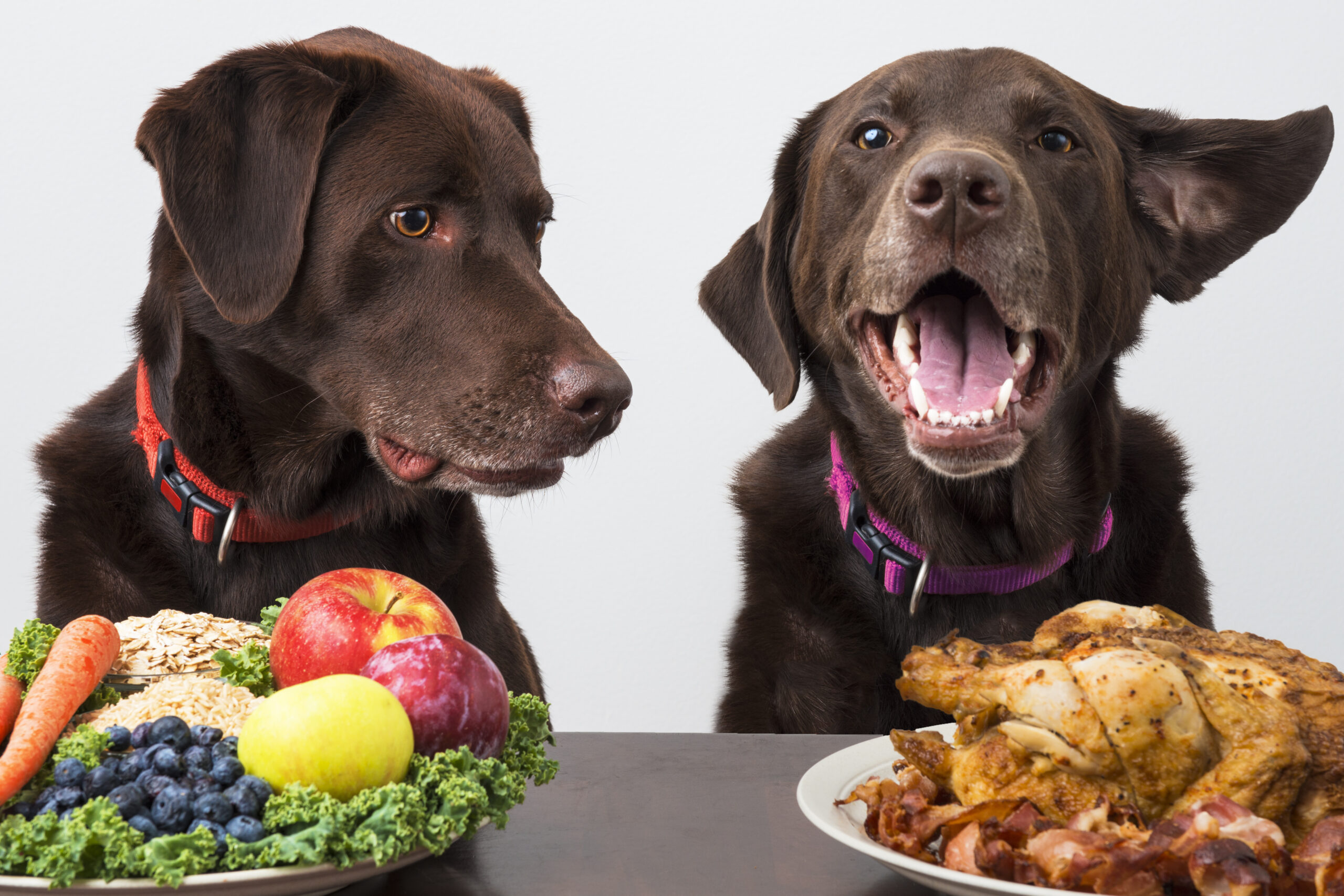
Choosing the right dog food for your dog can be difficult.
You want to choose the right dog food for your dog, but the sheer number of varieties can be overwhelming.
Today, I'd like to introduce some key points to consider when choosing dog food for your dog, comparing various types.
Types of Dog Food
First, let's introduce the different types of dog food available.
〇By Purpose
- Complete Nutrition
This dog food is suitable as a main meal.
Food is a dog's main source of energy, so choosing a poor-quality product can result in harm to your dog's health.
Since this is something your dog will eat every day, it's important to choose something of the highest quality possible that contains ingredients appropriate for your dog.
- Snacks
This is the food commonly referred to as a "snack."
Compared to complete nutritional foods, these foods tend to have a stronger smell and flavor, making them popular with dogs.
Giving it to a dog with no appetite can stimulate its appetite, and using it as a reward when training can make training easier.
However, if you give too much, your dog may become accustomed to the strong flavor, stop eating its usual meals, or become obese due to excessive calorie intake.
Be careful not to give too much.
- Therapeutic Diet
This is a diet given to pet dogs when they are experiencing some kind of abnormality or undergoing treatment for an illness.
Compared to regular dog food, it is often lower in salt. This is often given after a diagnosis at a hospital or other facility.
By Shape
- Dry Type
Dry types contain about 10% water, with the remaining 90% being nutrients and additives.
Because they contain less water, a small amount contains a lot of nutrition.
Compared to the other wet type, this type requires less feeding and tends to produce less waste.
However, since it doesn't contain much moisture, you'll need to provide water with meals.
- Wet Type
Wet type food contains about 75% water, with the remaining 25% being nutrients and additives.
Because it is mostly water, a larger amount is required than dry food to obtain the nutrients.
It is highly palatable and easy to eat, so you can mix it with dry food to encourage appetite.
Rather than a regular meal, it is recommended as a small treat, or for dogs with a poor appetite.
Also, because it is low in nutrients, it is recommended for overweight dogs, as it will make them feel full while reducing the calories.
By Life Stage
- Puppies
Puppies' teeth and digestive systems may still be underdeveloped, so wet dog food is recommended if possible.
Also, because they are growing, they require more calories than adult or senior dogs.
We recommend dog food that provides adequate nutrition and is gentle on the teeth and stomach.
- Adult Dogs
As dogs reach adulthood, their teeth and stomachs are fully developed, so either wet or dry food is fine.
However, since adult dogs will be eating every day for a long period of time, feeding them poor-quality dog food can lead to illness and obesity.
It's important to choose dog food that contains as few unnecessary ingredients as possible.
- Older Dogs
Older dogs' teeth become weaker, and their digestive organs, such as their stomachs, weaken.
Feeding hard, dry dog food can lead to a reluctance to eat, and excessive feeding can cause health problems.
Just like with puppies, you'll need to take measures such as feeding them softer dog food and feeding them in small, frequent meals.
Recommended Dog Food for Each Life Stage
So far, we've introduced different types of dog food. Now, let's take a look at some of my personal recommendations for different life stages.
Puppy
- Supremo Puppy Food
This dog food contains a blend of 17 more carefully selected ingredients than the adult dog food, providing a balanced mix of nutrients necessary for puppy development.
It contains a high calorie content, making it suitable for puppies as well as pregnant and nursing dogs who require a high level of nutrition.
Although this is dry dog food, it comes in small pieces, making it easy for puppies to eat.
It can also be soaked in water, making it an easy-to-eat dog food for puppies.
- Junior Beef & Green Tripe
This dog food is wet.
Compared to dry food, this requires more food intake. However, for puppies, it uses a lot of the digestive organs of herbivorous animals as ingredients, providing nutrition similar to that of wild carnivores and making it gentle on the stomach.
This food is blended with goat's milk and salmon oil for growing puppies.
Another great feature is that everything from ingredients to packaging is traceable.
Adult Dog
- Kono Kono Gohan
This food is made with a balanced blend of healthy ingredients, including Kyushu-produced chicken breast, which is rich in high-quality protein essential for healthy dogs yet low in calories.
Furthermore, all ingredients are human-grade, making this dog food ideal for long-term feeding.
- Butch
This product is made with a strong commitment to being additive-free, with no artificial additives and is gluten-free.
In addition, dogs are carnivores, so they need a high-protein diet that is closer to raw meat.
This product has a moisture content close to 70%, the same as fresh meat, and the meat content of the ingredients is up to 92%.
By eating food in a state similar to fresh meat, you can enjoy a stress-free and healthy diet.
Older Dogs
- Dog Food for Cats
This product contains glucosamine and chondroitin to support the health of elderly dogs whose joints tend to weaken, and blueberry and lutein to support eye health.
Protein management is also important for older dogs.
If the amount is too high, it can put a strain on the kidneys, while if it's too low, it can make it difficult to maintain muscle mass.
This product is designed for senior dogs, so it's balanced to minimize strain.
- Naturol
This product is made in Japan with human-grade ingredients and is gluten-free, making it a truly excellent product.
In addition, this product is made with your dog's health in mind, with no preservatives, no artificial seasonings, and no oil coating.
This dog food has received rave reviews from customers who have used it, with comments such as "My dog's appetite improved," "No more tear stains," and "My dog's coat became thicker and lusher."








![[Detailed explanation] How much does it cost to neuter a dog? Can insurance be used?](https://with-my-dog.com/wp-content/uploads/2022/03/22930207_sのコピー-300x200.jpg)