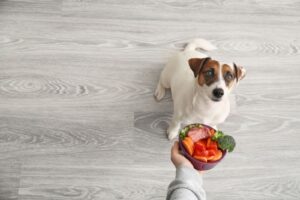

Today, high-quality dog food is available on the market, and there are plenty of treats that even people would consider delicious.
However, recently, more and more pet owners are feeding their dogs homemade food in addition to commercial food.
Here, we'll introduce information about the pros and cons of feeding your dog homemade food.
The Pros and Cons of Homemade Dog Food
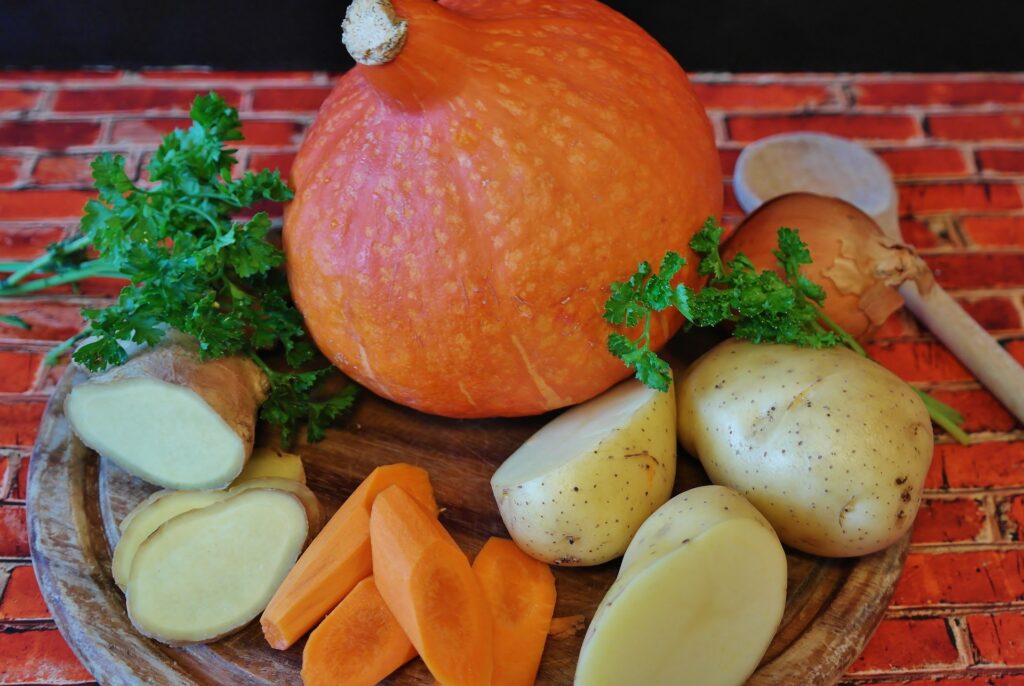
Complete dog food is the norm, but homemade food made primarily with vegetables and meat offers many benefits.
Benefits of Homemade Food
Homemade food offers two major benefits: improved safety and health benefits.
1. You can feed your dog safe food
Feeding 100% homemade food allows owners to understand and control all ingredients used in the food. Since it's made without ingredients that could harm your dog's health, you can feed it with peace of mind.
2. You don't have to feed your dog unnecessary additives
Inexpensive dog food, in particular, often contains a variety of additives. Homemade food contains various additives, including antioxidants and coloring agents, which can put unnecessary strain on your dog's body and negatively affect digestion. The major benefit of homemade food is that it eliminates all of these ingredients.
3. Easily absorbs moisture from food
Dry food typically contains less than 10% moisture to enhance shelf life, but homemade food allows your dog to consume the moisture contained in the ingredients. This is useful for hydrating dogs during the winter, when they tend to drink less water than usual, and is also recommended for dogs that don't drink much water on a regular basis.
4. Improves coat lustre and stool quality
If your dog has allergies, homemade food that avoids allergenic ingredients can help alleviate allergy symptoms. It also provides high-quality nutrients, which can improve your dog's coat lustre and stool quality.
5. It can also help improve unpleasant breath and body odor
Many pet owners who have started making their own pet food have noticed improvements in their dog's breath and body odor. Compared to commercially available pet food, homemade food contains fewer additives, which may improve their dog's intestinal environment and reduce unpleasant odors.
Disadvantages of Homemade Food
While homemade food has many benefits, it also has some disadvantages.
1. It's Time-consuming
Compared to simply pouring dog food into a bowl and feeding it to your pet, homemade food is much more time-consuming. Not only is it time-consuming to prepare the food, but it also requires the effort of coming up with a recipe and going to the store to buy fresh ingredients every time.
2. Cannot be stored
Homemade food contains a lot of moisture because it's made with fresh ingredients, and because it contains no preservatives, it spoils quickly. To prevent the growth of bacteria and mold, it must be consumed on the day it's made or the next day, making it difficult to adapt to a variably balanced diet.
3. It's difficult to balance your dog's nutrition.
Making a balanced diet that provides a good balance of protein, carbohydrates, dietary fiber, and omega-3 fatty acids is surprisingly difficult. Failure to properly manage your dog's nutrition can hinder its growth, so be careful.
4. Your dog may stop eating commercial dry food.
If your dog gets used to homemade food, it may stop eating commercial dry food. While this is fine under normal circumstances, if your dog refuses to accept commercially available dog food during emergencies such as disasters, it could pose a life-threatening risk.
Next, let's look at recommended ingredients for making homemade dog food and ingredients that should not be used.
Recommended Ingredients for Homemade Food
Ingredients suitable for homemade food include fresh, safe foods sold for human consumption.
1. Meat and Fish
For dogs that are naturally omnivorous, animal protein from meat and fish is an essential nutrient. It's a good idea to choose chicken, cooked pork or beef, and fish such as sardines and horse mackerel, rotating through these ingredients to provide a balanced diet.
Lamb is also OK, but it's actually higher in calories than pork and may cause allergic reactions, so be sure to monitor your dog's condition before giving it to him.
2. Grains
Feed your dog carbohydrates, such as white rice or brown rice. Since grains provide nutrients that are often lacking, such as iron and minerals, we recommend actively incorporating them into your dog's diet.
3. Vegetables and Fruits
Feed your dog vegetables, which are rich in vitamins and dietary fiber that cannot be obtained from meat or fish alone. Specific examples include cabbage, carrots, radishes, and sweet potatoes. As for fruits like apples, the dietary fiber called pectin in apples can cause indigestion and lead to diarrhea, so give them to your pet little by little while monitoring its condition.
Ingredients to Avoid in Homemade Feed
There are also some ingredients that should not be used when making homemade feed, so be sure to check them out.
1. Onions
Onions, leeks, chives, and other allium species are toxic to dogs, causing toxic reactions. The same is true for onion broth and soup, so never use them in homemade dog food.
2. Raw Eggs
Feeding raw eggs can cause biotin deficiency due to the effects of the egg white. As long as it's thoroughly cooked, it's a valuable source of protein, so there's no harm.
3. Condiments and Spices
Dogs don't need the same kind of seasonings as humans. Dogs have only about one-fifth the taste buds of humans, making their sense of taste difficult. They also require less salt, so the amount naturally contained in the ingredients is sufficient, even without seasonings. Strong-flavored foods also have a strong aroma, which can be overly appetizing for dogs. Dogs also have a low tolerance for spices, which can irritate their stomachs and cause diarrhea, vomiting, and loss of appetite.
4. Chocolate and Cocoa
Theobromine, a compound found in cocoa beans, is also harmful to dogs because dogs cannot break it down or excrete it. It remains toxic even after cooking, so never feed it to your dog. If your dog accidentally eats it, consult a veterinarian immediately.
5. Processed Foods
Processed foods, such as ham and sausage, contain many seasonings, additives, fats, and salt to make them more palatable for humans. These foods can strain your dog's kidneys, heart, and gastrointestinal tract, so be careful not to feed them to your dog.
How to Know the Right Amount of Homemade Food
Unlike dog food, there is no set guideline for homemade food. Feeding your dog the wrong amount can lead to malnutrition and obesity, so it's important to know how to determine the appropriate amount.
1. Calculating Daily Calories
The approximate daily calorie needs for an average dog are as follows:
*Calculations based on adult dogs (neutered and spayed)
| Weight | Calories |
|---|---|
| 2-5kg | 188-374kcal |
| 6-10kg | 429-630kcal |
| 11-20kg | 676-1059kcal |
| 21-30kg | 1099-1436kcal |
| 31-40kg | 1471-1781kcal |
The amount of calories your dog needs varies depending on its breed, age, and amount of exercise. These figures are only a guideline, so please adjust the amount based on your dog's condition.
2. Adjust portion size based on calorie needs
If your pet needs 400 kcal per day, and you feed it two meals a day, then the amount you should feed it each time is 200 kcal. Use this as a guideline to calculate the approximate calorie content of each ingredient and gradually determine the amount you should feed it.
3. Adjust portion sizes as your dog's body shape changes
If you've been feeding your dog homemade food and it's become so fat that you can't feel its ribs or spine, or if your dog's waist is no longer visible when viewed from above, it may be approaching obesity. You should consider increasing its daily exercise or reducing its food intake.
It's important to continue feeding your dog homemade food for a long period of time.
Frequent changes in food are not good for dogs, as they put a strain on the digestive system. If you decide to make homemade food, try to continue doing so for as long as possible.
However, considering the risk of your dog abandoning commercial dog food and the daily burden on you, we recommend feeding your dog both commercial and homemade food.
Why not try rotating a combination of dog food and homemade food for your dog?