
Due to the effects of general anesthesia and surgery, your dog may feel weak and depressed after surgery.
Improve your dog's physical and mental health with some key care tips.
Adjust food and exercise amounts after surgery
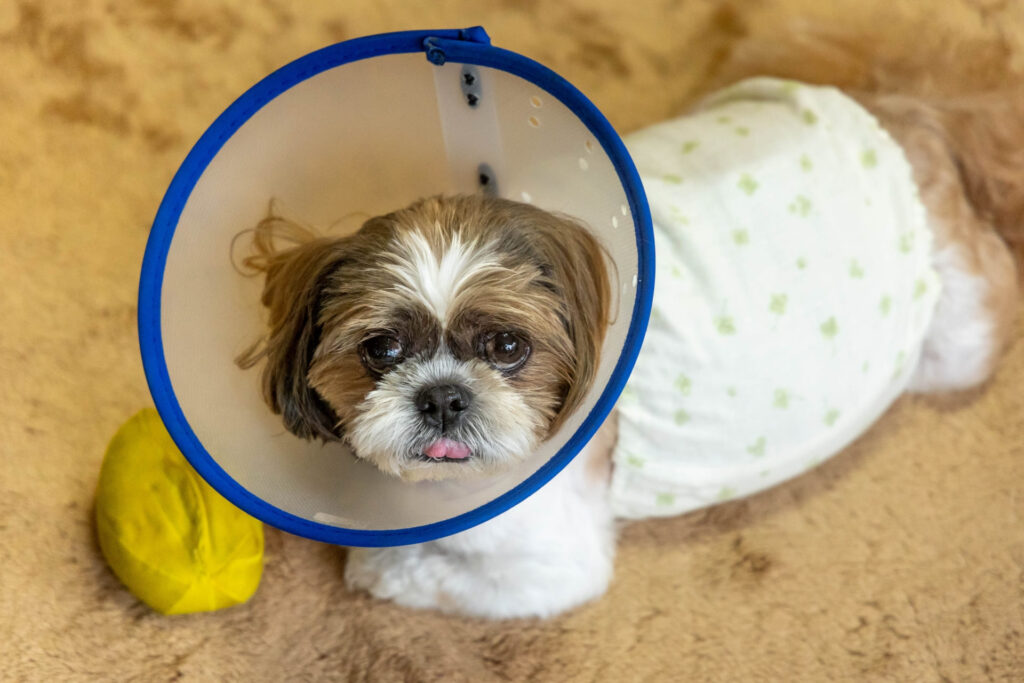
The anesthesia usually wears off about 5-6 hours after surgery.
If you feed your pet, wait until the anesthesia wears off and reduce the amount of food to about half of the usual amount. If your pet refuses to eat, there's no need to force it. Give it water little by little.
Limit walks as much as possible and let your pet rest at home. If your pet can only relieve itself outside, try holding it, or other methods, and limit exercise as much as possible.
Wound care, exercise control, and medication management until postoperative stitch removal
Feed your dog the same amount of food as usual from the day after the anesthesia wears off.
If your dog is eating less than usual, switching to wet food may help improve its appetite.
Some hospitals may prescribe medication after surgery. Covering the medicine with wet food or cheese to mask the bitter taste may make it easier to give.
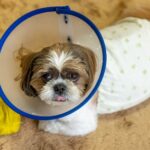
If your dog licks the wound out of concern, bacteria may enter and cause infection. When deciding whether to remove the stitches, protect the wound with an Elizabethan collar or similar protection until the inflammation subsides.
Also, exercise can cause the wound to twitch and become painful. Therefore, until the stitches are removed, avoid excessive exercise, including strenuous walks. It's also best to avoid taking your dog to places where it's likely to get excited, such as dog parks.
Precautions before removing stitches
1) Do not let your dog lick the wound
Dogs' saliva contains bacteria. Licking the wound can cause it to become infected.
2) Do not get the wound wet
If the stitches have not yet been removed, it is best to avoid getting the wound wet, shampoo the pet the day before surgery, and allow it to recuperate at home on rainy days.
3) Do not put stress on the wound
It is important to limit exercise a little and create an environment that prevents the wound from expanding. Take care not to excite your pet and limit outings other than for walks.
After the stitches are removed, have your dog wear an Elizabethan collar or similar until the inflammation at the wound subsides.
Even though the wound has healed, you should still be careful.
For a while, your dog may lick the wound out of concern. If left untreated, inflammation will occur, so have your dog wear an Elizabethan collar or similar until the inflammation at the wound subsides!
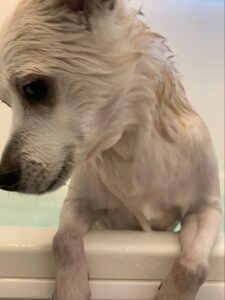
You can shampoo your dog three days after the stitches have been removed, once the inflammation has subsided. Until then, try to avoid getting the affected area wet.
If you're concerned about your dog's odor, try wiping the area other than the wound with a wet towel.
If your dog underwent surgery without stitches, it's best to check with the hospital before deciding when to shampoo.
Mental Care After Neutering
For your beloved dog, undergoing surgery in a hospital can be quite traumatic. In such situations, your response can sometimes make a difference in your relationship afterward.
Treat your dog as normally as possible the day before and the day of surgery.
If you exaggerate your dog's concerns by saying things like, "Don't be scared!" or "It's okay!", your dog will sense your unusual behavior and become more anxious, which will cause him to become restless before surgery. Avoid adding to your dog's anxiety, avoid unnecessary verbal abuse, and leave the examination room as if nothing happened.
Keep your dog calm and relaxed after surgery
Immediately after surgery, your dog will experience some mental stress.
Some dogs may become reluctant to eat due to the shock of being left alone and having to stay overnight at the hospital. Help your dog relax by providing frequent physical contact, and if it shows an appetite, offer its favorite treats to help lift its spirits.
If your dog continues to be depressed the next day or exhibits unusual behavior, consult a veterinarian.
Treat your dog as usual from the day after surgery onward
It's easy to indulge your dog in pain. Treating your dog "just for now, just for the moment" can confuse your dog. If you continue to stay close to your dog even after it has stabilized, it may become difficult to leave it alone later.
Normally, you can leave your dog at home and go out two days after surgery.
After the stitches are removed, make sure you leave a good impression at the hospital during the one-week recovery period
Some dogs may develop a dislike for the hospital after neutering surgery. This can cause stress with every checkup and lead to concerns about their health.
By including the hospital on your walking route, stopping by, and giving treats in front of the hospital, pairing your dog's favorite treats with walks, you may be able to gradually change how your dog perceives the hospital! Make an effort to get your dog used to the hospital, even if only a little.
Changes in Diet After Surgery
Neutering your dog will eliminate the stress of heat and help stabilize their mood.
Your dog's appetite may increase or its energy expenditure may change compared to before surgery, leading to weight gain even if it eats the same amount of food.
Even if your dog's appetite increases after surgery, continue to feed it the same amount of food as before!
If your dog seems to have gained weight over the past month, consult with your doctor and consider revising its diet.
Your dog's personality may change after surgery
After neutering, sex hormones decrease. Males' aggressiveness and possessiveness decrease, and dogs that frequently fight with other dogs are said to fight less frequently.
However, other aspects of their personality are said to remain largely unchanged.
After surgery, your dog may appear timid and sensitive to noises, but this is due to the effects of being away from home overnight. Your dog's personality will not change.
Summary of castration surgery

When your dog is about to undergo its first neutering surgery, many owners may be hesitant.
Some owners may be worried about what will happen after the surgery.
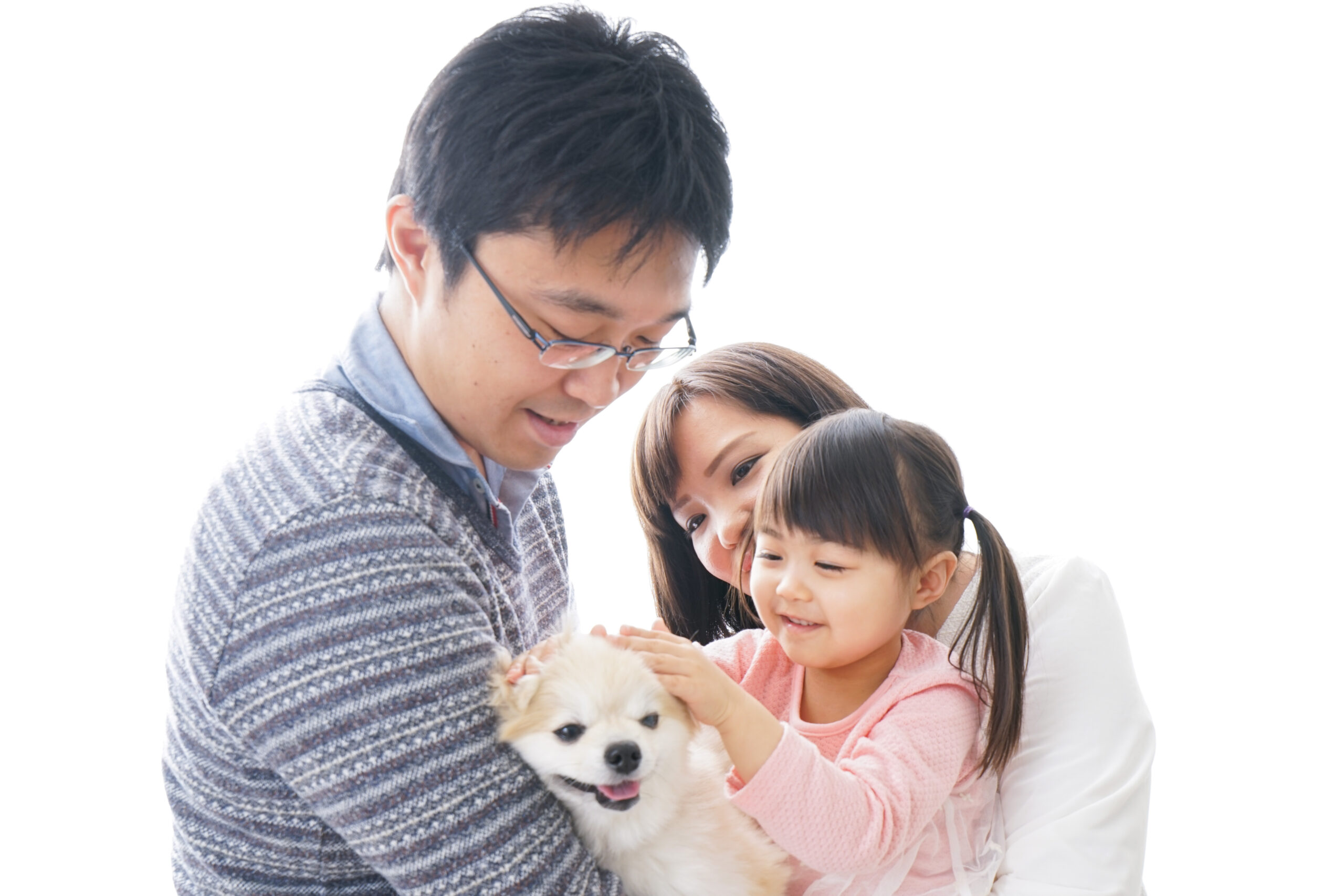
Even so, if you properly care for your dog, both you and your dog can live a better life than before the surgery. Therefore, I think it's best to avoid worrying too much and focus on your dog. Neutering may be a part of your life together as you continue to spend the long term with your beloved dog.



![[Funny Dog & Cat Videos] Tips for Filming to Bring Out Their Charm and Make Your Dog Look Like That!](https://with-my-dog.com/wp-content/uploads/2022/04/3015452_s-150x150.jpg)


![Feed your puppy softened dog food! [Feeding Tips]](https://with-my-dog.com/wp-content/uploads/2022/04/image1-300x200.jpg)