

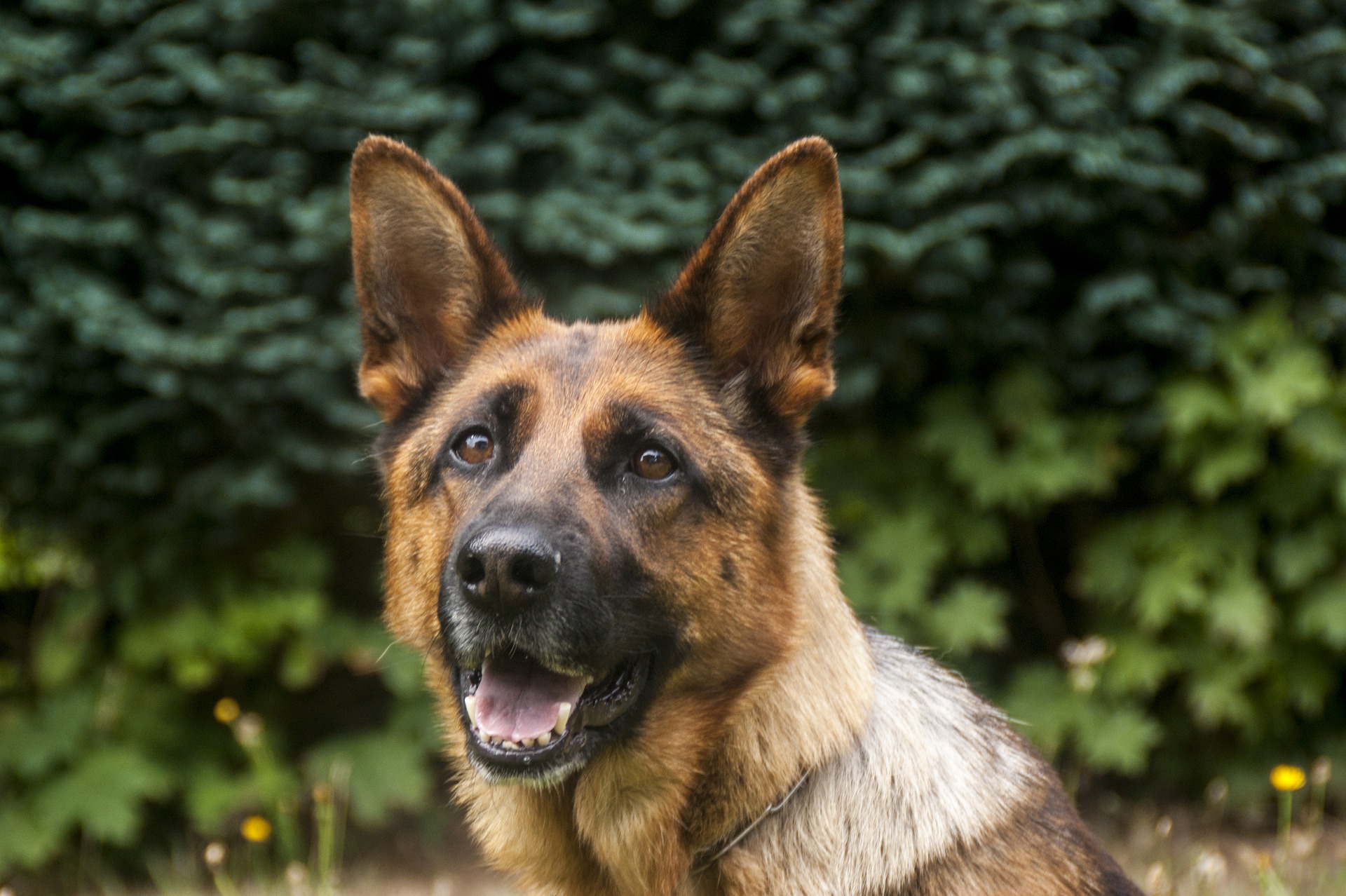
For those who have recently gotten a dog, or those who don't own a dog at all, you may not know whether dogs have ear hair or not.
Humans have ear hair, but dogs vary in size!
Some dogs have no ear hair, while others have a lot.
Today, I'd like to introduce you to dog ear hair.
Does it vary by breed?
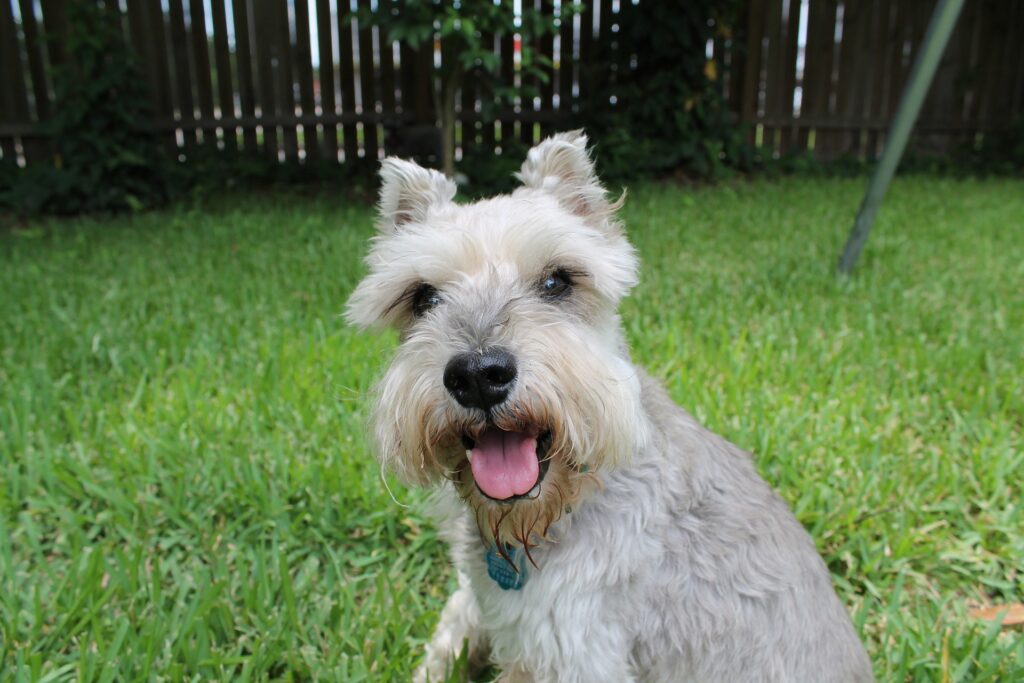
Depending on the breed, there may be differences in the amount of ear hair, and some breeds may not have much at all.
Dog Breeds with Lots of Ear Hair
- Schnauzers and Poodles
You may be wondering why Schnauzers and Poodles have so much ear hair.
It's said that in the past, they would often go into the water to catch waterfowl, so their ears had a lot of hair to help repel water.
Dog breeds that don't have ear hair
- Chihuahuas, Dachshunds, and Dobermans don't have ear hair.
The Need for Ear Hair Trimming
Opinions may differ on whether or not to trim ear hair.
I'd like to explain why it's recommended to trim your ear hair.
First, if ear hair grows thick and densely, it can lead to bacterial growth if wax gets stuck to the ear hair.
During the rainy season, humidity can cause bacteria to grow inside the ear, leading to itchy ears. If ears remain damp, there's also the risk of developing otitis externa.
For this reason, trimming your ear hair and keeping them clean is important.
So what is the purpose of dog ear hair?
If it's better to shave, why does it grow there? Many people have wondered this.
Ear hair grows to repel water and protect against dirt and dust.
However, because the hair is no longer in the same condition as in the past, people may feel it's unnecessary...
In the past, many dogs served humans, but now they are kept as pets. Ear hair, which was necessary when dogs worked for humans, is no longer necessary these days.
What is a working dog?
In the past, people didn't interact with dogs like they do today. Even today, there are dogs that serve humans.
These dogs were different from the modern-day dogs. Let's take a closer look at the types of working dogs we know today.
Hunting Dogs
It's said that the first job of dogs was hunting.
We know this because cave paintings from 9,000 to 8,000 years ago depict dogs chasing deer and cattle, or fighting animals alongside humans.
More than 10,000 years ago, humans who obtained food by hunting worked with dogs to hunt prey, protect others, and bring back dead prey.
Herding Dogs
When humans began to settle in fixed locations and began raising livestock, herding dogs (sheepdogs) appeared.
The oldest known sheepdog is believed to be a sheep and dog bone found in a layer of rock dating back to around 4300 BC.
There are two types of herding dogs: those that protect livestock from other animals and those that guide and herd livestock.
Sled Dogs
They are believed to have existed around 10,000 years ago. They used dog sleds to travel long distances and transport goods.
Military Dogs
As nations emerged in the age of humans and conflicts began to break out, dogs began to be used in warfare.
They were used for attack and defense, but they were also said to have been used as a means of communication.
They were also used as detection dogs to detect bombs and other objects, and as sanitation dogs to guide rescue teams to find and help injured people.
In addition, in Europe, where hunting was a popular sport, people began breeding dogs suited to more specific roles, such as hunting large animals, finding and reporting prey, and searching for downed waterfowl, and this is said to have led to an increase in the number of such dog breeds.
Differences in Roles and Other Matters from the Modern Era
Unlike in the past, more people now keep dogs as pets.
Furthermore, with the development of technology, the tasks previously performed by dogs have become less common.
We'll introduce you to the types of dogs that are currently serving humans and the roles they play.
Working Dogs
There are police dogs that capture criminals and assist in investigations using their sense of smell, disaster rescue dogs that search for missing people in the event of a disaster, and detection dogs that sniff out and locate explosives, guns, prohibited items, and drugs, mainly at airports.
Social Dog
- Guide Dogs
Guide dogs were first introduced in Japan in 1957, but they have a much longer history overseas.
Guide dog training is said to have begun in Germany during World War I, when guide dog training schools were established for people who had become blind as a result of the war.
As the name suggests, they help the blind.
- Therapy Dogs
There are three types of therapy dogs: animal-assisted therapy, which works in collaboration with doctors and nurses as a medical procedure; animal-assisted activities, which improve quality of life and healing through interactions with dogs; and animal-assisted education, which enhances educational outcomes.
There are three types of therapy dogs:
- Service Dogs
In Japan, the National Service Dog Association was established in 2004.
Service dogs play a vital role in supporting the daily lives of people with disabilities. They perform a variety of tasks, including helping with shopping and opening and closing doors.
Ear Hair Trimming Methods and Materials
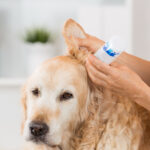
If your dog's ears have a lot of hair, or if the hair gets in the way when cleaning, it may be a good idea to trim it.
It's important to trim it moderately (about once a month).
*Excessive trimming is not recommended, as it can cause itching.
The recommended tool for trimming dog ear hair is a pair of human eyebrow scissors. The rounded tips make it less likely to damage the inside of the ear.
You can also pluck the ear hair, but this method is very difficult, so if you think it's too difficult, have it done at a vet or pet salon.
If you're doing it yourself, your dog may get violent, so it's best to work with someone else.
Try not to force it.
Summary
This time, we've introduced how to care for your dog's ear hair.
We've covered various topics, including why some dogs have a lot of ear hair, the risks of not trimming ear hair, and how to care for it. However, it's important to consider how to care for your dog best!




![[How to choose a dog toilet sheet] Introducing recommended toilet sheets](https://with-my-dog.com/wp-content/uploads/2021/10/991804_m-150x150.jpg)








![[Latest] Dog Food Ranking: Introducing the dog food you should choose now](https://with-my-dog.com/wp-content/uploads/2021/09/612MSPkGolL._AC_SL1000_03-208x300.jpg)