
How to prevent your dog from spilling its toilet bowl? Here are three ways to prevent this.

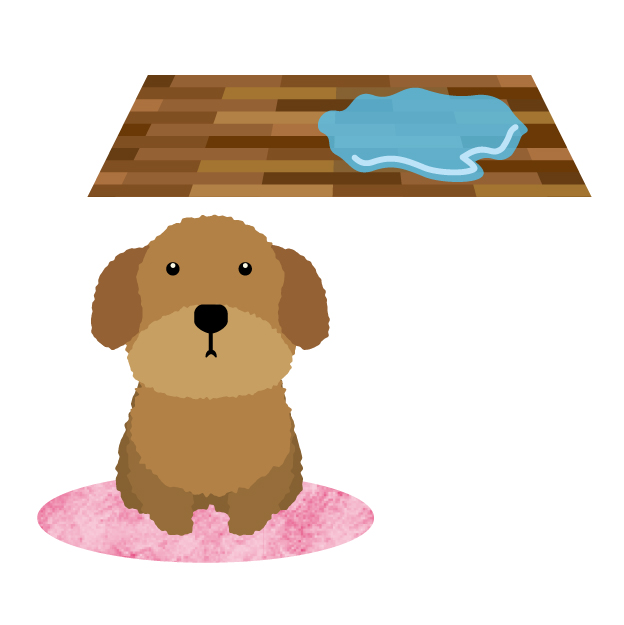
Have you ever been troubled by your dog's urine or feces spilling out even though it's in the right place?
Don't scold your dog. However, if this happens every time, it can be a pain to clean up. Some owners probably want their dog to be able to put the toilet on the toilet sheet without making any mistakes.
You might find yourself impulsively getting frustrated and asking yourself, "My dog is already potty trained, and he's been doing it well up until now, but he's started making mistakes recently. Why...?"
There's actually a reason why your dog keeps going outside the toilet. Once you understand the cause, it's surprisingly easy to fix.
Please use this article as a reference and help your dog successfully use the toilet without any stress.
Why Dogs Overtake the Toilet
If you think about it from your dog's perspective, you'll understand why they might leave the litter box instead of putting it inside. This could be because your dog is a clean freak, the litter box isn't the right size for them, or it could be a sign of a senior dog. Observe your dog carefully to determine the cause.
The litter box is dirty or smells bad
Dogs are clean animals. If the litter box is already wet, they'll want to avoid touching that area with their paws when urinating or defecating. As a result, the litter box spills out of the litter tray. In households with multiple dogs, dogs will be particularly reluctant to use the toilet where other dogs have used their toilets.
A dirty litter box can be a stimulant for dogs, leading to accidents. If the litter box becomes dirty, rinse it with water to remove the odor. Also, change the litter box sheets frequently to ensure your dog's toileting experience is comfortable.
Doesn't fit the dog's size
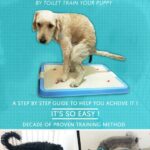
Many male dogs lift their legs to urinate, so use an L-shaped litter box that is tall enough for them to lift their legs. Female dogs urinate by squatting, so choose a toilet mat that is large enough to allow ample space for them when sitting in the center.
Dogs may not understand their own size and may urinate in an uneven spot, resulting in overflow. Even if your dog thinks they're using the toilet properly, if their size is larger than the toilet mat, they'll inevitably overflow.
Aging in Dogs
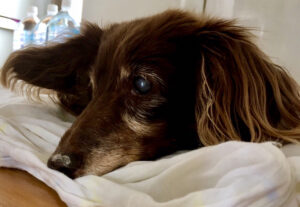
Small and large dogs age at different rates. While this depends on the breed and individual characteristics, small dogs may begin to show signs of seniorhood around the age of 10. One sign that your dog has entered the senior stage is when their body weakens and they start to stumble.
Even if they used to be able to urinate properly in the litter box, their senses may have dulled and they may now be going overboard. As your dog ages, their movements will become slower and more relaxed. Consider switching to a larger litter box to accommodate their age.
Make sure your dog is able to urinate and defecate slowly.
It's important not to scold them even if they make a mistake!
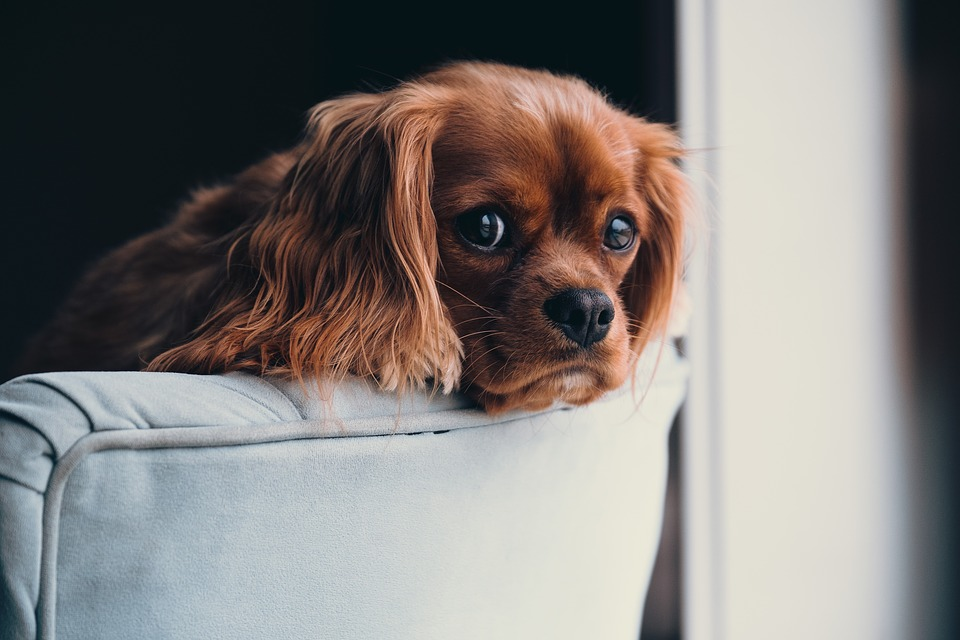
If a dog is scolded for having an accident, it may come to believe that urinating or defecating is itself something to be scolded for. This can lead to your dog becoming afraid of being seen using the toilet, and so it will do so when you're not looking or in a different location.
Or, your dog may start to hold in its urination or excretion, which could lead to illness. The important thing is to guide your dog so that it doesn't have any toilet accidents. Even if your dog does have an accident, keep the litter box clean without worrying about your dog. Don't forget to spray any excess with a deodorizing spray to remove any odors.
Three Ways to Deal with Dog Toilet Problems
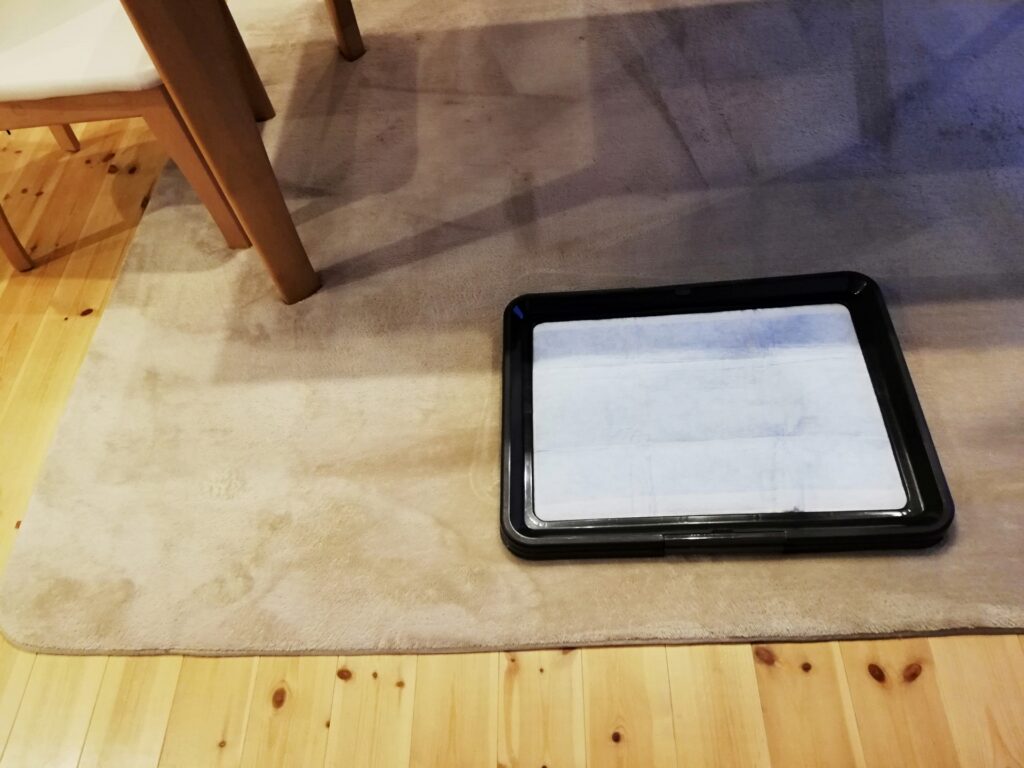
When it comes to your dog's toileting issues, the key is to take your time, be patient, and let them learn slowly. Patience is required, but don't scold them even if they make an accident. Remember to treat your dog with respect, just like your precious child.
As a first step to preventing your dog from making accidents, try to avoid placing anything in the room that your dog might easily mistake for a toilet. For example, fluffy rugs and small fabric items are prone to accidents. Dogs also have a tendency to want to urinate in soft, fluffy places.
In particular, sofas and cushioned chairs are common targets for marking and urination. If it's difficult to move, protect them with a sofa cover and take other precautions to prevent your dog from using the toilet.
① Change the toilet sheet frequently
Dogs are clean freaks, so they tend to avoid areas that are already wet with urine, which can cause an unpleasant odor. The solution is to replace the toilet sheet with a new one immediately after your dog uses the toilet.
If you're using a wide-size toilet sheet, having to replace it every time can be a waste. In that case, try a regular-size or thin-type toilet sheet and save money by replacing only the soiled ones.
② Make the toilet sheet bigger
If the toilet sheet is small compared to your dog's body size, you'll need to be careful not to let your dog spill over when using the toilet. If your dog hasn't been potty trained to that extent or if it often spills over, consider using a larger toilet sheet.
For male dogs, using an L-shaped litter tray with a wide-sized litter sheet may reduce the number of accidents. For female dogs, litter trays designed to fit wide-sized litter sheets are available, providing more space for toileting.
③ Try enclosing the litter box
Flat litter trays tend to cause the dog's hind legs or buttocks to stick out. If your dog keeps making the same mistake, it might be a good idea to enclose the area with a small baby gate or similar. Preventing your dog's body from sticking out will lead to more successful toileting.
There are also toilet trays available that come with a built-in enclosure. These are convenient for dogs who are not yet fully toilet trained or senior dogs. Plastic ones are washable and hygienic, making them ideal. Choose one with a wide enclosure so your dog doesn't feel cramped and uncomfortable.
Summary
There are a variety of reasons why your dog may overflow when using the toilet. Don't force it into place! Getting emotional about this will only be counterproductive. Continue potty training while respecting your dog's individuality, but guide him in a direction that makes using the toilet more comfortable. This is the solution you can take after identifying the cause.
If your dog remembers where the toilet is but can't use it on the toilet sheet, it's important for you to take measures that allow you to do so. And when he successfully uses it on the sheet, be sure to praise him wholeheartedly.
Once you start taking measures, it's important to continue them repeatedly until he's perfect. If he goes beyond the toilet sheet during this time, clean the area without bothering your dog.
If you scold your dog at this time, he may mistakenly think that going to the toilet is a bad thing. Or, some dogs may find it amusing that their owner reacts when they go outside the toilet, and may come to think that going outside is a good thing.
As you can see, the reasons for going outside the toilet vary from dog to dog. There is surely a unique reason for each dog. Be patient and give lots of praise, and find ways to make your dog and you live comfortably without stress.





![Interesting! Names and secret stories of great men's dogs [Saigo Takamori and his beloved dog]](https://with-my-dog.com/wp-content/uploads/2022/04/image1-3-150x150.jpg)
![[When to Neuter a Dog] Is it too late for an adult dog? Risks, advantages and disadvantages](https://with-my-dog.com/wp-content/uploads/2022/05/cocker-spaniel-g0d3ad5651_1920-150x150.jpg)



![Want to see cute dog photos? A collection of popular sites [including free stock images]](https://with-my-dog.com/wp-content/uploads/2022/07/image4-11-300x200.jpg)