

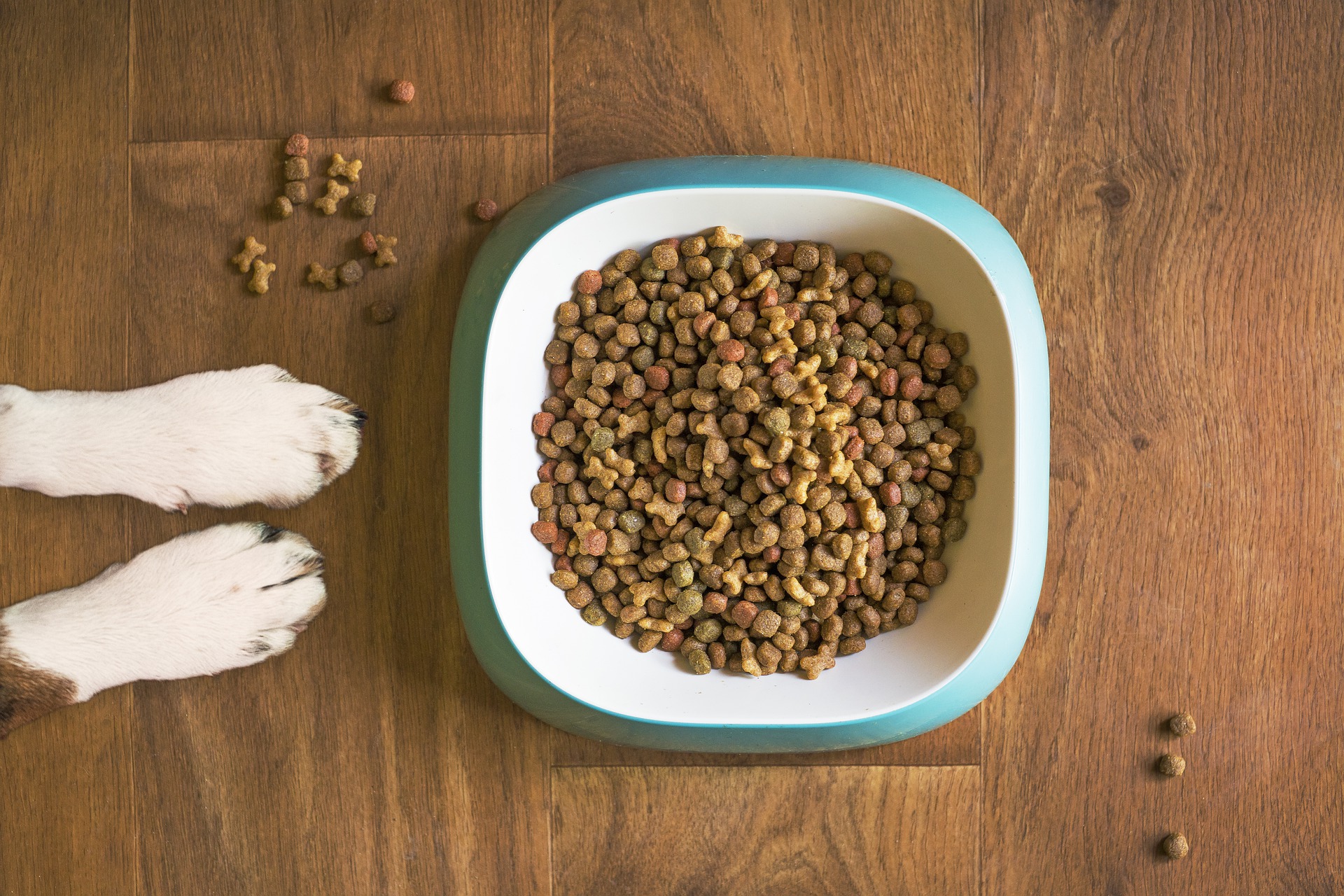
The dog food your beloved dog always eats.
It's so adorable to see your dog eating its food with such gusto. Dogs love to eat, so they often look forward to mealtimes. It's adorable to watch your dog eating, but are you feeding them the appropriate frequency and amount of dog food?
"I feed my dog at the same time every day, but I'm not sure if that's the right way to do it."
"There are so many different types of dog food, how do I choose the best one for my dog?"
Many dog owners, especially those who have just started raising a dog, may be struggling with these concerns. To keep your dog healthy, it's important to obtain the necessary nutrients from your diet.
This article explains how to choose and feed dog food, as well as safety. If you're having trouble deciding on a dog food for your pet, be sure to read this article.
How to Choose Dog Food

What is Dog Food?
Dog food is food for dogs that is produced by machines in factories.
It is made from ingredients that contain the nutrients dogs need.
The main ingredients in dog food are:
- Meat (chicken, beef, etc.)
- Seafood (white fish, etc.)
- Eggs
- Vegetables (pumpkin, cabbage, spinach, etc.)
- Grains (wheat, corn, etc.)
- Dietary fiber
- Vitamins
- Minerals
Supplements and dog treats are also considered dog food.
Because dog food is something your dog eats every day, choose food that contains the nutrients your dog needs.
Since the ingredients vary depending on the dog food, it's best to choose one that suits your dog's constitution.
Types of Dog Food
Dog food is classified by its moisture content.
- Dry Food
- Soft Dry Food
- Semi-Moist Food
- Moist Food
Dog food can be broadly divided into four types.
Dry food is hard, while soft dry food and semi-moist food, also known as 'semi-moist food', are characterized by their slightly soft texture.
Moist food is the softest type of dog food.
When people think of dog food, they probably imagine dry food, which is characterized by its crunchy texture.
Dry food is the most popular of the four types and has a long shelf life, allowing for long-term storage.
However, dry food can be hard, making it difficult for dogs with weak teeth or elderly dogs to eat.
If your dog doesn't like dry food, consider soft dry food, which is relatively soft and easy to eat.
Dog Food Safety
Dog food is a daily staple for dogs.
Since it's ingested directly, many owners are concerned about the safety of dog food. Until now, dog food and other dog foods were not legally considered "food" or "edibles," meaning their safety was unreliable. Manufacturers selling unsafe dog food were not penalized.
In light of this, a new law came into effect on June 1, 2009, to ensure the safety of our beloved family members' dog food. This law is the "Act on Ensuring the Safety of Pet Food (Pet Food Safety Act)." With the enactment of this law, the manufacture, import, and sale of dog food and other products containing ingredients harmful to pets are prohibited. Furthermore, it now requires dog food to display the manufacturer's name, best-by date, and expiration date.
This law ensures a minimum level of safety for dog food.
However, it is still true that there are still products whose safety is unclear.
What kinds of dog food should you avoid to avoid negatively impacting your dog's health?
Dog Foods to Avoid
To avoid choosing dog food that you should avoid, check the ingredient label.
For example, avoid dog food that contains dangerous preservatives.
If the following preservatives are listed, be wary.
- Ethoxyquin
- BHA
- BHT
- Propyl gallate
- Propylene glycol (PG)
These are included in dog food as antioxidants and may contain carcinogens and toxins, so be careful.
We also not recommend dog food that uses coloring agents.
If food contains food colorings, it will be labeled as "Red No. XX" or "Blue No. XX."
Food colorings are known to be highly toxic, so choose food coloring-free.
Even if the food is labeled "meat," it may contain meat that is about to be discarded, so be sure to check that the quality and type of meat are clearly stated.
In addition, dog food that contains a lot of allergens such as wheat and corn should be avoided to prevent the onset of allergies.
- Contains dangerous preservatives
- Contains coloring agents
- Does not clearly label the type of meat
- Contains large amounts of wheat or corn, which can cause allergies
When choosing dog food, these are the main things to look out for to ensure you're feeding your dog something healthy.
How to Feed Your Dog
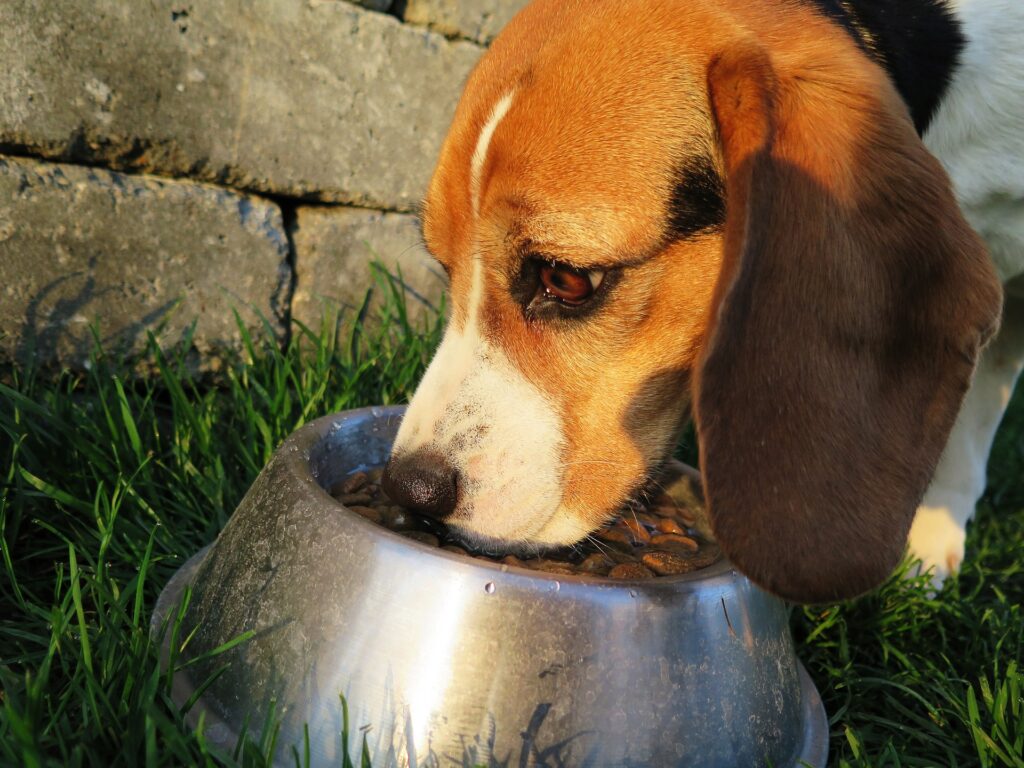
Next, we'll explain how to feed your dog.
How do I decide how often and how much to feed my dog?
The appropriate number of times and amount to feed your dog depends on your dog's age and physical condition.
- Young: Approximately 3-4 times a day
- Adult: Twice a day
- Senior: Approximately 3-4 times a day
The above number of meals is a good guideline.
Young dogs grow most rapidly during their early years, so they need the energy to grow.
Therefore, feeding them in the morning, afternoon, and evening will ensure they receive the nutrients they need for growth. Adult dogs are able to eat a lot at once, so the basic rule is to feed them two meals a day.
As they enter their senior years, their digestive function slows, so it's a good idea to split up their meals.
We recommend feeding them three to four times a day during their senior years.
The recommended amount of food for your dog should be based on the recommended amount printed on the dog food package.
Since each dog's constitution and appetite varies, first try feeding them the recommended amount to see if they can finish it.
If they finish it all or leave it, adjust the amount to suit your dog.
However, overfeeding can lead to obesity, so be careful not to increase the amount too much.
Is food training necessary?
Food training is effective in preventing stealing food or eating the wrong food.
Dogs also learn behaviors more easily when they receive a treat, so using food as a reward can help them learn behaviors.
Teaching your dog the commands "stay" and "sit" will help them develop the habit of asking permission before eating.
This will prevent stealing food or eating the wrong food, preventing potential problems.
Is it okay to give your dog seconds?
It's said that it's best to avoid giving your dog seconds whenever possible.
Like humans, dogs should eat moderate amounts of food, so overeating can lead to obesity.
Since dogs can't manage their own health, owners need to regulate their food intake.
When your dog asks for seconds, it may be stressed, so it's a good idea to relieve stress by taking them for walks or giving them physical contact.
Is it okay to feed dogs human food?
Do not feed human food to dogs. Humans and dogs have different nutritional needs.
Also, some foods that humans can eat are harmful to dogs.
The following foods are especially harmful to dogs, so be careful not to feed them to them.
- Onions, leeks, garlic, and other alliums
- Chocolate
- Squid and octopus
- Crab and shrimp
- Macadamia nuts
- Egg whites
These can cause poisoning if consumed by dogs.
While you can't feed your dog human food, you can feed your dog homemade meals.
Summary
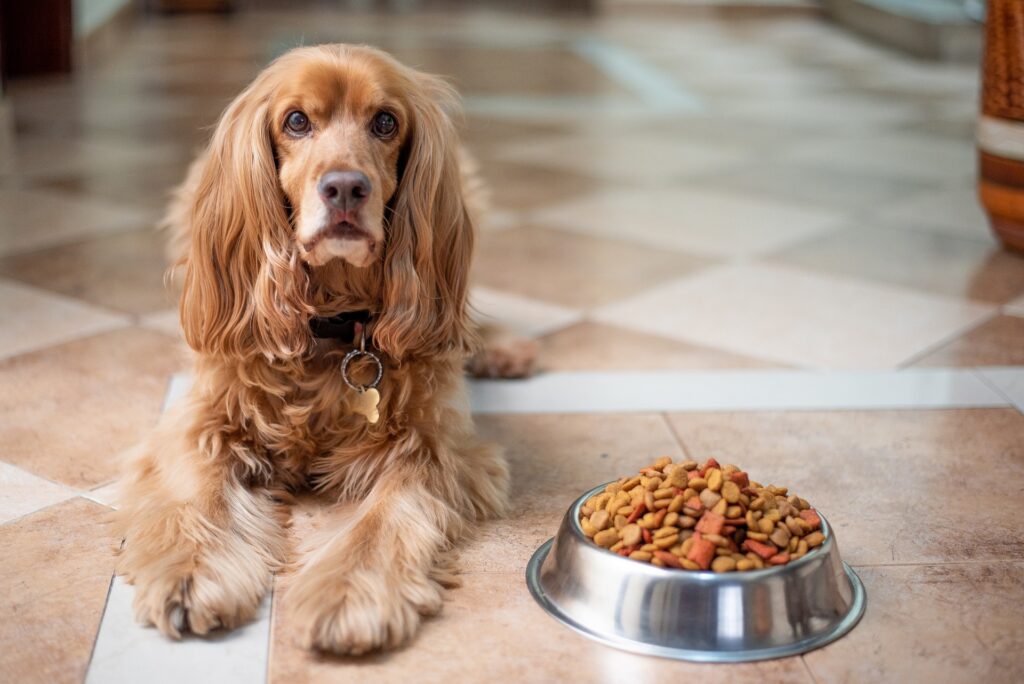
We've introduced how to choose and feed dog food, as well as safety considerations.
Just like humans, food is very important for dogs.
If a dog cannot get the nutrients it needs, it cannot stay healthy.
Especially during their early years, dogs need to eat dog food that contains all the nutrients they need for growth.
Even after they become adults, it's important to choose dog food that suits your dog's constitution and physical condition.
Make mealtimes more enjoyable by finding the best dog food and feeding method for your dog while observing his behavior.


![[Baby dog allergies] Precautions and benefits](https://with-my-dog.com/wp-content/uploads/2022/07/image8-12-150x150.jpg)






![Dog Names! [Female]](https://with-my-dog.com/wp-content/uploads/2022/07/image2-43-300x217.jpg)



![[Bone fracture in dogs] Sometimes they don't show any pain? Explaining symptoms and treatment](https://with-my-dog.com/wp-content/uploads/2021/10/犬 アレルギー 薬 3枚目-300x200.webp)