


There are so many dog foods available, I don't know how to choose one. Many dog owners feel this way.
There are many different types of dog food, often categorized by the dog's constitution and age. When it comes to providing your beloved dog with nutrition, you want to choose the right dog food for him.
This article explains dog food types and feeding methods for dog owners who are having trouble choosing the right dog food. Please use this information to help you choose the perfect dog food for your dog.
Main Types of Dog Food
These days, there are a wide variety of dog foods available to suit different dog sizes and life stages.
- By Shape
- By Age
- By Dog Breed and Size
- By Disease
Dog food is primarily divided into these four categories.
Choose the perfect dog food for your dog, taking into consideration factors such as your dog's age and the shape that makes it easy to eat.
By Shape
Dog food shapes are classified into the following four types.
- Dry Food
- Soft Dry Food
- Semi-Moist Food
- Wet Food
Dry Food
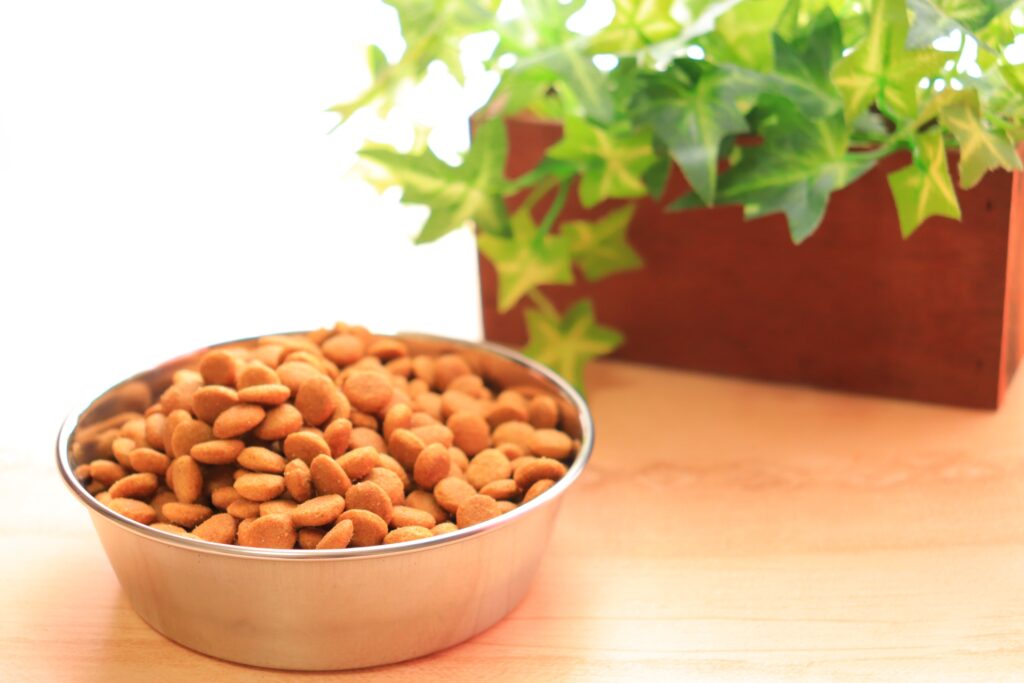
Dry dog food is characterized by its nearly moisture-free content.
It has a crunchy texture, and dry dog food is what most people think of when they think of dog food.
Because dry dog food contains almost no moisture, it has a longer shelf life and can be stored for a long time.
It is also often more nutritious than other dog foods, making it ideal for maintaining your dog's health.
Soft Dry Food & Semi-Moist Food
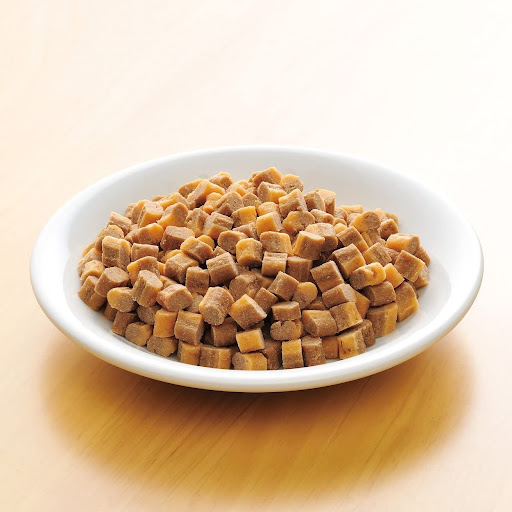
Soft dry and semi-moist dog food is characterized by its higher moisture content and slightly softer texture than dry food.
For this reason, feeding soft dry and semi-moist dog food makes it easier for young and elderly dogs with weak teeth to eat.
It also contains a lot of water, so your dog can stay hydrated at the same time as they eat.
Wet food
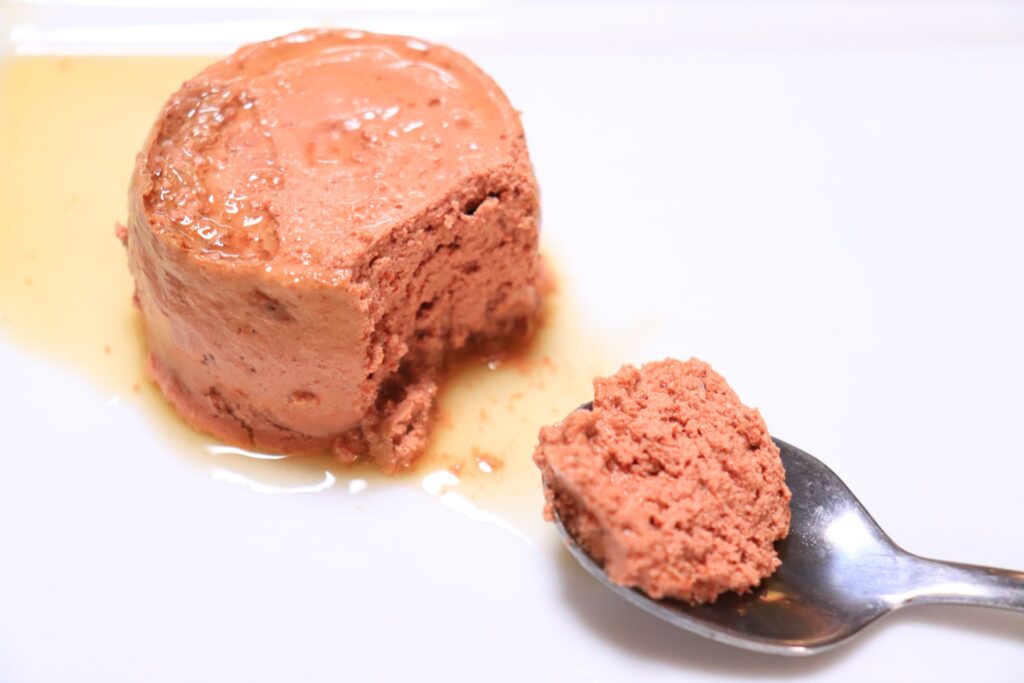
Wet food contains about 75% water, making it very soft and easy to eat, even for dogs with sensitive teeth.
Because it's mostly water, it has fewer calories overall than dry food.
For this reason, wet food is also suitable for dieting.
By Age
Dogs' nutritional needs vary depending on their developmental stage.
We recommend choosing dog food according to your dog's age.
Puppies
Puppies are in the period when their muscles and skeleton are most developed.
For this reason, it's important to choose dog food that provides a balanced supply of the nutrients they need.
When puppies are still young and their teeth are not yet fully developed, they cannot eat hard dog food. Therefore, it's best to soften dry food before giving it to them.
Once their teeth have grown in, you can gradually switch to harder dog food.
Adult Dogs
Adult dogs are at their most active and energetic.
Make sure to feed them dog food labeled "for adult dogs."
Young adult dogs are very energetic, but by around age 7, their activity level and energy expenditure will decrease.
If you continue to feed your dog the same amount of food as before despite their decreased activity level, they will be over-consuming calories and may become obese.
Therefore, if you notice that your dog's activity level is decreasing, consider switching to a lower-calorie dog food.
Senior Dogs
Older dogs tend to exercise less and their digestive function slows down. This makes it difficult for them to eat large amounts of dog food at once, as adult dogs can. However, reducing the amount of food they eat is not recommended, as it helps ensure they get the nutrients they need. Instead of feeding them large amounts at once, spread them out over time to ensure they get the nutrients they need. Recently, dog food specifically for senior dogs has become available. If your dog starts to eat less as it ages, consider switching its food.
By Dog Breed and Size
The recommended dog food varies depending on the breed and size of your dog.

Source: Choose your dog's food based on its size! Features and things to consider
Recently, dog foods designed for small, medium, and large dogs have become available. Since nutritional needs and food amounts vary depending on your dog's size, it's a good idea to choose a dog food that's appropriate for your dog's size.
In addition, dog foods tailored to each breed are available, as shown below.
- For Chihuahuas
- For Toy Poodles
- For Miniature Dachshunds
These dog foods are adjusted in quantity and nutritional balance to suit each dog's breed.
By Case (Disease)
For dogs in poor health and suffering from specific illnesses, nutritional balance dog food is designed.
This is dog food known as 'therapeutic diet'.
Sick dogs need to restrict specific nutrients depending on their symptoms.
However, it can be very difficult for owners to prepare food to accommodate their dog's symptoms.
Therapeutic diets were developed to meet these needs.
Currently, there are therapeutic diets available for the following illnesses and health conditions:
- Diet
- Diabetes
- Digestive System Disease
- Allergy-Friendly Diet
- Kidney Disease
Therapeutic diets should be administered under the supervision of a veterinarian, so healthy dogs should be fed regular, complete dog food.
Handmade method
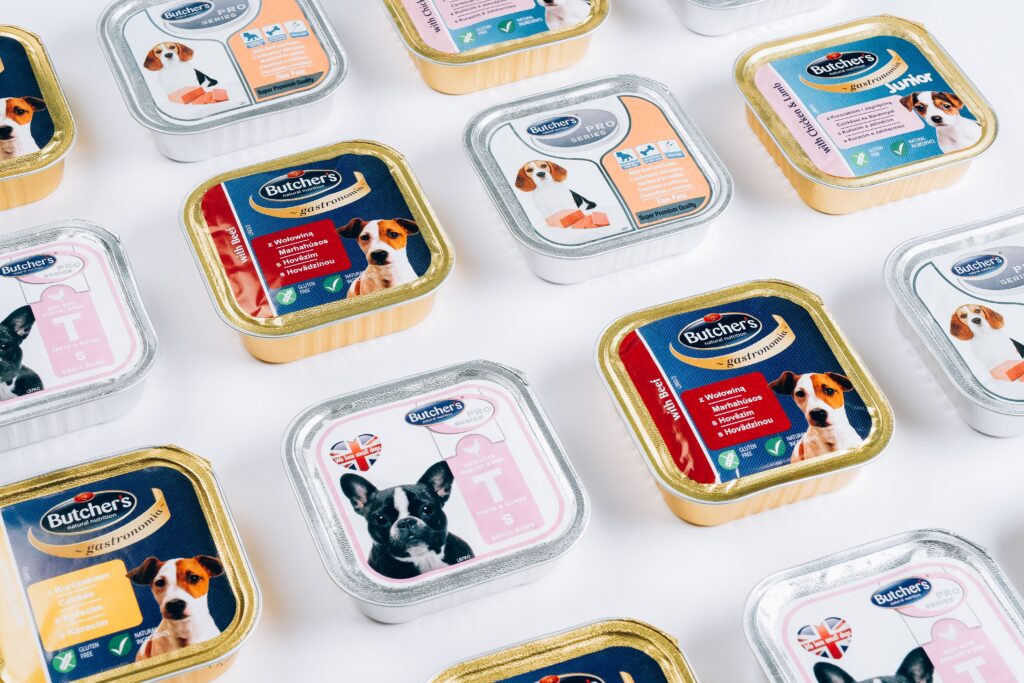
You can also feed your dog homemade dog food.
How exactly do you make homemade food?
We've compiled a guide to homemade food and some important points to keep in mind.
How to Make Food
As mentioned in the previous chapter, dog food is a complete and nutritious diet.
When making homemade meals, plan the menu so that your dog's nutritional balance is balanced.
In particular, including only your dog's favorite foods can lead to picky eating.
For this reason, make sure to include a variety of ingredients in a balanced diet.
You want your dog to enjoy a homemade meal made with love.
Points to Keep in Mind
When feeding your dog homemade meals, keep the following in mind.
Do not include prohibited foods
The following foods should never be fed to dogs.
- Chocolate
- Onions
- Grapes
- Raisins
- Xylitol
- Chicken bones
Be careful, feeding these foods to dogs can cause toxicity.
Lightly seasoned
Just like human food, it's best to avoid high-salt dog food.
Make sure to adjust the salt content accordingly.
Dogs don't like hot food.
Dogs don't like hot food.
The ideal temperature for homemade food is around 38-40°C.
If the rice is hot after cooking, allow it to cool and be careful not to burn your dog's tongue.
About Dog Treats

How to Feed Your Dog
Dog treats have a different purpose than human treats.
Treats are given to dogs as a snack between meals.
They're not essential for dogs, but they're often given as a reward or for play.
When giving treats as a reward for training, make sure to give them with a purpose, such as a way to communicate with your dog.
There's no need to give a lot of treats at once. Tearing them into small pieces and giving them more frequently will make snack time more enjoyable for both you and your dog.
It's a good idea to decide the number of times and the amount in advance so you can enjoy snack time together with your dog.
Treat Amount
When giving treats, keep in mind the nutritional and calorie needs of your dog.
To do this, first understand your dog's nutritional and calorie needs.
If you're unsure of calorie needs, stick to dog food as the base, and limit treats to about 10-20% of the total.
Giving your dog too many treats can cause them to stop eating dog food or consume more calories than necessary, which can have a negative impact on your dog's health.
To prevent your dog from becoming full before meals, you should take measures such as not giving treats before meals.
Types of Treats
The following are the main types of dog treats.
Chicken jerky
Chicken fillet jerky has an exquisite texture that's neither too hard nor too soft.
This makes it suitable for young and elderly dogs with sensitive teeth.
Toothpaste Gum
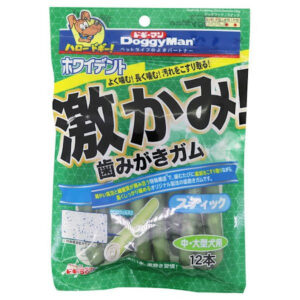
Dentistry gum allows you to protect your dog's oral health while enjoying a treat.
Adjust the hardness or softness to suit your dog's preferences.
Honekko
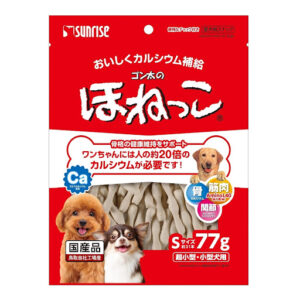
Eating bone snacks provides a high intake of calcium, helping to maintain healthy bones and muscles.
A variety of flavors are available, so choose one that your dog likes.
Summary
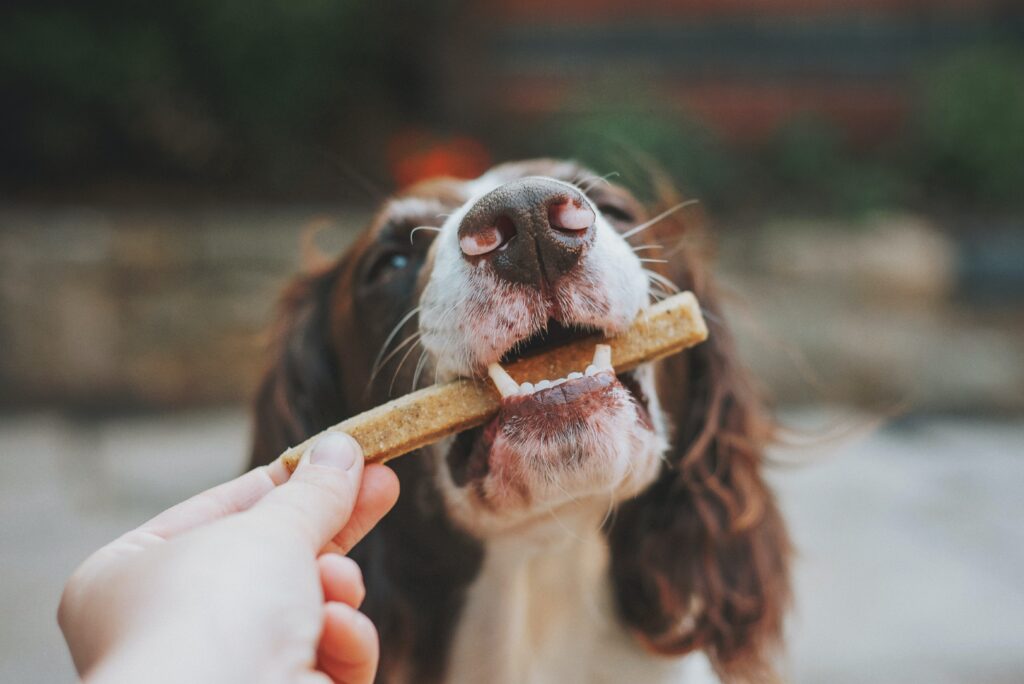
We've explained the types of dog food and treats, as well as how to feed them.
There are many different types of dog food.
The nutritional balance and amount required varies depending on the breed and size of your dog, so make sure to feed your dog food that's right for him.
Recently, dog food has become available that is tailored to the breed and size of your dog, with a balanced nutritional profile.
You can prepare homemade meals for your dog based on their preferences and physical condition, but preparing homemade meals every day can be time-consuming and difficult.
In such cases, it's a good idea to feed your dog food that's specifically formulated for their breed and size.
Dog food allows your dog to consume necessary nutrients in a balanced way.
Also, your dog's food preferences may change depending on the season and physical condition.
Please observe your dog's eating habits and the amount of food they eat and help them find their favorite dog food.



![[Choosing dog food for health] 5 recommended low-fat dog foods](https://with-my-dog.com/wp-content/uploads/2022/07/image4-4-150x150.png)


![Dog diet [exercise]](https://with-my-dog.com/wp-content/uploads/2022/07/image2-37-150x150.jpg)


![[Dog Allergies] Do dogs have allergies? Explaining safe foods!](https://with-my-dog.com/wp-content/uploads/2021/10/3029373_m-300x200.jpg)