

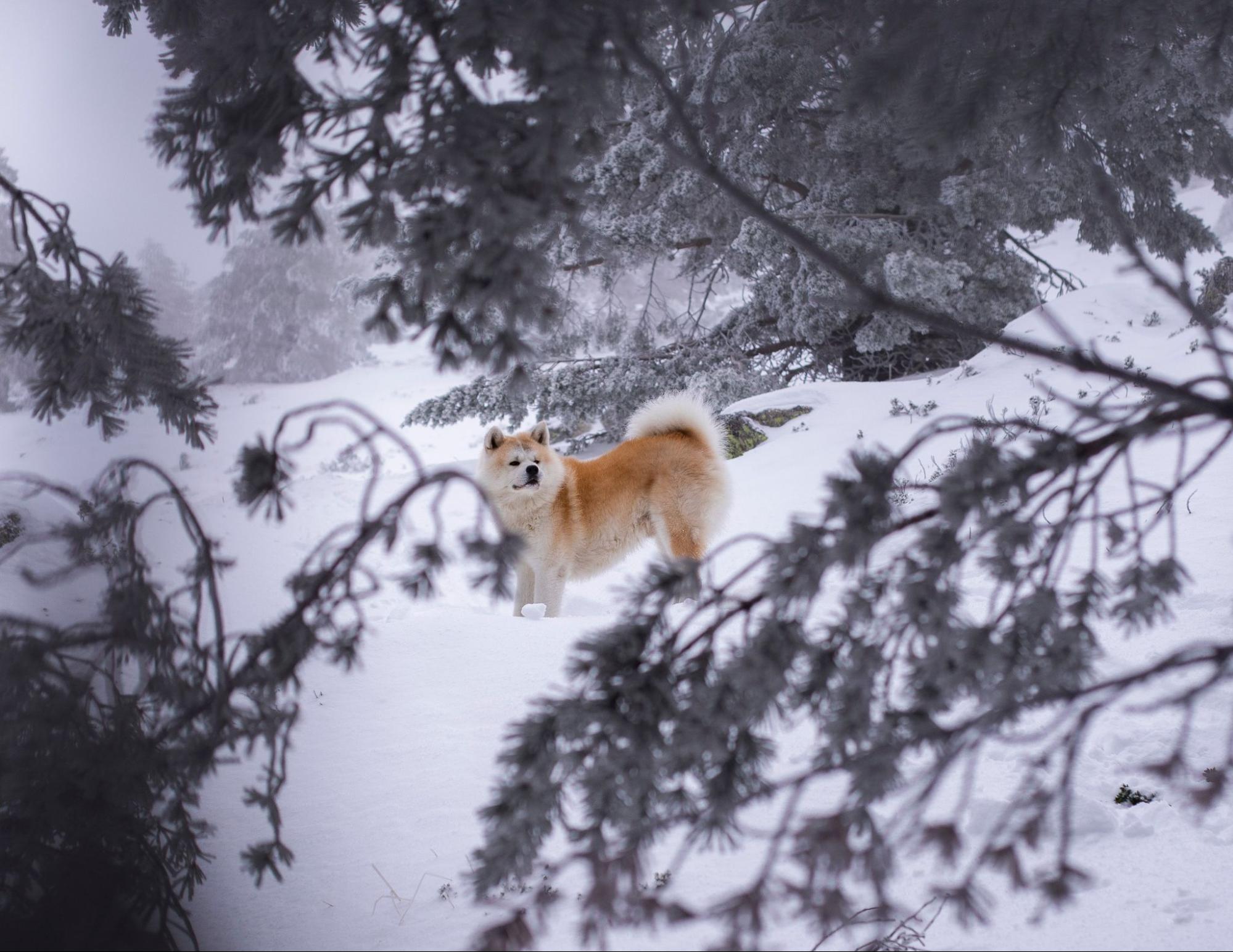
The Akita is the largest of all Japanese dog breeds, boasting a charming, fluffy coat.
It possesses the qualities of a hunting dog and is also a cool guard dog that can reliably protect its family. Its cute appearance and fierce loyalty to its owner make it a very popular breed.
Many people are fascinated by Akitas and think, "They're so cute, I want to own one!" Their cute, fluffy appearance and loyalty to only you are truly adorable.
This time, we'll introduce the cute aspects of Akita dogs and important points to keep in mind when raising one.
If you want to know why Akita dogs are so cute or are thinking about raising one, be sure to check this out.
Big but cute! What Makes Akitas Cute
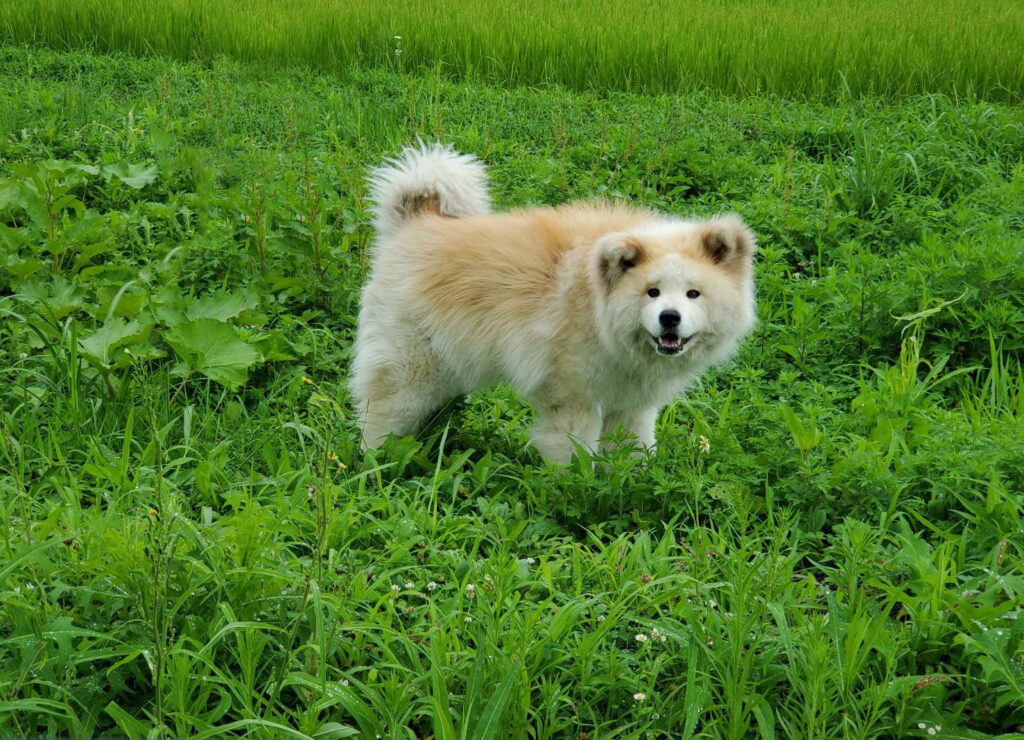
Among Japanese dogs, the Akita is the only large breed.
For this reason, many people consider their large bodies cool. However, Akitas also possess a certain cuteness. So, what is it that makes these large, cool Akitas so appealing to so many people?
This time, we'll explore the appeal of Akitas' cuteness from the following two perspectives.
- Appearance
- Personality
Appearance
The most distinctive feature of the Akita's appearance is undoubtedly its fluffy, abundant fur.
The Akita's coat is known as a "double coat," consisting of an overcoat that protects the skin and an undercoat that regulates body temperature. Their fluffy fur makes Akitas look like large stuffed animals, making them incredibly adorable.
Another charming feature is their gentle expression.
While Shiba Inu dogs, also Japanese breeds, are known for their sharp expressions, Akitas tend to have a gentler expression. Many people find the gentle expressions of Akitas soothing and soothing.
As you can see, Akitas have many cute aspects to their appearance.
Inner Self/Personality
Akita dogs are also known as "faithful dogs, Hachiko," because they are extremely loyal to their owners.
They obediently follow their owner's commands and rarely show aggression toward their owners. Many people find Akita dogs, so loyal and devoted to their owners, adorable.
And just like their gentle appearance, Akitas also have relatively gentle personalities. If properly trained, they are obedient and show obedience.
One of the charms of Akitas is not just their appearance, but also their inner cuteness.
How are they different from other dogs? Characteristics of the Akita Inu
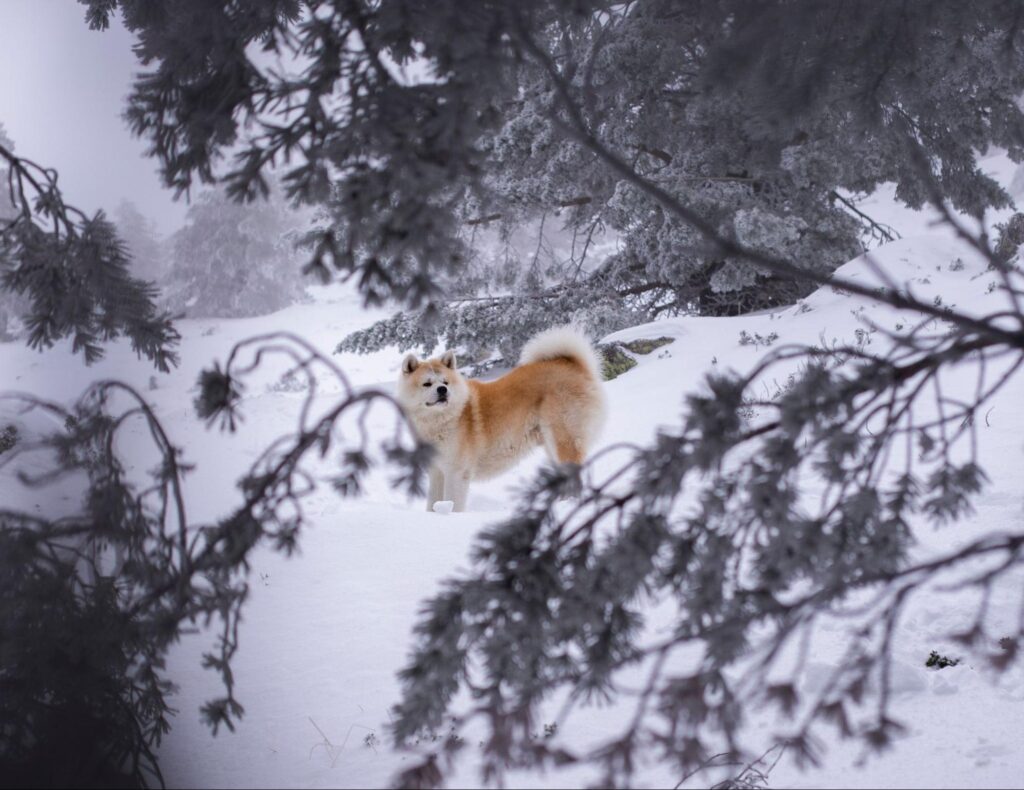
Akita Inu have many unique characteristics that other dogs don't have.
From here, we will introduce the history of the Akita dog and its characteristics.
History of the Akita Dog
Akita dogs have long been used as hunting dogs to support bear hunting.
From the Edo period through the Meiji period, their loyalty led to their use as guard dogs. During this period, dog fighting, in which dogs were pitted against each other, became popular, and Akita dogs, known for their aggressive nature, were often used in dog fighting. Therefore, in order to strengthen Akitas, they began to be crossbred with Western dogs and Tosa dogs, leading to a dramatic decline in the number of purebred Akita dogs.
In the Taisho era, a movement to preserve Akita dogs began, and in July 1931, they became the first Japanese dog to be designated a national natural monument.
The number of purebred Akita dogs continued to decline due to the effects of World War II, but thanks to preservation efforts after the war, Akita dogs are now bred throughout the country.
Akita dogs are extremely popular in Japan, but did you know they're also beloved overseas? Their popularity began with the 2009 film "Hachi: A Dog's Tale." This film helped spread awareness of Akita dogs overseas, and many Akita dogs now live abroad.
Many people call Akita dogs "Akitaken," but in their home town of Akita, they have long been called "Akitainu." Therefore, "Akitainu" is considered the correct pronunciation. However, there's no problem with calling them "Akitaken," and they're loved by many people by both names.
Size
The Akita is the only large-sized Japanese dog.
The average Akita puppy weighs about 8 kg at 3 months of age. As a large dog, it is characterized by its large size even as a puppy.
The average adult dog weighs approximately 34kg to 50kg and stands approximately 64cm to 69cm, making them a sturdy breed typical of large dogs.
Personality
Akita dogs are also known as "Loyal Dog Hachiko," and are known for their extremely loyal nature.
However, due to their history as hunting and fighting dogs, they can be quite aggressive. They are also very cautious and may attack strangers or other dogs out of fear, so it's important to train them from a young age.
Akitas are generally calm and have a very gentle personality with their families, so you'll likely see them smiling a lot in front of their families.
Lifespan
The average lifespan of an Akita is 10 to 13 years.
It is generally said that large dogs have shorter lifespans than small and medium-sized dogs. To help them live as long as possible, try to avoid stress and treat them promptly if they become ill. Akitas are also sensitive to heat, so it's important to provide a comfortable living environment.
Points to Consider When Owning an Akita Inu
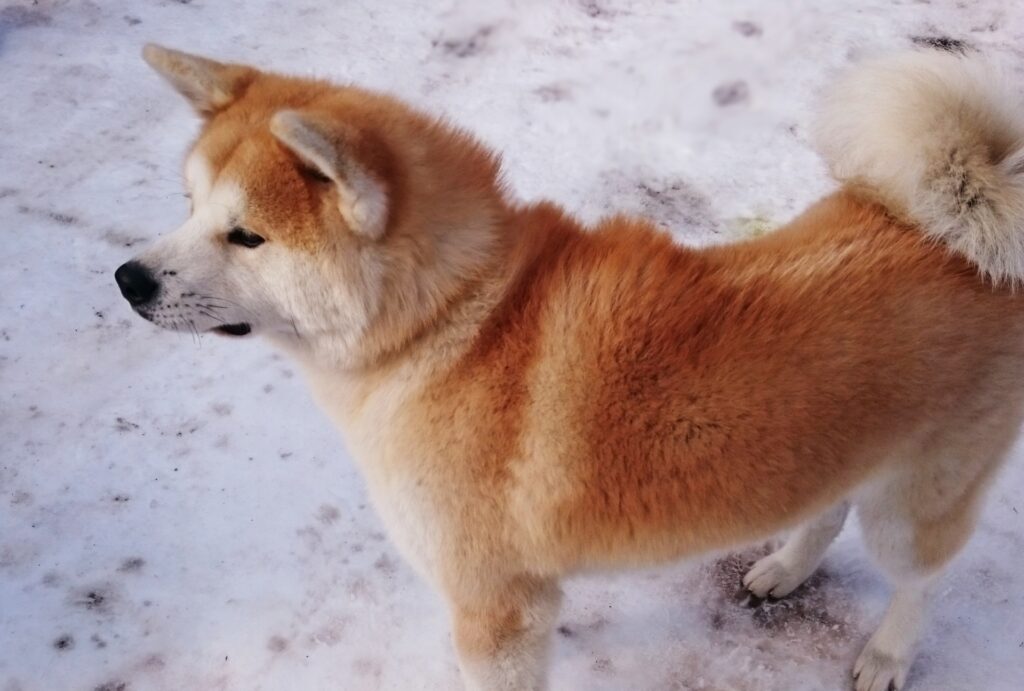
The Akita is popular not only in Japan, but around the world.
The more you learn about the charms of the Akita, the more you'll want to live with one! Here are three things to keep in mind when raising an Akita.
When raising an Akita, keep the following points in mind.
- Proper training is required
- Needs plenty of exercise
- Does not like hot places
Proper training is required
Akitas are large dogs and are a very powerful breed.
Therefore, if an Akita is not properly trained and bites other people or dogs, there is a risk of serious injury. Akitas can also be quite sensitive, so they may develop a barking habit if something is wrong. Their loud voices can cause trouble with neighbors.
Also, because of their loyalty, they can become wary and aggressive towards people other than their owners and family. To prevent these behavioral problems, it's important to get your dog used to a variety of things, people, and dogs outside of the family from a young age.
Needs plenty of exercise
Akitas are a very active breed and require a lot of exercise.
For this reason, be sure to take them on a daily walk.
Akitas are energetic and will not be satisfied with a simple walk, so give them long walks whenever possible. Not being able to take them for walks every day can cause stress and lead to behavioral problems.
When raising an Akita, be sure to set aside time for walks.
Doesn't Like Hot Climates
Akitas are good at tackling the cold, but they don't like the heat.
Furthermore, due to their double coat, they are not very good at regulating their body temperature.
If you keep an Akita indoors, make sure to keep the room temperature below 25°C in the summer. If the room is too hot for a long period of time, your Akita may suffer from heatstroke.
Furthermore, since the temperature outside is also high in the summer, avoid walking your Akita during the day and instead take walks early in the morning or after dark.
Summary
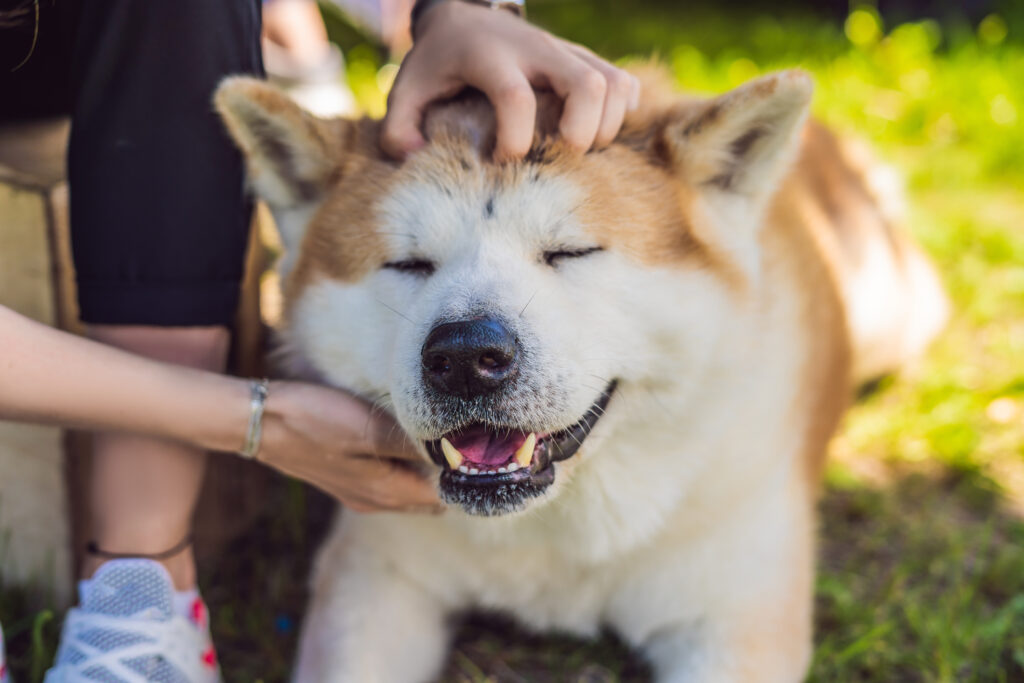
Akitas are a very loyal and obedient breed.
Their fluffy fur and gentle expressions are especially endearing. Many people find their adorable appearance and loyal nature soothing.
However, despite their appearance, Akitas are also quite aggressive. They are wary of anyone other than their owners and family, and in extreme cases, they may even bite. To avoid such a situation, train your Akita properly from a young age.
Once properly trained, your Akita will become obedient and very adorable.
Raise your Akita properly and spend happy days together.










![[2022 Edition] What is the safest dog food? Survey of recommended popular products](https://with-my-dog.com/wp-content/uploads/2021/10/puppy-ged828c55e_1920-150x150.jpg)







![[2022 Edition] What is the safest dog food? Survey of recommended popular products](https://with-my-dog.com/wp-content/uploads/2021/10/puppy-ged828c55e_1920-300x217.jpg)


![5 sites for finding foster homes for rescued dogs and cats [Basic information before rescuing]](https://with-my-dog.com/wp-content/uploads/2021/09/andriyko-podilnyk-M4NYOsSre6g-unsplash-300x240.jpg)