

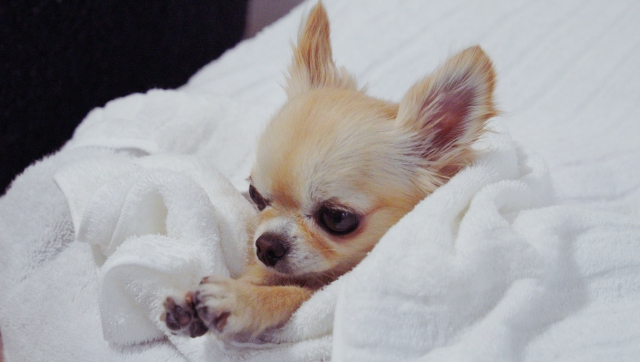
Owners who welcome a puppy into their family are like a mother to their dog.
To ensure a safe and enjoyable life ahead, it's important to properly communicate with your dog about what is good and what is bad. In particular, eating and toileting are daily activities that require thorough training.
Especially when it comes to toilet training, many owners worry, "This is my first puppy, so I'm not sure if I'll be able to train him properly."
This article provides detailed information on toilet training puppies. Owners planning to bring a puppy into their home should definitely take note.
Preparations to Make Before Getting a Puppy
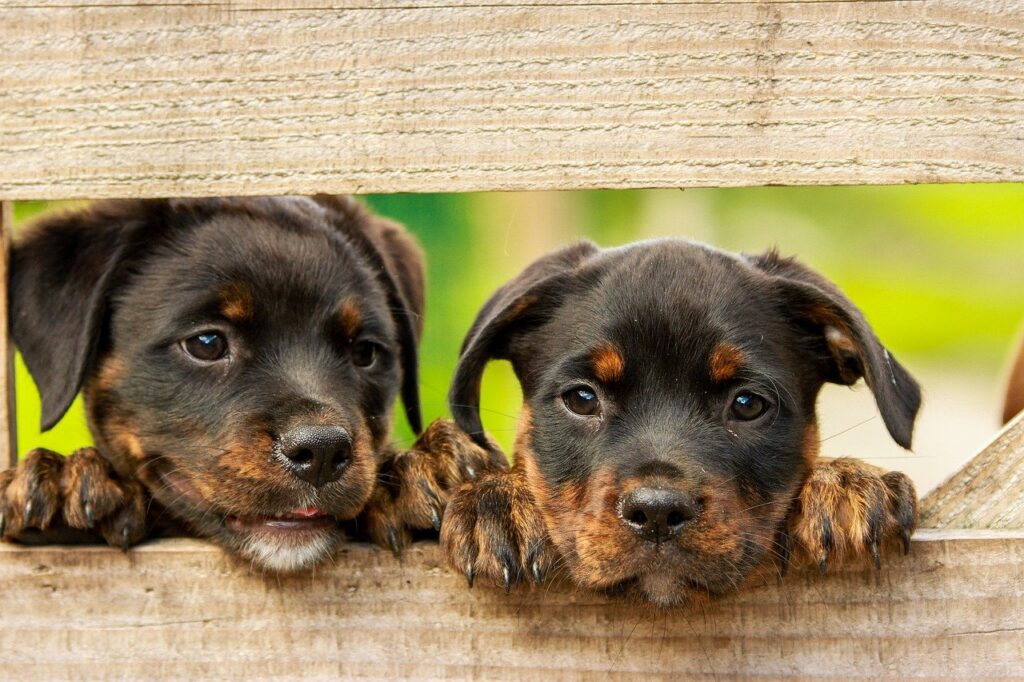
To ensure your puppy's comfortable environment, make sure to prepare before bringing it home.
Next, we'll cover the following two points.
- Prepare a cage and litter box
- Prepare a playpen
Prepare a cage and litter box
When bringing a puppy into your home, you'll need a cage and a litter box.
You can also use a playpen instead of a cage. A cage has a floor and a roof, and the roof prevents the puppy from jumping out.
Consider your puppy's future needs as an adult, and provide a litter box that is about 1.5 times the size of its adult body. If the litter box is too small, the puppy's lower body and rear end may protrude, causing waste to spill out.
It's also a good idea to provide a litter box inside the puppy's crate. Puppies cannot hold their pee for long periods of time, so make sure they can use the toilet quickly.
Puppies are often anxious when they first come home, so provide a comfortable cage and litter box.
Prepare a playpen
For young puppies, the inside of the house is not completely safe. To prevent unexpected accidents, initially limit your puppy's range.
A playpen is useful for restricting your puppy's range. A playpen is surrounded by a fence on all sides. This makes it easy to limit your dog's range. Having a playpen ready when you bring your puppy home will give you peace of mind.
While toilet training, gradually expand your dog's range of activity.
Steps for Toilet Training Using a Playpen
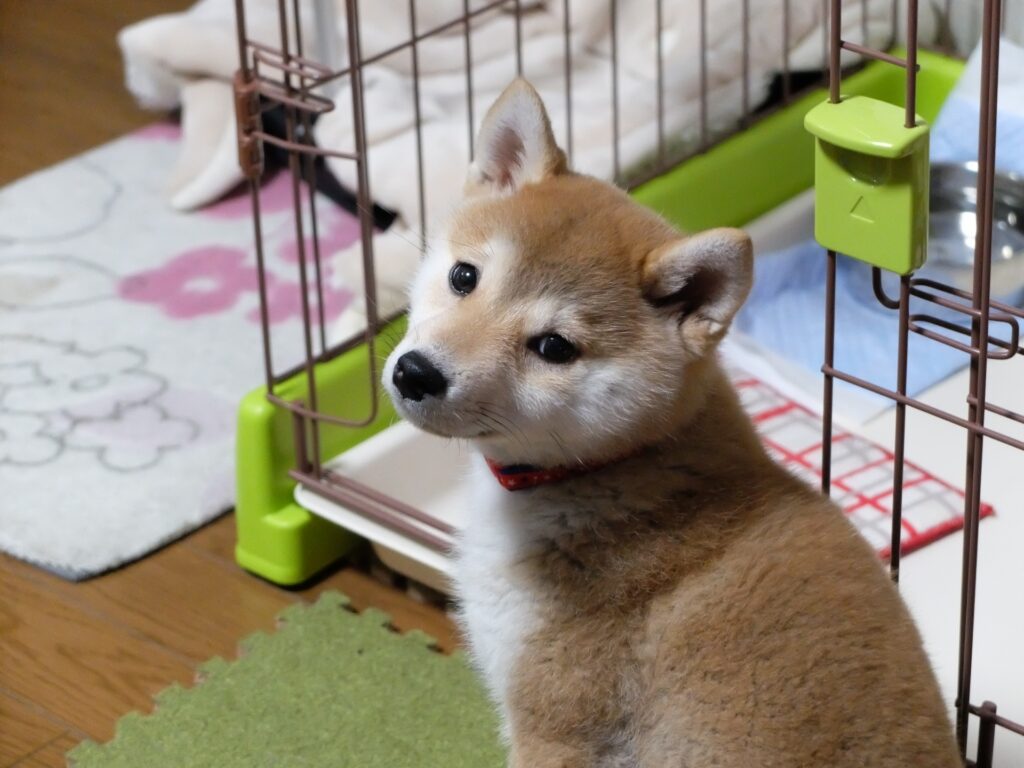
Next, we'll explain in detail how to toilet train your pet using a playpen.
This is a must-read for owners who are toilet training their pet for the first time.
STEP 1. Keep your puppy in its playpen at first
When you first bring your puppy home, keep it in its playpen. While it's understandable that you want to keep it in the room with you, your puppy will be under a great deal of stress from the change in its environment. This is not good for your puppy's mental health, so keep it in its playpen for a while.
Also, for the first few days after bringing your puppy home, avoid excessive interaction with your puppy. Puppies thrive on sleep, so leave them alone.
Normally, just check on the toilet and, when the time is right, place your puppy on the toilet. Once your puppy successfully uses the toilet, move on to the next step.
STEP 2. When your puppy uses the toilet, praise him/her out loud.
When your puppy uses the toilet, praise him/her out loud.
Praising your dog is very important when toilet training. Don't just gently stroke him; praise him, even if it's a little loud. It's important to make him realize that if he uses the toilet in this spot, he'll be praised by his owner!
After giving him generous praise, clean up the waste.
STEP 3. Gradually expand your dog's range and take it to the toilet when it's time to defecate.
If your dog successfully uses the toilet, take it out of the playpen and play with it as a reward.
However, rather than letting your dog roam freely, keep it within reach. This will prevent injuries in the room and allow you to quickly take it to the toilet when it's time for its next defecation.
If you have time, it's a good idea to play with your puppy until it wants to go to the toilet again.
Then, when it's time for your puppy to go to the toilet again, immediately put him back in his playpen and take him to the toilet. If he's successful, praise him again enthusiastically.
Repeat this process until your puppy learns to use the toilet.
After trying to use the toilet several times, your puppy may have some toilet accidents. In that case, try not to get angry with your puppy, but calmly clean up the waste. If you overreact to a mistake, your puppy may mistakenly think that you're paying attention to him.
Only overreact when your puppy succeeds, so your puppy will learn that "good things happen when he defecates on the toilet."
STEP 4. Get your puppy used to going to the toilet on his own
Once your puppy has some success using the toilet, it's time to get your puppy used to going to the toilet on his own.
At first, you'll take your puppy to the toilet, but if this continues, it can be difficult.
To encourage your puppy to go to the toilet on its own, help it memorize a command. Commands can be anything you like, such as "potty," "one-two," or "do you want to pee?" However, if the command is too long, your puppy won't remember it, so it's best to use a short one.
By saying this command while your puppy is eliminating, your puppy will gradually learn the command. Eventually, they'll start going to the toilet on their own when they hear the command.
With commands, you don't have to take your dog to the toilet every time, which reduces the burden on you and makes things easier for you.
How long should toilet training last?
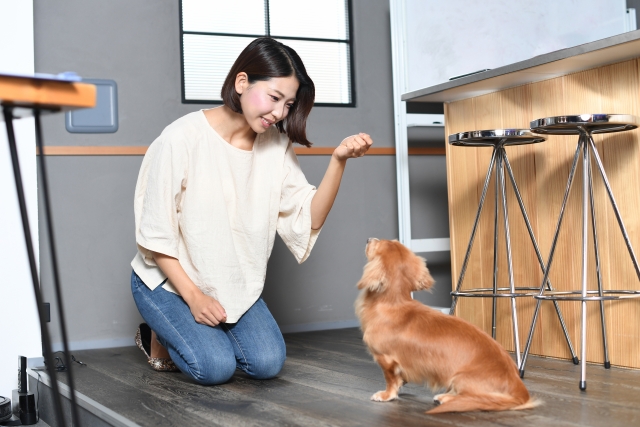
Next, we'll explain the toilet training period and toilet training for adult dogs. For puppies, the toilet training period is approximately one month. If you're patient and persistent, your puppy will be able to use the toilet independently within about a month. The first week is crucial when it comes to toilet training. Be sure to take your puppy seriously during the first two or three days of training, especially. Toilet training can be stressful for both you and your dog. While your dog may fail occasionally, it's best to approach the process with the mindset that failure is normal in the beginning, which will make things easier for you. Toilet training typically takes about a month, but due to age, health, or other factors, your dog may still have accidents. Even after training is complete, be sure to keep a close eye on your dog's toilet habits. If you notice anything unusual, it's important to take action immediately. It's possible to toilet train an adult dog. However, it often takes longer than training a puppy. Therefore, you'll need to be more patient with your dog than you were with a puppy. The toilet training method for adult dogs is basically the same as for puppies. When your dog successfully uses the toilet, praise him as much as you can and let him have a successful experience. There is nothing that an adult dog cannot do to use the toilet, so if you take it seriously, he will definitely succeed. We've introduced how to prepare for your puppy's arrival and how to toilet train it. When you bring your puppy home, be sure to prepare a crate and litter box before the day you bring it home. We recommend starting litter box training the day you bring it home. Since puppies begin to defecate on the same day, the sooner you start, the sooner you'll see progress. While it's important to complete training quickly, be patient and don't rush. If you frequently change the litter box location because it's not working, your puppy won't remember where it is and the training will drag on even longer. Don't rush toilet training; be patient and work hard with your dog. For puppies, up to about one month of age
Can adult dogs be trained?
Summary



![[Shiba Inu Lovers Must-See] Why are Shiba Inu so cute? A summary of their cute points](https://with-my-dog.com/wp-content/uploads/2022/07/image2-26-150x150.jpg)




![[When to Neuter a Dog] Is it too late for an adult dog? Risks, advantages and disadvantages](https://with-my-dog.com/wp-content/uploads/2022/05/cocker-spaniel-g0d3ad5651_1920-150x150.jpg)
![[Chihuahua] How to choose dog food without making a mistake and 6 recommendations!](https://with-my-dog.com/wp-content/uploads/2022/07/image1-8-300x200.jpg)

![[Bone fracture in dogs] Sometimes they don't show any pain? Explaining symptoms and treatment](https://with-my-dog.com/wp-content/uploads/2021/10/犬 アレルギー 薬 3枚目-300x200.webp)
![[Funny Dog & Cat Videos] Tips for Filming to Bring Out Their Charm and Make Your Dog Look Like That!](https://with-my-dog.com/wp-content/uploads/2022/04/3015452_s-300x200.jpg)