
![[Dog Allergies] Do dogs have allergies? Explaining safe foods!](https://with-my-dog.com/wp-content/uploads/2021/10/3029373_m.jpg)
Choosing the right food is a very important aspect of maintaining your dog's health.
It's a parent's love to feed their dog what they enjoy and what they like, but what they like doesn't necessarily mean it's healthy.
Like humans, dogs have nutrients they need, but also nutrients they don't like. Continuing to feed their dog foods they don't like can lead to the development of allergies and illnesses.
If there was a disease that could be avoided simply by being careful about what they eat, you'd want to avoid it at all costs. That's food allergies. Food allergies can be prevented simply by choosing food that does not contain allergens.
Here, we'll introduce foods that are hyperallergenic and safe for those with allergies. Please use this as a reference when choosing food.
What are dog allergies?

It is said that approximately one in two people in Japan suffers from some kind of allergy. Unfortunately, dog allergies do exist.
So, what kinds of allergies do dogs have?
Causes of Allergies
The following are said to be the main causes of allergies in dogs:
- Bacteria
- Fungi (mold)
- Pollen
- House dust
- Fleas and ticks
- Food
Atopic dermatitis, flea allergy dermatitis, and food allergies are known as the "three major allergic diseases in dogs."
When a dog develops allergies, the following symptoms may be observed:
- Itchy ears or body (such as the soles of the feet) or frequent licking
- Redness of the eyes or skin
- Tear stains, eye discharge, and increased earwax
- Diarrhea
Allergic dermatitis often causes severe itchy and red skin.
Food allergies can also cause diarrhea along with itchy and red skin.
Food allergies are said to be primarily caused by proteins contained in food. Food allergens include the following:
- Grains (soybeans, wheat, corn, etc.)
- Meat (beef, chicken, pork, etc.)
- Eggs
- Dairy products
Food additives are also thought to be allergens.
The cause of allergies can be identified through medical testing.
However, allergies in dogs are often caused by constitution or genetics, or are often accompanied by multiple other allergies, making them difficult to cure.
For this reason, symptomatic treatment is used, such as eliminating allergens as much as possible to prevent symptoms and using medication to suppress symptoms such as itching.
How to Choose Hypoallergenic Pet Food
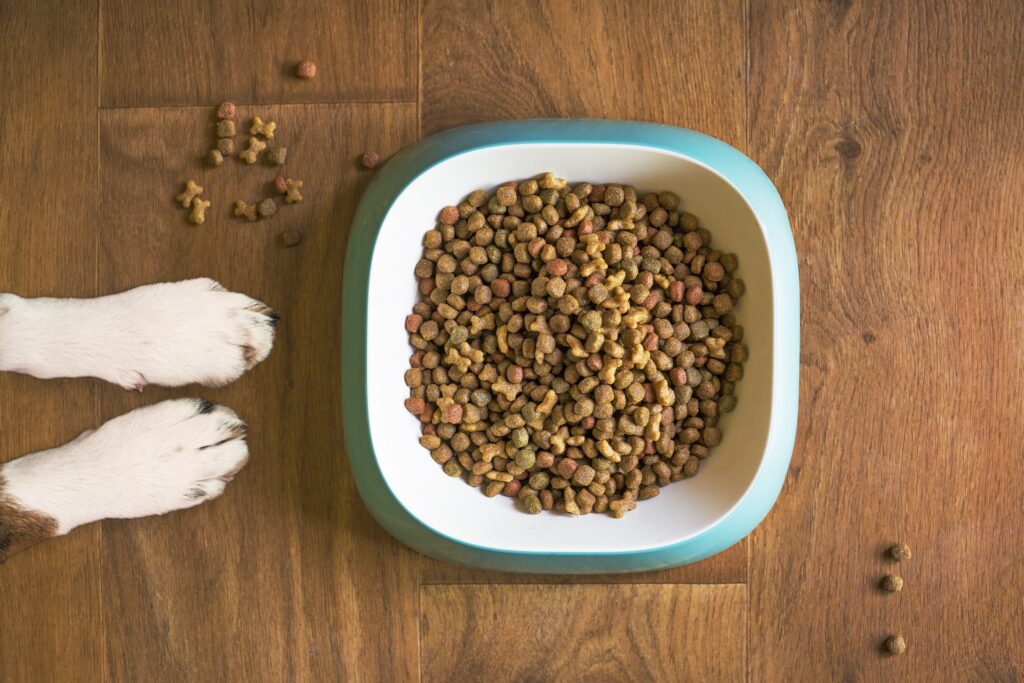
Among allergies, food allergies are a disease that can be avoided.
So, what foods are less likely to cause food allergies?
Here, we'll introduce how to choose food.
Choose additive-free foods
Food additives include the following:
- Preservatives
- Flavorings
- Colorings
- Antioxidants
- Colorants
- Humectants
These are used in many foods to maintain appearance and quality.
Food additives not only cause allergies, but have also been reported to be carcinogenic, so it's best to avoid foods containing these additives whenever possible.
However, there are some additives that are not listed (or do not need to be listed) as ingredients in food.
Therefore, when choosing food, we recommend additive-free foods that are less likely to cause allergies and can be safely fed daily.
Choose a food with the appropriate amount of protein
Protein makes up approximately 20% of a dog's body's composition.
Protein is an essential nutrient for healthy living, building the skeleton, muscles, organs, and blood, and influencing the immune system and hormones.
Nutrient standards for dog food are set by two global organizations, AAFCO (Association of American Feed Control Officials) and FEDIAF (Federation of European Pet Food Industry Associations), and many foods comply with these standards.
These organizations define the amount of protein a dog needs per 100g to stay healthy as follows:
| group | adult dog | puppy | Mother Dog |
|---|---|---|---|
| AAFCO (Association of American Feed Control Officials) | 18% or more | 22.5% or more | 22.5% or more |
| FEDIAF (Federation of European Pet Food Industry Associations) | 18% or more | 25% or more (under 14 weeks of age) 20% or more (over 14 weeks of age) | 25% or more |
While protein is essential for good health, consuming too much can lead to obesity, strain the kidneys and liver, and potentially cause illness.
Furthermore, wheat protein (gluten), a type of plant protein, can cause allergies.
To prevent food allergies, choose food that clearly lists nutrients and ingredients and meets standards.
Choose grain-free foods
Proteins can be either "animal" or "plant" based.
It's tempting to think that plant-based protein is safer because it helps prevent constipation and obesity.
However, for dogs, which are carnivores, plant-based protein found in grains like wheat and corn places a heavy burden on the stomach and intestines, while animal protein is easier to digest and absorb.
That's why we recommend a grain-free food.
Grain-free food is food that does not contain any grains that are difficult for dogs to digest (wheat, corn, rice, and other grains in general).
Not only does it reduce gastrointestinal burden, it also reduces the risk of grain allergies, so you can feed it to your dog with peace of mind.
Choose foods containing omega-3s
Animal protein can be obtained from meat and fish.
However, the saturated fatty acids in beef and pork can worsen skin inflammation, so if you have an allergy, avoid beef or pork.
In such cases, it's a good idea to consume animal protein from venison, horse meat, or fish like salmon, which contain unsaturated fatty acids.
The unsaturated fatty acids in venison, horse meat, and salmon contain omega-3 essential fatty acids, which help reduce skin inflammation, so you can rest assured even if you have an allergy.
Omega-3 is also said to boost immunity. Foods containing omega-3 not only prevent skin inflammation but also boost immunity and may improve allergies.
What foods are less likely to cause allergies?
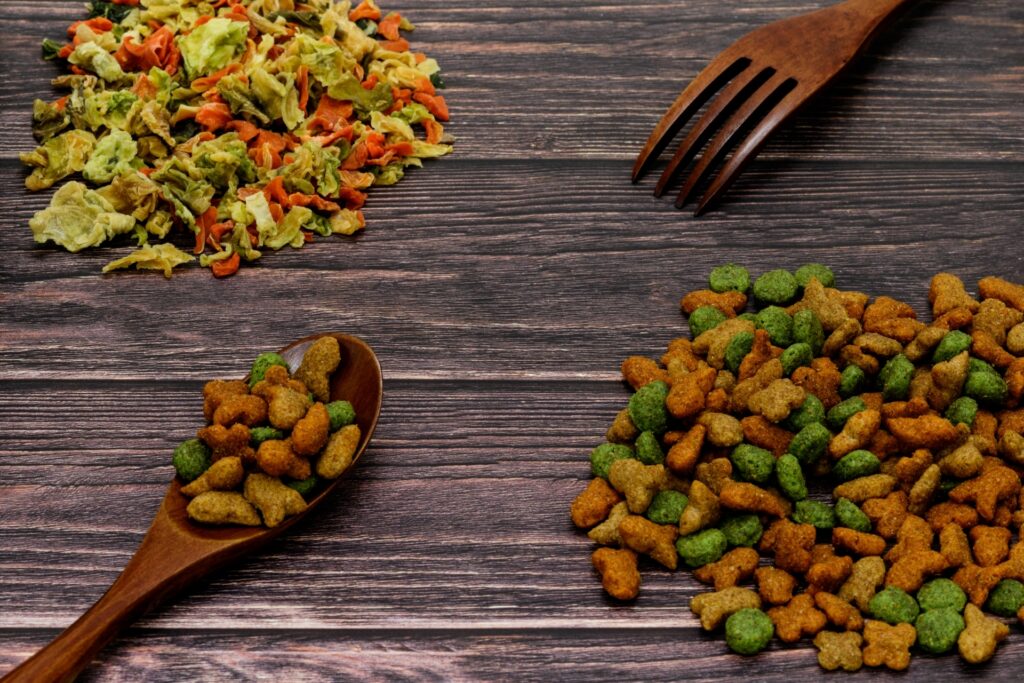
Foods that are known to be less likely to cause allergies in dogs include lamb, horsemeat, venison, fish, and potatoes. Furthermore, foods known as "novel proteins" have recently been gaining attention for their potential benefits for allergies.
Novel proteins are proteins that have never been eaten before. By converting them into new proteins that have never been introduced to the body, food allergy symptoms can be reduced.
Novel proteins include the following:
- Kangaroo
- Rabbit
- Quail
- Ostrich
- Duck
- Turkey
Insects, frogs, and crocodiles are also considered novel proteins.
For children with allergies, it's a good idea to choose foods that are less likely to cause allergies, such as novel proteins.
Summary
Itching is the most common allergy symptom in dogs.
Dogs cannot tolerate the itch, so they may lick or scratch the affected area, making the symptoms worse.
To prevent such painful symptoms, it is very important to create an allergy-friendly environment.
Food allergies, in particular, are something owners can avoid. They can be prevented simply by paying attention to the food and treats your pet eats every day.
Even if your pet doesn't have any allergies now, constantly feeding it the same ingredients can cause them to develop allergies.
You can prevent allergies by occasionally changing your pet's food or by rotating foods with several different ingredients.
For your beloved dog, choose food that is safe and hypoallergenic, focusing on "additive-free," "grain-free," "protein," and "omega-3."






![[Dog Diet] How to Adjust Your Diet? Introducing Healthy Foods](https://with-my-dog.com/wp-content/uploads/2022/08/image4-e1660552565726-150x150.jpg)
![My puppy won't learn to use the toilet [Keep training simple!]](https://with-my-dog.com/wp-content/uploads/2021/12/dog-g33cd6bf6a_1920-150x150.jpg)





![[Dog Earwax] Detailed explanation of Malassezia and ear cleaning](https://with-my-dog.com/wp-content/uploads/2021/10/girl-gf2eb2c5be_1920-300x200.jpg)