
Is it necessary to spay or neuter dogs? Will their personalities change after the operation?

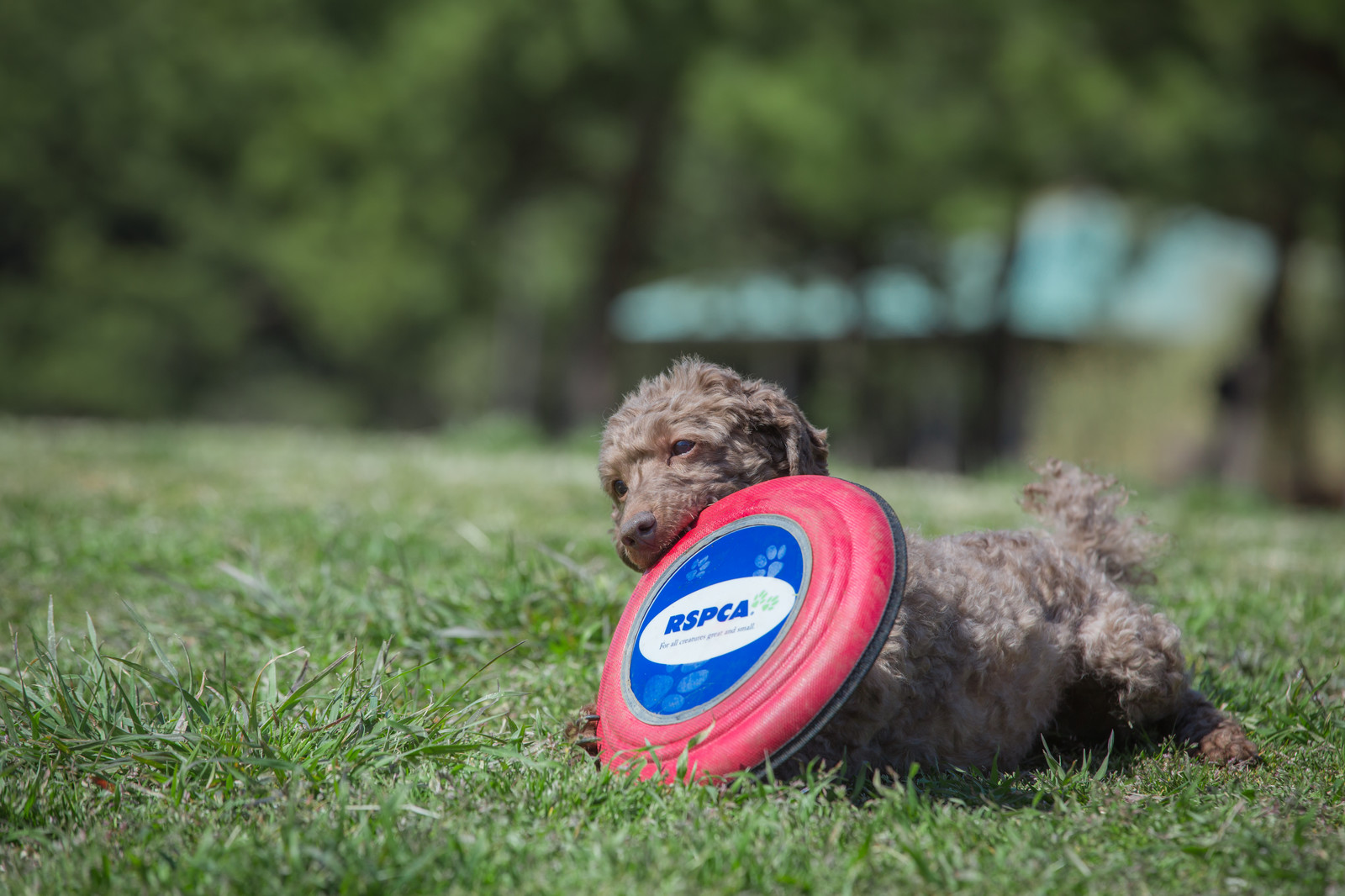
With many families adopting new dogs amid the COVID-19 pandemic, many are unsure whether spaying or neutering their dogs is necessary.
Today, we've summarized the reasons for spaying and neutering dogs, their benefits, and the recommended age range for spaying and neutering in four major areas! We'll explain each section below, so please use this as a reference!
①Advantages

The biggest benefit of spaying a dog is
- It makes them less susceptible to certain diseases
I think that's the biggest benefit. These diseases include breast cancer, pyometra, and testicular tumors. It's said that spaying female dogs 100% reduces the risk of pyometra. Neutering male dogs significantly reduces the risk of prostatic hyperplasia, testicular tumors, and perianal adenomas.
Dogs are family members. We want them to live long, healthy lives.
Like humans, dogs can get sick. If you can reduce the risk of illness even slightly, it's definitely worth having your dog neutered.
[Benefits of Neutering Females]
For females, there's also the benefit of not having a period.
Female cats do not menstruate, even when they go into heat. However, dogs, between 6 and 8 months of age, will menstruate at the same time. Small dogs have a menstrual cycle of at least five months, roughly twice a year, with a 7-month cycle. Large dogs have a menstrual cycle of at least eight months, roughly once a year, with a 12-month cycle.
Spaying your dog can help prevent aggressive courtship behavior from unneutered male dogs. If your dog is kept outdoors, male dogs may be drawn to you if they smell your dog's menstrual cycle. Spaying your dog while it's menstruating is not an option. It's best to have the surgery performed before or after your dog's period (around 6 months of age).
Benefits of Neutering Males
It can prevent your dog from marking areas around the house.
It also seems to reduce aggressive behavior toward other dogs.
Neutering can also prevent noise problems like howling, reducing stress for both the dog and you.
② Spaying/neutering surgery cost

Including all expenses, the average price for a small dog is said to be around 30,000 yen, and for a large dog, it's around 50,000 yen.
Prices vary greatly depending on the hospital, and surgical procedures may differ.
There are two types of sterilization procedures: oophorectomy and ovariohysterectomy. Ovariohysterectomy is the most commonly performed. Even if only the ovaries are removed, ovariohysterectomy is expected to have a significant effect on sterilization, and an increasing number of hospitals are now offering oophorectomy.
The cost likely varies depending on which of these procedures you choose.
If you're worried about the high cost, please check this out.
Some local governments may offer subsidies for spaying and neutering.
List of Subsidies for Neutering and Spaying of Dogs and Cats by Prefecture (pet-with.net)
You can check the subsidy information at the URL above, so if you're unsure, please check it out.
③ Recommended Age for Surgery
Since this surgery requires general anesthesia, it can be physically demanding for older dogs. Furthermore, if the dog has a chronic illness, additional medication may be required. For this reason, it is recommended to perform the surgery while the dog is young, healthy, and physically strong. The dosage of general anesthesia is determined by weight. For breeds whose size changes significantly as they grow, the cost can fluctuate significantly, so it is best to perform the surgery early.
Neutering is an external procedure, while spaying is an open procedure.
Either way, there's bound to be some worries.
It's a good idea to find a reliable veterinarian early on and have a family veterinarian you can rely on immediately if something happens. It's also a good idea to ask your neighbors for advice, or check online reviews.
If you've decided to have your pet neutered, call the veterinarian in advance to make an appointment.
Most hospitals do not accept surgeries without an appointment. You can't just show up and have surgery performed immediately. This is because they must thoroughly check your dog's health and whether it is ready for surgery.
If the check shows no problems, the surgery will proceed.
On most nights, you'll be able to see your beloved dog again the next day.
④ Can a dog's personality change?
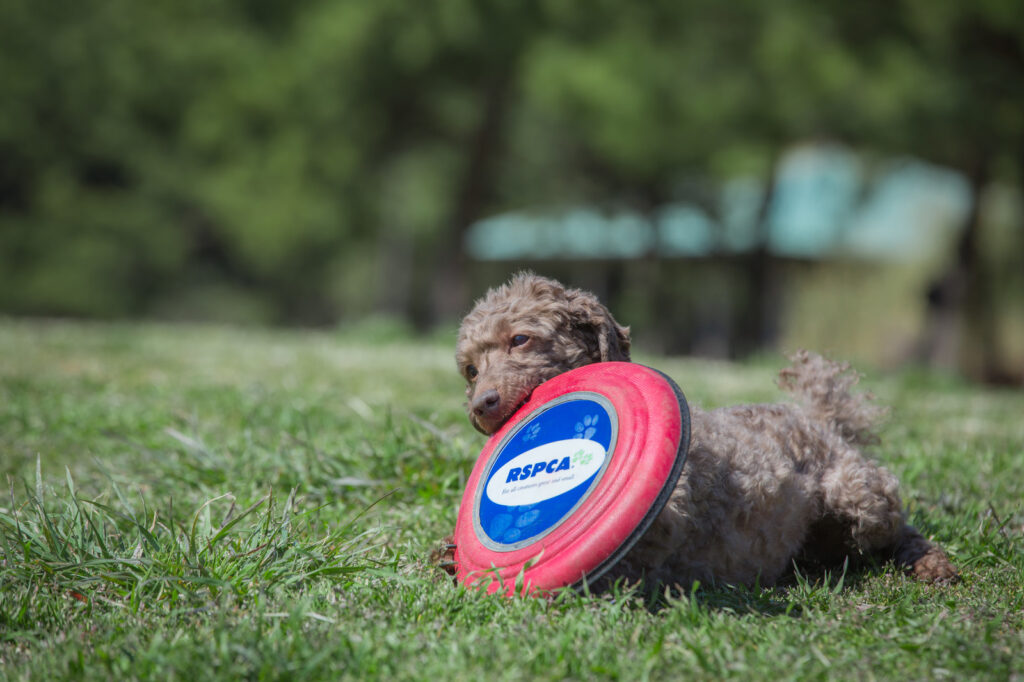
After surgery, your dog may become calmer or more affectionate.
After spaying or neutering, your dog's sex hormone secretion will cease, so any aggressive behavior caused by sex hormones may disappear.
However, not everyone's personality will change. Some dogs' personalities will remain the same.
No matter what their personality becomes, they're still your beloved dog. Please continue to love and cherish them as you always have.
⑤ Will my pet be more likely to gain weight after surgery?
After surgery, your pet's metabolism slows down, so if you continue to feed it the same amount of food as before, it will gain weight.
This is the basic rule, but some pets are naturally small eaters or their weight doesn't change at all.
For such pets, feeding them the same amount of food as usual and the same food may be fine.
After surgery, it may be a good idea to weigh your dog daily and consider changing its food.
If your dog gains a lot of weight, it's recommended to reduce the amount of food or switch to a low-calorie food called "light." However, some dogs may become ill if they suddenly switch to a different food. Therefore, it's recommended to reduce the amount of food they're currently eating, gradually increase the amount of light, and then completely switch over to the light food, which is the least stressful for your dog.
Of course, increasing the amount of exercise is also very effective.
However, increasing exercise also increases the burden on the human...
Maybe this is a good opportunity to put your dog on a diet together.
Some dogs don't like exercise. Don't force them to exercise.
Manage their weight by adjusting the amount of food they eat.
Summary
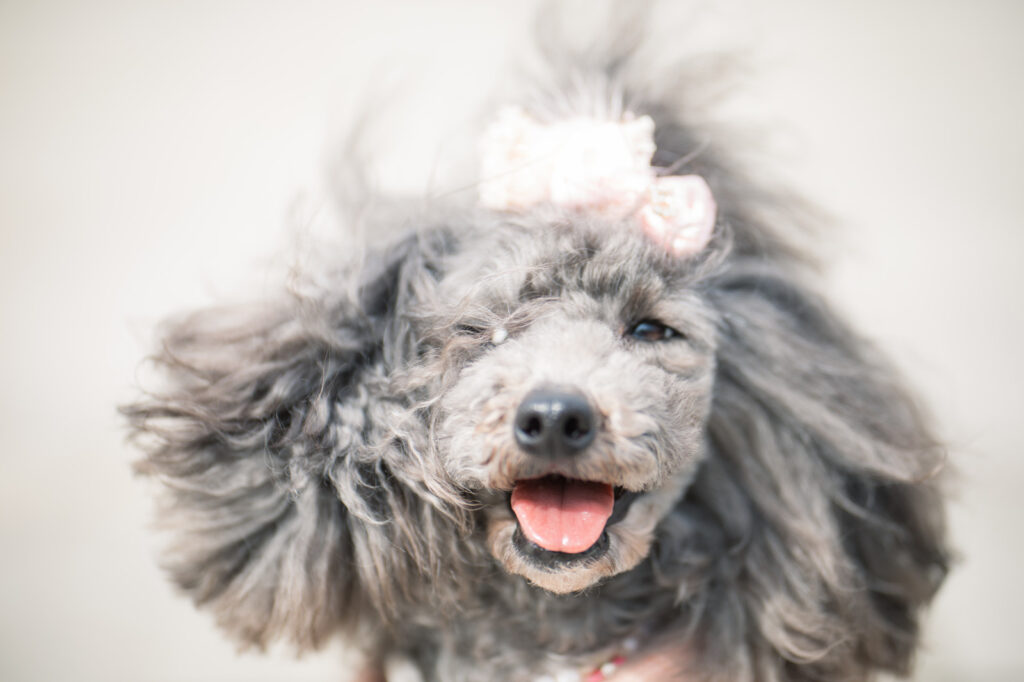
Spare/neuter surgery also contributes to the health of your beloved dog.
You won't have to see your dog's stress and distress caused by heat.
If you are not planning to breed your dog, we recommend spaying/neutering.
After surgery, your dog may tend to become obese, so reduce the amount of food it eats or switch to a lower-calorie food like Light. Some dogs may not respond well to certain foods, so if you do switch to a new food, mix a small amount with their old food and gradually introduce them!



![Dog diet [exercise]](https://with-my-dog.com/wp-content/uploads/2022/07/image2-37-150x150.jpg)

![[Veterinarian's recommendation] How to choose dog food! Find the perfect food for your dog!](https://with-my-dog.com/wp-content/uploads/2022/07/image4-11-150x150.png)
![Dog Names! [Female]](https://with-my-dog.com/wp-content/uploads/2022/07/image2-43-150x150.jpg)



![[So cute!] How dogs and cats show affection](https://with-my-dog.com/wp-content/uploads/2021/09/2093449_m-300x200.jpg)