
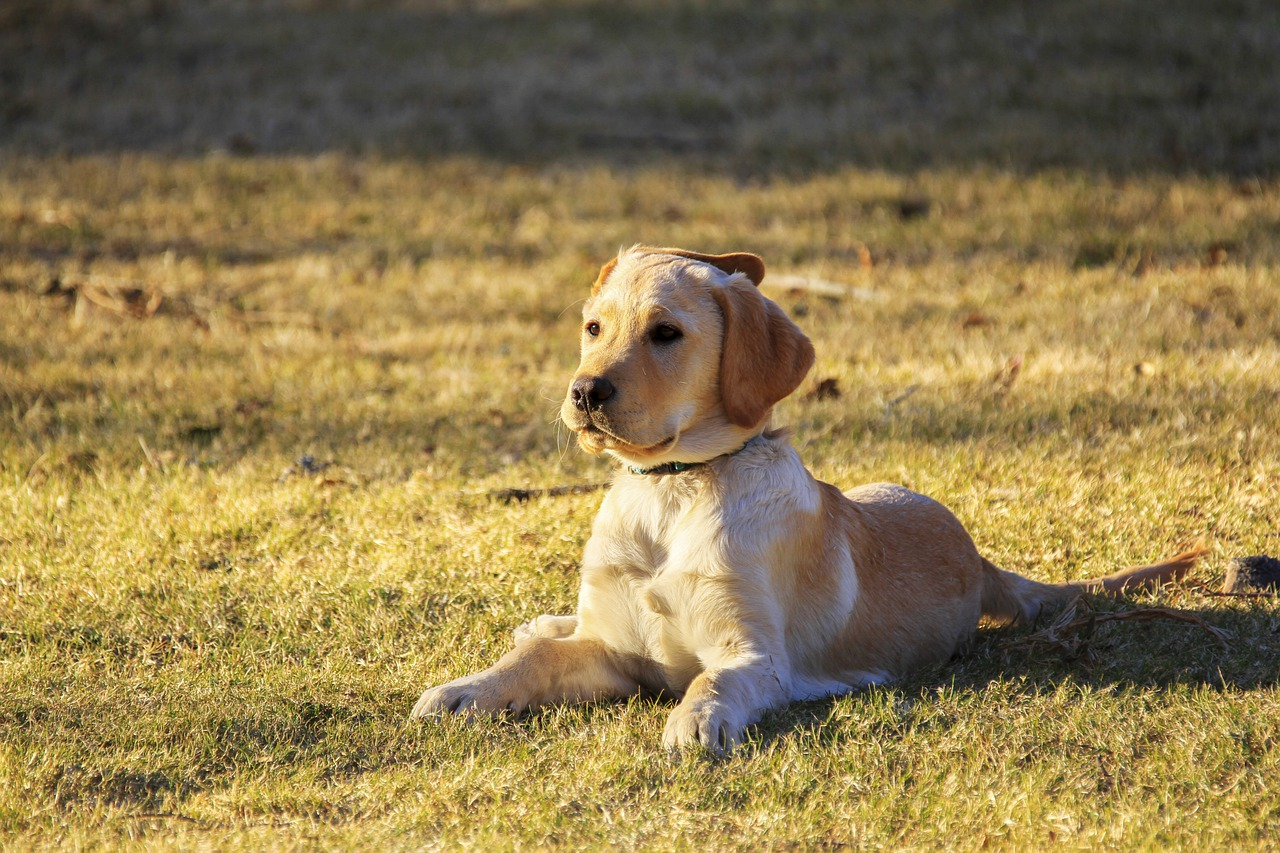
In this article, we'll list some possible reasons why your puppy might not eat.
This doesn't necessarily apply to all puppies, so if something seems obviously wrong, consult your veterinarian.
①My dog has difficulty eating the food I'm giving him
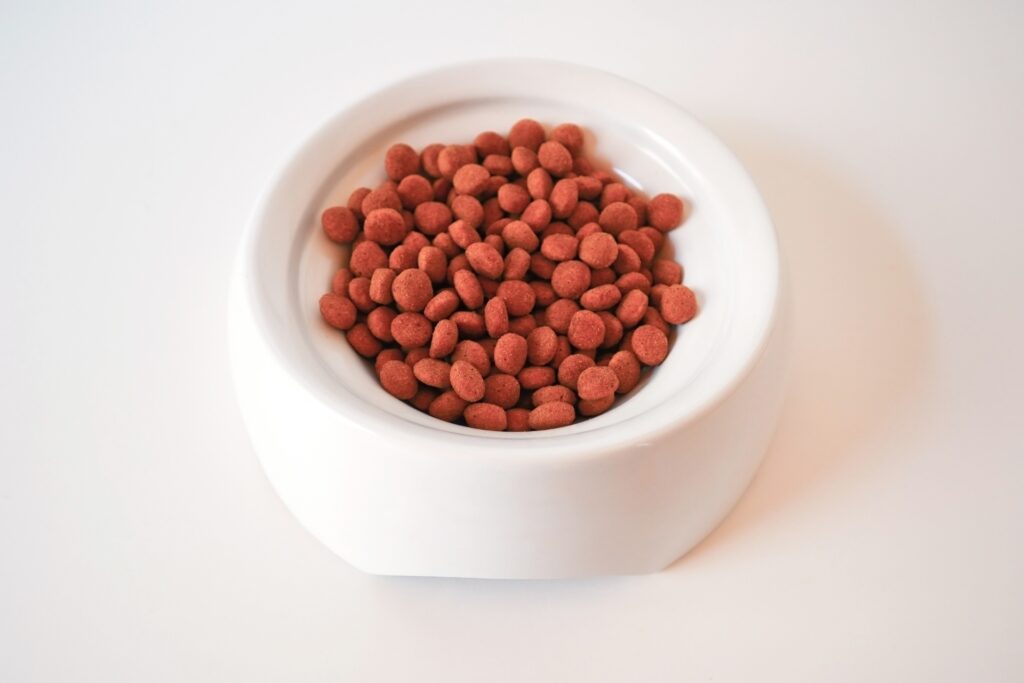
Puppies also have food preferences, and even the same dog food can become unappealing if they dislike the size, hardness, or texture of the granules.
Also, a sudden switch from baby food to dog food can cause stress and lead to a lack of appetite.
Change Dog Food Gradually
When changing your dog's food, gradually mix the new food with their current food.
Increase the amount every week or so. After a week, your dog will be completely hooked on their new food.
If the pellets you're feeding your dog are hard
Try soaking the dog food in warm water for about 10 minutes to soften it.
First, feed your dog soft food for a few days, then gradually reduce the soaking time to help your dog get used to the harder pellets.
If you continue to feed your dog soft food, he will stop eating dry food, so be careful about the duration.
One option is to break the food into small pieces and feed it to them at first.
Like humans, dogs have different preferences for taste, smell, and texture.
Of course, this can change as they get older, so take your time and observe them carefully.
② I am under stress
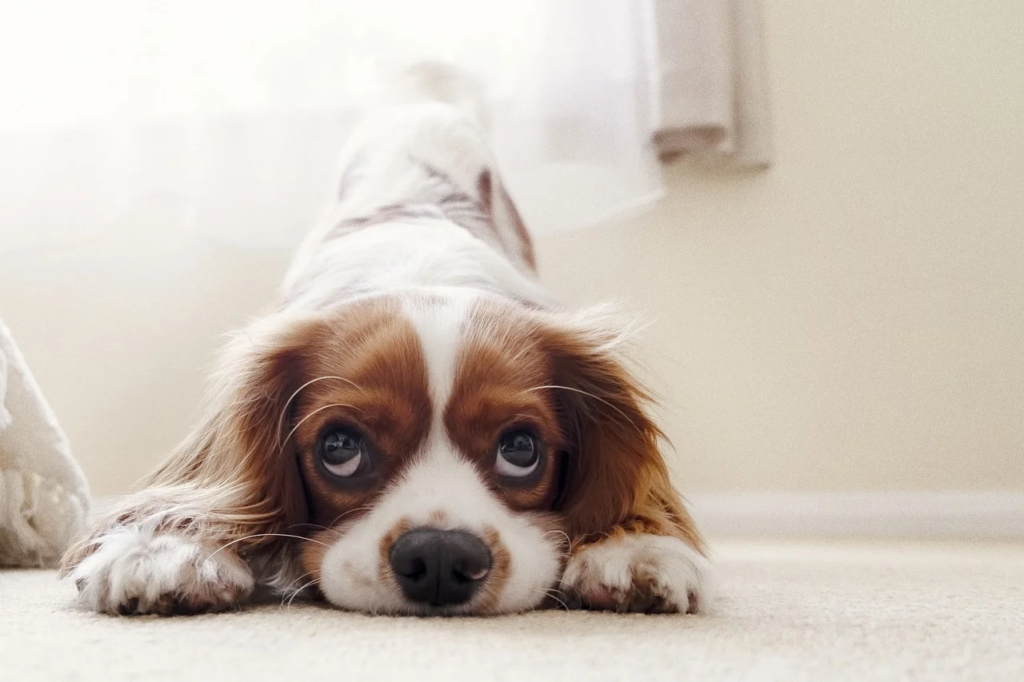
Puppies are often new to their new environment and are prone to stress.
This is especially true if you've just brought them home.
They may become stressed and lose their appetite as they struggle to adapt to their new environment.
Due to the environment
- Unsanitary conditions
- Keeping other pets
- Noise
- Over-attentiveness
- Continually feeding them food they don't like
- Neglected
Such stress can lead to more than just a loss of appetite
[Vomiting] [Diarrhea] [Biting] [Barking]This can cause problems such as:
Review your pet's environment, identify the cause, and improve it to create a safe and secure environment.
There are three main signs of stress
- Mild: Yawning, scratching, slight loss of appetite
- Moderate: Barking, growling, biting
- Severe: Licking to the point of dermatitis, diarrhea, vomiting
You should also pay attention to signs such as your pet not playing with its favorite toys or eating its favorite treats.
When a puppy is born or has just been brought home, it's easy to be overly affectionate with it. However, it's important to watch over it until it gradually gets used to you and opens up.
Excessive discipline and training can also be stressful, so be careful.
③ Puppy Growth Ends and Becomes Adult Dog
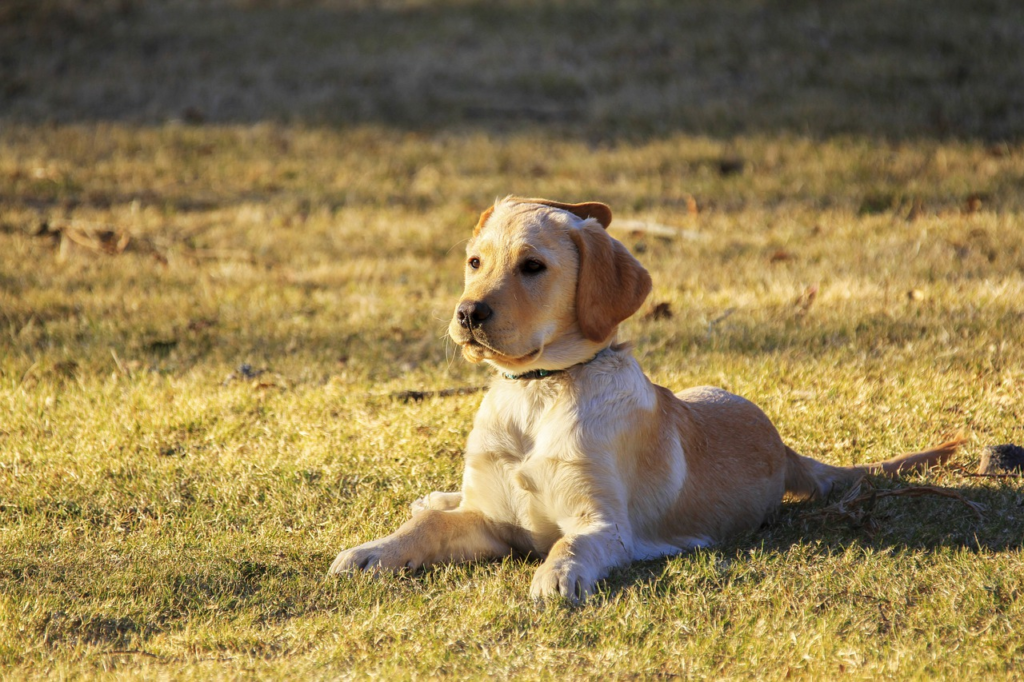
Puppies use more energy than adult dogs.
They are said to use about twice as much energy as adult dogs. It is natural for them to eat more and consume more calories due to muscle and bone growth.
While this varies from individual to individual, their feeding habits will stabilize around 4 to 6 months of age. You may feel like they're eating less than before, but this may be because their growth period is over.
As your pet grows, gradually reduce the amount of food it receives, as this can lead to overnutrition and obesity or illness.
The recommended time to change your dog to adult dog food is between 8 and 10 months of age, but this varies depending on the size of the dog.
- Small dogs: 8 to 9 months
- Medium dogs: 10 to 12 months
- Large dogs: 17 to 18 months
The larger the dog, the longer the puppy period.
Of course, individual differences exist, so consult your veterinarian.
It is probably safest to do so.
④ How to Feed a Puppy Who Refuses to Eat
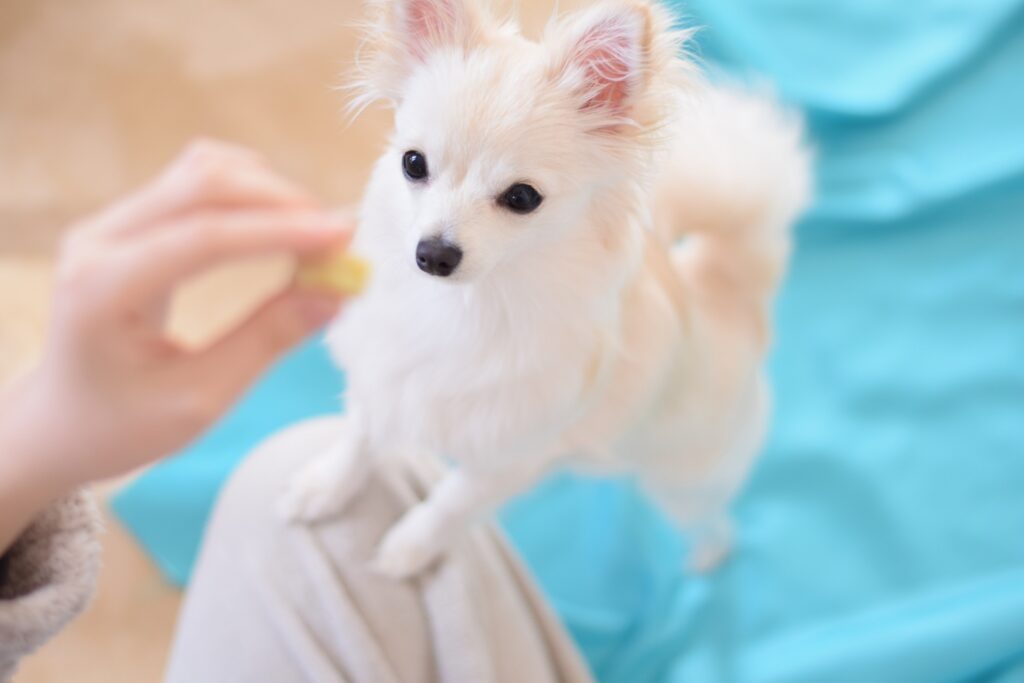
If you give your dog treats instead of food because he won't eat it, he may grow up unable to eat nutritious dog food.
To ensure your dog eats properly, take down and dispose of any leftover food.
This is the method.
Take down and dispose of any leftover food about 20 to 30 minutes after feeding your dog. Giving treats even if your dog doesn't eat is a no-no.
Repeat this every meal to help your child develop the habit of eating.
You may be wondering why we throw it away, but
Once it's out, it will oxidize and spoil when exposed to air.
Avoid leaving it out and letting it become unsanitary.
It's important not to let your child think they'll get a snack even if they don't eat their meal.
Finally
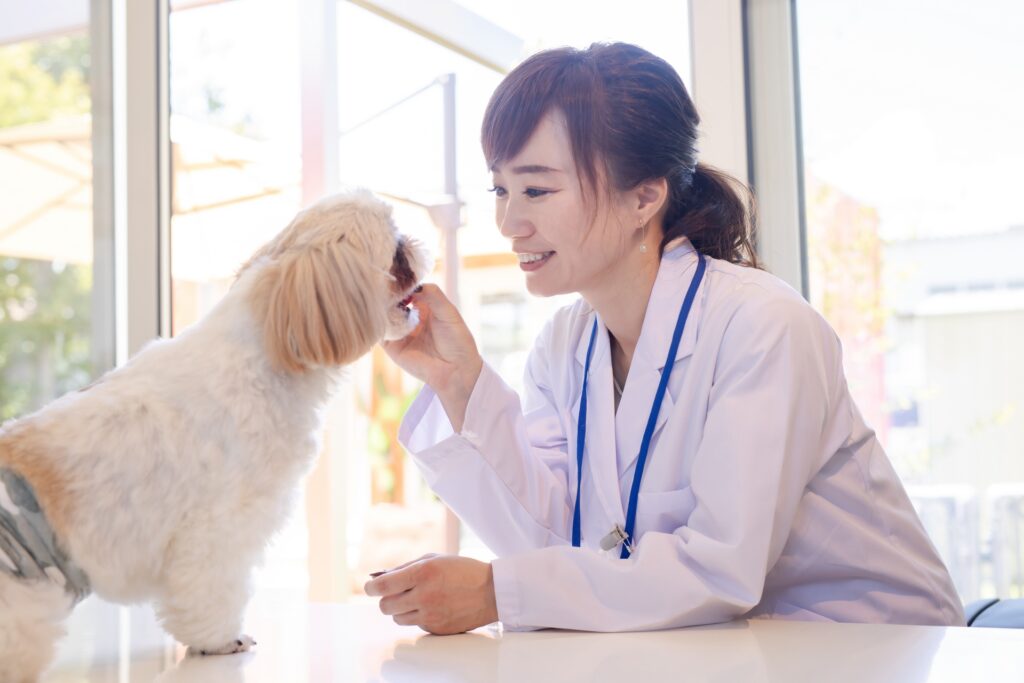
Of course, it could be illness or some other physical condition.
Pay attention to obvious abnormalities, such as not eating any food or snacks for two to three days.
Other
- Vomiting
- Diarrhea
- Not drinking water
- Listless
- Shaking
- Sleeping all day
- Weight loss
- Lethargic
If you notice any abnormalities during daily observation, consult your veterinarian immediately and have your pet examined.
Pay attention to the food you feed your puppy and its living environment. Picky eating and whims are determined by how you feed and train it during its puppyhood. Know what stage your puppy is in as it grows.



![[Free Only] 3 Sites Where You Can Download Dog Bone Illustrations](https://with-my-dog.com/wp-content/uploads/2022/03/947760_sのコピー-150x150.jpg)


![Dog Names! [Female]](https://with-my-dog.com/wp-content/uploads/2022/07/image2-43-300x217.jpg)
![[Dog Food Storage] How to store dog food](https://with-my-dog.com/wp-content/uploads/2022/09/pumpkin-hokkaido-gd74954bb8_1920-300x201.jpg)