
![Dog diet [exercise]](https://with-my-dog.com/wp-content/uploads/2022/07/image2-37.jpg)
Approximately half of all pet dogs are obese, meaning many dogs need to be put on a diet.
Even dogs who become overweight often face a series of health problems, and weight issues can worsen chronic illnesses. If you're even slightly concerned, start taking action today!
What causes dogs to become overweight?

In both humans and dogs, an animal is diagnosed as "obese" when its body fat exceeds its ideal body weight by 15-30%.
While a veterinarian is the best and ideal way to assess your pet's condition, there are some things you can do at home to check its condition. First, feel its ribs while holding it. If you can't feel its ribs, it's out of breath while walking, it's walking a little slower than before, it's sleeping more than usual, etc., then it's likely that your pet is no longer overweight.
This is what happens when you're fat...
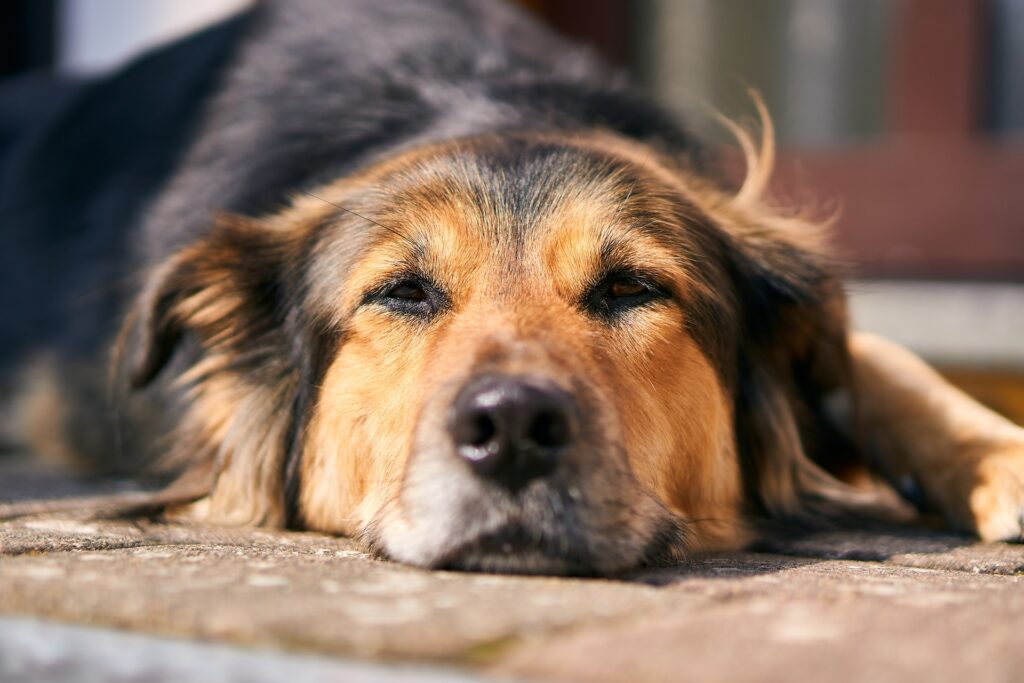
Some pet owners may think that chubby dogs are cuter. However, while obesity has its risks, it has no benefits for your beloved dog.
Risks of Obesity
- Significantly reduced lifespan
- Cardiovascular and respiratory problems
- Bone-joint diseases such as arthritis
- Cardiovascular disease
- Diabetes
...and more. Obesity can lead to a variety of diseases
Even if a chubby dog looks cute and plump, neglecting to care for them or not addressing the causes of their obesity could be considered "gentle abuse."
Rethinking Exercise Intake

The main reason is that your dog is not getting much exercise, but you feed it lots of food and treats, resulting in more calories than necessary.
Many people think, "It's okay because I walk my dog around the house," or "It's a small dog, so it's fine." There are many cases where the amount of calories consumed does not match the amount of energy used through exercise.
In addition to checking your dog's diet, try recording in a notebook or similar the date, date, where, and length of your walks.
When you record the specific time you spend moving and look at the numbers, you might wonder, "Maybe I'm not getting enough exercise!" If exercise increases your energy expenditure, you can expect to see weight loss benefits.
What type of exercise is best?
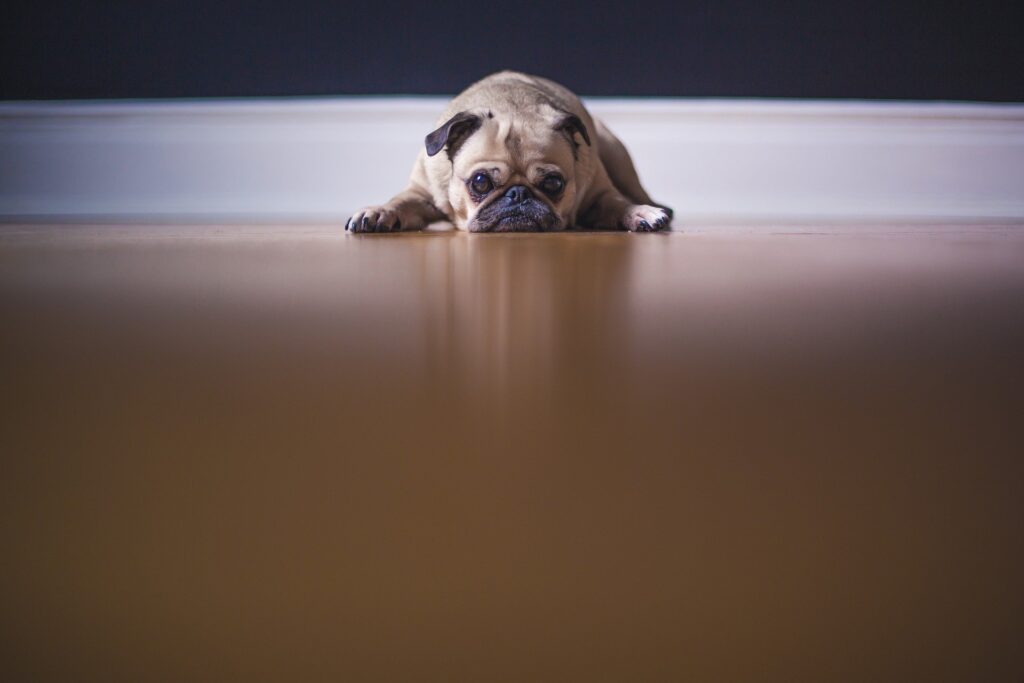
To lose weight, it's important to focus on endurance-building exercises, not explosive exercises. Building endurance-building muscles also helps burn fat.
To achieve this, long walks and swimming are effective. Work on a reasonable diet that takes into account your life's work and your dog's individual needs.
*Increase playtime
Dieting can cause stress and lead to problem behaviors. Some dogs become frustrated and start barking. To relieve frustration, try increasing the amount of playtime you spend with them, helping them forget about eating. Playing with them, such as with a ball, satisfies their instinct for exploration. It's also a great way to communicate with your pet, so it's a two-for-one habit.
* Walks, Long Walks
One effective form of exercise for weight loss is long, leisurely walks. It may be better to choose a walking route with a slight slope rather than always walking on flat ground.
However, sudden, excessive walking or jumping can put strain on the bones and joints. Avoid sudden increases in exercise. Instead, try gradually increasing the number and duration of walks and the distance. The key is to do it little by little. Because each dog's behavior is different, try to gradually increase the time and distance within reasonable limits.
*Aquatic Therapy (Swimming)
Hydrotherapy, a form of aquatic therapy performed in a tank filled with water, is also effective for weight loss. Because of the buoyancy in water, it puts less strain and impact on joints than on land, and it also has the benefit of using muscles that aren't normally used. Furthermore, building muscle strength also helps increase basal metabolism.
However, be sure to practice under the supervision of a qualified instructor who has properly trained in aquatic therapy.
When letting your dog swim in a pool or river at home, always keep an eye on it, wear a dog life jacket, use a safety rope in case of emergency, and always swim under your supervision. Safety comes first, so take all necessary precautions and precautions to avoid accidents.
In general, if you suspect your dog is tired, don't push him too hard and let him rest. Also, be aware that each dog is different, and some diets may not be suitable for elderly dogs or those with heart conditions. If you put your dog on an unreasonable diet in an effort to improve his health, it will be counterproductive if it becomes ill. Consult your veterinarian to find a diet method that is appropriate for your dog and implement it safely and without overexertion.
Changing consciousness
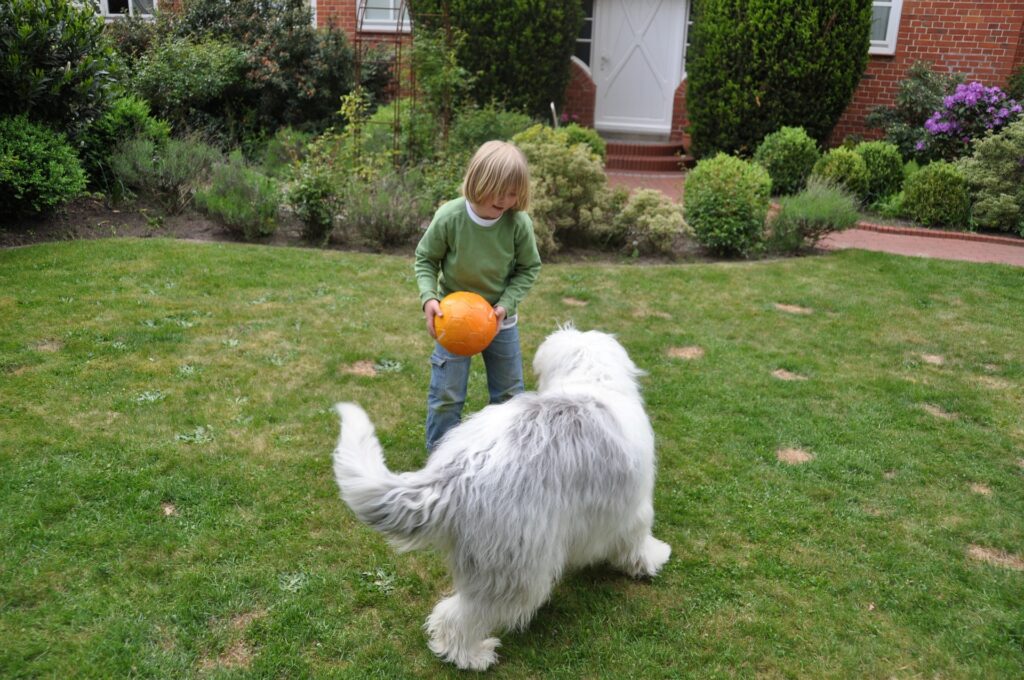
A fat dog has developed the mindset that all he loves is eating! So, first, get him interested in something other than food.
Create fun times for your dog that help him forget about eating, such as playing with you or other dog friends. Instead of enduring the time between meals, make sure your dog has fun enough to forget about eating.
Dogs are also animals that pick up on and attune to emotions. They'll be happier if their owner looks happy, and sadder if their owner looks depressed.
Therefore, if you feel like you have to take your dog on walks because of your diet, your dog will sense that. It's best if you yourself are in a good mood and can enjoy walks with your dog.
If you can't go for walks yourself, we recommend asking a family member or using a walking service. A stress-free diet that's enjoyable for both dog and owner is the best.
Summary
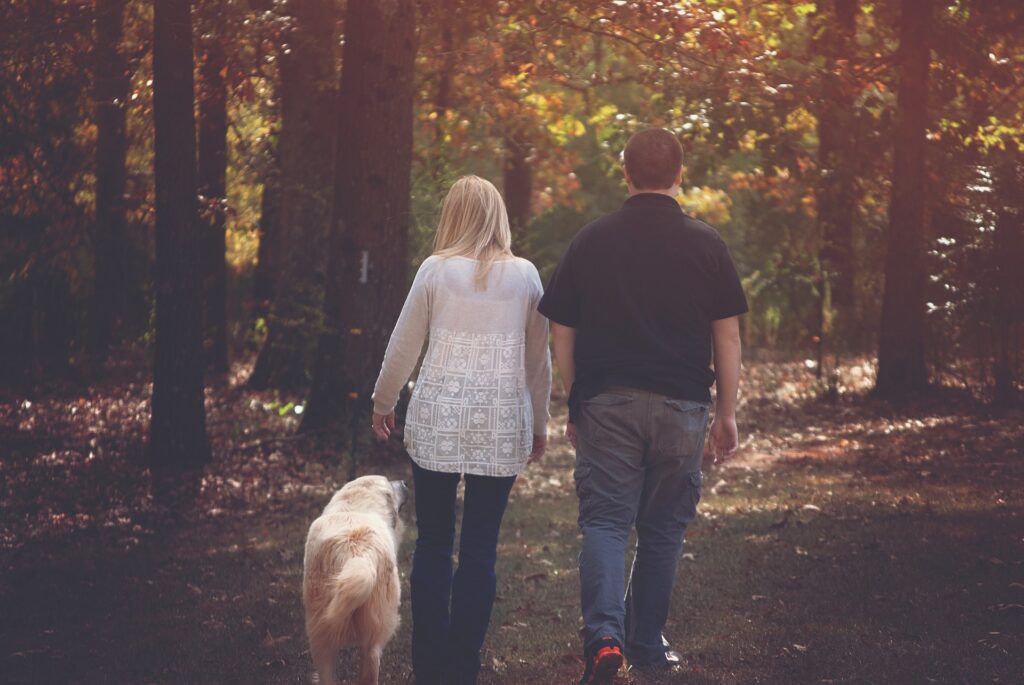
Dogs cannot choose their own food or go for walks on their own.
To successfully diet your dog, it's important for you to be patient and maintain a balanced diet and exercise regimen. Especially if you're keeping your dog as a family member, make sure the whole family gets involved. Make a diet plan that fits your lifestyle, takes a long-term view, and doesn't put a burden on either of you.


![[Recommended for males] Cool dog names](https://with-my-dog.com/wp-content/uploads/2022/07/image1-36-150x150.jpg)






![[2022 Edition] What is the safest dog food? Survey of recommended popular products](https://with-my-dog.com/wp-content/uploads/2021/10/puppy-ged828c55e_1920-300x217.jpg)