About additive-free dog food: Is it safe? Does it even exist? We also introduce recommended products!

What do you feed your dog?
Some owners feed their dogs commercial dog food, homemade food, or even food that claims to be additive-free.
Some of you may be wondering, "What exactly is additive-free dog food?" and "Isn't it expensive?"
So, this time, we'll explore all things additive-free dog food! Please read to the end!
1. What is "additive-free dog food"?
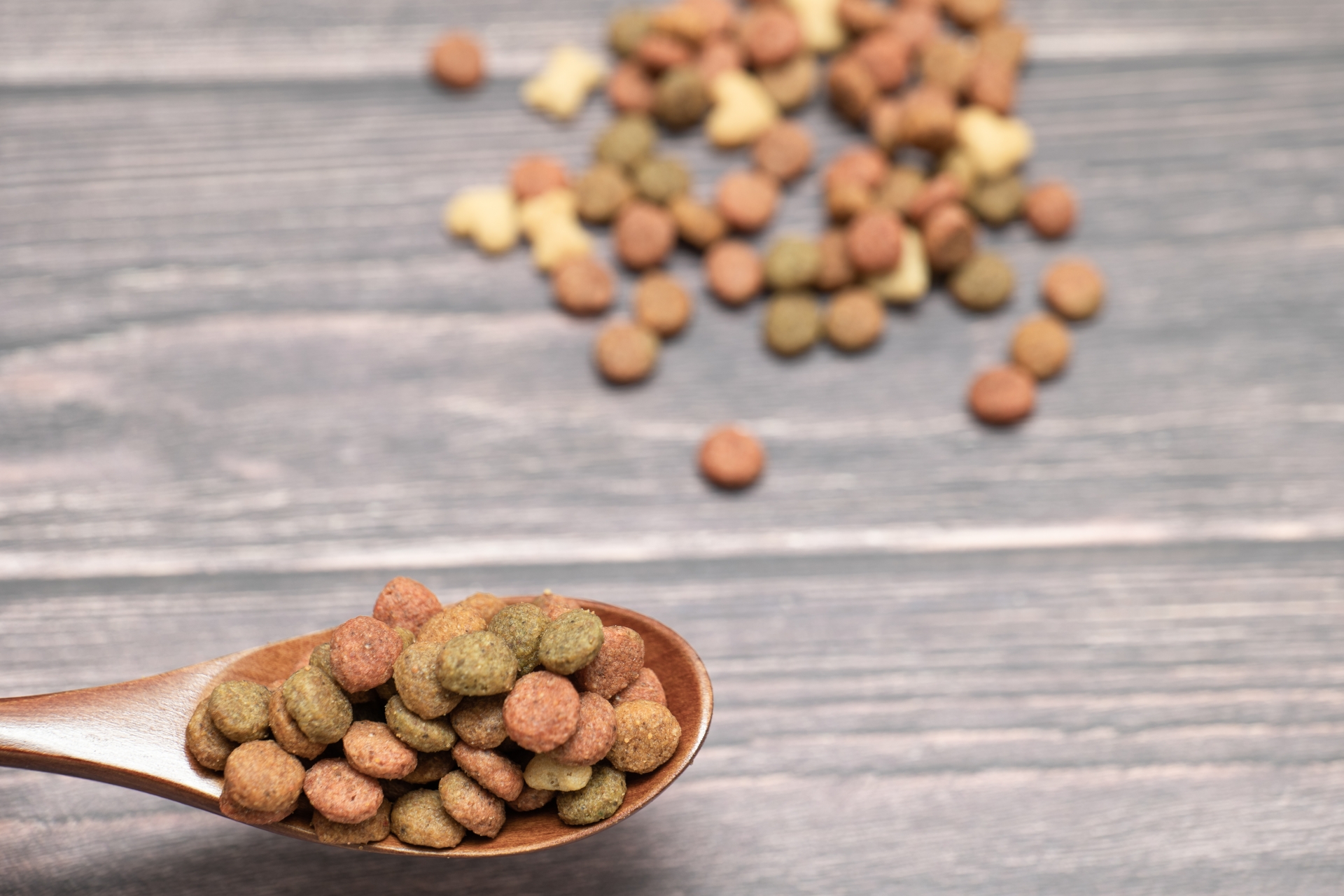
Additive-free dog food is dog food that is made without any artificial additives, preservatives, colorings, or flavorings.
Therefore, if a product does not use any of these four ingredients, it can be advertised as "additive-free dog food."
2. Does additive-free dog food even exist?

In conclusion, completely additive-free dog food does not exist.
The reason is that dry dog food requires preservatives.
This is to protect the dog food from mold and extend its shelf life.
However, there are also dog foods that are completely additive-free and contain no preservatives.
If you're concerned about feeding your dog additives, we recommend homemade food, even though it takes more effort.
・What homemade dog food do you recommend?
- Beef stewed in tomato sauce
- Tofu rice with thick sauce
- Steamed sweet potato with egg sauce
- Chicken and vegetable rice porridge
- Minced meat and vegetable stir-fry
They can also eat foods that humans normally eat.
Isn't minced meat and vegetable stir-fry particularly easy to prepare?
On the other hand,
・What foods should you avoid giving to your dog?
- Chocolate
- Onions
- Grapes and raisins
- Gum containing xylitol
- Chicken bones
Also,
・What foods should I be careful of?
- Pork and chicken liver
- Spinach
- Sardines, dried seaweed
- Raw egg white
- Raw meat
Some examples include:
It's a good idea to make homemade dog food while keeping the above ingredients in mind.
3. Is additive-free dog food safe?
Dog food safety is protected by various organizations, including
Ministry of the Environment and Ministry of Agriculture, Forestry and Fisheries
All ingredients must be listed, but processing aids do not need to be listed unless they significantly change the quality of the pet food.
Listing additives contained in pet food ingredients is optional.
Pet Food Fair Trade Council
_It clearly states which ingredients are additive-free.
_No additives are used in the dog food manufacturing process, or specified additives are not used. If either of these two conditions apply, the product cannot be labeled "additive-free."
These two organizations have established the following rules regarding additives.
Also, among food additives, ingredients that should be avoided include:
- Coloring agents
_Titanium dioxide, Red No. 2, Red No. 3, Red No. 40, Red No. 105, Yellow No. 4, Yellow No. 5, Yellow No. 6, Blue No. 1, Blue No. 2, Blue No. 102
- Antioxidants
_BHA, BHT, Ethoxin, Propyl Gallate, Erythorbic Acid, Sodium Erythorbate
- Preservative
_Potassium Sorbate, Sorbic Acid
- Color Fixer
_Sodium Nitrite
- Moisturizer
Propylene Glycol
The moisturizer propylene glycol is prohibited for use in cats, and it is said that ingesting it can cause anemia.
4. How do I choose the right dog food?
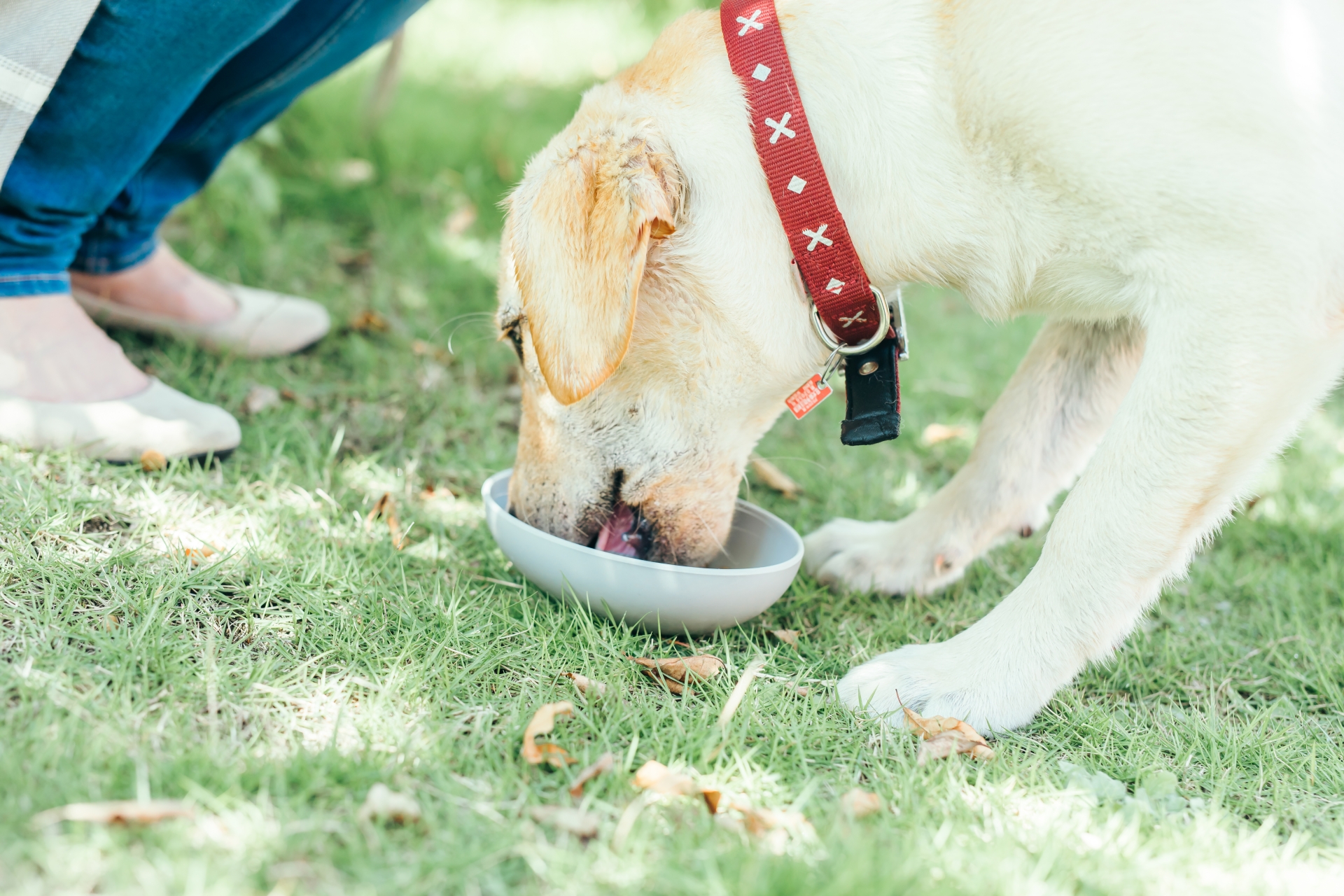
So, how should you choose dog food, given the many considerations?
First, when choosing additive-free dog food, your approach will depend on whether you want partial additive-free (such as coloring) or completely additive-free.
It's also important to consider not only additives but also nutritional balance when choosing.
Important points to note:
- Ensures adequate intake of animal protein
_Rich in animal protein, primarily meat and fish
- Considerates allergies, such as gluten-free
_Considerates grain and other allergy-friendly
→Overfeeding can cause allergic reactions.
- Provides essential nutrients for each stage of your dog's life.
_High protein and high calories for puppies.
_High protein, low fat, and low calories for adult dogs.
_High protein and low fat for senior dogs.
- Cost-effective and easy to obtain.
Examples include:
In other words, when choosing additive-free dog food, it's best to choose one that suits your dog and your lifestyle.
5. What are the advantages and disadvantages of additive-free dog food?
Additive-free dog food is not only healthy, but of course it also has its disadvantages.
・Advantages of Additive-Free Dog Food
- Feed with Confidence
- Doesn't contain any strange-tasting ingredients, so your dog will eat it well
- Rich in essential nutrients
・Disadvantages of Additive-Free Dog Food
- There are many different types of "additive-free" dog food, so labeling can be vague and difficult to judge.
- Short expiration dates and prone to mold.
- High prices.
The biggest advantage of additive-free dog food is that it avoids nutrients your dog doesn't need and allows you to safely feed it healthy food.
On the other hand, its high price and short expiration date can be costly and require a lot of effort to manage.
6. Recommended Additive-Free Dog Food Ranking
Here, we'll introduce recommended dog foods that don't contain any additives you should be careful of!
No.1 Mogwan
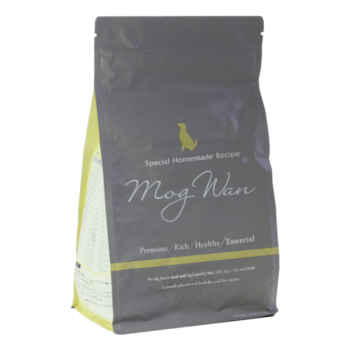
Moguwan uses chicken and salmon that are free of growth hormones, which is beneficial for healthy skin and coat.
No artificial preservatives, flavors, or colorings are used. All ingredients are processed and shipped from human-grade food factories, undergoing all audits, questionnaire surveys, product analysis, and approval from suppliers before being sourced.
No.2 Naturol
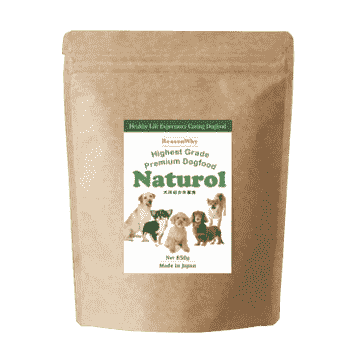
Naturol contains the world's first stable, sustained-release vitamin C and is packed with natural, fresh meat.
It's made in a dedicated domestic factory certified by FAMIC, so quality control is guaranteed.
It's also grain- and gluten-free, making it suitable for dogs with allergies.
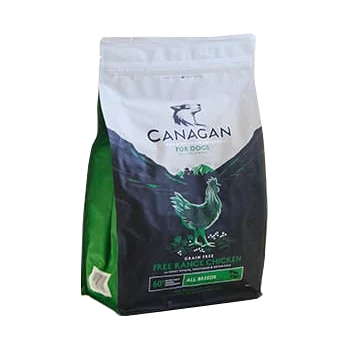
No.3 Kanagan
Canagan is a dog food made with free-range chicken, free of growth hormones.
It's well-balanced nutritionally, and the glucosamine and chondroitin are effective in strengthening joints.
All ingredients are processed and shipped from human-grade food factories, and are sourced only after approval from suppliers after audits, questionnaire surveys, and product analysis. No artificial preservatives, flavors, or colorings are used.
7. Summary
This time, we've summarized the basics of additive-free dog food. What did you think?
While there are very few dog foods that are completely additive-free, they do contain additives.
However, additive-free dog food has a short shelf life, so care should be taken.
If you're concerned about your dog's health, buy only the amount he can eat while it's still fresh, or feed him homemade food.
It's no exaggeration to say that food is everything when it comes to your dog's health.
From now on, be mindful of additives and feed your dog food that's right for him, so he can grow up healthy both physically and mentally!