


Do you ever hear dog owners say their dog falls asleep on the toilet pad?
This is especially common in puppies.
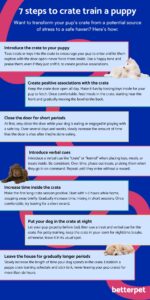
This is the very reason why you should start toilet training your puppy from the day you bring him home. The basics of toilet training are taught in the crate.
There's a bed next to the toilet area in the crate. Therefore, before they've fully mastered using the toilet, they often fall asleep on the toilet instead of their sleeping area. Dogs like the texture of paper, so they find the toilet pad comfortable.
Even as adults, some dogs will nod off to sleep with their eyes closed while sitting on the toilet pad. It's a funny sight to see your beloved dog calmly using the toilet. However, if possible, you'd want them to sleep in their bed.
In this article, we'll explain why dogs sleep in the toilet and what you can do about it.
Why do dogs sleep in the toilet? 5 Causes
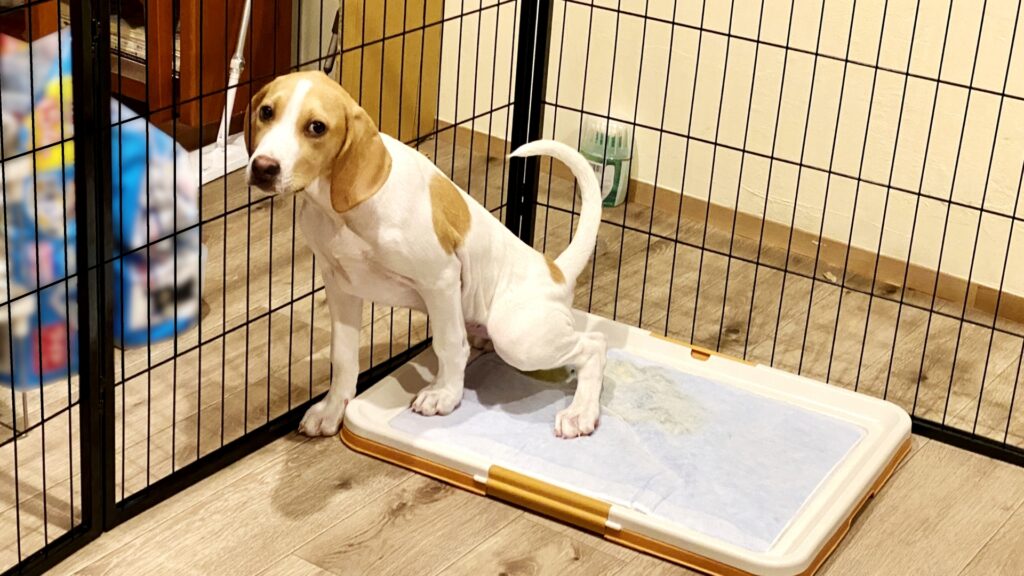
Why do dogs sleep in the toilet? Dogs like to sleep directly on the cold floor. For example, the toilet mat may serve as a substitute for the floor, or they may sleep on the toilet mat as a refuge to cool down after being chilled by the cold floor.
Another reason could be that the bed is the wrong size and doesn't fit the dog's body properly. Just as some people find the toilet a relaxing space, dogs may also find it a relaxing place.
Let's put ourselves in the dog's shoes and list five possible reasons.
① The dog doesn't like its sleeping area
Dogs feel safe in dark, narrow spaces. Generally, even after your dog becomes an adult, you should keep its cage and place a bed inside it to create a space where your dog can feel at ease. If there's a dog bed outside the cage, your dog may not be able to sleep peacefully.
Also, the size of the cage should be appropriate for the size of the dog. If it's too small or too large, your dog won't have a place to rest. A hot or cold spot in the room, or a place where your dog can't sense your presence, will also make your dog feel uneasy.
Also, if you're still using the bed you bought for your puppy as an adult, it may be too small.
Know that the best formula for choosing the perfect bed for your dog is comfort + size.
② Not knowing the difference between a litter box and a sleeping area
Puppies spend a lot of time in their crates, so many homes use half the cage as a litter box and the other half as a bed. If the litter box and bed are close together and there's no clear separation, they'll just sleep in whichever one they want. Also, if your dog has an accident, the litter box and bed smell the same, which can confuse them.
As a solution, try placing your dog's bed in a plastic box or crate with the door open. This will create a dark, enclosed space that your dog will enjoy, allowing him to sleep peacefully. Be careful with cardboard and other paper materials, as your dog may chew and eat them.
③ They feel calm because their scent is there.
Unneutered males may mark their territory indoors by leaving a scent mark with urine. (As an exception, neutered males and spayed females may also mark their territory.)
New furniture or a fluffy sofa that doesn't have their scent on it will also be a target. The same goes for a dog's litter box; a litter box with their scent on it is considered their territory and a place where they feel safe.
Dogs feel most comfortable in places that have their own scent, so it's important to guide them with treats and keep an eye on them until they get used to the scent of their new bed. Also, house marking can be caused by stress, anxiety, hormonal changes, or sexual arousal. Be sure to train your dog properly to prevent this from increasing.
④ He likes the feel of toilet paper
In the summer, dogs prefer to sleep on the floor rather than in their own beds. They want to lie flat on a cool, hard surface and feel open. Therefore, for dogs, who are sensitive to heat, the cool, dry feel of a toilet sheet makes them feel comfortable and relieved from the heat, making it an ideal place to relax.
In hot weather, even if you provide a fluffy bed, your dog will avoid it and prefer to sleep on the ground.
The bed retains excess heat, making your dog feel hot and uncomfortable.
But what should you do with that dog bed you just bought? Your dog might not notice it for a while, but during the cold winter months, the fluffy bed will be so comfortable that they'll use it when they need it.
⑤ They want their owner's attention
In the wild, wolves would defecate and excrete outside to avoid leaving a scent in their sleeping area and avoid being targeted by predators. This habit remains in modern dogs, and they don't try to soil their beds.
In other words, dogs often distinguish between their bed and their toilet. Dogs want their owner's attention at all times, so they may intentionally sleep in the toilet. This is because they know that if they sleep in the toilet, their owner will move them to the bed or call out to them. They may also choose the toilet as a sleeping place because they want to be played with.
Is it okay to scold my dog if it sleeps in the toilet?
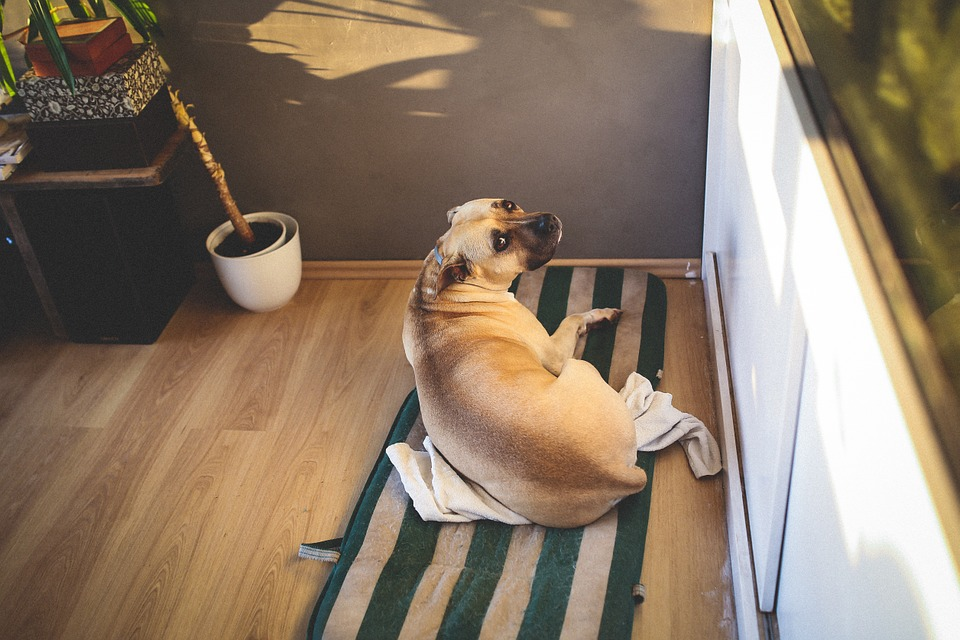
For dogs, all they want is a comfortable, calm place to sleep. But if that place is a toilet, you can't tolerate it forever. Scolding your dog is not recommended, as it may not understand why it was scolded. In fact, it could become terrifying if your dog becomes afraid of sleeping altogether.
Try to take effective measures to avoid hurting your dog's feelings.
5 Tips to Avoid Sleeping in the Toilet
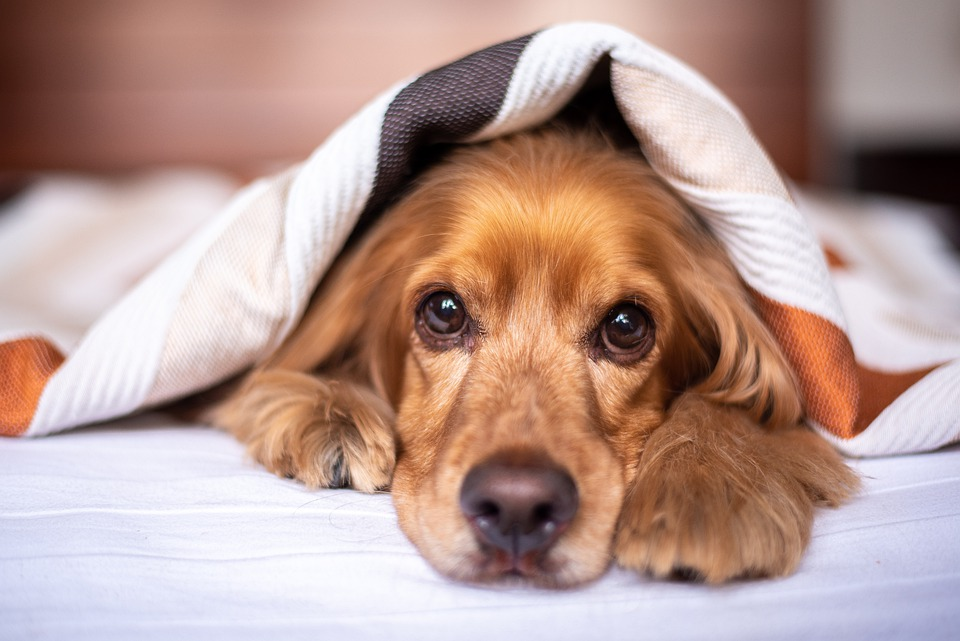
What measures can you take to prevent your dog from sleeping in the toilet?
Here are five tips to encourage your dog to sleep in its bed.
① Try changing the sleeping environment
The best place to put your dog's bed is in its cage, which is its room. If you're creating a relaxing space for your dog outside of its cage in the living room or elsewhere, avoid placing it near a television or in an area exposed to air conditioning.
Places where people frequently pass by, such as doors or hallways, are also inappropriate places for your dog to relax. A spacious space where your dog can sense your presence will be most relaxing for your dog.
Dogs also love soft, fluffy places, so you can make a dog bed out of towels or old clothes.
② Try changing the litter box and sheets
Males tend to lift their legs to urinate, so use an L-shaped litter box. Since they don't have enough space to sleep, they will inevitably stop sleeping in the litter box once they reach adulthood.
The key is the litter box for females. There are litter boxes with enclosures on three sides, but since dogs find enclosed spaces more comfortable, they may develop the habit of sleeping in the litter box. Choose a type that doesn't make the litter box too uncomfortable.
We recommend a flat, unenclosed litter box so that it doesn't fit your dog too tightly. Another option is to reduce the size of the litter tray and accompanying sheets. Dogs love to be clean, so be sure to pay attention to cleaning.
③ Place something with your scent in your dog's sleeping area
Another option is to place something with your scent in your dog's sleeping area to help it feel more secure. Your dog may find a T-shirt or towel in the summer, or fleece pants or a sweater in the winter, to be the most comfortable place to sleep.
Clothes are soft and provide a comfortable cushion for sleeping. They also provide a sense of security, so they may be useful when you're not at home. Smell is one of a dog's most important senses, so whether your clothes are dirty or clean, the scent of your pack leader is very comforting to your dog.
Your dog will be attracted to things that smell like you. They'll want to cuddle and sleep on things that smell like you.
④ Praise your dog when it sleeps in its bed.
The same goes for toilet training. When your dog is able to sleep in its bed when you command it, praise it enthusiastically. Dogs who want attention from their owners love to be praised. For puppies who haven't yet learned to distinguish between their bed and their toilet, try the crate training method described above, and praise them profusely when they sleep in their bed.
For puppies, praising them excessively when they successfully use the toilet can lead them to mistake going to the toilet for a reward. Take advantage of this and repeatedly train your dog to ignore you when he sleeps on the toilet sheet.
⑤ Eliminate the toilet smell from his sleeping area
As explained earlier, dogs have a habit of not urinating or defecating in their sleeping area, dating back to the time of wolves. Dogs are also very clean. If your dog accidentally urinates in his sleeping area, the smell of his urine will remain on the bed.
Dogs tend to recognize any place that smells of urine as a toilet. This means that your dog may not sleep in the same bed where he or she used the toilet. If this happens, wash the bed thoroughly, or if you can't wash it right away, use a dog-safe deodorizing spray to remove the odor. If your dog's bed is always clean, he or she will feel safe sleeping in his or her own bed.
Summary
I hope you understand that there are various reasons why your dog might sleep in the toilet.
First, carefully observe why your dog sleeps in the toilet and take measures to address the issue. For both you and your dog to live comfortably, it's important that your dog lead a balanced life.
To do this, you need to train your dog to sleep in its own bed. Since each dog learns differently, you'll need to go through several steps. In any case, consistent training is key. Pack-loving dogs are naturally good at following rules, so be patient.
Then, your dog will learn to distinguish between right and wrong, and this understanding will deepen with your patience and rewards.
For example, leaving treats on your dog's bed will make training easier.
This will help your dog associate sleeping with the expectation of a treat, so he'll eventually start sleeping in his bed.
For dogs, it's important that training and rewards go hand in hand.














![[Latest] French Dog Names: A Guide to Cool and Stylish Names](https://with-my-dog.com/wp-content/uploads/2022/04/image1-300x200.jpg)
![[Dog Food Storage] How to store dog food](https://with-my-dog.com/wp-content/uploads/2022/09/pumpkin-hokkaido-gd74954bb8_1920-300x201.jpg)