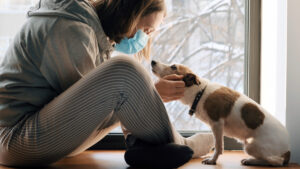

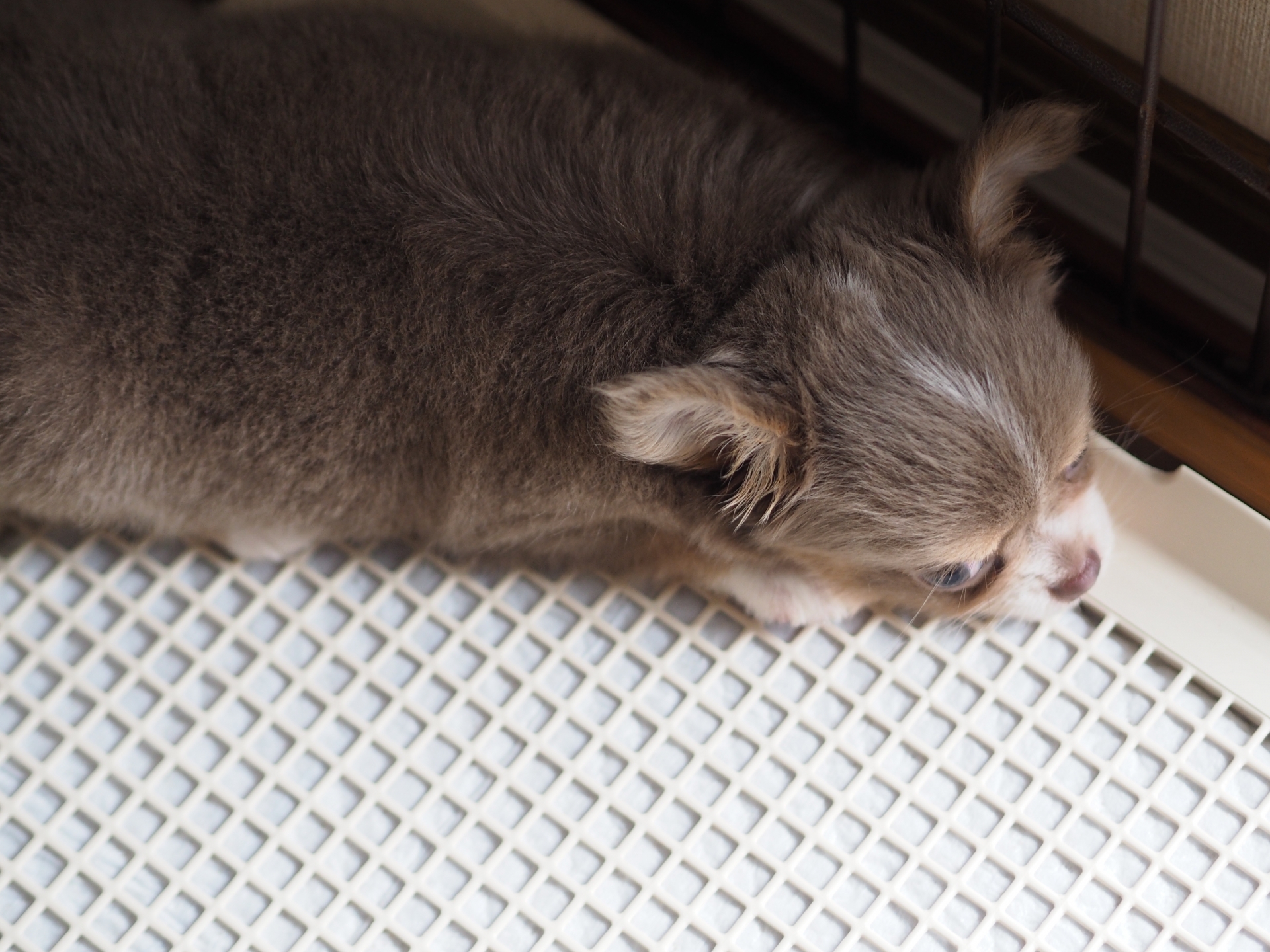
For indoor dogs, you'll need to create a toilet in the house and toilet train them to know where the toilet is.
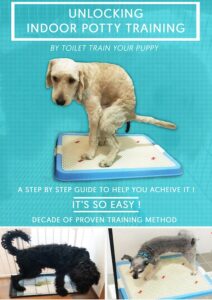
Toilet training your dog can be a headache for beginner owners. Incidentally, it's more convenient to have a toilet tray for toilet training.
Having a tray in the toilet makes it easier for your dog to recognize its location. It also prevents the toilet sheet from slipping and staining walls and floors, reducing the owner's cleaning workload.
The best litter box depends on your dog's size. There are also a variety of litter boxes available, ranging from highly functional to stylish.
We've carefully selected a selection of litter boxes that will be comfortable for both dogs and their owners. Here, we'll introduce how to choose a litter box and which ones are useful for potty training.
Types of Dog Potty Trays
There are three main types of dog potty trays.
Here, we'll introduce the features of each type of potty tray.
Plain Type (Fixed Sheet)
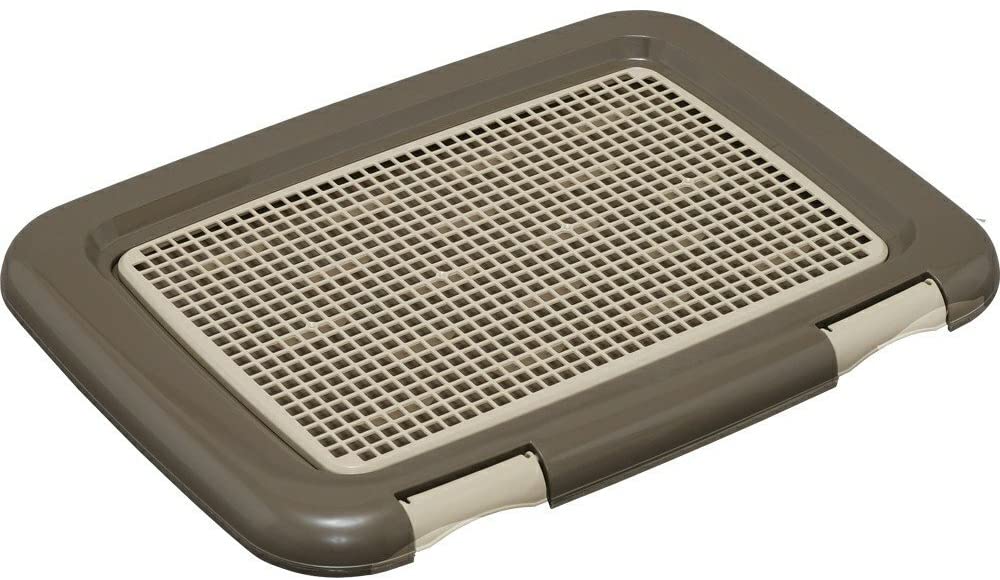
The plain type is a flat, flat-shaped toilet tray.
There are several ways to secure toilet sheets: simply laying the sheet down and securing it with a frame or adhesive, or placing a mesh cover over the sheet to secure it.
Leg type (L type)
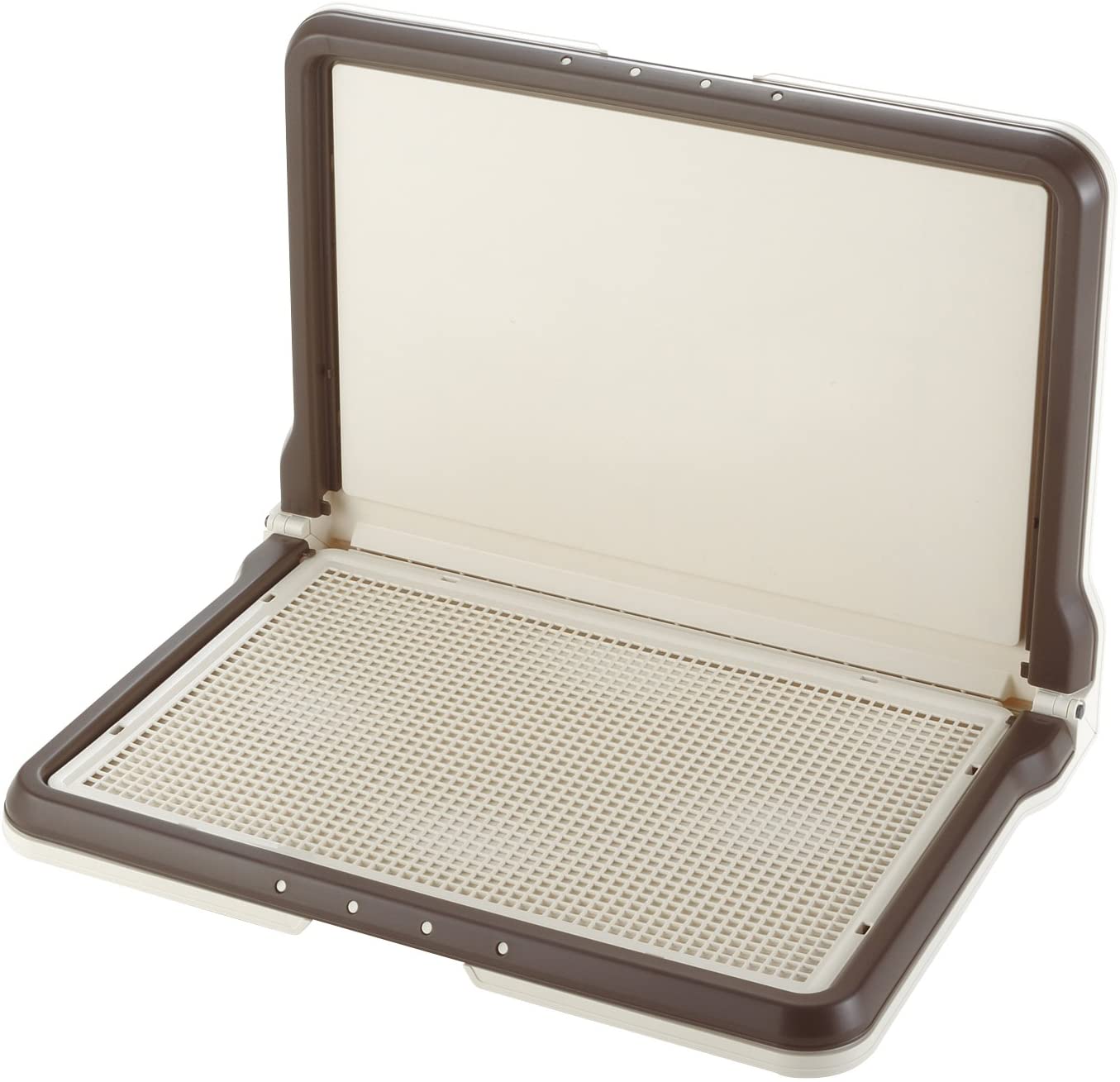
The leg-lifting prevention type is an L-shaped toilet tray. It's suitable for males who use the toilet with one leg raised, and some even come with a pee pole.
The toilet sheet can be secured to both the wall and floor sections, preventing your dog from jumping onto the walls of your home.
Splash Prevention Type (Enclosed)
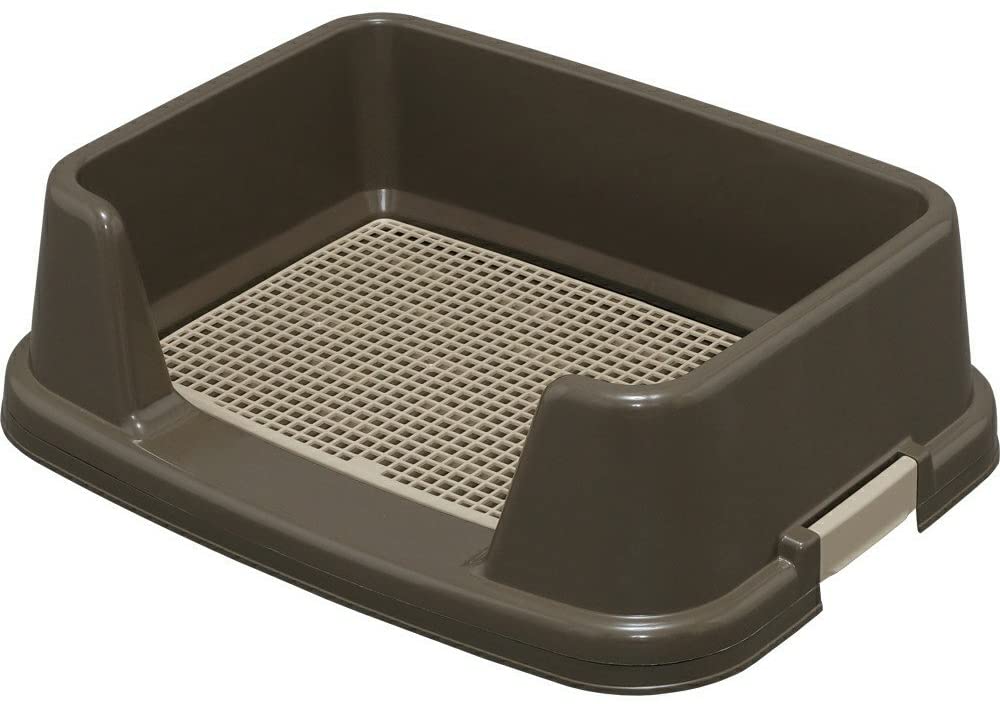
Anti-splash toilet trays are those with walls on three sides or all the way around.
The enclosed toilet allows your pet to use the toilet calmly and prevents accidents and splashes.
Toilet sheets are available in two types: those that can be attached to the floor only, and those that can be attached to the floor and the wall.
5 Things to Consider When Choosing a Dog Litter Box

There are many different types of litter trays.
So, how do you choose the best litter tray for your dog?
Choosing the Right Size for Your Dog
You should choose a litter tray that takes your dog's body size and characteristics into consideration.
For example, if you choose a splash-proof tray for a long-bodied breed (such as a Dachshund or Corgi) based on the size of the tray, it may be smaller than expected and difficult for your dog to use the toilet.
When choosing a toilet tray, be sure to check the size carefully and choose one that is appropriate for your dog.
Another important thing is the size of the toilet sheet.
The toilet sheet must fit the size of the toilet tray. Choose the size of the litter tray and the litter sheet together.
Choosing Dog-Safe Products
Litter trays with mesh covers not only securely hold the litter sheet in place, but also prevent your dog from chewing or eating the litter sheet.
When choosing a litter tray with mesh, be careful of the mesh's coarseness. A coarse mesh can cause your dog's claws to get caught in the gaps.
Choose a toilet sheet that's easy to change
It's also important to consider whether the toilet sheet is easy to remove.
For example, if there are too many fasteners to secure the sheet, changing it can be a hassle and
very troublesome.
On the other hand, if the toilet sheet isn't securely fastened properly, it can slip off and become easily soiled, so
this is also something to be careful of.
Since it's a daily occurrence, choose one that's easy to change the toilet sheet.
Choose one that's easy to clean.
Although it's something you won't know until you buy it, I'd like to touch on the design of the tray.
For example, with a mesh toilet tray, poop and pee can sometimes get trapped in the mesh, so it's important that the mesh is easy to remove.
Also, if a pet tray is stylish but has a complex shape, it can be difficult to clean the corners of the tray, making it unsanitary. Therefore, it's important that the entire tray is easy to clean.
When actually purchasing, be sure to read product reviews, talk to staff at pet stores, and refer to actual samples before making your selection.
Choose a Barrier-Free Litter Box for Senior Dogs
Replacing the litter box your dog has been using since he was young can be daunting for both you and your dog.
However, once your dog enters its senior years, you'll need to monitor your dog's toilet habits to make sure the current litter box is still adequate.
If the litter box becomes difficult to use, consider making the litter box barrier-free by switching to a softer material or one with fewer steps.
The Role of a Litter Box
When you first get a dog, the first thing you need to do is toilet train it.
Naturally, pets don't initially think of the toilet area as a toilet. So, owners need to steadily train their pet to use the toilet. When a pet hasn't yet mastered the toilet, some may chew through the toilet sheet or sleep on the toilet tray.
A toilet tray makes it easier for your dog to recognize the toilet and reduces accidents. At the same time, it also prevents your dog from chewing through the sheet, accidentally eating it, and sleeping or playing in the toilet.
Summary
A comfortable toilet environment is important for both your dog and you.
Another way to successfully toilet train your dog is to use a toilet tray or toilet sheet.
This time, we've introduced you to toilet trays.
There are three types of litter trays:
- Fixed seat type
- Leg-raising type
- Enclosed type
Depending on your dog's breed, size, and age, the litter tray may be larger than you expect.
The best litter tray type also depends on your dog's gender.
You may need to consider the size and type of litter tray when deciding where to place the litter box in your home and how much space you need.
Compare the features of each type of litter tray and choose the one that best suits your home environment.








![Interesting! Names and secret stories of great men's dogs [Saigo Takamori and his beloved dog]](https://with-my-dog.com/wp-content/uploads/2022/04/image1-3-150x150.jpg)






![[Stupid dogs are cute] Introducing funny pictures and simple questions](https://with-my-dog.com/wp-content/uploads/2022/07/image4-18-300x225.jpg)