
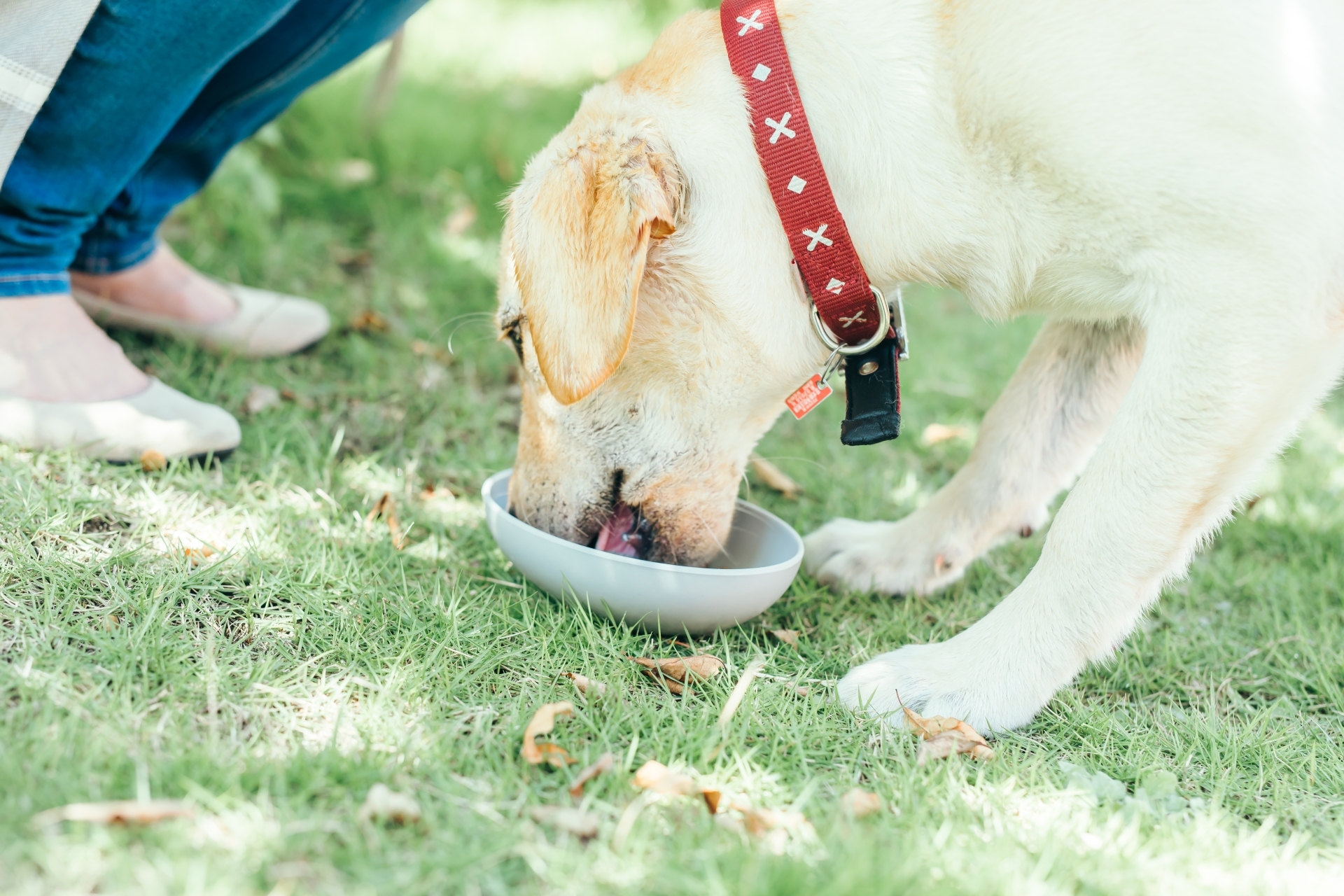
"My dog hasn't been eating much dog food."
"I wonder if he's sick?"
When your dog, who used to have a strong appetite, suddenly stops eating dog food, it can be very worrying.
When your dog stops eating dog food, there are many possible reasons besides illness. Therefore, it's a good idea to first find out why your dog has stopped eating.
For worried owners who have suddenly stopped eating dog food, we'll introduce the reasons why your dog isn't eating dog food and how to deal with it.
Please use the information we've provided here as a reference and reconsider your dog's eating environment.
Reasons Why Dogs Don't Eat Dog Food

Here are five possible reasons why your dog suddenly stops eating dog food.
- Changing dog food or dog food that doesn't suit your dog
- Insufficient exercise or walks
- Stress
- Imwell
- Simply being selfish
If the cause is unclear, try observing your dog's behavior other than eating to find the root cause.
New Dog Food/Dog Food Isn't Right for Me
When switching to a new dog food, your dog may become wary of the smell and other differences and refuse to eat the new food. Therefore, when changing dog food, gradually increase the amount of the new food so your dog can get used to it naturally.
Furthermore, if the dog food is not right for your dog, your dog will likely stop eating it.
Continuing to feed your dog food that is not right for him can cause indigestion, diarrhea, and vomiting.
Every dog has a different constitution and preferences, so it's important to choose the right dog food for your dog.
Also, if you change your dog's food too frequently, your dog may think, "I won't eat this dog food because I'll change it again."
To avoid changing your dog's food too often, change it carefully.
Insufficient Exercise/Walks
If your dog continues to be under-exercised, it may lose its appetite.
This is because, when your dog exercises less, it burns fewer calories and uses less energy.
Like humans, dogs enjoy food more when they're hungry. If your dog hasn't been getting enough exercise, increase your dog's walks and indoor exercise. Exercise will naturally make your dog hungry, which may help restore its appetite.
Also, as your dog ages, their exercise level will decrease, and so will their food intake. Since strenuous exercise can be a strain on older dogs, it's a good idea to increase gentle exercise to avoid straining them.
Stressed
When your dog is stressed, he may lose his appetite and stop eating his dog food.
Have there been any recent changes in your dog's environment?
For example, the following changes may indicate that your dog is stressed:
- Adding more dogs to the household
- Adding a new family member
- Moving house
- Apart from the owner for an extended period of time
Changes in the environment such as those listed above are often stressful for your dog.
If stress is suspected to be the cause of your dog's refusal to eat, the best solution is to eliminate the cause of stress.
If eliminating the cause is difficult, communicating with your dog more than usual may help relieve stress.
You want to create as comfortable an environment as possible for your dog to avoid stress.
I'm Not Feeling Well
A lack of appetite in your dog can be a sign that they are unwell.
If your dog is showing any of the following symptoms in addition to not eating dog food, you should be careful.
- Diarrhea
- Vomiting
- Lethargy
- Shaking
If your dog refuses to drink any water, it may be suffering from oral problems such as periodontal disease.
If your dog refuses to eat dog food for 2-3 days, we recommend taking it to the vet.
It Might Just Be Selfish
In fact, your dog might stop eating its food just because it's being selfish.
Have you ever experienced the following with your dog?
- Giving too many treats
- Setting aside human food
- Changing dog food frequently
If you've experienced any of the above, your dog may be thinking, "I don't have to eat dog food, I can get other food."
Therefore, it's important to feed your dog food in the correct way, as it also helps to train your dog.
Four Ways to Deal with a Dog That Won't Eat Its Food
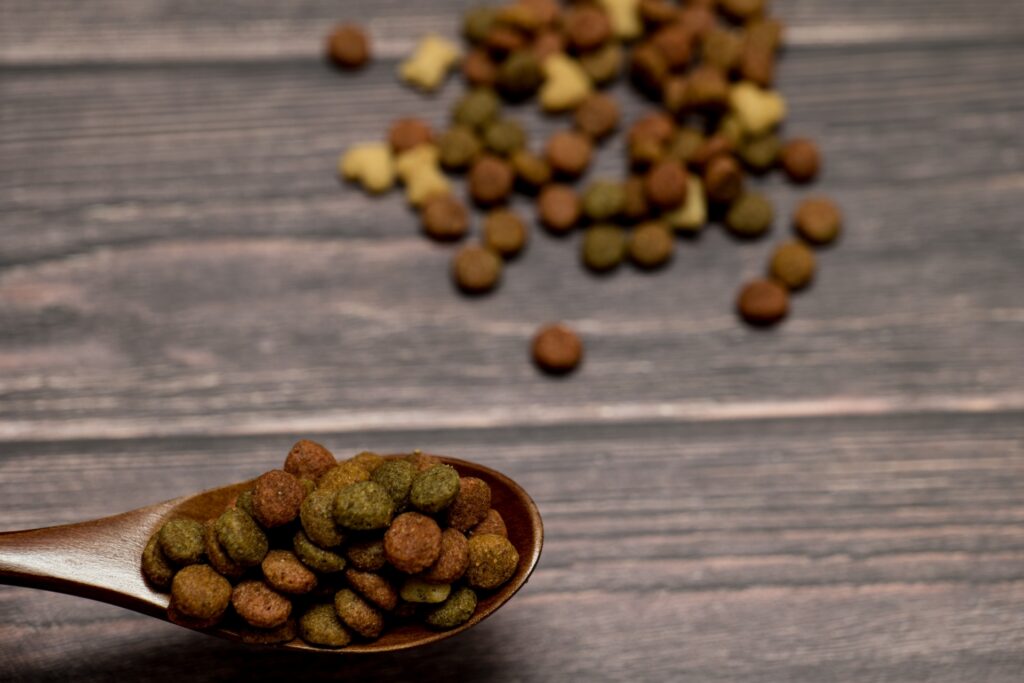
If your dog won't eat its dog food, try the following and see how it goes.
- Monitor your dog's health for 2-3 days and see how it's doing
- Adjust how you feed it
Don't panic, just observe your dog's condition
If your dog suddenly stops eating its food, first don't panic, just observe your dog's condition.
If your dog is drinking water even without eating dog food, it's not a problem if it misses one meal. Check to see if your dog is lethargic or shivering. If there are no signs of anything unusual, observe it for 2-3 days.
In the meantime, observe your dog's health closely to ensure it isn't experiencing a lack of exercise or stress. One key point to keep an eye on is whether your dog is vomiting or has diarrhea. If your dog isn't eating its food and is vomiting or has diarrhea, it may be ill. If your dog is shivering or seems listless, take it to the vet.
If your dog's stool color is unusual, this change may be helpful when you visit the vet.
We recommend taking a photo of the stool and having your veterinarian examine it.
Try changing how you feed your dog food
If your dog won't eat its food, you may be able to get it to eat by changing the way you feed it. Try the following four tips:
- Try to change your dog's food to a new one
- Warm it up and soften it
- Feed it by hand
- Top it with homemade food
① How to Change to a New Dog Food
When switching to a new dog food, be careful about how you change it.
It is not recommended to frequently change your dog's food just because your dog is not used to the new food and refuses to eat it.
Rather than suddenly switching out all of your dog's usual food for the new one, gradually change it so your dog gets used to it and starts to eat it.
On the first day of switching to the new food, mix about 10% of the new food into your dog's usual food. While there will be some changes in taste and texture, since it's mostly the dog's usual food, your dog should be able to eat it without any problems. Then, gradually increase the amount of the new food over the course of about 10 days, increasing it by about 20% on the second day, and by about 30% on the third day.
Your dog will gradually get used to the change in dog food, and eventually, it will eat it without any problems.
② Warm it up and soften it
We also recommend warming up dog food to soften it.
Warming the food will release its aroma and stimulate your dog's appetite. This will stimulate your dog's appetite, making them more likely to eat the food.
Also, changing the texture of dog food can stimulate your dog's appetite.
Softening dry food in warm water can make it safe for even dogs with weak teeth to eat.
Some dogs are surprisingly receptive to changing the shape of their dog food, so be sure to give it a try.
③ Hand-feeding
If your dog stops eating dog food, hand-feeding can be effective.
When switching to a new dog food or when your dog is feeling anxious, it may become wary and refuse to eat the food. In such cases, feeding your dog directly from your hand can be effective, as it can give your dog a sense of security. An anxious dog will likely begin to eat the food with peace of mind.
However, be careful not to make hand-feeding a habit.
If hand-feeding becomes the norm, your dog will no longer eat from a bowl. Therefore, it's best to avoid hand-feeding your dog unless it's a sick or weak puppy. If you hand-feed your dog, try giving it the first bite by hand to make sure it doesn't become a habit.
④ Topping with Homemade Food
One option is to top your dog's usual dog food with your homemade food.
If you suddenly switch to homemade food, your dog may be wary and refuse to eat it. It's a good idea to start by topping your dog's food with a small amount of homemade food.
However, adding too many toppings to homemade food can disrupt the nutritional balance of the meal. Therefore, be careful not to add too many toppings or too many times, and be sure to maintain a balanced diet.
Summary
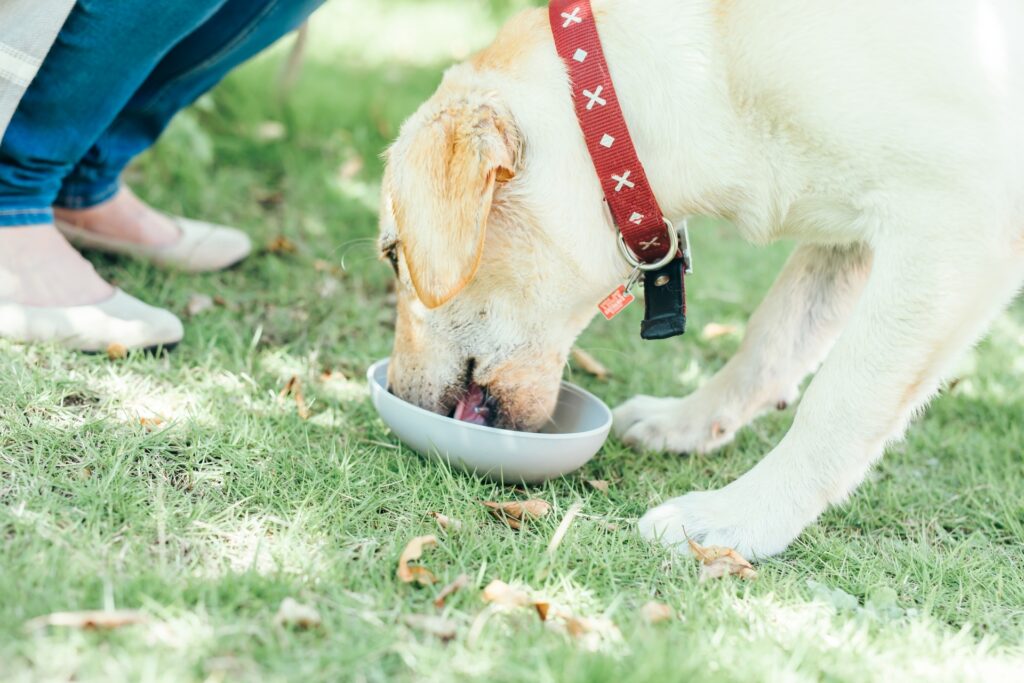
We've introduced the reasons why your dog might stop eating dog food and how to deal with it.
Dogs can lose their appetite due to minor changes in their environment or stress.
When there are changes in their environment, try to communicate with your dog as much as possible to help them feel less anxious. We recommend exercising and walking your dog regularly, as this will also help your dog overcome a lack of exercise. Even if your dog stops eating its food, it's important not to panic and to keep an eye on other behaviors besides eating. Make sure to observe your dog's behavior regularly, and be on the lookout for even the smallest changes if something unusual appears.


![[Sheltie puppies] Check breeder information for baby dogs](https://with-my-dog.com/wp-content/uploads/2022/01/image1-150x150.jpg)