
Eating is as essential for dogs as it is for people.
As dogs age, their appetite decreases and they sleep more. This can lead to worry, as they may lose strength and become thinner.
Let's find out why they're not eating and find out what you can do to help your dog.
① Reasons why older dogs don't eat
It's heartbreaking to see your dog lose weight and no longer be hungry and energetic like before.
Why do older dogs stop eating?
- Changes in tastes and preferences
Even food that was previously a favorite may become unattractive due to a decline in taste and smell, or your pet's appetite may change if it's not feeling well.
- Decreased appetite
As dogs age, their appetite may decrease due to factors such as a decline in digestive function in the stomach and intestines, or a decline in pancreatic and liver function.
- Decreased basal metabolic rate
As their legs and joints weaken, they may become less active even on regular walks, and their basal metabolic rate may decrease, making them less likely to feel hungry.
- Pain, etc.
It may become difficult for your dog to eat in its usual position, or pain in its mouth may prevent it from eating. Daily observation is necessary to determine the cause of the dog's refusal to eat.
② Tips for when your elderly dog won't eat
Observe the reason for your dog's refusal to eat and find ways to encourage it to eat.
Please be aware that older dogs may become weak in a short period of time if they do not eat.
- Try warming up your dog's usual food
Warming dog food enhances its aroma and stimulates its appetite.
It's easier to digest and gentler on the stomach than feeding it cold.
Warm it in the microwave to body temperature.
If you're using a can, you can warm it in a pot of hot water.
If you heat it as is, there's a risk of it exploding, so be sure to only open it slightly before placing it in the pot of hot water, and be careful not to burn yourself when removing it.
- Make it easier to eat with soup or other ingredients
Dashi or hot water can soften the food, making it easier to eat, and eating it with other ingredients also helps to hydrate your dog.
This is effective not only for poor appetite, but also when your dog is not drinking enough water.
- Try changing your dog's food!
Try giving him a different type of food than the one he's not currently eating.
If he's currently eating dry food, try wet food, or if he's currently eating wet food, try retort food like a pouch or can. Try something that will pique his interest.
- Try adding toppings
Try adding a topping to stimulate his appetite, such as a fragrant sprinkle of furikake (rice seasoning).
This may encourage him to eat more.
Even if he only eats the topping, praise him for eating!
In addition to furikake, try grated apple, sweet potato, unsweetened yogurt, small fish, or bonito flakes. Don't give up! Try other things to stimulate his appetite.
- Try changing the height of the bowl and dish
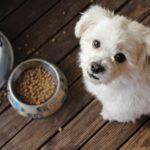
Pay attention not only to the dog food but also to the dish.
Make sure the dish is not too deep or shallow for your dog, and provide a dish that is easy for your dog to eat from.
Check the height of your dog's eating posture and adjust the height of the dish stand and the dish itself.
③ Meals while bedridden

When your pet becomes bedridden, it becomes difficult to eat large amounts.
Feed your pet high-calorie, high-protein food that provides nutrition in small amounts.
If you are feeding your pet homemade food, we also recommend beef belly, pork belly, and chicken thighs.
Feeding Tips
If you are feeding your pet homemade food, simmer, steam, or blend the ingredients until they are soft to make them easier to eat.
Mix commercially available food into a paste in a blender, then slowly feed small amounts with a spoon into the side of the mouth or behind the canines.
If your pet wants to eat by itself, place a plate near its mouth.
It is also effective to prepare a dish such as a fat dispenser and feed your dog liquid food.
Feeding Precautions
When feeding a bedridden dog, you must be careful of "aspiration."
As older dogs' function declines, food can enter the trachea without passing through the esophagus, causing choking.
If your dog remains lying down or with its head facing up, it will have difficulty swallowing and will choke.
To make swallowing easier, raise your dog's upper body and have it sit upright so that the esophagus and stomach are in a straight line.
Using a rolled-up blanket or cushion to support your pet will help it maintain its posture.
If it's difficult to get your pet to sit, try raising it up and feeding it with its head facing up.
Change its position and massage it before meals to loosen its muscles.
It's also effective to place a paste of rice on your pet's tongue with your index finger before feeding it, as if to say, "I'm going to eat now." This tongue exercise is also effective.
④ Life expectancy after being unable to eat
This is the time when a child no longer eats, rather than simply not eating. Since eating is crucial to survival, if the child is not receiving intravenous treatment, their life expectancy is short, ranging from about 3 to 7 days, depending on the child's physical strength.
Last Symptom
Symptoms include vomiting, repeated diarrhea, and convulsions.
Consult a Doctor
Your pet may still be able to recover with an IV drip at the hospital. Take your pet to your local veterinarian.
The veterinarian will examine the symptoms and condition and suggest what they can do based on your wishes and your story.
Last Meal
First, give your pet water with a dropper or wipe its mouth with a damp cotton ball to prevent dehydration.
Instead of healthy food or prescriptions, give your pet its last moments of comfort with its beloved family and its favorite foods.
Finally
While your dog is healthy, focus on providing healthy meals. As your dog gets older and eating becomes more difficult, focus on providing nutrition with small amounts of high-calorie food that is easy to eat.
As your dog gets older, it's also important to make sure your dog enjoys eating.
Enjoy spending time with your precious family.