

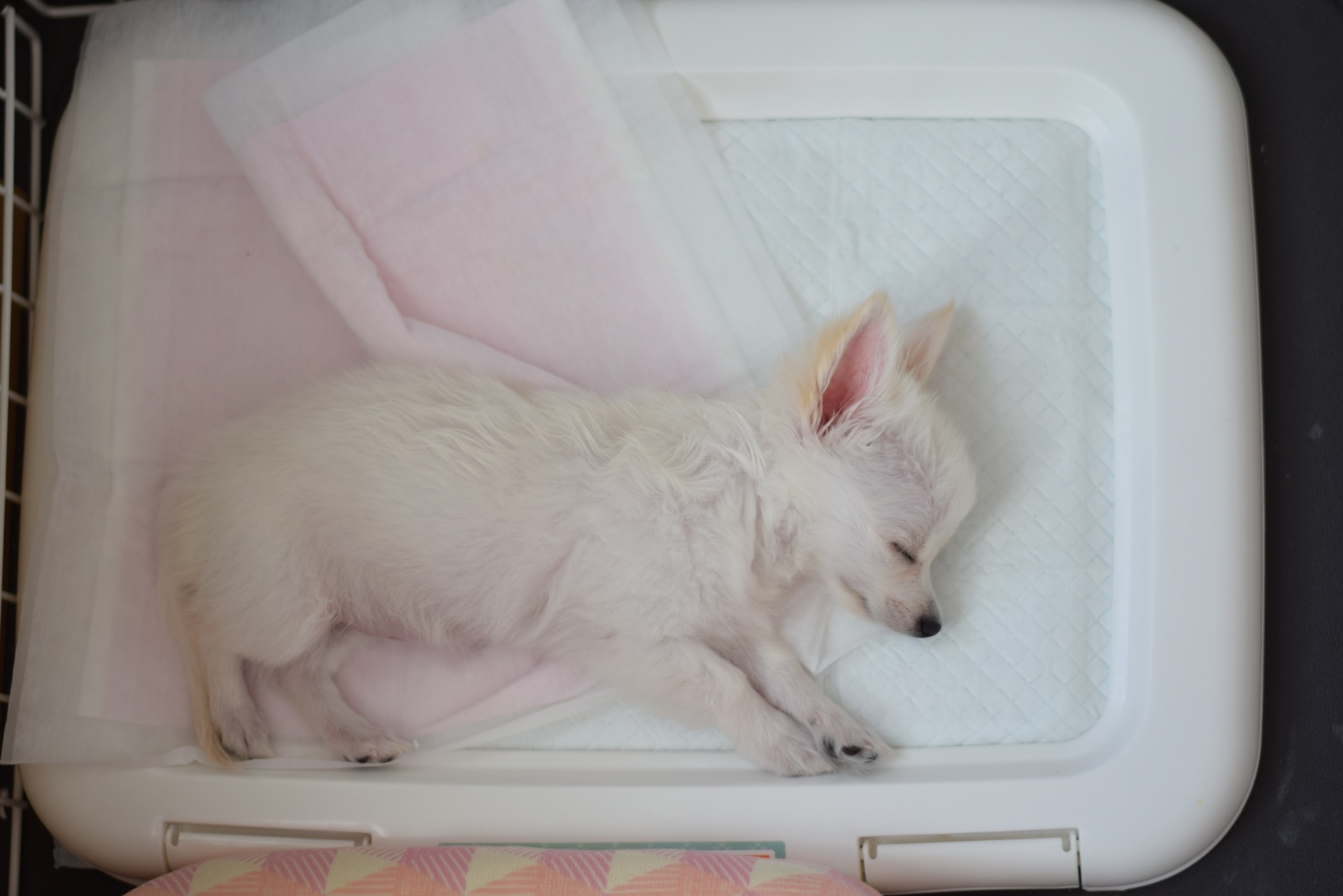
Unless your dog is suffering from a physical or mental illness or has lost its appetite due to some other cause, it's unlikely that he'll stop eating. Dogs love to eat!
If your dog seems unusual or hasn't eaten in 2-3 days, take him to your veterinarian immediately.
①Being selfish
Dogs generally don't get bored of their food.
If your dog refuses to eat its food, it's not because it's bored of the food, but because your behavior has made it selfish.
- Give your dog a treat because he won't eat his food
- Give him human food instead of food
- Change his food every time you think he's bored
If you repeatedly do things like the above, your dog will learn that if he doesn't eat this, he'll get something better.
If you're worried that your dog will eat treats but not his food, it's most likely because you've been doing the above things before.
Snacks are just treats, not meals.
They don't contain the nutrients your dog needs to stay healthy.
It's also important to train your dog to eat nutritious dog food.
Feeding human food to dogs is also dangerous, so avoid it.
Not only are there many foods that dogs should not eat, but many foods contain strong flavors and unnecessary additives.
Continuing to feed your dog human food increases the risk of diseases such as obesity, diabetes, and chronic liver failure.
Solution
First, prepare a nutritious meal.
If you're using dog food, it's best to use a complete, nutritious food.
If your dog eats it readily from the start, praise him for doing so.
Giving him a treat because he won't eat will defeat the purpose.
If your pet doesn't eat the food you give it to it and waits for a treat,
If your pet doesn't eat the food within 20-30 minutes of serving it, take it down and discard it.
Continue repeating this process until your pet eats the food you give it to.
Again, don't give your pet a treat out of pity.
Once your pet learns that waiting won't earn it a treat, it will eat when it's hungry.
Giving your pet other food because it won't eat it will not improve anything.
Not being able to eat nutritious food can affect your future health, so even if it becomes a test of endurance, try your best not to give in!
②I don't like the taste, smell, or texture of dog food
Dogs also have food preferences, judging palatability based on taste, smell, and texture.
- Lack of appetizing smell
- Bland flavor
- Unpleasant texture
If you feed your dog food like this, he may not eat it easily.
This is not a case of him getting bored of it, so don't get confused.
However, if you are feeding your dog a therapeutic diet, the fat content, which affects palatability, is often significantly reduced, making it less palatable for your dog and making it less appealing to him.
Try to find ways to feed your dog food that will make him want to eat it.
- Warm it with a hair dryer or microwave.
- Soak it in warm water to enhance the aroma.
- If it's dry food, try crushing the granules to make it easier to eat.
- Try adding a little meat or other animal ingredients.
- Try adding a little yogurt.
- Try adding a little pre-made furikake seasoning.
Try adding toppings or making other small modifications.
If your dog only eats the toppings, mix them well with the dog food before giving them to your dog.
③They have a small appetite
Mealtimes are like a fun event for dogs, but some are born with individual differences, with some eating a lot and others not.
Small dog breeds in particular tend to have small appetites.
There's no need to feed a small eater too much.
Giving too much can lead to health problems such as obesity and indigestion, so if your dog can't eat much, give them as much nutritious food as they can eat.
④Feeding a large amount at one time
Is the amount of food you're feeding your pet at one time appropriate?
Are you feeding your pet the recommended daily amount at one time?
Feeding your pet too much at one time can make them less hungry later on, which can lead to them not eating as much.
If you don't feed your dog the right amount of food, it increases the risk of obesity and illness, so be careful.
If you're using dog food, be sure to check the recommended daily feeding amount carefully to ensure you're feeding your dog the appropriate amount.
⑤If your dog has oral problems
If your child is experiencing problems such as pain or discomfort in the mouth, they may refuse to eat, or even if they are able to eat, they may vomit.
Common causes include:
"Cuts in the mouth," "Stomatitis," "Tooth decay," "Periodontal disease," "Gingivitis," and "Throat inflammation."
These are some of the common causes.
Diagnosis of oral diseases is difficult, so if your pet seems to be eating strangely, consult a veterinarian.
⑥Menstrual Period
If your dog is female and unspayed, she will begin her period between approximately 6 and 9 months of age.
First comes the "proestrus period," followed by the "estrus period." During this period, your dog's appetite tends to decrease and she becomes lethargic.
If your dog doesn't eat much in this case, there's no need to worry.
This is a natural phenomenon, so don't give her more treats or toppings than necessary, and just wait until the period ends.
Once her period is over, she should be able to eat normally again.
⑦Guidelines for Taking Your Pet to the Vet
While the number of days is only a guideline, if your dog goes without food for two to three consecutive days, take him to the vet.
Don't wait and see.
If your dog has a serious illness like cancer, early detection can save his life. If you put off taking your dog to the vet and discover the problem too late, it could be fatal.
Don't try to solve the problem yourself using online information. Follow your veterinarian's instructions.
If your dog is sick, be aware that diet and lifestyle changes will vary depending on the symptoms.
Summary
He won't eat! There are many reasons for this.
Many people will immediately suspect illness, but it could also be stress from dissatisfaction with the food or insufficient exercise each day.
It's important to observe your dog from various angles, rather than simply assuming that he's sick just because he's not eating.
Instead of thinking, "I don't understand because he can't speak," it's important to communicate with your dog daily and be considerate of him, noting things like, "He doesn't seem very energetic today," or "He's not eating much."
If something is clearly wrong, take him to the vet as soon as possible.



![Dog Names! [Female]](https://with-my-dog.com/wp-content/uploads/2022/07/image2-43-150x150.jpg)





![[Funny Dog & Cat Videos] Tips for Filming to Bring Out Their Charm and Make Your Dog Look Like That!](https://with-my-dog.com/wp-content/uploads/2022/04/3015452_s-150x150.jpg)

![[Dog Names] Is the Japanese name boom here?! Ranking of Japanese dog names!](https://with-my-dog.com/wp-content/uploads/2021/10/adtDSC_0871-300x199.jpg)


![[Senior Dog Food] What kind of food does an elderly dog need?](https://with-my-dog.com/wp-content/uploads/2021/09/TSURU170308-074_TP_V-300x200.jpg)
![[Dog Baths] Explaining the optimal frequency and how to bathe your dog!](https://with-my-dog.com/wp-content/uploads/2021/10/22107314_m-300x200.jpg)