

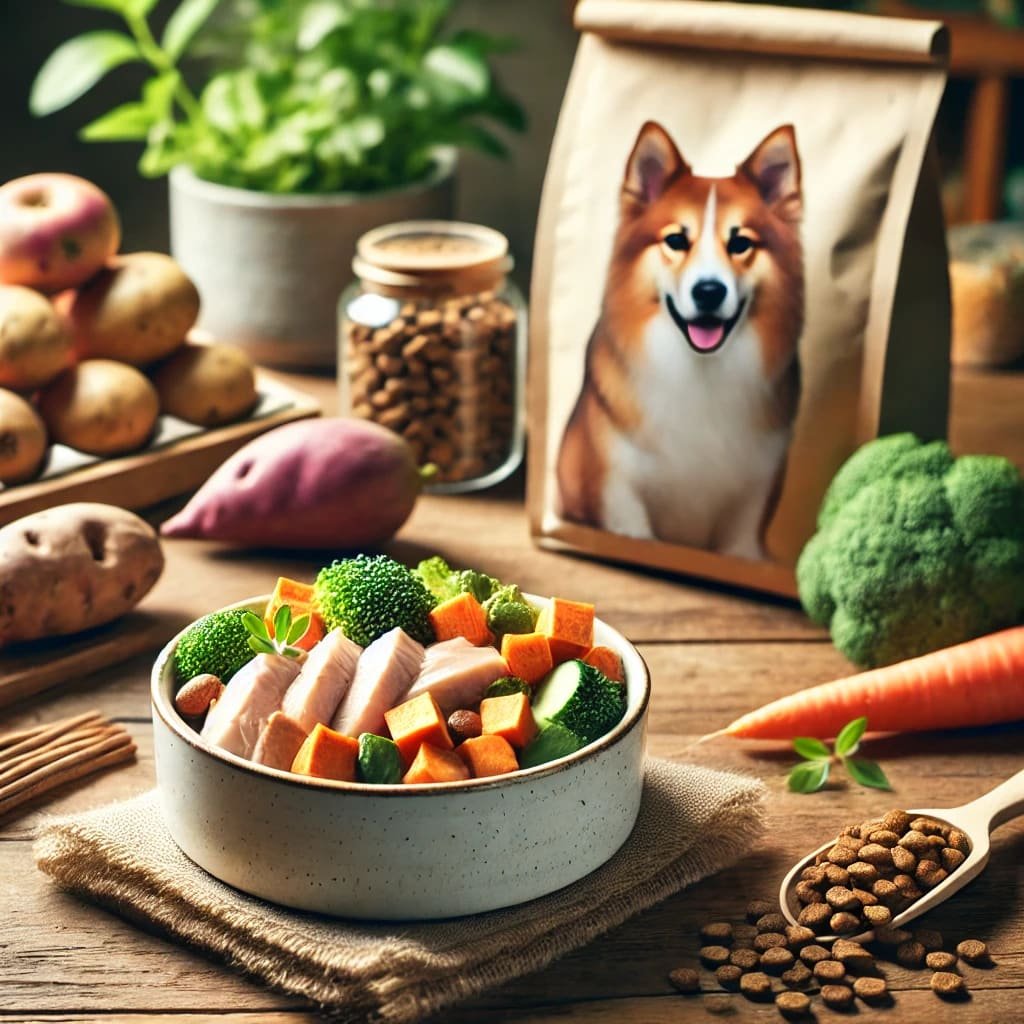
愛犬にはできるだけ自然で安心できるごはんを選びたいと考える飼い主は多いようです。しかし、「ナチュラル」「無添加」といった表示が増える一方で、何を基準に選べばよいのか迷う声も聞かれます。本記事では、ナチュラルドッグフードの基本知識から、原材料表示の見方、避けたい添加物、愛犬の体質に合ったフードの選び方までをわかりやすく解説します。自然派フードに興味はあるものの、まだ自信を持って選べていない飼い主の参考になる内容となっています。
What Counts as Natural Dog Food?
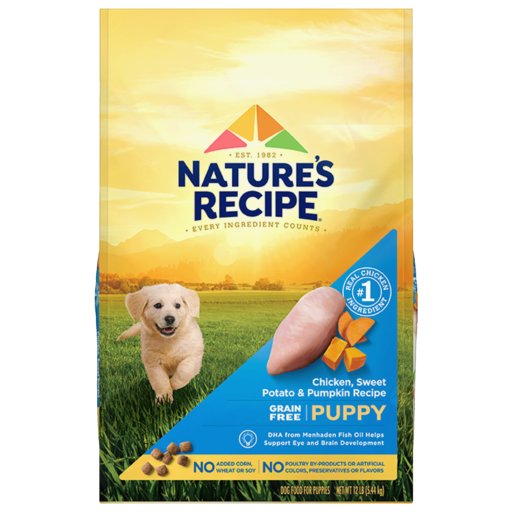
Natural dog food generally refers to dog food made primarily from recognizable, minimally processed ingredients sourced from animals and plants. The focus is on ingredients that are closer to their natural state, without heavy chemical alteration.
In everyday use, many owners consider dog food to be "natural" if it:
- Lists real meat, fish, or eggs as a main protein source
- Uses whole grains, vegetables, and fruits rather than only refined fillers
- Avoids artificial colors, flavors, and synthetic preservatives
- Limits highly processed by-products and mystery "meat derivatives"
Natural-style recipes often rely on more traditional preservation and flavor methods, such as:
- Meat meals and dehydrated ingredients
- Natural preservatives like mixed tocopherols (vitamin E)
- Herbs or broth for added aroma and taste
However, all complete dog food—natural or not—undergoes some processing to remain safe, shelf-stable, and nutritionally balanced. The key difference is how heavily ingredients are altered and whether the formula leans on whole, clearly identified ingredients instead of artificial additives and highly refined components.
Official definitions and gray areas
Regulatory definitions of “natural” for pet food vary by region and are often narrower than consumers expect.
In the United States, the Association of American Feed Control Officials (AAFCO) provides a widely used guideline for “natural” claims. Under AAFCO:
- Ingredients should be derived from plant, animal, or mined sources.
- Ingredients should be minimally processed, without synthetic chemical reactions.
- Certain synthetic nutrients (like vitamins, minerals, and trace elements) may still be included if clearly labeled.
In practice, this means a product can legally say “natural with added vitamins and minerals” and still contain lab-made nutrients, flavors, or preservatives, as long as they fit the allowed exceptions.
Common gray areas consumers should know
Shoppers often assume “natural” equals:
- Free from artificial preservatives
- Higher-quality meat and ingredients
- Ethically sourced or environmentally friendly
However, the term does not guarantee any of these. “Natural” does not address ingredient sourcing, animal welfare, or overall recipe quality. It also does not prevent the use of highly processed meat meals or lower-cost fillers, as long as they started from natural sources.
Because of these gray areas, careful label reading—especially the full ingredient list and any qualifying statements—is essential when comparing natural dog food options.
Natural vs organic vs holistic
Key label differences
Pet food labels often use natural, organic, and holistic in confusing ways, but the terms do not mean the same thing.
| Term | Core idea | Regulated meaning? |
|---|---|---|
| Natural | Ingredients from plant, animal or mined sources, no chemically synthetic additives (with limited exceptions like some vitamins). | Yes, by AAFCO in many countries. |
| Organic | Ingredients grown and processed under organic farming rules, without most synthetic pesticides, fertilizers, or GMOs. | Yes, through national organic standards. |
| Holistic | Implies overall wellness and “whole-body” support. | No legal definition; used purely for marketing. |
A food can be natural but not organic (for example, chicken and rice raised conventionally), or organic but not fully natural if it uses synthetic preservatives allowed under organic rules.
“Holistic” formulas may include both natural and synthetic ingredients; the word alone gives no guarantee about ingredient quality, sourcing, or nutritional balance.
When comparing products, ingredient lists, nutritional adequacy statements, and manufacturer transparency are more reliable indicators of quality than any of these front-of-bag claims.
Dog food vs natural dog food
Conventional dog food often prioritizes affordability, long shelf life, and mass production. In many cases, formulas rely on highly processed ingredients, meat by-products, rendered fats, and cheaper carbohydrate fillers such as corn, wheat, or soy. Flavors and colors may be added to make the food more appealing without improving nutritional value.
Natural dog food is formulated with more minimally processed ingredients and avoids many artificial additives. Regulations in many regions require natural formulas to be free from:
- Artificial colors
- Artificial flavors
- Chemical preservatives (such as BHA, BHT, ethoxyquin)
In natural recipes, protein typically comes from named meat sources (for example, chicken, salmon, lamb) rather than generic by-products. Carbohydrates and fiber are more likely to come from whole or less refined sources such as brown rice, oats, sweet potato, or legumes.
However, natural food is not automatically superior in every case. The overall nutrient balance, ingredient quality, and suitability for an individual dog’s age, size, and health condition matter more than labels alone. Careful label reading and, when needed, veterinary guidance help determine whether a conventional or natural formula better meets a particular dog’s needs.
Why Choose More Natural Food for Dogs
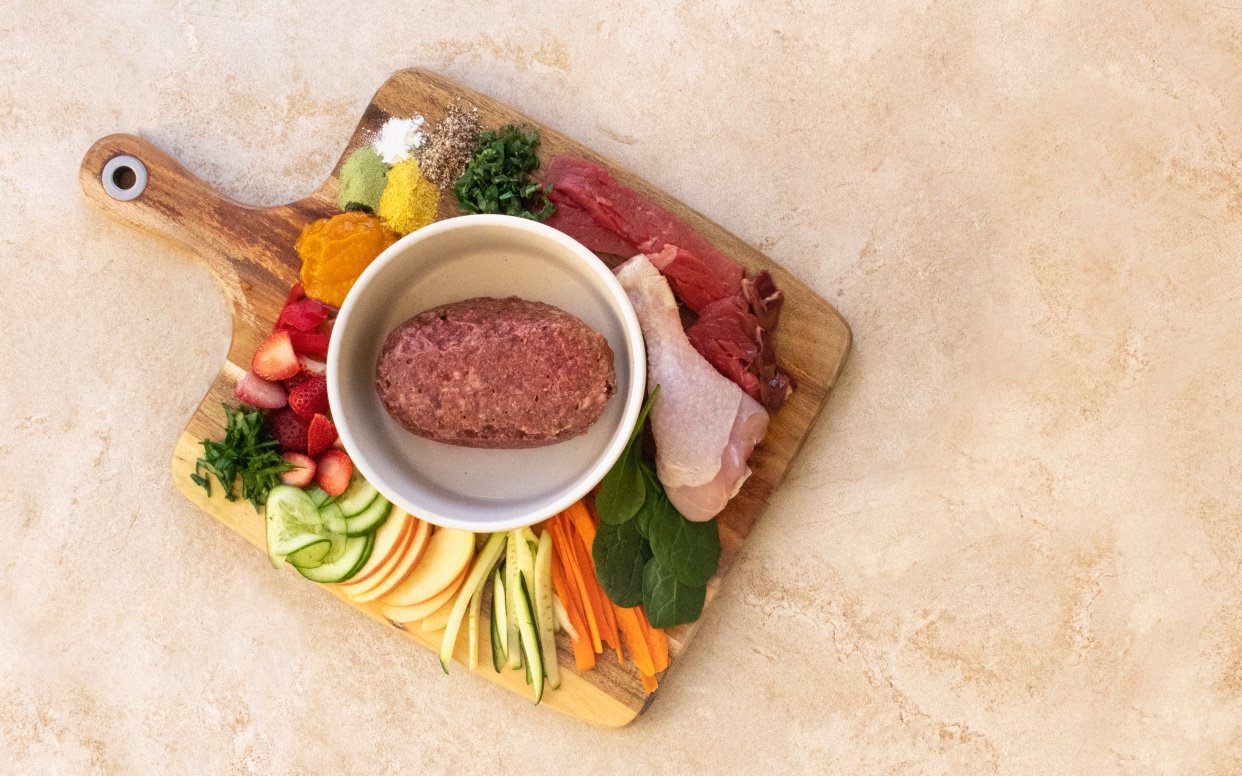
Choosing more natural food for dogs is often about getting closer to ingredients a dog’s body is designed to use efficiently. Natural recipes usually avoid artificial colors, flavors, and chemical preservatives, and instead rely on recognizable ingredients such as meat, vegetables, fruits, and wholesome grains.
Many owners prefer natural dog food to reduce unnecessary additives that may irritate sensitive stomachs or skin. Fewer synthetic ingredients can make it easier to identify what a dog is actually eating and to spot any problem ingredients.
More natural formulas also tend to:
- Use higher-quality protein sources
- Limit cheap fillers and by-products
- Provide more clearly labeled ingredients
- Align more closely with current nutrition research
For dogs with allergies or intolerances, a simpler, more transparent ingredient list can be especially helpful. While natural does not automatically mean better, choosing a food with clear, minimally processed ingredients gives owners more control over their dog’s nutrition and may support long-term health when balanced correctly.
Potential health benefits
Natural dog food can offer several potential health advantages, especially when recipes are well-formulated and matched to a dog’s needs.
Many owners report improvements in:
- Digestive comfort – Fewer fillers and more easily digestible ingredients may reduce gas, bloating, and loose stools.
- Skin and coat condition – High-quality animal proteins and added omega-3 and omega-6 fatty acids can support a shinier coat and help reduce dry, flaky skin.
- Weight management – More balanced calorie density and higher protein content may help maintain lean muscle while preventing excess weight gain.
- Energy and vitality – Steadier energy levels can result from diets that avoid excessive sugars and focus on complex carbohydrates and quality fats.
- Dental and oral health – Some natural kibbles use less sticky additives, and certain textures may help reduce plaque buildup.
In addition, many natural formulas avoid artificial colors, flavors, and chemical preservatives, which some owners prefer to limit. However, benefits depend on the individual product and the dog’s age, breed, and medical status, so careful label reading and veterinary guidance remain important.
Possible drawbacks and risks
While natural dog food can be beneficial, it is not risk‑free. Some formulas may introduce new problems if they are not well balanced or carefully selected.
Nutritional imbalances
“Natural” does not automatically mean complete and balanced.
Common concerns include:
- Insufficient vitamins or minerals, especially calcium, phosphorus, zinc, and certain B vitamins.
- Unbalanced protein, fat, and carbohydrate ratios, which may cause weight gain, weight loss, or poor coat quality.
- Homemade natural diets that are not formulated with veterinary guidance often miss key nutrients.
Over time, even mild deficiencies can lead to bone issues, weak immunity, or skin and coat problems.
Safety, allergies, and cost
Natural dog foods may also involve:
- Food safety risks if lightly processed or raw ingredients are used, including bacteria such as Salmonella.
- Ingredient changes between batches, which may upset sensitive stomachs.
- Higher risk of food allergies when novel or trendy ingredients are introduced too quickly.
- Significantly higher cost, which can make long‑term feeding difficult for some owners.
For dogs with medical conditions, natural formulas that are not designed as therapeutic diets may interfere with treatment or fail to meet special dietary needs.
Is natural dog food always better?
Natural dog food is not automatically better for every dog. The quality of ingredients, the overall nutrient balance, and whether the recipe suits a particular dog’s health needs matter more than the word “natural” on the label.
In many cases, natural dog foods:
- Avoid artificial colors, flavors, and preservatives
- Use recognizable meat, vegetable, and grain ingredients
- May be easier to digest for some dogs
However, some natural formulas can be:
- High in calories or fat, leading to weight gain
- Imbalanced for puppies, large breeds, or senior dogs
- Lacking in key nutrients if not properly formulated and tested
For dogs with specific medical issues (kidney disease, allergies, pancreatitis), a veterinary-prescribed diet may be safer and more effective than a generic natural product. Owners should compare labels, check for AAFCO or equivalent nutritional adequacy statements, and consult a veterinarian before making significant diet changes.
In summary, natural dog food can be a healthier choice, but only when it is complete, balanced, appropriate for the dog’s life stage, and well-tolerated by the individual dog.
Types of Natural Dog Food
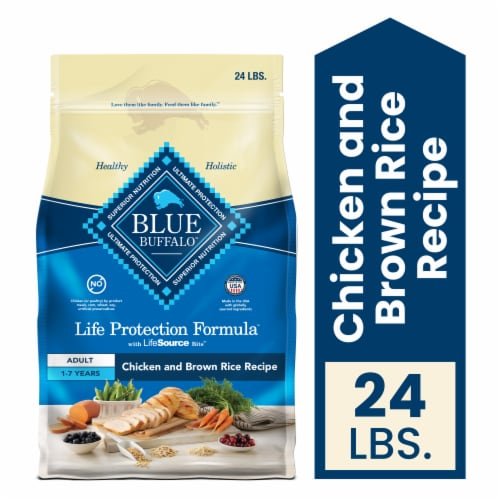
Natural dog food comes in several formats, each with distinct benefits and considerations. Understanding the main categories makes label comparison much easier.
Main formats of natural dog food
-
Dry kibble with natural ingredients
The most common type. Kibble formulated with named meat meals, whole grains, vegetables, and without artificial colors or preservatives. Convenient, usually more affordable, and has a long shelf life. -
Wet or canned natural food
Higher moisture content and often more palatable for picky eaters. Look for clearly named meats, limited thickeners, and no artificial flavors. Often more expensive per serving than kibble. -
Dehydrated or air‑dried natural food
Lightly processed to remove moisture while preserving nutrients. Usually rehydrated before serving. Can offer a higher meat content and simpler ingredient lists. -
Freeze‑dried raw or minimally processed
Raw ingredients that are freeze‑dried to lock in nutrients. Often grain‑free with short, recognizable ingredient lists. Requires careful handling and may not suit all dogs, especially those with sensitive digestion.
Each format can be natural if it uses real, identifiable ingredients and avoids synthetic colors, artificial flavors, and unnecessary chemical preservatives.
Dry kibble with natural ingredients
Dry kibble made with natural ingredients offers convenience while still prioritizing better nutrition. When evaluating formulas, the ingredient list is the most important guide.
Look for:
- Named animal proteins (chicken, turkey, salmon) as the first ingredient, not vague terms like "meat" or "animal by-product"
- Whole grains or clear carbohydrate sources, such as brown rice, oats, or sweet potato, instead of corn gluten or wheat middlings
- Natural fats like chicken fat or salmon oil for essential fatty acids
- Limited, recognizable ingredients to reduce the risk of sensitivities
- Natural preservatives (mixed tocopherols, rosemary extract) instead of BHA, BHT, or ethoxyquin
Avoid kibble that relies on artificial colors, flavors, or sweeteners, which add no nutritional value. For many dogs, a high-quality natural kibble offers a balanced diet, long shelf life, and easy portion control.
Pet owners with specific goals, such as weight management or support for sensitive skin, can often find targeted natural formulas that meet those needs while still maintaining clear, minimally processed ingredient profiles.
Wet and canned natural recipes
Wet and canned natural dog foods often contain higher moisture levels and fewer synthetic preservatives than many dry kibbles. This type of food can be helpful for dogs that need support with hydration, have dental issues, or are picky eaters who prefer softer textures and stronger aromas.
When choosing a wet or canned natural recipe, it can be useful to look for:
- Named animal proteins as the first ingredients (for example, chicken, beef, salmon)
- Limited, recognizable ingredients without artificial colors, flavors, or chemical preservatives
- Clearly labeled organ meats (such as liver or heart) rather than vague by-products
- Whole-food extras, such as vegetables, fruits, and healthy oils
- AAFCO nutritional adequacy statements indicating complete and balanced nutrition for the dog’s life stage
Some wet natural formulas may be stew-style, pâté, or shredded in broth. Guardians can compare labels to check protein, fat, and carbohydrate levels, as well as added vitamins and minerals, to ensure the recipe fits the dog’s age, size, and activity level. Wet foods can be fed alone or mixed with natural kibble to increase palatability and moisture intake.
Fresh and refrigerated dog food
Fresh and refrigerated dog food formulas are usually made with gently cooked meats, vegetables, and whole grains, then kept cold instead of being heavily processed or canned. Many brands ship meals directly to owners or sell them in refrigerator cases at pet stores.
These diets often appeal to owners who want less processed options but are not ready for raw food. Key advantages can include:
- Higher moisture content, which supports hydration
- Shorter ingredient lists with recognizable foods
- Less reliance on preservatives, as refrigeration maintains freshness
However, fresh and refrigerated foods also have important considerations:
- Shorter shelf life and strict storage requirements
- Higher cost per serving than most dry or canned foods
- Need for prompt refrigeration after purchase and during travel
When evaluating a fresh or refrigerated natural dog food, look for:
- AAFCO nutritional adequacy statement for the dog’s life stage
- Named animal proteins (e.g., chicken, beef, salmon) as primary ingredients
- Clear feeding guidelines and safe handling instructions
Owners who choose this style of food should monitor portion sizes carefully, because highly palatable fresh meals may encourage overeating if not measured correctly.
Raw and minimally processed diets
Raw and minimally processed dog food diets aim to preserve natural nutrients by avoiding high heat and heavy processing. These diets typically include fresh meat, organ meat, bone, and sometimes vegetables, fruits, and added vitamins.
Common formats include:
- Commercial complete raw meals (frozen or freeze‑dried) formulated to meet AAFCO or FEDIAF standards
- Pre‑made raw mixes that may require a separate vitamin/mineral supplement
- Gently cooked or lightly processed foods, such as air‑dried or lightly pasteurized recipes
Potential benefits often mentioned by owners include improved stool quality, a shinier coat, higher palatability, and fewer artificial additives. However, raw and minimally processed diets also carry important risks:
- Bacterial contamination (Salmonella, Listeria, E. coli), especially for children, older adults, and immunocompromised people in the household
- Nutritional imbalance in homemade or poorly formulated recipes
- Bone hazards, such as chipped teeth or intestinal obstruction
For pet parents considering a raw or minimally processed approach to natural dog food, consultation with a veterinarian or board‑certified veterinary nutritionist is essential. Safe handling practices, reputable brands with transparent testing, and formulations that meet recognized nutrient profiles help reduce many of the common concerns.
Dehydrated and freeze‑dried options
Dehydrated and freeze‑dried dog food offer a middle ground between raw and kibble. Both remove moisture from fresh ingredients to preserve nutrients, but they use different methods:
| Type | How it’s made | Key benefits |
|---|---|---|
| Dehydrated | Warm air slowly removes moisture | Gentler on digestion, usually cheaper |
| Freeze‑dried | Frozen, then moisture is vacuum‑removed | High nutrient retention, very lightweight |
Both formats are typically reconstituted with water before feeding, creating a meal that is closer to fresh food in texture and aroma.
When choosing a natural dehydrated or freeze‑dried food, consider:
- Ingredient quality: Look for named meat proteins, whole vegetables, and limited synthetic additives.
- Processing transparency: Brands that explain sourcing and manufacturing often have stricter quality control.
- Balanced formulation: Check for an AAFCO statement indicating complete and balanced nutrition for the dog’s life stage.
- Storage and handling: Even shelf‑stable products benefit from being kept in a cool, dry place and sealed tightly.
These options can be especially useful for guardians who want less‑processed dog food but need convenience and long shelf life.
Homemade natural dog food basics
Key principles of homemade natural dog food
Homemade natural dog food focuses on whole, minimally processed ingredients prepared in a safe, balanced way. A nutritionally complete recipe usually combines:
- Animal protein (chicken, turkey, beef, lamb, fish, or eggs)
- Carbohydrates (brown rice, oats, quinoa, or sweet potatoes)
- Healthy fats (fish oil, flaxseed oil, or poultry fat)
- Vegetables and some fruits (carrots, green beans, pumpkin, blueberries)
- Added vitamins and minerals, often via a vet‑approved supplement
Meals must be cooked to safe internal temperatures, cooled properly, and stored in the refrigerator or freezer to prevent spoilage.
Balancing nutrition and safety
A major risk of homemade natural dog food is nutritional imbalance. To reduce this risk:
- Use recipes formulated or checked by a veterinary nutritionist
- Follow ingredient amounts and cooking methods precisely
- Add a complete canine vitamin–mineral supplement when recommended
- Avoid onions, garlic, grapes, raisins, xylitol, and heavily seasoned foods
Portion sizes should be adjusted based on age, weight, body condition, and activity level. Regular veterinary checkups, including weight monitoring and occasional blood work, help confirm that homemade natural food is supporting overall health.
How Natural Dog Food Is Made
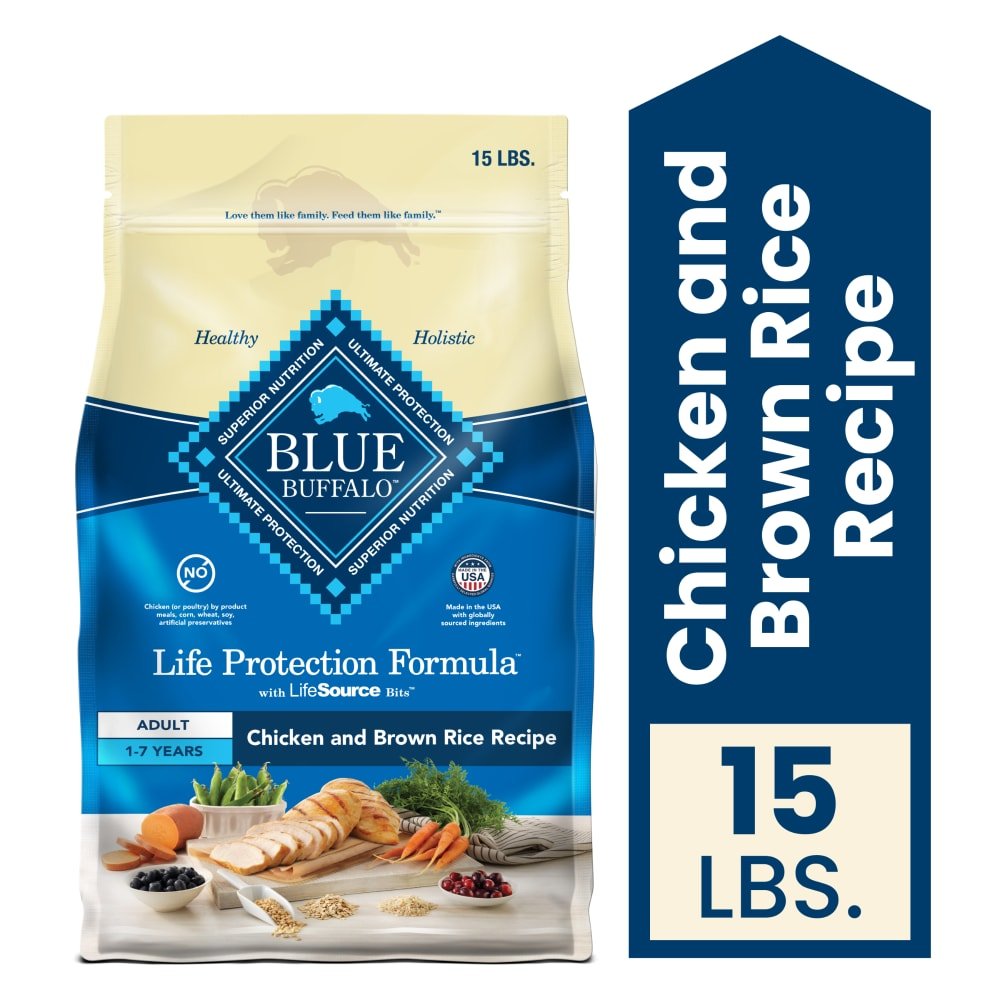
Commercial natural dog food is designed to be less processed and closer to whole ingredients than many conventional kibbles.
In general, manufacturers follow several key steps:
-
Recipe formulation
Pet nutritionists develop recipes that meet AAFCO or FEDIAF nutritional standards. Formulas balance protein, fat, carbohydrates, vitamins, and minerals using more recognizable ingredients, such as named meats, whole grains, vegetables, and natural fats. -
Ingredient preparation
Fresh or frozen meats are ground, and plant ingredients are milled or chopped. Many natural formulas avoid artificial colors, flavors, and chemical preservatives, relying instead on natural preservatives like mixed tocopherols (vitamin E) or rosemary extract. -
Cooking and shaping
-
Dry food (kibble): Ingredients are mixed into a dough and cooked through extrusion or baking, then cut into pieces and dried.
-
Wet food (canned or trays): Ingredients are blended, filled into cans or pouches, and cooked inside the sealed container for safety and shelf stability.
-
Quality and safety checks
Finished products undergo testing for pathogens, nutrient levels, and moisture content before packaging and distribution. Many natural brands emphasize minimal processing while still meeting strict safety standards.
Ingredients sourcing and quality
High‑quality natural dog food starts with clean, responsibly sourced ingredients. Shoppers can look beyond marketing claims by focusing on how and where each component is obtained.
Key indicators of better ingredient sourcing include:
- Named animal proteins (e.g., chicken, turkey, salmon) from inspected facilities rather than generic “meat” or “meat by‑product”
- Regional or country‑of‑origin disclosure, especially for meats and fish
- Human‑grade or food‑grade certification, which indicates stricter safety standards
- Preference for non‑GMO crops and limited use of pesticide‑intensive ingredients
- Suppliers with traceability systems, allowing each batch of ingredients to be followed from farm to factory
Assessing ingredient quality on the label
The label offers important clues about overall quality:
- The first 3–5 ingredients should be animal protein sources rather than fillers.
- Look for whole foods (deboned meat, whole peas, brown rice, sweet potato) instead of vague terms like “animal digest.”
- Avoid formulas that rely heavily on artificial preservatives, colors, or flavors, which are rarely necessary in natural recipes.
Brands that publish supplier standards, third‑party testing results, or sustainability reports usually take ingredient quality and safety more seriously.
Cooking, baking, and cold‑pressing
How processing methods affect natural dog food
The way natural dog food is processed influences nutrient levels, digestibility, and flavor. Common methods include cooking, baking, and cold‑pressing, each with specific advantages and trade‑offs.
Gently cooked natural dog food
Gently cooked recipes are heated to safe temperatures to reduce harmful bacteria while aiming to preserve more nutrients than ultra‑processed kibble.
Key points:
- Often use fresh meat, vegetables, and whole grains
- Typically cooked at lower temperatures and for shorter times than extruded kibble
- May be easier to digest for dogs with sensitive stomachs
However, some heat‑sensitive vitamins and enzymes can still be reduced.
Baked natural kibble
Baked dog food is formed into dough and baked in an oven. Compared with high‑pressure extrusion, baking generally uses lower pressure and can allow for simpler ingredient lists.
Benefits and considerations:
- Firmer texture that can help with chewing
- Potentially less processing than standard kibble
- Still involves significant heat, which can lower some nutrient activity
Cold‑pressed natural dog food
Cold‑pressed food is made by compressing ingredients at relatively low temperatures compared with conventional kibble production.
Typical features:
- Better retention of natural aromas and some heat‑sensitive nutrients
- Breaks down more quickly in the stomach, which may support digestion
- Often combined with minimally processed ingredients, such as gently dried meat or vegetables
When comparing natural dog foods, processing method should be considered alongside ingredient quality, nutritional balance, and a dog’s age, size, and health needs.
Preservation without harsh additives
Natural dog food aims to minimize synthetic preservatives while still keeping kibble or wet food safe. Instead of chemical additives like BHA, BHT, or ethoxyquin, reputable brands rely on gentler options and careful packaging.
Common natural preservatives
Natural dog food often uses ingredients with antioxidant properties to slow down fat oxidation and spoilage:
- Mixed tocopherols (vitamin E)
- Ascorbic acid (vitamin C)
- Rosemary extract
- Citric acid
These ingredients help extend shelf life without the same concerns linked to many artificial preservatives.
How natural foods stay fresh
Manufacturers typically combine several methods to protect food quality:
- Tightly sealed, oxygen‑limited packaging, sometimes with nitrogen flushing
- Moisture control, keeping dry food low in water activity
- Smaller batch production and shorter recommended shelf lives
- Cool, dark storage recommendations printed on the bag
Pet owners should pay attention to “best by” dates, storage instructions, and any change in smell or texture once a bag is opened. Natural formulas may spoil faster than heavily preserved products, so buying appropriate bag sizes and sealing packaging carefully after each use is essential for safety and nutrition.
Reading Natural Dog Food Labels
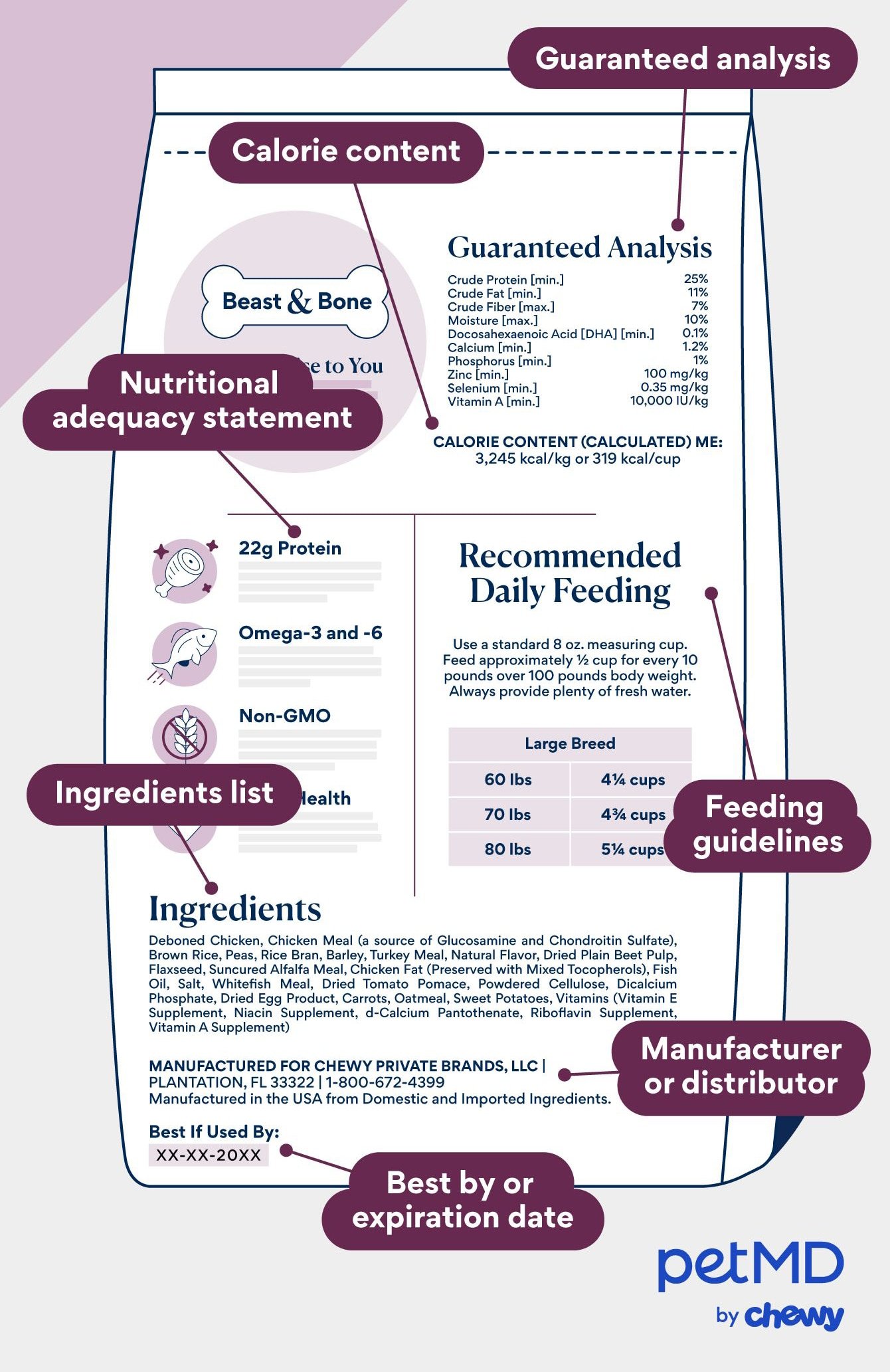
Reading a natural dog food label carefully helps confirm whether the product truly matches natural claims or is mainly marketing.
Key parts of the label to check include:
- Product name – Phrases like “with chicken” legally require far less meat than “chicken dog food.” Natural claims near the name should match the ingredients.
- AAFCO statement – Look for a complete-and-balanced claim for your dog’s life stage (puppy, adult, senior, or all life stages). Without this, the food may only be suitable as a supplement.
- Natural claim wording – Genuine natural foods usually state something like: “Natural dog food with added vitamins and minerals.” Vague phrases such as “made with natural ingredients” can still include synthetic additives.
- Feeding guidelines – Ensure the recommended portion size is practical for the dog’s weight and activity level; very low portions may indicate high calorie density.
- Manufacturer information – A clear company name, address, and customer service contact suggest greater transparency and accountability.
Comparing labels side by side often reveals differences in natural quality, protein sources, and reliance on artificial components before even reading the full ingredient list.
Understanding ingredient lists
Key parts of an ingredient list
An ingredient list on natural dog food shows every component in descending order by weight before cooking. Ingredients with the highest moisture content, such as fresh meat, appear first even if they contribute less protein after processing.
Look for:
- A named animal protein first (e.g., chicken, turkey, salmon) rather than vague terms like “meat” or “animal by-product.”
- Whole-food carbohydrates such as brown rice, oats, sweet potatoes, or peas.
- Natural fats and oils, ideally identified by source (e.g., chicken fat, salmon oil, flaxseed).
Ingredients to question or limit
Not every long word is harmful, but some ingredients deserve closer attention:
- Meat by-products or “animal digest” (not clearly defined sources)
- Artificial colors, flavors, or preservatives (e.g., BHA, BHT, ethoxyquin)
- Large amounts of refined fillers (corn gluten meal, wheat middlings) high on the list
A shorter ingredient list is not always better, but a list built around recognizable, named ingredients usually indicates a more natural formulation.
Spotting functional extras
Quality natural foods often add useful nutrients, such as:
- Named probiotics (for digestion)
- Joint-support ingredients (glucosamine, chondroitin)
- Specific fruits, vegetables, or herbs for antioxidants
These should supplement, not replace, a solid foundation of animal protein and whole-food carbohydrates.
Decoding guaranteed analysis
The guaranteed analysis panel looks technical, but understanding a few key numbers helps compare natural dog foods more accurately.
At minimum, regulations require brands to list:
- Crude protein (minimum)
- Crude fat (minimum)
- Crude fiber (maximum)
- Moisture (maximum)
Higher protein and moderate fat usually indicate a more nutrient-dense food, especially when animal proteins appear first on the ingredient list. However, moisture strongly affects these percentages. Wet food often appears lower in protein than kibble on the label simply because it contains more water.
For a fair comparison, many veterinarians recommend converting to a dry matter basis. In simple terms, remove the moisture and calculate nutrients based on what remains. Some brands publish dry matter values on their websites; if not, online calculators can help.
When assessing a natural dog food, focus on:
- Adequate protein for the dog’s life stage
- Reasonable fat levels for the dog’s activity level
- Controlled fiber (excess may cause loose stools or gas)
Guaranteed analysis does not show ingredient quality, but it is essential for checking whether a formula meets a dog’s basic nutritional needs.
Marketing buzzwords to ignore
Many pet food labels rely on attractive language rather than meaningful information. When comparing natural dog food options, it is helpful to recognize terms that sound impressive but offer little nutritional value.
Common marketing buzzwords to treat with caution include:
- “Holistic” – There is no legal definition in pet food regulations. Products using this term are not required to meet any special standard.
- “Premium” or “Gourmet” – These words suggest quality but do not guarantee better ingredients, digestibility, or nutrient balance.
- “Human-grade” – Legally meaningful only if every ingredient and the manufacturing process meet human food standards. Many labels use the term loosely, so confirmation from the manufacturer is important.
- “Veterinarian recommended” – Often based on small, internal surveys or paid endorsements rather than broad clinical evidence.
- “Natural flavor” – Can come from highly processed sources; it does not indicate overall food quality.
Instead of focusing on buzzwords, pet owners gain more insight by:
- Studying the ingredient list and order of ingredients
- Checking for AAFCO nutritional adequacy statements
- Reviewing the manufacturer’s transparency about sourcing, testing, and feeding trials
Ingredients to Look For
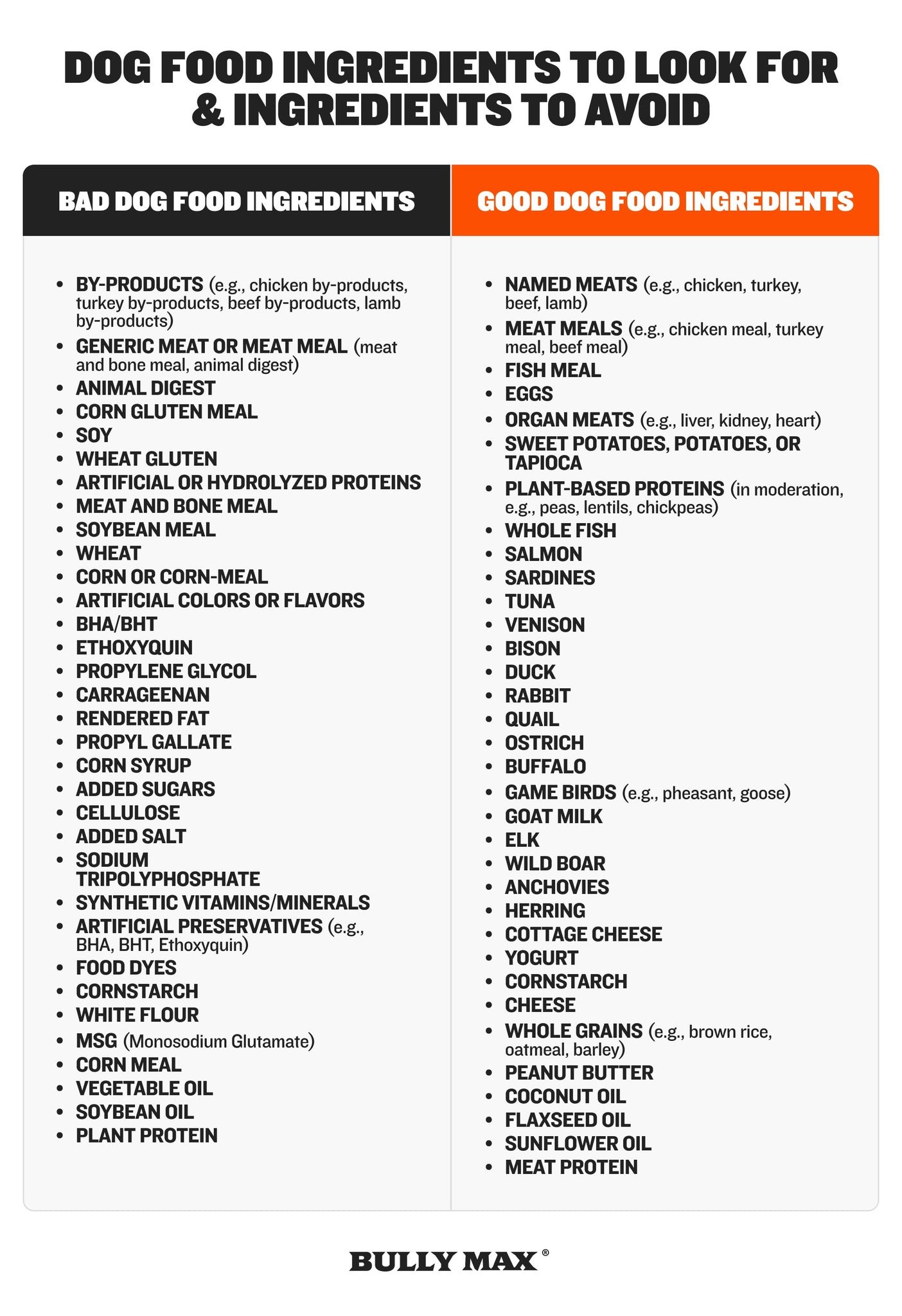
When evaluating natural dog food, the ingredient list offers the clearest picture of quality. Look for recipes built around recognizable, minimally processed ingredients rather than vague or heavily modified components.
Key ingredients to look for include:
- Named animal proteins (e.g., chicken, turkey, salmon) as the first ingredient
- Whole grains such as brown rice, oats, or barley, if the dog tolerates grains
- Whole food carbohydrates like sweet potatoes, peas, or pumpkin
- Healthy fats such as salmon oil, chicken fat, or flaxseed for omega‑3 and omega‑6 fatty acids
- Clearly identified vegetables and fruits, including carrots, blueberries, spinach, or apples
- Natural preservatives like mixed tocopherols (vitamin E) and rosemary extract instead of synthetic chemicals
- Added vitamins and chelated minerals to support complete and balanced nutrition
Ingredients should be easy to recognize and pronounce. A shorter list with specific, named components is usually preferable to a long list of by‑products, fillers, and artificial additives. Always read past the marketing claims on the front of the bag and focus on what is actually in the bowl.
High‑quality animal proteins
High‑quality animal protein is the foundation of natural dog food and should be listed among the first ingredients on the label. Look for clearly named meats, such as chicken, turkey, lamb, or salmon, rather than vague terms like “meat” or “animal by‑product.”
Whole, minimally processed protein sources generally provide better amino acid profiles and are easier to digest. Many dogs also benefit from multiple animal proteins in one formula, which can help provide a broader range of nutrients.
When comparing natural dog foods, consider:
- Primary protein source: Named fresh meat or meat meal (e.g., “chicken meal”) high on the ingredient list.
- By‑product use: Limited or no low‑quality by‑products or unidentified animal parts.
- Processing method: Gently cooked, baked, air‑dried, or freeze‑dried options can help preserve nutrients.
- Protein level: An adequate crude protein percentage that suits the dog’s age, size, and activity level.
Dogs with allergies or sensitivities may do better on novel proteins such as duck, rabbit, or venison. In such cases, choosing a formula with a single, clearly labeled protein source helps identify and avoid triggers.
Wholesome carbohydrates and fiber
Complex carbohydrates and dietary fiber in natural dog food provide steady energy and support digestive health, but quality and source matter more than quantity. Look for whole-food carb sources rather than highly processed fillers.
Common wholesome carbohydrate and fiber ingredients include:
- Brown rice or oats
- Barley or quinoa
- Sweet potatoes or pumpkin
- Peas, lentils, and other legumes
- Vegetables such as carrots or green beans
Why carbohydrates and fiber matter
Moderate levels of complex carbohydrates help:
- Provide slow-release energy for daily activity
- Support a healthy gut microbiome through fermentable fibers
- Improve stool quality and regularity
Fiber from vegetables, fruits, and whole grains can also help manage weight by increasing satiety without adding many calories.
Ingredients to approach with caution
Natural dog food formulas should minimize:
- Refined grains such as white rice and corn meal
- Sugary ingredients like molasses or cane sugar
- Vague terms such as "cereal by-products" or "grain fragments"
Dogs with specific conditions (allergies, diabetes, sensitive digestion) may need tailored carbohydrate levels, so feeding guidelines and veterinary advice are important when selecting a formula.
Healthy fats, oils, and omegas
Healthy fats play a crucial role in natural dog food, supporting skin, coat, brain function, and energy levels. Instead of anonymous “animal fat” or heavily processed oils, look for clearly named, minimally processed sources.
Beneficial fat and oil sources
High-quality formulas typically include:
- Fish oil (salmon, sardine, menhaden) – rich in EPA and DHA for joint, heart, and brain health
- Flaxseed or chia seed – plant-based omega-3s plus fiber
- Chicken fat – highly palatable energy source, often well tolerated
- Coconut oil – medium-chain triglycerides that may support digestion and skin
- Eggs – provide balanced fats along with protein and nutrients
Ingredients such as “beef tallow,” “poultry fat (preserved with BHA/BHT),” or vague “animal fat” are usually less desirable in a natural formula.
Understanding omega-3 and omega-6 balance
Dogs need both omega-3 and omega-6 fatty acids, but balance matters. Typical diets are often heavy in omega-6s from poultry and plant oils, which can promote inflammation if not offset by omega-3s.
For a healthier profile, look for:
- At least one dedicated omega-3 source near the top half of the ingredient list
- Natural preservatives such as mixed tocopherols or rosemary extract for fat stability
Pets with allergies or joint issues may especially benefit from higher omega-3 content in a natural dog food.
Fruits, veggies, and herbs
Fruits, vegetables, and herbs in natural dog food provide vitamins, minerals, antioxidants, and fiber that complement animal protein.
Many commercial natural formulas include a mix such as:
- Carrots and pumpkin – sources of beta-carotene, vitamin A, and gentle fiber to support digestion.
- Sweet potatoes – complex carbohydrates and antioxidants that offer steady energy.
- Spinach, kale, or broccoli – leafy greens and cruciferous vegetables that add vitamins K, C, and folate.
- Blueberries, apples (without seeds), and pears – fruits that contribute natural antioxidants and a touch of sweetness without excessive sugar.
- Herbs like rosemary, parsley, and turmeric – used in small amounts for natural preservation, freshening breath, or providing anti-inflammatory compounds.
When reviewing labels, look for named fruits and vegetables high on the ingredient list, ideally as whole foods rather than vague terms like “vegetable blend.” Avoid formulas that rely on fruit for bulk or flavor alone, which can increase sugar content.
Herbs should appear in very small quantities, often near the end of the list. Excessive herbal blends or essential oils can irritate sensitive stomachs, so moderate amounts and clearly listed ingredients are preferable.
Ingredients to Avoid or Limit
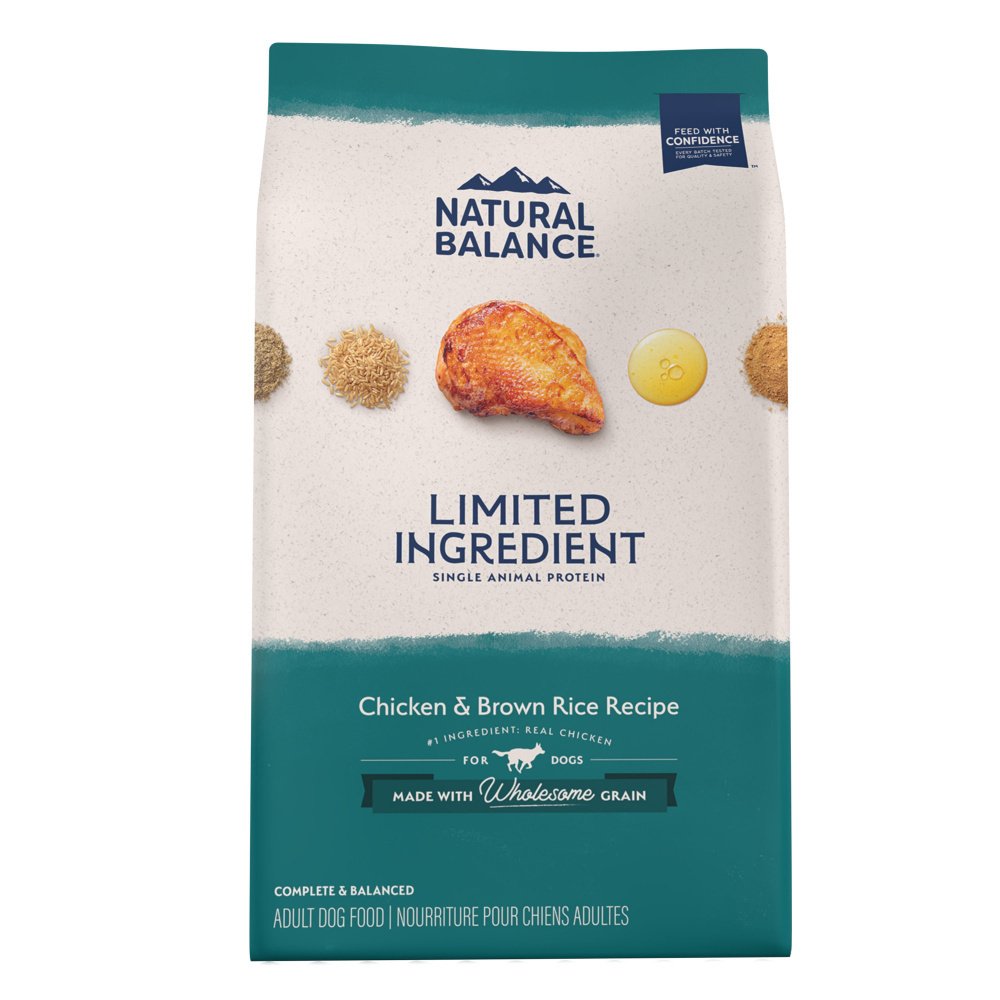
Many commercial dog foods, including some labeled as natural, contain ingredients that offer little nutritional value or may contribute to long‑term health issues. When reading labels, it helps to limit or avoid the following:
- Low-quality meat by-products (unnamed “meat meal,” “animal fat,” or “poultry by-product” without a specific animal source). These can indicate inconsistent quality and may contain parts with lower nutritional value.
- Generic plant proteins used to boost protein numbers, such as pea protein, potato protein, or corn gluten meal, especially when listed before real meat. These can skew the protein profile away from animal-based amino acids.
- Rendered fats with vague names, such as “animal fat (source not specified).” These fats can oxidize faster and may be less stable than clearly named fats like chicken fat or salmon oil.
- Excessive refined carbohydrates, including large amounts of corn, wheat, white rice, or tapioca as the first ingredients. Heavy reliance on starch can contribute to weight gain and blood sugar fluctuations.
- High sodium or salt-heavy flavor enhancers, which may encourage overeating and are unnecessary in large quantities.
A natural dog food should emphasize named animal proteins, whole grains or low-glycemic carbs, and recognizable plant ingredients, while reducing reliance on vague or highly processed components.
Artificial colors, flavors, and sweeteners
Artificial colors, flavors, and sweeteners are common in lower-quality dog foods, but they provide no nutritional benefit and can sometimes cause problems.
Artificial colors (such as Red 40, Yellow 5, and Blue 2) are often added only to make kibble look appealing to humans. Dogs do not need brightly colored food, and some synthetic dyes have been linked to hyperactivity or allergic-type reactions in sensitive animals.
Artificial flavors are used to make otherwise bland formulas more palatable instead of improving the base ingredients. A reliance on flavor additives may signal that the underlying protein or fat sources are of lower quality.
Sweeteners, including sucrose, corn syrup, caramel, and artificial sweeteners, are usually unnecessary in natural dog food. Excess sugar can contribute to weight gain, dental issues, and blood-sugar fluctuations. Xylitol, a sweetener sometimes found in human products, is especially dangerous and can be life-threatening for dogs even in small amounts.
For a more natural diet, look for:
- Color from real ingredients (meat, vegetables, herbs) rather than dyes
- Flavor from named animal proteins and natural broths, not “artificial flavor”
- No added sugars or artificial sweeteners on the ingredient list
Preservatives of concern
Many commercial kibbles rely on chemical preservatives to extend shelf life. Some are considered relatively safe, while others raise more concern, especially for dogs that eat the same food daily for years.
Problematic preservatives often flagged by veterinarians and nutrition advocates include:
- BHA (butylated hydroxyanisole) – A synthetic antioxidant linked in some studies to potential carcinogenic effects.
- BHT (butylated hydroxytoluene) – Similar to BHA; used to prevent fat from going rancid, but long‑term safety for pets is debated.
- Ethoxyquin – A powerful preservative once common in pet foods and fish meals; associated with liver and skin issues in some case reports.
By contrast, many natural or minimally processed diets use mixed tocopherols (vitamin E), vitamin C (ascorbic acid), or rosemary extract as milder, naturally derived preservatives.
When reviewing labels, pet owners can:
- Scan the ingredient list for BHA, BHT, and ethoxyquin.
- Prefer foods that use vitamin E, vitamin C, or herbal extracts for preservation.
- Choose smaller bag sizes and store food in a cool, dry place to reduce the need for very strong preservatives.
Selecting products with gentler preservatives supports a more natural overall diet and may reduce unnecessary chemical exposure over a dog’s lifetime.
Low‑value fillers and by‑products
Many commercial dog foods use low‑value fillers and animal by‑products to cut costs, which can reduce nutritional quality and digestibility.
Common fillers include:
- Corn, wheat, or soy as primary ingredients
- Rice bran, wheat middlings, and mill run
- Potato or pea starch used mainly to bulk up kibble
Fillers are not always harmful, but when they dominate the ingredient list, the food may provide fewer high‑quality proteins and essential nutrients than a natural dog food should.
Animal by‑products can be confusing. On labels these may appear as:
- "Meat by‑product" or "poultry by‑product"
- "Animal digest"
- Non‑specific terms like "animal fat" or "meat meal"
By‑products can legally include nutritious organ meats, but also variable leftovers of lower quality. Non‑specific wording makes it hard to know what a dog is actually eating.
For a more natural option, look for:
- Named animal proteins (e.g., chicken, lamb meal, salmon) at the top of the list
- Limited use of grain or plant ingredients, and preferably whole forms (e.g., brown rice, oats)
- Clear, specific ingredient names instead of generic catch‑all terms.
Choosing the Right Natural Food

When choosing a natural dog food, look beyond marketing claims and focus on the ingredient panel and nutritional adequacy.
Start with the protein source. A quality natural formula should list a named animal protein as the first ingredient, such as chicken, turkey, salmon, or lamb. Avoid vague terms like "meat" or "animal" meal. Whole meats or clearly labeled meat meals usually provide better, more digestible protein.
Next, evaluate the carbohydrates and fats. Prefer whole-food carbohydrates such as brown rice, oats, sweet potato, or peas instead of corn syrup or refined starches. Healthy fat sources include salmon oil, chicken fat, or flaxseed, which supply essential omega‑3 and omega‑6 fatty acids.
Key checks for selecting natural dog food:
- AAFCO (or local equivalent) statement indicating complete and balanced nutrition
- Minimal artificial preservatives, colors, and flavors
- Limited use of low‑value fillers (e.g., corn gluten meal as a main protein)
- Added vitamins, minerals, and, where appropriate, probiotics
Finally, match the formula to the dog’s size, activity level, and health status, and introduce any new food gradually to reduce digestive upset.
Puppies, adults, and seniors
Age strongly influences what kind of natural dog food is appropriate. Nutrient levels, kibble size, and ingredient focus should change as a dog matures.
Natural food for puppies
Puppies need more energy and high-quality protein to support rapid growth, plus carefully balanced calcium and phosphorus for developing bones.
Look for:
- Formulas labeled for growth or all life stages that meet AAFCO guidelines
- Animal protein as the first ingredient (chicken, turkey, lamb, fish)
- Moderately higher fat for energy, with natural sources such as chicken fat or fish oil
- Added DHA from fish oil or algae for brain and eye development
Avoid overly high calcium or unregulated homemade diets for large-breed puppies without veterinary guidance.
Natural food for adult dogs
Healthy adult dogs benefit from balanced maintenance diets that support lean muscle and stable weight.
Ideal adult formulas usually include:
- Moderate protein and fat to match activity level
- Whole-food carbohydrates (oats, brown rice, sweet potato, legumes)
- Natural fiber from vegetables and fruits
- Limited synthetic additives, with vitamins and minerals to complete the diet
Portion control and regular body condition checks help prevent weight gain.
Natural food for senior dogs
Senior dogs may need fewer calories but more support for joints, digestion, and immunity.
Helpful features in senior-friendly natural diets include:
- Slightly lower fat with adequate high-quality protein to preserve muscle
- Added omega-3 fatty acids (fish oil, flaxseed) for joint and skin health
- Digestive support such as prebiotics and probiotics
- Antioxidant-rich fruits and vegetables (blueberries, spinach, carrots)
Dogs age at different rates, so a veterinarian can advise when to transition from adult to senior formulas based on health rather than age alone.
Small, medium, and large breeds
Breed size affects how much and what kind of natural dog food is appropriate, even when ingredient quality is consistently high.
Nutritional needs by breed size
Smaller dogs generally have faster metabolisms and need more calories per kilogram of body weight, while large breeds need careful control of calories and minerals to protect joints.
| Breed size | Key considerations in natural food |
|---|---|
| Small | Calorie-dense formulas, small kibble, higher protein and fat, support for dental health |
| Medium | Balanced energy, adaptable formulas, attention to activity level |
| Large | Controlled calories, moderate fat, joint-supporting nutrients (omega-3s, glucosamine), careful calcium and phosphorus levels |
When choosing a natural recipe, owners can look for:
- Tailored kibble size for jaw size and chewing comfort.
- Appropriate energy density: richer recipes for small, active breeds; more moderate for large, less active breeds.
- Joint and bone support in large-breed formulas, such as added EPA/DHA and joint-supporting supplements.
- Digestive support (prebiotic fibers, easily digestible proteins) for all sizes.
Regardless of size, a natural dog food should list named animal proteins first, use limited synthetic additives, and provide an AAFCO or FEDIAF statement for the dog’s life stage.
Allergies, sensitivities, and special needs
Many dogs with allergies, food sensitivities, or medical conditions benefit from a carefully chosen natural diet, but ingredient quality alone does not guarantee safety. Pet owners should work with a veterinarian, ideally one with nutrition training, before making major changes.
Common issues include:
- Food allergies: Often linked to proteins such as beef, chicken, dairy, or eggs. A limited-ingredient natural food with a single, novel protein (for example, duck, rabbit, or venison) can help identify triggers.
- Food intolerances or sensitive stomachs: Dogs may react poorly to rich fats, certain grains, or artificial additives. Natural formulas that avoid synthetic colors, flavors, and unnecessary fillers can reduce digestive upset.
- Skin and coat problems: Omega-3 fatty acids from fish oil or flaxseed in natural foods can support skin barrier function and reduce itchiness in some dogs.
- Special medical needs: Dogs with conditions such as kidney disease, pancreatitis, or diabetes usually require therapeutic diets with specific nutrient levels. Natural over-the-counter foods may not meet those strict requirements.
For dogs with allergies or chronic problems, a veterinarian may suggest an elimination diet using a prescription or tightly controlled natural formula, followed by slow food trials to find safe, long-term options.
Balancing quality with your budget
Choosing natural dog food often means higher prices, but a careful strategy can keep costs manageable without sacrificing quality.
Start by deciding which features matter most for the dog’s health. For many dogs, the best value comes from:
- Named animal proteins (chicken, salmon, beef) as the first ingredient
- Clearly listed whole-food ingredients
- Limited fillers and artificial additives
Paying a little more for nutrient-dense food can reduce overfeeding. Many premium natural formulas have higher calories and protein per cup, so the dog may need smaller portions, partly offsetting the price.
Practical ways to save on natural dog food
Several tactics can lower the overall cost while maintaining quality:
- Buy in bulk when storage conditions are cool, dry, and airtight.
- Use autoship or subscription discounts from reputable retailers.
- Watch for loyalty programs and coupons from natural dog food brands.
- Mix approaches thoughtfully, such as combining a high-quality natural kibble with a smaller portion of fresh or wet food to enhance palatability and nutrition.
Owners should avoid cutting costs by choosing foods with vague meat by-products, artificial colors, or unnamed “animal fat,” as these trade-offs can increase health risks—and vet bills—over time.
Dog Food Natural Dog Food Brand Guide
How to compare natural dog food brands
A “natural” label does not guarantee quality. Comparing brands side by side helps reveal which formulas truly prioritize health.
Use the following quick checklist when assessing brands:
- Ingredient list: Look for named animal proteins first (e.g., chicken, salmon, turkey meal), not vague terms like "meat by-product."
- Carbohydrate sources: Prefer whole grains (oats, brown rice, barley) or whole-food carbs (sweet potato, peas) over refined fillers.
- Fats and oils: Choose foods with clearly named fats, such as chicken fat or salmon oil, which support skin, coat, and joint health.
- Additives: Limit artificial colors, flavors, and preservatives. Natural preservatives like mixed tocopherols are usually a better choice.
- Nutritional adequacy: Packaging should state that the food meets AAFCO or FEDIAF standards for the dog’s life stage (puppy, adult, senior).
Simple brand comparison table
| Factor | Better Option Example | Caution Sign Example |
|---|---|---|
| First ingredient | Deboned chicken | Corn, wheat, or unnamed meat |
| Protein source naming | Turkey meal, lamb, salmon | "Meat meal," "animal fat" |
| Preservatives | Mixed tocopherols, rosemary extract | BHA, BHT, ethoxyquin |
| Marketing vs. substance | Clear analysis and sourcing explained | Heavy buzzwords, little concrete detail |
Choosing brands that are transparent, specific, and nutritionally complete lays a stronger foundation for a dog’s long-term health.
What to ask before picking a brand
Before choosing a natural dog food brand, it is helpful to ask clear, practical questions. Key points include ingredient quality, sourcing, and safety standards.
Consider asking a manufacturer or retailer:
- What are the main protein sources, and are they named? (e.g., chicken, salmon) rather than vague terms like "meat meal."
- Are ingredients human-grade, organic, free-range, or wild-caught? Clarify how much of the recipe meets higher sourcing standards.
- Are artificial preservatives, colors, or flavors used? Natural formulas should avoid unnecessary additives.
- What kind of grains or carbohydrates are included? Ask whether they are whole grains or low-quality fillers.
- How is the food formulated? Confirm whether a veterinary nutritionist or animal nutrition specialist is involved.
- Has the food undergone feeding trials, or only met AAFCO standards on paper? Feeding trials add an extra layer of reassurance.
- Where is the food manufactured, and who controls quality checks?
- Can the brand provide a complete nutrient analysis, not just the guaranteed analysis on the label?
Clear answers to these questions make it easier to compare brands and select a genuinely natural dog food that supports long-term health.
Signs of a trustworthy manufacturer
A trustworthy manufacturer of natural dog food is transparent, consistent, and science-driven. Shoppers can look for several concrete signs before committing to a brand.
Clear ingredient and sourcing information
Reliable companies:
- List exact ingredients, not vague terms like “meat meal” without a named animal source
- Explain where major ingredients are sourced (country or region, and sometimes individual suppliers)
- Clarify whether ingredients are fresh, frozen, or dehydrated, and how they are preserved
Manufacturers that openly publish this information on packaging and websites usually have fewer quality concerns to hide.
Nutrition expertise and quality controls
Trustworthy brands typically:
- Employ qualified experts, such as board-certified veterinary nutritionists or animal nutrition PhDs
- Formulate diets based on AAFCO or FEDIAF standards and conduct feeding trials when possible
- Maintain third-party safety certifications (for example, ISO, HACCP, or GFSI schemes)
- Provide batch testing or quality-control details on request
Open and responsive communication
Reputable manufacturers make it easy to contact customer service, respond to questions about nutrition or recalls, and share full product information rather than marketing slogans. Brands that welcome scrutiny and provide supporting data inspire more confidence than those that answer only with promotional language.
Red flags when researching brands
When evaluating "natural" dog food brands, several warning signs suggest that a product may not be as wholesome as advertised.
- Vague ingredient lists: Phrases such as meat by-products, animal digest, or animal fat without naming the species can indicate low-quality, inconsistent ingredients.
- Long lists of artificial additives: Extensive use of artificial colors, flavors, or chemical preservatives (for example, BHA, BHT, ethoxyquin) conflicts with a truly natural formulation.
- Ingredient splitting: Multiple forms of the same carbohydrate (corn meal, corn gluten, ground corn) listed separately may be used to push meat ingredients higher in the list.
- Lack of nutritional transparency: Brands that do not publish a complete nutrient analysis, feeding trials, or life-stage suitability leave important questions unanswered.
- Overly aggressive marketing claims: Statements like miracle cure, detox, or one food for every species and life stage are not supported by sound nutritional science.
- No accessible quality or safety information: Difficulty finding details about manufacturing location, sourcing standards, or recall history can indicate poor oversight.
Careful label reading, coupled with independent reviews and veterinary guidance, can help identify brands that genuinely prioritize natural, balanced nutrition over marketing language.
Transitioning to Natural Dog Food
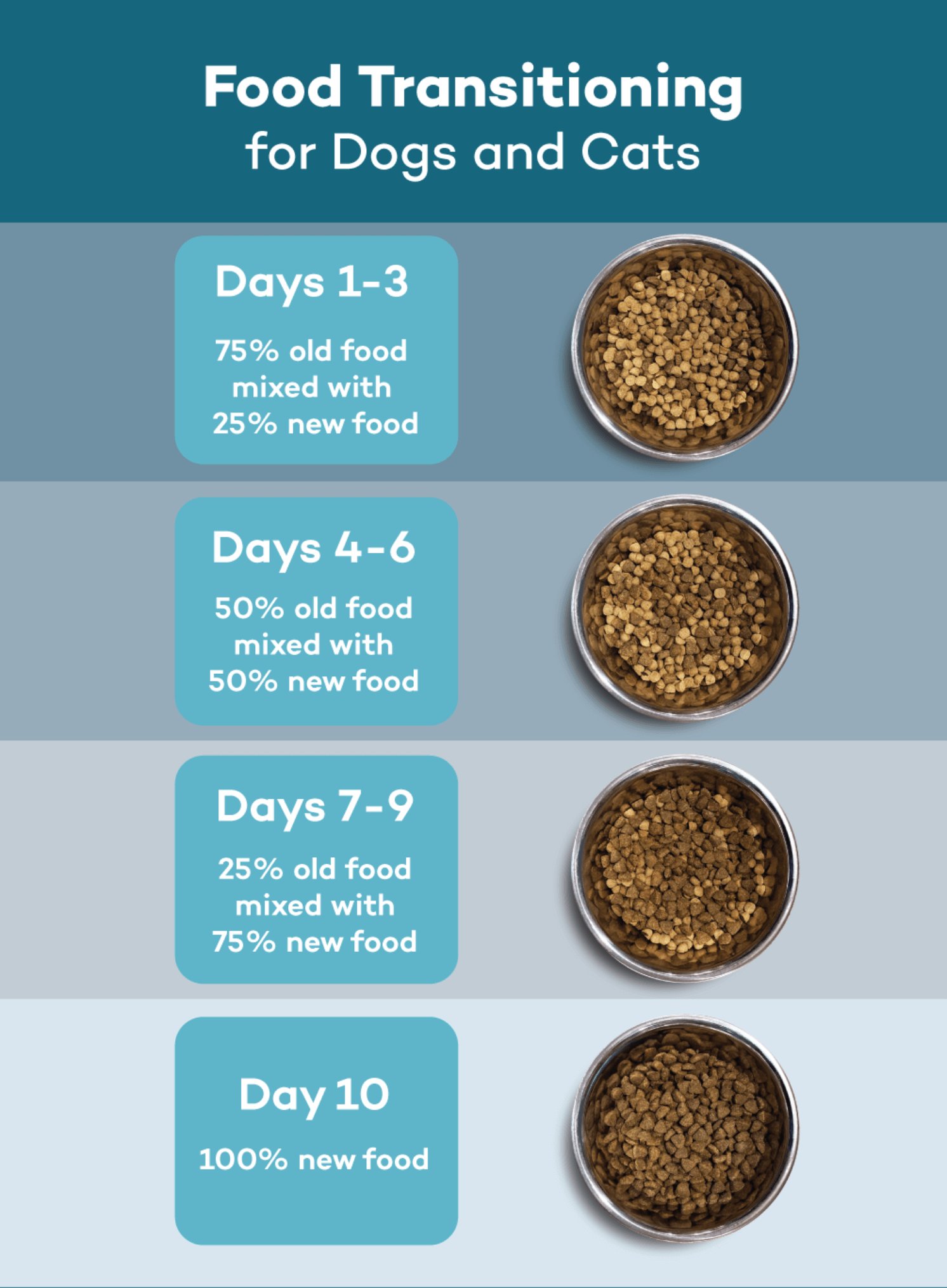
Transitioning from conventional to natural dog food is most successful when it is gradual, monitored, and tailored to the individual dog.
A slow transition helps protect digestive health. Sudden diet changes can trigger vomiting, gas, or diarrhea, even when the new food is higher quality. As a rule of thumb, plan at least 7–14 days for the switch, and longer for puppies, seniors, or dogs with sensitive stomachs.
Before starting, it is helpful to:
- Confirm with a veterinarian that the chosen natural formula suits the dog’s age, size, and health conditions.
- Note the dog’s current stool quality, energy level, and skin or coat condition as a baseline.
- Decide whether to move to 100% natural or to maintain a partial blend for budget or medical reasons.
During the changeover, close observation is essential. Watch for:
- Digestive changes (looser or very hard stools, mucus, or straining)
- Changes in appetite, itchiness, or ear irritation
- Improved signs, such as more stable energy, less gas, or a shinier coat
If any concerning symptoms appear, slowing the transition, adjusting portion sizes, or consulting the veterinarian can help maintain a safe move to natural dog food.
Step‑by‑step switch plan
One‑week gradual transition plan
A slow, structured change helps protect the digestive system and lets the dog adjust to new flavors and textures. The following plan can be adapted to 7–14 days depending on how sensitive the dog’s stomach is.
Days 1–2
- 75% current food, 25% natural dog food
- Monitor stool consistency and appetite.
Days 3–4
- 50% current food, 50% natural dog food
- Watch for gas, loose stool, or decreased energy.
Days 5–6
- 25% current food, 75% natural dog food
- Continue to track behavior, itching, and stool quality.
Day 7 and beyond
- 100% natural dog food, if digestion remains stable
- Maintain the same feeding schedule and portion sizes recommended by the vet or manufacturer.
Extra adjustments for sensitive dogs
Dogs with a history of digestive upset, allergies, or pancreatitis may need a slower transition, extending each phase to 3–4 days. Adding a vet‑approved probiotic and providing plenty of fresh water can support the gut during the switch. If vomiting, persistent diarrhea, or extreme lethargy appear at any stage, return to the last well‑tolerated ratio and consult a veterinarian before proceeding.
Signs the new food suits your dog
Dogs often “tell” when a new natural dog food works well through behavior, digestion, and appearance. Watching for a combination of changes is more reliable than focusing on only one sign.
Positive daily behavior
A suitable food usually supports steady, calm energy and good mood.
- Similar or slightly improved energy compared with before
- Interest in walks and play without becoming overly restless or sluggish
- Normal sleep patterns and easier settling at night
Healthy digestion and stool quality
Digestive changes are common during a switch, but they should gradually stabilize.
- Stool is formed, easy to pick up, and not watery
- Bowel movements are regular without straining or urgency
- Gas is minimal and not unusually smelly
- Little to no vomiting once the transition period is over
Coat, skin, and body condition
Natural dog food that matches a dog’s needs often improves how the dog looks and feels.
- Coat becomes shinier and feels softer over several weeks
- Less itching, licking, or chewing at paws and skin
- Skin appears supple, not flaky or red
- Weight remains stable or trends toward a healthy body condition
When several of these positive signs appear and remain consistent for at least 2–4 weeks, the new natural diet is likely a good match.
When to slow down or stop the change
A gradual switch to natural dog food should feel smooth for a dog. If clear problems appear, the transition needs to slow down or pause.
Reduce the speed of change or go back a step in the mix (for example, from 75% new food / 25% old food to 50% / 50%) if a dog shows:
- Mild but persistent soft stools
- Slightly increased gas
- Temporary decrease in appetite, but still eating some meals
- Noticeable but moderate itching or licking
Completely stop the change and contact a veterinarian if a dog develops any of the following:
- Vomiting that lasts more than a day
- Watery diarrhea, blood in stool, or mucus
- Refusal to eat for more than 24 hours
- Extreme lethargy or signs of pain
- Swelling of the face, hives, or breathing difficulty (possible allergic reaction)
If severe signs appear after introducing a particular protein or ingredient, avoid that ingredient in future natural dog food choices and ask a veterinarian about allergy testing or alternative formulas.
How Much and How Often to Feed
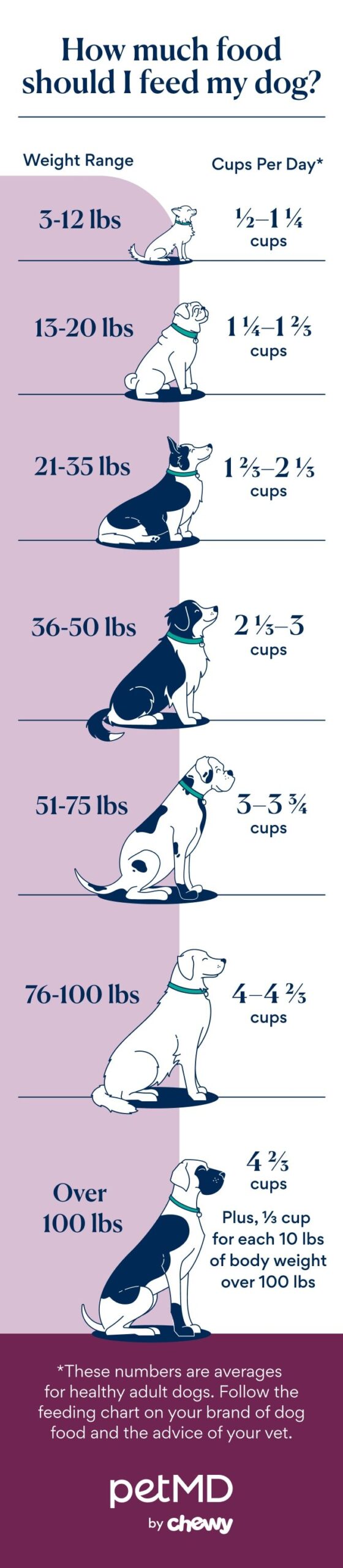
For most healthy adult dogs, natural dog food is typically fed twice per day to support steady energy and better digestion. Large meals once daily can increase hunger, gulping, and digestive upset, especially when switching to a more nutrient-dense, minimally processed food.
As a general starting point:
- Puppies (under 6 months): 3–4 smaller meals daily
- Adolescents (6–12 months): 2–3 meals daily
- Adults (1–7 years): 2 meals daily
- Seniors: 2 smaller, easily digestible meals daily
Natural dog food often contains fewer fillers and more bioavailable nutrients, so the caloric density may differ from previous food. Always compare the calories per cup (or per gram) and adjust the portion rather than copying the old amount.
Changes to feeding frequency may be needed when a dog:
- Has a medical condition (for example, diabetes, pancreatitis)
- Is very active or participates in sports
- Is pregnant or nursing
In these situations, a veterinarian or canine nutrition professional should guide the exact number of meals and daily amount to prevent underfeeding or excess weight gain.
Portion guidelines and body condition
Understanding ideal body condition
Portion sizes for natural dog food should be guided by a dog’s body condition, not just the feeding chart on the bag. A healthy dog has:
- Ribs that can be felt easily with a light touch but are not sharply visible
- A visible waist when viewed from above
- A slight abdominal tuck when viewed from the side
If ribs are hard to feel, the portion is likely too large. If ribs and spine are very prominent and the waist is sharply defined, portions may be too small or the diet may be unbalanced.
Adjusting portions based on your dog
Start with the manufacturer’s guideline for weight and activity level, then adjust gradually:
- If weight is increasing and the dog looks rounded at the waist: reduce the daily portion by 5–10% and recheck in 2–3 weeks.
- If weight is dropping or energy seems low: increase the portion by 5–10% and monitor closely.
Reassess body condition every 2–4 weeks. For puppies, seniors, and dogs with medical conditions, a veterinarian’s input is essential, as their ideal body condition and calorie needs can differ from standard charts.
Feeding schedules that work
A consistent feeding schedule supports healthy digestion, stable energy, and better weight control. For most healthy adult dogs eating natural dog food, two meals per day work well.
Many veterinarians recommend the following general schedules:
- Puppies (under 6 months): 3–4 smaller meals per day
- Adolescents (6–12 months): 2–3 meals per day
- Adult dogs: 2 meals per day, 8–12 hours apart
- Senior dogs: 2 meals per day; some may benefit from 3 smaller meals
Natural dog foods often contain higher-quality proteins and fewer fillers, which can keep dogs satisfied longer. However, regular timing is still important. Feeding at roughly the same times every day helps regulate hunger cues and can make house-training and bathroom routines more predictable.
For dogs prone to bloating, gulping food, or digestive upset, smaller, more frequent meals using the same daily portion can be beneficial. Active dogs may also do better with breakfast and dinner, plus a small snack given well before intense exercise.
Fresh water should be available at all times, and any treats or chews need to be factored into the overall daily feeding plan so the dog’s total calorie intake stays appropriate.
Adjusting portions over time
A natural dog food diet often has fewer fillers and more bioavailable ingredients, which can change how much a dog actually needs to eat. Portion sizes that worked with a highly processed kibble may be too much once a dog switches to a higher-quality recipe.
Start with the feeding guidelines on the bag or can, then adjust gradually based on:
- Body condition: Ribs should be easy to feel but not visible, with a defined waist from above.
- Energy level: A dog that acts hungry, lethargic, or hyperactive may need a portion review.
- Weight trends: Aim for slow, steady change—no more than 1–2% of body weight per week.
Reassess portions every few weeks and after life changes such as:
- Moving from puppy to adult food
- Spay/neuter surgery
- Seasonal activity changes
- Increased training or sport work
When adjusting, change by about 5–10% at a time and monitor for 10–14 days. Sudden large increases or decreases in natural food can upset digestion, so small, consistent tweaks are safer and easier to track.
Natural Treats, Toppers, and Extras
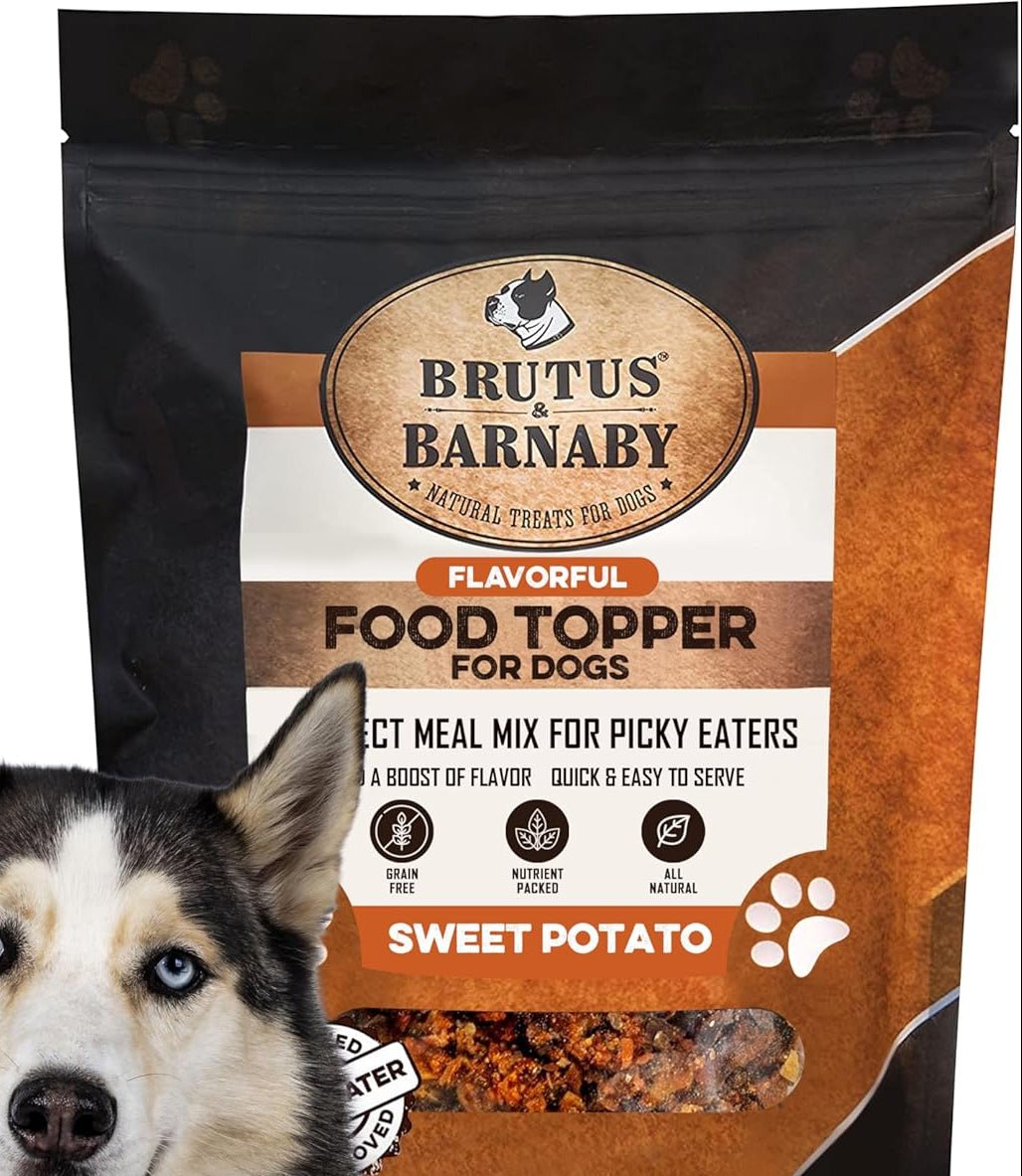
Natural extras such as treats, toppers, and mix-ins can make a natural dog food diet more appealing and varied, but they also add calories and nutrients that need to be balanced.
Types of natural toppers and mix-ins
Common natural additions include:
- Lightly cooked or raw vegetables: carrots, green beans, pumpkin (plain, unseasoned)
- Lean proteins: boiled chicken or turkey, canned fish in water (no salt or seasoning)
- Healthy fats: small amounts of sardines, salmon, or flaxseed oil
- Fermented foods: plain yogurt or kefir for dogs that tolerate dairy
Each extra should be simple, unseasoned, and free from onion, garlic, added salt, or sugar.
How to use natural extras safely
To avoid digestive upset and weight gain:
- Limit toppers and extras to no more than 10–15% of the daily calorie intake.
- Introduce only one new item at a time and watch for itching, diarrhea, or gas.
- Cut extras into small, manageable pieces to reduce choking risk.
- Choose single-ingredient options whenever possible to simplify allergy tracking.
Used thoughtfully, natural toppers and extras can enhance palatability, add moisture, and provide extra nutrients without undermining a balanced natural dog food diet.
Choosing healthier dog treats
Healthy dog treats can complement a natural dog food diet, but they should not undermine it. A good guideline is that treats make up no more than 10% of a dog’s daily calories.
What to look for in healthier treats
When comparing options, focus on short, recognizable ingredient lists and minimal processing. Many dogs do well with:
- Single-ingredient treats such as dehydrated chicken, beef, fish, or organ meats
- Freeze-dried meat or fish with no added sugars or artificial colors
- Simple plant-based options like plain green beans, carrot sticks, or small pieces of apple (without seeds)
- Grain-free or limited-ingredient recipes for dogs with sensitivities
Labels should ideally be free from artificial colors, flavors, and preservatives. Natural preservatives such as mixed tocopherols (vitamin E) or rosemary extract are usually preferable.
Matching treats to a dog’s needs
Choosing treats based on a dog’s size, age, and health can support overall wellbeing:
- For weight control: low-calorie options like crunchy vegetables
- For dental support: veterinary-approved dental chews with proven plaque-reducing benefits
- For sensitive stomachs: limited-ingredient or hypoallergenic treats
Pet owners who are unsure about a specific ingredient or treat type can benefit from consulting a veterinarian before making it a regular part of the dog’s routine.
Using toppers to improve picky eating
What are dog food toppers?
Dog food toppers are flavorful add‑ons mixed with regular meals to make natural dog food more appealing. Toppers can be commercial products or simple whole foods added in small amounts. When used correctly, toppers help encourage picky eaters without undermining overall nutrition.
Common topper types include:
- Lightly cooked or freeze‑dried meat
- Unsalted bone broth
- Canned fish in water (such as sardines or salmon)
- Plain yogurt or kefir (for dogs that tolerate dairy)
- Pureed vegetables or pumpkin (unsweetened)
How to use toppers without unbalancing the diet
Toppers should enhance a complete and balanced food, not replace it. To keep meals nutritionally sound:
- Limit toppers to 10–20% of total calories unless guided by a veterinarian or nutritionist.
- Choose toppers with simple, recognizable ingredients that align with natural dog food principles.
- Avoid added salt, sugar, onions, garlic, and heavy seasoning.
- Introduce new toppers gradually to monitor for digestive upset or allergies.
For very selective eaters, slightly warming the food, adding a spoonful of warm broth, or crumbling a high‑quality freeze‑dried meat topper can make the meal more aromatic and appealing while keeping the core diet intact.
Supplements that may help
Many dogs eating natural dog food still benefit from well-chosen supplements, especially when diets are homemade or heavily customized. Any new supplement should be discussed with a veterinarian to avoid nutrient excesses or interactions.
Commonly recommended options include:
- Omega-3 fatty acids (fish oil or algae oil) – May support skin and coat health, joint comfort, and heart function. Look for purified products tested for heavy metals.
- Joint supplements (glucosamine, chondroitin, green-lipped mussel) – Often suggested for large breeds, seniors, or dogs with early mobility issues.
- Probiotics and prebiotics – Can help maintain a healthy gut microbiome, especially for dogs with sensitive digestion or those recently on antibiotics.
- Digestive enzymes – Sometimes used for dogs that struggle to break down fats, proteins, or carbohydrates, under veterinary guidance.
- Multivitamins or mineral blends – May be useful for home-prepared natural diets to fill potential gaps, but should be balanced and formulated specifically for dogs.
Supplements should complement a complete and balanced diet rather than compensate for poor-quality food. Careful selection, appropriate dosing, and regular health monitoring help ensure that added nutrients genuinely support a dog’s long-term wellbeing.
Sustainability and Ethical Sourcing

Choosing natural dog food often goes hand-in-hand with caring about the planet and the people who produce ingredients. Many brands now highlight sustainability and ethical sourcing, but claims can be confusing.
When evaluating a product, it can help to look for:
- Transparent ingredient origins – Brands that name specific countries or regions for meat and produce, rather than vague terms like “sourced globally.”
- Sustainability certifications – Labels such as MSC/ASC for fish, organic certifications, or recognized third‑party audits for farms and suppliers.
- Responsible packaging – Recyclable bags, reduced plastic use, or clear instructions on how to dispose of packaging.
- Lower environmental impact proteins – Formulas that incorporate poultry, sustainably caught fish, or plant-based components alongside meat to reduce resource use.
Some manufacturers publish sustainability reports detailing carbon footprint, water use, and waste reduction. Reviewing such reports, along with independent reviews, can help identify brands that support healthier dogs while also minimizing environmental harm and promoting fair labor conditions throughout the supply chain.
Animal welfare and farming practices
Why animal welfare matters for natural dog food
For many pet owners, natural dog food is not only about nutrition but also about how animals in the supply chain are treated. Higher welfare standards often mean animals are raised with lower stress, fewer routine antibiotics, and more natural diets, which can contribute to better‑quality meat and by‑products.
Brands that prioritize welfare typically:
- Source from farms that provide adequate space, shelter, and enrichment
- Avoid or strictly limit painful procedures without pain relief
- Support slower‑growing, more robust breeds rather than intensive production lines
- Reduce routine antibiotic use by improving hygiene and living conditions
Labels and certifications to look for
Shoppers can look for independent certifications that signal higher welfare and more responsible farming practices. Common examples include:
- Certified Humane or similar humane certification schemes
- Organic labels that also cover stocking density and outdoor access
- Free‑range or pasture‑raised claims supported by third‑party audits
Not every natural dog food carries all of these marks, but brands that publish clear sourcing policies, name their supplier regions, and undergo third‑party audits are generally more transparent about how animals are raised.
Eco‑friendly packaging and transport
Choosing lower‑impact packaging
Eco‑friendly packaging for natural dog food focuses on materials that protect the food while reducing waste. Shoppers can look for:
- Recyclable bags or cans made from paper, cardboard, or widely recycled plastics
- Tins and trays with clear recycling symbols and minimal plastic film
- Compostable or biodegradable pouches certified by trusted standards (such as industrial composting labels)
- Bulk formats that reduce the total amount of packaging per serving
Clear labeling helps identify packaging that can go into household recycling instead of landfill. When possible, choosing larger bags or bulk orders for frequently used products also cuts down on transport emissions and packaging materials.
Considering transport and delivery impact
Transport also affects the environmental footprint of natural dog food. Some practical ways to reduce the impact include:
- Choosing brands that source and manufacture locally or regionally
- Limiting frequent small online orders and grouping purchases into fewer, larger deliveries
- Using click‑and‑collect or nearby stores instead of long‑distance shipping
- Looking for brands that offset emissions or use lower‑emission logistics partners
Shorter supply chains and efficient delivery choices can support more sustainable feeding routines without changing the dog’s diet itself.
Balancing green choices with cost
Owners often discover that natural dog food and greener packaging come with a higher price tag. The goal is not perfection, but progress that fits a realistic budget.
A practical approach is to prioritize where eco-friendly choices matter most:
- Ingredient quality over branding: Choose foods with clearly named meats and whole-food ingredients rather than paying extra for marketing claims.
- Concentrated nutrition: Higher-quality food is often more calorie-dense, so dogs may need smaller portions, offsetting some of the cost.
- Bulk buying, smartly: Larger bags or subscription orders usually reduce price per serving, as long as the food will be used before the expiry date.
- Store brands with strong standards: Some retailer lines offer reputable natural formulas with fewer fillers at a lower cost than boutique labels.
- Mix-and-match strategies: Combine a solid, mid-priced natural kibble with smaller amounts of premium wet food or fresh toppers to boost quality without doubling the budget.
Pet owners can also reduce waste—and long-term costs—by proper storage, avoiding overfeeding, and scheduling regular vet checks to prevent diet-related health issues that become more expensive later.
Common Myths About Natural Dog Food
Many ideas about natural dog food are repeated so often that they start to sound true. In reality, several common beliefs can lead to poor choices at the pet store.
“Natural” Always Means Healthier
A natural label does not guarantee a better recipe. Pet foods labeled natural must avoid most synthetic ingredients, but they can still:
- Be high in fat or calories
- Rely on low‑quality meat by‑products
- Contain excess or unbalanced nutrients
Healthier food depends on the full formula: ingredient quality, nutrient balance, digestibility, and suitability for the individual dog’s age and health.
Grain-Free Is Automatically Better
Many owners assume “natural” means grain-free and that grain-free is safer. For most dogs, whole grains are well tolerated and nutritious, supplying fiber, vitamins, and energy. Problems usually come from specific allergies or intolerances, not grains in general.
A grain-free diet is only preferable when a veterinarian identifies a grain sensitivity. Otherwise, a complete and balanced natural food with wholesome grains is often the more appropriate choice.
If the Ingredients Sound Tasty, the Food Is High Quality
Human-style ingredient names—such as “farm-raised chicken” or “garden vegetables”—sound appealing but may distract from what matters. A truly high-quality natural dog food should:
- Meet AAFCO or FEDIAF complete-and-balanced standards
- Disclose a clear animal protein source (e.g., chicken, lamb, salmon)
- Provide a guaranteed analysis suitable for the dog’s life stage
Marketing terms should never replace a careful review of the nutritional information and independent advice from a veterinary professional.
Raw food cures every problem
Raw dog food diets are often promoted as a cure‑all for allergies, digestive issues, and even behavioral problems. In reality, raw feeding is a method of feeding, not a guaranteed medical treatment.
A well‑planned raw diet can offer benefits, such as higher moisture content and less processing. However, raw food can also introduce risks if it is not carefully balanced and handled safely:
- Nutritional imbalance if calcium, phosphorus, and essential vitamins are not precisely formulated
- Bacterial contamination (for example, Salmonella or E. coli) that can affect pets and humans
- Bone hazards, including broken teeth or intestinal blockages when whole bones are fed incorrectly
Underlying health problems, such as chronic skin disease, inflammatory bowel disease, or endocrine disorders, usually require veterinary diagnosis and treatment. Changing to raw food alone rarely addresses the root cause.
For dog owners interested in raw feeding, a safer approach is to:
- Choose commercial, complete-and-balanced raw diets that meet AAFCO or FEDIAF standards
- Work with a veterinarian or veterinary nutritionist before making major diet changes
- Monitor the dog’s condition and use diet as one part of a broader health plan, not the only solution.
Grain‑free is always healthier
Many owners assume that grain‑free automatically means healthier, but the reality is more nuanced. Grain‑free dog food can be useful for dogs with confirmed grain allergies or sensitivities; however, most dogs tolerate grains well and benefit from them as part of a balanced diet.
The key factor is not whether a food is grain‑free, but whether the recipe is nutritionally complete and balanced. Important points to compare include:
- Quality and digestibility of protein sources
- Appropriate fat content and essential fatty acids
- Adequate vitamins, minerals, and fiber
- Meeting AAFCO or FEDIAF nutritional standards
Some grain‑free formulas replace grains with ingredients such as potatoes, peas, or lentils. In excess, these can alter the calorie density or fiber profile and may not improve overall health. There has also been investigation into a possible link between certain grain‑free diets and heart issues such as dilated cardiomyopathy, which makes veterinary guidance especially important.
For most healthy dogs, well‑chosen whole grains (for example, brown rice or oats) can be part of a natural diet. Owners are advised to focus on ingredient quality, transparent sourcing, and complete nutrition rather than relying on a grain‑free label alone.
Homemade is automatically complete
Homemade dog food often feels like the healthiest and most loving option, but it is not automatically complete or balanced. Many home-prepared diets lack key nutrients such as calcium, iodine, essential fatty acids, and certain vitamins, which can lead to serious health issues over time.
For a homemade, more natural dog food to be nutritionally sound, it should:
- Be formulated using evidence-based recipes from a veterinary nutritionist or a trusted veterinary resource
- Include the right ratio of protein, fat, and carbohydrates for the dog’s life stage and activity level
- Contain a complete vitamin–mineral supplement designed for home‑cooked dog food
- Use safe cooking methods and proper food hygiene to reduce the risk of bacterial contamination
Many “homemade dog food recipes” found online are not reviewed by professionals and can be deficient even if ingredients are fresh and high quality. Owners who prefer to cook for their dogs should seek guidance from a veterinary nutritionist or use reputable, pre‑formulated recipes with specified supplements to help ensure complete and balanced nutrition.
When to Talk to Your Vet or Nutritionist
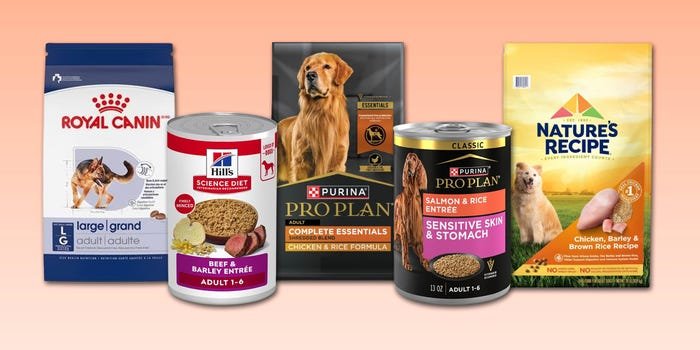
Professional guidance can prevent nutritional gaps and health problems when switching to natural dog food. A vet or qualified canine nutritionist can tailor advice to a dog’s age, breed, activity level, and medical history.
Pet owners should seek expert input before making major changes, such as:
- Moving from commercial kibble to fully homemade meals
- Choosing a raw or lightly cooked natural diet
- Feeding a puppy, senior dog, or pregnant/lactating female a new formula
- Managing allergies, food sensitivities, or chronic diseases with diet
A consultation often includes:
- Review of the dog’s current health, weight, and lab work
- Assessment of the existing diet’s nutrient balance
- Recommendations for complete and balanced recipes or brands
- Guidance on safe transition schedules and portion sizes
Whenever there is uncertainty about ingredient safety, balanced nutrients, or sudden changes in appetite, stool quality, or behavior after a diet switch, contacting a professional is the safest choice. Early advice can protect long‑term health and avoid costly complications.
Health issues needing professional input
Certain health problems require professional guidance before switching to natural dog food or making major diet changes.
Dogs with the following issues should be evaluated by a veterinarian, and often a veterinary nutritionist, before altering food:
- Chronic digestive problems such as frequent vomiting, diarrhea, gas, or unexplained weight loss
- Food allergies or intolerances, including recurring skin infections, itchy ears, or paw chewing
- Pancreatitis or a history of abdominal pain after eating fatty foods
- Kidney or liver disease, where protein, phosphorus, and sodium levels must be carefully controlled
- Diabetes or Cushing’s disease, which require stable carbohydrate and calorie intake
- Heart disease, especially when sodium intake needs tight management
- Bladder stones or crystals, which can be worsened by inappropriate mineral content
- Severe obesity or unplanned rapid weight loss
Natural formulas, including home‑prepared and raw diets, can be too high or too low in key nutrients for dogs with medical needs. Professional input helps identify safe ingredient choices, appropriate treats, and whether a therapeutic prescription diet is more suitable than a standard natural dog food.
Questions to bring to your appointment
Before meeting a veterinarian or canine nutritionist to discuss natural dog food, preparing focused questions can lead to clearer answers and a safer long‑term plan.
Consider bringing the following questions to the appointment:
- Is a natural or minimally processed diet appropriate for this dog’s age, breed, and activity level?
- Which ingredients should be prioritized (specific proteins, whole grains, vegetables, healthy fats) and which should be limited or avoided?
- How can a natural dog food be balanced for essential nutrients, including protein, fat, fiber, vitamins, and minerals?
- Are there medical conditions (allergies, kidney disease, pancreatitis, obesity, joint problems) that affect what the dog should or should not eat?
- What portion size and feeding schedule are recommended for a natural diet?
- How should a transition from the current food be managed to reduce digestive upset?
- Which certifications or quality standards (AAFCO statements, third‑party testing, manufacturing practices) matter when choosing brands?
- Is home‑prepared natural food safe for this dog, and if so, is a recipe review or diet formulation service needed?
Bringing a written list and photos or labels from current foods helps the professional give tailored, practical guidance.
Working together on an eating plan
A natural dog food plan works best when an owner and veterinarian collaborate and adjust gradually. After discussing health concerns and goals, the veterinarian can recommend calorie ranges, protein levels, and suitable natural ingredients, while the owner provides day‑to‑day observations.
An effective plan usually includes:
- Clear daily calorie target based on weight, age, and activity level
- Specific natural food types (commercial natural kibble, wet food, home‑cooked, or a mix)
- Portion sizes and feeding schedule (number of meals and ideal times)
- Transition steps from the current food to the new natural option
- Monitoring guidelines for weight, stool quality, energy, coat, and skin
Keeping a simple feeding diary can help track what the dog eats and any changes in behavior or digestion. If the dog develops gas, loose stool, itching, or refuses food, the feeding plan can be fine‑tuned by adjusting ingredients, portion size, or feeding frequency.
Regular follow‑up appointments, or at least periodic check‑ins, allow the veterinarian to review progress, repeat weight checks, and update the natural dog food plan as the dog ages or activity level changes.
本記事では、ナチュラルドッグフードの基礎知識から選び方のポイントまでを解説しています。原材料表示の見方、人工添加物を避けるコツ、たんぱく質・脂質・炭水化物のバランス、ライフステージや体質に合うフードの選び方などを整理し、自然素材を重視したフードが愛犬の健康維持にどう役立つかを第三者の立場からわかりやすく紹介している内容です。



![[2022 Edition!] Popular Small Dog Names](https://with-my-dog.com/wp-content/uploads/2022/04/image2-1-150x150.jpg)






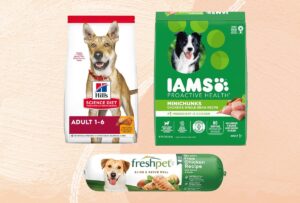


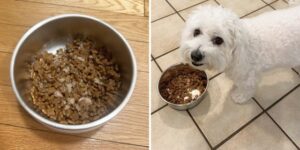
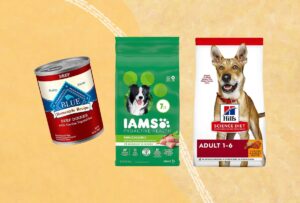


![[Detailed explanation] How much does it cost to neuter a dog? Can insurance be used?](https://with-my-dog.com/wp-content/uploads/2022/03/22930207_sのコピー-300x200.jpg)