
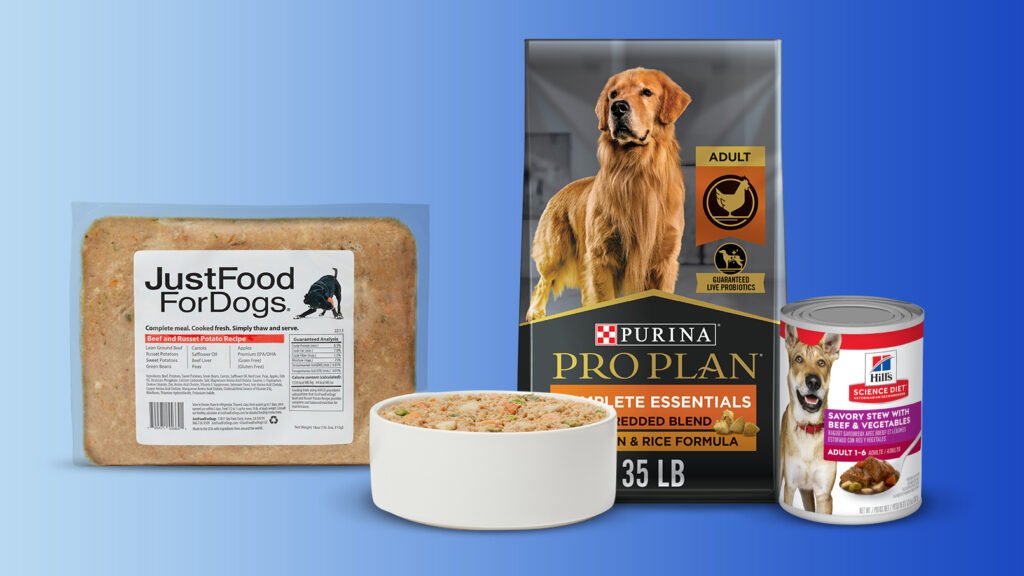
Choosing the right food for your senior dog is crucial, especially considering their age and health condition. This article, themed "best dog food for senior dogs," presents nine carefully selected senior dog foods for 2026, based on veterinarians' opinions and the latest information. It also explains key points for a long and healthy life, such as joint care, weight management, and digestibility, making it a valuable resource for owners struggling to choose the right food.
How Aging Changes Your Dog’s Nutrition Needs
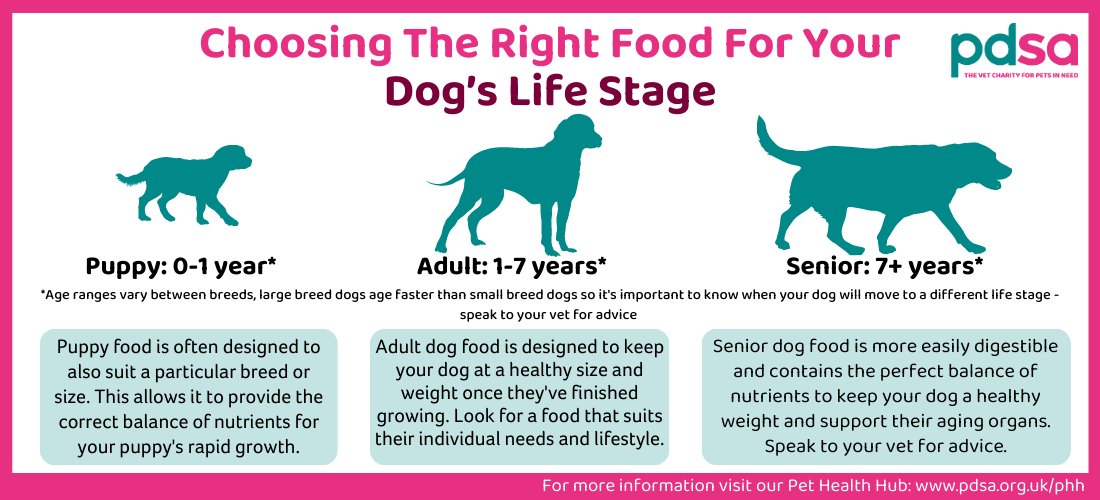
As dogs age, their bodies process nutrients differently. Metabolism slows, muscles tend to shrink, and organs such as kidneys, liver, and heart work harder. Senior dogs often need fewer calories but higher-quality protein and targeted nutrients to stay healthy.
Older dogs are also more prone to joint pain, dental disease, digestive upset, and chronic illnesses. For many seniors, ideal food focuses on digestibility, joint and brain support, and weight control, rather than simple “low calorie” formulas. A suitable senior diet aims to maintain lean muscle, protect organs, and support comfortable daily life.
When a Dog Is Considered Senior
Many owners are unsure when a beloved companion becomes a senior. In general, small dogs age more slowly and are considered senior around 8–10 years, while large and giant breeds reach senior status earlier, around 6–7 years. Lifestyle, genetics, and health history also influence aging speed. Rather than relying only on age in years, veterinarians focus on visible changes in activity, weight, and recovery to judge when senior-style nutrition is appropriate.
Common Health Issues in Older Dogs
Older dogs often face multiple health changes at once, so food choice becomes very important. Common issues include weight gain or loss, joint pain, slower digestion, dental disease, kidney or liver strain, heart disease, and cognitive decline. Skin dryness, dull coat, and reduced immunity are also frequent. Many of these problems can be eased by tailored nutrition, such as controlled calories, joint-support ingredients, highly digestible protein, and kidney‑friendly mineral levels, which will be explained in the next section.
Key Nutrients for Senior Dog Health
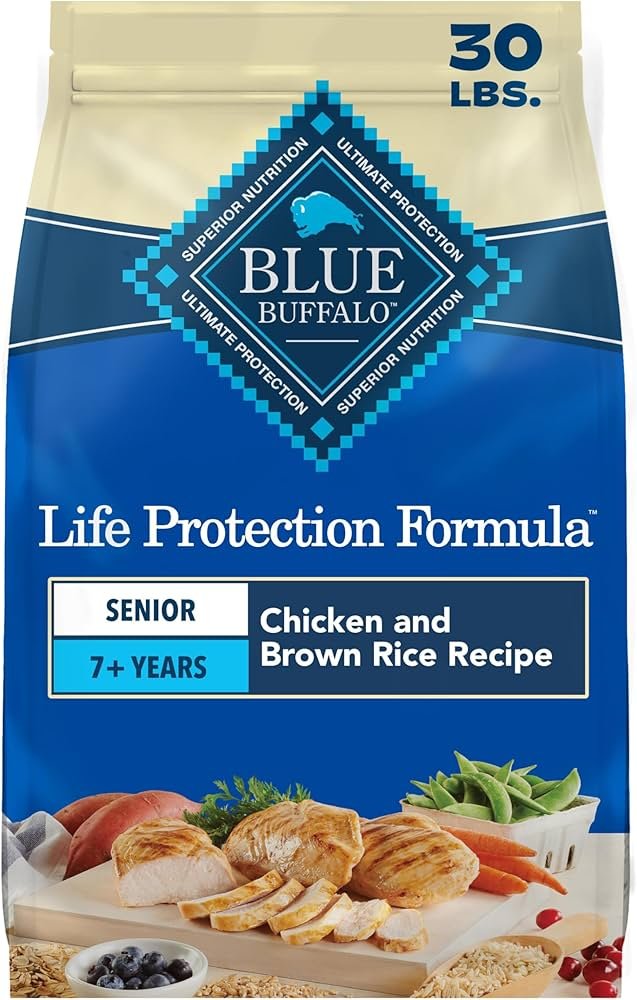
Senior dogs benefit from food tailored to support aging bodies. The key is balanced nutrition that maintains strength while easing common age-related problems.
| Nutrient Group | Main Roles for Seniors |
|---|---|
| Protein | Preserves muscle and immune function |
| Healthy fats | Support joints, skin, coat and brain |
| Fiber | Aids digestion and helps weight control |
| Joint nutrients | Support cartilage and mobility |
| Vitamins/minerals & antioxidants | Help organ function and protect cells |
An ideal senior diet focuses on high-quality protein, controlled calories, joint and brain support, and gentle digestion tailored to the individual dog.
Protein and Muscle Maintenance
Protein supports muscle maintenance, immune function, and organ health in senior dogs. Aging dogs naturally lose muscle, so adequate high‑quality protein is essential, not dangerous, for most healthy seniors.
Key points for protein in older dogs:
- Choose foods where named meat or fish appears first in the ingredient list
- Avoid vague sources such as "meat meal" or "animal by-product"
- Look for moderate to high protein (about 22–28% for many seniors, unless a vet advises lower)
- Dogs with kidney or liver disease may need adjusted protein levels under veterinary guidance
A suitable senior food supports lean body mass while helping prevent excess weight gain.
Healthy Fats and Omega-3s
Healthy fats are a key energy source for senior dogs and support skin, coat, and organ function. For older dogs, moderate fat with high-quality sources is ideal to prevent weight gain while keeping vitality.
Omega-3 fatty acids (EPA/DHA from fish oil, salmon oil, algae oil) help reduce inflammation, support joint comfort, and protect brain and heart health. Many vets recommend foods that list fish, fish oil, or flaxseed as sources. Owners should avoid excess calories from bacon grease or fried foods and choose measured supplements formulated for pets instead.
Fiber and Digestive Support
Adequate fiber helps senior dogs keep stable digestion, good stool quality, and healthy weight. Aging can slow gut movement and alter the microbiome, which often leads to constipation, gas, or loose stools.
Soluble fiber (such as beet pulp, psyllium, some prebiotics) gently regulates stools and feeds beneficial gut bacteria. Insoluble fiber (like cellulose or certain vegetable fibers) adds bulk for regular bowel movements. Excess fiber, however, may reduce calorie absorption and worsen weight loss, so senior formulas should use moderate fiber, tailored to the dog’s body condition and stool quality.
Joint and Mobility Supplements
For many senior dogs, joint care is as important as calories or protein. Aging cartilage wears down, and supportive supplements can slow discomfort and keep movement easier.
Useful nutrients include:
| Supplement | Main Benefit for Seniors |
|---|---|
| Glucosamine | Supports cartilage repair and joint cushioning |
| Chondroitin | Helps retain moisture in cartilage, improves flexibility |
| MSM | Mild anti-inflammatory support for sore joints |
| Green‑lipped mussel / fish oil | Natural source of omega‑3s for joint comfort |
| Collagen | Structural support for cartilage, tendons and ligaments |
Many high-quality senior diets already contain joint-support blends. For dogs with arthritis, hip dysplasia or stiffness after exercise, a vet may recommend higher-dose chews or powders on top of food. Sudden limping, reluctance to jump or difficulty with stairs should always be discussed with a veterinarian before changing supplements.
Vitamins, Minerals and Antioxidants
Vitamins, minerals and antioxidants help protect senior dogs from age-related decline and support daily vitality. Balanced senior formulas usually adjust calcium and phosphorus for kidney and bone health, and include vitamin E, vitamin C and selenium to support the immune system. Antioxidants help neutralize oxidative stress, which is linked to cognitive decline, joint damage and chronic disease, so a food rich in colorful fruits, vegetables and added antioxidant blends is ideal for older dogs.
How to Choose the Best Dog Food for Senior Dogs
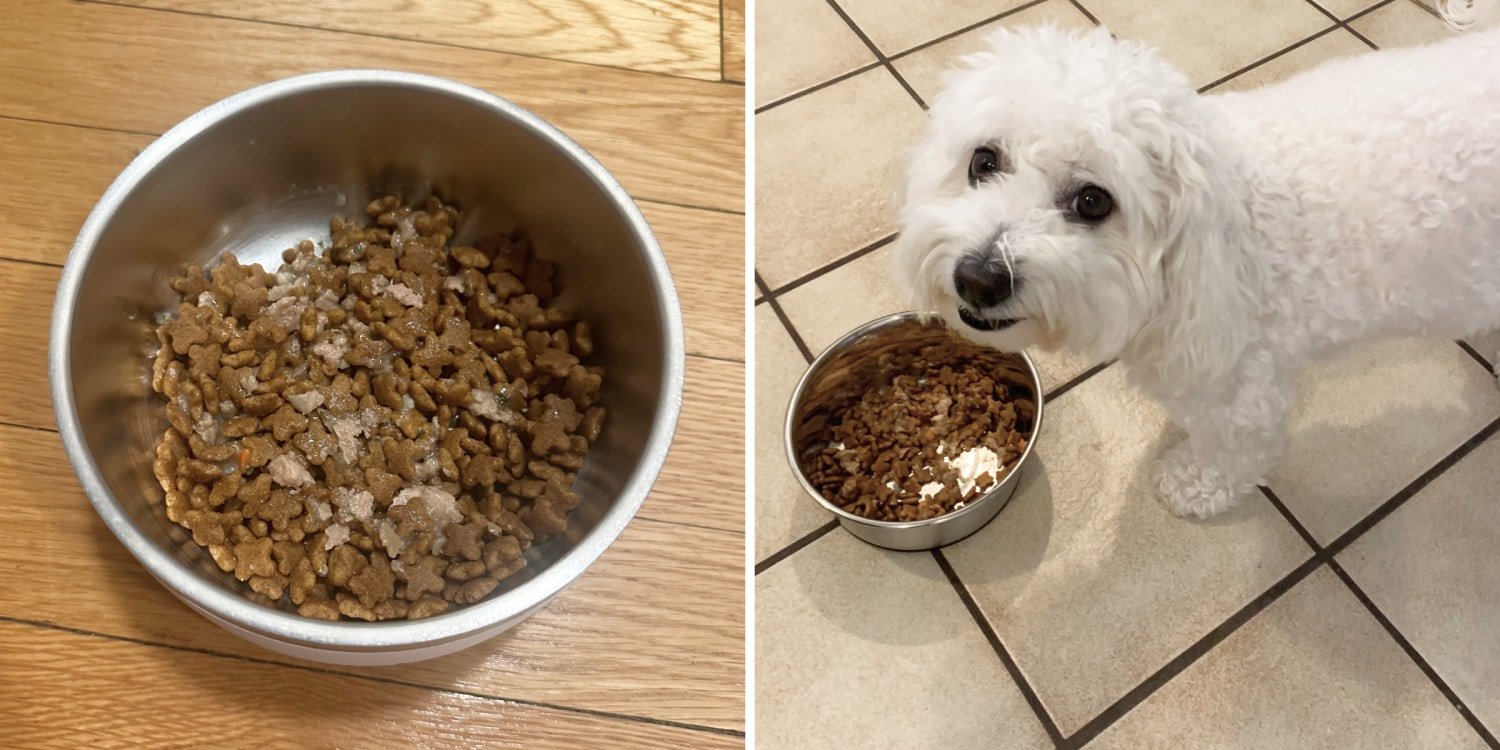
Choosing the best dog food for senior dogs means matching the recipe to age‑related changes, not just picking a bag labeled “senior.” First, consider overall health: weight trend, mobility, digestion, skin, and coat. Next, check whether the food is complete and balanced for adult maintenance, with appropriate protein, moderate fat, and controlled calories. Finally, factor in your dog’s size, activity level, and any medical issues such as kidney disease, arthritis, or allergies, and select a formula that directly supports those needs.
Reading Labels and AAFCO Standards
Dog food labels can be confusing, but a few checks make selection easier. First, look for an AAFCO nutritional adequacy statement such as “complete and balanced for adult maintenance” or “for all life stages.” This indicates the food meets minimum nutrient standards.
Next, confirm species (dog, not cat), life stage, and feeding guidelines. Scan the ingredient list for named animal proteins (chicken, salmon) near the top, and avoid vague terms like “meat by-products” as the main source. Finally, check the guaranteed analysis for adequate protein and fat for seniors, and consider brands that conduct feeding trials, not only formulation.
Adjusting for Size, Breed and Activity
Senior dog food should be tailored to body size, breed traits, and daily activity, not age alone.
| Factor | What to Adjust | Why It Matters |
|---|---|---|
| Small breeds | Energy-dense kibble, smaller pieces | Fast metabolism, tiny mouths |
| Large/giant breeds | Controlled calories, joint-support nutrients | Prone to obesity and joint disease |
| Active seniors | Slightly higher calories, higher protein | Maintain muscle and stamina |
| Low‑activity seniors | Fewer calories, higher fiber | Help prevent weight gain |
| Breed‑prone issues (e.g., Labs, Dachshunds, pugs) | Weight‑control or joint/mobility formulas | Address common, predictable risks |
Choosing size‑specific and lifestyle‑appropriate senior food helps keep weight, joints, and energy in a healthy range.
Special Diets for Medical Conditions
Senior dogs often develop kidney, heart, joint, digestive, or endocrine diseases, and each can require a tailored diet. In general, owners should never start a strict medical diet without veterinary guidance. For kidney or heart disease, lower sodium and controlled protein may be needed. Dogs with diabetes or obesity benefit from higher fiber and controlled calories. Allergies often require limited-ingredient or hydrolyzed diets. A veterinarian can match lab results and symptoms to the most appropriate therapeutic food and monitor the response.
Dry, Wet, Fresh or Raw: What Works Best?

Choosing between dry, wet, fresh or raw food for senior dogs depends on age-related changes, health status and lifestyle. No single format is best for every older dog. Dry food is convenient and can support dental health. Wet and fresh foods are often more palatable and hydrating, which helps picky or low‑appetite seniors. Raw diets may be harder to digest and risk bacterial contamination, so many veterinarians recommend cooked formulas for elderly dogs, especially those with weakened immune systems or chronic disease.
Pros and Cons of Dry Food for Seniors
Dry kibble is often convenient and economical for senior dog food. It is easy to store, simple to portion, and can be used in puzzle toys for mental stimulation. Many vet-recommended senior formulas are available mainly as dry food, and kibble can help support dental abrasion for dogs that still chew well.
On the other hand, older dogs may have dental disease, weakened jaws, or a reduced sense of smell, so hard kibble can be uncomfortable and less appetizing. Some seniors also struggle to drink enough water, and dry food provides little moisture, which may not suit dogs with kidney or urinary issues. For such dogs, soaking kibble or mixing with wet food can be helpful.
Pros and Cons of Wet and Fresh Food
Wet and fresh foods are often very palatable and easy to chew, so they suit many senior dogs with dental pain or poor appetite. Higher moisture supports hydration and can help urinary health. Fresh and gently cooked meals also tend to use visible whole ingredients, which some owners find reassuring.
On the other hand, wet and fresh foods are usually more expensive, need refrigeration, and spoil faster once opened. Some formulas are higher in fat or sodium, so labels must be checked carefully for overweight dogs or those with heart or pancreas issues.
When to Consider Prescription Diets
Prescription diets are veterinary-formulated foods designed to manage specific health problems such as kidney disease, heart disease, severe food allergies, diabetes, or advanced joint issues. Consider a prescription diet when:
| Situation | Why a Prescription Diet Helps |
|---|---|
| Chronic disease diagnosed | Nutrients are adjusted to protect organs and reduce symptoms |
| Regular food worsens symptoms | Targeted formulas reduce flare‑ups and discomfort |
| Weight or muscle loss despite good feeding | Calorie, protein and nutrient balance is more precisely controlled |
Always start a prescription diet only under veterinary guidance, and schedule follow-ups to confirm that the chosen food suits the senior dog’s condition.
Best Overall Senior Dog Foods in 2026

For senior dogs, the “best” food in 2026 is not one brand, but a formula that fits age, health, and lifestyle. High-quality senior diets share common traits: controlled calories to prevent weight gain, moderate to high digestible protein for muscle, added omega‑3s for joints and brain, and tailored fiber for gentle digestion. Owners should also look for clear labeling, AAFCO compliance for adult maintenance, and options that match a dog’s size, dental health, and medical needs such as kidney, heart, or joint disease.
1. High-Protein All-Round Senior Formula
A high-protein, all-round senior formula suits many healthy older dogs. Look for real meat or fish as the first ingredient and a guaranteed analysis of roughly 24–32% protein (dry food). Adequate protein helps protect muscle mass, supports immune function, and aids recovery.
An ideal all-round recipe also includes moderate fat, controlled calories, added omega-3s for joints and brain, plus antioxidants and probiotics. Such balanced formulas are recommended for active seniors without major medical issues, before moving to more specialized therapeutic diets.
2. Budget-Friendly Senior Kibble
Many owners want a reliable senior food that does not strain the budget. A good value kibble focuses on balanced nutrition over fancy marketing.
Key points when choosing budget-friendly senior kibble:
- Complete and balanced according to AAFCO adult or senior profiles
- Moderate calories to help prevent weight gain
- Adequate protein from clear animal sources (chicken, beef, salmon, etc.)
- Added omega‑3s, fiber and basic joint support if possible
- No excessive fillers or artificial colors
Affordable brands often offer “senior” or “7+” formulas in large bags. Choosing larger sizes, subscribing for regular delivery, and buying during promotions can further reduce cost without sacrificing your dog’s health.
3. Grain-Inclusive Sensitive Stomach Diet
A grain-inclusive formula can be very helpful for senior dogs with sensitive stomachs or irregular stools. Gentle grains such as oats, barley, or brown rice provide soluble fiber that supports gut bacteria and helps firm up stool. Look for moderate fat, added prebiotics, and easily digestible proteins like chicken or turkey. Avoid foods heavy in corn, wheat gluten, or many different proteins, because complex mixes may irritate aging digestive systems and cause gas or diarrhea.
4. Limited-Ingredient Senior Recipe
A limited-ingredient senior recipe uses fewer, carefully chosen components to lower the risk of food sensitivities and make label reading easier. Typical formulas feature one animal protein, a single main carbohydrate (such as rice or sweet potato), and minimal extras.
Key benefits for many older dogs include:
- Easier troubleshooting for itching, ear infections, or loose stool
- Simpler digestion for aging guts
- Reduced exposure to potential allergens or irritants
When choosing a product, look for:
- Clearly named single protein (e.g., "salmon" rather than "fish by-product")
- Short ingredient list without artificial colors or unnecessary fillers
- AAFCO statement for adult maintenance or senior dogs
Limited-ingredient foods work well for seniors with chronic skin issues, mild IBD, or unexplained stomach upsets, but dogs with diagnosed medical conditions still need veterinary guidance on the exact diet.
5. Weight-Management Food for Seniors
Weight gain is common in older dogs because metabolism slows while activity decreases. A good weight‑management food for seniors focuses on controlled calories with high-quality protein so muscles stay strong while body fat gradually reduces.
Key features include:
- Higher protein, moderate fat, reduced overall calories
- Added L‑carnitine to support fat metabolism
- Increased fiber to help dogs feel full between meals
- Clear feeding guide based on ideal (not current) body weight
Owners should introduce weight‑management formulas slowly and combine them with gentle, regular exercise. If weight does not improve after a few months, consultation with a veterinarian for a tailored plan is recommended.
6. Joint Support Senior Blend
A joint-support formula for senior dogs focuses on protecting cartilage and easing stiffness while keeping calories reasonable. Look for foods that clearly list glucosamine and chondroitin amounts on the label, plus omega-3s from fish oil or green-lipped mussel to help control inflammation. Moderate fat and controlled calories help prevent extra weight that stresses joints. For dogs with arthritis, a vet-approved joint blend paired with gentle, regular exercise can greatly improve daily comfort.
7. Brain Health Focused Senior Diet
A brain-support formula for seniors usually combines moderate fat, high-quality protein and targeted neuro-supportive nutrients. Look for medium-chain triglycerides (MCTs) from coconut oil, plus omega-3s (DHA/EPA) from fish oil or algae, which support nerve cell function. Added B vitamins, vitamin E, lutein and other antioxidants help protect the aging brain from oxidative stress. Many vet-recommended diets for cognitive health also keep sodium controlled and use easily digestible ingredients to reduce metabolic strain on older dogs.
8. Best Wet Food for Older Dogs
Many senior dogs enjoy wet food because soft textures are easier on aging teeth and gums and the higher moisture content supports hydration. An ideal wet food for older dogs offers moderate to high-quality animal protein, controlled fat, and added omega-3s, plus joint-support ingredients such as glucosamine and chondroitin.
When comparing products, check that the label states AAFCO “complete and balanced” for adult or senior maintenance, not “for intermittent feeding only.” Low-sodium options benefit dogs with heart or kidney concerns, while simple, digestible recipes with limited ingredients suit sensitive stomachs. Single-serve trays or cans also help maintain freshness and make portion control easier.
9. Best Fresh or Gently Cooked Option
For senior dogs that prefer softer textures and high aroma, a fresh or gently cooked formula can be very effective. Look for brands that are AAFCO-compliant, use clearly named meats, and include vegetables and omega-3 sources. Many are sold frozen or refrigerated in pre-portioned packs, which helps with weight control. The main drawbacks are higher cost and the need for freezer space, so owners should budget and plan storage in advance.
Homemade and Toppers for Senior Dogs

Homemade foods and toppers can be helpful as a way to support senior dogs with reduced appetite and encourage their desire to eat. However, it is important to think of them as “supplements,” not replacements for complete and balanced dog food. Even mixing a small amount of homemade soup or low-fat boiled meat into their food can enhance the aroma and make it easier for senior dogs to finish their meals comfortably.
On the other hand, human-seasoned foods, dangerous ingredients such as onions, garlic, and grapes, and giving too much fatty meat may lead to digestive upset or pancreatitis. It is important to use safe homemade foods and toppers wisely while keeping the basic balance of complete and balanced senior dog food plus a small amount of topping.
Safe Homemade Meals and Add-Ins
Homemade food can be safe for senior dogs when planned with a veterinarian or veterinary nutritionist. Good bases are lean meats (chicken, turkey, white fish), well‑cooked starches (rice, oatmeal, pumpkin, sweet potato) and small amounts of soft vegetables (carrot, green beans). Always cook meat thoroughly and avoid bones, onions, garlic, excess fat and seasoning. As simple add‑ins, many seniors do well with a spoon of plain pumpkin, low‑fat plain yogurt, or omega‑3 fish oil mixed into balanced commercial food.
Using Toppers to Tempt Picky Eaters
Senior dogs often become picky eaters, so food toppers can help maintain appetite and calorie intake. Healthy toppers include plain boiled chicken or turkey, low-sodium bone broth, mashed pumpkin, or a spoon of senior-formulated wet food. Start with small amounts to avoid stomach upset. Choose toppers without onions, garlic, excess fat, or seasoning. For dogs with kidney or heart disease, confirm topper choices with a veterinarian before use.
How to Switch Your Dog to Senior Food
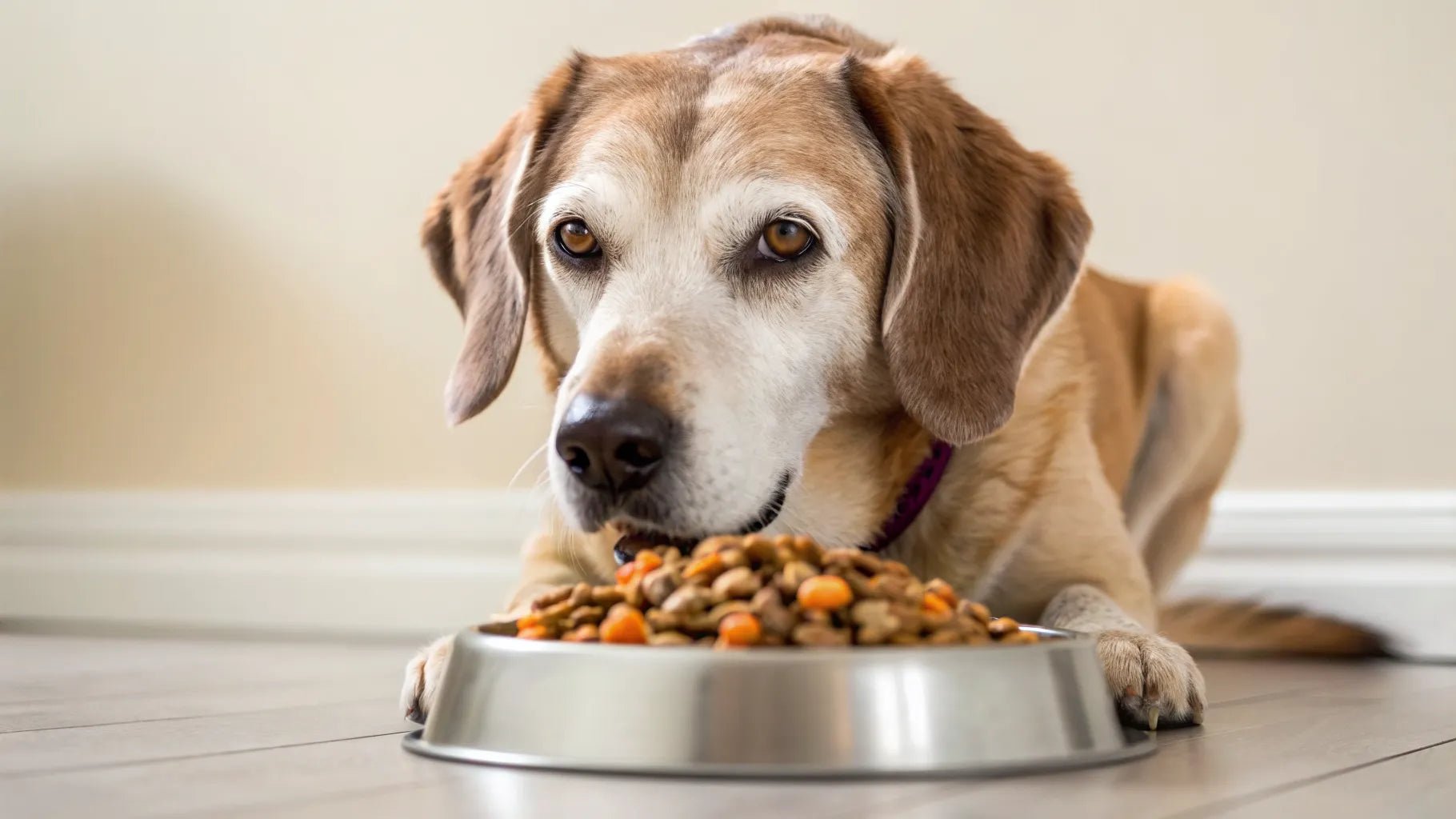
Switching to senior dog food is most comfortable when done slowly and with a clear plan. The goal is to protect the digestive system while checking that the new diet truly suits the dog. Before starting, owners should confirm with a veterinarian which senior formula matches age, weight, and health issues. During the change, only one element—the main food—should be altered, while treats and toppers remain the same. Careful observation of stool, appetite, energy, and skin condition helps catch problems early and allows a smooth, stress‑free transition.
Step-by-Step Transition Schedule
A slow, planned transition helps protect senior dogs from stomach upset. In many cases, 7–10 days works well, but very sensitive dogs may need longer.
| Day | Old food | New senior food |
|---|---|---|
| 1–2 | 75% | 25% |
| 3–4 | 50% | 50% |
| 5–6 | 25% | 75% |
| 7+ | 0% | 100% |
During the change, monitor stool, appetite, energy, skin and ear condition. If loose stool or vomiting appears, go back one step and extend each stage by several days.
Signs the New Food Is Not a Good Fit
A new senior diet may not suit every dog. Early warning signs should be monitored carefully, especially during the first 2–4 weeks.
| Sign to Watch | What It Can Mean |
|---|---|
| Vomiting or diarrhea | Food intolerance or ingredient sensitivity |
| Excessive gas, bloating | Poor digestion or too-rapid change |
| Refusing food or eating very slowly | Dislikes flavor, texture, or kibble size |
| Itching, red skin, ear discharge | Possible food allergy |
| Sudden weight gain or loss | Calorie level not appropriate |
| Increased drinking or urination | Potential kidney, hormonal, or sugar issues |
If any mild signs persist more than a few days, consult a veterinarian. Stop the new food and seek urgent care if there is lethargy, bloody stool, repeated vomiting, or signs of pain.
Daily Feeding Tips for Older Dogs
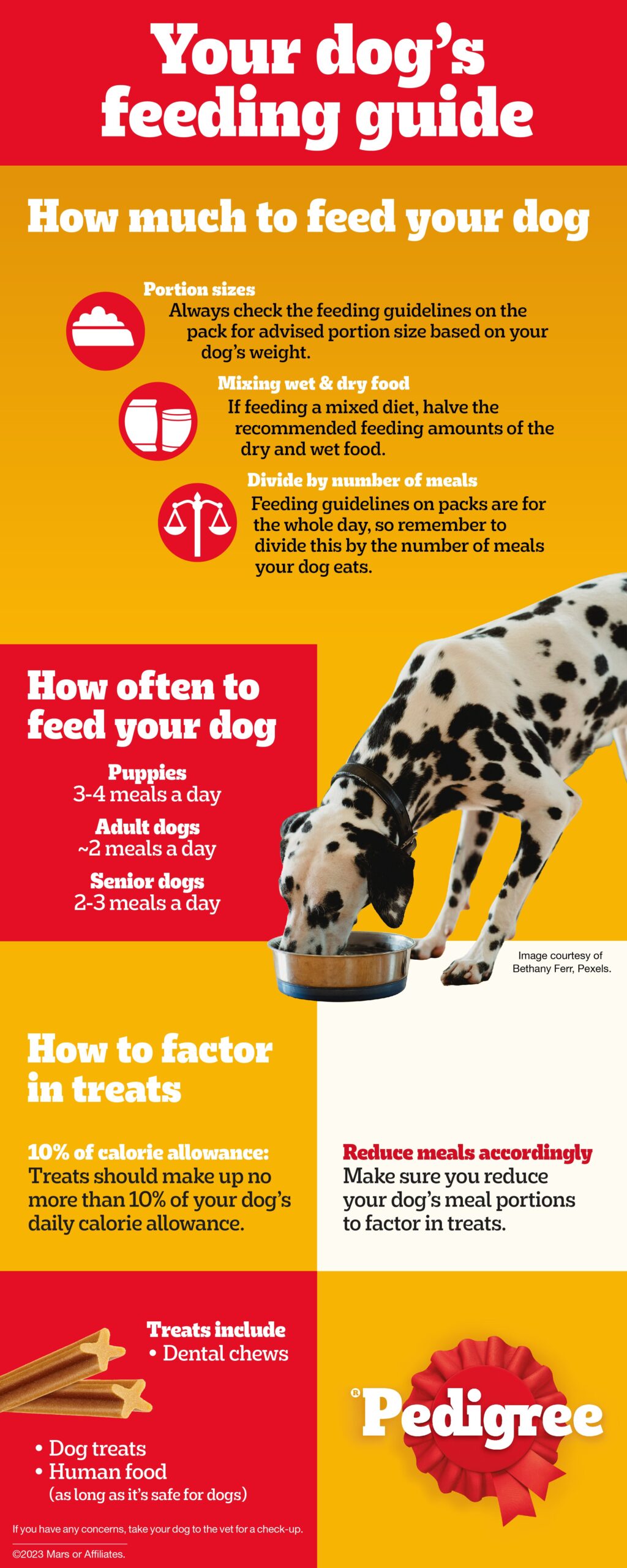
Older dogs often do better with small, predictable routines. Aim for consistent mealtimes in a quiet, low‑stress place so the dog can eat calmly. Raised bowls may help seniors with arthritis in the neck or shoulders. If chewing is difficult, soften kibble with warm water or low‑sodium broth. For dogs with reduced appetite, offer food slightly warmed to enhance aroma, and remove leftovers after 20–30 minutes to keep meals hygienic and appealing.
Portion Sizes and Feeding Frequency
The appropriate feeding amount for a senior dog can vary greatly depending on body weight, body condition, activity level, and existing health conditions. Start by using the feeding guide on the package as a reference, then safely adjust the amount up or down by 10–15% over 2 to 3 weeks while observing your dog’s body condition.
In general, dividing the daily amount into 2 to 3 meals per day compared with adulthood can reduce the burden on digestion and shorten the time your dog spends feeling hungry. For dogs with sensitive stomachs or health conditions such as diabetes or pancreatitis, splitting meals into even smaller portions may also be helpful. If your dog vomits bile at night due to an empty stomach, consider offering a small bedtime snack.
Because sudden weight gain or loss can lead to health risks, it is important to weigh your dog once a week and check their body condition once a month, then fine-tune the meal amount as needed.
Hydration, Treats and Chewing Ability
Adequate hydration is directly connected to caring for a senior dog’s kidneys, urinary tract, and joints. Always provide fresh water in several locations, and if your dog’s water intake suddenly increases or decreases, it is important to see a veterinarian promptly. Using wet food or soup-like toppings can help naturally increase fluid intake.
For treats, choose low-calorie, high-protein options with no unnecessary additives, and keep them within about 10% of your dog’s total daily calorie intake. To avoid obesity and extra strain on the joints, soft treats that can be broken into small pieces are suitable for training.
For senior dogs with weakened chewing strength, hard chews or bones may carry the risk of tooth fractures or worsening periodontal disease. It is important to choose options that match your dog’s dental condition, such as soft dental chews for senior dogs or softened kibble. If your dog seems to have difficulty chewing, moistening food or treats with warm water or making them into a paste can also be helpful.
Common Feeding Mistakes to Avoid
Many owners overfeed senior dogs. Portion sizes should be based on current body condition, not past habits or package estimates alone. Free-feeding often leads to weight gain and joint strain.
Another frequent mistake is sudden diet changes. Rapid switches can cause vomiting or diarrhea. A gradual transition over 7–10 days is safer.
Owners also sometimes ignore label details. Choosing food not suitable for age, size or health issues may worsen arthritis, kidney disease or obesity.
Finally, relying on too many treats, table scraps, or high-fat snacks can unbalance carefully chosen senior food. Aim for treats to stay under about 10% of daily calories for stable weight and digestion.
Monitoring Weight and Overall Condition
Keeping a senior dog at a steady, healthy weight is one of the simplest ways to extend quality of life. Sudden gain may strain joints and worsen heart disease, while weight loss can signal pain, cancer, kidney issues or poor digestion. Owners should watch body shape from above and from the side, feel the ribs weekly, and note coat condition, muscle tone, energy level and stool quality. Any clear change over a few weeks is a reason to discuss nutrition and health with a veterinarian.
Body Condition Scoring at Home
Body condition scoring (BCS) is a simple way to check if a senior dog is too thin, overweight, or just right. The most common scale is 1–9, with 4–5 ideal for most dogs.
Use sight and touch:
| Checkpoint | What to Feel/See in an Ideal Dog |
|---|---|
| Ribs | Easily felt with light pressure, not sharply sticking out |
| Waist | Visible tuck when viewed from above |
| Abdomen | Gentle upward tuck when viewed from the side |
If ribs are hard to find, body score is likely high (overweight). If ribs, spine, and hip bones are very prominent, body score is likely low (underweight). Record BCS monthly to spot changes early and adjust food with veterinary guidance.
When to Call Your Veterinarian
Sudden changes after a food switch can signal health trouble rather than simple pickiness. Prompt veterinary advice is essential in the following situations:
- Persistent vomiting or diarrhea over 24 hours
- Blood in stool or black, tarry stool
- Refusing food for more than 24–36 hours
- Drinking or urinating far more or less than usual
- Rapid weight loss or a bloated, painful abdomen
- Collapse, severe lethargy, or labored breathing
Even mild but ongoing issues, such as dull coat, itchy skin, or new stiffness, also merit a check-up and diet review.
Checklist: Have You Found the Right Food?
A simple checklist helps confirm whether a senior dog’s food is appropriate.
| Checkpoint | Question to Ask | Ideal Answer |
|---|---|---|
| Energy & Weight | Is weight stable and energy moderate for age? | No sudden gain or loss; enjoys gentle activity |
| Digestion | Are stools well formed and gas or vomiting rare? | Consistent, easy bowel movements |
| Skin & Coat | Is the coat shiny with minimal itching? | Few flakes, no persistent licking or hot spots |
| Mobility | Has stiffness improved or at least not worsened? | Comfortable getting up and walking |
| Appetite | Does the dog eat willingly without coaxing? | Eats most meals within 10–15 minutes |
| Behavior | Does the dog seem content and engaged? | Normal sleep, interest in family and walks |
If two or more boxes are not checked, consultation with a veterinarian and a review of the current food are recommended.
This article clearly explains the basics that pet owners need to know, from the nutritional changes in senior dogs to important points such as protein, fat, and joint care ingredients, to 9 recommended dog foods for 2026, tips for making homemade food and toppings, how to switch foods and guidelines for feeding amounts, and when to monitor weight and take your pet to the vet.







![[Small dogs are very popular] Survey on cute dog rankings](https://with-my-dog.com/wp-content/uploads/2022/07/image4-26-150x150.jpg)
![5 sites for finding foster homes for rescued dogs and cats [Basic information before rescuing]](https://with-my-dog.com/wp-content/uploads/2021/09/andriyko-podilnyk-M4NYOsSre6g-unsplash-150x150.jpg)