
Many dog owners want to change their dog's food but worry about upset stomachs. This article clearly explains the basic steps and precautions for switching foods to minimize the burden on your dog's digestive system, from a third-party perspective. By learning about the timing and duration of the switch, as well as tips for preventing diarrhea and vomiting, both you and your dog can adjust to the new food with peace of mind.
Why You Might Change Your Dog’s Food
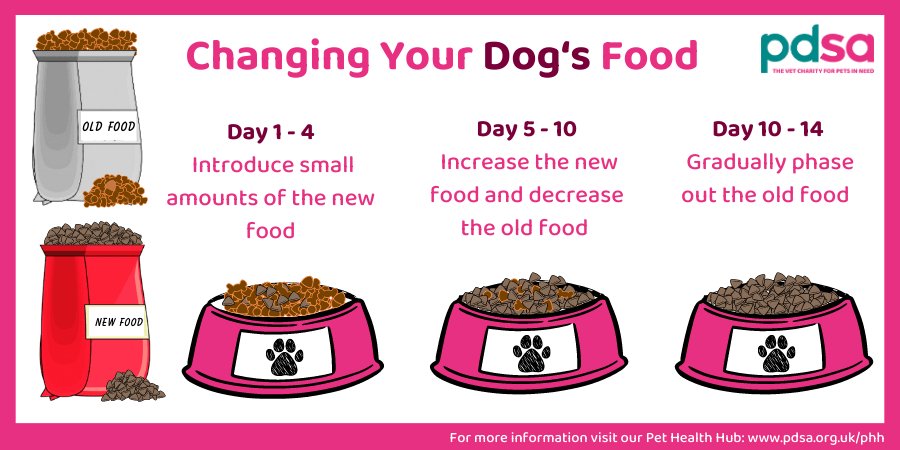
Many owners change dog food at some point, and doing so carefully helps avoid stomach upset. A new food may be needed when health, age, or lifestyle changes occur, or when the current diet no longer suits the dog’s needs. Sometimes a switch is driven by budget or store availability, or to improve coat quality, energy level, or stool consistency. Whatever the reason, planning the transition instead of changing abruptly greatly reduces digestive stress and discomfort.
Health and allergy concerns
Health issues are a major reason owners consider new dog food. Food can play a role in itchy skin, recurring ear infections, dull coat, or chronic digestive upset such as gas or soft stool. In some dogs, certain proteins, grains, or additives may trigger reactions.
True food allergies usually cause ongoing itching, red skin, or ear and paw problems, while food intolerance is more linked to vomiting or diarrhea. A veterinarian can help identify likely triggers and guide a safe switch to a more suitable, balanced diet.
Age, life stage, and lifestyle changes
As dogs grow, their nutritional needs change significantly. Puppies need higher calories and specific nutrients for growth, while adult dogs require balanced energy to maintain weight. Senior dogs often benefit from easier‑to-digest formulas with joint and brain-support ingredients. Lifestyle also matters: very active or working dogs usually need higher protein and fat, whereas indoor or sterilized dogs may require fewer calories to avoid weight gain. Before switching, owners should confirm life stage (puppy, adult, senior) and activity level, then select a formula designed for that profile to reduce stomach upset and meet long‑term health needs.
Picky eating or weight issues
Some dogs refuse food suddenly or eat only certain textures or flavors. In such cases, a gradual change to a more palatable but still balanced formula can help, rather than free‑offering many options. For dogs that need to gain or lose weight, owners often switch to a calorie‑adjusted recipe. High‑calorie, nutrient‑dense food supports safe weight gain, while “light” or weight‑management formulas support controlled weight loss when combined with portion control and appropriate exercise.
Budget, availability, and brand changes
Owners sometimes need to change food for cost or availability reasons, not only for health. Price increases, discontinued products, or moving to a new area can all force a switch. In such cases, it is safer to look for a nutritionally similar brand rather than a completely different type of food. When comparing options, owners should check guaranteed analysis, ingredient list, package size, and how easily the food can be bought long term, both in local shops and online.
How Dog Stomachs React to New Food
A dog’s digestive system adjusts slowly to change. Sudden new food can disrupt gut bacteria and irritate the intestinal lining, which often leads to loose stool, gas, or vomiting. Kibble size, fat level, fiber type, and new protein sources all influence how strongly the stomach reacts. Many dogs adapt well with a gradual mix of old and new food, while sensitive dogs may need extra-slow transitions to avoid discomfort and keep bowel movements stable.
How digestion works in dogs
A dog’s digestive system is designed for regular, consistent food, not sudden changes. Food enters the mouth, is broken into pieces by teeth, then passes quickly through the esophagus to the stomach. In the stomach, strong acid and enzymes start digesting proteins and fats. The food then moves to the small intestine, where most nutrients are absorbed, and finally to the large intestine, where water is absorbed and stool is formed. A sudden new diet can disturb the balance of gut bacteria and enzyme activity, which easily leads to gas, soft stool, or diarrhea.
Common signs of an upset stomach
An upset stomach often appears as sudden changes in poop or appetite. Typical signs include soft stool, diarrhea, constipation, gas, and more frequent or urgent bowel movements. Dogs may also vomit, lick their lips, swallow repeatedly, or eat grass. Some dogs show belly discomfort by whining, stretching in a “prayer” position, or reacting when the abdomen is touched. If symptoms are severe, bloody, or last longer than 24–48 hours, a veterinary check is strongly recommended.
Food sensitivities vs. true allergies
Many dogs have food sensitivities rather than true allergies. Sensitivities are usually digestive reactions to certain ingredients, such as gas, soft stools, or intermittent vomiting. Symptoms often depend on how much and how often the ingredient is eaten.
True food allergies involve the immune system. They often cause itchy skin, ear infections, paw licking, and chronic skin problems, sometimes together with stomach upset. Even a small amount of the trigger food can cause a flare.
Sensitivities may improve with a gentler formula or limited‑ingredient diet. Suspected allergies usually require a veterinary-guided elimination diet and avoiding the problem protein long term.
Before You Start the Food Transition
Before changing dog food, a little preparation greatly reduces the risk of diarrhea, vomiting, or refusal to eat. First, confirm the reason for the change: health issues, life‑stage shift, or simple preference. Next, record the current food name, flavor, and daily amount. Checking recent stool condition and appetite is also helpful. Preparing a measuring cup and enough old food to overlap with the new one makes the transition smoother and safer.
Check with your veterinarian
Before changing dog food, consulting a veterinarian is strongly recommended. A vet can confirm whether a diet change is truly needed, rule out illnesses that mimic food problems, and suggest safe products and transition speeds. Medical history, age, breed, weight, and current medications are also considered. Bringing the current food bag, treat list, and any symptom photos helps the vet give more precise advice.
Choosing a similar formula
The closer the new food you choose is to your dog’s current food, the less strain it will place on their digestive system. If you are especially worried about switching foods, keeping the following points in mind can make the transition safer.
- Same type: dry to dry, wet to wet, etc.
- Same main ingredient: if chicken is the main ingredient now, choose a new food that is also chicken-based
- Same purpose: weight management, indoor dog formula, skin care, etc.
Choosing a product that does not differ greatly in shape or aroma can make it easier for your dog to accept and help reduce the risk of diarrhea or vomiting.
Matching protein, fat, and ingredients
Dog stomachs adapt best when the new recipe closely matches the old one. Check the guaranteed analysis on both bags and compare:
| Point to match | What to look for |
|---|---|
| Protein | Stay within about ±3% of the old food |
| Fat | Keep similar fat level to avoid diarrhea or weight change |
| Main protein source | e.g., chicken to chicken, not chicken to beef, if possible |
| Carbohydrate source | Similar grains or grain‑free style |
| Fiber | Similar or slightly higher to support stool quality |
Also compare ingredient lists. A sudden change from, for example, chicken–rice to lamb–pea can be harder on digestion. When avoiding past problems, exclude proteins or ingredients that previously caused itching, soft stool, or gas.
Special cases: puppies, seniors, and sick dogs
Puppies, senior dogs, and dogs with illnesses often have more delicate digestion, so food transitions should be slower and more carefully planned.
| Dog type | Key points for switching food |
|---|---|
| Puppies | Use only growth or “all life stage” formulas; increase new food over 10–14 days; maintain 3–4 small meals per day. |
| Seniors | Choose easily digestible, moderate‑calorie foods; transition over 10–14 days or longer; watch closely for arthritis or kidney issues. |
| Sick dogs | Always follow a veterinarian’s instructions; some need prescription or bland diets; changes may be much slower and more gradual. |
For all three groups, sudden changes are risky. Careful monitoring of stool, appetite, and energy is especially important, and any vomiting, diarrhea, or lethargy that persists should prompt a veterinary consultation.
Step‑by‑Step Schedule to Change Dog Food
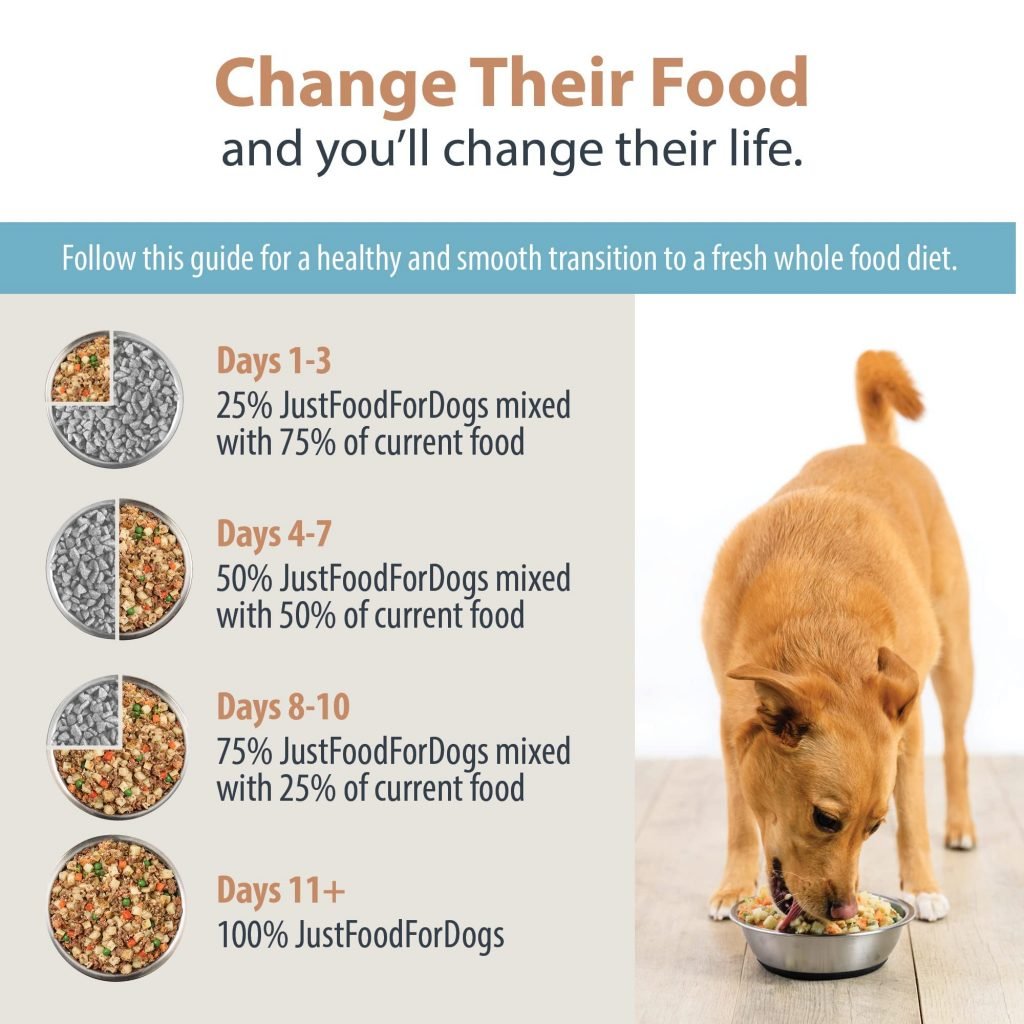
A clear schedule helps prevent stomach upset when changing dog food. The key idea is to replace only a small portion at a time, while watching stool, appetite, and behavior.
In most cases, owners follow a gradual mixing plan where the old and new foods are combined in the same bowl. If any soft stool or vomiting appears, the schedule should be slowed or paused. Sensitive dogs, puppies, and seniors often need a longer schedule than dogs with sturdy digestion.
The classic 7–10 day transition plan
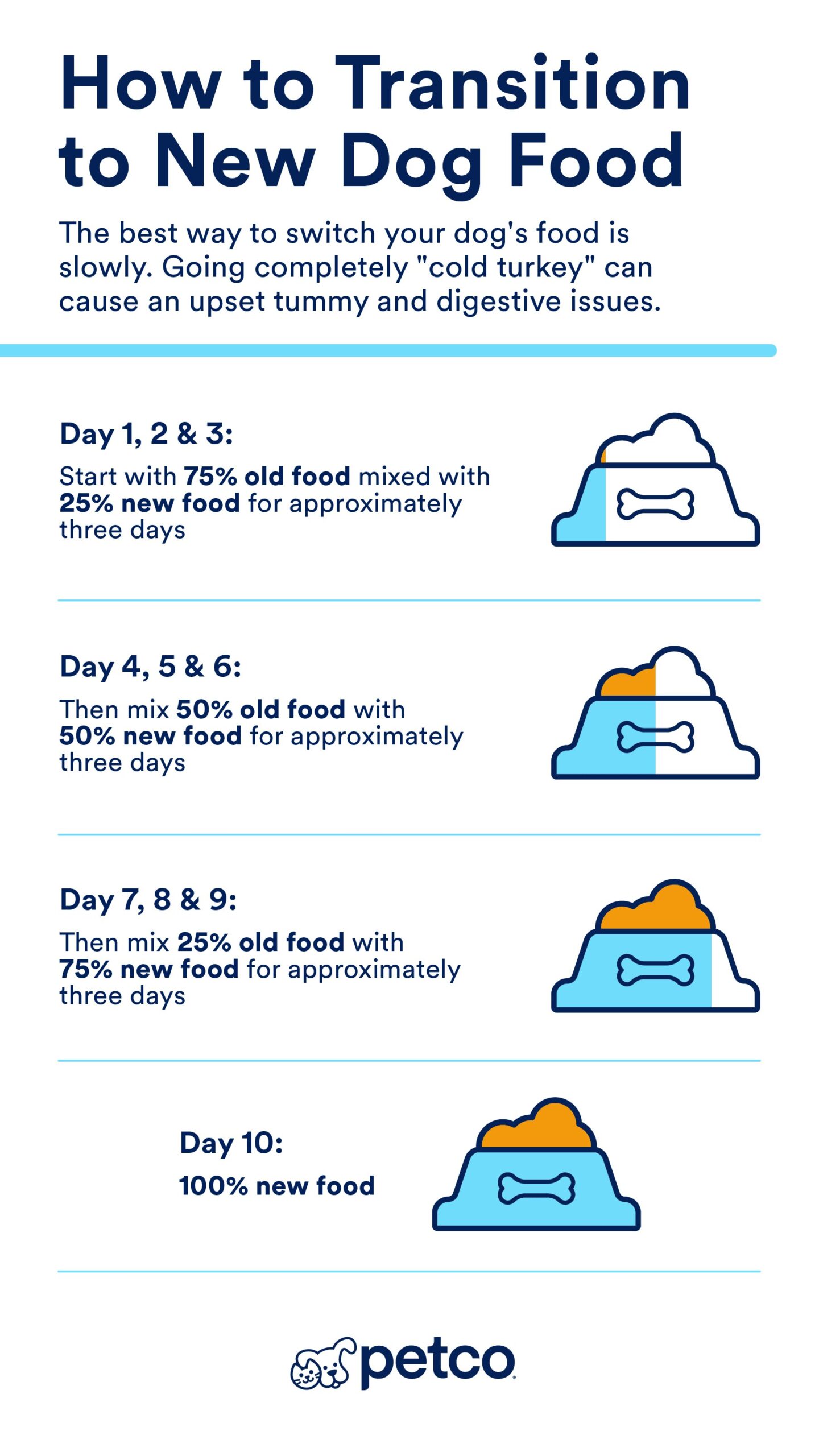
The classic plan changes food gradually over 7–10 days so the gut can adapt. Owners start with a small amount of the new food mixed into the old and slowly increase the ratio. For most healthy adult dogs, 7 days are enough; for smaller or more sensitive dogs, up to 10 days is safer. A calm, consistent schedule greatly lowers the risk of diarrhea, gas, and vomiting during the change.
Day‑by‑day mixing guide
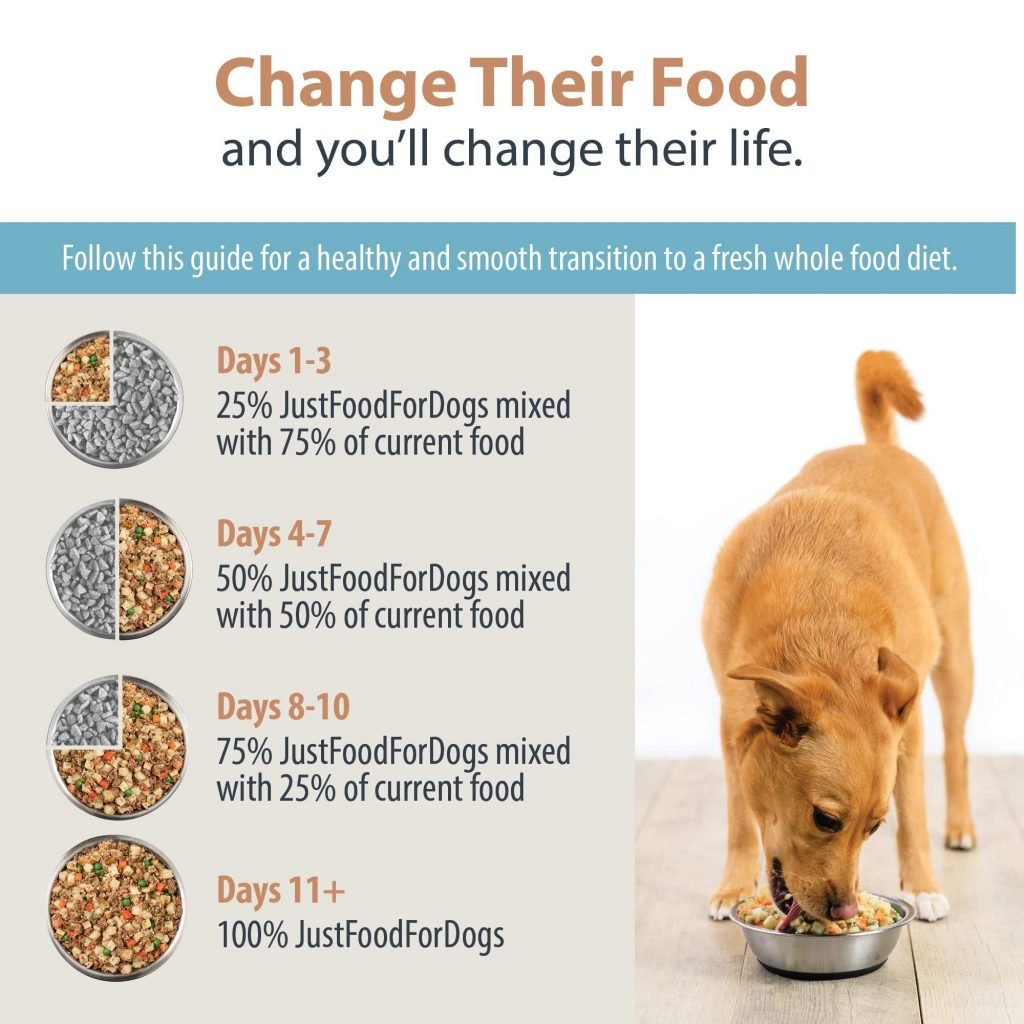
A concrete schedule helps avoid guesswork. The ratios below refer to old food : new food by volume.
| Day | Old Food | New Food | Point |
|---|---|---|---|
| 1–2 | 75% | 25% | Check stool and appetite |
| 3–4 | 50% | 50% | Many dogs stay here a bit longer |
| 5–6 | 25% | 75% | Continue only if digestion is normal |
| 7+ | 0% | 100% | Fully on new food |
If any loose stool, vomiting, or refusal to eat appears, return to the previous ratio for several days before increasing again.
Slower transition for sensitive stomachs
For dogs with sensitive stomachs, a slower transition of 2–4 weeks is often safer than the usual 7–10 days. Start with 90% old food / 10% new food for several days, then increase the new food by only 5–10% at a time. Stay at each step until stools are normal and your dog is comfortable. If loose stool or gas appears, go back to the previous ratio and wait a few more days before trying to increase again.
How to measure and mix old and new food
By measuring the amount accurately and gradually changing the ratio, you can greatly reduce the burden on your dog’s digestive system. As a general guideline, it is important to keep the “amount” consistent using a kitchen scale or measuring cup, rather than relying on “volume” alone.
The basic idea is to decide your dog’s daily feeding amount in advance, then adjust the ratio of the old food and new food within that total amount.
Example: If feeding 100 g per day
| Period | Old Food | New Food |
|---|---|---|
| Days 1–3 | 75 g | 25 g |
| Days 4–6 | 50 g | 50 g |
| Days 7–9 | 25 g | 75 g |
| Day 10 and after | 0 g | 100 g |
If your dog eats twice a day, divide the amounts in the table by two and serve them in the morning and evening. Avoiding sudden increases or decreases in the total amount is an important point for preventing stomach pain and diarrhea.
Can You Ever Switch Dog Food Quickly?
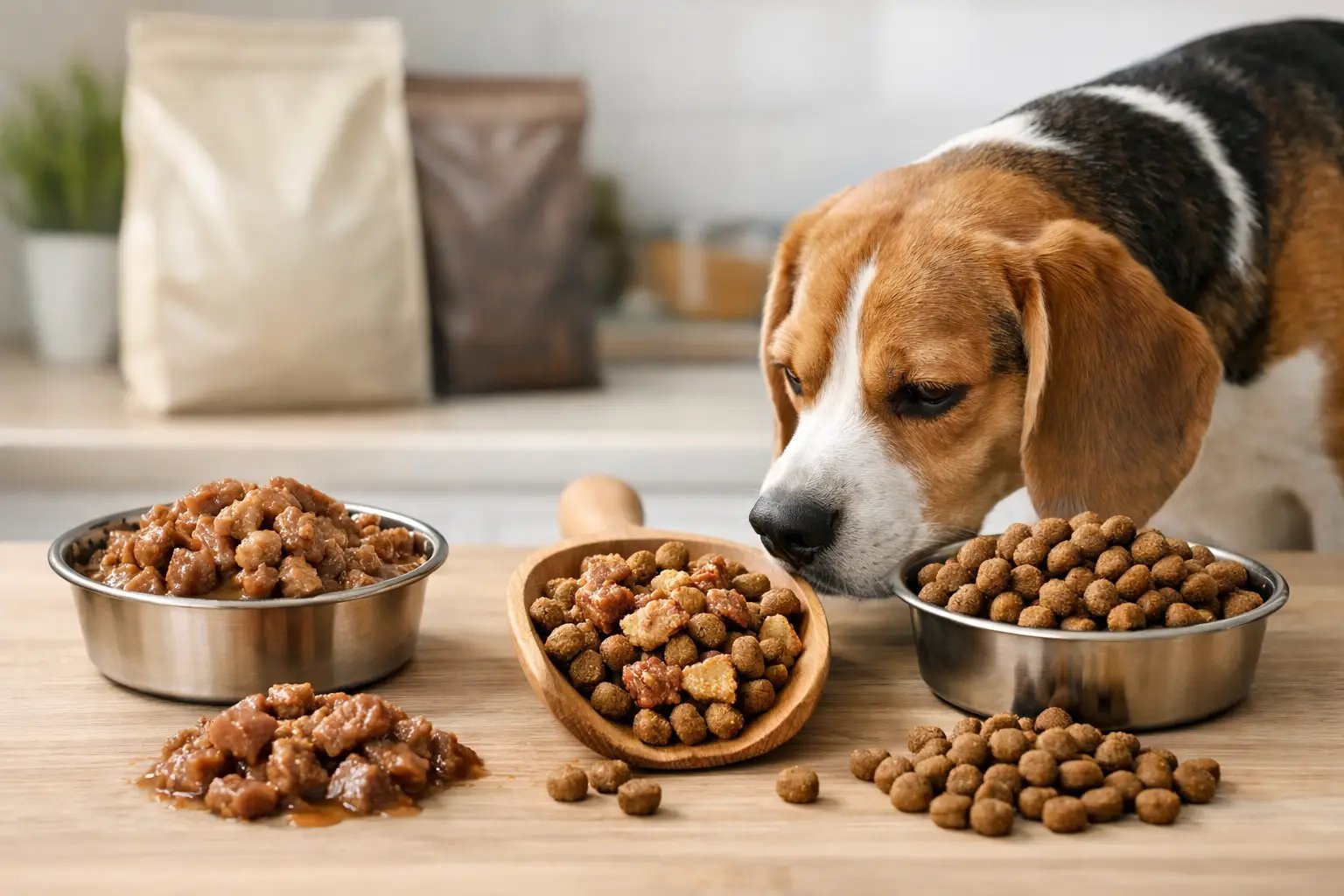
Many owners worry whether a slow transition is always required. In general, a gradual change is safest, especially for small breeds, seniors, and dogs with a history of digestive trouble. However, a rapid switch can be done in limited situations, such as sudden recalls or vet‑directed diet changes. Even when a fast switch is unavoidable, careful management and close monitoring are essential to avoid an upset stomach.
When a fast switch is necessary
A rapid food change may be unavoidable in some situations. Emergency medical diets prescribed by a veterinarian (for pancreatitis, kidney disease, severe allergies, or diarrhea) often require an immediate switch. Sudden food refusal, a product recall, or strong suspicion of food contamination also justify a quick change. In such cases, protecting health and safety takes priority over a slow transition, but careful monitoring is still essential.
How to reduce risk during a quick change
A quick food change always carries some risk, but a few careful steps can reduce digestive upset.
- Keep portions small for the first 1–2 days, even if the dog seems hungry.
- Feed the new food in 3–4 smaller meals, not one or two large ones.
- Offer plenty of fresh water, but avoid sudden large drinks after eating.
- Do not introduce new treats or table scraps at the same time.
- Choose a bland, highly digestible formula if available (e.g., sensitive‑stomach, limited‑ingredient).
- Monitor stool, energy, and appetite closely and contact a veterinarian if symptoms worsen.
Signs You Changed Foods Too Fast
A dog’s body often shows clear signals when food is changed too quickly. Sudden diarrhea, vomiting, gas, or refusal to eat can indicate that the transition speed is too fast. Soft or frequent stools, visible abdominal discomfort, or urgent need to go outside after meals are also warning signs. When such changes appear soon after starting a new food, slowing the transition or returning temporarily to the previous diet is usually recommended.
Digestive symptoms to watch for
It is important to notice signs of digestive trouble early. Common signs include diarrhea, loose stools, an increased frequency of bowel movements, or, conversely, constipation. Other signs to watch for include vomiting, excessive gas or strong-smelling flatulence, stomach rumbling, and a sudden worsening of bad breath. If several stomach-related symptoms appear within a short period of time, you may need to reconsider the speed of the food transition.
Behavior and appetite changes
Changes in behavior often appear before clear digestive problems. A dog may become more restless, needy, or withdrawn when the stomach feels uncomfortable. Some dogs pace, lick lips, or seem unable to settle after meals. Appetite changes are also important: eating more slowly, leaving food, or refusing meals can indicate that the new food or transition speed is not suitable. Sudden guarding of food or unusual excitement can also signal discomfort or stress around feeding.
When to pause or slow the transition
Transition should be paused or slowed when mild symptoms appear or persist. If soft stool, mild gas, or slight appetite loss lasts more than 2–3 days, increase the ratio of old food again or stay at the current mix longer. Any clear pattern of stomach upset after increasing the new food means the dog’s gut needs more time. Sensitive dogs may require very small, gradual increases over several weeks.
Red‑flag symptoms needing a vet visit
Some symptoms suggest more than a mild food‑transition issue and require prompt veterinary care. Blood in vomit or stool, black tar‑like stool, repeated vomiting, or very watery diarrhea lasting more than 24 hours are urgent signs. Also seek help for extreme lethargy, collapse, pale gums, a swollen or painful belly, fever, or refusal to eat or drink. In puppies, seniors, or very small dogs, any rapid dehydration or ongoing diarrhea is an emergency.
Helping Your Dog’s Gut During the Switch
During a food change, supporting gut health helps prevent diarrhea and discomfort. The key is to reduce digestive stress while the intestinal bacteria adjust. Owners should keep portions appropriate, avoid sudden extra treats, and maintain a calm eating environment. Gentle support such as steady hydration, consistent meal timing, and, when advised by a veterinarian, probiotics can make the transition smoother and safer for many dogs.
Hydration and feeding routine tips
Adequate hydration is very helpful in preventing digestive trouble when switching foods. Always maintain an environment where your dog can drink fresh water, and after exercise or walks, washing the water bowl before refilling it is more hygienic. Since drinking too much too quickly can cause regurgitation, it is safer to give small amounts frequently to dogs that tend to gulp water.
For meals, it is best to build a habit of feeding your dog quietly at the same time and in the same place each day. Sudden changes in feeding time or increases and decreases in food amount can easily disrupt the rhythm of digestion. During the transition, it is important to keep the total daily amount consistent, including reward treats.
Using probiotics and digestive aids
Probiotics and other digestive aids can support the gut while new food is introduced. Probiotics provide beneficial bacteria that help balance the intestinal environment and may reduce loose stools or gas. Digestive enzymes assist in breaking down nutrients, which can be helpful when formulas change.
When choosing a supplement, select products made specifically for dogs and follow label directions or veterinary advice. Sudden high doses can also cause diarrhea, so starting with a small amount is safer. If vomiting, blood in stool, or strong discomfort appears, stop the supplement and consult a veterinarian.
Treats and table scraps during transition
During the food transition period, it is important to avoid treats and human food as much as possible. When multiple new ingredients are introduced at the same time, it becomes difficult to identify the cause if your dog develops an upset stomach.
If you must give them something, be mindful of the following points:
- Keep the amount very small
- Limit it to only one type
- Avoid oily foods, spices, dairy products, and fatty meats
Stopping “just one bite” from the table, even only during the transition period, can greatly reduce the burden on your dog’s digestive system.
Rotating Dog Foods Safely
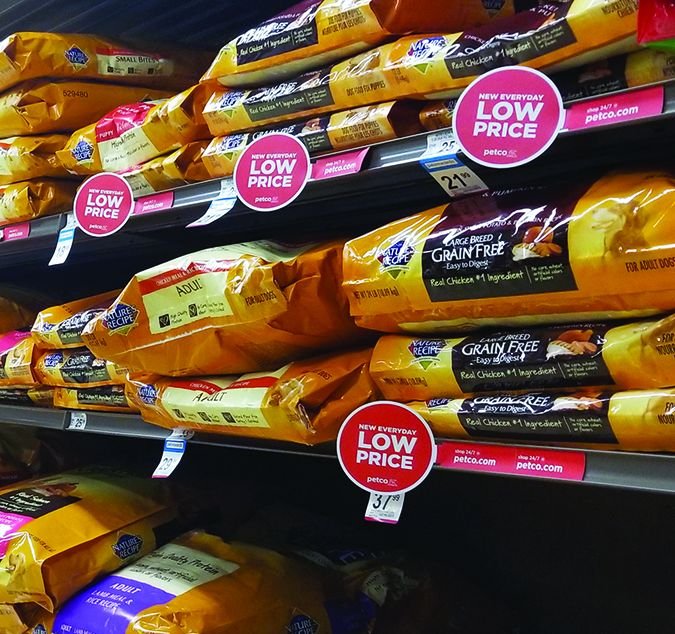
Rotational feeding means intentionally changing between a few safe dog foods on a regular basis. When done correctly, it can keep mealtimes interesting and may support a more flexible, resilient gut, but sudden or random changes easily cause diarrhea or vomiting. To rotate safely, owners need clear rules and a gentle schedule, very similar to a normal food transition.
What rotational feeding is
Rotational feeding means intentionally offering two or more dog foods on a planned schedule instead of using only one formula for years. Guardians might rotate between different protein sources (chicken, fish, lamb), textures (kibble, wet, fresh), or brands. The key point is that foods are compatible and changes are made gradually, so the dog’s digestion can adapt while still enjoying variety and broader nutrient exposure.
Benefits and who it’s right for
Rotational feeding can offer variety without sacrificing balance when used correctly. Benefits may include broader nutrient exposure, reduced boredom with food, and potentially less risk of developing sensitivities to a single protein. Some dogs also show improved stool quality and coat condition when several well‑matched formulas are rotated.
It is generally suitable for healthy adult dogs with stable digestion. It may also work for active dogs that enjoy strong appetites. However, rotational feeding is usually not ideal for dogs with chronic digestive disease, severe allergies, or very young puppies, where consistency is often safer. Always confirm suitability with a veterinarian before starting a rotation plan.
How to rotate without stomach upsets
Rather than switching suddenly, the key is to change the blend little by little each time. For example, prepare several types of food from the same brand and with the same protein source, then transition as follows:
- Weeks 1–2: 80% current food + 20% new food
- Weeks 3–4: 50% current food + 50% new food
- Week 5 and after: 20% current food + 80% new food, etc.
By always leaving a bit of the “familiar flavor” while changing the blend, it becomes easier to reduce stress on the digestive system. If the manufacturer, kibble size, or main ingredient differs greatly, it is safer to extend the transition period even further.
Choosing the Right New Food Long Term
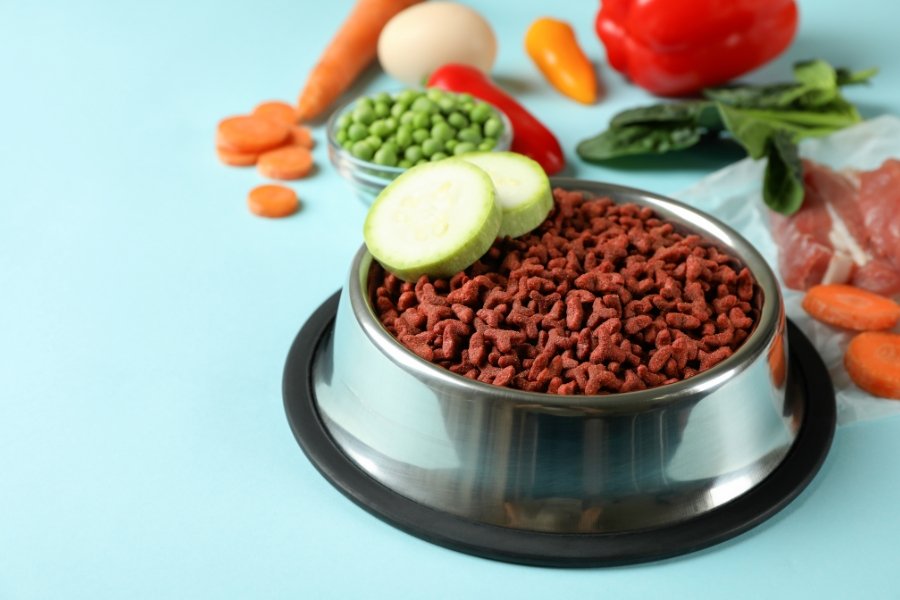
Choosing a long‑term food means looking beyond the transition period and focusing on overall health, convenience, and consistency. A good choice should meet AAFCO standards, match your dog’s age and size, suit activity level, and be easy to buy regularly. Consider ingredient quality, clear labeling, and brand reliability, but also your budget and storage space. A “right” food is one your dog digests well, enjoys, and can eat consistently without frequent emergency changes.
Reading labels and ingredient lists
Food labels can feel complex, but a few points help owners judge quality. Check that meat or fish is the first ingredient, not vague terms like “meat meal” without a source. Avoid foods where sugars or unnamed by‑products appear high on the list.
Key label checks include:
- AAFCO statement: confirms the diet is complete and balanced.
- Feeding guidelines: adjust based on body condition.
- Guaranteed analysis: compare protein, fat, and fiber levels.
- Ingredient order: listed from highest to lowest amount.
If many ingredients are unfamiliar, owners may consult a veterinarian or veterinary nutritionist for clarification.
Matching food to your dog’s life stage
Dogs have different nutritional needs at each life stage, so choosing a formula labeled for the correct stage is essential. AAFCO statements such as “growth” (puppy), “all life stages,” “adult maintenance,” or “senior” guide selection.
- Puppies and pregnant/nursing dogs: higher calories, protein, DHA for brain and eye development.
- Adults: balanced energy to maintain ideal weight and support activity.
- Seniors: often fewer calories, adjusted protein, joint and heart support.
For large‑breed puppies, a large‑breed–specific growth formula helps reduce the risk of joint problems.
Budget, availability, and brand trust
Cost, availability, and brand reliability are also important when selecting long‑term dog food. A slightly cheaper food may be a good choice only if nutritional quality and safety standards remain high. Check whether the brand has recall history, clear contact information, and transparent ingredient sourcing. Choose a product that is easy to find locally or via stable online delivery so the same formula can be fed consistently, which helps prevent sudden, stomach‑upsetting changes.
Sample Transition Plans for Real Dogs
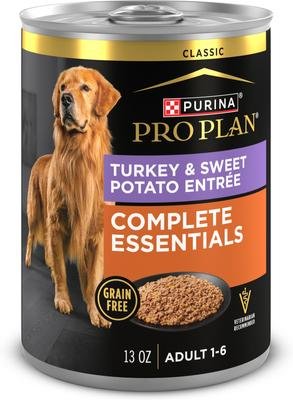
Sample transition plans help dog owners imagine how a schedule looks in real life. In the following examples, each plan adjusts speed and ratio based on stomach sensitivity and life stage. Owners can compare their dog’s age, health, and past tummy issues to decide which pattern seems closest, then discuss details with a veterinarian. Thinking in concrete “day‑by‑day mixes” often makes switching food feel safer and easier to manage at home.
Example: adult dog with a sturdy stomach
For an adult dog with a sturdy stomach, a 7–10 day transition usually works well. Start with about 75% old food and 25% new food for 2–3 days, then move to 50:50 for 2–3 days, and 25% old / 75% new for another 2–3 days. If stools stay normal and appetite is good, finish with 100% new food. Keep meal times and total daily calories consistent, and change only one thing at a time (food, not treats or schedule) so the body can adapt smoothly.
Example: dog with a sensitive stomach
A dog with a sensitive stomach often needs a slower and gentler change. As a guideline, extend the transition to 14 days or more.
| Period | Old food | New food |
|---|---|---|
| Days 1–4 | 90% | 10% |
| Days 5–8 | 75% | 25% |
| Days 9–12 | 60% | 40% |
| Days 13–16 | 50% | 50% |
If stool softens or gas increases, stay at the current ratio for several days instead of increasing. Keep treats minimal, feed on a strict schedule, and consider vet‑approved probiotics to support digestion during the change.
Example: puppy moving to adult food
Puppies usually change to adult food at around 12 months of age as a general guideline, although large-breed dogs may stay on puppy food until 18 to 24 months. First, it is important to consult your veterinarian about when to start the transition and which brand to choose.
Make the switch gradually over 7 to 10 days, changing the ratio from puppy food to adult food in stages: 75:25 → 50:50 → 25:75 → 0:100. Sudden changes can cause loose stools or vomiting, so check your dog’s appetite, stool condition, and energy level every day. If you notice even slight discomfort, it is safer to return to the previous ratio and extend the transition period.
This article carefully explains everything from the reasons for changing your dog’s food to a specific transition schedule that protects the digestive system, symptom checks, and when to consult a veterinarian. It will help you understand how to choose food that suits your dog and how to rotate foods safely.








![[Additive-free is popular] 5 recommended Japanese dog foods!](https://with-my-dog.com/wp-content/uploads/2022/07/image4-7-150x150.png)









![[Bone fracture in dogs] Sometimes they don't show any pain? Explaining symptoms and treatment](https://with-my-dog.com/wp-content/uploads/2021/10/犬 アレルギー 薬 3枚目-300x200.webp)