
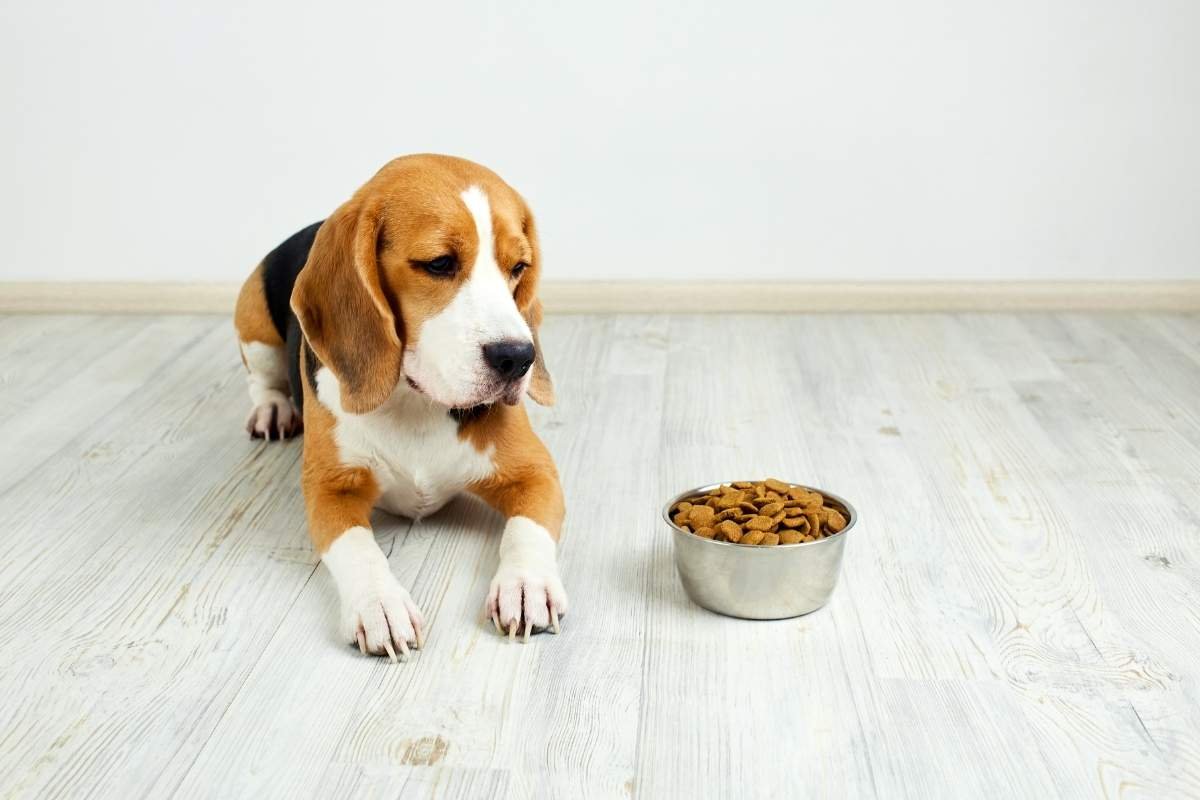
It's natural to worry if your dog refuses to eat after spaying or neutering surgery. It can be difficult to determine whether it's due to the effects of anesthesia or a sign of illness. This article provides a clear, third-party perspective on seven main reasons why dogs might not eat after spaying or neutering, along with home remedies and when to take your dog to the vet. Our goal is to help owners struggling with post-operative loss of appetite to calmly choose the right care.
Is It Normal if My Dog Won’t Eat After Spay?
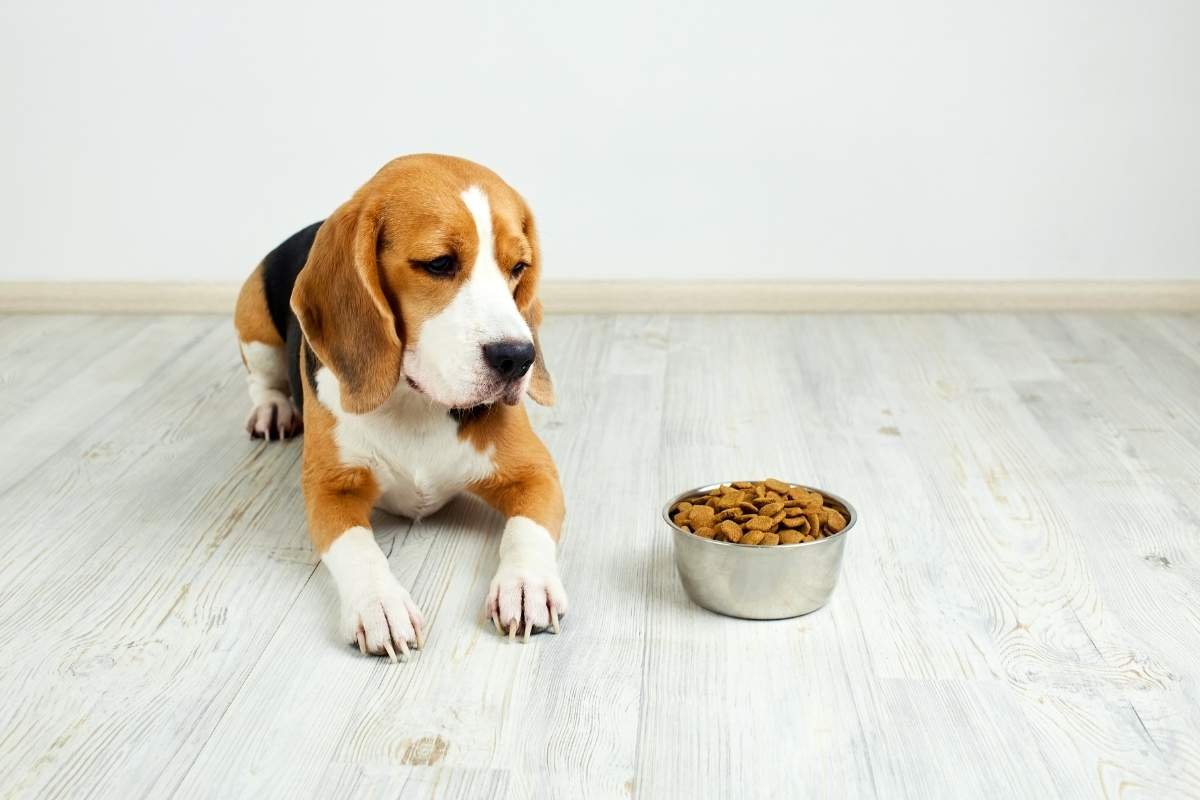
Many dogs eat less or skip a meal after a spay surgery, so a short-term drop in appetite is usually normal and expected. Anesthesia, pain, nausea, and stress from the clinic visit can all make a dog reluctant to eat for a while.
In most healthy dogs, some interest in food returns within the first day. As long as a dog is drinking, able to rest, and not showing worrying symptoms such as vomiting, collapse, or severe pain, a mild decrease in appetite right after surgery is generally part of normal recovery.
Typical timeline for appetite to return
For most dogs, a mild drop in appetite for 12–24 hours after spay is considered normal. Many dogs only pick at food the evening of surgery and eat closer to normal by the next day. By 24–48 hours, most dogs show clear interest in meals again. If a dog is still eating very little or refusing food entirely after 48 hours, or not eating at all by 72 hours, a vet consultation is recommended, especially if there are other symptoms such as vomiting, diarrhea, or lethargy.
What a normal first 24–72 hours look like
For most dogs, the first 24–72 hours after spay are the “quiet and groggy” phase. A mildly reduced appetite is common, especially the first evening. Many clinics recommend only a small, bland meal a few hours after returning home, and some dogs skip that meal entirely.
A normal course looks like:
| Time after surgery | Eating and behavior usually seen |
|---|---|
| First evening | Sleepy, wobbly, may not want food or only nibble |
| 24 hours | More alert, accepts small, soft meals, drinks some water |
| 48–72 hours | Appetite steadily improving, comfortable on pain meds |
As long as a dog can keep water down, is gradually more alert, and pain seems controlled, mild pickiness in this window is usually part of normal recovery.
Main Reasons Dogs Don’t Eat After Spaying
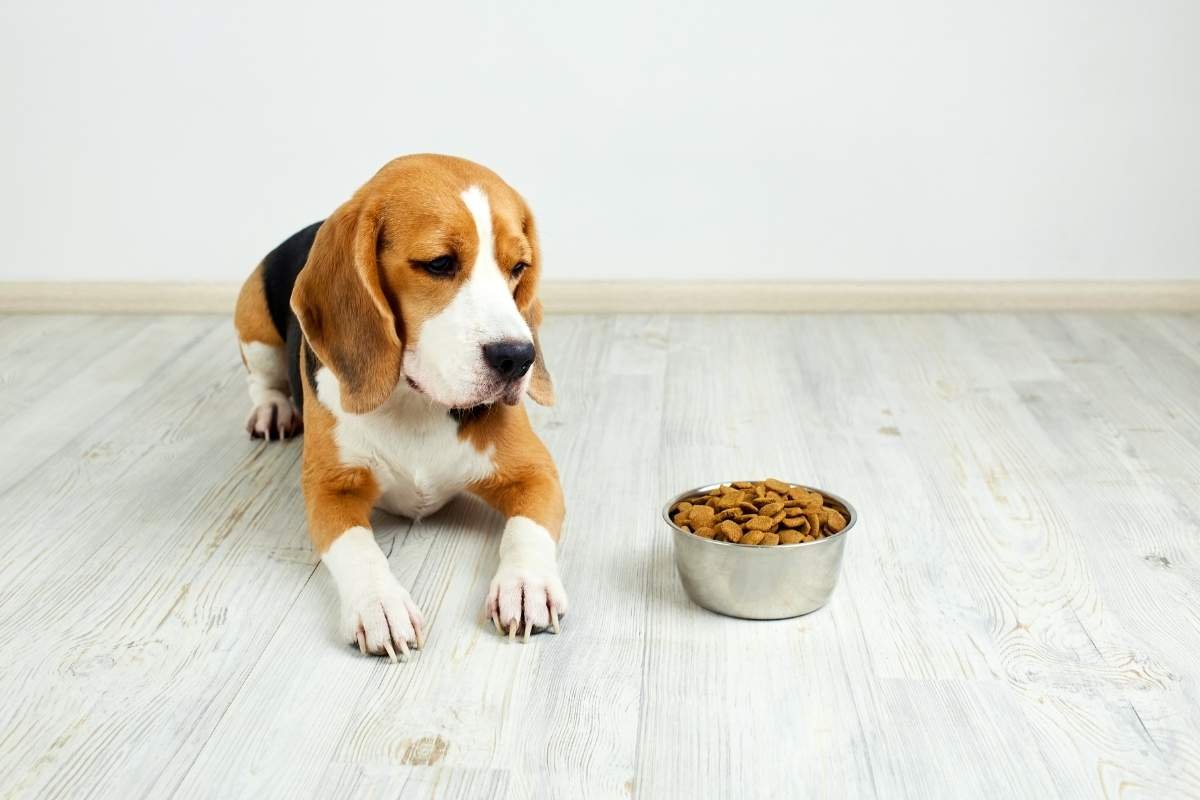
A dog’s appetite can drop after a spay operation for several overlapping reasons. The most common include anesthesia after‑effects, pain from the incision, and side effects from new medications, all of which can cause grogginess or nausea. Stress from the clinic visit, a sudden routine change, or staying overnight may also reduce interest in food. Some dogs experience mild stomach upset, constipation, or dehydration, which further lowers appetite. In rarer cases, surgery can uncover or worsen an underlying illness that also affects eating.
Anesthesia and grogginess
Anesthesia used during spay surgery commonly suppresses appetite. Dogs often feel sleepy, disoriented, and a bit queasy for several hours, sometimes up to 24 hours. Grogginess can make a dog too tired to eat or interested only in sniffing food.
Many veterinarians recommend offering just a small, light meal the first evening and not worrying if it is refused. As the anesthetic fully wears off and alertness returns, interest in food should gradually improve within a day. If a dog remains very out of it or refuses all food beyond 24 hours, consultation with a veterinarian is advised.
Pain or post‑surgery discomfort
Pain around the incision is one of the most common reasons for poor appetite after a spay. Even with pain medication, dogs may feel sore when lying down, getting up, or stretching to reach the bowl. A dog that hurts often chooses to rest instead of eating. Gentle movement, a comfortable bed, and vet‑approved pain control given on schedule usually improve appetite within a day or two. If a dog cries, pants, or refuses food despite medication, contact a veterinarian.
Medication side effects and nausea
Pain medicine, anti‑inflammatories, and antibiotics after spay surgery can all reduce appetite as a side effect. Nausea, dizziness, or a mildly upset stomach are common, especially in the first 24 hours.
If a dog seems queasy, licks lips, swallows repeatedly, or turns away from food, medication may be the cause. Never stop prescribed drugs on your own. Instead, call the veterinary clinic; the dose, schedule, or drug type can often be adjusted to ease nausea while still controlling pain and preventing infection.
Stress, fear, and being in a new routine
Stress alone can temporarily reduce appetite after spay surgery. Many dogs feel anxious from the clinic stay, car ride, new smells, and unfamiliar people, and may skip a meal once home. A sudden change in routine—different feeding times, a new room, an e‑collar, being crated more—also disrupts normal eating patterns.
To help, keep the environment quiet, offer meals at usual times, and avoid visitors or rough play. Staying nearby, speaking softly, and maintaining normal household routines often reassures the dog and supports a faster return of appetite.
Upset stomach or constipation
Anesthesia, fasting before surgery, pain meds, and stress can all irritate the digestive tract. Many dogs have mild nausea, gas, diarrhea, or constipation after a spay. A slightly smaller, softer stool or skipping one bowel movement is usually acceptable if your dog is bright and comfortable. However, straining, crying, a very hard belly, blood in stool, or vomiting are not normal and require prompt veterinary advice.
Dehydration and dry mouth
After surgery, some dogs drink less because they feel nauseous or too sleepy to get up. Less fluid intake can lead to mild dehydration and a very dry mouth, which then makes eating even less appealing. Sticky gums, thick saliva, and sunken-looking eyes are common signs. Encouraging small, frequent drinks, offering fresh water near the resting area, or using vet-approved electrolyte solutions helps keep the mouth moist and appetite safer until normal eating returns.
Underlying illness revealed by surgery
Sometimes a lack of appetite after spay uncovers a health problem that was already present, not caused by the surgery itself. Blood tests or the stress of anesthesia can reveal issues such as liver or kidney disease, anemia, infection, or hormonal problems. In such cases, poor appetite may continue longer than expected. If a veterinarian mentions abnormal test results, ongoing inappetence usually requires follow‑up tests and a tailored treatment plan rather than just waiting for recovery.
Health risks if dog not eating after spay
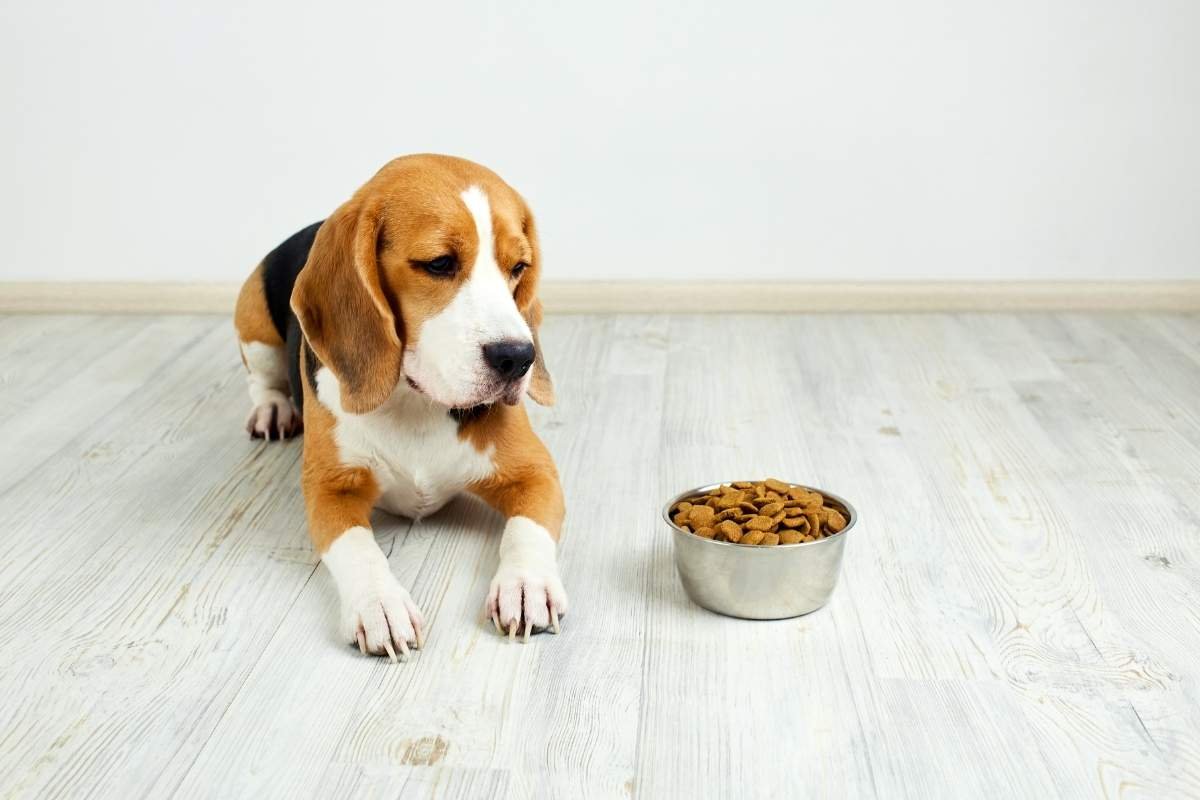
A poor appetite for a short time is usually harmless, but complete refusal to eat can become dangerous. After surgery, dogs need calories and protein to heal the incision and maintain immune function. If intake stays too low, recovery may slow, muscle may break down, and medications can irritate an empty stomach. In small or thin dogs, prolonged fasting also increases the risk of low blood sugar and weakness, so careful monitoring is important.
How long reduced appetite is still safe
A mild drop in appetite for 12–24 hours after spay is usually normal, and many dogs return to near‑normal eating within 24–72 hours. As long as the dog is drinking, can be tempted to eat a little, and shows no other warning signs, short‑term reduced intake is generally safe. However, completely refusing all food for more than 24 hours, or eating very little for over 48 hours, should be discussed with a veterinarian to rule out pain, infection, or other complications.
Small dogs, seniors, and special cases
Small dogs, toy breeds, seniors, and dogs with chronic disease (heart, kidney, diabetes, Cushing’s, etc.) are less tolerant of not eating after surgery. Their blood sugar can drop faster, and dehydration develops more easily. As a guide, no food for more than 12–18 hours in such dogs, or very poor intake for more than 24 hours, should be discussed with a veterinarian promptly. Puppies under 6 months require especially close monitoring.
Signs Your Dog Is Recovering Normally
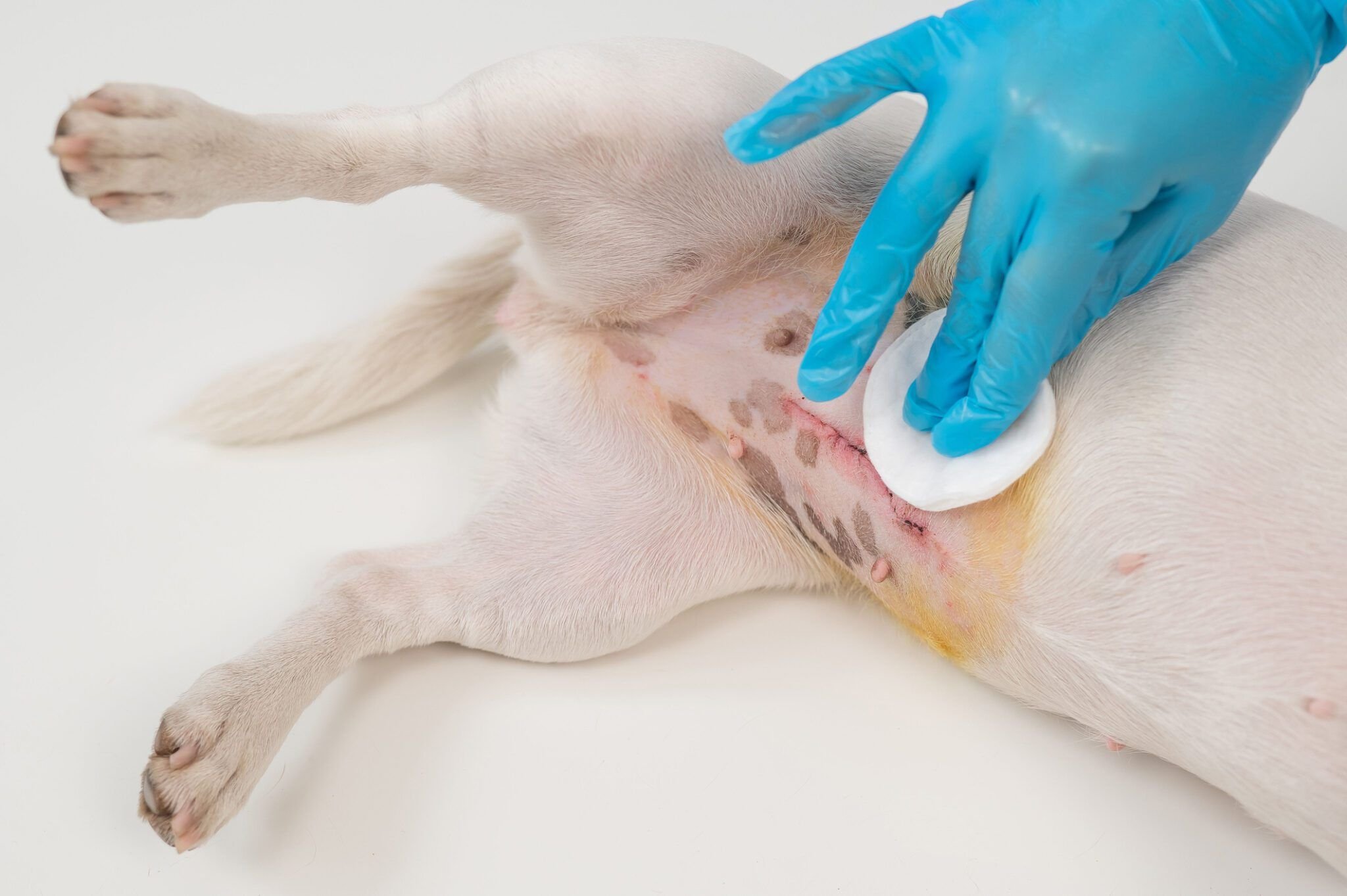
After spay surgery, many dogs show a mildly lower appetite but still behave in ways that indicate healthy recovery. A dog that is healing well will gradually become more alert, be willing to move short distances, and show at least some interest in food or treats within 24–48 hours. Pee and poop remain regular, even if slightly reduced at first. The incision stays clean, dry, and only mildly swollen or pink. Steady, small improvements from day to day are a key sign of normal recovery.
Energy level, mood, and bathroom habits
After a spay, a slightly quieter dog for 24–48 hours is common. A normal recovery includes short walks, interest in family members, and the ability to settle and sleep. Extreme lethargy, crying, or refusal to move can signal pain or complications.
Bathroom habits are also important. Mildly softer stools or skipping one meal’s poop can be normal, especially if eating less. However, straining, diarrhea, or no urination for over 12 hours are warning signs and should be discussed with a veterinarian.
What the incision should look like
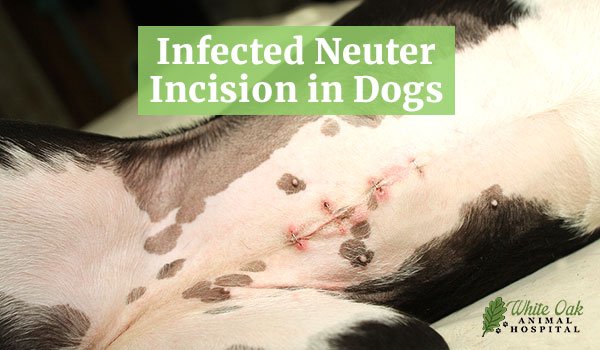
A normal spay incision is closed, dry, and quietly healing. The edges should be neatly together, slightly pink, and may have a thin scab or skin glue. Mild swelling or light bruising around the cut is common for a few days. There should be no gaping, no foul odor, and only a tiny amount of clear or slightly bloody fluid, if any. Your dog should not react with sharp pain when the skin around the area is gently viewed (without pressing).
Warning Signs You Should Not Ignore

After spay surgery, some changes are expected, but certain signs suggest more than a simple loss of appetite. Owners should watch for persistent refusal of both food and water, repeated vomiting, swollen or painful abdomen, marked lethargy, pale gums, labored breathing, or collapse. A sudden bad smell from the incision, spreading redness, or thick discharge are also danger signals. When any of these appear, prompt veterinary consultation is strongly recommended.
Red flags around appetite and drinking
Changes in appetite and fluid intake are often early signs of a worsening of health. Particular attention should be paid to a condition where the pet has eaten or drunk very little for 24 hours or more. It's advisable to consider seeking veterinary attention early in the following cases:
- Not eating at all for 24 hours or more
- Drinking very little water and significantly less urine
- Vomiting immediately after attempting to eat
- Not even touching their favorite foods
- Lack of energy and weak response to being called
Consultation is also recommended if the condition of ""eating/drinking a little, but in significantly reduced amounts"" persists for 48 hours or more. Informing your veterinarian early on can help prevent risks such as dehydration and hypoglycemia.
Incision changes that need a vet
It can often be difficult to determine whether an incision is ""just a little red"" or ""a condition that requires immediate veterinary attention."" If you notice any of the following changes, early veterinary attention is recommended.
- Redness intensifies and spreads
- Deep, throbbing pain and warmth even without touching
- Yellow, green, or foul-smelling pus is being discharged
- Skin is significantly swollen and taut
- The area around the sutures is hardened and raised
- The edges of the wound are opening, and bleeding continues
If in doubt, take a picture and consult a veterinary hospital.
Emergency symptoms after spay surgery
After a spay, certain symptoms mean a medical emergency, even if appetite loss is the main thing noticed. Contact an emergency vet immediately or go to an emergency clinic if any of the following appear:
- Repeated vomiting or attempts to vomit, or cannot keep water down
- Pale, white, or blue gums; collapse, extreme weakness, or disorientation
- Breathing that is very fast, noisy, or labored
- A hard, swollen belly, or obvious, rapidly growing abdominal swelling
- Large amounts of bright-red bleeding from the incision or abdomen
- Sudden severe pain: crying out, cannot settle, refuses to move
- High fever (over about 103–103.5°F / 39.5°C), or violent shivering
Waiting in these situations can be life‑threatening, so urgent examination is necessary even outside normal clinic hours.
Safe Ways to Encourage Eating After Spay
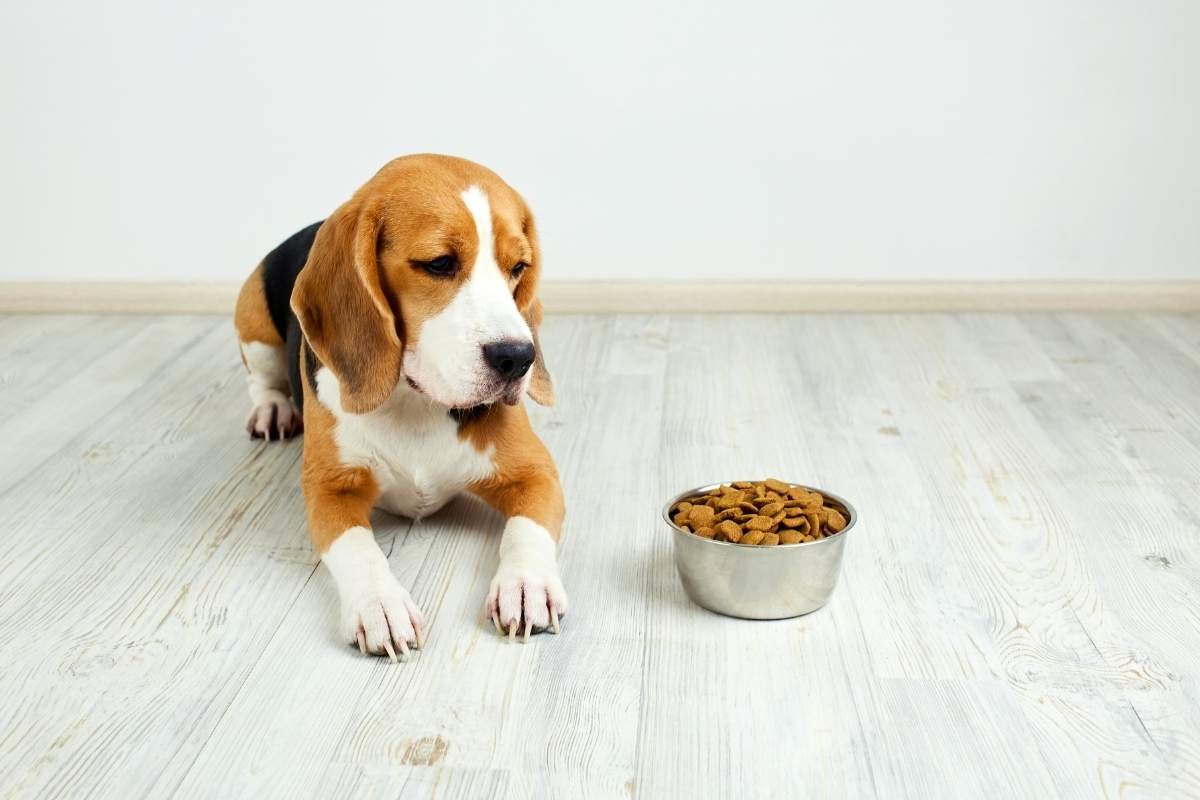
After spay surgery, many dogs need gentle encouragement to start eating again. The goal is to protect the incision, avoid stomach upset, and slowly wake up appetite, not to force a normal meal on day one. Helpful strategies include offering soft, bland food in small portions, warming or moistening meals to enhance smell, creating a calm feeding space, trying quiet hand‑feeding, and asking the veterinarian about adjusting pain relief if discomfort seems to suppress appetite.
Start with small, soft, bland meals
After spay surgery, the stomach is often sensitive, so gentle food is safest. Offer small portions of soft, bland meals such as boiled chicken and rice, plain canned dog food, or a vet‑recommended recovery diet. Feed every few hours instead of one large meal to avoid nausea. Make sure food is room temperature or slightly warmed, and remove leftovers after 15–20 minutes to keep the area clean and reduce odor.
Making food more tempting
Many dogs need extra encouragement to eat after surgery. Making the food smell stronger and easier to lick often helps. Slightly warming wet food or bland chicken-and-rice can boost aroma. A spoonful of low‑sodium broth, a bit of boiled chicken, or a vet‑approved topper can increase interest. Mixing a little water into food softens kibble and supports hydration, but rich, fatty, or heavily seasoned foods should be avoided to prevent stomach upset.
Hand‑feeding and calm mealtime setups
For some dogs, gentle hand‑feeding can be the key to restarting appetite after a spay. Owners can sit on the floor near the dog’s bed, speak softly, and offer tiny pieces of soft food from a clean hand or spoon. Short sessions are best so the dog does not feel pressured.
Creating a calm setup also helps. Choose a quiet room away from children and other pets, keep lights soft, and place the bowl near the resting area so the dog does not need to walk far. Remove the bowl after 10–15 minutes and offer food again later, which keeps mealtime relaxed rather than stressful.
Adjusting pain control with your vet
Adequate pain control often makes the biggest difference in appetite after a spay. If a dog seems very sore, whimpers when moving, pants at rest, or refuses to lie down comfortably, contact the veterinarian to review pain medication. Never change doses alone. The veterinarian may adjust timing, add a second pain reliever, or switch drugs if nausea appears. Owners should also ask what level of sleepiness or wobbliness is expected and when to worry about side effects.
Hydration Tips When Your Dog Won’t Eat
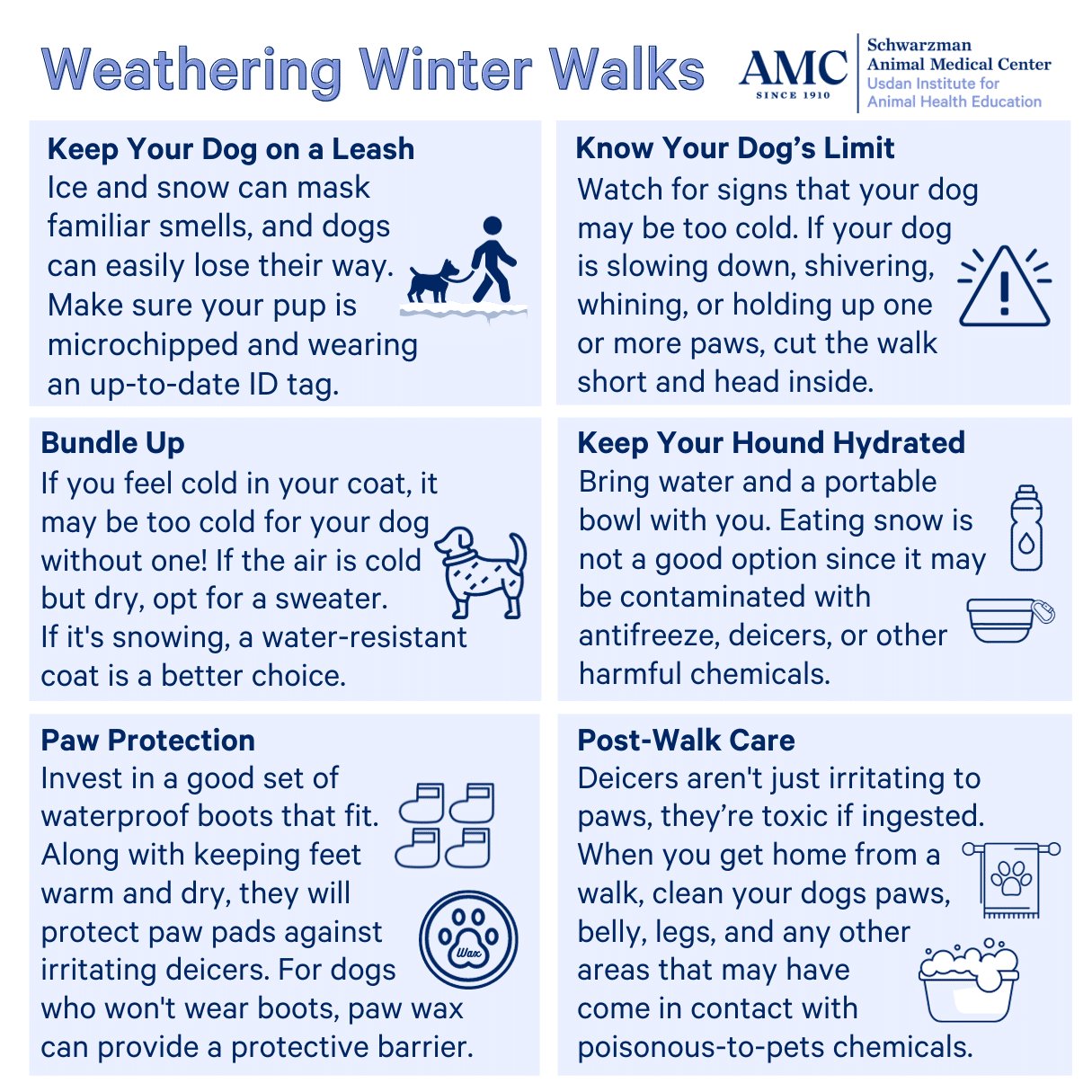
When a dog will not eat after a spay, maintaining hydration becomes the top priority. Slightly reduced drinking is common for a day, but complete refusal of water is not normal. Offer fresh, cool water in a shallow bowl and keep it nearby so the dog does not need to walk far. Some dogs prefer a ceramic or glass bowl to avoid strange smells.
If the dog is reluctant, pet owners can offer water-flavored options approved by a veterinarian, such as a small amount of low‑sodium dog‑safe broth. Encouraging small, frequent sips is safer than pushing large amounts at once, which can trigger nausea. If there is vomiting, very dry gums, or no urination for many hours, prompt veterinary advice is important.
How to check if your dog is dehydrated
Mild dehydration is common after surgery, so checking regularly is important. Key signs include sticky or dry gums, thick saliva, and sunken-looking eyes. Gently lift the skin over the shoulders; in a hydrated dog it snaps back quickly, but with dehydration it returns slowly. Also watch for very dark urine, small amounts of urine, lethargy, or fast breathing. If several signs appear together, or the dog is a puppy or senior, contact a veterinarian promptly.
Easy ways to get more fluids in
Small, frequent sips are easier than large drinks. Offer fresh water within reach at all times, and refresh it often so the smell is appealing. Many dogs drink more if water is slightly lukewarm. Low‑sodium chicken or bone broth (vet‑approved) can be added to water or fed alone. Ice chips or frozen broth cubes are helpful for dogs reluctant to drink, as licking is less effort than lapping.
What You Should Avoid Doing
After spay surgery, certain responses can delay healing or make appetite loss worse. Avoid forcing food or water into the mouth, as force-feeding can cause choking or food aversion. Do not ignore complete refusal to eat or drink for more than 24 hours. Avoid giving human painkillers, supplements, or home remedies without veterinary advice. Skipping the protective cone, letting the dog lick the incision, or allowing vigorous play can increase pain, infection risk, and further reduce interest in food.
Foods and treats that can make things worse
Some foods delay recovery or upset a sensitive post‑surgery stomach. Avoid fatty, spicy, or highly seasoned human foods such as bacon, sausage, fried chicken, curry, or leftovers with garlic and onions. Rich treats like cheese, creamy snacks, and many table scraps can quickly cause vomiting or diarrhea.
Hard, crunchy chews (bones, antlers, hooves) make dogs strain and twist, which may stress the incision area. New proteins or unfamiliar treats can trigger allergies or digestive upset, so recovery is not a good time to experiment with novel snacks or raw diets.
Risky home remedies and over‑the‑counter meds
Many caregivers try home tricks first, but some can quietly make recovery worse. Avoid giving human painkillers such as ibuprofen, acetaminophen, or aspirin; even a small amount can be toxic to dogs. Do not use leftover antibiotics or anti‑nausea drugs without a vet, and avoid herbal remedies or essential oils marketed for pets unless a professional has approved them. Overuse of antacids, probiotics, or diarrhea medicine can also hide serious problems. When in doubt, call a veterinarian before giving any medicine or supplement after surgery.
Activity mistakes that slow recovery
Excessive exercise and play can easily cause loss of appetite and wound problems. Jumping, going up and down stairs, and running around put a strain on the abdomen, which can increase pain and further reduce appetite. It is important to limit walks to very short periods on a leash and to create an environment where your dog cannot jump onto sofas or beds. It is best to focus on a "quiet and calm lifestyle" until recovery.
When to Call Your Vet About Not Eating
Loss of appetite is common for a short period, but there are clear points when a vet should be contacted. In general, call a vet if a dog refuses all food for more than 24 hours after coming home, or eats far less than usual for over 48 hours. Immediate advice is also recommended if lack of eating comes with vomiting, diarrhea, fever, marked lethargy, or signs of incision pain. Early consultation helps prevent dehydration and more serious complications.
Situations that can wait for a call
Mild appetite loss after spay is often safe to monitor at home first. Situations that usually can wait for a non‑urgent vet call include:
- Eating less than usual but still taking small amounts of food
- Skipping one meal in the first 24 hours after surgery
- Being a bit quiet or sleepy but still responsive
- Drinking some water and urinating normally
In such cases, contact the clinic during regular hours for advice, or mention the appetite change at the scheduled post‑op check.
When to seek urgent or emergency care
Loss of appetite can signal an emergency after spay surgery. Contact an emergency vet immediately in the following situations:
- No eating for 24 hours and no drinking for 12 hours
- Repeated vomiting or diarrhea, especially with blood
- Severe lethargy, collapse, trouble standing, or very pale gums
- Swollen, red, hot, or painful belly; hard, bloated abdomen
- Fast or labored breathing, whining, or clear signs of strong pain
In any doubt, treat it as urgent and call an emergency clinic for advice.
Helping Your Dog Heal Smoothly After Spay
After spay surgery, a smooth recovery depends on quiet rest, gentle care, and early response to warning signs. Owners should follow the vet’s instructions on pain medicine, activity limits, and cone use, and monitor appetite, drinking, urination, and the incision every day. Short, calm check‑ins, soft food, and a safe space reduce stress and help healing. When any doubt arises, contacting a veterinarian early prevents minor issues from becoming serious problems.
Comfort, rest, and a quiet recovery space
A calm environment helps appetite return more quickly. Prepare a small, quiet room away from children, loud TVs, and other pets. Offer a soft bed, dim lighting, and keep the temperature comfortable. Limit jumping, stairs, and rough play to protect the incision. Keep food and water bowls close to the resting area so the dog does not need to walk far. Gentle reassurance and a predictable routine reduce stress and support smooth healing.
Getting back to normal food and routines
Once appetite improves and the vet confirms normal recovery, regular food can usually return over 3–5 days. On day one, continue small, bland meals. From day two onward, slowly mix more of the dog’s usual diet into the bland food, increasing the normal food portion each day.
Normal walk and play routines should also resume slowly. Short, calm leash walks are safest until the vet allows full activity. A steady schedule for feeding, potty breaks, and sleep helps most dogs feel secure and regain appetite more easily.
This article provides a clear, chronological explanation of the main causes of dogs not eating after spaying/neutering surgery and safe ways to deal with them. It covers how to distinguish between normal recovery signs and dangerous symptoms, tips for hydration, behaviors to avoid, and cases where immediate veterinary attention is necessary, enabling owners to calmly monitor and support a smooth recovery.


![Popular names!? [Popular dog names ranking]](http://with-my-dog.com/wp-content/uploads/2022/07/image3-45-150x150.jpg)


![Want to see cute dog photos? A collection of popular sites [including free stock images]](http://with-my-dog.com/wp-content/uploads/2022/07/image4-11-300x200.jpg)