
Many dog owners wonder how long their dog should keep wearing an Elizabethan collar after neutering surgery. While they want to take it off, they worry that their dog might lick the wound and make it worse. This article explains, based on points commonly given by veterinarians, how long it's generally necessary to wear an Elizabethan collar after neutering, when it's safe to remove it, and what signs to watch out for. Please use this information as a reference to protect your dog's wound while minimizing their discomfort.
Why Dogs Need an E-Collar After Neuter

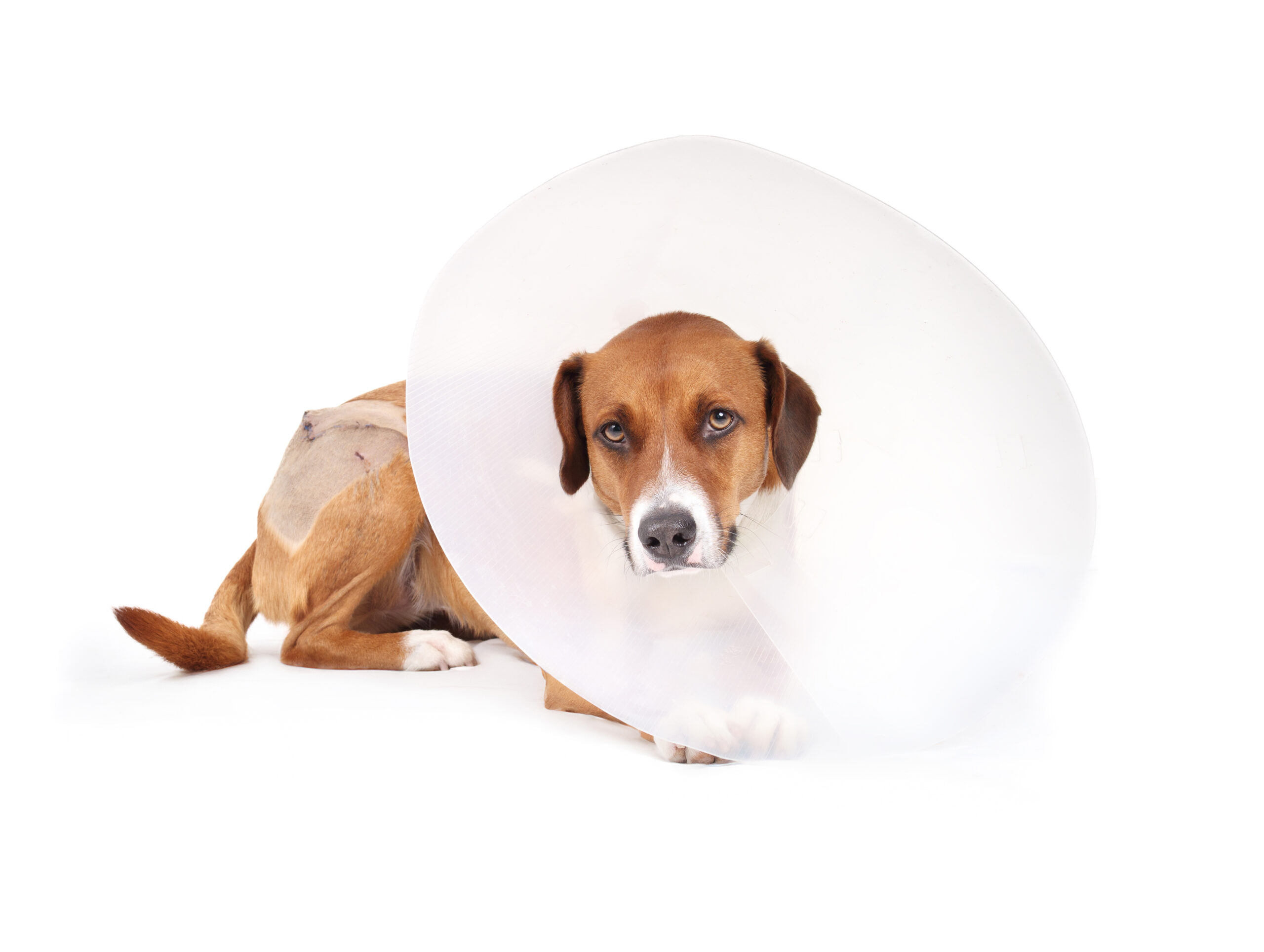
After neutering, a dog’s incision is small but very fragile. An e-collar prevents direct licking, biting, and scratching of the surgical area. Dogs instinctively groom painful or itchy spots, and saliva introduces bacteria that can cause infection. By blocking access to the wound, the cone helps the incision close properly, reduces the risk of complications, and supports faster, safer healing during the critical recovery period.
What neutering does to your dog’s body
Neutering is a surgery in which the testicles are removed under anesthesia. After surgery, the body must heal an internal tissue layer and an outer skin incision. The area has many blood vessels and nerves, so swelling and mild bruising are common. Hormone production from the testicles stops, so testosterone levels gradually fall over several weeks. While hormones change slowly, the surgical wound is fragile for about 10–14 days, which is why careful protection with an e-collar is essential.
How licking and chewing slow healing
Licking and chewing introduce bacteria from the mouth directly into the incision, greatly increasing the risk of infection. Constant moisture from saliva also softens the skin and stitches, so the wound edges do not seal firmly. As a result, healing is delayed, swelling and redness worsen, and stitches may loosen or fall out. Strong chewing can even tear the incision open, requiring additional treatment or repeat surgery.
How Long Should a Dog Keep the Cone On?
Many owners wonder, “Health dog e-collar after neuter how long is really necessary?” In general, a dog should keep the cone on for the entire period the incision is vulnerable to licking and stretching. For most dogs, this means until the skin is fully sealed and the stitches or staples are no longer a risk, not just until the dog “seems better.”
Neutered dogs often feel normal within a couple of days, so owners may be tempted to remove the cone early. However, the inside layers and the skin surface need more time to heal. A safe guideline is to expect continuous cone use, day and night, except for short, supervised breaks approved by a veterinarian. Exact time frames depend on age, size, and wound condition, which will be explained in the following sections.
Typical time frames by age and size
Age and body size affect how long a dog should wear an e-collar. In general, smaller or younger dogs heal a bit faster, but active personalities often need longer cone use to prevent licking.
| Dog type | Usual cone time* |
|---|---|
| Small adult (under 10 kg) | 7–10 days |
| Medium adult (10–25 kg) | 10–12 days |
| Large/giant adult (25+ kg) | 10–14 days |
| Very young puppies (under 6 months) | 7–10 days |
Always follow the individual plan given by the veterinarian; the incision’s condition matters more than the calendar*.
Minimum days most vets recommend
Many veterinarians recommend an e-collar for at least 10–14 days after neutering. This period usually covers full skin healing and the time when dogs feel the itchiest and most likely to lick. Some small, calm dogs may be safe toward the shorter end, but energetic or young dogs often need closer to the full 14 days to protect the incision properly.
When extra time with the cone is needed
Extended cone use is needed whenever healing is slower or the dog cannot stop bothering the incision. Extra time is often required if the dog is very active, young and energetic, anxious, or left alone for long periods. Licking, redness, or mild swelling near the wound almost always mean the collar should stay on longer. Dogs with health problems that delay healing, such as allergies or endocrine disease, may also need prolonged e-collar use, guided by a veterinarian’s check.
Signs It’s Safe to Remove the E-Collar
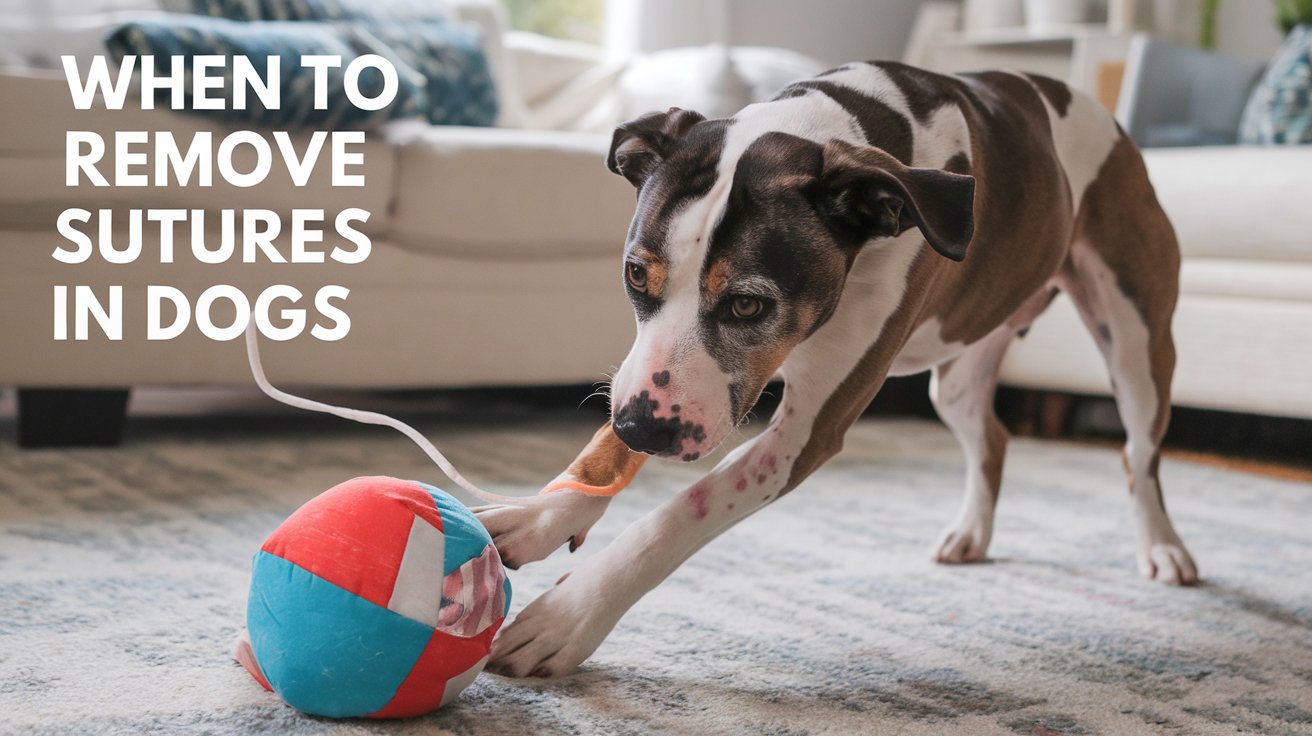
Removing the e-collar is safer when both the incision and the dog’s behavior indicate good recovery. Owners should first confirm that the wound looks calm and that the dog is no longer obsessed with licking or chewing. After that, a short supervised cone-free trial can help decide whether it is truly safe. The following sections explain the specific healing signs and how to test cone removal without risking the incision.
Normal healing signs at the incision
A normally healing neuter incision looks dry, clean, and closed. Mild redness and slight swelling during the first 2–3 days are common, then gradually fade. A thin, flat scab or a faint pink line is typical. A small amount of clear or slightly blood-tinged fluid on the first day can be normal, but it should decrease quickly and not have odor. The skin around the sutures should stay intact, without gaps or bulging, and your dog should show only mild, improving tenderness when the area is gently checked.
Red flags that mean keep the cone on
Red or puffy skin can be normal early on, but worsening redness, heat, or swelling around the incision means the cone should stay on. Other warning signs include:
- Persistent or increasing licking attempts when the cone is off
- Bleeding, oozing pus, or bad odor from the wound
- Skin that looks very moist, raw, or chewed
- Stitches that look loose, missing, or pulled apart
If any of these appear, keep the e-collar on at all times and contact a veterinarian promptly.
How to do a safe cone-free trial
A cone‑free trial should be short, supervised, and planned. Begin after the wound looks dry and closed, and only if the dog ignores the area even with the cone on.
- Choose a calm time (no play, no visitors).
- Remove the cone for 5–10 minutes.
- Watch closely: if the dog even starts to sniff, lick, or curl to reach the incision, put the cone back on immediately.
- If the dog stays relaxed and ignores the area, repeat short trials over a day or two before stopping the cone entirely.
What Happens If You Take It Off Too Soon
Removing the e-collar too early often leads to licking or chewing that damages the incision within minutes. Saliva introduces bacteria, which can cause redness, swelling, and painful infection. A dog may also catch the stitches and make the wound reopen, creating bleeding and the need for extra treatment. In many cases, taking the cone off too soon results in more vet visits, more discomfort, and a longer overall recovery instead of a quicker, easier healing period.
Risks of licking, chewing, and infection
Licking and chewing expose the incision to mouth bacteria, which greatly increases the risk of infection. Saliva keeps the area warm and moist, an ideal environment for germs to multiply. As a result, redness, swelling, pain, and discharge are more likely to appear.
Repeated chewing can pull at the sutures, causing the wound edges to separate and bleed. Even "gentle" licking slows healing by irritating new tissue. In severe cases, infection can spread under the skin, create abscesses, or lead to fever and lethargy, requiring urgent veterinary care.
When the wound may reopen or need surgery
A neuter incision can reopen if the inner stitches are stressed before they fully heal. Risk is highest within the first 10–14 days, when dogs jump, run, or lick and chew at the area. Gaps, fresh bleeding, or visible tissue suggest the wound may have opened. In mild cases, rest and stricter cone use may be enough. If the incision splits widely, bleeds heavily, or exposes deep tissue, emergency surgery is often required to clean and reclose the wound safely.
Helping Your Dog Adjust to the Cone
A cone can feel strange and frustrating for many dogs, so gentle support is important. At first, many dogs may freeze, bump into furniture, or paw at the collar. Owners can help by keeping the environment calm and predictable, offering extra affection, and rewarding relaxed behavior with treats or praise. Short, supervised periods of quiet activity, such as puzzle toys or gentle cuddling, help dogs learn the cone is harmless. Consistency is key, so the cone should stay on as directed rather than being removed whenever the dog protests.
Introducing the e-collar calmly
A calm introduction helps many dogs accept the e-collar more easily. Ideally, the collar is shown before surgery and linked with praise and small treats. Let the dog sniff it, then gently touch the neck with the collar, rewarding quiet behavior. When fastening, keep a relaxed voice and avoid rushing. After putting the collar on, offer a favorite toy or food to create a positive first impression. Short practice sessions before surgery reduce stress during real recovery.
Feeding, drinking, and sleeping with a cone
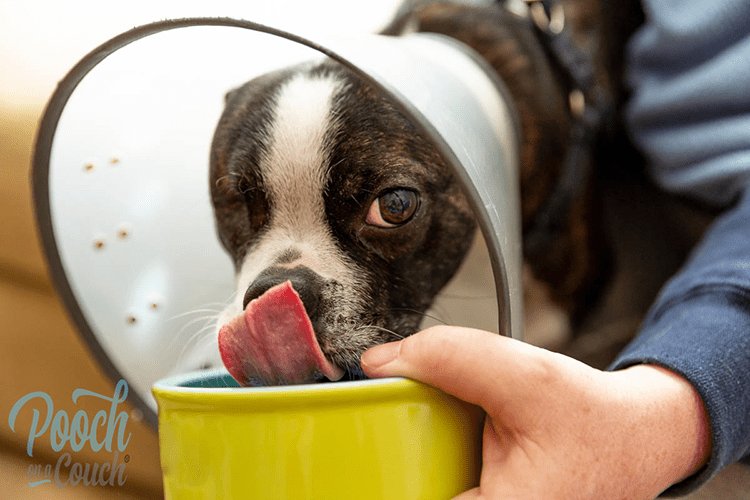
Eating and drinking can feel awkward with a cone, but most dogs adapt within a day or two. Raise bowls a little or use a shallow, wide dish so the collar edge does not bump the bowl. If needed, temporarily hand-feed part of meals to encourage appetite.
Keep the e-collar on while your dog eats and drinks unless a vet advises otherwise. Supervise closely so the cone does not get stuck or tip the bowl. For sleep, provide a larger, well-cushioned bed with plenty of space. Many dogs prefer to sleep on their side or slightly propped on a pillow.
If the cone keeps catching on crate doors, open the space, remove tight pillows, and check that the collar length is correct. A dog that refuses food or water, or cannot rest comfortably even after small adjustments, should be checked by a veterinarian.
Keeping your dog safe around the house
Keeping a dog safe indoors with a cone mainly means preventing bumps, falls, and sudden running. Remove or pad sharp corners on furniture, block staircases with a baby gate, and keep the dog on non‑slip floors or mats. Avoid tight spaces where the cone can get stuck.
Leash walking indoors is helpful for energetic dogs. Separate play from other pets until healing advances, because rough play can damage the incision. At night, a crate or small, quiet room supports rest and reduces risky movement.
Alternatives to the Traditional Plastic Cone

A stiff plastic cone is not the only way to protect a neuter incision. Many dogs find flexible options more comfortable, and some owners prefer quieter, less bulky e-collars at home. However, any alternative must still fully prevent licking and chewing of the surgery site. Before changing from the clinic cone, it is safest to confirm with a veterinarian and check that the new product fits securely and blocks access in all positions, including when the dog curls up or stretches.
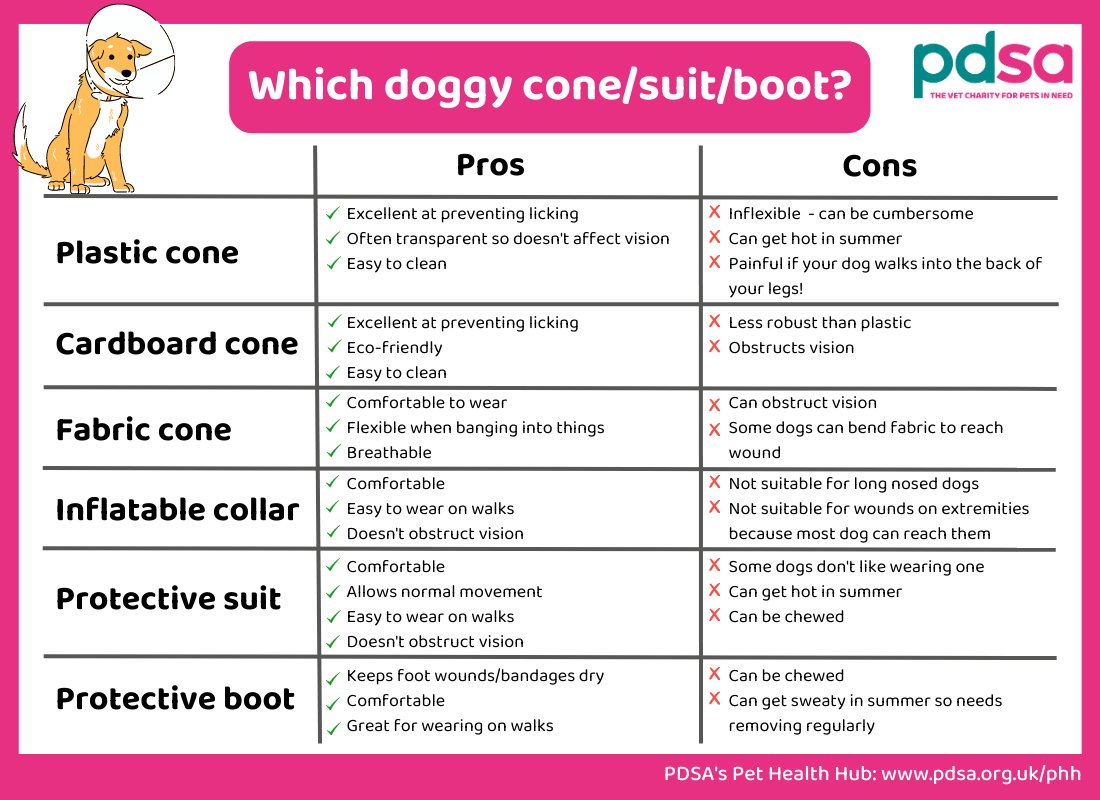
Inflatable collars and soft cones
Inflatable collars and soft cones are designed to be gentler and more comfortable than hard plastic cones. Inflatable collars look like small neck pillows; they limit neck movement so many dogs cannot reach the incision, while allowing easier eating and sleeping. Soft cones keep the same shape as a plastic cone but use flexible fabric, which is less noisy and kinder on furniture.
However, some flexible options are easier for long‑nosed, very flexible, or determined dogs to bend around. Pet owners should always check whether the dog can still reach the neuter site when wearing an alternative collar, and consult a veterinarian if unsure which type offers enough protection.
Recovery suits and when they’re useful
Recovery suits (also called surgical suits or onesies) are body-covering garments that protect the incision by blocking direct access to licking and chewing. They are especially useful for dogs who panic with a cone, for narrow hallways or crowded homes, and for calm dogs who tolerate clothing well.
They can also reduce dirt on the wound during outdoor potty breaks. However, a poorly fitted suit can rub the incision or trap moisture, so size and fabric choice are very important.
How to choose a safe alternative
Choosing a safe alternative starts with function over looks. Any collar or suit must fully block your dog’s mouth from reaching the incision when bending, twisting, or sitting.
Key points for safety:
- Fit: Snug but not tight; at least two fingers should slide under the collar or suit opening
- Coverage: The edge should extend past the nose, or the suit should fully cover the groin area
- Durability: Chew‑resistant materials and secure fasteners or zippers
- Size and shape: Matched to breed and body type; short‑nosed and long‑bodied dogs often need special sizing
- Vet approval: Ask a veterinarian to check any new product at the first post‑surgery visit
If the dog can just barely reach or lick the area, the product is not safe enough and should not replace the standard e-collar.
General Aftercare for a Neutered Dog
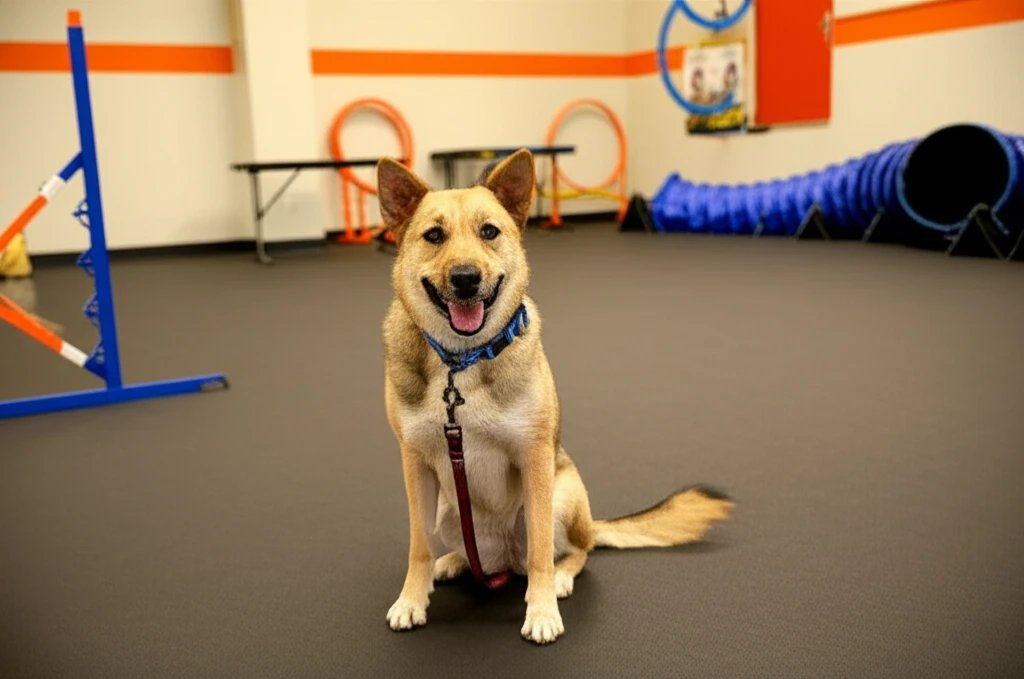
After neutering, overall care focuses on protecting the incision, limiting activity, and controlling pain until healing finishes. Dogs should rest in a clean, quiet area, avoid jumping and rough play, and always keep the wound dry. The e-collar or safe alternative must stay on whenever supervision is limited. Follow all medications exactly as prescribed and use short, calm interactions or food puzzles to prevent boredom. Any sudden change in appetite, energy, or behavior during recovery deserves a prompt call to the vet.
Activity limits and leash walks
After neutering, most dogs must avoid running, jumping, and rough play for about 10–14 days. Short, calm leash walks are recommended for bathroom breaks only. Walks should be on a flat surface, keeping the pace slow and controlled. Avoid stairs, dog parks, and off‑leash areas where sudden movements can strain the incision. If swelling or redness increases after a walk, reduce activity and contact a veterinarian.
Bathing, grooming, and getting wet
After neutering, avoiding baths and getting wet is crucial until the incision is fully sealed. In most cases, veterinarians recommend no full bath, swimming, or rain-soaked walks for 10–14 days. Moisture softens the skin and can let bacteria enter the wound.
Wiping the body with a damp cloth and using pet-safe wipes around the face and paws is usually acceptable. The incision area should stay completely dry; if it accidentally gets wet, gently pat dry and monitor for redness or swelling.
Grooming should be limited to gentle brushing away from the surgery site. Avoid trimming hair near the incision unless a veterinarian advises it. If a professional grooming appointment is planned, postpone until the vet confirms that healing is complete.
Pain control and keeping your dog calm
Adequate pain control helps dogs stay calm and protects the incision. Vets commonly prescribe anti‑inflammatory pain medicine for 3–7 days; it should be given exactly as directed and never combined with human painkillers. Signs that pain is not controlled include whining, panting at rest, restlessness, or refusing to lie down.
To keep a dog calm, limit running, stairs, and rough play. Use short leash walks only and provide quiet indoor time with chews, food puzzles, or gentle petting. For very energetic dogs, a vet may recommend temporary calming supplements or medications to prevent overactivity that could damage the surgical site.
When to Call the Vet During Recovery
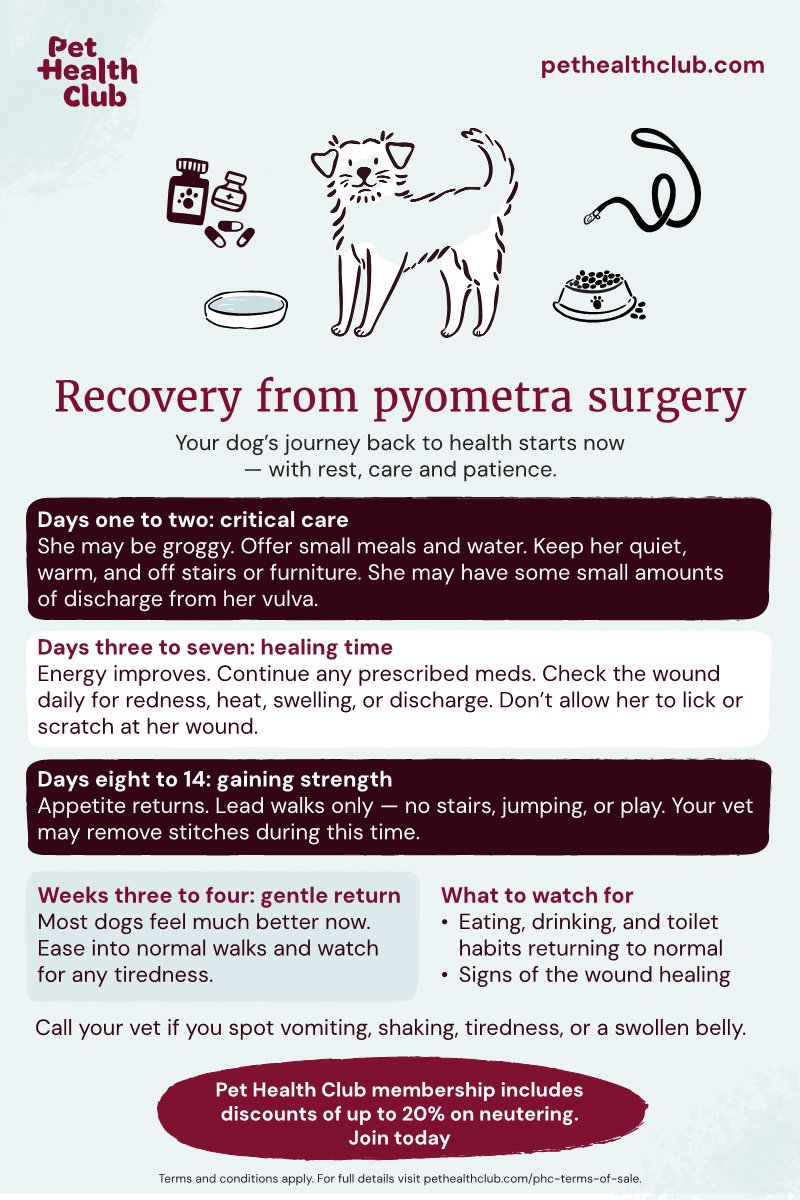
Early contact with a veterinarian helps prevent small problems from turning into emergencies. If an owner is unsure whether a symptom is normal, it is safest to call. In particular, sudden changes in the incision, behavior, appetite, or energy level after neutering can signal trouble. Even when an issue seems mild, prompt advice allows appropriate care at home or a timely in‑clinic check, which supports smoother, safer recovery for the dog.
Incision changes that need attention
Small changes around the incision can signal trouble. Contact a vet promptly if you see increasing redness, swelling that grows after day 2–3, or skin that feels hot. Thick yellow or green discharge, foul odor, or blood dripping are also warning signs. Gapping, missing stitches, or tissue bulging out require urgent care. Sudden bruising, a hard lump, or your dog reacting in pain when the area is touched also deserve a vet check.
Behavior and health changes to watch for
Behavior changes can signal pain, infection, or complications from neuter surgery. Lethargy that worsens after day 2–3, restlessness, whining, or difficulty settling may mean discomfort or fever. Watch for loss of appetite, refusing water, vomiting, diarrhea, or trouble urinating/defecating. Sudden aggression, hiding, or constant attention to the groin area are also warning signs. Any collapse, pale gums, labored breathing, or shaking require emergency vet care.
Questions to ask about e-collar use
Before and after neutering, it is helpful to prepare a short question list for the veterinarian. Examples include:
- “How long should my dog specifically wear the e-collar?”
- “Can my dog ever be unsupervised without the cone during recovery?”
- “What signs mean the cone must stay on longer?”
- “Is a soft cone or recovery suit safe for my dog?”
- “What should I do if the cone causes skin irritation or my dog refuses to eat?”
Clear answers make it easier to protect the incision and reduce stress for both dog and owner.
This article explains how long a dog should wear an e-collar after neutering, what safe healing looks like, risks of early removal, cone alternatives, and when owners should contact a veterinarian during recovery.



![[How to choose a dog toilet sheet] Introducing recommended toilet sheets](http://with-my-dog.com/wp-content/uploads/2021/10/991804_m-150x150.jpg)



![[Photos] Want to see cute lion-dog statues? Check out these popular shrines](http://with-my-dog.com/wp-content/uploads/2022/07/pexels-markus-distelrath-2832119-150x150.jpg)






![Want to see cute dog photos? A collection of popular sites [including free stock images]](http://with-my-dog.com/wp-content/uploads/2022/07/image4-11-300x200.jpg)