


Many dog owners worry, "Could my dog have allergies?" when their beloved pet suddenly becomes itchy, or experiences increased tearing or sneezing. This article provides a clear and objective overview of the types of dog allergy tests available as of 2024, their costs, the process at veterinary clinics, and the features of at-home testing kits. It explains what the tests reveal and how to use the results to improve daily diet and care, making it easy for even first-time users to understand. This article compiles helpful information for owners who want to understand the cause of their dog's discomfort and help them live as comfortably as possible.
Dog allergies 101

Dog allergies are immune reactions to substances that are normally harmless, such as pollen, dust mites, or ingredients in food. A dog’s immune system overreacts and releases inflammatory chemicals. As a result, dogs often develop itchy skin, recurrent ear problems, or digestive upset rather than sneezing alone. Allergies usually become a lifelong condition, but with accurate diagnosis and management, most allergic dogs can stay comfortable and enjoy a good quality of life.
Allergy, intolerance, sensitivity differences
Many owners hear allergy, intolerance, and sensitivity used as if they mean the same thing, but they differ.
- Allergy: An overreaction of the immune system, often involving IgE antibodies. Even tiny amounts of the allergen can trigger itching, hives, ear infections, or stomach upset.
- Intolerance: A non‑immune reaction, often to food ingredients. It can cause gas, soft stools, or discomfort, usually depending on the amount eaten.
- Sensitivity: A broad term for mild or unclear reactions. Sensitivities may improve with gradual diet or environment adjustments.
Understanding the difference helps owners choose more suitable tests and treatments for their dogs.
Common allergy types in dogs
Dogs commonly react to fleas, food ingredients, and environmental allergens. Flea allergy dermatitis is triggered by flea saliva and often causes intense itching near the tail. Food allergies usually involve proteins such as beef, chicken, dairy, or eggs, but can also involve grains. Environmental allergies (atopy) come from pollen, dust mites, or molds and often cause seasonal or year‑round skin and ear problems.
Typical signs your dog may be allergic
Allergic dogs often show itchy, irritated skin rather than dramatic swelling. Common signs include frequent scratching, licking or chewing paws, rubbing the face, recurrent ear infections, red or flaky skin, and “hot spots.” Chronic paw staining, musty odor, and hair loss in patches may also appear. Digestive signs such as soft stool, gas, or vomiting can suggest food allergy, especially when combined with ongoing skin problems.
When to consider an allergy test

Many owners wonder when an allergy test is worth doing. In general, consider testing when skin, ear, or digestive problems keep coming back despite basic care. Persistent itch, repeated ear infections, or ongoing soft stools that do not improve with simple diet tweaks or flea control often point to allergy.
Testing is also helpful when symptoms last for more than a few weeks, occur in certain seasons every year, or start to affect sleep, mood, or weight. In those situations, an allergy workup can guide more targeted and safer long‑term treatment.
Red flag symptoms that need a workup
Persistent or severe signs often signal that a veterinary workup is essential. Warning signs include:
- Itching, licking, or chewing lasting more than 2–3 weeks
- Recurrent ear infections or strong ear odor
- Red, weepy, or crusty skin, hair loss, or thickened skin
- Digestive upset (vomiting, soft stools, gas) that keeps returning
- Swollen face, hives, or breathing changes (emergency)
When symptoms are ongoing, worsening, or affect appetite, mood, or sleep, prompt evaluation is strongly recommended.
When simple home care is not enough
Simple home care such as washing paws, using wipes, changing to a gentler shampoo, or switching treats may ease mild, short‑term symptoms. However, if itching, ear problems, stomach upset, or sneezing return quickly, worsen, or last more than 2–3 weeks, home care is usually no longer enough.
Owners should also stop home treatments and seek veterinary advice when symptoms disturb sleep, cause skin wounds, weight loss, or behavior changes, because ongoing inflammation can lead to chronic skin disease and ear infections if not treated properly.
Puppies, seniors, and high‑risk breeds
Puppies and senior dogs can be more vulnerable to allergies because their immune systems are less stable. Puppies often show early signs of food or environmental allergies as itching, ear infections, or tummy upset. Seniors may suddenly react to things tolerated for years, especially pollens or house dust. High‑risk breeds (such as Bulldogs, Retrievers, Terriers, and Pugs) should receive early veterinary advice and timely testing if recurring skin or digestive problems appear.
Main types of dog allergy tests
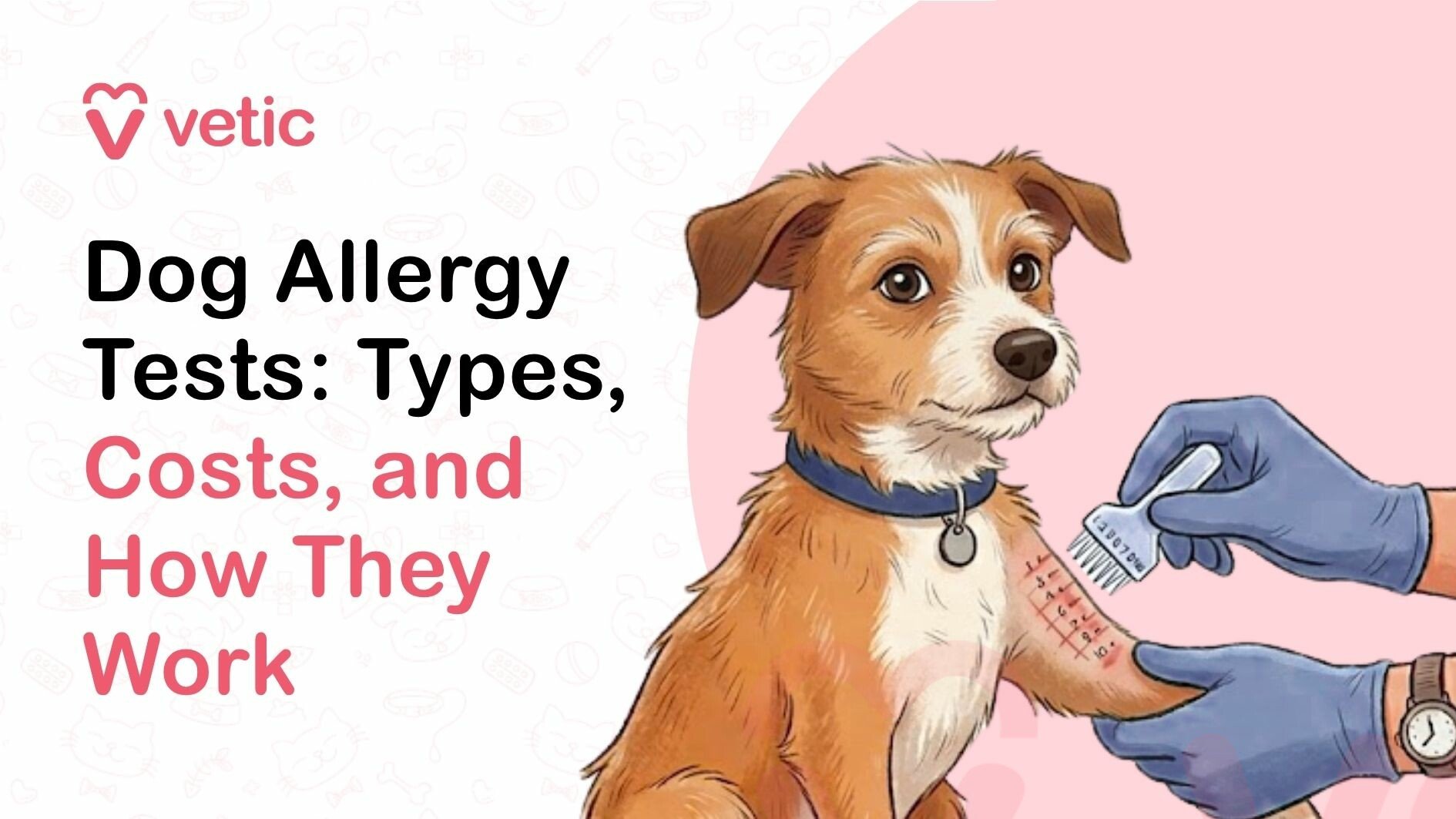
Dog allergy testing can focus on what the immune system reacts to or what food or environment triggers symptoms. In general, there are four main medical approaches.
| Test type | Main use | Key point |
|---|---|---|
| Blood tests (RAST, IgE panels) | Environmental and sometimes food allergens | Convenient, done with a blood sample |
| Intradermal skin testing | Environmental allergies | Gold standard for atopic dermatitis diagnosis |
| Food elimination trials | Food allergies and sensitivities | Most reliable way to find problem foods |
| At‑home intolerance kits | Possible guide to food and environment triggers | Helpful as a screening tool, but not a stand‑alone diagnosis |
Owners often use a combination of veterinary tests and careful observation to build a complete picture of the dog’s allergies.
Veterinary blood tests (RAST, IgE)
Veterinary blood tests measure allergy‑related antibodies in your dog’s blood, mainly IgE, which rises when the immune system overreacts to allergens. Labs often use ELISA or older RAST‑style methods, so many owners and vets simply call them “RAST tests.”
A blood sample is taken at the clinic and sent to a laboratory that exposes the serum to panels of environmental allergens such as pollens, dust mites and molds, and sometimes flea or food proteins. Results list which allergens triggered higher IgE levels and how strong the reaction was. Blood tests are widely used because they are less invasive than skin testing and can often be performed while dogs stay on some medications, although accuracy can vary and interpretation should always involve a veterinarian.
Intradermal skin testing at the clinic
Intradermal skin testing is often called the “gold standard” for environmental allergies in dogs. A vet injects tiny amounts of common allergens just under the skin, usually on a shaved area, and checks which spots swell.
Because the reaction happens directly in the skin, intradermal tests can be more precise for atopic dermatitis than blood tests alone. However, dogs usually need light sedation and some allergy medications must be stopped beforehand, so planning with a veterinarian is essential.
Food trials and elimination diets
Food allergies in dogs are diagnosed mainly through food trials and elimination diets, not blood or saliva tests. An elimination diet means feeding a strict, limited‑ingredient diet (novel protein or hydrolyzed) for 6–8 weeks, with no treats, table scraps, flavored meds, or chews. If symptoms improve, original foods are reintroduced one by one to confirm the culprit. Success depends on perfect consistency and close guidance from a veterinarian.
At‑home dog allergy and intolerance kits
At‑home allergy and intolerance kits are usually mail‑order tests that use hair, saliva, or a cheek swab. Owners collect a small sample, post it to a lab, and receive a digital report listing possible food or environmental triggers. They are easy, non‑invasive, and relatively affordable, so many owners use them as a starting point.
However, at‑home kits often measure sensitivities rather than true allergies, and results are not a substitute for veterinary diagnosis. The most helpful way to use them is as guidance for a structured diet trial or lifestyle changes, always discussed with a veterinarian to avoid unnecessary food bans or missed medical problems.
Health dog allergy test options in 2024
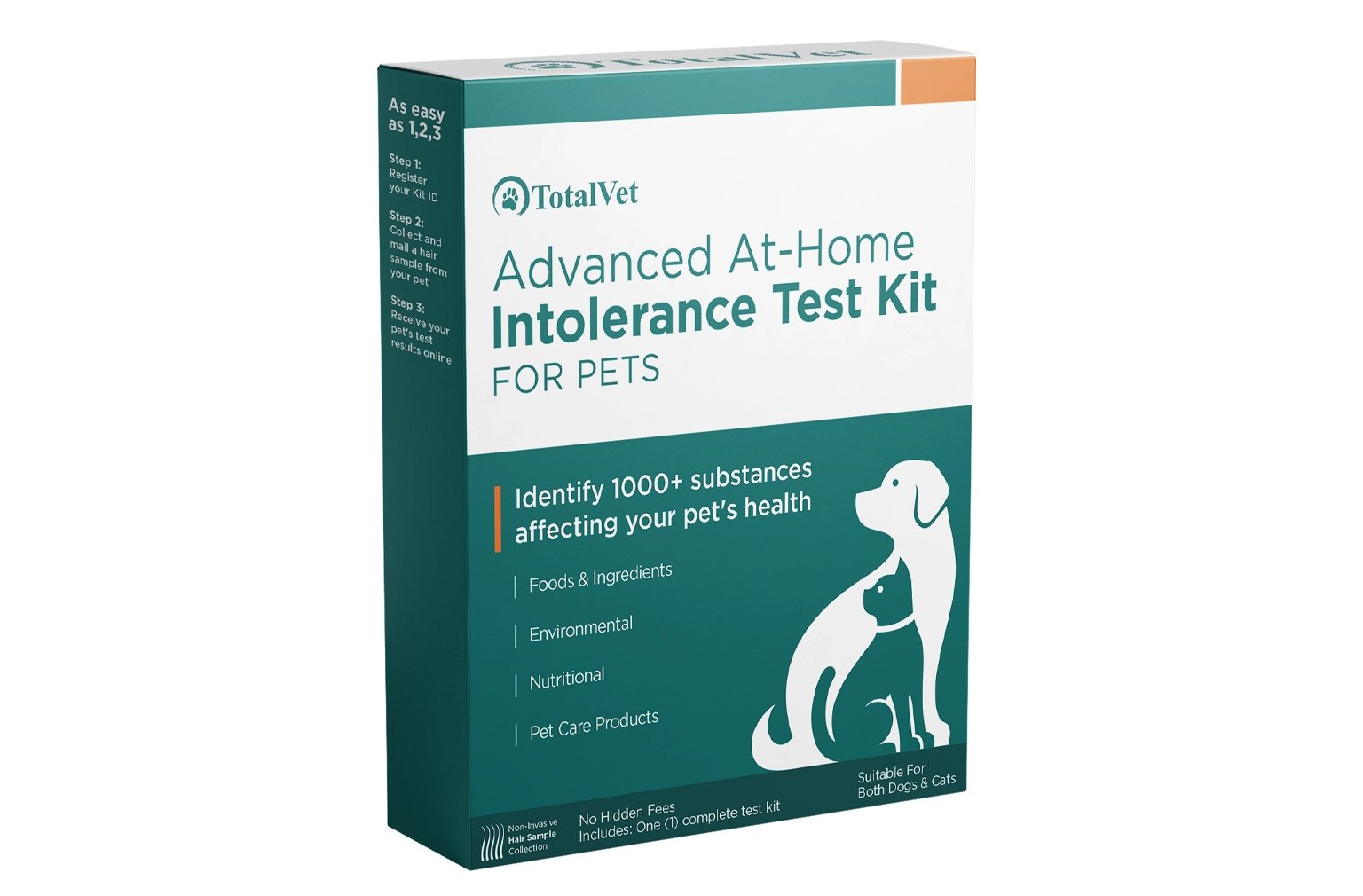
In 2024, dog allergy testing ranges from veterinary blood and skin tests to mail‑in DNA, hair, saliva, and blood kits aimed at home users. Owners can choose options focused on environmental allergens, food reactions, or broad “intolerance” panels. The most helpful approach is usually a combination of vet‑guided clinical tests and targeted home tools that fit the dog’s symptoms, budget, and lifestyle.
Vet‑run tests vs mail‑in kits
For dog allergy testing in 2024, owners usually choose between vet‑run tests and mail‑in kits. Vet‑run tests (blood tests, intradermal skin tests, supervised food trials) are medical procedures, interpreted by a veterinarian, and are most useful for guiding real treatment such as allergy shots or prescription diets. They are more accurate, but also more expensive and require a clinic visit.
Mail‑in kits are convenient and often cheaper. Many use hair, saliva, or cheek swabs and provide long lists of “sensitivities.” However, most mail‑in intolerance or sensitivity tests are not clinically proven and should not replace a full veterinary exam. They can sometimes help owners notice patterns, but results need cautious interpretation. For dogs with ongoing itching, ear infections, or stomach upsets, a vet‑run health dog allergy test is generally the safer starting point.
DNA, hair, saliva and blood test kits
Owners can now choose from many mail‑in “health dog allergy tests,” but each uses a different sample type.
| Sample type | What is collected | Main use | Key point |
|---|---|---|---|
| Blood | Few drops via lancet or vet draw | Suspected true allergies | Most medically meaningful when ordered and interpreted by a veterinarian |
| Saliva | Cheek swab or sponge | Intolerance or wellness panels | Evidence for allergy diagnosis is weak |
| Hair / fur | Small clipping or shed hair | Food or environmental “sensitivities” | Many vets consider the science very limited |
| DNA (cheek swab) | Cells from inner cheek | Breed, traits, some disease risks | Does not diagnose current allergies |
For a dog with significant itching, ear infections, or stomach problems, blood tests guided by a veterinarian usually provide the most clinically useful information.
What online test reports usually include
Online dog allergy and intolerance reports are usually easy to read, but the content varies by company. Many include:
| Item in report | What it usually means |
|---|---|
| Allergen list | Pollens, mites, foods or materials that triggered a response |
| Reaction level or score | Scale such as low / moderate / high or color‑coded bars |
| Symptom overview | How each allergen might relate to itching, ear issues, or stomach upset |
| Diet or product suggestions | Ingredients to avoid and safer alternatives |
| Next‑step advice | Whether to see a veterinarian, consider a food trial, or adjust the environment |
Owners are encouraged to treat any mail‑in report as a starting point, and confirm important findings with a veterinarian before making major diet or treatment changes.
How allergy testing is done for dogs
Allergy testing usually starts after a basic exam and history. A veterinarian first rules out infections, parasites, and other skin diseases. Tests are used to guide treatment, not to simply “find every allergy.” Depending on symptoms, the vet may recommend a blood test, intradermal skin test, or a structured food elimination trial. For mild or unclear cases, a veterinarian may suggest trying diet or environmental changes before advanced testing.
Step‑by‑step: clinic testing visit
A clinic allergy visit usually follows a clear flow. First, the veterinarian reviews history and symptoms in detail and performs a full physical exam, including the skin and ears. Next, the team confirms the test type: blood (RAST/IgE) or intradermal skin testing. For blood tests, a small blood sample is drawn and sent to a laboratory. For intradermal tests, the dog is often sedated, the side is shaved, and tiny allergen injections are placed in the skin and checked for reactions. Staff monitor the dog for comfort and any side effects. Finally, results are interpreted with the owner and used to plan treatment, such as immunotherapy or environmental changes.
Step‑by‑step: using a home test kit
Home dog allergy and intolerance kits vary, but most follow a similar flow. The outline below covers the common patterns.
| Step | What owners usually do | Key points |
|---|---|---|
| 1 | Order and register the kit online | Register before sampling so results link to the correct dog. |
| 2 | Read the instructions fully | Check if the sample is hair, cheek swab, saliva, or blood spot. |
| 3 | Collect the sample from the dog | Keep the area clean; avoid food, treats, or chewing toys just before oral swabs. |
| 4 | Package the sample | Use the supplied tube, envelope, and labels carefully. |
| 5 | Mail to the lab | Send promptly, using the recommended mail or courier method. |
| 6 | Wait for analysis | Turnaround is often 5–21 days, depending on the provider. |
| 7 | View results online or by email | Save a copy and discuss important findings with a veterinarian. |
Home kits are convenient, but they should support, not replace, professional diagnosis—especially for dogs with strong or worsening symptoms.
Preparing your dog before testing
Good preparation helps avoid inconclusive or misleading allergy results. Before any test, owners should record when itching, stomach upsets, or ear problems occur and what the dog ate or contacted. A simple symptom diary often helps the veterinarian choose the most suitable test.
Practical preparation usually includes gentle brushing, cleaning paws and coat, and ensuring the dog is calm and not overheated. For clinic blood or skin tests, veterinarians may request fasting or stopping medicines in advance, so owners should confirm instructions when booking. For home kits, owners should read the leaflet carefully and prepare rewards, a quiet room, and a helper if the dog is nervous.
Medications that may affect results
Certain drugs can change allergy test results, especially blood and skin tests. Always tell the veterinarian about every medication and supplement your dog takes.
| Medication type | Possible effect on results |
|---|---|
| Antihistamines (e.g. Benadryl) | May suppress skin reactions |
| Steroids (prednisone, creams) | Strongly blunt blood and skin responses |
| Apoquel, Cytopoint | Reduce allergy signs, can mask reactions |
| Anti-itch shampoos, sprays | Lower skin reactivity at test sites |
Veterinarians often recommend a washout period before testing, so never stop long‑term medicine without professional guidance.
Fasting, timing and stress reduction
Allergy blood tests usually do not need fasting, but some clinics prefer morning appointments so dogs are calm and routine medications can be timed easily. For food trials or combined blood work, veterinarians may recommend 8–12 hours of fasting, so owners should confirm when booking.
Stress can temporarily change some blood values and make skin reactions harder to read. To reduce stress, owners can schedule quiet time before the visit, bring a familiar blanket or toy, use a comfortable carrier, and arrive early. For very anxious dogs, veterinarians may suggest mild pre‑visit calming medication or pheromone sprays.
Accuracy and limits of dog allergy tests

Dog allergy testing is very helpful, but no method is perfect. Every test has limits, and results must be matched to real symptoms. Even the best blood and skin tests can miss some allergens or show positives that never cause problems in daily life. At‑home hair, saliva, or intolerance kits are even less reliable and should not replace veterinary diagnosis. The most accurate “allergy test” is often a careful history, physical exam, and response to treatment together with lab results.
How reliable are blood and skin tests?
Blood (serum IgE/RAST) and intradermal skin tests are useful tools, but not perfect answers. Accuracy depends on timing, lab quality, and whether the dog is on allergy medication. In general, skin tests are regarded as the gold standard for environmental allergies, while blood tests are slightly less sensitive but easier to perform.
Both tests can show false positives and false negatives, so results must be interpreted together with the dog’s history, symptoms, and response to treatment. Allergy tests are most reliable for guiding immunotherapy and avoidance, not for proving or ruling out every possible cause of itching or stomach upset.
Limits of intolerance, hair and saliva tests
Intolerance, hair, and saliva tests offered online may look attractive, but scientific support is limited. Many hair and saliva kits do not measure true allergy antibodies (IgE) and often rely on unproven “energy” or bioresonance methods. Results can be inconsistent and may over‑label normal foods as “problematic,” leading to unnecessary diet changes. For safety and accurate diagnosis, veterinary‑guided testing and food trials remain the gold standard.
Misconceptions owners often have
Many owners believe any test will give a full allergy diagnosis, but in reality each method only answers specific questions. A common misconception is that saliva or hair tests can replace veterinary diagnosis, although evidence for those methods is limited. Another misunderstanding is expecting one blood test to “cure” itching; testing only guides treatment. Finally, a negative result does not rule out food reactions, because elimination diets remain the gold standard for food allergy evaluation.
Understanding your dog’s test results

Understanding allergy test reports can feel confusing, but a few key ideas make interpretation easier. Allergy tests do not give a diagnosis on their own; results must always be read together with a dog’s history and symptoms. Numbers, charts, or color codes simply indicate how strongly a dog’s immune system reacted to each allergen in the laboratory. High levels suggest possible triggers, but some positives never cause real-life problems, and some allergic dogs can even show negative results. Owners can use the report as a guide to focus on the most suspicious allergens, then confirm relevance by careful observation, vet‑guided elimination diets, or environmental changes.
Positive, negative and borderline findings
Allergy reports often label findings as positive, negative, or borderline. Positive results mean the dog’s immune system strongly reacts to a specific allergen; veterinarians may use these to plan avoidance or immunotherapy. Negative results suggest no measurable reaction, although mild allergies are still possible. Borderline values sit in between and usually need interpretation together with symptoms or repeat testing rather than immediate major changes.
Linking results to your dog’s symptoms
Test results only become useful when they match what an owner actually sees at home. Focus first on the allergens that line up with your dog’s symptoms and seasons. For example, positive grass pollens plus spring itching suggest environmental allergy, while food proteins plus year‑round tummy or ear problems point toward food allergy. Very mild or unexpected positives may be less important. Discuss each listed allergen with a veterinarian and decide which ones truly fit the real‑life pattern.
Questions to ask your veterinarian
Preparing a few focused questions helps owners use appointment time efficiently. Useful questions include:
- What type of allergy is most likely in this dog, and how confident are you?
- Which allergens in the report should be priorities to avoid or treat?
- How do test results change the treatment plan today?
- Are any results probably false positives or not clinically important?
- What should be monitored at home, and when is a recheck recommended?
- Which medications, shampoos, or diet changes are recommended next, and for how long?
Clear answers provide a practical roadmap from test results to daily care.
Next steps after an allergy diagnosis

After a confirmed allergy diagnosis, the goal is to turn results into an everyday management plan. First, ask the veterinarian for a clear summary: what triggers were found, how severe they are, and which are most important to avoid. Next, discuss short‑term relief (for itching or stomach upset) and long‑term control, such as diet changes or environmental adjustments. Keeping a simple symptom diary and following scheduled checkups helps track whether the chosen approach is really working for the dog’s health and comfort.
Treatment options your vet may suggest
Treatment usually combines several approaches, tailored to the allergy type and symptom severity. Common options include:
| Option | Purpose | Key Point |
|---|---|---|
| Medicated shampoos / wipes | Reduce itch, remove allergens from skin | Gentle, regular use is very helpful |
| Anti‑itch drugs (e.g. Apoquel, Cytopoint, steroids) | Control moderate to severe itching and inflammation | Often needed at the start of treatment |
| Antihistamines | Mild itch relief, support other therapies | Work better with other treatments |
| Antibiotics / antifungals | Treat secondary skin or ear infections | Short courses only, as prescribed |
| Diet changes | Manage food allergies or sensitivities | Use a strict, vet‑guided plan |
| Immunotherapy (allergy shots or drops) | Long‑term control of environmental allergies | Custom‑made from test results |
Veterinarians also usually recommend home care such as regular bathing, flea control, and avoiding known triggers to keep symptoms under control.
Environmental allergy management
Environmental allergies usually cannot be cured, so the goal is reducing exposure and calming inflammation.
Key strategies include:
- Wiping paws and coat after walks to remove pollen and dust
- Regular bathing with a vet‑recommended hypoallergenic shampoo
- Using HEPA air filters and frequent vacuuming and washing of bedding
- Keeping windows closed on high‑pollen or windy days
- Avoiding freshly cut grass and known high‑allergen parks
- Using vet‑approved ear and skin cleaners to prevent secondary infections
For moderate to severe cases, veterinarians may add long‑term medications or allergy shots (immunotherapy) alongside these management steps.
Food changes and hypoallergenic diets
Food allergies are usually controlled more by diet trials than by lab tests. Vets often recommend a strict 8–12 week elimination diet using either a hydrolyzed veterinary diet or a limited‑ingredient diet with a novel protein and carbohydrate.
Key points for food changes:
- Change only one thing at a time (no treats, table scraps, flavored meds).
- Read labels carefully to avoid hidden chicken, beef, or dairy.
- Introduce new diets gradually over several days to protect digestion.
If symptoms improve clearly on the new food and return when the old food is reintroduced, a food allergy is very likely. Long term, many dogs stay comfortable on a well‑balanced hypoallergenic or limited‑ingredient diet chosen with veterinary guidance.
Immunotherapy and allergy shots
Immunotherapy is a treatment that gradually trains the immune system to ignore allergens instead of only blocking symptoms. It is mainly used for environmental allergies such as pollen, dust mites, and molds.
Typical options are allergy shots under the skin or oral drops. A vet allergy test is used to select the allergens, then a custom mixture is prepared. Improvement often appears after several months, and treatment usually continues long term. Side effects are usually mild, but emergency plans for rare reactions are important.
Choosing the right test for your dog

Choosing a dog allergy test depends on what the problem looks like, how quickly answers are needed, and the dog’s overall health. For itchy skin and suspected environmental triggers, vet‑run blood or intradermal skin tests are usually most useful. For year‑round stomach or ear problems, a veterinary‑guided food elimination trial is the gold standard. At‑home kits can offer screening information, but results should always be interpreted with a veterinarian to avoid unnecessary diet changes or missed medical causes.
Matching test type to your dog’s signs
Choosing the right health dog allergy test starts with your dog’s main signs. Skin and ear problems (itching, paw chewing, recurrent ear infections) usually point to environmental or flea allergies; blood or intradermal skin tests are most useful here. Digestive signs such as vomiting, soft stool or gas fit better with food reactions; a strict elimination diet is the gold standard. Sudden facial swelling or hives requires urgent veterinary care, not a mail‑in kit. For mild, vague issues, at‑home intolerance kits may offer ideas, but results always need veterinary interpretation.
Cost, convenience and health factors
Cost, convenience, and health risks should be balanced carefully. Clinic tests usually cost more but offer higher accuracy and direct veterinary support. Mail‑in kits are cheaper and convenient, yet often have limited medical reliability. For dogs with mild, occasional signs, owners may begin with lower‑cost options plus basic care. For severe, chronic, or worsening symptoms, investing in vetted medical testing is safer and may reduce long‑term treatment costs.
How to avoid low‑value or risky tests
Low‑value tests can waste money and delay proper care. Be cautious of kits that promise to diagnose every allergy from hair or saliva alone, as current evidence for accuracy is limited. Avoid providers that:
- Do not explain what biomarkers are measured
- Do not involve a veterinarian at any stage
- Refuse to discuss limitations of the method
For safety, use at‑home tests only as a supplement, and rely on veterinary guidance for diagnosis and treatment decisions.
Costs, insurance and practical tips

Pet insurance may cover part of allergy testing, especially when a veterinarian documents medical necessity. Owners should check waiting periods, exclusions for pre‑existing skin disease, and annual limits. Submitting itemized invoices and vet notes improves reimbursement success. For budgeting, many clinics offer estimates in advance and wellness plans for spreading costs.
Practical tips include keeping copies of all lab reports, asking about bundled skin‑plus‑blood panels, and scheduling follow‑ups during the same visit to reduce repeat exam fees.
Typical price ranges for testing
Typical costs vary by test type and region, but the following ranges are common:
| Type of dog allergy test | Approx. price (USD) |
|---|---|
| Basic vet consultation only | $50–$120 |
| Blood allergy panel (RAST/IgE) | $200–$400+ |
| Intradermal skin testing | $300–$700+ |
| Supervised food elimination trial | $150–$400+ in food and visits |
| At‑home hair/saliva intolerance kit | $60–$200 |
Higher‑priced tests at a veterinary clinic usually provide more reliable results and clearer treatment options than very cheap mail‑in kits.
Insurance, wellness plans and budgeting
Pet insurance and wellness plans can offset high one‑time allergy test costs. Some accident‑illness policies cover diagnostic tests, including blood and skin testing, when a veterinarian deems testing medically necessary. Routine wellness plans may contribute to exam fees, follow‑up visits, or prescription diets.
For budgeting, owners can: spread costs with payment plans, ask clinics about bundled “allergy workup” pricing, and set aside a small monthly pet fund. Checking policy coverage before booking prevents surprise bills and helps choose an affordable test strategy.
Preparing your dog for a smooth visit
A little preparation makes allergy testing calmer and more accurate. Aim for a quiet day before the appointment, with normal routine and no new foods or treats. Bring a list of symptoms, photos of skin flares, and all medications or supplements.
Use a secure collar or harness, and pack high‑value treats, a familiar blanket, and poop bags. Arrive a bit early so the dog can toilet and settle. For anxious dogs, ask the clinic in advance about mild calming options or waiting in the car to reduce stress.
Keeping allergic dogs healthy long term

Long‑term care for allergic dogs focuses on stable control rather than a complete cure. Key points are consistent veterinary follow‑up, a well‑planned environment, and suitable nutrition. Owners are encouraged to keep a symptom diary, follow the treatment schedule, and avoid known allergens as much as possible. Careful skin and ear care, weight control, and early response to flare‑ups help maintain a good quality of life for many years.
Daily care routines that really help
Daily care makes a major difference for allergic dogs. Aim for gentle, consistent routines rather than occasional intensive care.
- Use hypoallergenic shampoo and rinse paws and belly after walks to remove pollen and dust
- Vacuum and wash dog bedding weekly; choose smooth, washable fabrics
- Stick to a stable, vet‑approved diet and avoid random treats
- Use air purifiers or keep windows closed on high‑pollen days
- Keep nails short and fur trimmed around irritated areas to reduce scratching
Small, steady habits often reduce flare‑ups and make medical treatment more effective.
When to re‑test or update the treatment
Allergic dogs often need periodic re‑checks rather than one‑time testing. Re‑testing is considered when symptoms suddenly worsen, new signs appear (ear infections, stomach trouble), or treatment that once worked stops being effective.
Puppies, seniors, and dogs on immunotherapy may need updates every 1–2 years, or sooner after moving to a new region. Owners should consult a veterinarian before repeating blood or skin tests, because adjusting medication or diet is sometimes more useful than immediate re‑testing.
This article provides a comprehensive overview of canine allergies, from basic knowledge to the main testing methods available in 2024, including blood tests, intradermal tests, and home kits. It clearly explains the advantages, disadvantages, accuracy, and estimated costs of each method. From interpreting test results to treatment options after diagnosis and tips for daily care, this article offers a thorough, objective perspective to help you choose the right allergy test for your dog.







![[Shiba Inu] Why does he get angry when you touch his food bowl? Here are the reasons and three solutions](http://with-my-dog.com/wp-content/uploads/2022/07/image2-15-150x150.jpg)


![Popular names!? [Popular dog names ranking]](http://with-my-dog.com/wp-content/uploads/2022/07/image3-45-150x150.jpg)
![[Dog Earwax] Detailed explanation of Malassezia and ear cleaning](http://with-my-dog.com/wp-content/uploads/2021/10/girl-gf2eb2c5be_1920-150x150.jpg)




![[Photos] Fat dogs are cute! Be careful not to get too fat](http://with-my-dog.com/wp-content/uploads/2022/07/image10-5-300x203.jpg)