

Living with a dog can sometimes lead to symptoms like sneezing, runny nose, and itchy eyes, making you wonder, "Could this be a dog allergy?" In reality, dog allergies aren't caused by the dog's fur itself, but rather by allergens in its saliva, dander, and skin. This article clearly explains the main symptoms of dog allergies in humans, how to distinguish them from hay fever and the common cold, when to seek medical attention, and everyday preventative measures—all helpful information for dog owners' health management. Let's start by acquiring the correct knowledge to continue living comfortably with your beloved dog.
Can People Be Allergic to Dogs?
Many people are surprised to learn that yes, humans can be allergic to dogs. The reaction is not to fur itself, but to proteins found in dander, saliva, and urine. When these proteins enter the nose, eyes, or lungs, the immune system of a sensitive person reacts as if they were harmful germs.
Dog allergy is one of the most common indoor allergies worldwide. Symptoms can range from mild sneezing to severe asthma attacks, so taking dog-related allergies seriously is important for health and for safe life with dogs.
What a Dog Allergy Is in Medical Terms
In medical terms, a dog allergy is an IgE‑mediated hypersensitivity reaction. The immune system mistakenly treats proteins from dog dander, saliva, or urine as dangerous. It then produces allergy antibodies (IgE). When a person is exposed again, IgE triggers the release of histamine and other chemicals from mast cells. Those chemicals cause typical allergy symptoms such as sneezing, runny nose, itchy eyes, skin rash, or breathing trouble.
How Common Dog Allergies Are in Humans
Dog allergies in humans are very common. In many countries, around 10–20% of people are estimated to have some level of dog allergy. Among people with asthma or hay fever, the rate is even higher. Children who grow up in urban areas, or in homes with many indoor allergens, tend to be affected more often. However, some people develop symptoms only in adulthood, so new-onset dog allergy is also possible.
Dog Allergy Symptoms in Humans
Dog allergy symptoms in humans range from mild to severe and can affect multiple parts of the body. Many people first notice sneezing, itchy eyes, or a stuffy nose after spending time with a dog. Others develop red, itchy skin where the dog licked or touched. Some reactions appear immediately, while others show up hours later as fatigue, headaches, or coughing. In people with asthma, dog exposure may trigger wheezing or shortness of breath. Recognizing patterns in symptoms helps owners respond early and protect their health while caring for their dogs.
Typical Nose, Eye, and Throat Symptoms
Dog allergies in humans usually first appear in the nose, eyes, and throat. Common nasal symptoms include a runny or stuffy nose, sneezing fits, postnasal drip, and itching inside the nose. Eye symptoms often involve redness, watering, itching, or a gritty feeling. The throat may feel itchy or irritated, and a person may develop a dry cough or need to clear the throat often, especially soon after contact with a dog or in rooms with dog hair and dander.
Skin Reactions After Contact With Dogs
Skin often reacts first when a person with a dog allergy touches fur, saliva, or areas where a dog has been lying. Typical reactions include itchy red patches, small raised bumps, or hives (welt‑like marks) at the contact site. Some people notice eczema flares on the hands, arms, or face after petting or grooming a dog. Symptoms usually appear within minutes to a few hours. Scratching can worsen irritation and increase infection risk, so gentle cleansing and avoiding further contact are important.
Delayed or Subtle Allergy Warning Signs
Dog allergies do not always cause sudden sneezing or hives. Many people notice slow, vague changes that are easy to blame on stress or a mild cold. Typical subtle signs include:
- Ongoing stuffy nose or postnasal drip, especially after time with dogs
- Recurrent mild cough or throat clearing
- Slight itchy or tired eyes
- Dry, itchy skin patches where a dog often touches
- More frequent “colds” that never fully become an infection
If symptoms reappear in the same situations (for example, visiting a friend with dogs or after grooming a dog), dog allergy is a strong possibility and medical consultation is recommended.
Serious Reactions and Asthma Symptoms
Serious dog allergies can occasionally cause strong reactions affecting breathing and the whole body. Warning signs include tight chest, wheezing, fast or noisy breathing, coughing fits, or feeling unable to take a deep breath. Some people develop asthma attacks triggered by dog allergens, especially if asthma already exists.
More severe reactions may involve rapid swelling of lips, tongue, or throat, severe shortness of breath, dizziness, or a sudden drop in blood pressure. Such symptoms are medical emergencies and require urgent care. Anyone with known dog allergy plus asthma should keep rescue inhalers available and follow the asthma action plan carefully.
What Actually Triggers the Reaction?

A dog allergy reaction starts when the immune system mistakenly treats harmless dog proteins as dangerous invaders. The body produces IgE antibodies against those proteins. When a person meets dog dander, saliva, or urine again, the allergen links to IgE on allergy cells (mast cells and basophils). Those cells then release histamine and other chemicals, causing sneezing, itchy eyes, skin rashes, or breathing problems. The stronger the sensitivity and the higher the allergen level, the more intense the symptoms become.
Common Dog Allergens: Dander, Saliva, Urine
Dog allergy reactions are usually triggered by tiny proteins from dander, saliva, and urine, not by the fur itself.
- Dander: microscopic skin flakes that stick to hair, furniture, and dust. Dander is the main source of dog allergens.
- Saliva: proteins in dried saliva from licking, grooming, or chewed toys can become airborne and irritate eyes and airways.
- Urine: dried urine in litter or on outdoor spots can release allergens, especially when disturbed during cleaning.
Different people react to different combinations of these proteins, so symptoms can vary even with the same dog.
How Dog Allergens Spread Around Your Home
Dog allergens travel far beyond the dog’s body. Tiny dander flakes and dried saliva attach to clothing, sofas, carpets, and curtains, then spread through normal movement. Walking, vacuuming, or kids playing on the floor easily stir particles back into the air. Forced‑air heating and air conditioners can blow allergens from room to room. Allergen levels often stay high in soft fabrics, bedding, and upholstery, so symptoms may appear even in rooms where the dog rarely enters.
Who Is at Higher Risk for Dog Allergies?
People of any age can react to dog allergens, but some groups have a higher likelihood of developing symptoms.
| Higher‑risk group | Why the risk is higher |
|---|---|
| People with other allergies | Existing hay fever, dust mite, or cat allergy often “primes” the immune system. |
| People with asthma | Dog allergens can more easily trigger wheezing and asthma attacks. |
| Children in allergic families | Having one or both parents with allergies increases the chance of pet allergy. |
| People with eczema or atopic dermatitis | Sensitive skin may inflame more after contact with dogs. |
| Those exposed to many indoor animals | Groomers, shelter workers, or multi‑dog households receive constant allergen exposure. |
Understanding personal risk helps owners plan early prevention and quicker diagnosis when symptoms appear.
How to Know If Dogs Are Causing Symptoms

Dog-related symptoms can be confusing because they often resemble colds or seasonal allergies. To judge whether dogs are truly the trigger, focus on patterns rather than one‑off reactions. Key clues are: symptoms starting or worsening soon after contact with a dog or entering a home with dogs; clear improvement after being away from dogs for hours or days; and stronger reactions in places with multiple dogs or lots of dog hair and dust. If similar symptoms do not appear in dog‑free environments, dog allergy is more likely and medical evaluation is recommended.
Tracking When and Where Symptoms Happen
Keeping a simple record helps clarify whether dogs are truly triggering symptoms. Note the time, place, and activity whenever sneezing, itchy eyes, cough, or rashes appear.
Useful points to track include:
| Item to note | Examples |
|---|---|
| Location | At home, friend’s house with dog, dog park |
| Dog contact | Petting, grooming, dog in bed/sofa, licking |
| Time pattern | Immediately, after 1–2 hours, only at night |
| Symptoms | Nose, eyes, skin, breathing, fatigue |
| Other factors | Pollen season, dust, cleaning, new products |
Reviewing 1–2 weeks of notes can strongly support discussions with an allergist and guide later testing and management.
Medical Diagnosis and Allergy Testing
Dog allergies in humans are confirmed through a combination of medical history, physical examination, and formal allergy testing. Doctors usually ask when symptoms start, how they change around dogs, and what makes symptoms better or worse. The goal is to prove that dog allergens trigger the reaction, not pollen, dust, or infections.
Typical steps include:
- Detailed symptom and lifestyle interview
- Nose, throat, lung, and skin examination
- Skin prick tests or blood tests for dog allergen–specific IgE
- Sometimes, trial use of allergy medication or avoidance of dogs
A clear diagnosis helps decide whether simple avoidance, medication, or stronger options like immunotherapy are appropriate.
Skin Prick Testing for Dog Allergies
Skin prick testing is the most common way specialists confirm a dog allergy. A tiny drop of purified dog allergen is placed on the forearm or back, then the skin surface is lightly pricked so the allergen enters just under the skin. Results usually appear within 15–20 minutes as a small, mosquito‑bite‑like bump if the person is sensitized. Several allergens can be tested at once, along with control spots, so the doctor can compare reactions safely and quickly.
Blood Tests and IgE Levels Explained
Blood tests for allergies measure allergen‑specific IgE antibodies in the blood. A sample is taken and sent to a lab, where IgE levels against dog dander (and often cat, pollen, dust, etc.) are checked. Results are usually reported as a class or number range. Higher IgE suggests a stronger sensitivity, but levels do not always match symptom severity, so doctors interpret results together with history and examination.
Ruling Out Colds, Flu, and Other Causes
Cold or flu symptoms can resemble a dog allergy, so checking the pattern and duration of symptoms is important. Viral infections often cause fever, body aches, sore throat, and symptoms that improve within 1–2 weeks. Allergies more often cause itchy eyes, sneezing fits, clear runny nose, and symptoms that return whenever dogs or dog-exposed spaces are involved. If symptoms appear mainly after contact with dogs, last longer than 2 weeks, or improve away from dogs, allergy is more likely. A doctor can also rule out sinus infection, asthma, or other lung disease.
Health Effects of Ongoing Dog Allergies

Ongoing dog allergies can slowly affect overall health, not only cause sneezing. Constant inflammation in the nose, eyes, lungs, and skin may increase the risk of asthma, chronic sinus problems, ear infections, and poor sleep. Many people also feel tired, irritable, or less focused.
When symptoms are ignored, mucus build‑up and blocked airways can lead to frequent colds, headaches, and breathing discomfort. Early control of dog allergies helps protect long‑term lung function and supports a more comfortable life with dogs.
Breathing Problems and Asthma Flares
Dog allergies can inflame the airways and make breathing feel tight or heavy. Common signs include wheezing, chest tightness, shortness of breath, and coughing, especially after time with a dog or in a home with dog dander. People with asthma may notice more frequent or severe attacks, or may need rescue inhalers more often. Any sudden trouble breathing, blue lips, or speaking in short phrases requires urgent medical care, even if the dog is the suspected trigger.
Sinus Infections, Ear Issues, and Headaches
Dog allergies can block the drainage passages that connect the nose, sinuses, and ears. Persistent congestion creates pressure in the cheeks, forehead, and around the eyes, which many people feel as sinus pain or recurring sinus infections. Swollen tissue can also affect the Eustachian tube, leading to ear fullness, popping, or muffled hearing, especially in children. Ongoing pressure and inflammation often trigger dull, tension‑type headaches or worsen migraine in people who are prone to it. If infections, ear pain, or headaches appear or get worse after time with a dog, an allergy evaluation is recommended.
Fatigue, Poor Sleep, and Mood Changes
Dog allergies can quietly affect overall energy and mood. Ongoing nasal congestion, coughing, and skin irritation often lead to fragmented, shallow sleep. Poor sleep then causes daytime fatigue, irritability, and difficulty concentrating. Some people feel low or anxious because they do not feel well at home around a loved pet. When tiredness, brain fog, or mood changes persist alongside allergy symptoms, consultation with a doctor or allergist is recommended.
Managing Dog Allergy Symptoms in Humans
Managing dog allergy symptoms means reducing contact with allergens and controlling the body’s reaction. For many owners, a combination of lifestyle changes, cleaning, and medicine allows comfortable life with a dog. Key steps include limiting dander in the home, using appropriate treatments such as antihistamines or nasal sprays, and monitoring breathing problems. Severe or persistent symptoms should always be discussed with a doctor or allergist.
Daily Habits to Cut Down Allergen Exposure
Small daily changes can significantly lower dog allergen levels around the body.
- Wash hands and face after petting or playing with a dog
- Avoid touching eyes or nose while interacting with a dog
- Change clothes after heavy contact; keep “dog clothes” out of the bedroom
- Keep dogs off the bed and bedroom furniture
- Use a lint roller on clothes and soft furnishings
- Shower before sleep on days with a lot of dog contact
Consistent habits help reduce symptoms even without medication.
Cleaning and Home Environment Strategies
Reducing dog allergens at home focuses on blocking where they collect and how they circulate. Aim for hard flooring instead of wall‑to‑wall carpet, and use washable rugs. Wash curtains, cushion covers, and dog blankets in hot water regularly. Choose simple furniture that is easy to wipe down.
Use a HEPA air purifier in the bedroom and main living area, and clean or replace HVAC filters often. Vacuum with a HEPA vacuum at least weekly, wearing a mask if allergies are strong. Keep windows closed during high pollen days to avoid adding another trigger.
Medications and Medical Treatments
Medications can greatly ease dog allergy symptoms in humans, but should be used under medical guidance. The goal is symptom control while allowing safe life with dogs. Options include oral and topical drugs, and in some cases long‑term desensitization. People with asthma or severe reactions need a clear action plan prepared with a doctor or allergist.
Antihistamines, Eye Drops, and Nasal Sprays
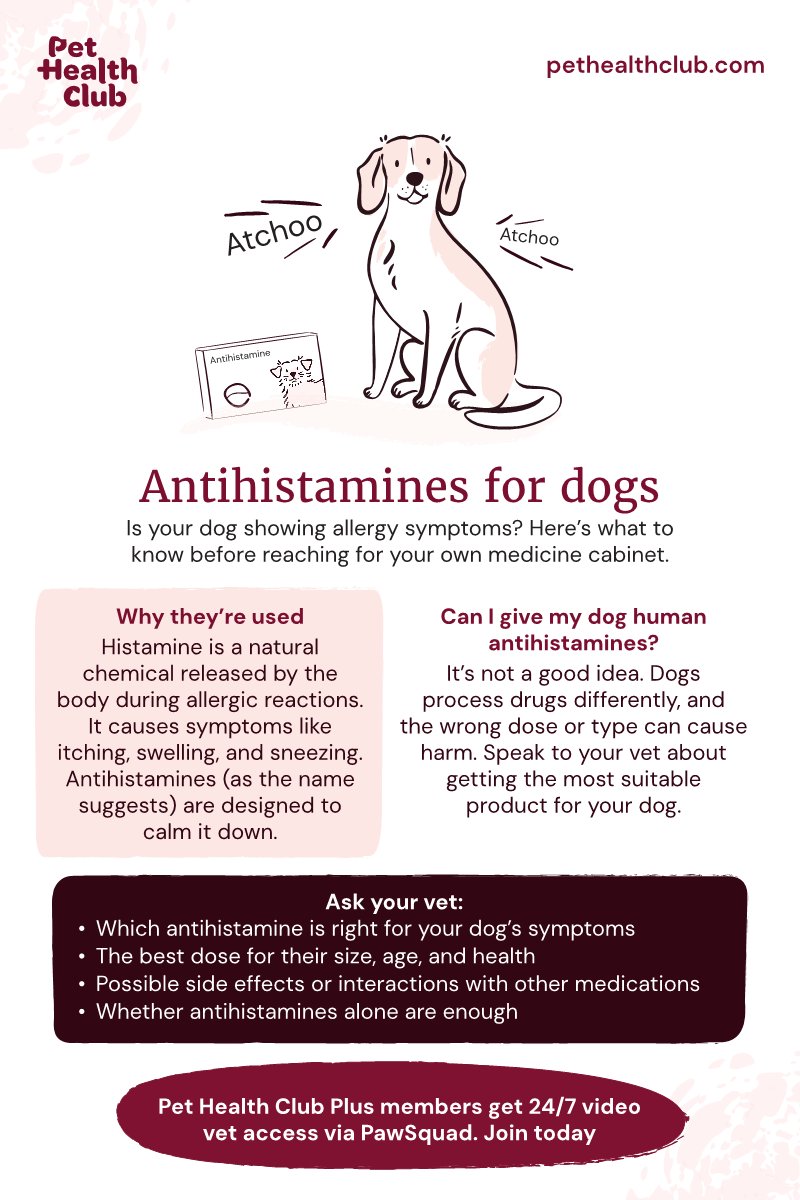
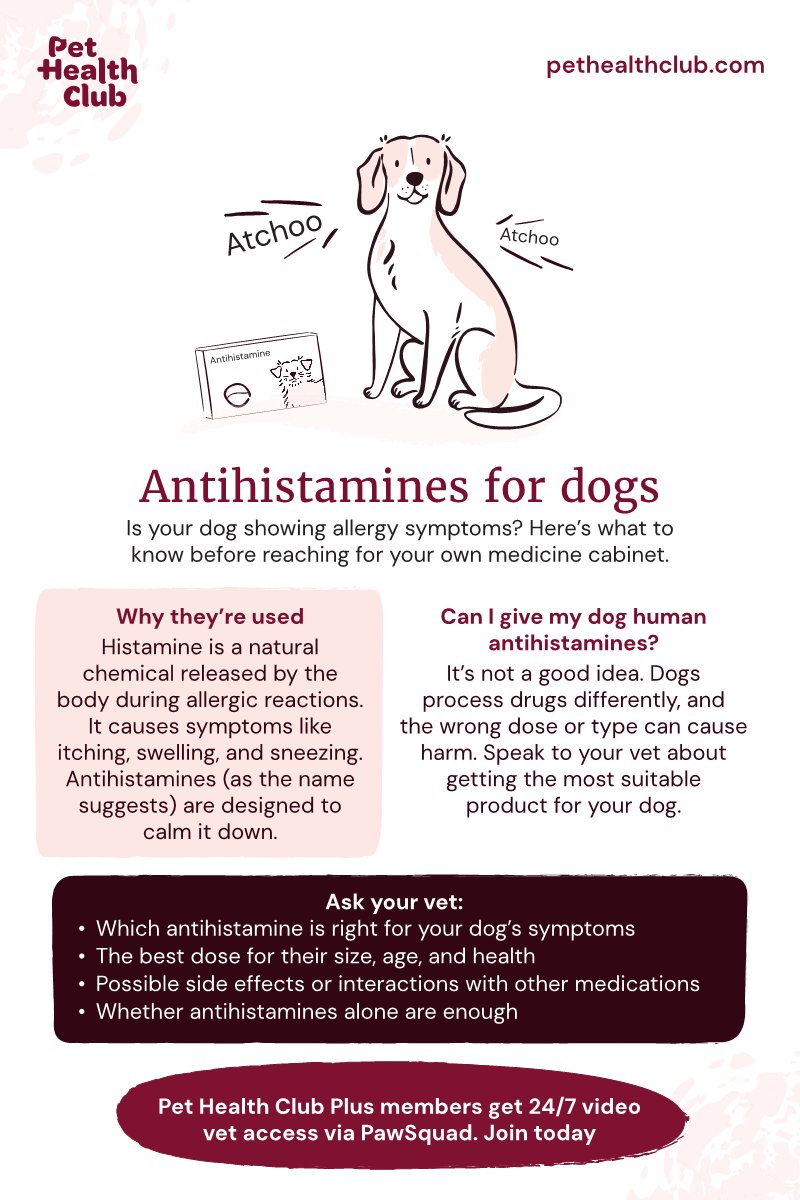
Antihistamines, eye drops, and nasal sprays are first‑line medicines for many dog‑allergic people. They do not cure allergy, but they calm the body’s response so daily life is easier.
| Medicine type | Main effect | Typical use |
|---|---|---|
| Oral antihistamines | Reduce sneezing, itching, hives | Taken once or twice daily |
| Allergy eye drops | Ease red, itchy, watery eyes | Used 1–2 times a day as needed |
| Nasal sprays | Clear stuffy nose, postnasal drip | Used daily, often long‑term |
Newer non‑drowsy antihistamines are usually preferred. Many products are sold over the counter, but doses and combinations should be checked with a doctor, especially for children, pregnant people, or anyone taking other medicines.
Allergy Shots and Other Immunotherapy
Allergy shots and other forms of immunotherapy aim to train the immune system to react less strongly to dog allergens. Small, controlled amounts of dog allergen extract are given regularly over several years. At first, doses are increased slowly (build‑up phase), then maintained at a stable dose (maintenance phase). Many people experience fewer symptoms and need less medicine over time.
Besides traditional shots, some countries offer under‑the‑tongue tablets or drops (sublingual immunotherapy) for certain allergens. For dog allergy, options are more limited and must be prescribed and supervised by an allergy specialist. Immunotherapy is usually recommended for people with moderate to severe or year‑round symptoms who want a longer‑term solution and can commit to regular clinic visits.
At‑Home and Natural Symptom Relief Tips
Natural care aims to support medical treatment, not replace it. Mild dog allergy symptoms in humans may ease with the following ideas:
- Rinse the nose and eyes with saline after contact with dogs to wash away allergens
- Drink enough water and warm caffeine‑free drinks to keep mucus thin
- Use a cool‑mist humidifier and ventilate rooms to avoid dry, irritated air
- Apply cold compresses to itchy eyes or rashes for short‑term relief
- Choose fragrance‑free, hypoallergenic skincare and laundry detergents
- Try saline steam inhalation (hot water in a bowl, breathe steam carefully) for stuffy noses
If symptoms worsen, spread to the chest, or do not improve, prompt consultation with a doctor is essential.
Living With a Dog When You Are Allergic
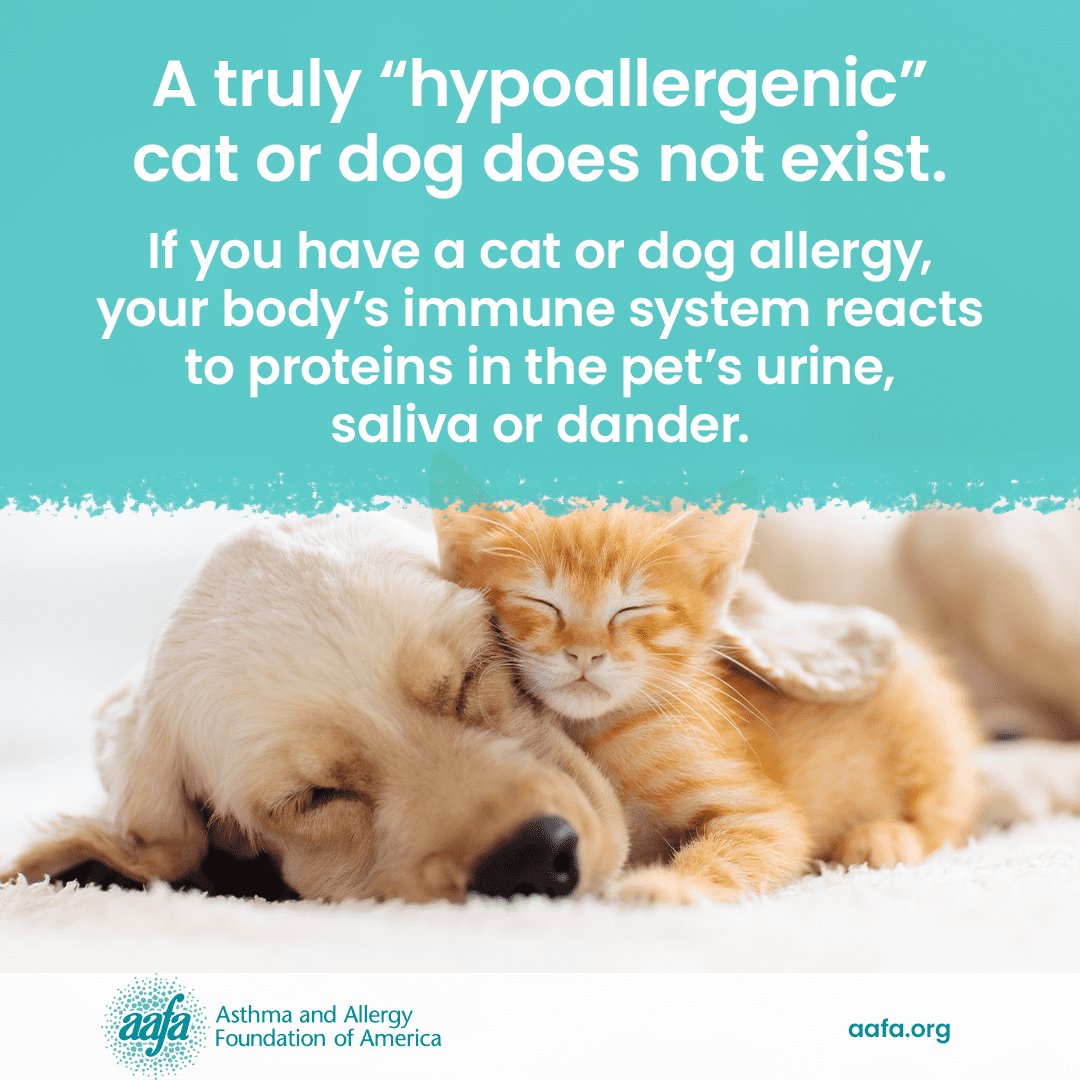
Living with a dog despite allergies is possible when symptoms are well controlled and household rules are clear. The goal is reducing exposure enough so the body does not stay in constant “allergy mode.” Combining medication, cleaning habits, and family cooperation helps many owners keep their dogs safely. If symptoms stay severe even after strong measures, a medical specialist may suggest re‑homing as a last resort, but in many mild–moderate cases, good management allows a comfortable, enjoyable life together.
Creating Dog‑Free Zones and House Rules
A clear house plan makes living with dog allergy much easier. First, set one strict dog‑free zone, usually the bedroom, to protect sleep. Keep the door closed and use separate bedding and blankets. Next, decide no‑go furniture such as sofas or children’s beds, and be consistent.
Useful rules include: no licking faces or hands, no dogs in the kitchen while cooking, and hand‑washing after play. Family members and guests should follow the same rules so allergen levels stay as low and stable as possible.
Grooming, Bathing, and Brushing Routines
Regular care can lower the amount of dog allergens on fur and skin. A simple routine is easier to keep up and kinder for the dog.
| Care step | Recommended frequency | Allergy‑friendly tips |
|---|---|---|
| Brushing | Daily or every few days | Brush outdoors; allergic person should wear a mask and gloves. Use a slicker or deshedding brush suited to the coat. |
| Bathing | About every 2–4 weeks (follow vet advice) | Use a gentle dog shampoo; rinse very well and dry completely to protect the skin barrier. A non‑allergic family member should bathe the dog. |
| Wiping coat & paws | After walks or play | Use pet wipes or a damp cloth to remove pollen, dust, and saliva from fur and paws. |
Avoid over‑bathing, which can dry the skin and increase dander. Regular grooming by a professional, plus at‑home brushing and wiping, keeps coats healthier and helps reduce allergen spread in the home.
Choosing Bedding, Flooring, and Air Filters
Choosing materials carefully can significantly reduce dog allergens in the home. Smooth flooring such as vinyl, tile, or sealed wood is easier to clean than carpet, where dander collects deep in fibers. If carpet is unavoidable, low‑pile with washable rugs is preferable. For bedding, use tightly woven, allergy‑proof covers on mattresses and pillows, and wash sheets and dog blankets in hot water weekly. An air purifier with a true HEPA filter placed in the bedroom and main living area helps remove airborne dander and dust, especially when run on a continuous low setting.
Choosing a Dog If You Have Allergies

Many people with dog allergies can still live happily with a dog if the choice is careful and planned. The key is to match allergy level, lifestyle, and dog characteristics before bringing a new companion home. Consider not only breed, but also size, coat type, grooming needs, and activity level.
A structured checklist helps decision‑making:
| Point to consider | Why it matters for allergies |
|---|---|
| Size of the dog | Smaller body often means fewer allergens overall |
| Shedding and coat management | Influences how much dander spreads in the home |
| Grooming tolerance | Easier grooming supports regular allergen reduction |
| Temperament and activity | A calm dog may spread fewer airborne allergens |
| Living space and ventilation | Affects how easily allergens accumulate or disperse |
Before deciding, plan for testing your reaction, long‑term cleaning routines, and medical support so daily life remains comfortable for both owner and dog.
Are Any Dog Breeds Truly Hypoallergenic?
Many owners hope certain breeds will not cause allergies, but no dog breed is truly 100% hypoallergenic. All dogs produce proteins in dander, saliva, and urine that can trigger reactions. “Hypoallergenic” breeds such as Poodles or Schnauzers may shed less hair, so fewer allergens spread into the air, but sensitive people can still react. The key is understanding that breed choice may reduce exposure, not eliminate allergy risk.
Lower‑Allergen Traits to Look For in Dogs
Many people focus only on breed names, but individual traits influence allergen levels more.
| Trait | Why it matters for allergies |
|---|---|
| Coat type | Single coats and tighter curls can trap dander closer to the skin, so fewer particles float in the air. |
| Shedding level | Dogs that shed less usually spread less dander and saliva around the home. |
| Size | Smaller dogs generally release fewer total allergens than large dogs. |
| Saliva habits | Dogs that drool or lick people and furniture often can cause stronger reactions. |
| Skin health | Healthy skin produces less flaky dander than irritated or allergic skin. |
Choosing a healthy, low‑shedding, smaller dog that does not drool much tends to be more important than choosing by breed label alone.
How to Safely Test Your Reaction to a Dog
Before choosing a dog, it is safer to test allergy reactions in a controlled way. Start with short visits to a friend’s or shelter dog instead of bringing a dog home immediately. Stay in the same room, then gently touch the dog and avoid face‑licking.
After contact, monitor symptoms for 24–48 hours: sneezing, stuffy nose, itchy eyes, hives, coughing, or tight chest. Try several visits on different days; reactions can vary with exposure time and the dog’s grooming.
For anyone with asthma, severe allergies, or past strong reactions, testing should be done only after consulting a doctor or allergist, and carrying prescribed medication (such as an inhaler or epinephrine) if recommended.
When to See a Doctor or Allergist

Dog allergy symptoms can often be eased at home, but medical help is important in certain situations. A doctor or allergist should be consulted when:
- Symptoms last more than 2–4 weeks or keep returning
- Over‑the‑counter medicine no longer controls sneezing, itching, or congestion
- Breathing feels tight during play, cleaning, or grooming with a dog
- Sleep or work are affected by congestion, cough, or headaches
- Skin rashes or hives appear frequently after contact with dogs
Early consultation allows accurate diagnosis, tailored treatment, and advice on living safely with a dog.
Red Flag Symptoms You Should Not Ignore
Some dog‑related symptoms require urgent medical care. Call emergency services right away if any of the following appear after contact with a dog:
| Red flag symptom | Why it is serious |
|---|---|
| Trouble breathing, wheezing, chest tightness | Possible asthma attack or severe allergy |
| Swelling of lips, tongue, face, or throat | Possible anaphylaxis, risk of airway blockage |
| Widespread hives, severe rash, or flushing | May signal a strong systemic reaction |
| Dizziness, fainting, confusion | Blood pressure may be dropping |
| Persistent vomiting or severe abdominal pain | Part of a serious allergic reaction |
For high fever, sinus pain, ear pain, or a cough lasting more than 1–2 weeks, consultation with a doctor as soon as possible is recommended.
Questions to Ask Your Healthcare Provider
Preparing questions in advance helps make the most of a short appointment and ensures safe management of dog allergies.
Example questions to consider:
- Could my symptoms be caused by dog allergy or something else (cold, sinus infection, asthma)?
- Do you recommend skin prick or blood tests for dog allergens in my case?
- How severe is my allergy, and what risks do I have for asthma or serious reactions?
- Which daily medicines (antihistamines, nasal sprays, eye drops, inhalers) are safest for long‑term use?
- Are allergy shots or other immunotherapy suitable, and what results can be expected?
- What home and cleaning changes would help most in my situation?
- Is it medically safe for me to keep living with my dog, and are any limits needed (bedroom, sofa, car)?
- How should I adjust treatment during colds, flu, or pollen season?
- Are there warning signs that mean I should go to the ER instead of waiting for an appointment?
Dog Allergies in Children and Teens

Dog allergies can affect children differently from adults, so guardians often feel uncertain about daily life with dogs. Early recognition and appropriate support are very important. Allergic reactions may influence school life, sleep, and play, but with the right strategies many families continue to live with dogs safely. Later sections explain how to notice symptoms in children and how to adjust environments such as school and playdates so that children and teens can maintain both health and a good relationship with dogs.
Spotting Dog Allergy Symptoms in Kids
Dog allergies in children can look different from adult symptoms. Common signs include sneezing, stuffy or runny nose, and itchy or watery eyes after being near dogs. Some children also develop coughing or wheezing, especially if asthma is present.
Skin reactions are frequent: red, itchy patches, hives, or eczema worsening where a dog licked or scratched. Parents should suspect allergy when symptoms repeatedly appear within 10–30 minutes of dog contact and improve after time away from dogs. Early recognition helps prevent sleep problems, school difficulty, and more serious breathing issues.
Managing School, Playdates, and Visits
For children with dog allergies, planning ahead helps school and social life stay smooth. Inform teachers, the school nurse, and caregivers about specific symptoms and required medicines, such as an inhaler or antihistamine. Request seating away from classmates’ pet hair on clothing, and keep an action plan on file.
For playdates, ask whether a dog lives in the home and how much the child will contact the dog. Short outdoor visits or meeting in a park often reduce reactions. Before visiting homes with dogs, give prescribed allergy medicine, bring rescue inhalers, and limit time in carpeted or bedroom areas.
When relatives or friends visit with dogs, agree on rules: no dogs in the child’s room, extra vacuuming, and use of air purifiers. After exposure, encourage handwashing, changing clothes, and showering to remove allergens and reduce lingering symptoms.
Can Dog Allergies Be Prevented or Reduced?

While it's impossible to completely prevent allergies, it's considered quite possible to significantly reduce the risk of developing them and the severity of symptoms. The key is to "reduce exposure to allergens" and "control your body's reaction." Taking environmental measures early on, such as ventilation, cleaning, using air purifiers, and keeping dogs out of bedrooms, can help prevent symptoms from worsening. Furthermore, using medication or allergen immunotherapy as needed, under a doctor's supervision, can also lead to long-term relief.
Early Steps If You Are Only Mildly Allergic
For a mild dog allergy, early action often prevents symptoms from worsening and helps people keep living with dogs comfortably.
Simple first steps include:
- Limit close face contact such as kisses or sleeping right next to the dog
- Wash hands and face after petting
- Use a daily saline nasal rinse to remove allergens
- Start a non‑drowsy antihistamine, under medical guidance
- Keep the bedroom dog‑free from the beginning
If symptoms improve with these habits, stronger treatment may not be necessary. When discomfort continues for several weeks, consulting an allergist is recommended.
Long‑Term Outlook for People With Dog Allergy
For many people, dog allergies are long‑lasting but manageable, rather than something that forces a separation from the dog. Symptoms may fluctuate over the years, often worsening during colds, high‑pollen seasons, or periods of stress, then easing when exposure and irritants are reduced.
With consistent allergen control at home, appropriate medication, and early treatment of any asthma, most people can maintain normal lung function and daily activity. Some individuals improve over time through immunotherapy, while others remain sensitive and must keep strict house rules. Ongoing follow‑up with a healthcare provider is important, especially for children and people with asthma, to adjust treatment as life and living situations change.
Key Takeaways for Healthy Life With Dogs

A healthy life with dogs is possible even with allergies when symptoms are understood and handled early. Recognizing dog‑related sneezing, itchy eyes, skin rashes, or breathing changes and linking them to exposure is the first step.
Next, reduce contact with allergens through cleaning, dog‑free zones, grooming routines, and air filtration. When needed, combine these habits with appropriate medication or immunotherapy under medical guidance.
For families, shared rules about where the dog sleeps, how often vacuuming happens, and when to seek care help protect everyone, especially children and people with asthma. If symptoms ever feel severe, sudden, or are not improving, consulting a doctor or allergist is essential.
With informed choices, many owners can balance allergy control and a close, enjoyable bond with their dog.
This article provides a clear explanation of the symptoms, causes, and diagnostic methods of dog allergies that affect human health. It also covers a wide range of topics, from daily preventative measures and treatments to tips for living comfortably with dogs. This is a practical guide for people who love dogs but are concerned about their allergies, helping them to live safely with their pets.