

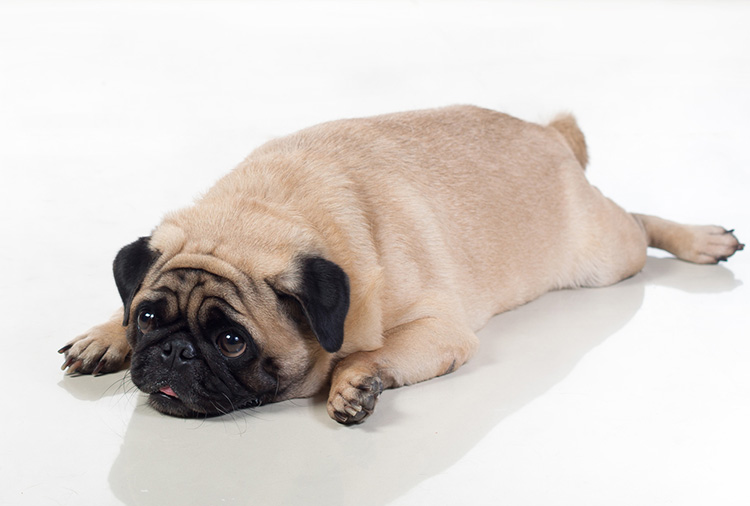
Many dog owners worry after their dog has been spayed or neutered, thinking, "My dog seems to have suddenly gained weight..." After surgery, hormone levels and metabolism change, making weight gain more likely. However, with the right knowledge and care, it is entirely possible to maintain a healthy weight. This article explains the reasons for weight gain after spaying or neutering in dogs, and provides seven easy-to-implement measures from a veterinarian's perspective.
Does Spaying Really Cause Weight Gain?
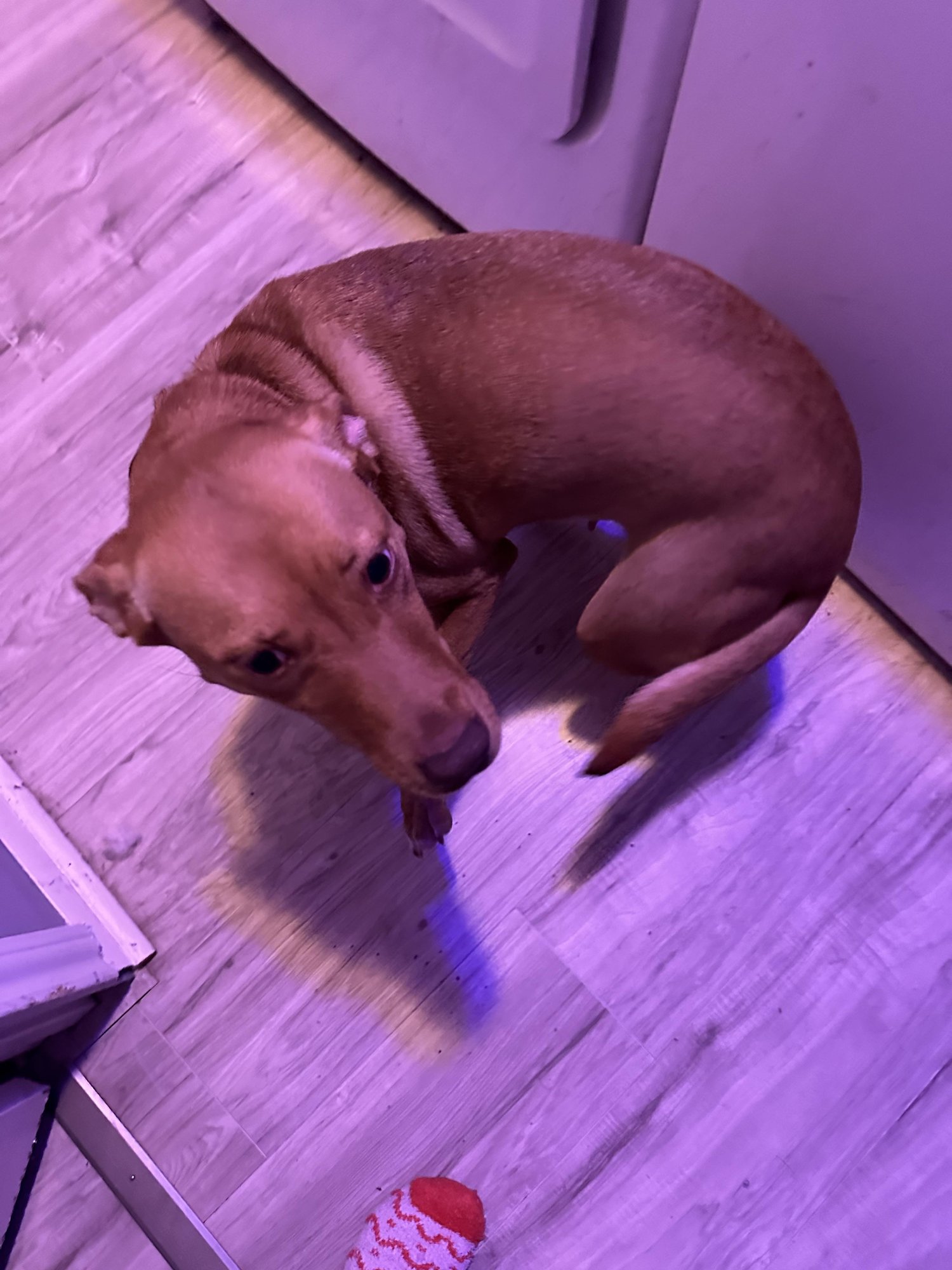
Many owners notice rapid weight gain after spaying, but the surgery itself does not directly create fat. Spaying removes reproductive hormones, which lowers metabolism and often reduces activity. As a result, dogs usually need fewer calories after surgery, even though appetite may stay the same or increase. When food portions and treats are not adjusted and exercise stays low, extra calories quickly turn into body fat. In short, spaying changes the body’s needs; unmanaged diet and activity cause the weight gain.
How hormones change after surgery
After spaying, the ovaries are removed, so the main sources of estrogen and progesterone disappear. Hormone levels drop sharply, and the body receives fewer “reproductive” signals and more “energy‑saving” signals. As a result, appetite‑controlling hormones can shift, so many spayed dogs feel hungrier even though they need fewer calories. At the same time, the body tends to store more energy as fat, which makes weight gain easier if feeding amounts are not adjusted.
Metabolism and activity level shifts
After spaying, many dogs experience a modest drop in metabolism and activity level, which together make weight gain easier. With sex hormones reduced, the body burns fewer calories at rest, so the same amount of food can slowly add extra fat. At the same time, some dogs feel calmer and less driven to roam or be active, so daily movement decreases. Unless owners slightly reduce calories and encourage gentle play and walks, weight can creep up over the following months.
Other reasons your dog may gain weight
Weight gain after spaying is not always caused by surgery alone. Overfeeding, high‑calorie treats, and frequent table scraps easily add up. Age‑related slowing, arthritis pain, or less playtime can also reduce energy use. Some medications and health problems such as hypothyroidism or Cushing’s disease may cause weight gain. For sudden or unexplained changes, a veterinary check is strongly recommended.
Health Risks of Extra Weight in Dogs
Excess weight is not only a cosmetic issue for dogs; it significantly affects overall health. Fat tissue is metabolically active and can promote chronic inflammation, which strains many organs. Overweight dogs face a higher risk of joint disease, heart and breathing problems, diabetes, skin issues, heat intolerance, and surgical complications. Even 5–10% extra body weight can increase disease risk and reduce lifespan, so early weight control after spaying is very important for long‑term health.
Joints, back, and mobility problems
Extra weight puts constant strain on joints and the spine. Even a few extra kilos increase pressure on hips, knees, and elbows, so arthritis often appears earlier and becomes more painful. Dogs may struggle to rise, hesitate on stairs, or avoid jumping. Long‑backed breeds, such as Dachshunds and Corgis, face higher risk of slipped discs when overweight. Keeping a lean shape protects cartilage, reduces inflammation, and helps maintain smooth, comfortable movement.
Heart, lungs, and diabetes risk
Extra weight forces the heart and lungs to work harder. Fat tissue releases inflammatory substances that raise blood pressure and strain the cardiovascular system, which can worsen heart disease and make breathing more difficult, especially in brachycephalic breeds. In addition, excess fat reduces insulin sensitivity, so overweight spayed dogs face a higher risk of insulin‑resistant diabetes and pancreatitis, both of which require lifelong management.
Shorter lifespan and lower quality of life
Excess weight places constant stress on a dog’s organs and joints, so overweight dogs often live shorter lives than dogs at a healthy weight. Research suggests that even moderate obesity can reduce lifespan by up to two years. Daily comfort is affected as well: heavy dogs tire quickly, overheat easily, may struggle to groom, play, or climb stairs, and often develop chronic pain. Maintaining a lean shape helps dogs stay active, comfortable, and happy for more years.
What a Healthy Weight Looks Like
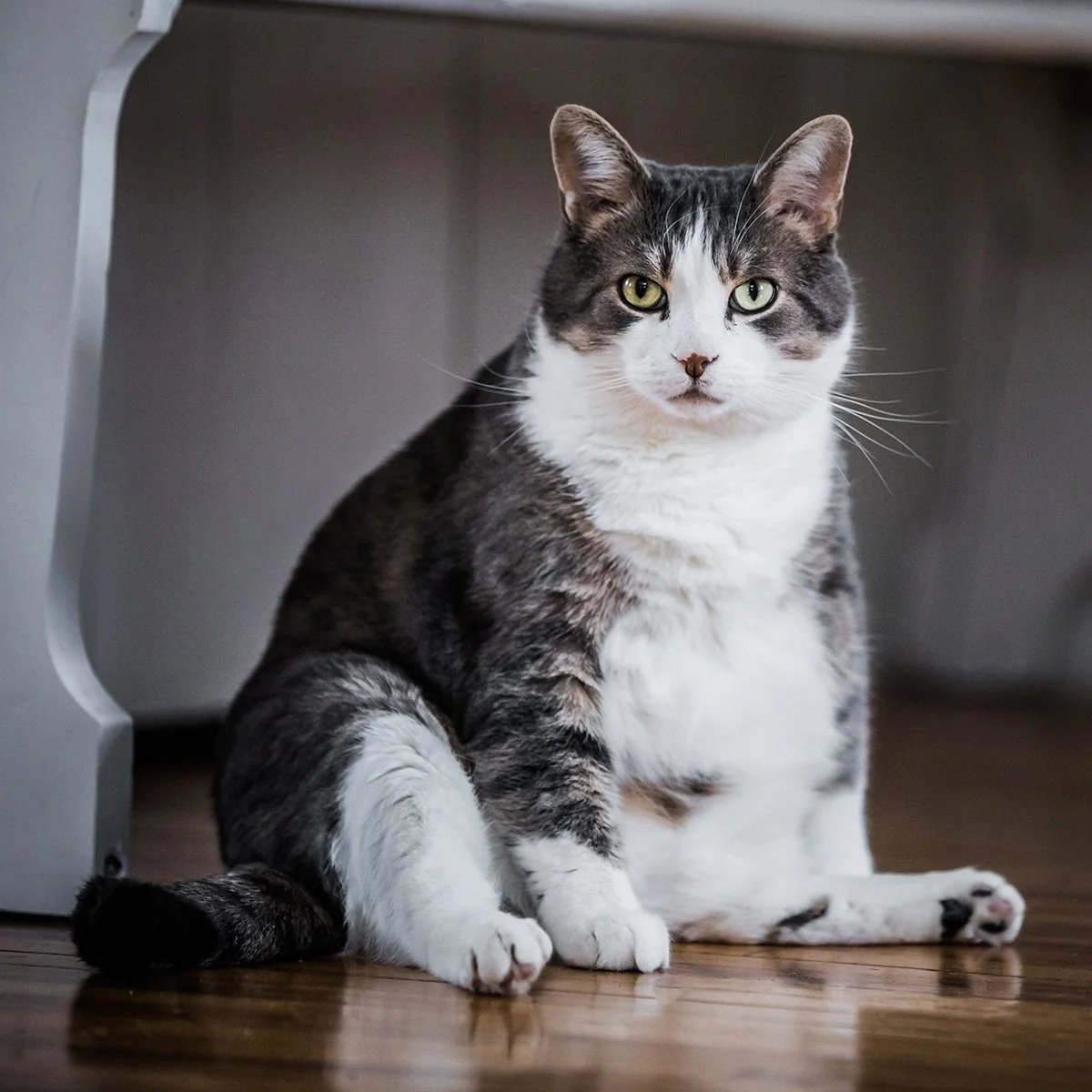
A healthy weight is not a single number on the scale; it is how your dog’s body looks and feels. At a good weight, the waist is visible from above, the belly tucks up from the ribs to the hips, and a light fat layer covers the ribs. Your dog should look lean and athletic, not round. Energy levels are usually steady, breathing is comfortable after play, and joints move smoothly. If curves start to disappear and the body looks barrel‑shaped, extra weight is likely building up.
Body condition score you can check at home
Body condition score (BCS) is a simple 1–9 scale vets use to judge fat coverage. Owners can check it at home with look and touch.
- Ribs: run fingers along the chest. Ribs should be easy to feel with a thin fat layer, not sharp and not buried.
- Waist: view from above. A healthy dog shows a clear “hourglass” behind the ribs.
- Tuck: view from the side. The belly should tuck up, not hang level or low.
Most healthy pets fall around BCS 4–5/9. If ribs are hard to find and the waist is lost, the score is higher and weight control is recommended.
Breed, age, and body shape differences
Ideal weight looks different for each dog. Breed, age, and natural body shape all change what “healthy” means. Greyhounds and Whippets are naturally lean with a visible waist, while Bulldogs or Pugs have stockier frames and more chest. Small breeds gain fat more quickly from extra calories than large breeds. Puppies and young adults usually have more muscle and burn more energy; seniors often move less and need fewer calories, so weight control becomes especially important.
Signs your dog is getting too heavy
A dog that is getting too heavy often shows several small changes rather than one big sign. Key points include: ribs are hard to feel, a soft fat pad over the lower back or at the base of the tail, no clear waist when viewed from above, and a rounded belly from the side. Owners may also notice heavier panting on walks, reluctance to jump on furniture or into the car, and needing to loosen collars or harnesses. Any steady weight gain over several weeks deserves attention before obesity develops.
Dog Weight Gain After Spaying: 7 Vet Tips
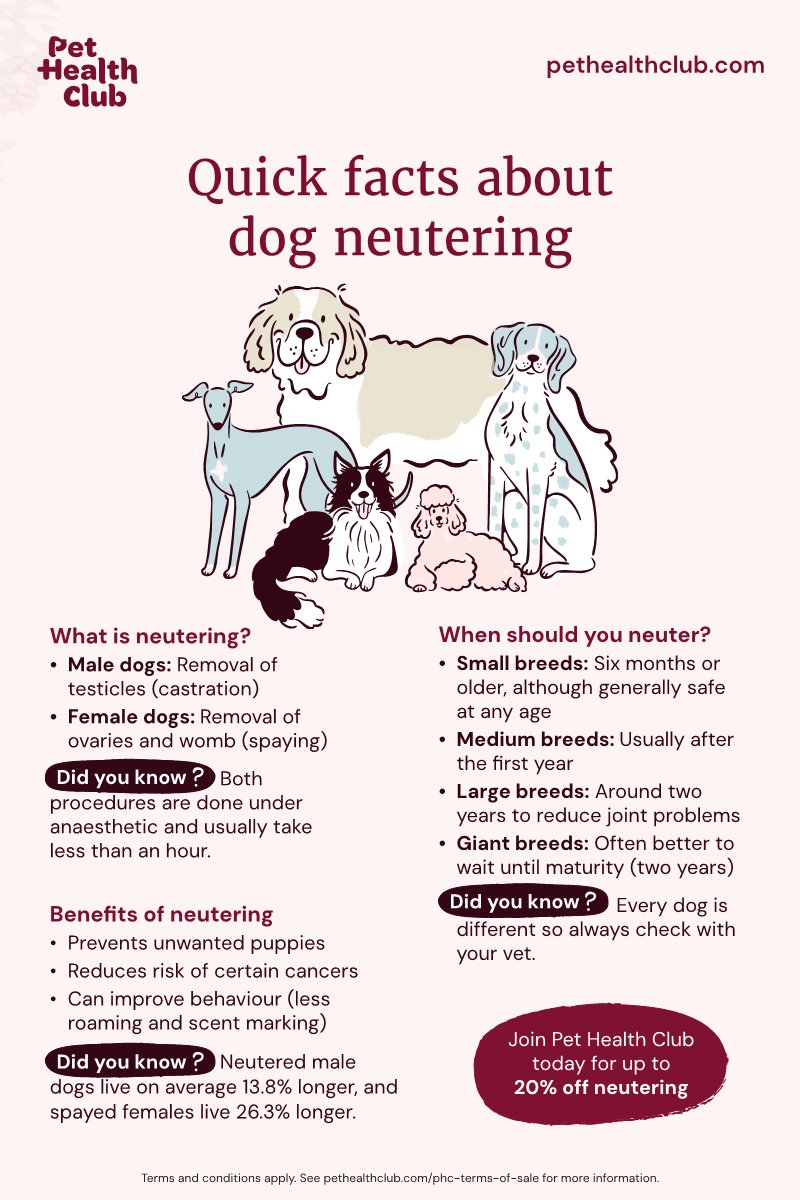
Weight gain after spaying is common but manageable. Hormone changes can lower metabolism and increase appetite, so dogs often need fewer calories and more planned activity than before surgery. The good news is that small, early adjustments usually prevent unhealthy fat gain.
The following 7 vet‑style tips focus on: cutting excess calories safely, choosing appropriate food for spayed dogs, controlling portions and treats, building a gentle exercise routine, tracking weight and body shape, and knowing when to seek veterinary support. By applying several tips together, owners can protect long‑term health while still letting dogs enjoy their meals.
Tip 1: Adjust calories right after surgery
Right after spaying, a dog’s energy needs usually drop by about 20–30%. However, appetite often increases, so continuing the same portion size leads to quick weight gain. As a guideline, owners can reduce total daily calories by about ¼ immediately after surgery, then adjust every 1–2 weeks based on body condition and vet advice. Divide food into 2–3 measured meals and count treats as part of the daily allowance to keep calories under control.
Tip 2: Choose the right food for spayed dogs
For many dogs, a lower‑calorie, “spay/neuter” or “weight management” formula is ideal after surgery. Hormonal changes can reduce calorie needs by around 20–30%, so choosing food designed for lower energy needs helps prevent gradual gain. Look for labels such as “light,” “healthy weight,” or formulas for sterilized dogs, with clear calorie information per cup.
A good option has moderate fat, adequate high‑quality protein to protect muscle, and plenty of fiber to support fullness. Avoid foods very high in fat or marketed mainly as “extra tasty,” as these often contain more calories. For dogs with existing issues such as sensitive stomach, joint disease, or allergies, veterinary diets tailored to both weight control and the specific condition are recommended. Always change food gradually over 7–10 days to avoid digestive upset.
Tip 3: Measure meals, don’t free‑feed
Free‑feeding (leaving food out all day) makes it very easy for a spayed dog with a slower metabolism to overeat. Measuring each meal with a standard cup or kitchen scale helps control calories and spot creeping weight gain. Divide the daily amount into 2–3 meals, and avoid “topping up” the bowl. If several family members feed the dog, use a feeding chart on the fridge so portions are not accidentally doubled.
Tip 4: Use healthy, low‑calorie treats
Many dogs gain weight from snacks rather than main meals. After spaying, treats should usually make up no more than about 10% of daily calories. Choose low‑calorie options such as small pieces of carrot, cucumber, green beans, or commercial low‑fat training treats. Break treats into tiny sizes so each reward is only a few calories. Avoid cheese, fatty meats, and high‑calorie biscuits. For food‑motivated dogs, part of the normal kibble ration can be used as training treats and subtracted from meal portions.
Tip 5: Build a safe exercise routine
A safe routine focuses on gradual return to normal movement. For the first few weeks after spaying, aim for several short leash walks instead of long, intense outings. Avoid jumping, rough play with other dogs, and stairs where possible.
Once the incision is fully healed and the veterinarian approves, gently increase walk length and add light play such as controlled fetch or tug. Consistent daily activity is more important than occasional hard exercise for preventing weight gain and protecting joints.
Tip 6: Weigh and body‑check monthly
Regular checks help catch weight gain early, before it harms health. Weigh the dog about once a month using a home scale or at a clinic, and record the number in a notebook or app. A change of more than 5% in a month is a warning sign.
Combine weighing with a quick body check:
- Ribs: should be easy to feel with light pressure
- Waist: visible from above
- Tuck‑up: slight curve upward behind the ribs
If ribs become hard to feel or the waist disappears, adjust food and activity promptly.
Tip 7: Work with your vet on a plan
Working with a veterinarian helps prevent both rapid weight gain and unhealthy dieting after spaying. A vet can:
- Check current body condition and ideal target weight
- Calculate safe daily calories and suggest suitable diets
- Set a realistic weight‑loss or maintenance timeline
- Advise on joint, hormone, or metabolic issues
Regular follow‑ups, even by quick clinic weigh‑ins, allow early adjustment of food and exercise before extra kilos become hard to lose.
Feeding Guide After Your Dog Is Spayed
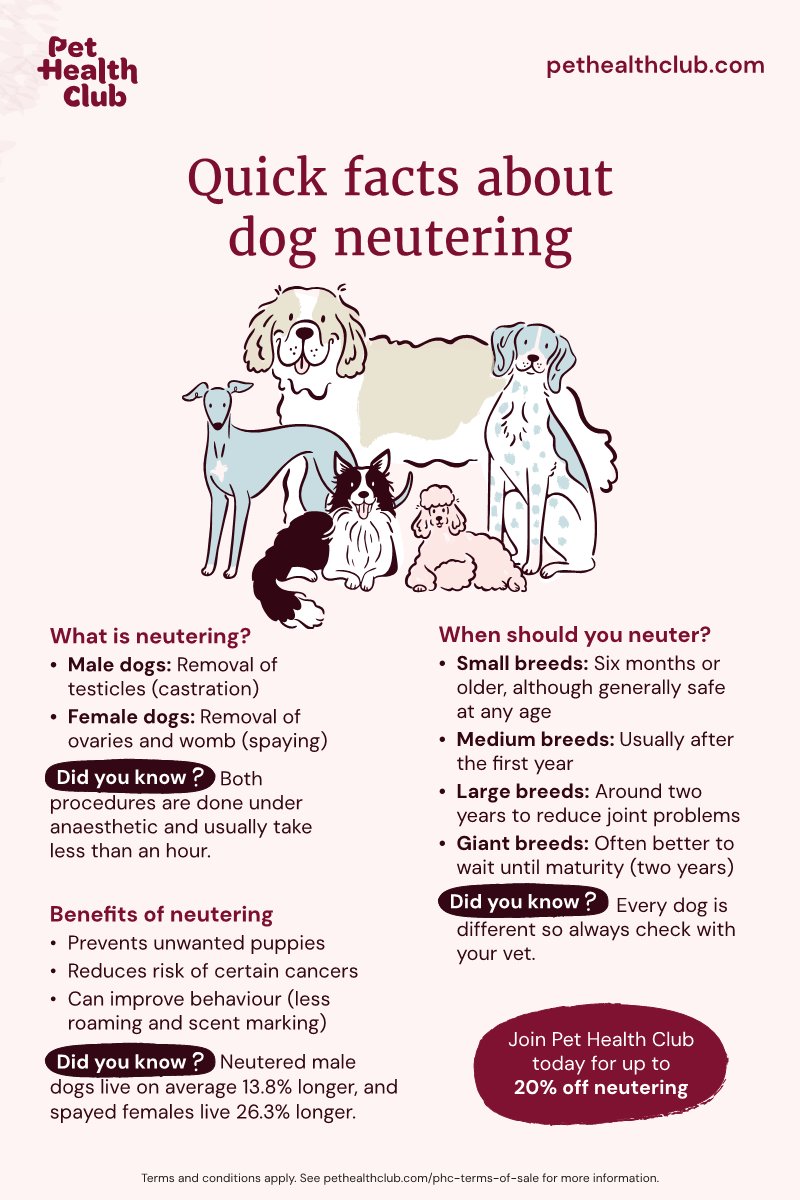
After spaying, a dog’s energy needs often drop, so feeding habits usually need to change even if the food brand does not. Owners are encouraged to review portion size, treat frequency, and meal timing. Many veterinarians recommend starting with a small calorie reduction and monitoring weight every 1–2 weeks. A balanced plan focuses on complete nutrition, controlled portions, and limited extras so the dog stays slim, comfortable, and healthy after surgery.
How much to feed by size and life stage
Spayed dogs often need about 20–30% fewer calories than before surgery. The right amount depends mainly on size and activity level. Use the feeding guide on the food bag as a starting point, then adjust based on body condition.
| Dog size (adult) | Approx. daily calories* |
|---|---|
| Toy (2–5 kg) | 150–300 kcal |
| Small (5–10 kg) | 300–500 kcal |
| Medium (10–25 kg) | 500–1,000 kcal |
| Large (25–40 kg) | 1,000–1,400 kcal |
| Giant (40kg+) | 1,400–2,000+ kcal |
Values are general estimates for neutered, moderately active* dogs. Always adjust if the dog gains or loses weight over 2–4 weeks.
Puppies vs. adult and senior spayed dogs
Spaying affects calorie needs differently by age. Puppies still need energy for growth, so intake is not reduced as sharply; instead, owners monitor body condition closely and avoid overfeeding treats. Adult spayed dogs usually need about 15–25% fewer calories than before surgery. Senior spayed dogs often have slower metabolism and lower activity, so portion control and high‑quality, easily digestible protein become very important to prevent gradual weight gain while maintaining muscle.
Sample daily meal and treat breakdown
Below is an example of a daily meal and snack distribution focused on maintaining weight. This is just a guideline, so it is important to adjust the required calories according to your dog's body type and activity level.
| Weight Guideline | Example of Total Daily Calories | Breakfast | Dinner | Snack Guideline |
|---|---|---|---|---|
| Around 5kg | Approximately 350kcal | 150kcal | 150kcal | Up to 50kcal |
| Around 10kg | Approximately 550kcal | 225kcal | 225kcal | Up to 100kcal |
| Around 20kg | Approximately 900kcal | 350kcal | 350kcal | Up to 200kcal |
As a guideline, treats should be within 10% of the total daily calories, and it's easier to manage if you set aside a few kibbles of food for training. When switching to a new food, it's safest to gradually introduce it over several days.
Exercise Ideas for Newly Spayed Dogs

Newly spayed dogs need movement for weight control, but also time for internal healing. Focus on short, calm activities that avoid jumping or rough play. Gentle leash walks, sniffing in the yard, simple scent games at home, and basic obedience practice help burn energy without straining the incision. Mental enrichment toys, slow feeding bowls, and quiet indoor play keep boredom and begging away while the body recovers.
Activity during the first 2 weeks
For the first 10–14 days after spaying, the goal is healing first, movement second. Avoid running, jumping, stairs, and rough play. Short leash walks on flat ground, about 5–10 minutes a few times a day, are usually safe if the veterinarian agrees.
Check the incision daily; stop activity and rest if there is redness, swelling, discharge, or your dog starts licking the wound. Use a cone or recovery suit as directed, and focus on calm bonding time, gentle indoor wandering, and quiet sniff walks rather than exercise.
Safe ways to increase movement
Once the vet clears moderate activity, movement should increase slowly and consistently, not in sudden bursts. Start with several short leash walks instead of one long outing, adding 5–10 minutes every few days if the dog stays comfortable.
Low‑impact options such as sniff walks, gentle indoor fetch over short distances, and walking on soft ground help protect joints. Avoid fast stairs, rough play with other dogs, or jumping off furniture until muscles strengthen again. If panting, limping, or reluctance appear, reduce activity and consult a veterinarian.
Mental games that burn energy
Mental games help spayed dogs burn energy without stressing joints, which is useful during and after recovery. Simple ideas include food‑puzzle toys, snuffle mats, or hiding kibble around a room for “find it” games. Short training sessions using basic cues or new tricks also work well. Rotating 2–3 brain games daily can reduce boredom, lower begging, and support healthy weight control.
When Weight Gain Signals a Health Problem
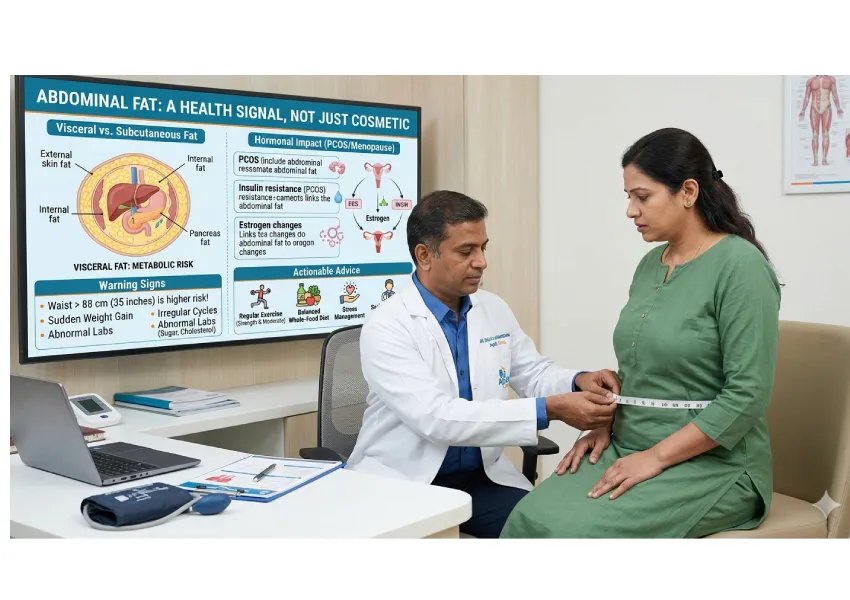
Sudden weight gain after spaying is not always due to extra food or less exercise. Sometimes underlying disease causes fat, fluid retention, or swelling. Health‑related weight gain often appears quickly, may come with low energy, heavy breathing, increased thirst, vomiting, or a bloated belly. When weight changes do not match your dog’s diet or activity, medical causes need to be considered and a veterinary check is important.
Red flags to call your veterinarian
Sudden weight gain after spaying can signal illness, not just extra treats. Contact a veterinarian promptly if any of the following appear:
- Rapid weight gain over days or a few weeks
- Swollen or tight belly, especially if firm or painful
- Lethargy, heavy breathing, or coughing
- Drinking or urinating much more than usual
- Vomiting, diarrhea, or poor appetite
- Lameness or reluctance to move
Any change around the surgery site (redness, discharge, bad smell, severe pain) also requires a check as soon as possible.
Conditions that can mimic weight gain
Sudden “weight gain” after spaying is not always excess fat. Some conditions change a dog’s shape or number on the scale without true obesity.
| Condition | How it can look like weight gain |
|---|---|
| Fluid in the abdomen (ascites) | Belly becomes round or tight, may feel heavy |
| Tumors or cysts | Localized swelling, gradual increase in girth |
| Severe constipation/bloat | Firm, enlarged abdomen, discomfort |
| Pregnancy in unspayed dogs | Progressive belly growth, nipple changes |
Unexplained swelling, trouble breathing, or pain should be treated as urgent reasons to see a veterinarian.
Tests your vet may recommend
Veterinarians may suggest blood and urine tests to check organ function, blood sugar, protein levels, and signs of hormonal disease. Thyroid and cortisol tests help detect hypothyroidism or Cushing’s, which often cause weight gain. Imaging such as X‑ray or ultrasound can reveal fluid buildup, tumors, or enlarged organs. In some cases, your dog may also receive blood pressure checks and stool tests to rule out other health problems.
Myths and Facts About Spaying and Obesity
Many owners worry that spaying automatically causes obesity, but the reality is more nuanced. Spaying changes hormone levels, which can lower calorie needs and increase appetite, so unmanaged feeding often leads to weight gain. However, surgery alone does not make a dog overweight. With adjusted portions, appropriate food, regular exercise, and routine weight checks, most spayed dogs maintain a healthy body shape throughout life.
“Spaying always makes dogs fat”
Many owners fear that spaying automatically makes every dog overweight. In reality, spaying changes hormone balance and metabolism, but does not guarantee weight gain. Dogs gain fat when calorie intake stays too high for their new energy needs.
Spayed dogs are more prone to weight gain because appetite can rise while activity often falls. However, with adjusted portions, suitable food, and regular exercise, most spayed dogs maintain a healthy shape. Spaying should be viewed as a health procedure, not a sentence to lifelong obesity.
“Cut food in half after surgery”
“Cut food in half after surgery” is a common recommendation, but suddenly halving meals can be unsafe, especially for puppies, small breeds, and underweight dogs. Rapid restriction may cause hunger, food guarding, vomiting, or nutritional imbalance. A safer approach is usually a gradual 10–20% calorie reduction, guided by body‑condition checks and veterinary advice, instead of an automatic 50% cut for every spayed dog.
The real key: balance, not restriction
Many owners worry and suddenly cut portions too hard after surgery, but extreme restriction can backfire. Dogs become very hungry, beg more, and may lose muscle instead of fat. The real goal is balance: match calories to your dog’s new energy needs, choose a nutrient‑dense food, and combine measured meals, limited treats, and daily activity. Gentle, steady adjustments and regular body checks support a healthy weight far better than sudden, harsh dieting.
This article explains the relationship between hormonal changes after spaying/neutering and weight gain, the health risks associated with obesity, methods for checking your pet's body condition at home, seven veterinarian-supervised countermeasures, specific feeding amounts and exercise plans, and how to identify underlying illnesses.


![[How to choose a dog toilet sheet] Introducing recommended toilet sheets](http://with-my-dog.com/wp-content/uploads/2021/10/991804_m-150x150.jpg)



![[2022 Edition] What is the safest dog food? Survey of recommended popular products](http://with-my-dog.com/wp-content/uploads/2021/10/puppy-ged828c55e_1920-150x150.jpg)






![[Dog Names] Is the Japanese name boom here?! Ranking of Japanese dog names!](http://with-my-dog.com/wp-content/uploads/2021/10/adtDSC_0871-300x199.jpg)