
Dogs are cherished members of the family, but many people give up on living with one due to allergies. This article introduces nine low-allergen dog breeds that are relatively easy for owners with allergies to care for, and that are also health-conscious. We will also touch upon the mechanisms of dog allergies and points to consider when choosing a breed, providing tips for welcoming a new partner with peace of mind. This information will be a starting point for those who do not want to give up on living with a dog, as they will find concrete options.
Understanding Dog Allergies
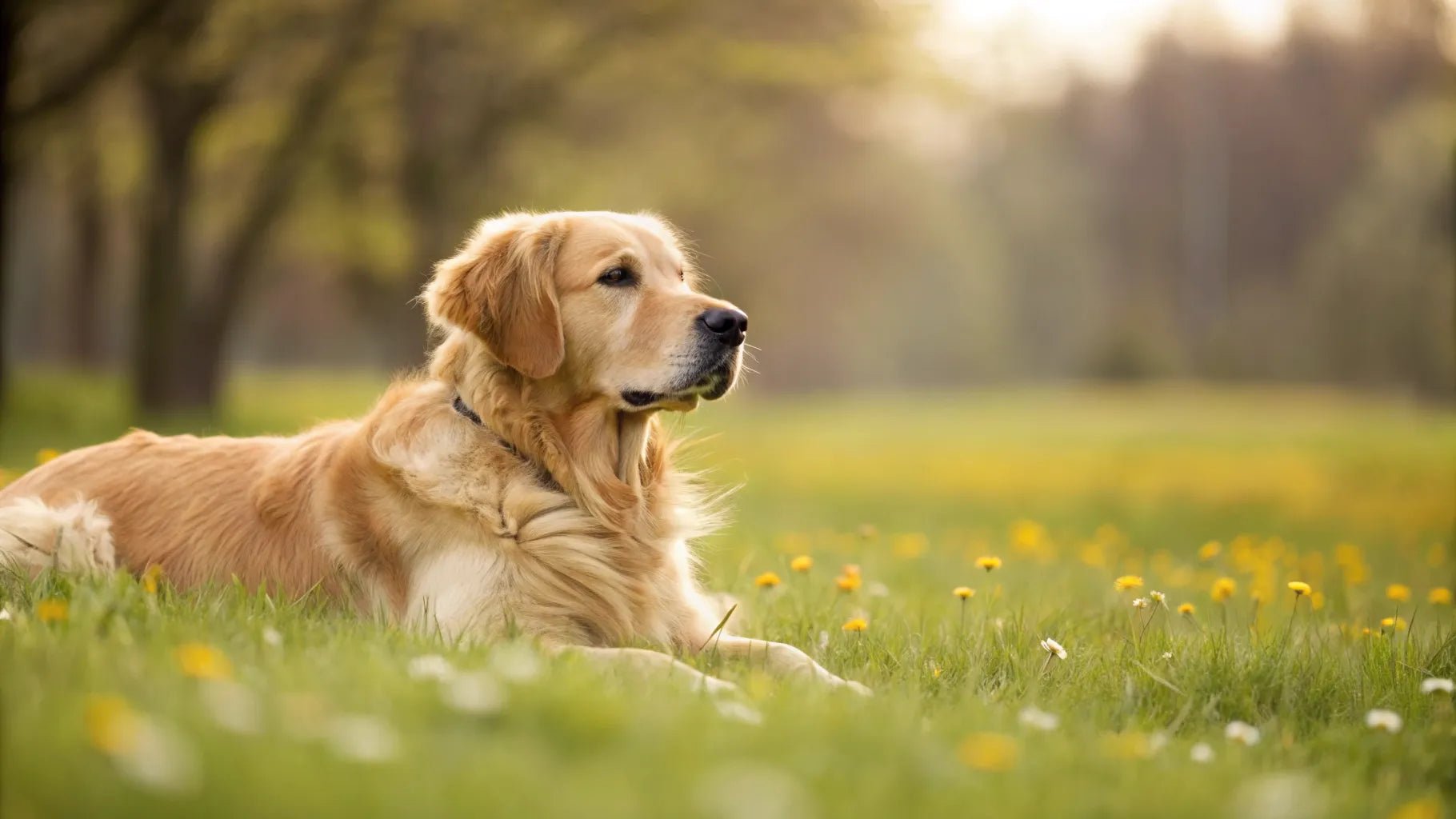
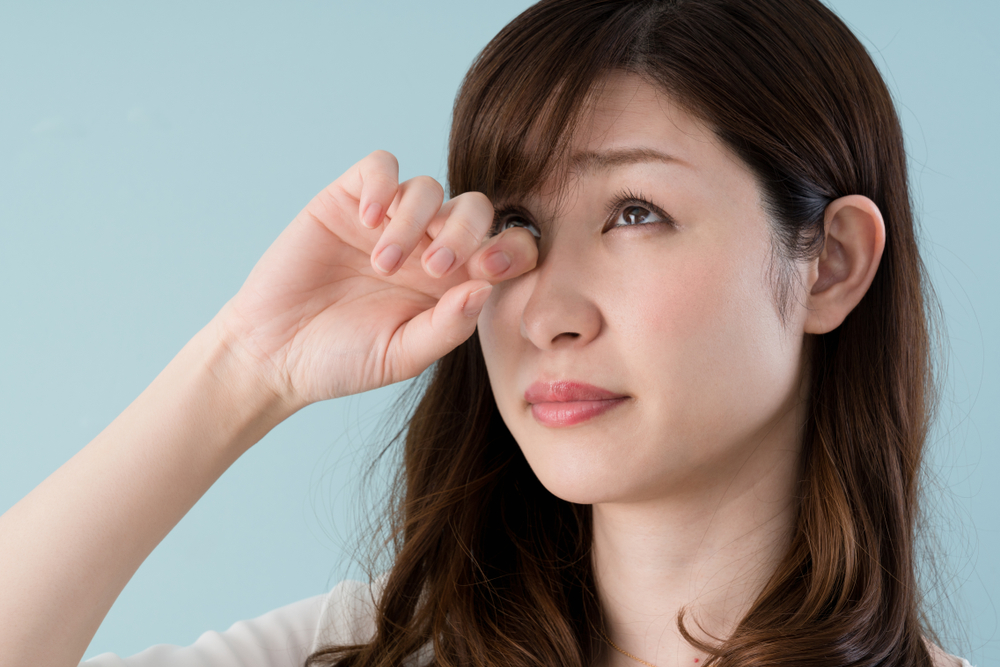
Dog allergies are usually reactions to proteins found on a dog’s skin, in saliva, and in urine. Those proteins attach to tiny skin flakes and hair, which spread through the home. When sensitive people breathe in or touch these particles, the immune system overreacts and causes symptoms such as sneezing, itchy eyes, runny nose, coughing, or skin rashes. In more severe cases, asthma may worsen. Understanding the true source of the allergen is the first step toward choosing a suitable breed and managing symptoms.
What actually triggers reactions
Dog allergies are mainly triggered not by fur itself but by allergens in dander, saliva, and urine. Dander is made of tiny flakes of skin that easily become airborne and stick to furniture and clothing. When a dog licks its coat, saliva dries on the hair and skin, adding more allergen. Urine proteins can also cling to paws and fur. When sensitive people inhale or touch these particles, the immune system overreacts, causing sneezing, itchy eyes, or skin rashes.
Myths and facts about shedding
Many people believe that hairless or non‑shedding dogs cannot cause allergies, but shedding level and allergy risk are not the same thing. The main problem is usually dander and saliva proteins, not fur itself. Long‑haired or curly breeds may shed less into the environment, so fewer allergens float around, but sensitive owners can still react when grooming, cuddling, or cleaning. Short‑haired heavy shedders can spread more dander, yet individual dogs within any breed may vary in how strongly they trigger symptoms.
What Makes a Dog Hypoallergenic

Many people assume “hypoallergenic” means a special medical category of dog, but in reality it is a practical term. A hypoallergenic dog is one that tends to produce fewer allergens or spread fewer allergens around the home, so allergy symptoms may be milder.
All dogs create proteins that can trigger allergies, mainly in skin flakes, saliva, and urine. Breeds called hypoallergenic usually:
- Shed less hair, so fewer allergen‑coated hairs float around
- Drop less dander into the environment
- Have coat types that trap loose hair until grooming
Importantly, no breed suits every allergy sufferer. Hypoallergenic dogs simply reduce overall allergen exposure, which helps many sensitive owners live more comfortably with a pet.
Dander, saliva, and coat type
Dog allergens mainly come from dander (tiny flakes of skin) and saliva, not from hair itself. Proteins in dander and dried saliva stick to fur and spread around the home. Coat type influences how far allergens travel. Curly or wiry, low‑shedding coats tend to trap dander, while double coats that shed heavily release more flakes into the air. However, every dog produces dander and saliva, so allergy levels vary by individual dog and home environment.
Are any breeds 100% allergen free?
No dog breed is truly 100% allergen free. Allergic reactions are caused by proteins in dander, saliva, and urine, and all dogs produce these to some extent. Hypoallergenic breeds usually shed less hair and dander, so many allergy‑sensitive people react less strongly. However, individual sensitivity varies, so spending time with a specific dog before adoption is strongly recommended.
Health and Hypoallergenic Breeds

Many owners focus only on allergies, but overall health also matters when choosing a hypoallergenic breed. Low‑shedding dogs often need more frequent grooming and ear, skin, or eye care, yet they can be very robust when responsibly bred. When comparing breeds, it is important to weigh both allergy‑friendliness and typical genetic risks, so families welcome a companion who is comfortable to live with and likely to stay healthy long term.
How healthy are low‑shedding dogs
Low‑shedding and so‑called hypoallergenic breeds are often perceived as automatically healthier, but reality is more nuanced. Many such dogs enjoy excellent longevity and can stay active well into their senior years, especially when kept lean and well‑exercised. However, a low‑shedding coat mainly affects allergy management, not internal health. Breed genetics, responsible breeding practices, weight control, and routine veterinary care have a far greater impact on overall health than coat type alone.
Common health issues to know
Low‑shedding and “hypoallergenic” breeds are not automatically healthier. Many share breed‑specific risks owners should know.
Typical concerns include:
| Area | Examples often seen in hypoallergenic breeds |
|---|---|
| Skin & coat | Allergies, seborrhea, infections from dense or curly hair |
| Eyes & ears | Tear staining, ear infections in drop‑eared water dogs |
| Joints | Hip or elbow dysplasia, patellar luxation in small breeds |
| Metabolism | Diabetes, pancreatitis in some terriers and small dogs |
Understanding these tendencies helps owners plan early screening and preventive care with a veterinarian.
9 Allergy‑Friendly, Healthy Dog Breeds

Choosing a hypoallergenic breed is not only about low shedding but also about long‑term health and lifestyle fit. The following nine breeds are known for comparatively low dander or shedding and generally solid health, making them strong candidates for allergy‑sensitive owners. Each breed still has unique grooming, exercise, and veterinary needs, so readers are encouraged to compare temperament, size, and typical health risks carefully before deciding which dog can live most comfortably and safely in their household.
Poodle
The Poodle is often considered a model hypoallergenic breed thanks to its tightly curled, low‑shedding coat. Loose hairs tend to stay trapped in the curls instead of floating around the home, which can help reduce allergen spread. Poodles are also known for high intelligence, strong trainability, and adaptability to many lifestyles, from active families to older owners who enjoy daily walks and mental games.
Size options and temperament
Toy, Miniature, and Standard Poodles share a similar temperament despite their size differences. All three are known for high intelligence, trainability, and eagerness to please, which makes them suitable for first‑time owners who enjoy training. Toy and Miniature Poodles fit well in apartments and prefer close, lap‑dog style companionship. Standard Poodles usually have higher exercise needs and suit active families who enjoy outdoor activities and regular mental challenges.
Health outlook and care tips
Health outlook and care tips
A Poodle’s overall health outlook is generally favorable, especially when breeders perform genetic testing. Many live well into their teens. Regular exercise, weight control, and preventive vet care are key to maintaining joint and heart health.
Daily walks plus brain games (training, puzzle toys, scent work) help prevent anxiety and destructive behavior. The curly coat must be groomed every 4–8 weeks and brushed several times a week to avoid mats that irritate the skin. Cleaning ears, trimming nails, and brushing teeth reduce infection risk and support long‑term health.
Bichon Frise
A Bichon Frise is often recommended for allergy‑sensitive owners because the soft, curly coat sheds very little and tends to trap loose dander. The small size and cheerful nature make the breed easy to live with in apartments or family homes. However, regular grooming and bathing are essential so that accumulated dander, saliva, and environmental allergens are removed from the coat and skin.
Personality and family fit
The Bichon Frise is known as a cheerful "velcro dog" that enjoys being close to people. The breed is usually gentle with children, sociable with visitors, and friendly toward other dogs when well socialized. Because of the strong attachment to family, Bichons do best in homes where someone is around much of the day and may not suit families who are out for long hours.
Coat care and skin health
Coat care and skin health
A Bichon Frise’s plush, curly coat holds loose hair and dander, so regular grooming is essential for allergy‑sensitive homes. Brushing several times a week prevents mats that can irritate the skin and trap allergens. Professional trimming every 4–6 weeks keeps the coat manageable. Gentle, hypoallergenic shampoos and thorough drying support healthy skin, while routine checks for redness, hot spots, or dryness allow early treatment and more comfortable cuddles for everyone.
Portuguese Water Dog
Portuguese Water Dog
The Portuguese Water Dog is a medium‑sized, athletic working breed originally used on fishing boats. The curly, low‑shedding coat is often suitable for allergy‑sensitive owners, but regular grooming is still essential to control dander. PWDs are intelligent, loyal, and people‑oriented, usually forming a strong bond with one family member while remaining affectionate with everyone. They enjoy training, water activities, and being involved in daily life, so they suit active households that want a close canine companion.
Activity needs and lifestyle
The Portuguese Water Dog is an energetic working breed that needs daily, vigorous exercise. Long walks, jogging, swimming, or fetch sessions of 60–90 minutes in total are ideal. Without enough activity, boredom can lead to problem behaviors. Because of the breed’s love of water and strong stamina, it suits active households who enjoy outdoor sports more than very sedentary lifestyles or owners away from home for long hours.
Health concerns to screen for
Portuguese Water Dogs are generally robust, but certain inherited issues are more common. Responsible breeders often test for hip dysplasia, progressive retinal atrophy (PRA), and juvenile dilated cardiomyopathy. Allergic families should also ask about skin and ear problems, because chronic infections can increase dander and odor in the home. Before choosing a puppy, requesting health clearances for parents is strongly recommended.
Miniature Schnauzer
Compact and confident, the Miniature Schnauzer is a popular choice for allergy‑sensitive owners. The harsh, wiry outer coat and soft undercoat catch much of the dander and loose hair, so less ends up floating around the home compared with many double‑coated breeds. Miniature Schnauzers are intelligent, people‑oriented, and typically good with families, provided they receive daily mental and physical exercise. Strong watchdog instincts mean some dogs bark readily, so early training and socialisation are important for a calm household.
Grooming and low‑shed coat
A Miniature Schnauzer’s wiry double coat sheds very little, but regular grooming is essential to keep dander and loose hair under control. Most owners schedule a professional hand-stripping or clipping every 4–8 weeks and perform weekly combing to prevent mats, especially on the beard and leg furnishings. Bathing every 4–6 weeks with a gentle, hypoallergenic shampoo helps reduce allergens on the coat while protecting skin.
Practical grooming tips
- Brush the body and legs at least 2–3 times per week
- Wipe the beard after meals to avoid odor and skin irritation
- Trim hair around the eyes and paws for hygiene and comfort
- Clean ears regularly to reduce wax and debris
Consistent grooming keeps the Miniature Schnauzer’s coat low‑shed and more comfortable for allergy‑sensitive owners.
Metabolic and eye health
Miniature Schnauzers are prone to pancreatitis, obesity, and diabetes, so controlled portions and limited high‑fat treats are very important. Regular bloodwork can catch problems with blood sugar or liver values early. The breed also has a tendency toward cataracts and progressive retinal atrophy, so yearly eye exams by a veterinarian, plus watching for night‑vision changes or cloudy lenses, are strongly recommended.
Lagotto Romagnolo
Lagotto Romagnolo
The Lagotto Romagnolo is a curly‑coated, low‑shedding gundog originally bred in Italy to retrieve and later to hunt truffles. The tight curls catch loose hair and dander, so fewer allergens spread through the home compared with many double‑coated breeds. Lagotti are typically affectionate, people‑oriented, and highly trainable, but also energetic and alert. Early socialization and consistent training are important, because some lines can be reserved with strangers or sound sensitive if not well exposed when young.
Temperament and exercise
The Lagotto Romagnolo is typically affectionate, eager to please, and highly people‑oriented. Many enjoy cuddling but also have a strong working drive, inherited from their truffle‑hunting background. Most Lagotti bond closely with one family member yet remain friendly with others.
Energy levels are medium to high. Daily needs usually include at least 60–90 minutes of varied activity, such as brisk walks, off‑leash play in a secure area, and short training sessions. Because Lagotti are intelligent, they benefit greatly from nose work, puzzle toys, and scent games. Without enough mental and physical exercise, boredom can lead to digging, barking, or destructive chewing, so a consistent routine is important.
Genetic health testing notes
Genetic screening is very important for the Lagotto Romagnolo, because the breed carries several well‑identified hereditary risks. Responsible breeders usually test for juvenile epilepsy, certain storage diseases, hip dysplasia, and eye problems such as PRA.
Before bringing a Lagotto home, buyers should ask breeders for official health test results for both parents and clear explanations of what each test means. Careful selection lowers the chance of serious inherited disease and supports a longer, healthier life.
Soft Coated Wheaten Terrier
Soft Coated Wheaten Terrier
The Soft Coated Wheaten Terrier is a medium-sized, cheerful terrier known for its single-layer, silky coat that sheds less than many double‑coated breeds. Originally bred as a versatile Irish farm dog, Wheatens are typically friendly, energetic, and people‑oriented. Their wavy coat traps loose dander and hair, which can make them a good option for some allergy‑sensitive owners, provided regular grooming and brushing routines are maintained.
Who they suit best
Soft Coated Wheaten Terriers suit guardians who enjoy an active but not extreme lifestyle. They are ideal for families with school‑age children, couples, or singles who want a friendly, playful companion and can offer daily walks plus playtime. First‑time owners can manage them if they commit to consistent training and regular grooming, as Wheaten Terriers are energetic, social, and may be too boisterous for very frail people or households that prefer a very calm dog.
Protein‑losing conditions
Protein-losing enteropathy (PLE) and protein-losing nephropathy (PLN) are well-known genetic disorders in soft-coated wheaten terriers. These disorders involve protein leakage from the intestines and kidneys, resulting in symptoms such as swelling, ascites, weight loss, diarrhea, and lethargy.
To reduce the risk of developing these conditions, it is important to acquire a puppy from a reputable breeder who performs kidney and intestinal examinations on the parent dogs. Even after acquiring a puppy, annual blood and urine tests are recommended for early detection. If you notice decreased appetite, sudden weight loss, or swelling of the legs or face, prompt veterinary attention is advised.
Havanese
The Havanese is a small companion dog with a silky, low‑shedding coat that can suit many allergy‑sensitive households. Hair grows continuously and falls out very little, so loose fur carries fewer allergens around the home. However, dander and saliva are still present, so regular grooming and bathing remain essential for allergy control. Havanese are generally robust, people‑oriented, and adaptable, making them popular for owners seeking an affectionate, indoor‑friendly hypoallergenic breed.
Apartment‑friendly traits
Compact size and adaptable temperament make the Havanese highly suitable for apartments. They usually have moderate exercise needs, so short daily walks plus indoor play are often sufficient. Havanese tend to be social and people‑oriented, which reduces stress barking when properly trained. With consistent house‑training, enrichment toys, and gentle manners, they fit well in multi‑unit buildings and urban lifestyles.
Joint and eye care
The Havanese is generally a robust small breed, but joint and eye care are important for long‑term health. Patellar luxation (loose kneecaps) and early osteoarthritis can appear, so maintaining a slim body condition and avoiding excessive jumping from furniture are helpful. Gentle daily walks, non‑slip flooring, and ramps to sofas protect small joints.
Eye issues such as cataracts, tear staining, and dry eye may also occur. Regularly check for redness, cloudiness, or frequent squinting, and consult a veterinarian promptly if any changes appear. Using vet‑approved eye wipes around the lids, feeding an antioxidant‑rich diet, and scheduling routine eye exams for senior dogs support clearer, more comfortable vision.
Basenji
Basenji
The Basenji is a small, athletic, cat‑like dog known for being calm indoors and clean in daily life. Originating as a hunting dog in Africa, the breed is alert and independent, yet often deeply bonded with family. Barking is rare; Basenjis tend to “yodel” or whine softly instead, which can suit neighbors in shared housing. However, strong prey drive and high curiosity mean careful supervision outdoors and secure fencing are important for safety and training success.
Low‑odor, low‑shed benefits
Basenjis are often chosen by allergy‑sensitive owners because they are naturally low‑odor and shed very little compared with many breeds. The short, fine coat drops fewer hairs, so less dander spreads around the home. Their cat‑like self‑grooming also helps keep the coat clean. However, no dog is completely allergen‑free, so regular vacuuming, washing bedding, and hand‑washing after contact remain important for managing symptoms.
Typical lifespan and health
Basenjis often enjoy a long lifespan of around 13–16 years, making them one of the more robust small–medium breeds. Many stay active well into senior years. However, families should watch for typical issues such as hip dysplasia, eye disease (including PRA), and certain kidney problems. Regular vet screening, weight control, and dental care greatly support long‑term health and comfort.
Irish Water Spaniel
The Irish Water Spaniel is a curly, liver‑colored gundog known for low shedding and a clownish personality. The tight, waterproof curls trap loose hair, so less dander spreads in the home compared with many double‑coated breeds. However, regular brushing and professional grooming remain important to prevent matting, protect skin health, and keep the coat clean, which helps further reduce potential allergen build‑up indoors.
Water‑loving working dog
Irish Water Spaniels are classic water‑loving gundogs bred to retrieve game from lakes, rivers, and the sea. They usually adore swimming, dock diving, and any game involving retrieval from water. Because of the working‑dog background, they need both physical exercise and job‑like activities, such as scent games or advanced obedience. With regular outlets for their energy and intelligence, they become affectionate, fun companions for active owners who enjoy outdoor life.
Ear and joint health tips
Regular care helps Irish Water Spaniels stay comfortable and active. Their long, hanging ears trap moisture, so owners should dry ears thoroughly after swimming, use vet‑approved ear cleaner weekly, and watch for redness, odor, or head‑shaking.
Joint protection is also important for this energetic, medium‑large breed. Keeping a slim, athletic body weight, providing non‑slip flooring, using ramps for cars or high furniture, and choosing age‑appropriate exercise all reduce strain on hips and elbows. Early vet checks and, if advised, X‑rays for hip and elbow dysplasia help guide long‑term joint care.
How to Pick the Right Breed for You
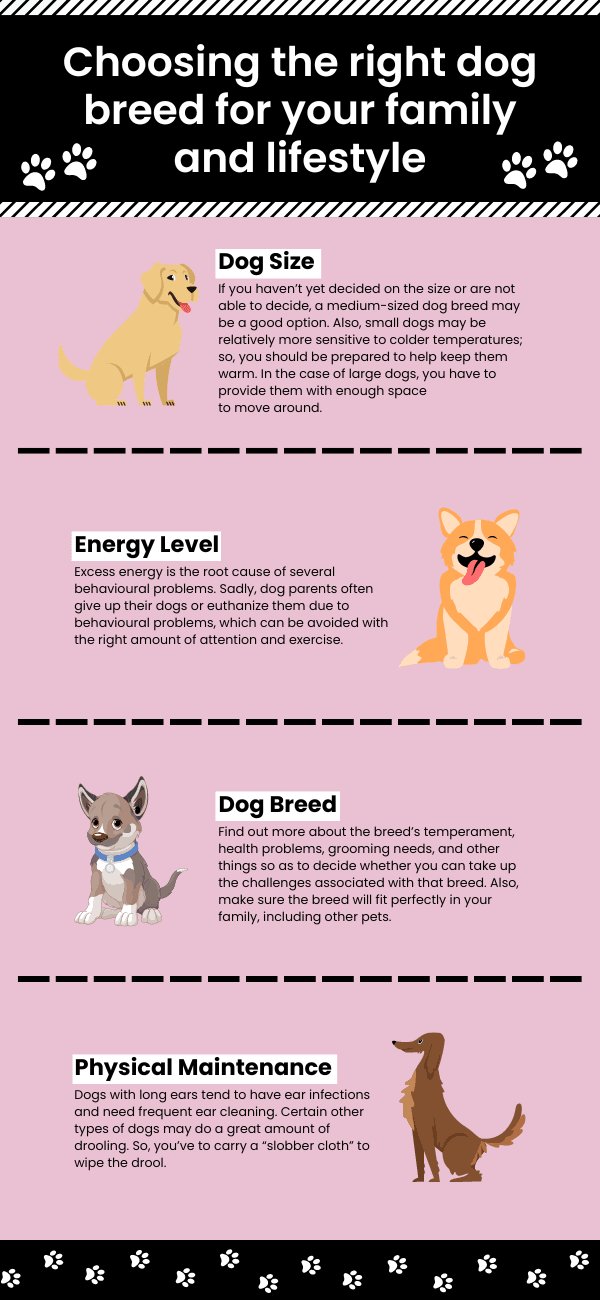
Choosing a hypoallergenic dog starts with clarifying lifestyle, health, and care limits. Important points include:
- Family structure and children’s ages
- Time for exercise, training, and grooming
- Housing style (apartment, house with yard, shared walls)
- Budget for food, vet care, and professional grooming
Listing non‑negotiables—size range, energy level, barking tolerance, alone time—helps narrow breeds to those that truly fit long‑term, not only allergy needs.
Matching energy levels and space
Choosing a hypoallergenic breed starts with honest assessment of daily life. High‑energy dogs such as Portuguese Water Dogs or Lagotti need room to run and frequent outings, so they suit active households with access to parks or yards. Lower‑energy breeds, like many Havanese or Bichon Frise, fit apartments and shorter daily walks. Consider time at home, work hours, children, and noise tolerance so the dog’s exercise needs match the family’s routine.
Checking your allergy response
Allergy-sensitive owners are encouraged to test reactions before committing to a breed. Ideally, spend several short visits with a specific dog or breeder, not only the breed in general. Stay in a closed room, pet the coat, and avoid washing hands for a short time to see whether symptoms appear. If possible, arrange a longer trial stay or fostering period. Consulting an allergist for skin‑prick or blood tests and discussing medication options provides additional safety.
Managing Allergies While Owning a Dog
Owning a dog with allergies is possible when daily habits support a low‑allergen environment. The key is to control dander, saliva, and dust accumulation rather than relying on breed alone. Combining cleaning routines, regular grooming, and medical support helps many allergy‑sensitive owners live comfortably with their dogs. The following sections explain具体的な方法 for home care, grooming, and cooperation with healthcare professionals.
Home cleaning and air quality
Regular cleaning greatly lowers allergen levels in a shared home. Frequent vacuuming with a HEPA-filter vacuum, especially on carpets, sofas, and dog beds, helps remove dander and hair. Wash pet bedding and soft blankets in hot water weekly. Hard floors can be mopped with a damp cloth to keep particles from becoming airborne.
Air quality management is also essential. Using a HEPA air purifier in main living areas and the bedroom reduces airborne dander and saliva particles. Keeping at least one room as an “allergy‑low” zone, ventilating the house daily, and avoiding indoor smoking or heavy fragrances support easier breathing for allergy‑sensitive owners.
Grooming routines that reduce dander
Regular grooming greatly reduces dander on the dog and in the home. Brushing several times a week removes loose hair and skin flakes before they spread. Use a slicker brush or comb suited to the coat type and brush outdoors if possible.
Bathing every 3–4 weeks with a gentle, fragrance‑free dog shampoo can wash away allergens without drying the skin. Dry the coat completely to prevent irritation. Routine ear cleaning, nail trimming, and wiping the coat with a damp microfiber cloth between baths also help keep dander levels low.
Working with your doctor or allergist
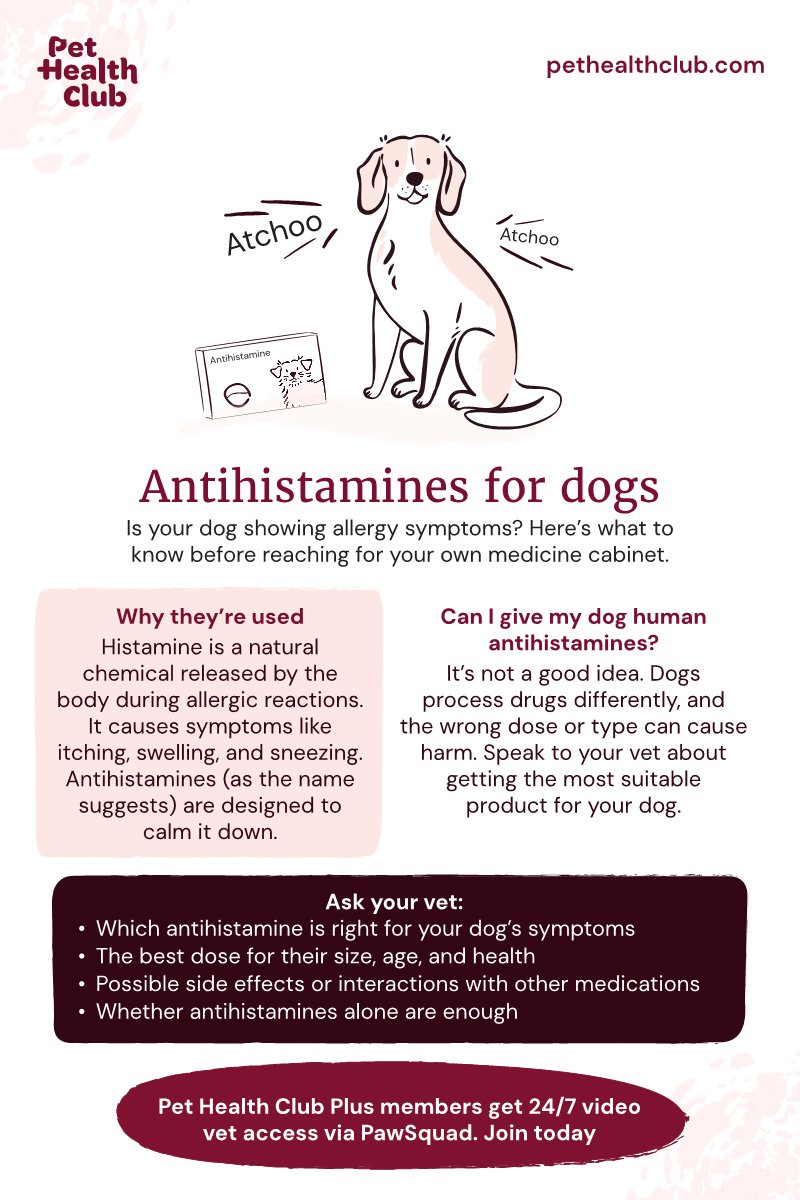
Allergy‑sensitive owners benefit from planning together with a doctor or allergist before choosing a dog. An allergist can perform skin or blood tests to identify specific dog allergens, suggest medications such as antihistamines or nasal sprays, and explain options like immunotherapy (allergy shots). Sharing details about breed, size, and living space helps create a personalized plan so daily life with a hypoallergenic dog becomes more comfortable and sustainable.
Keeping Your Hypoallergenic Dog Healthy
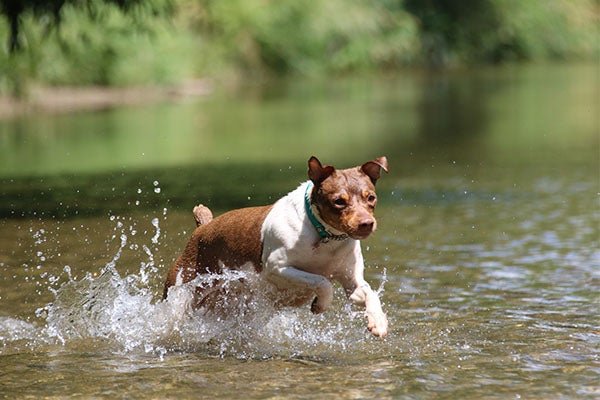
Keeping a hypoallergenic dog healthy means focusing on overall wellness, not only on shedding. Key elements are appropriate exercise, high‑quality nutrition, routine grooming, and regular veterinary care. A stable routine reduces stress, which can worsen skin and digestive problems. By watching body condition, coat quality, and behavior, owners can often spot health changes early and protect both the dog’s comfort and the family’s allergy control.
Exercise and mental enrichment
Regular movement and brain work keep hypoallergenic dogs healthier and calmer, which also reduces stress-related skin and coat problems. Aim for daily walks suited to the breed’s energy level, plus short play sessions such as fetch, tug, or scent games.
Mental enrichment is just as important. Food puzzles, basic obedience training, trick training, and sniff walks tire the brain without overloading the joints. For high‑intelligence breeds like Poodles or Schnauzers, short, frequent training sessions prevent boredom, which can lead to barking, chewing, or over‑grooming.
Balanced diet for skin and coat
For healthy skin and coat, a balance of high-quality protein, fat, vitamins, and moisture is essential. Choosing a complete and balanced diet with meat or fish as the main ingredient helps maintain a shiny coat and healthy skin barrier function. Omega-3 fatty acids (found in salmon, flaxseed, etc.) are thought to help reduce dandruff and itching. Since sudden food changes can cause skin problems, it's best to switch gradually over 7-10 days. If allergies are suspected, it's advisable to consult with a veterinarian and conduct therapeutic diet or elimination diet trials.
Vet checkups and preventive care
Regular veterinary care is essential for keeping hypoallergenic dogs healthy and comfortable for allergy‑sensitive owners. Annual checkups (twice yearly for seniors) allow early detection of skin disease, ear infections, dental problems, and weight changes that can increase dander and shedding.
Preventive care should include vaccinations, parasite control, and routine dental cleaning. Skin and coat checks help catch allergies, hot spots, or infections before they worsen. Allergy‑prone households benefit when a veterinarian designs a tailored plan for flea prevention, bathing frequency, and nutrition, which supports a healthier coat and may reduce allergen levels in the home.
This article explains the mechanisms of dog allergies, provides a correct understanding of "low-allergen dog breeds," and details the characteristics and health concerns of nine breeds, along with how to choose the right dog for you and key points for allergy prevention and health management.









![Dog Names! [Female]](http://with-my-dog.com/wp-content/uploads/2022/07/image2-43-150x150.jpg)