
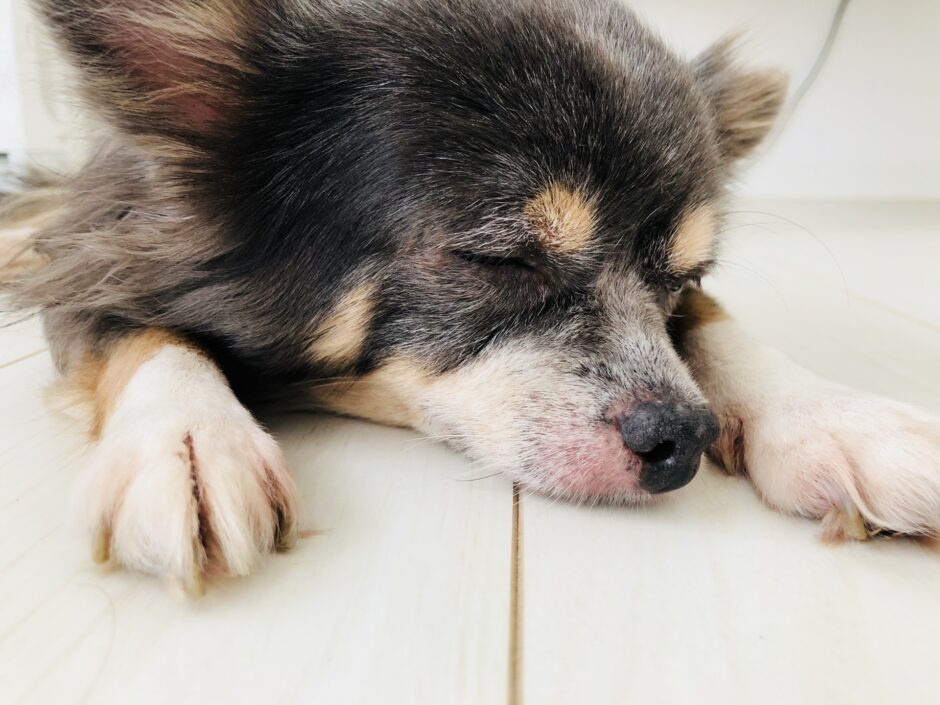
Many dog owners worry, "Could my dog have allergies?" when their beloved pet is itchy, sneezing, or developing red rashes. This article clearly outlines the main allergy treatment options for dogs used in veterinary hospitals, explaining their characteristics and points to note from a third-party perspective. In addition to medication, it also introduces easy-to-implement measures such as food selection and reviewing the living environment, making it a helpful resource for anyone looking for tips on caring for their dog in the right way.
Understanding Allergies in Dogs

Dog allergies occur when the immune system overreacts to harmless substances such as pollen, food ingredients, or flea saliva. The body treats these as dangerous invaders and releases chemicals that cause itching, redness, and swelling. Allergies themselves are not contagious, but the skin and ear infections they trigger can become serious if ignored. Understanding the basic mechanism helps owners notice early warning signs and seek appropriate veterinary care before symptoms worsen.
What an allergy is and how it affects dogs
An allergy is an overreaction of the immune system to something that is normally harmless, such as pollen, food ingredients, or flea saliva. When an allergic dog meets a trigger, the body releases substances like histamine, which cause itching, redness, swelling, or tummy upset. Over time, repeated reactions can damage the skin barrier, lead to ear and skin infections, disturb sleep, and lower quality of life if not managed appropriately.
Common types of dog allergies
Dogs commonly experience four major allergy types. Understanding the pattern helps owners and veterinarians choose the safest, most effective treatment.
| Allergy type | Main triggers | Typical signs |
|---|---|---|
| Environmental / seasonal | Pollen, molds, dust mites, grasses | Itchy skin, paw chewing, ear issues |
| Food allergies | Proteins in diet (chicken, beef, dairy) | Chronic itching, ear and skin problems |
| Flea allergy dermatitis (FAD) | Flea saliva | Severe itch over back and tail base |
| Contact allergies / irritants | Cleaners, grasses, fabrics, shampoos | Red, itchy patches where skin touches |
Many dogs have more than one allergy type at the same time, so careful observation and veterinary guidance are very important.
Environmental and seasonal allergies
Environmental and seasonal allergies are reactions to substances such as pollen, grasses, mold, and dust mites. Dogs inhale or absorb these allergens through the skin, most often in spring and fall. Sensitive dogs develop itchy, inflamed skin rather than sneezing only, so owners may mistake the problem for fleas or dry skin.
Typical patterns include licking or chewing paws after walks, rubbing the face on carpets, and itch that worsens during certain months. Some dogs also have red eyes or runny noses. Symptoms often improve when exposure is reduced or when the pollen season ends.
Food allergies and intolerances
Food allergies involve an abnormal immune reaction to specific ingredients, most often proteins in meat, dairy, or grains. Intolerances, on the other hand, affect digestion but do not involve the immune system. Symptoms usually appear as chronic itching, ear infections, or digestive upset rather than sudden hives. True food allergies are less common than environmental allergies, but once a trigger food is identified, strict long‑term avoidance is essential for control.
Flea allergy dermatitis
Flea allergy dermatitis (FAD) is an allergic reaction to flea saliva, not to the flea’s body. Even a single bite can trigger intense itching in sensitive dogs. Typical signs include relentless scratching, chewing at the back and base of the tail, hair loss, scabs, and red, bumpy skin. Some dogs develop secondary skin infections from constant irritation. Effective treatment focuses on strict year‑round flea prevention, treating any skin infection, and soothing the itch so the skin can heal.
Contact allergies and irritants
Contact allergies occur when a dog’s skin touches a specific irritant and reacts only in that area. Common culprits include certain shampoos, cleaning products, new bedding, wool blankets, rubber or plastic bowls, and some lawn chemicals. Redness, small bumps, or itching usually appear on areas that touch the surface most: paws, belly, chest, and muzzle.
Because the reaction stays where the skin makes contact, avoiding or replacing the suspected item is often the most effective "treatment." A veterinarian may also recommend soothing wipes, barrier creams, or short-term anti‑itch medication if discomfort is strong.
Signs Your Dog May Have Allergies
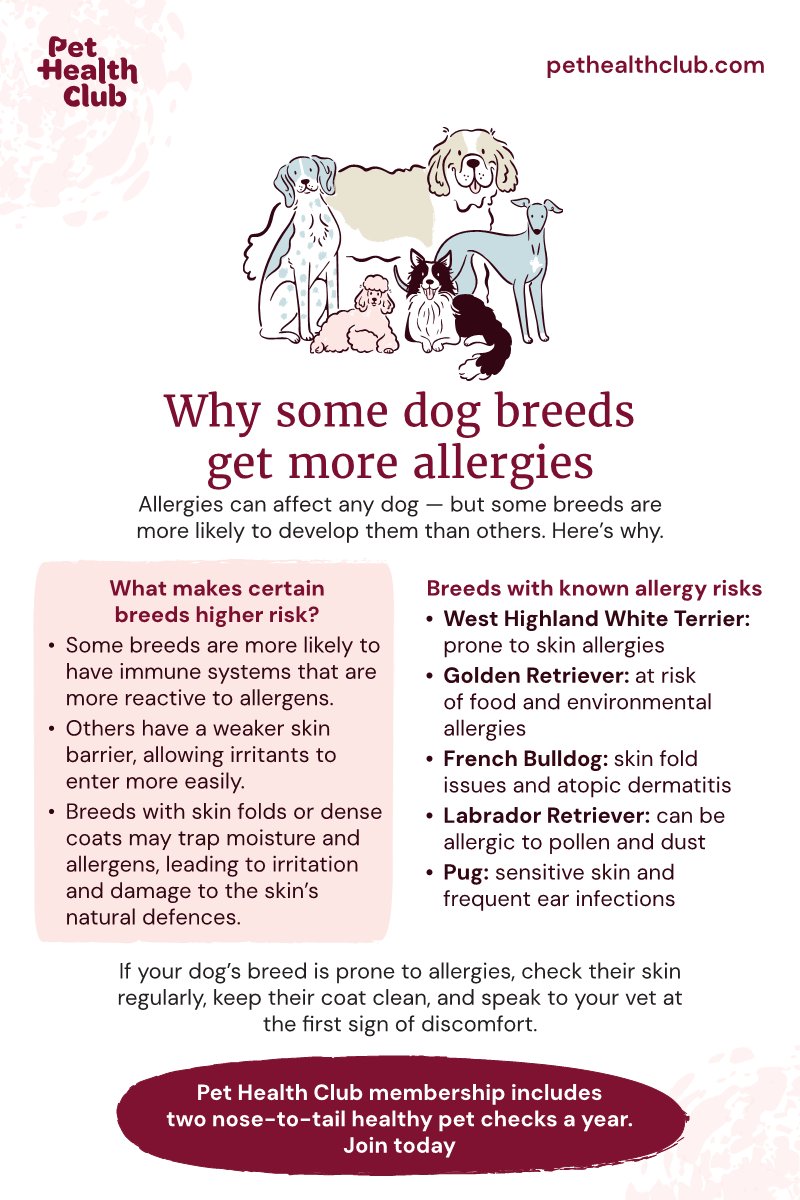
Allergies in dogs often show up first on the skin, ears, and gut rather than as sneezing alone. Owners may notice persistent itching, licking, or recurring ear problems rather than sudden illness. Many signs are easy to mistake for “normal dog behavior,” so careful observation is important. When symptoms last for weeks, keep returning, or worsen seasonally, allergy evaluation by a veterinarian is strongly recommended.
Skin and coat changes
Skin problems are often the earliest and most obvious sign of dog allergies. Owners may notice their dog scratching, licking, or chewing certain areas far more than usual, especially paws, belly, armpits, groin, and around the tail.
Common skin and coat changes include:
| Sign | What owners may see |
|---|---|
| Redness & rash | Pink to bright red skin, small bumps, or pimple‑like spots |
| Hair loss | Thinning hair or bald patches where the dog licks or scratches |
| Odor & greasy coat | Strong “doggy” smell, oily or flaky fur |
| Scabs & thickened skin | Dark, rough, or elephant‑like skin from chronic irritation |
| Dandruff | Dry flakes on dark coats or bedding |
Persistent itching can quickly lead to painful infections, so a veterinary check is recommended if skin changes last more than a few days or keep returning.
Ear, eye, and breathing symptoms
Allergies often irritate ears, eyes, and the breathing system at the same time. Dogs may shake the head, scratch at ears, or have dark wax and bad odor from ear canals. Eyes can look red, watery, or itchy, and some dogs rub the face on carpets or furniture.
Breathing signs include sneezing, reverse‑sneezing, nasal discharge, or mild coughing, especially during high‑pollen seasons or after dust exposure. Any noisy breathing, tongue or gum color change, or sudden swelling around the face requires urgent veterinary care.
Digestive issues linked to allergies
Allergies can also affect a dog’s digestive system. Common signs include vomiting, soft stool or diarrhea, gas, bloating, and frequent tummy rumbling. Some dogs lose weight, become picky eaters, or lick their paws and rear end more because the gut irritation affects the skin. Food allergies are a frequent cause, but infections or toxins can look similar, so persistent digestive problems always require a veterinary check.
Emergency symptoms to never ignore
Severe allergic reactions can progress quickly, so rapid action can save a dog’s life. Contact a vet or emergency clinic immediately if any of the following appear:
- Sudden swelling of the face, lips, tongue, or throat
- Difficulty breathing, noisy breathing, or open‑mouth panting at rest
- Collapse, wobbliness, or extreme weakness
- Pale or blue gums, fast heartbeat
- Repeated vomiting or diarrhea, especially with blood
- Seizures or unresponsiveness
Until reaching help, keep the dog calm and avoid offering food, drinks, or human medicines unless a vet has given clear instructions in advance.
How Vets Diagnose Dog Allergies
Allergy diagnosis in dogs is not based on a single quick test. Veterinarians first confirm that the symptoms are truly allergy-related, then work out what your dog reacts to. In many cases, several problems overlap, such as fleas, food reactions, and environmental allergens. A careful step‑by‑step approach helps avoid unnecessary medications, reduces flare‑ups, and leads to a safer, more targeted treatment plan for each dog.
Health history and physical exam
When allergy is suspected, the veterinarian first gathers a detailed health history. Owners are usually asked about diet, treats, shampoos, flea prevention, home environment, seasonality of symptoms, and any recent changes. The vet also checks previous illnesses and medications.
Next comes a full physical exam. The vet inspects skin, paws, ears, eyes, and coat, checks for fleas and infections, listens to the heart and lungs, and assesses body condition. Careful history plus exam often gives the first strong clues about the type of allergy involved.
Rule-outs for other skin and health issues
Before allergy testing, veterinarians need to rule out other common causes of itching and skin problems. Many conditions can look like allergies, including:
| Condition type | Examples | Why it matters |
|---|---|---|
| Parasites | Fleas, mites (mange), lice | Often cause intense itching and hair loss |
| Infections | Bacterial or yeast skin infection, ear infection | May need antibiotics or antifungals, not allergy meds |
| Hormonal issues | Hypothyroidism, Cushing’s disease | Can cause chronic skin and coat changes |
| Nutritional issues | Poor‑quality diet, deficiencies | Skin may improve with diet change alone |
Skin scrapings, fungal tests, parasite checks, and blood work are often used to avoid missing a treatable non‑allergic problem before starting long‑term allergy treatment.
Allergy testing and lab options
Allergy testing helps identify which specific allergens are triggering a dog’s symptoms, so treatment can be more targeted. Vets may use skin scrapings, ear swabs, fungal cultures, and blood work to rule out infections and hormonal problems before allergy-focused tests. Once allergies are suspected, options include blood allergy panels, intradermal skin testing, and diet-based tests for food reactions. Each method has strengths and limits, so veterinarians choose the most suitable combination based on the dog’s age, health, and symptom pattern.
Blood tests and intradermal testing
Blood tests and intradermal tests both aim to identify which specific allergens trigger a dog’s reaction, but they work differently.
Blood tests (serum IgE tests) measure allergy-related antibodies in a blood sample. They are useful when skin is too irritated to test or when sedation is risky. Results can vary between labs, so interpretation by a veterinarian is essential.
Intradermal testing involves injecting tiny amounts of common allergens under the skin and watching for small welts. Dermatologists consider intradermal tests the gold standard for environmental allergies, especially when planning immunotherapy. The procedure usually requires light sedation and is done by a specialist.
Elimination diets and food trials
Elimination diets and food trials are the gold standard for diagnosing food allergies in dogs. A single, carefully chosen diet is fed for 6–8 weeks with no other food sources (no treats, table scraps, flavored medicines, or chews).
During the trial, owners monitor itching, ear problems, and digestive signs. Improvement suggests a food allergy, and the suspected ingredient is confirmed by a controlled “challenge,” where original foods are slowly reintroduced and any flare‑ups are recorded.
Vet‑Approved Health Dog Allergy Treatments

Under veterinary guidance, dog allergy treatment focuses on relieving discomfort quickly and controlling inflammation long term while avoiding triggers. Care usually combines several approaches: short‑term anti‑itch medicines, ongoing allergy control drugs, strict flea prevention, targeted treatment for secondary infections, and in some cases immunotherapy to retrain the immune system. The most suitable plan depends on allergy type, severity, age, and any other health problems, so professional evaluation is essential before choosing options.
Short term relief for itching and redness
For many allergic dogs, short term relief is crucial to stop the itch–scratch cycle and protect the skin. Vets usually focus on fast-acting options that calm inflammation and discomfort while longer term plans are prepared. Common approaches include medicated baths, cooling topical sprays, anti-itch medications, and sometimes short steroid courses. Prompt relief helps the dog rest, reduces skin damage, and lowers the risk of painful infections developing.
Medicated shampoos and topical sprays
Medicated shampoos and topical sprays can offer quick, targeted relief for many dogs with allergy‑related itching and redness. They wash away allergens on the coat, cool inflamed skin, and often contain ingredients that fight bacteria or yeast.
Common types include:
| Product type | Main purpose | Typical use |
|---|---|---|
| Anti‑itch shampoos | Soothe irritation, reduce redness | 1–2 times per week as advised |
| Antiseptic/antifungal shampoos | Control secondary infections | In flare‑ups or as maintenance |
| Leave‑on sprays/foams | Spot treatment for paws, belly, armpits | Between baths, after walks |
Veterinarians usually recommend leaving medicated shampoos on the coat for several minutes before rinsing so active ingredients can work. Pet owners should only use products made for dogs, because human shampoos and harsh sprays may dry the skin and worsen allergy symptoms.
Steroids and when they are appropriate
Steroids and when they are appropriate
Steroid drugs (such as prednisone) can give very fast relief from intense itching, swelling, and redness. Vets may choose steroids for short bursts when a dog is miserable, has widespread inflammation, or when other medicines are not yet working.
However, steroids can cause side effects like increased thirst and urination, weight gain, behavior changes, and long‑term organ strain. For that reason, they are usually used at the lowest effective dose for the shortest possible time, then tapered or replaced with safer long‑term options.
Long term medical management
Long‑term allergy management focuses on controlling symptoms safely over months to years, not curing the allergy. Vets usually combine several strategies: daily or ongoing medication, strict flea prevention, regular medicated baths, and treatment of ear or skin infections as soon as they appear. Consistent routines, avoiding known triggers, and scheduled checkups help keep flare‑ups milder, reduce the need for steroids, and protect overall health and quality of life.
Antihistamines and anti‑itch drugs
Antihistamines and other anti‑itch drugs aim to reduce histamine and inflammatory signals that drive scratching, redness, and swelling. Common antihistamines for dogs include diphenhydramine, cetirizine, and loratadine, but effectiveness varies by dog. Vets usually start with a safe dose and adjust.
Important points are shown below:
| Point | Summary |
|---|---|
| Purpose | Mild to moderate itch relief, often for seasonal or mild environmental allergies |
| Effectiveness | Helps some dogs, but not all respond well |
| Safety | Usually safe when used under veterinary guidance; drowsiness is common |
| Human meds | Human allergy tablets should never be given without a vet-approved dose |
Other oral anti‑itch options, such as fatty acids or mild anti‑inflammatory drugs, are sometimes combined with antihistamines for better control, always under veterinary supervision.
Apoquel, Cytopoint and other new options
Oral Apoquel and injectable Cytopoint are newer, targeted allergy medications that focus on itch pathways instead of broadly suppressing the immune system. Apoquel is a daily tablet that works quickly, often within 24 hours. Cytopoint is an injection given every 4–8 weeks that neutralizes an itch‑signaling protein.
Compared with steroids, both often cause fewer long‑term side effects, but they are not suitable for every dog. Careful veterinary supervision, regular checkups, and dose adjustments are important to keep allergic dogs comfortable and safe.
Treating secondary infections
Secondary infections are extremely common in allergic dogs. Constant scratching damages the skin barrier, allowing bacteria and yeast to overgrow, which causes more redness, odor, and discomfort.
Vets usually treat secondary infections with:
- Topical treatments: medicated wipes, sprays, or creams
- Medicated shampoos: chlorhexidine or antifungal shampoos
- Oral antibiotics or antifungals for deeper or widespread infections
Finishing the full course is essential, even if the skin looks better early, to avoid relapse and resistant germs.
Immunotherapy for chronic allergies
Immunotherapy is a long‑term treatment option designed for dogs with chronic, moderate to severe allergies that do not respond well to routine medications or need constant drugs. Tiny amounts of the specific allergens are given regularly so the immune system learns to tolerate them instead of overreacting. Over time, many dogs show less itching, fewer skin infections, and reduced need for steroids or other strong medicines. Improvement is gradual, so owners should expect months, not days, before judging full effect.
Allergy shots versus oral drops
Allergy immunotherapy can be given as injections (allergy shots) or oral drops. Both aim to "re‑train" the immune system to react less strongly to allergens.
| Point | Allergy shots | Oral drops (sublingual) |
|---|---|---|
| How given | Tiny injections under the skin | Liquid placed under the tongue or gums |
| Who gives it | Usually at home after vet instruction | Usually at home after vet instruction |
| Vet visits at the start | More frequent for dose increases | Often fewer, depending on protocol |
| Pain / stress | Some dogs dislike needles | Often easier for needle‑shy dogs |
| Evidence & use | Long history, widely used by vets | Growing use; many vets find it effective |
Shots may be preferred for owners comfortable with injections and for dogs that tolerate needles well. Oral drops can be better for anxious dogs, small dogs, or families who prefer not to give injections. In many cases, effectiveness is similar, so choices are usually based on dog temperament, owner lifestyle, cost, and veterinarian recommendation.
How long immunotherapy takes to work
Immunotherapy is a slow but long‑acting treatment, so owners should not expect quick results. Many dogs need at least 3–6 months before clear improvement appears. Some sensitive dogs may show mild changes earlier, while others take up to 9–12 months to reach full benefit.
Veterinarians usually reassess every few months. If no change is seen after about a year, the allergen mix or treatment plan may be adjusted. During the waiting period, other medications are often used to keep itching and infections under control.
Food Allergy Treatment and Diet Changes

Food allergies in dogs are managed almost entirely through diet control, not pills. Once a food trigger is found, the dog must avoid it strictly, often for life. Treatment usually starts with a carefully planned elimination diet, followed by controlled food challenges to identify problem ingredients. Long term, dogs often do well on a veterinary therapeutic diet or a well‑balanced limited‑ingredient recipe, with no table scraps, flavored chews, or treats containing the allergens.
Choosing a true elimination diet
A true elimination diet is the gold standard for diagnosing food allergies in dogs. The goal is to feed only ingredients the dog has never eaten before, or a prescription hydrolyzed formula, for a set period.
Key points for a successful elimination diet:
- One protein, one carbohydrate source (or a single veterinary diet)
- No treats, table scraps, flavored chews, or dental sticks
- Use vet‑approved, simple ingredient foods only
- Strict duration, usually 8–12 weeks, without “cheat” days
If symptoms improve clearly during the trial and then return when old foods are reintroduced, a food allergy is very likely.
Hydrolyzed and novel protein diets
Hydrolyzed and novel protein diets are often used when a dog has suspected or confirmed food allergies. Both aim to present the immune system with proteins it does not recognize as a threat, helping to calm inflammation in the skin and gut.
Hydrolyzed diets contain proteins broken into very small pieces, so the body is less likely to react. Novel protein diets use unusual ingredients, such as duck, venison, or kangaroo, which the dog has never eaten before. In both cases, using a veterinary‑formulated, prescription diet offers the best quality control and helps avoid hidden allergens or cross‑contamination often found in regular commercial foods.
Reintroducing foods and avoiding triggers
Reintroducing foods should be done slowly and in a planned order to pinpoint true triggers. After an elimination diet succeeds, add one new ingredient every 7–14 days, such as a single protein or carbohydrate, while keeping everything else identical.
Keep a simple log of date, food added, and any itching, ear problems, or digestive changes. If symptoms return, stop the new ingredient immediately and note it as a trigger. Once several safe foods are identified, build a long‑term diet around them and avoid problem ingredients in all treats, chews, flavored medicines, and table scraps.
Home Care and Natural Support Options
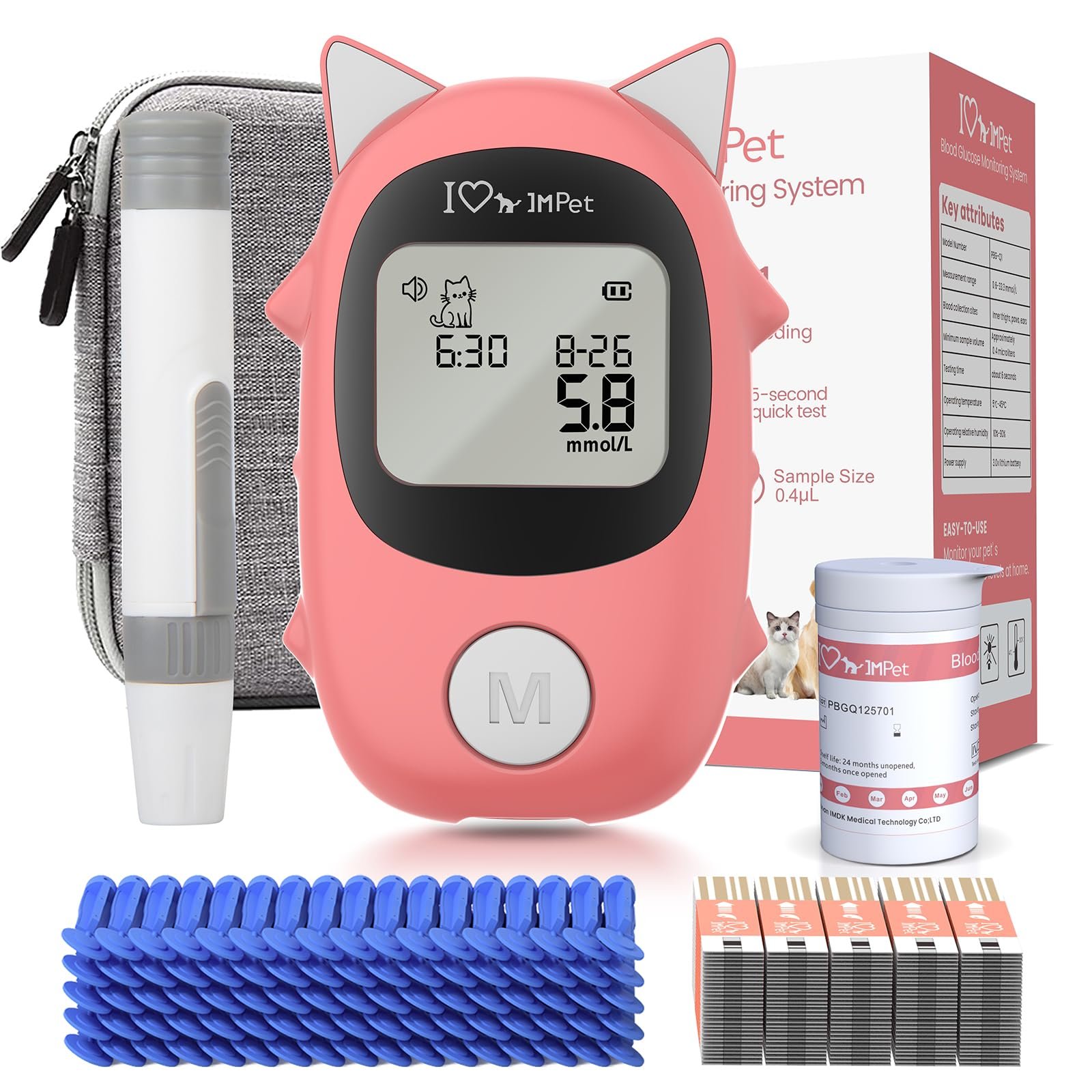
Home care supports veterinary treatment and helps many dogs stay more comfortable day to day. The goal is to reduce allergen exposure, soothe irritated skin, and support overall skin health without using unsafe home remedies. Gentle grooming, smart cleaning habits, and carefully chosen supplements can all help, but any natural option should complement, not replace, vet‑prescribed allergy care.
Bathing, grooming and paw care routines
Regular care helps remove allergens from the coat and protects irritated skin and paws. Gentle, frequent routines are more helpful than occasional harsh cleaning.
- Bathe with a vet‑recommended hypoallergenic or medicated shampoo every 1–2 weeks during flare seasons.
- Rinse very well and dry completely to avoid damp skin infections.
- Brush daily to remove pollen, dust, and loose hair.
- Wipe paws and belly with pet‑safe wipes or a damp cloth after walks to reduce pollen and road salt.
- Check between toes and pads for redness, chewing, or brown saliva stains; consult a vet if changes persist.
For allergic dogs, over‑bathing with strong shampoos should be avoided because stripped skin barriers worsen itching.
Using air filters and cleaning strategies
Keeping indoor air cleaner can greatly reduce allergy flare‑ups. An air purifier with a HEPA filter helps remove pollen, dust, dander, and mold spores that irritate a dog’s skin and airways. Place purifiers where the dog spends the most time, and change filters as recommended.
Regular cleaning also matters. Use a vacuum with a HEPA filter, wash dog beds and blankets in hot water weekly, and damp‑dust surfaces to trap allergens. Hard floors are easier to keep allergen‑low than carpets, so frequent mopping is helpful. Avoid heavily scented cleaners and sprays, which may irritate sensitive dogs.
Supplements that may help skin health
Supplements can support skin from the inside, but should be used under veterinary guidance.
Common options include:
- Omega‑3 fatty acids (fish oil): help reduce inflammation and improve coat shine
- Omega‑6 and skin-supportive oils (borage, evening primrose) in balanced formulas
- Probiotics: may support gut health, which can influence skin and immunity
- Vitamin E and biotin: sometimes used for dry, flaky skin
Supplements usually work gradually over weeks, not days. They are most effective as part of a wider allergy plan, not a replacement for veterinary treatment or flea control.
Safe vs unsafe over‑the‑counter products
Over‑the‑counter (OTC) products can support allergy care, but some are unsafe for dogs. As a rule, always confirm dose and safety with a veterinarian first.
| Category | Often Safe (vet‑guided) | Often Unsafe / Avoid |
|---|---|---|
| Antihistamines | Dog‑appropriate doses of diphenhydramine, cetirizine, chlorpheniramine | Combination cold meds, products with decongestants (pseudoephedrine, phenylephrine) |
| Topicals | Dog‑specific hydrocortisone sprays/creams, medicated shampoos made for pets | Human steroid creams, products with tea tree oil, zinc oxide near licking areas |
| Skin support | Veterinary omega‑3 supplements, veterinary probiotics | Flavored human gummies, supplements with xylitol, garlic, or high vitamin D |
| Ear cleaners | Vet‑recommended ear solutions for dogs | Hydrogen peroxide, alcohol, homemade mixes in painful ears |
Human OTC allergy tablets, creams, and herbal blends may contain xylitol, decongestants, or high steroid doses, which can be toxic. Online “allergy chews” also vary in quality; selecting veterinary‑formulated products only helps protect dogs from hidden risks.
Lifestyle Tips to Reduce Allergy Flares

Lifestyle adjustments help prevent constant flare‑ups so medical treatments can work better. Aim to lower your dog’s daily contact with allergens rather than trying to avoid them completely.
Key ideas include:
- Keep skin and coat healthy with regular grooming and a vet‑approved diet
- Maintain strict year‑round flea prevention, even for indoor dogs
- Clean the home frequently to remove dust, pollen, and dander
- Choose gentle, fragrance‑free cleaners and laundry products
- Provide low‑stress routines and enough sleep, because stress can worsen itching
Small, consistent changes in the environment often reduce itching, licking, and ear problems over time.
Managing seasonal pollen exposure
Seasonal pollen often clings to fur, paws, and bedding, so reducing contact is the key strategy. On high‑pollen days, keep walks shorter and choose times with less wind. Wipe paws, legs, and belly with a damp cloth after outdoor time, and brush the coat before coming indoors. Regularly wash bedding and soft toys in hot water. Keeping windows closed and using an air purifier near the dog’s resting area can further lower indoor pollen levels.
Flea control and parasite prevention
Effective flea control is essential for many allergy‑prone dogs. Even a few flea bites can trigger intense itching in dogs with flea allergy dermatitis. Year‑round prescription preventives (chews, topicals, collars) help stop bites before they happen. Vacuuming, washing bedding in hot water, and treating outdoor areas where dogs rest reduce immature fleas. In multi‑pet homes, all animals must be protected to break the flea life cycle and prevent recurring allergic flares.
Household products to avoid around dogs
Household chemicals and fragrances can quietly worsen dog allergies or even trigger new reactions. Aim to minimize strong odors and harsh cleaners in any space where a dog spends time.
| Product type | Why it can be a problem | Safer ideas |
|---|---|---|
| Scented candles & air fresheners | Fragrances and aerosols irritate airways and skin | Unscented candles, good ventilation |
| Strong floor cleaners & bleach | Harsh chemicals leave residue on paws and fur | Diluted pet‑safe cleaners, water + mild soap |
| Fabric softeners & dryer sheets | Perfumes cling to bedding and dog clothes | Fragrance‑free, hypoallergenic products |
| Plug‑in diffusers, oils, incense | Concentrated vapors can cause sneezing, coughing | Limit use; never in confined pet spaces |
| Carpet powders & sprays | Particles contact skin and are inhaled | Vacuum often; use baking soda sparingly |
Also take care with lawn chemicals, flea foggers, paint, and varnish. Keeping products locked away, ventilating well, and choosing fragrance‑free, pet‑labeled options helps protect allergic dogs.
When to Call the Vet or Emergency Clinic
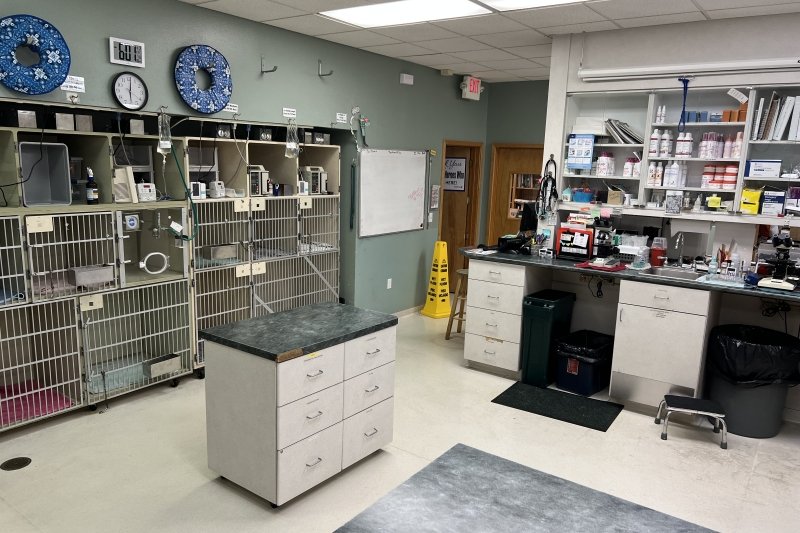
Many allergy flare‑ups can wait for a regular appointment, but some situations need faster help. Contact a vet promptly if symptoms last more than a few days, worsen despite home care, or interfere with sleep, eating, or walking. Persistent ear infections, hair loss, constant licking, or raw skin also merit a visit.
An emergency clinic is appropriate for sudden facial swelling, hives, vomiting or diarrhea with weakness, pale gums, collapse, or trouble breathing. When unsure, calling a clinic for triage advice is safest.
Red flag symptoms of severe reactions
Severe allergic reactions can progress quickly and require immediate veterinary attention. Warning signs include sudden facial swelling, puffy eyelids or lips, or hives spreading over the body. Watch for difficulty breathing, noisy breathing, pale or blue gums, collapse, vomiting or diarrhea with weakness, and seizures. Any rapid change in behavior, extreme lethargy, or your dog struggling to stand after allergen exposure is an emergency. In all such cases, go to an emergency clinic without delay.
Questions to ask about treatment choices
Before starting or changing any allergy treatment, it is helpful to ask clear questions so the plan suits the dog and the family.
Key questions to discuss with the veterinarian include:
- What is the most likely cause of the allergy, and how certain is that diagnosis?
- Which treatment is for short‑term relief and which is for long‑term control?
- What side effects should be watched for? (sleepiness, thirst, stomach upset, behavior changes, infections)
- How long until improvement is expected, and when should a follow‑up visit be booked?
- What happens if the treatment is stopped or a dose is missed?
- Are there lower‑cost or generic options with similar effect?
- What home care routines (bathing, cleaning, diet changes) are most important to support the medicine?
By preparing questions in advance, owners can understand benefits, risks, and costs and choose allergy treatments that are realistic and safe for their dog.
Living Long Term With an Allergic Dog
Life with an allergic dog often becomes a marathon rather than a sprint. The goal is usually good control, not a perfect cure. Once the diagnosis and triggers are clear, daily habits, regular vet checks, and consistent prevention make the biggest difference.
Many families find it helpful to create a simple routine: medication schedule, bathing and flea control plan, and a list of safe foods and products. Over time, owners learn to spot early signs of a flare and act quickly, which reduces suffering and costs in the long run.
Setting realistic goals for control
Allergic dogs rarely become 100% symptom‑free. The realistic aim is good control, where itching, ear problems, and stomach upsets are mild, infrequent, and quickly managed. Owners can expect:
- Fewer flare‑ups each year
- Shorter, less intense episodes
- A routine of medication, flea control, and skin care
Allergy care often requires lifelong management, occasional vet rechecks, and budget planning for treatments. With consistent habits, most dogs enjoy a comfortable, active life despite allergies.
Tracking flares and avoiding triggers
Keeping a simple allergy diary helps many owners understand patterns. Record flare dates, weather, pollen count, walks, foods, treats, shampoos, cleaners, and medications. Over time, repeated combinations hint at triggers such as grass, chicken, or laundry detergent. Once a likely trigger appears, limit exposure for a few weeks and watch for improvement to help guide future vet decisions.
Working with your vet for ongoing care
Long‑term allergy care works best as a partnership between owner and veterinarian. Share photos, flare dates, diet, shampoos, and medications at each visit so the veterinarian can adjust the plan. Regular checkups (often every 3–6 months) help catch infections early and review drugs such as Apoquel, Cytopoint, or steroids. Ask about costs, side effects, and realistic goals, and agree on an emergency plan for sudden swelling or breathing trouble.
This article comprehensively explains everything from how to identify different types and symptoms of canine allergies, to diagnostic methods used at veterinary hospitals, to treatments such as steroids, antihistamines, Apoquel, and Cytopoint, as well as desensitization therapy, dietary therapy, daily care, and natural support methods. It organizes and presents options for living a long and comfortable life with your beloved dog in an easy-to-understand way.










![[Free Only] 3 Sites Where You Can Download Dog Bone Illustrations](http://with-my-dog.com/wp-content/uploads/2022/03/947760_sのコピー-150x150.jpg)