

Many people with allergies love dogs but give up on living with them because sneezing and runny noses are too painful. This article focuses on "best dogs for people with allergies," introducing nine breeds that are considered less likely to cause allergic reactions. We've compiled tips for comfortable coexistence from a health perspective, including coat type, shedding amount, and daily care points, so we hope this will be helpful in finding the right partner for you.
Understanding Dog Allergies
Dog allergies occur when the immune system overreacts to proteins from a dog’s body. The main culprits are proteins found in dander, saliva and urine, which attach to fur, dust and surfaces in the home. When sensitive people inhale or touch these proteins, the body releases histamine, leading to sneezing, itchy eyes and other symptoms. Understanding what actually triggers the reaction helps owners choose breeds and routines that reduce exposure and make life with a dog more comfortable.
Why dogs trigger human allergies
Dog allergies are usually triggered not by fur itself but by proteins in a dog’s body. These proteins are found in skin flakes, saliva and urine. When dogs move, shed or lick their coat, tiny protein-carrying particles float into the air and stick to surfaces. People with sensitive immune systems mistake these harmless proteins for threats and release histamine, which causes familiar allergy symptoms such as sneezing or itchy eyes.
Dander, saliva, urine and shedding
Dog allergens are mainly found in dander, saliva and urine, not just loose hair. Dander is made of tiny skin flakes that stick to fur, furniture and clothing and stay airborne for a long time. Saliva and urine leave allergen proteins on toys, bedding, grass and floors. When a dog sheds, more dander-covered hairs spread through the home, so heavy shedders often cause stronger and more constant exposure for sensitive people.
Symptoms to watch for in people
Allergy reactions to dogs vary by person, but some signs are common. Typical respiratory symptoms include sneezing, runny or stuffy nose, coughing, post‑nasal drip, and itchy or watery eyes. Skin may develop hives, redness, or itchiness where dog saliva or dander touches. Some people feel chest tightness or wheezing, especially if asthma is present. Symptoms that repeatedly worsen after time with a dog suggest a possible pet allergy and merit medical consultation.
What Does Hypoallergenic Really Mean?

“Hypoallergenic” does not mean allergy‑free. In dog care, the term simply refers to breeds that tend to produce fewer allergy triggers for many people. They may shed less hair, release less dander into the air, or drool less, so fewer allergens spread around the home. However, all dogs have skin, saliva, and urine, so they all produce some allergens. For an allergy‑sensitive owner, hypoallergenic should be understood as lower risk, not a guaranteed safe choice.
Limits of the term “hypoallergenic”
Many people imagine that “hypoallergenic” means allergy‑free, but no dog breed is completely safe for allergy sufferers. All dogs produce dander, saliva, and urine, which contain the proteins that trigger reactions. “Hypoallergenic” simply means a dog is less likely to provoke symptoms in many people, not that allergies are impossible.
Reactions also vary by person. A breed that works well for one allergy sufferer can still cause sneezing, itchy eyes, or asthma in another. For that reason, hypoallergenic should be seen as a guide for lower‑risk options, not a medical guarantee.
Factors that reduce allergy flare ups
Several factors can significantly reduce allergy flare ups, even when living with a dog. In general, lower shedding, less drooling, and good skin health mean fewer allergens in the environment. Smaller body size often helps as well, because less surface area produces less dander. Regular professional grooming, frequent brushing, and sensible bathing routines further cut allergen build‑up on the coat and in the home.
Talk with your doctor before choosing
Before choosing an "allergy‑friendly" dog, consulting an allergist or doctor is strongly recommended. A medical professional can confirm whether symptoms are truly caused by dogs, assess severity, and explain risks such as asthma or eczema worsening. Allergy testing helps identify specific triggers, including dander, saliva proteins, or other animals.
Doctors may suggest medications, nasal sprays, or immunotherapy before a new dog joins the home. Advice on how much exposure is safe and what precautions are necessary (air purifiers, bedroom rules, cleaning routines) supports a more realistic decision. Proper medical guidance reduces health risks and helps families choose a breed and living style that are sustainable over the long term.
How to Choose a Dog if You Have Allergies
Choosing a dog with allergies in mind means balancing health, temperament, and daily care. Instead of focusing only on breed names, consider how much grooming, cleaning, and training can realistically be done. Look for breeds known for lower shedding or predictable coats, then confirm health testing and living conditions with the source. A careful choice at this stage greatly reduces future allergy stress for both owner and dog.
Match breed traits to your lifestyle
Choosing a dog with allergies starts with honestly assessing daily life. Consider how many hours the dog will be alone, activity level, grooming time, and home size. High‑energy breeds such as Portuguese Water Dogs or Lagotti suit active owners, while Bichon Frise or Maltese fit apartment life. Heavy grooming coats like Poodles need owners who can budget for regular professional grooming or learn at‑home care to keep dander and hair under control.
Meet and test your reaction first
Before deciding on a dog, spending real time together is essential for people with allergies. Plan several short visits with the same dog or breed type, ideally in indoor settings where allergens build up. Stay at least 30–60 minutes, avoid taking antihistamines beforehand if your doctor agrees, and note any sneezing, itchy eyes, or breathing changes for the next 24 hours. Meeting multiple dogs of the same breed also helps, since individual dogs can trigger allergies differently.
Shelter, rescue and breeder questions
When contacting a shelter, rescue, or breeder, prepare clear questions. Key points include:
| Topic | Questions to Ask |
|---|---|
| Allergy experience | “Have you placed dogs in allergic homes before? What were the results?” |
| Individual dog | “How much does this dog shed? Any known skin or coat issues?” |
| Grooming history | “How often is the dog bathed and brushed now?” |
| Trial period | “Is there a foster‑to‑adopt or trial visit option to check allergies?” |
| Environment | “Can the dog’s bedding or crate come home, so allergies can be tested safely?” |
For breeders, also confirm health testing, coat type in the line, and whether they will take the dog back if allergies become unmanageable.
Best Low‑Allergen Dogs at a Glance

For quick comparison, the 9 best dogs for people with allergies can be grouped by size and coat type. Low‑shedding coats or hairless skin mean fewer allergens spread around the home, but no dog is completely allergy‑free. Use the overview below as a starting point, then check details in each breed section and always meet individual dogs in person before deciding.
Size, energy level and grooming needs
Choosing a low‑allergen dog starts with size, energy, and grooming. Small dogs such as Maltese or Coton de Tulear usually produce less total dander simply because they have less body surface. Active breeds like Portuguese Water Dogs or Lagotto Romagnolos need more exercise, which may increase outdoor pollen on the coat. High‑maintenance coats, including Poodles and Bichons, shed less into the environment but require regular professional grooming and at‑home brushing to keep dander and loose hair under control.
Quick comparison of the 9 breeds
Below is a quick side‑by‑side guide to the 9 allergy‑friendly dogs covered in the article.
| Breed | Size | Energy level | Shedding / Coat | Grooming effort | Typical family fit |
|---|---|---|---|---|---|
| Poodle | S / M / L | Medium–high | Very low shedding | High | Active homes that enjoy training and sports |
| Bichon Frise | Small | Medium | Low shedding | High | Families, apartment living, social owners |
| Maltese | Toy | Low–medium | Low shedding | High | Quiet homes, seniors, first‑time owners |
| Miniature Schnauzer | Small | Medium | Low shedding | Medium | Families wanting a sturdy, alert companion |
| Soft Coated Wheaten Ter. | Medium | High | Low–moderate | High | Active families, garden or outdoor access |
| Coton de Tulear | Small | Medium | Low shedding | High | People at home often, gentle family settings |
| Portuguese Water Dog | Medium | High | Low shedding | Medium–high | Sporty owners who enjoy outdoor activities |
| Lagotto Romagnolo | Medium | Medium–high | Low shedding | Medium–high | Active households that enjoy training games |
| American Hairless Terr. | Small–Med | Medium | No fur shedding | Low–medium | Allergy‑sensitive homes, attentive caregivers |
For allergy‑prone owners, lower shedding plus regular grooming often provides the most noticeable relief, so breed choice and coat care should be considered together.
Poodle
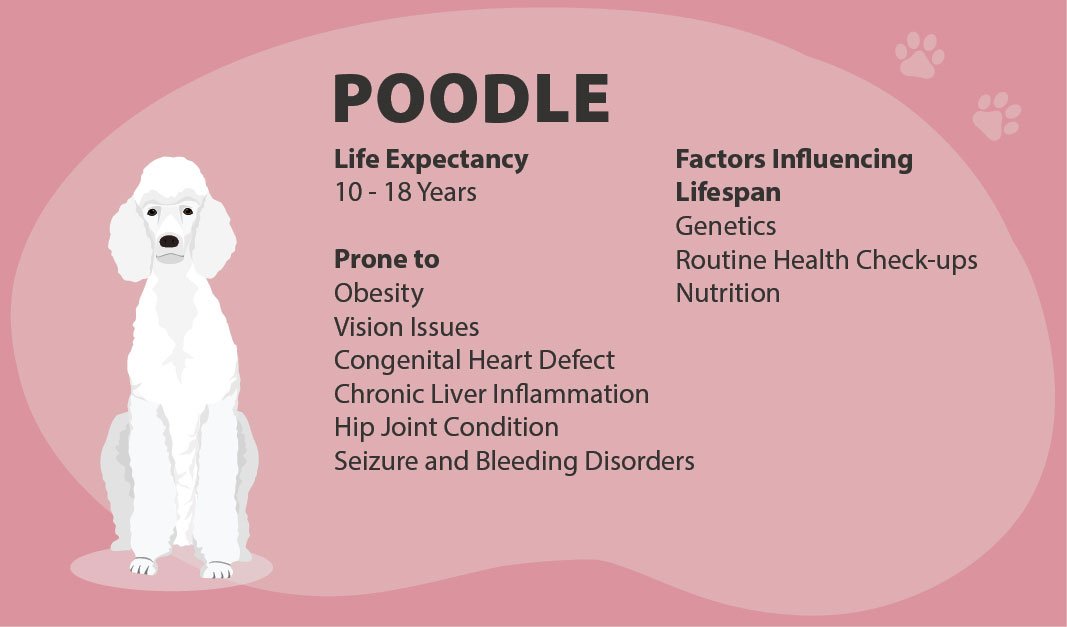
Among low‑allergen breeds, the Poodle is often considered a gold standard choice. Poodles have a dense, curly coat that sheds very little, so fewer hairs and dander float around the home. Because Poodles come in Toy, Miniature and Standard sizes, households can select a size that matches living space and activity level. Intelligent and highly trainable, Poodles adapt well to many lifestyles when given daily mental and physical exercise.
Why many allergy sufferers pick Poodles
Many allergy sufferers choose Poodles because the tightly curled coat sheds very little hair and traps dander close to the skin. With regular grooming, fewer allergens spread through the home compared with many double‑coated breeds. Poodles also come in Toy, Miniature, and Standard sizes, so families can match a dog’s size and activity level to their living space and health needs. In addition, Poodles are highly intelligent and easy to train, which helps maintain clean, allergy‑friendly household routines.
Coat care, clipping and home grooming
Regular coat care helps keep Poodles more comfortable and can reduce allergen spread in the home. The curly coat grows continuously and traps loose dander, so professional clipping every 4–8 weeks is recommended. At home, owners should brush the coat several times a week to prevent mats and remove dust, pollen, and loose hair. Frequent eye checks, ear cleaning, and trimming around the paws and face also support skin health, which further limits flaking and dander release.
Temperament, exercise and training
Poodles are usually highly intelligent, people‑oriented dogs that bond closely with their families. They tend to be friendly, alert, and eager to please, which makes training easier for many allergy‑sensitive owners. Consistent positive reinforcement, short daily sessions, and plenty of mental games (puzzle toys, scent work, basic obedience) help prevent boredom. All Poodle sizes need regular exercise: at least one or two brisk walks plus playtime every day supports good behavior and reduces stress for allergic guardians.
Bichon Frise

The Bichon Frise is often recommended for people who want a cheerful, low‑shedding companion. The soft, curly coat tends to trap loose hair and dander instead of releasing large amounts into the environment. As a small indoor dog, the Bichon Frise usually suits apartments and allergy‑conscious homes, provided that regular grooming and bathing are maintained to keep allergens and skin problems under control.
Coat type and shedding patterns
Bichon Frise dogs have a soft, dense double coat that sheds very little compared with many other breeds. Instead of falling to the floor, much of the loose hair stays caught in the outer coat, which helps reduce visible hair and can lower allergen spread when grooming is managed well. Regular brushing removes trapped fur and dander, keeping the coat fluffy while limiting daily shedding around the home.
Health and care in allergic homes
For people with allergies, health management of a Bichon Frise focuses on skin, coat, and environment. Regular veterinary checks help catch skin infections, ear problems, or parasites that can increase dander and itching. A consistent grooming routine plus monthly parasite prevention reduces flakes and allergen spread. Using gentle, fragrance‑free shampoos and washing bedding often also supports both the dog’s skin health and the family’s allergy control.
Personality and family compatibility
The Bichon Frise is generally cheerful, sociable, and gentle, which suits many families coping with allergies. Most Bichons enjoy children and visitors when introductions are calm and positive. They are usually adaptable to apartments or houses, as long as they receive daily play and short walks. Because Bichons crave companionship, they suit families where someone is home often; long hours alone may lead to barking or anxiety.
Maltese

The Maltese is a toy-size companion dog loved for its gentle, devoted nature. Many Maltese enjoy spending most of the day close to their families and are often happiest as indoor lap dogs. Despite the glamorous appearance, the breed is usually playful and lively rather than fragile. Maltese can do well in apartments, with seniors, or in families with calmer children who understand respectful handling, because the small body is easily injured by rough play.
Single coat and allergy considerations
The Maltese has a single, long, silky coat with no undercoat, so less dead hair is trapped and shed around the home. Shedding is light, which can help reduce airborne dander. However, allergens still exist on hair and skin, so no dog is completely hypoallergenic. Regular bathing, brushing, and keeping hair trimmed to a manageable length support cleaner skin and coat, which often means fewer allergy flare‑ups for sensitive family members.
Daily grooming and tear stain care
The Maltese’s long, fine coat benefits from daily, gentle brushing to prevent tangles that trap dander and saliva. Using a soft slicker or pin brush and a metal comb keeps hair smooth and reduces loose debris that may irritate allergies. Regular, light grooming sessions are usually easier on both dog and owner than infrequent, intensive brushing.
Tear staining is common in Maltese due to their white coat and eye shape. Keeping the fur under the eyes clean and dry every day helps. Wipe carefully with a damp, fragrance‑free cotton pad, then pat dry. Trim overlong hair around the eyes to stop wicking moisture onto the face, and ask a veterinarian to check for underlying causes such as blocked tear ducts or eye irritation.
Living with a small companion dog
A Maltese often prefers to stay close to its guardian, so life with this small companion dog usually involves plenty of lap time and indoor activity. The compact size suits apartment living, seniors, and first‑time owners. Short daily walks and play sessions are usually enough, but regular mental stimulation with training games and puzzle toys keeps the Maltese calm. Because Maltese bond strongly, they benefit from gentle socialization and routines that prevent separation anxiety, such as short, positive absences from an early stage.
Miniature Schnauzer
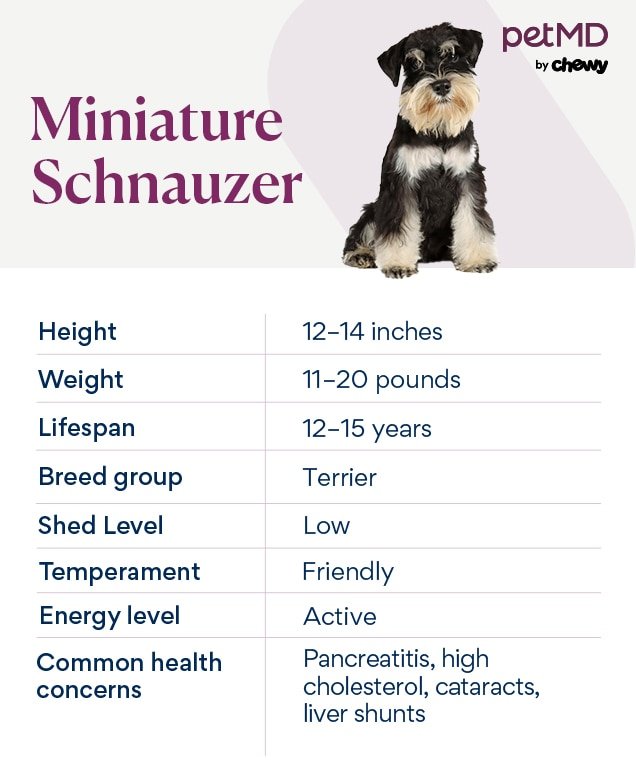
Miniature Schnauzers are popular among people with allergies because they are sturdy yet compact dogs with a distinctive bearded face and alert expression. They usually weigh 11–20 pounds, so they are easy to manage in apartments or small homes. Originally bred as working farm dogs, they are confident, watchful and affectionate companions when given clear rules and regular interaction.
Wiry coat and low shedding benefits
A Miniature Schnauzer’s wiry double coat sheds very little compared with many popular breeds. The harsh outer layer tends to trap loose hairs, so fewer allergens spread into the air or onto furniture. For many sensitive owners, low daily shedding can mean fewer sneezing fits and less cleaning. However, dander and saliva are still present, so regular grooming and bathing remain important for allergy control.
Stripping vs clipping for allergies
For Miniature Schnauzers, how the coat is maintained affects allergen spread. Hand‑stripping keeps the harsh outer coat, which can help trap dander and reduce loose hair. Clipping is easier and more common in pet homes, but clipped coats become softer and may shed more tiny broken hairs that carry allergens. For households with strong allergies, using hand‑stripping by a skilled groomer or combining it with frequent bathing and brushing is often recommended.
Energy level and training needs
Miniature Schnauzers are moderately active and need both physical and mental exercise. Daily walks plus short play sessions or scent games help prevent boredom and barking. Many enjoy dog sports such as agility. The breed is usually eager to learn, but can be a little stubborn, so consistent, reward‑based training from an early stage is very helpful. Clear rules and routine create a calm environment, which also supports allergy management at home.
Soft Coated Wheaten Terrier
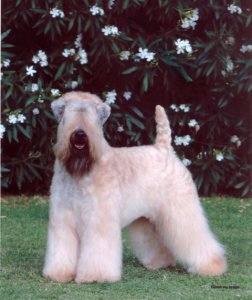
The Soft Coated Wheaten Terrier is popular among allergy‑conscious families because of its single, silky coat and moderate size. Originally bred as an all‑purpose farm dog in Ireland, the breed combines sturdy build with a friendly nature. Wheatens tend to be outgoing, playful, and strongly people‑oriented, so they usually enjoy staying close to family members and joining in daily activities.
For households managing allergies, the breed’s coat and temperament can be a good balance: less loose hair than many double‑coated breeds, yet energetic enough for active owners. However, regular grooming and structured training remain essential to keep the dog comfortable and the home as low‑allergen as possible.
Silky coat and dander management
A Soft Coated Wheaten Terrier has a single, silky coat that sheds less than many double‑coated breeds. However, loose hair often stays trapped in the waves until brushed, so dander can build up near the skin. Regular combing removes trapped hair and flakes before they spread indoors. Keeping the coat tangle‑free, along with routine bathing, helps reduce airborne dander and may ease allergy symptoms for sensitive people.
Grooming routine for low allergens
A Soft Coated Wheaten Terrier needs regular, structured grooming to keep allergens low. Daily brushing with a slicker brush removes loose hair and dander before it spreads indoors. A professional trim every 4–8 weeks helps prevent matting, where dander and dust easily collect. Weekly ear cleaning and wiping around the eyes also reduce dried secretions that can trigger allergies. Using a mild, vet‑approved shampoo for monthly baths supports skin health and cuts down airborne dander.
Is this active breed right for you?
Soft Coated Wheaten Terriers are lively, athletic dogs bred for farm work. They need at least 60–90 minutes of daily exercise, plus mental stimulation such as training games or scent work. Without enough outlets, they may bark, dig, or become unruly.
They suit active households that enjoy walks, hikes, or dog sports and can commit to regular grooming. Families wanting a calm lapdog or very low‑maintenance pet may find another allergy‑friendly breed more comfortable.
Coton de Tulear

Coton de Tulear is a small companion breed from Madagascar, loved for a soft, cotton‑like coat and cheerful attitude. The breed usually bonds very closely with people and prefers to stay near family most of the day. Gentle nature, moderate energy, and low shedding make Coton de Tulear a strong candidate for allergy‑conscious homes that want a friendly lap dog rather than a high‑drive working breed.
Coat texture and allergy impact
The Coton de Tulear has a soft, cotton‑like single coat without a harsh undercoat. A missing undercoat often means less trapped dander and fewer big shedding events, which can be helpful for allergy‑prone people. However, loose hair and dander still collect in the long coat and can spread during cuddling. Regular grooming and indoor cleanliness are therefore essential to keep allergen levels lower with this breed.
Brushing, bathing and trimming tips
Regular coat care reduces loose hair and dander in the home, which helps many allergy‑sensitive families.
Brushing: For a Coton de Tulear, gentle daily brushing prevents tangles that trap dander. Use a soft slicker or pin brush, working in small sections from skin to tip.
Bathing: A bath every 3–4 weeks with a mild, fragrance‑free dog shampoo can wash away allergens on the coat. Rinse very thoroughly and dry completely to protect skin health.
Trimming: Keeping the coat in a shorter “puppy cut” makes maintenance easier and limits the amount of hair that collects allergens. Regularly tidy the fur around eyes, paws, and sanitary areas, or schedule professional grooming every 4–6 weeks.
Temperament and home life
Coton de Tulear dogs are known as affectionate, cheerful companions that bond strongly with their families. They usually get along well with children and other friendly pets, provided introductions are calm and supervised. Because Cotons prefer to stay close to their people, they may dislike being left alone for long periods and can develop separation-related behaviors. A calm, structured home with regular interaction suits them best. Daily play, gentle walks, and mental games help prevent boredom and support good manners indoors.
Portuguese Water Dog
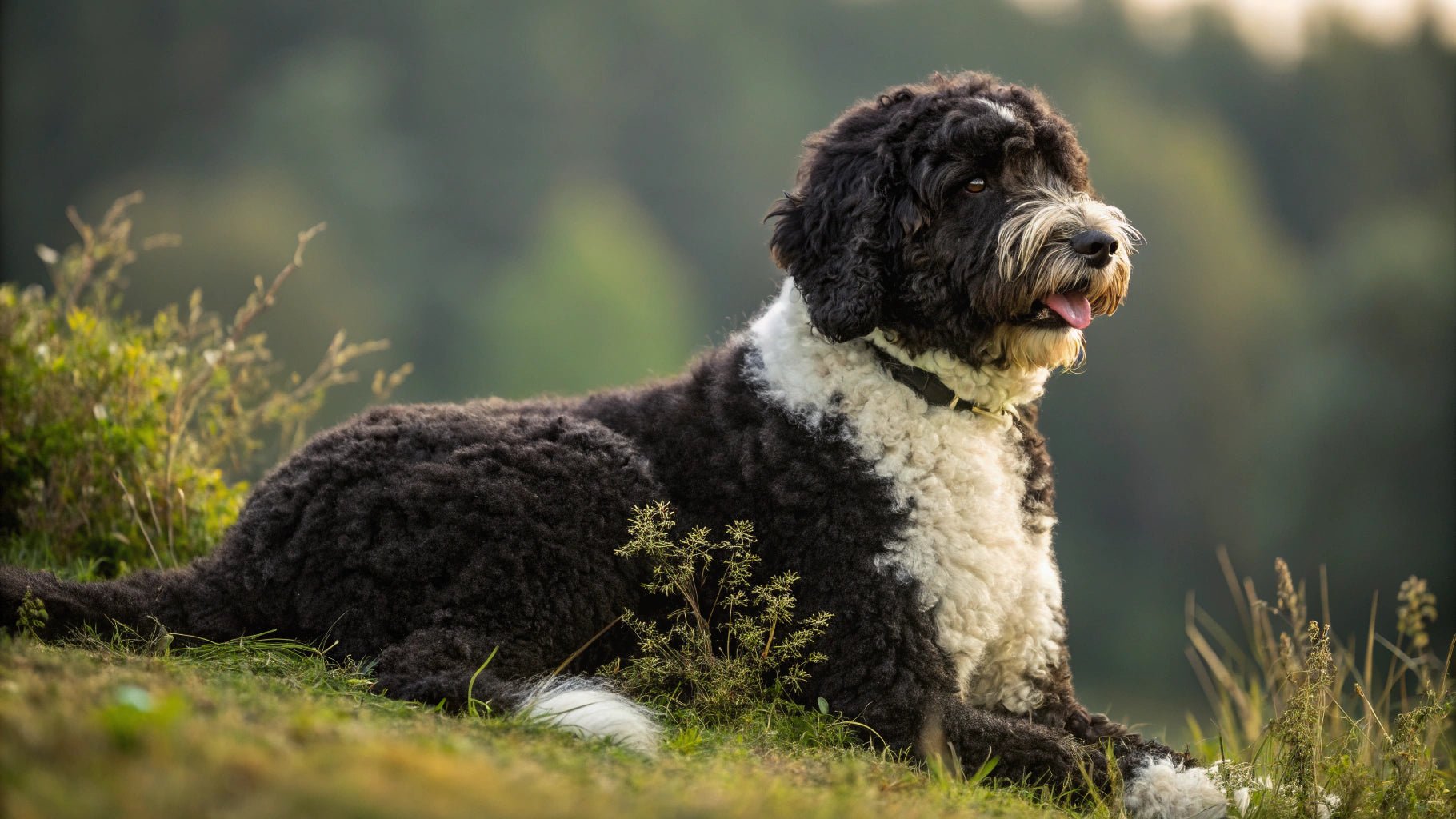
Portuguese Water Dogs are medium‑sized, athletic dogs originally bred to work alongside fishers. They are loyal, people‑focused, and often form a strong bond with one primary caregiver. Many individuals are highly energetic and intelligent, which means they thrive in active households that enjoy outdoor activities and training games.
Most Portuguese Water Dogs enjoy children and can live with other pets when properly socialized. However, strong working instincts and exuberance can feel overwhelming in very quiet homes. Consistent training, mental stimulation, and clear house rules help channel energy in a positive way and support a calm environment for people with allergies.
Curly coat and shedding control
The Portuguese Water Dog has a curly, woolly coat that sheds very little compared with many breeds. Loose hairs tend to stay caught in the curls instead of floating around the home, which can reduce airborne dander. However, trapped hair and skin flakes must be removed through regular brushing and combing. Many allergy‑conscious households keep the coat in a short, manageable clip to simplify grooming and limit buildup.
Exercise, swimming and mental needs
Portuguese Water Dogs are true working athletes, so daily physical and mental activity is essential. Most enjoy swimming, retrieving from water, and vigorous play such as fetch or frisbee for 45–90 minutes a day. In addition to walks, owners should provide puzzle toys, scent games, and training sessions to prevent boredom. Without enough exercise and brain work, unwanted behaviors such as chewing or barking may increase.
Best homes for this working breed
Portuguese Water Dogs thrive in active households that enjoy outdoor time year‑round. They suit families who like hiking, jogging, or regular trips to lakes or beaches, and who can commit to daily exercise plus training. A securely fenced yard, access to safe water for swimming, and people at home for much of the day are ideal. First‑time owners can manage this breed if they are ready for consistent training, socialization, and professional grooming support.
Lagotto Romagnolo
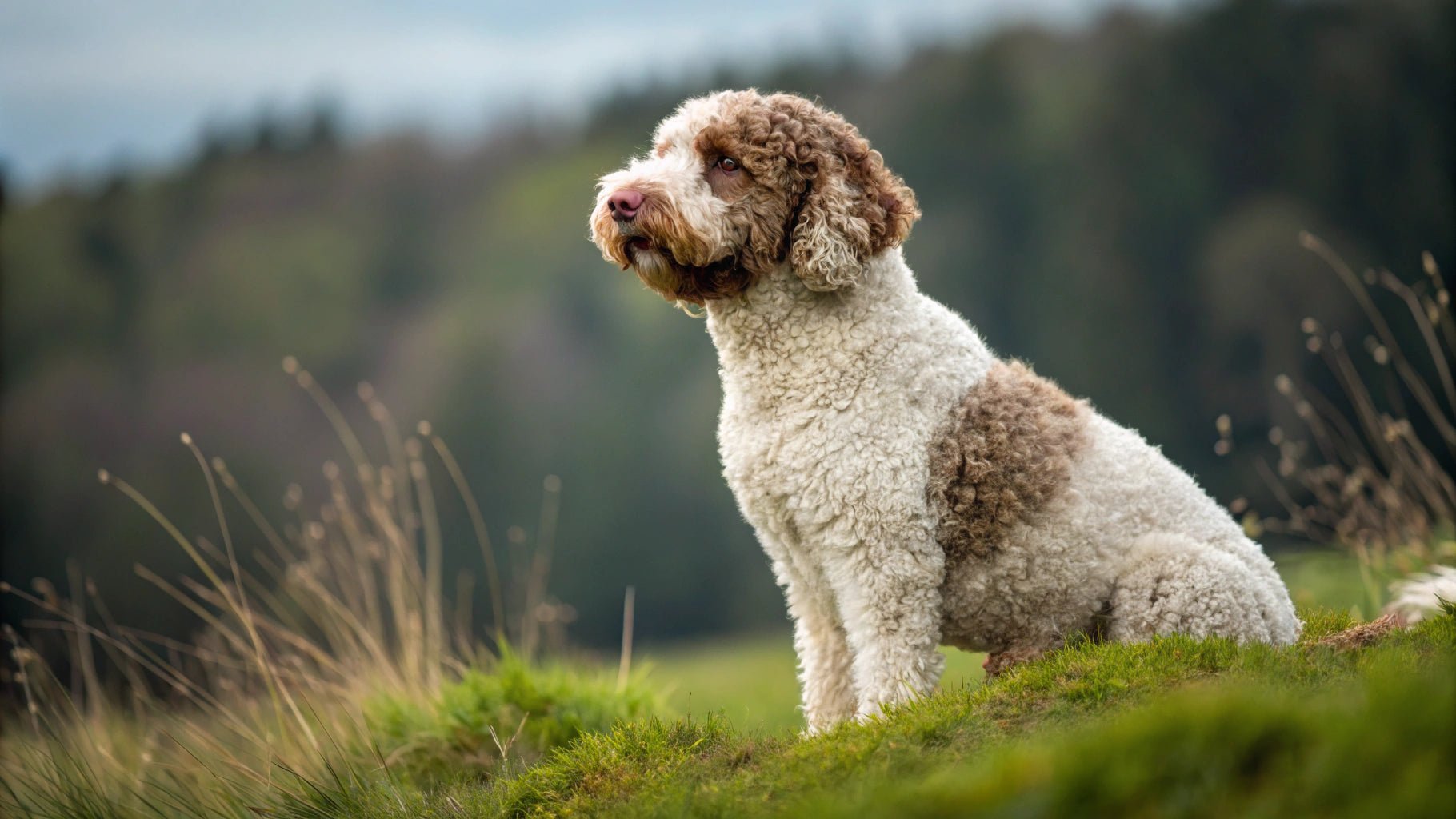
The Lagotto Romagnolo is an Italian water dog originally bred to hunt waterfowl and later famous as a truffle‑searching specialist. The breed is medium‑sized, sturdy, and athletic, with a curly coat that can suit active families who also have allergies. Lagotti are typically affectionate, people‑oriented, and eager to learn, so many owners appreciate the balance of working‑dog focus and gentle companion nature. Proper mental and physical stimulation is important for a calm, well‑adjusted dog.
Dense curls and dander control
Lagotti have dense, woolly curls that trap loose hairs and skin flakes close to the body, so less allergen is released into the air. The coat grows continuously and sheds minimally compared with many double‑coated breeds. However, allergy proteins are still present on dander and saliva, so regular brushing and bathing are important to remove buildup before it spreads around the home.
Grooming schedule for allergy homes
A consistent grooming schedule helps keep Lagotto Romagnolo allergens low indoors. In many allergy‑sensitive homes, a full groom every 6–8 weeks plus weekly maintenance is effective.
| Frequency | Care step | Allergy benefit |
|---|---|---|
| Daily | Quick eye/feet check, wipe coat | Removes surface dander and pollen |
| 2–3×/week | Thorough brushing/combing | Prevents mats that trap dander |
| Weekly | Ear check, paw and coat tidy | Reduces debris in the home |
| 6–8 weeks | Professional trim and bath | Major dander and loose hair reset |
Using unscented, dog‑safe products and drying the curls fully helps protect both skin health and human allergies.
Activity level and training style
Lagotti are energetic working dogs, bred for long days searching for truffles. Daily moderate to high activity is important: brisk walks, sniffing games, and off‑leash running in safe areas suit the breed well. Mental work such as nose‑work, puzzle toys, and obedience keeps the mind calm, which can indirectly reduce stress‑related skin issues.
Training usually goes smoothly because Lagotti are intelligent and human‑focused. Positive reinforcement, short sessions, and clear rules work best. Early socialization is important to prevent shyness and to create a relaxed, confident dog that is easier to manage in an allergy‑aware household.
American Hairless Terrier

The American Hairless Terrier is often recommended for people with moderate to severe dog allergies. Most individuals from this breed produce far less airborne dander than many coated dogs, and there is no shedding fur to trap allergens. As an energetic but small companion, the American Hairless Terrier suits apartments or houses, provided daily play and walks are offered. Social, alert, and people‑oriented, the breed usually enjoys training and family life when given consistent boundaries and mental stimulation.
Hairless vs coated varieties
The American Hairless Terrier comes in two main types: completely hairless and short‑coated. The hairless variety has no traditional shedding, so fewer hairs carry dander onto furniture and clothing. The coated variety still sheds very little compared with many breeds, but some sensitive owners may notice more symptoms. For people with stronger allergies, the hairless type is usually the safer choice, while mildly allergic owners may do well with either. Meeting both types before adoption is strongly recommended.
Skin care, sun and temperature
American Hairless Terriers need careful skin management because fur does not protect the body. Daily checks for redness, flaking, or small cuts are important, and gentle, fragrance‑free moisturizers are often recommended under veterinary guidance.
Sun exposure must be limited. Short early‑morning walks, dog‑safe sunscreen, and light T‑shirts or sun shirts help prevent sunburn. In cold weather, hairless dogs lose heat quickly, so coats, sweaters, and indoor temperatures around human comfort level are ideal to avoid chills and dry skin.
Personality and family life
The American Hairless Terrier is generally lively, alert, and very people‑oriented. Many enjoy cuddling and staying close to family members, which can be helpful for monitoring allergy reactions. Most form strong bonds and can be gentle with children when properly socialized, but supervision with young kids is recommended. Their moderate energy suits many households, provided they receive daily play and mental stimulation indoors, especially in extreme weather.
Health Tips for Allergy‑Friendly Dogs

Allergy‑friendly breeds still need good daily care to keep allergens low. A clean, healthy coat and skin produce less dander and less odor, which often means fewer symptoms for sensitive people. Key points are regular grooming, a balanced diet that supports skin health, parasite control, and prompt treatment of any skin or ear problems. Careful hygiene, such as washing hands after petting and avoiding face licking, also helps protect allergic family members.
Bathing and brushing to cut dander
Regular bathing and brushing help remove dander before it spreads around the home. For most low‑allergen breeds, brushing 3–4 times per week and bathing every 3–4 weeks is effective. Use a gentle, dog‑safe shampoo and rinse thoroughly to protect the skin barrier. Brush outdoors or in a well‑ventilated area, using a slicker brush or comb suited to the coat type. Many allergy‑sensitive households find that professional grooming on a fixed schedule keeps dander and loose hair much lower.
Diet, skin health and shedding
Balanced nutrition supports healthier skin and less shedding, which is crucial in allergy‑sensitive homes. A high‑quality diet with enough animal protein, omega‑3 and omega‑6 fatty acids, vitamins, and minerals helps maintain the skin barrier and keeps the coat supple. Poor‑quality food or sudden diet changes can lead to dry, flaky skin and excess dander.
For many dogs, fish‑based formulas or diets enriched with salmon oil, flaxseed, or algae oil are helpful. Fresh water must always be available, because mild dehydration also dries the skin.
If a dog frequently scratches, licks paws, or develops dull fur, an owner should consult a veterinarian before changing food radically. The veterinarian can check for food allergies, recommend an elimination diet if needed, and suggest supplements such as omega‑3s or probiotics. Good coat health reduces loose hair and dander in the environment, making allergy management easier.
Vet checkups and allergy questions
Regular veterinary care helps keep both the dog and allergic family members comfortable. At annual or semiannual checkups, owners can ask about skin health, ear infections, parasites, and grooming routines, because all can increase dander and shedding. It is helpful to discuss which shampoos, supplements, or flea control are safest for allergy households. Owners should also tell the veterinarian about any sneezing, rashes, or asthma flares in the family so timing of baths, grooming frequency, and possible medical support for the human side can be planned.
Making Your Home Easier on Allergies

A few simple home adjustments can greatly reduce exposure to dog allergens and make daily life more comfortable. The goal is to limit where dander, saliva and tracked‑in allergens collect, and to remove them regularly before they trigger symptoms. Focusing on cleaning habits, air quality and room layout helps many allergy‑sensitive owners enjoy life with a dog more safely.
Cleaning routines that actually help
Daily cleaning reduces allergen build‑up far more than occasional deep cleans. Aim for short, regular routines:
- Vacuum with a HEPA filter several times a week, especially in bedrooms and living areas
- Use a damp mop or cloth on hard floors and surfaces so dander is captured, not spread
- Wash dog bedding, blankets and soft toys in hot water weekly
- Launder human bedding at least weekly, particularly pillowcases
- Keep grooming (brushing, clipping) in one easy‑to‑clean area and wipe surfaces afterward
Small, consistent habits help prevent dander from accumulating to symptom‑triggering levels.
Air filters, flooring and fabrics
Air quality and surfaces have a major impact on allergy symptoms. High‑quality HEPA air purifiers in main living areas and bedrooms help capture dander and dust. Hard flooring such as vinyl, tile, or sealed wood is usually better than carpet, which traps allergens. If carpet is unavoidable, choose low‑pile types and clean regularly. For sofas and beds, use washable covers and tightly woven fabrics to reduce how much dander clings to soft furnishings.
Setting dog‑free zones if needed
Creating dog‑free zones can significantly reduce daily allergen exposure. Common choices are bedrooms, a home office, or a small lounge area. Close doors, use baby gates, and avoid keeping dog beds, toys, or bowls in these spaces. Wash bedding and curtains frequently, and pair the zone with an air purifier. Everyone in the household should follow the rule so the area truly becomes a low‑allergen retreat.
When Allergies Are Still Too Strong
Even with careful breed choice and good home routines, some people still react strongly to dogs. In such cases, health must come first. Strong, persistent symptoms like wheezing, tight chest, or frequent sinus infections can signal that current measures are not enough.
If symptoms limit sleep, work, or daily life, consider adjusting how and where the dog lives, asking other family members to take over close-contact care, or seeking medical treatment. In rare cases, re‑homing may be the most humane option for both person and dog, so that everyone can live more comfortably and safely.
Medical options and allergy shots
Even with a low‑allergen dog and careful cleaning, medical support is sometimes essential. Allergy medications (antihistamines, nasal sprays, eye drops) can ease daily symptoms, while short courses of steroids may help during severe flare‑ups.
For long‑term control, allergists may suggest allergy shots (immunotherapy). Small, increasing doses of dog allergen are injected over months to years, training the immune system to react less. Immunotherapy does not work for everyone, but it can reduce symptoms and medication use and make living with a dog more comfortable.
A consultation with an allergist is important before starting any treatment, especially for children, people with asthma, or anyone with a history of severe reactions.
When to reconsider breed or size
Allergy control sometimes remains difficult even with careful breed choice and medical support. In that case, it can be necessary to reconsider breed or size for health reasons. Very large or heavy‑coated dogs usually carry more dander and track more allergens indoors. Smaller, short‑coated or hairless breeds may reduce exposure.
If symptoms stay strong despite treatment, re‑evaluate: body size, coat type, grooming needs, and indoor activity level. Consulting both an allergist and a veterinarian helps identify options that protect health while still allowing life with a dog, such as a different breed, a smaller dog, or fewer dogs in the home.
Balancing your health and dog love
Allergy control must come before any dream dog image. Putting health first means being honest about symptoms, making changes at home, or even re‑homing a dog if reactions stay severe. Caring for a dog should add joy, not constant medication or asthma attacks. Many people find a balance by choosing a lower‑allergen breed, following strict cleaning routines, and working with an allergist. The kindest choice is the one that protects both human health and the dog’s long‑term welfare.
This article explains the mechanisms of dog allergies and provides a proper understanding of "low-allergen" dogs, along with the characteristics and selection criteria of nine breeds including poodles, as well as home care, cleaning, air quality management, and when to consult a doctor. It offers practical guidance for people with allergies to enjoy living with dogs while protecting their health.







![[2022 Edition] What is the safest dog food? Survey of recommended popular products](http://with-my-dog.com/wp-content/uploads/2021/10/puppy-ged828c55e_1920-150x150.jpg)