


Many people want to welcome a dog into their family but are concerned about allergies. Many also think, "If a dog sheds less, it's less likely to cause allergies, right?" This article clearly explains the relationship between shedding and allergies, the reality of so-called "low-allergen breeds," and key points for people with allergies to live healthily with dogs, incorporating medical perspectives. This can serve as a guide to gain the correct knowledge before giving up on the idea of having a dog.
Understanding Dog Allergies

Many people say they are “allergic to dogs,” but in most cases the problem is not the dog itself, but substances the dog carries. Dog allergies are a form of environmental allergy, similar to pollen or dust mite allergy. The immune system overreacts to harmless proteins from the dog and releases histamine, which leads to sneezing, itchy eyes, skin rashes, or breathing problems. Understanding what triggers the reaction is the first step to choosing a suitable dog and managing symptoms safely.
Common symptoms in people
People allergic to dogs often develop symptoms similar to hay fever. Common signs include sneezing, runny or stuffy nose, and itchy or watery eyes soon after contact with a dog or a dog’s environment. Some people feel itching on the skin where a dog has licked or touched, or develop red, raised rashes (hives). In more sensitive individuals, dog allergens can also cause coughing, wheezing, chest tightness, or shortness of breath, especially in people with asthma.
What actually triggers reactions
Allergic reactions are triggered when the immune system overreacts to harmless proteins called allergens. In the case of dogs, the main allergens are proteins in skin flakes, saliva, and urine. When these tiny particles become airborne or stick to surfaces, sensitive people inhale them, get them on their skin, or into their eyes, which can set off sneezing, itching, or asthma symptoms.
Dander, saliva, urine, and hair
Many people assume dog hair causes allergies, but the main culprits are proteins in dander, saliva, and urine. Dander is tiny flakes of dead skin that float in the air and stick to surfaces. Saliva spreads allergens when dogs lick their fur, toys, or people, and dried saliva turns into airborne particles. Urine can leave allergen residues in carpets or yards. Hair mainly acts as a carrier, trapping dander, saliva, and dust and distributing them around the home.
Do Low‑Shedding Dogs Help Allergies?

Many people hope that a low‑shedding or "non‑shedding" dog will solve allergy problems. In reality, less shedding can reduce how widely allergens spread in the home, but it does not remove the allergens themselves. Dogs with tight curls, hair that grows continuously, or single coats may leave fewer hairs on furniture and carpets, so cleaning becomes easier and some owners feel more comfortable.
However, allergen proteins are mainly in dander, saliva, and urine. A low‑shedding dog still produces these, so sensitive people may react even if almost no hair is visible. For mild allergy sufferers, choosing a lower‑shedding breed plus good cleaning and grooming habits may noticeably ease symptoms. For moderate to severe allergies or asthma, professional medical advice is important before relying on coat type alone.
Health are dogs with less shedding better
Many people hope that dogs who shed less will automatically be safer for allergies. In reality, less shedding only sometimes reduces allergen spread in the home. Fewer loose hairs in the air and on furniture can mean fewer allergen “carriers,” so some owners notice milder symptoms. However, the dog’s overall allergen production, cleaning routine, and time spent indoors influence health effects far more than shedding alone.
Why less hair does not mean no allergy
Many people assume that fewer hairs mean fewer allergy problems, but hair itself is not the main allergen. Most reactions are caused by proteins found in dander, saliva, and urine. Even a dog that sheds very little still produces these proteins every day.
Low‑shedding breeds may drop fewer hairs into the environment. However, allergen‑coated hairs and dander still build up on furniture, floors, and clothing. Regular grooming, cleaning, and medical allergy care are therefore important, even with low‑shedding dogs.
Situations where shedding may matter
Shedding can still influence allergy levels in certain situations. Heavy seasonal shedders release more hair carrying dander into the air and onto furniture, which may worsen symptoms. In small apartments or poorly ventilated rooms, accumulated loose hair can be especially irritating. Multiple dogs, or breeds with thick double coats, also increase total allergen load. For some people, moderate reductions in shedding can make daily life more comfortable, even if allergies do not disappear.
The Myth of Hypoallergenic Dog Breeds

Many people believe certain breeds are completely safe for allergy sufferers, but a truly “allergy‑free” dog does not exist. All dogs produce dander, saliva, and urine proteins that can trigger reactions, regardless of coat type or shedding level. Breeds marketed as “hypoallergenic” often shed less hair, so allergens may spread less widely, yet sensitive individuals can still react strongly. Understanding this myth helps owners set realistic expectations and focus on practical allergy management instead of relying only on breed labels.
What “hypoallergenic” really means
Many people assume “hypoallergenic” means no allergic reaction at all, but in reality it only means less likely to trigger symptoms. Dogs called hypoallergenic usually shed less hair or dander and may produce slightly fewer allergens. However, all dogs create allergenic proteins in dander, saliva, and urine. “Hypoallergenic” is a marketing term, not a medical guarantee, so sensitive owners can still react even to so‑called hypoallergenic breeds.
Popular breeds often labeled hypoallergenic
Many breeds are commonly marketed as hypoallergenic because they shed less hair or have particular coat types. Well‑known examples include Poodles (all sizes), Bichon Frises, Maltese, Schnauzers, Shih Tzus, Yorkshire Terriers, and mixes such as Labradoodles and Goldendoodles. Some less common examples are Portuguese Water Dogs, Soft‑Coated Wheaten Terriers, and Kerry Blue Terriers. All can still produce allergens, so careful testing of individual dogs remains important.
Scientific evidence on hypoallergenic dogs
Research studies comparing so‑called hypoallergenic breeds with other dogs show no consistent difference in allergen levels. Measurements of Can f 1 and other dog allergens in homes often reveal similar amounts whether families live with poodles or heavy‑shedding breeds. Some individual dogs, regardless of breed, may produce fewer allergens, but experts agree that no breed is truly allergen‑free. Therefore, choosing a dog only by a hypoallergenic label is not a reliable medical strategy for allergy control.
Other Dog Traits That Affect Allergies

Dog shedding is only one factor in allergy burden. Allergen levels vary with coat type, body size, grooming habits, saliva production, activity level, and time spent indoors. A small, well‑groomed dog that drools little and stays mainly in certain rooms may release fewer allergens than a larger, highly active dog, even if both shed a similar amount. Understanding these traits helps owners choose and manage dogs more comfortably when allergies are a concern.
Coat type, size, and grooming needs
Coat type and size influence how allergens spread, but do not change what the person is allergic to. Allergy sufferers react to proteins, not fur itself. Long, dense, or double coats can trap more dander and saliva, which may be released during brushing or shedding.
Smaller dogs usually carry fewer total allergens simply because there is less body surface, while giant breeds may spread more dander and hair. High‑maintenance coats (poodles, doodles, bichons) require regular grooming, which can reduce loose hair but briefly increases airborne allergens during brushing or clipping.
Drooling, licking, and saliva exposure
Saliva is a major source of dog allergens. Proteins in saliva dry on the coat and skin after licking, then flake off as dander or attach to shed hair. Dogs that drool heavily spread more allergen onto beds, sofas, and clothes. Allowing a dog to lick the face, especially around the eyes, nose, or mouth, often triggers faster and stronger reactions for sensitive people. Limiting face licking and wiping drool quickly can reduce exposure.
Indoor versus outdoor lifestyle
Dogs that live mostly indoors spread allergens where family members spend the most time. Sofas, carpets, and bedding easily collect dander, hair, and dried saliva. In contrast, dogs that spend more time outdoors may leave more allergens in the yard, but pollen and dust from outside can also cling to the coat and be carried inside. Regular cleaning and defined indoor zones help reduce overall exposure regardless of lifestyle.
Health Considerations for Dog and Owner

Allergies affect both the owner’s daily life and the dog’s health. Uncontrolled symptoms can lead to fatigue, poor sleep, and worsening asthma, while the dog may suffer if grooming or vet visits are avoided. Choosing a breed only by shedding level is risky; overall lifestyle, cleaning habits, and medical support are also important. A realistic plan that protects human health while ensuring stable care, exercise, and affection for the dog is essential.
Allergy severity and asthma risk
Allergy severity varies widely. Some people only develop mild sneezing, while others experience strong reactions that can trigger or worsen asthma. Dogs with heavy dander, frequent licking, or high saliva exposure may increase symptoms in sensitive owners.
For people with asthma, dog allergens can lead to coughing, chest tightness, and wheezing. Children, older adults, and anyone with existing lung disease face higher risk. In such cases, careful breed choice, strict cleaning routines, and early medical advice are especially important.
When allergies become a health hazard
Allergies become a health hazard when symptoms go beyond mild sneezing or itchy eyes. Warning signs include wheezing, chest tightness, breathing difficulty, nighttime coughing, frequent sinus or ear infections, or needing allergy medicine almost every day.
If any breathing problem appears, or a child’s symptoms keep getting worse, prompt consultation with a doctor or allergist is essential. In rare cases, severe reactions can lead to asthma attacks or emergency care, so early management protects both owner and dog.
Balancing mental health and pet allergies
Living with pet allergies often creates emotional stress, guilt, and worry about the future. Dogs provide companionship, routine, and strong mental‑health benefits, so suddenly avoiding contact can feel heartbreaking. The key is finding a realistic middle ground: clear medical limits from an allergist, practical rules at home, and shared family decisions. When owners feel supported by both a doctor and a veterinarian, they are more likely to manage symptoms, protect health, and still enjoy a close bond with their dog.
Choosing a Dog When You Have Allergies
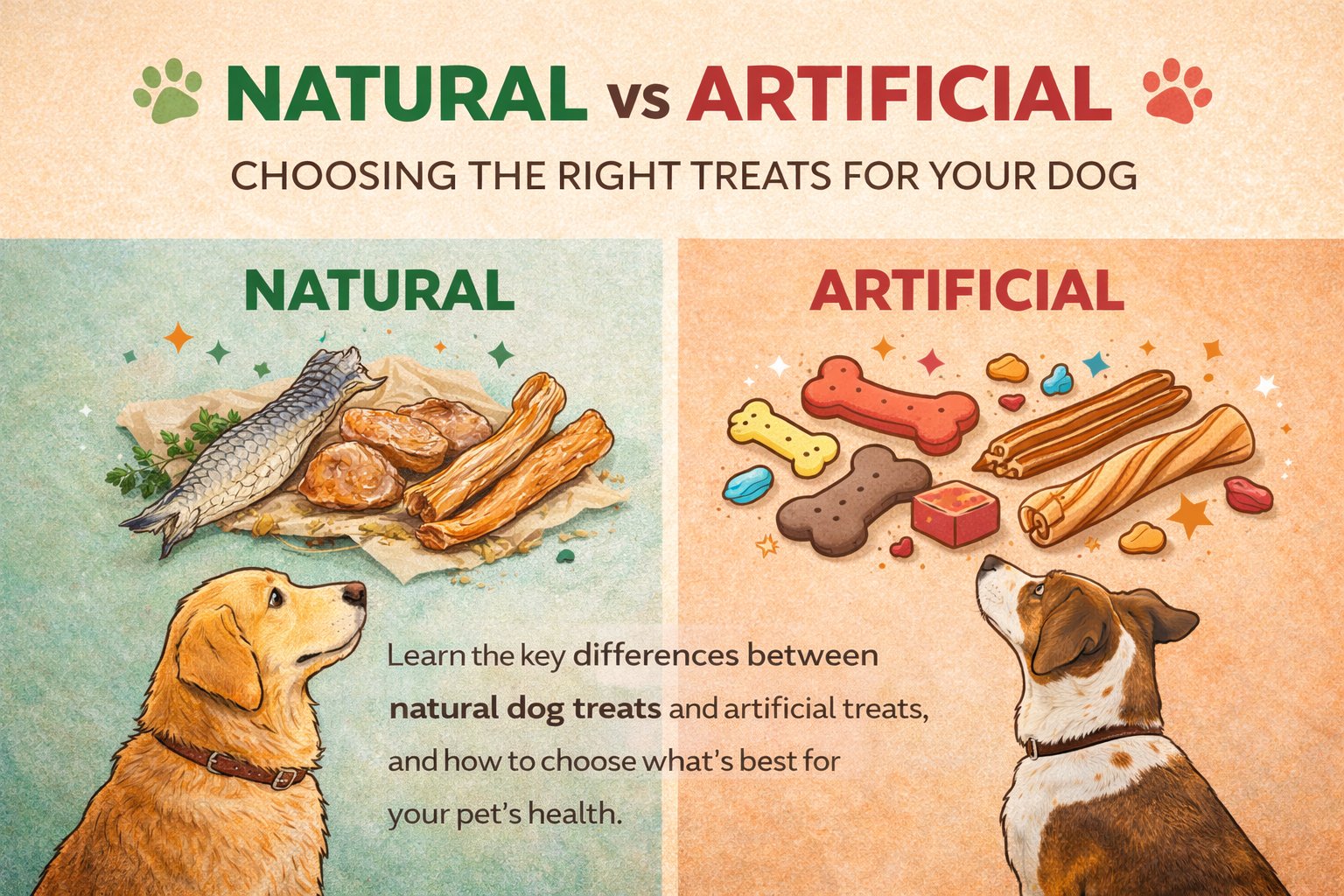
Choosing a dog with allergies requires honest self‑assessment and careful planning. Important points are the severity of symptoms, family structure, and lifestyle. Before focusing on breeds, it is safer to clarify how much contact is acceptable, how much cleaning and grooming is realistic, and what medical support is available. Careful preparation increases the chance of a comfortable life for both owner and dog.
Questions to ask before adopting
Before adopting, it is helpful to prepare clear questions. For example, ask "How severe are my allergies and what symptoms appear?" and "Can everyone in the household tolerate some level of exposure?" Confirm lifestyle points such as time for grooming and cleaning, preferred dog size, and activity level. It is also important to ask shelters or breeders about shedding amount, grooming history, indoor living habits, and any past allergy problems in previous homes.
Meeting and testing time with a dog
Spending trial time with a potential dog is very important for people with allergies. Ideally, arrange multiple short visits on different days, in normal indoor settings rather than only outdoors. Stay at least 30–60 minutes and avoid taking allergy medicine beforehand so reactions are easier to notice. Gently pet the dog, allow some contact with clothes and hands, then monitor symptoms for 24 hours, including at night. If possible, visit the dog again after a bath and after several days without a bath to compare reactions.
Breeds and mixes to consider carefully
Some breeds and mixes often trigger stronger or unexpected reactions in allergy‑prone people. Large, heavy‑shedding breeds (Golden Retrievers, German Shepherds, Huskies) spread more hair that can carry dander. Small, curly‑coated breeds (Poodle, Bichon Frise, Maltese) may help some people, but are not guaranteed low‑allergen.
Mixed breeds with unknown parentage, “doodle” crosses, and very drooly breeds (Saint Bernard, Bulldog) should be approached carefully, with extended trial contact before adoption.
Home and Grooming Tips to Reduce Allergens
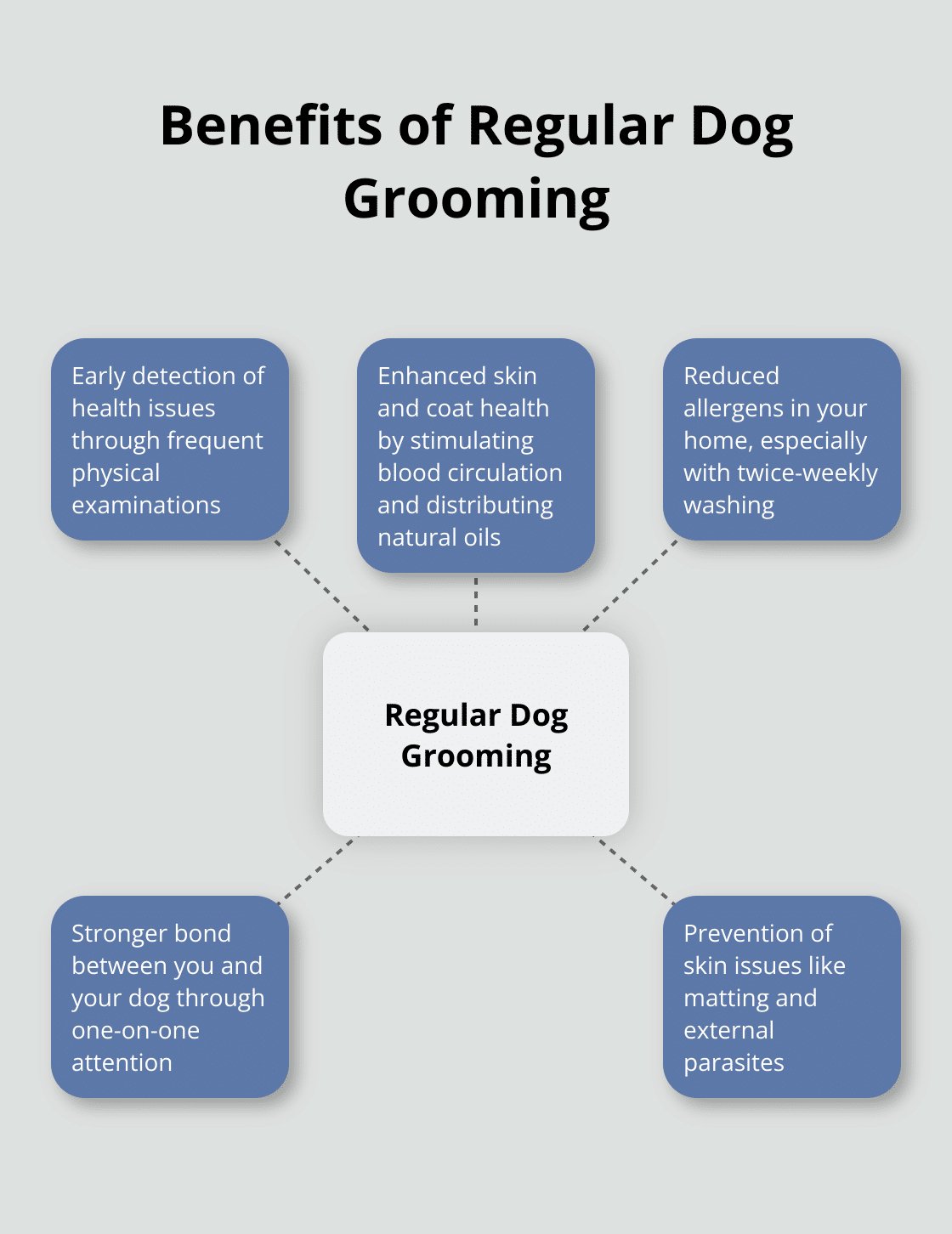
A few simple home and grooming habits can greatly reduce dog‑related allergens. Focus on keeping the coat, skin, and environment as clean as possible. Regular bathing, brushing, vacuuming, and washing fabrics lower dander and hair buildup. Using HEPA air purifiers in main living areas also helps. Creating dog‑free zones, such as the bedroom, further limits exposure and supports more comfortable daily life with allergies.
Bathing and brushing routines
Regular bathing and brushing help remove loose hair, dander, and saliva residue from the coat. For most dogs, a gentle bath every 2–4 weeks with a mild, fragrance‑free dog shampoo is enough; overbathing may dry the skin and increase flaking. Brushing outdoors several times a week reduces shed hair in the home. Allergy‑prone owners may benefit from using gloves and a mask during grooming and showering or changing clothes afterward.
Cleaning, air filters, and fabrics
Household cleaning has a large impact on allergy levels. Frequent vacuuming with a HEPA‑filter vacuum, damp mopping, and wiping hard surfaces reduce dander buildup. Washing dog bedding and blankets in hot water removes trapped allergens. Air purifiers with HEPA filters help capture floating dander and hair, especially in bedrooms and living rooms. Choosing smooth flooring, washable covers, and tightly woven fabrics rather than heavy carpets and curtains helps prevent allergens from clinging and accumulating.
Setting up low‑allergen zones at home
Low‑allergen zones are spaces where dog access and allergen levels are carefully limited. Bedrooms are often the top priority, especially for people with asthma or strong symptoms. Use smooth flooring, washable curtains, and minimal fabric. Keep doors closed and use baby gates if needed. Placing HEPA air purifiers near sleeping and working areas helps maintain cleaner air.
Clear rules are important. Decide where the dog may not enter (for example, beds, sofas in one room) and keep all dog beds, toys, and food bowls outside those areas. Regularly wipe hard surfaces and vacuum nearby hallways to prevent dander spread. Consistent routines support both human health and the dog’s comfort.
Diet, skin health, and dander control
Healthy skin produces less dander, so daily care and diet are important for allergy management. A balanced diet rich in omega‑3 and omega‑6 fatty acids (from fish oil or vet‑approved supplements) helps support the skin barrier and reduce dryness and flaking. Regular vet checks, treatment of skin diseases, and parasite control also lower dander. Gentle, non‑irritating shampoos and avoiding over‑bathing prevent itchy, flaky skin that can worsen allergy symptoms.
Medical Help and Allergy Management

Effective medical support helps many allergic owners live comfortably with dogs. Early consultation with a human allergist is strongly recommended when symptoms appear or worsen.
Typical management includes oral antihistamines, nasal sprays, eye drops, and asthma inhalers if the airways are affected. For persistent symptoms, allergen immunotherapy (allergy shots or sublingual drops) may gradually reduce sensitivity to dog allergens over time.
Veterinary guidance is also important. A vet can check the dog for skin disease, parasites, or food allergies that increase dander and shedding. Coordinating care between allergist and vet allows adjustment of both owner treatment and dog care to keep reactions as mild as possible.
Allergy testing and diagnosis options
Allergy testing helps clarify whether symptoms come from dogs, pollen, dust, or something else. A primary care doctor or allergist usually recommends one or more of the following:
| Test type | What it does | Pros | Points to note |
|---|---|---|---|
| Skin prick test | Small dog allergen drops on skin | Quick, sensitive | Stop some meds before test |
| Intradermal test | Allergen injected under skin | Very detailed | Usually with an allergist |
| Blood test (IgE) | Measures allergy antibodies | Good if skin tests not possible | Results can be less specific |
For dog owners, confirming whether the main trigger is dog dander is essential before making big decisions about rehoming or avoiding dogs.
Medications, shots, and other treatments
For many dog-allergic people, medication makes everyday life more comfortable. Over‑the‑counter antihistamines (tablets or syrups) may ease sneezing, runny nose, and itchy eyes. Nasal sprays and eye drops can target local symptoms. For stronger or persistent reactions, doctors sometimes recommend prescription nasal steroids or combination therapies.
When allergies are moderate to severe, allergy shots (immunotherapy) may be considered. Small, controlled amounts of allergen are given over time to help the immune system become less reactive. This treatment is long‑term and requires regular visits but can reduce symptoms for some patients.
Other options include inhalers for those with asthma, leukotriene modifiers, or newer biologic drugs for severe cases. Any treatment plan should be adjusted to the person’s age, other illnesses, and lifestyle with the dog, and should always follow medical guidance.
Talking with your doctor and your vet
For people with allergies, coordination between a doctor (or allergist) and a veterinarian is very important. Doctors can assess allergy severity, perform tests, and suggest medicines or immunotherapy. Veterinarians can advise on grooming, bathing frequency, diet for skin health, and home care that lowers dander. Sharing information both ways, including test results and the dog’s habits, helps create a realistic plan that protects health while supporting a safe, happy life with the dog.
Living Well With Allergies and a Dog
Living with allergies and a dog is possible when daily habits support health for both. The key is consistent, small routines, not perfection. Agree on house rules, cleaning roles, and grooming schedules so allergens stay lower over time. Combine medical support, smart home care, and suitable breed choice. With planning and honest communication in the family, many people enjoy a close bond with their dog while keeping allergy symptoms manageable.
Setting realistic expectations
Allergy-friendly life with a dog requires realistic expectations rather than hoping for a perfect “hypoallergenic” solution. Even low‑shedding breeds produce dander and saliva, so completely symptom‑free living is rare for sensitive people. Instead, the goal is often symptom control: fewer flare‑ups, milder reactions, and a clean, well‑managed home. Accepting some ongoing cleaning, grooming, and medical support makes it easier to enjoy the bond with a dog without constant disappointment.
Planning for kids and family members
Families with allergies benefit from a clear plan before bringing a dog home. Children, older adults, and anyone with asthma or eczema should be considered individually. Parents can arrange test visits with the same dog several times, watch for symptoms, and keep a log. Separate sleeping areas, hand‑washing after play, and limiting dogs from beds can protect sensitive family members while maintaining bonding time.
When rehoming may be the last resort
Rehoming should be considered only when health or safety is clearly at risk and all management options have failed. Severe, uncontrolled asthma, repeated emergency visits, or strong reactions despite medication and strict cleaning may indicate that living together is no longer safe. Before deciding, consultation with an allergist, a veterinarian, and the whole family is important. If rehoming becomes necessary, choosing a responsible rescue, reputable shelter, or trusted acquaintance helps protect the dog’s welfare and eases the emotional burden on the family.
This article explains whether dogs that shed less are truly advantageous for allergy sufferers, examining the nature of allergens, common misconceptions about "low-allergen breeds," and their relationship to health risks. It also provides practical tips for allergy sufferers to live comfortably with their dogs, including points to consider when choosing a dog, measures that can be taken at home, and how to cooperate with doctors and veterinarians.




![[So cute!] How dogs and cats show affection](http://with-my-dog.com/wp-content/uploads/2021/09/2093449_m-150x150.jpg)
![[Ticks and Sarcoptic Mange] Symptoms and Treatment of Ticks that Harm Dogs](http://with-my-dog.com/wp-content/uploads/2022/01/4ab096d074c35f99ad05687eccf70c28-500x332-1-150x150.jpg)
![[Free] 5 dog foods you can try! Depending on your dog's growth and preferences](http://with-my-dog.com/wp-content/uploads/2022/07/image7-12-150x150.jpg)



![[Small dogs are very popular] Survey on cute dog rankings](http://with-my-dog.com/wp-content/uploads/2022/07/image4-26-150x150.jpg)






![[Chihuahua] How to choose dog food without making a mistake and 6 recommendations!](http://with-my-dog.com/wp-content/uploads/2022/07/image1-8-300x200.jpg)