

子どもが犬と触れ合うことは情緒の安定や社会性の発達に役立つ一方で、くしゃみや目のかゆみ、湿疹など「dog allergies in kids(子どもの犬アレルギー)」に悩む家庭も少なくありません。本記事では、犬アレルギーが子どもの健康に与えるリスクと、その症状を和らげる7つの簡単な対策をわかりやすく解説します。原因を正しく理解し、生活環境を少し工夫することで、多くの場合は犬と安全に暮らし続けることが可能です。愛犬との生活を続けたい保護者にとって、役立つ情報を網羅的にお届けします。
Can Kids Be Allergic to Dogs?
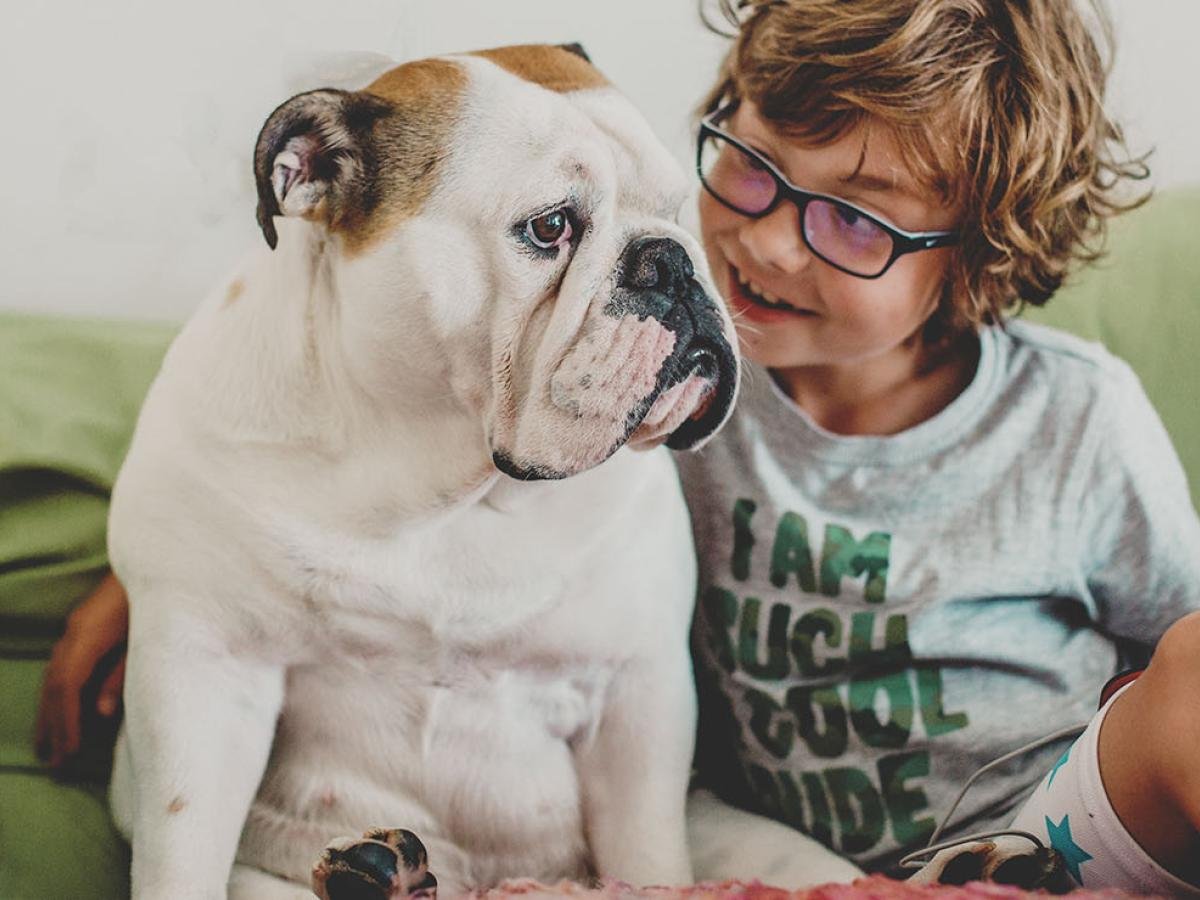
Many parents are surprised to learn that yes, children can be allergic to dogs. The immune system mistakes harmless dog proteins for dangerous invaders and reacts.
Dog allergy is common in kids who already have eczema, hay fever, or asthma, but it can also appear in children with no previous problems. Symptoms may start soon after getting a dog, or only after months or years of contact, so parents often do not connect the reaction with the family pet.
A child can react to any breed and any coat length. Small, large, short‑haired, or long‑haired dogs can all trigger allergies, because the problem is the proteins, not the fur itself.
How dog allergies develop in children
Allergies start when a child’s immune system mistakes harmless dog proteins for dangerous germs. Repeated contact with dog dander, saliva or urine can sensitize the body. Over time, the immune system produces IgE antibodies against dog allergens. When the child is around a dog again, those antibodies trigger histamine release, causing sneezing, itchy eyes, rashes or breathing symptoms. Some children react soon after first exposure, while others develop symptoms only after months or years of living with a dog.
Dog dander, saliva and other triggers
Dog-related allergens mainly come from dander (tiny skin flakes), saliva, urine, and fur that carries those particles. Dander is light, floats in the air, and sticks to furniture, fabric, and clothes, so children breathe it in even when the dog is not nearby. Saliva becomes a problem when dogs lick hands, faces, or toys; once dry, proteins in the saliva turn into airborne dust. Allergens also hitchhike on bedding, carpets, car seats, and school bags, which explains why some children react in places where no dog is present.
Health Risks of Dog Allergies in Kids
Dog allergies in children are usually not life‑threatening, but they can significantly affect health and development. Constant exposure to dog allergens can lead to chronic stuffy nose, poor sleep, fatigue, learning difficulties, and more frequent sinus or ear infections. In children with asthma or eczema, uncontrolled allergies may worsen symptoms and increase the need for medication or urgent care. Rarely, very sensitive children may experience serious breathing trouble, so early control of dog allergies is important for long‑term health.
When allergies affect daily life
Mild dog allergies may seem small, but daily exposure can quietly wear children down. Constant sneezing, itchy eyes or a stuffy nose often lead to poor sleep, morning fatigue and trouble concentrating at school. Kids may avoid playing on the floor, hugging the dog or visiting friends with pets, which can affect social life.
Frequent symptoms can also mean more sick‑days, more doctor visits and higher use of medicines. Over time, unmanaged allergies may reduce a child’s enjoyment of home life and increase stress for the entire family.
Links with asthma and breathing issues
Dog allergies and asthma are closely related in children. Allergic inflammation can irritate the airways and make them more sensitive to triggers like exercise, colds, or pollen. Children with asthma may cough, wheeze, or feel chest tightness after playing with a dog or in rooms where the dog spends time.
Allergy specialists often ask whether symptoms improve when the child is away from dogs for several days. If breathing problems repeatedly follow contact with a dog, doctors may diagnose allergic asthma and recommend inhalers, stricter allergen control at home, or long‑term treatments such as immunotherapy.
When to worry about severe reactions
Severe dog‑allergy reactions in children are uncommon but require urgent medical attention. Warning signs include: swelling of lips, tongue or face; trouble breathing or speaking; wheezing that starts suddenly; widespread hives; vomiting; or a child who becomes pale, floppy or very sleepy. Any symptom that comes on quickly after dog contact or keeps getting worse instead of better should be treated as an emergency, and emergency services should be contacted immediately.
Common Signs Your Child Is Reacting
Dog allergies in kids often start subtly. Parents may notice repeated sneezing, rubbing eyes, or coughing when the child is near the dog or in rooms where the dog spends time. Symptoms usually flare up after close contact, grooming, or play, and improve when the child is away from the home or dog environment. Keeping a simple symptom diary helps connect exposure to the dog with timing and severity of reactions, which is very useful for the pediatrician or allergist.
Nasal and eye symptoms
Nasal and eye symptoms are often the first signs of dog allergies in kids. Typical nasal problems include a runny or stuffy nose, frequent sneezing, post‑nasal drip, and an itchy nose. Eye symptoms often appear at the same time: red, watery, itchy eyes that may feel gritty or puffy, especially after playing with a dog or visiting a home with dogs.
The pattern offers an important clue. If symptoms worsen around dogs but improve away from them, parents can suspect a dog allergy rather than a simple cold. Symptoms also tend to last for weeks during ongoing exposure, instead of clearing in a few days like a viral infection.
Skin rashes and hives
Skin reactions are common in health dog allergies in kids. Red, itchy patches often appear where dog saliva or dander touched the skin: face, neck, hands, or arms. Rashes may look like eczema, with dry, rough, or scaly areas that flare after contact.
Hives are raised, pink or red bumps that can appear within minutes of petting or being licked by a dog. They usually itch strongly and may come and go over a few hours. Any swelling of the lips, eyelids, or face after dog contact should be checked by a doctor promptly.
Cough, wheeze and chest tightness
Breathing symptoms often worry parents most. Cough, wheeze, or chest tightness after time with a dog can signal that allergens are irritating the airways. Children may describe it as "hard to breathe," "a heavy chest," or needing to clear the throat often. Night‑time cough, exercise‑induced wheeze, or noisy breathing can appear. Any breathing trouble, especially if it is sudden or worsening, requires prompt medical evaluation, because dog allergy can trigger or worsen asthma in some children.
How Doctors Diagnose Pet Allergies

Doctors combine several steps to diagnose health dog allergies in kids accurately. The goal is to confirm that symptoms are truly triggered by dogs, not by colds, dust, or pollen. An allergist usually starts with questions about when symptoms appear, then may use skin prick tests or blood tests to look for dog‑specific allergy antibodies. Clear diagnosis helps families choose the safest way to keep both child and dog as healthy as possible.
Medical history and home observation
Doctors usually start diagnosis with careful questioning and home observation rather than jumping straight to tests. Parents may be asked when symptoms started, how long they last, and whether they worsen after playing with the dog, grooming, or visiting homes with pets. Keeping a simple symptom diary, with notes on exposure to dogs, cleaning routines, and any medicines used, helps doctors see patterns and decide if dog allergies are likely.
Skin prick and blood tests explained
Allergy tests help confirm whether dog exposure is really the trigger. The two main tests are skin prick tests and blood tests.
| Test type | What happens | What it shows |
|---|---|---|
| Skin prick test | Tiny drops of dog allergen placed on skin, skin pricked | Quick reaction on skin = likely allergy |
| Blood test | Small blood sample sent to lab | Measures IgE antibodies to dog allergens |
Skin tests give faster results, while blood tests are useful when skin testing is not suitable.
Ruling out colds and other causes
Cold‑like symptoms are very common with dog allergies in kids, so doctors carefully compare patterns over time. Colds usually appear suddenly, involve fever or body aches, and clear within 1–2 weeks. Allergies often last longer, worsen around dogs, and improve away from exposure. Doctors may also rule out viral infections, sinus problems, non‑allergic rhinitis, and smoke or fragrance irritation before confirming a dog allergy.
7 Simple Fixes to Reduce Dog Allergies
Parents often worry a dog allergy means giving up the family pet. In many homes, small daily changes greatly reduce symptoms so children and dogs can stay together safely. The following seven "fixes" focus on lowering contact with dog allergens, keeping indoor air cleaner, and using medical support appropriately. Combining several strategies usually works better than relying on only one, and can make life much more comfortable for an allergic child.
Fix 1: Create dog‑free sleep zones
A dog‑free bedroom is one of the simplest and most effective ways to ease a child’s allergy symptoms. Keep the dog completely out of the child’s room, including the bed and furniture. Wash bedding weekly in hot water, and choose washable curtains and soft toys. Using a zippered, allergen‑proof cover on pillows and mattress also helps reduce exposure while the child sleeps, when the body needs recovery most.
Fix 2: Upgrade cleaning and vacuuming
Frequent cleaning reduces the dog allergens that stick to floors, fabrics and furniture. Aim to vacuum high‑traffic areas and the child’s play spaces several times a week with a vacuum that has a HEPA filter. Hard floors can be damp‑mopped to pick up fine dander. Wash curtains, cushion covers and soft dog beds in hot water regularly, and consider limiting carpets and heavy fabrics in the child’s bedroom to keep allergen build‑up low.
Fix 3: Use air purifiers and filters
Air purifiers help remove airborne dander, saliva droplets and dust that carry dog allergens. For best effect, choose a HEPA purifier sized for the room where the child spends the most time, such as the bedroom or living room. Run it daily on a quiet setting. In central HVAC systems, use high‑quality allergen‑reduction filters and change them regularly to keep circulating air cleaner and reduce overall exposure.
Fix 4: Smarter grooming and bathing
Regular grooming lowers the amount of allergen‑rich dander and saliva on a dog’s coat. Aim for gentle brushing outdoors several times per week, using a brush that traps loose hair. Bathing every 1–2 weeks with a vet‑approved, moisturizing shampoo can reduce surface allergens, but over‑bathing dries the skin and may increase flaking. A non‑allergic adult should handle grooming, then change clothes and wash hands before hugging the child.
Fix 5: Allergy‑smart play and cuddles
Gentle play can keep both child and dog happy while limiting contact with allergens. Choose short, lower‑contact games such as fetch, trick training with a clicker, or hide‑and‑seek with treats instead of wrestling or face‑to‑fur cuddling. Encourage children to avoid touching eyes, nose and mouth during play, and to wash hands and change clothes afterward. A dedicated “cuddle blanket” over the child’s lap allows close time on the sofa while reducing direct contact with fur and dander.
Fix 6: Over‑the‑counter relief options
Over‑the‑counter (OTC) medicines can ease mild, short‑term dog allergy symptoms in children, but they do not cure allergies. Typical options include oral antihistamines, steroid nasal sprays and eye drops.
| OTC option | Main effect | Caution |
|---|---|---|
| Antihistamine syrup/tablets | Reduce sneezing, runny nose, itching | Use child‑specific doses; may cause drowsiness |
| Steroid nasal spray | Ease congestion, stuffiness | Use daily as directed; ask a doctor before long‑term use |
| Allergy eye drops | Calm red, itchy eyes | Not all are child‑safe; follow package age limits |
Parents should ask a pediatrician or pharmacist before starting any OTC medicine, especially for children under 6, kids taking other medicines or children with asthma.
Fix 7: When immunotherapy makes sense
Allergy shots (immunotherapy) may be considered when everyday measures and medicines are not enough or cause strong side effects. An allergist gives tiny, regular doses of dog allergen to train the immune system to react less over time. Treatment usually lasts 3–5 years, so it suits families ready for a long‑term plan. Immunotherapy is usually reserved for school‑age children with clear test‑proven dog allergy, frequent symptoms, or asthma that worsens around dogs.
Living With a Dog‑Allergic Child

Living with a dog‑allergic child means managing exposure, not giving up the dog in most cases. Families benefit from clear routines: keep fur and dander under control, monitor symptoms, and involve children in age‑appropriate care. A written plan with the pediatrician or allergist helps decide when to use medicine, when to rest, and when to seek urgent help. With consistent habits and good communication, many children stay comfortable and still enjoy a close bond with the family dog.
House rules that protect your child
Clear house rules help protect a dog‑allergic child without giving up family life with the dog. Start with no dog in the child’s bedroom, and keep doors closed. Use dog‑free zones for play, homework, and eating. Assign one adult as the main caregiver for feeding and brushing to limit the child’s direct contact.
Set routine rules such as hand‑washing after every dog touch, no face‑licking, and no dog on sofas where the child sits. Wash throws and cushion covers often. Agree as a family to stick to cleaning schedules, grooming rules, and medication routines so protection becomes part of everyday life.
Helping kids handle symptoms at school
Children with dog allergies often struggle most in shared spaces such as classrooms and buses. Parents can help by preparing clear routines and tools.
- Inform teachers, the school nurse and after‑school staff about the allergy in writing
- Provide the school with any prescribed medicines and an easy‑to-read action plan
- Teach the child to recognize early symptoms and to ask for help quickly
- Encourage handwashing after contact with dogs or classmates’ clothing
- Ask the school to avoid using classroom pets or dog‑assisted activities when possible
Balancing bond with dog and safety
家族にとって犬は大切な存在のため、できるだけ一緒に暮らしながら子どもの安全を守る工夫が重要です。基本は「距離をゼロにしない」考え方です。寝室は犬立ち入り禁止にし、抱っこや添い寝は時間と場所を決めて行います。遊んだあとは、必ず手洗い・洗顔・着替えを徹底すると症状が軽くなりやすくなります。
家族全員がルールを共有し、子どもにも理由を分かりやすく説明すると、犬とのスキンシップ制限に対する不満が和らぎます。代わりに、散歩係やトレーニング係など「犬のお世話役」を任せると、距離を保ちながらも絆を深めやすいです。症状が強い日は、触れ合い時間を短くし、薬や吸入など医師から指示された対策を優先することが大切です。
Are Some Dogs Better for Allergies?

Many families hope certain breeds will be safer for children with allergies. In reality, no dog is completely allergy‑free. However, some individual dogs may trigger milder symptoms than others.
Allergies depend on how much allergen a dog releases and how sensitive the child is. Size, coat type, grooming routine, and how often the home is cleaned all influence exposure. Careful management often matters more than the breed label alone.
What “hypoallergenic” really means
Many families hear “hypoallergenic dog” and imagine a pet that does not trigger allergies. In reality, no dog breed is 100% allergy‑free. “Hypoallergenic” only means a dog may produce fewer allergens or shed less dander and hair. Reactions still depend on the individual child and the individual dog, so careful testing and trial visits are more reliable than breed labels alone.
Coats, shedding and dander levels
Dog coats influence how much allergen spreads, but no coat type is completely safe. Short-haired and double‑coated breeds can release large amounts of dander, even if they look low‑maintenance. Heavy shedders spread fur that carries dried saliva and dander onto carpets and furniture.
Low‑shedding breeds may drop less fur, yet still produce allergen from skin and saliva. In many homes, dander levels matter more than visible hair. Regular grooming, vacuuming with a HEPA filter and washing dog bedding reduce allergen build‑up, whatever coat type a dog has.
Tips for choosing a lower‑risk dog
When choosing a lower‑risk dog for an allergic child, meeting individual dogs matters more than breed labels. Look for small to medium dogs, moderate energy, and calmer temperaments, because less vigorous movement often spreads fewer allergens. Visiting breeders, shelters, or fosters several times lets caregivers check how the child reacts. Before deciding, spend time indoors with the dog, keep allergy medicine ready, and consult an allergist about allergen testing with fur or dander samples if possible.
When Avoiding Dogs May Be Necessary
In some situations, completely avoiding dogs is the safest choice for a child. This is especially true when a child has severe asthma, repeated hospital visits, or strong reactions even with strict home controls. Families may also need to avoid dogs if allergy treatment is not working, or if a doctor warns of risk for serious breathing problems. When symptoms stay intense despite careful cleaning, grooming, and medicine, long‑term dog avoidance should be discussed with an allergy specialist.
Signs your child’s health comes first
Avoiding dogs becomes necessary when symptoms are frequent, severe, or not controlled despite treatment and home measures. Warning signs include: night‑time coughing, wheezing, or shortness of breath, repeated steroid use, ER or urgent visits, or poor sleep and school performance because of allergy symptoms. Chronic nasal congestion, recurrent ear or sinus infections, or any breathing trouble after brief dog exposure also suggest that a dog‑free environment should be strongly considered for the child’s long‑term health.
Options if you already own a dog
Rehoming a beloved dog is a last resort. Many families can safely stay together by tightening allergy management. First, confirm the diagnosis with an allergy specialist. Then combine multiple strategies: dog‑free bedroom, HEPA air purifier, frequent vacuuming with a HEPA filter, and washing bedding and soft toys in hot water.
Work on handling rules: no licking of the child’s face, hand‑washing after play, and keeping the dog off upholstered furniture the child uses most. Medication or immunotherapy may help when environmental control is not enough. If symptoms remain moderate and controllable, families often choose to keep the dog with strict routines. If, despite strong measures, the child still has frequent wheezing, poor sleep, or repeated infections, the doctor may advise rehoming for the child’s safety, and support from counselors or rescue groups can ease that transition.
Talking With Your Child’s Doctor

Talking early with a doctor helps protect both the child’s health and the bond with the family dog. Parents can share detailed observations about symptoms and dog exposure, then decide on tests or treatments together. An allergist or pediatrician may also help coordinate school plans and long‑term strategies, so the family does not have to make difficult choices alone.
Questions to ask at your appointment
Preparing a short list of questions helps parents use appointment time effectively. Examples include:
- Could my child’s symptoms be from dog allergies, or something else such as colds or dust mites?
- Is allergy testing recommended now, and which type (skin prick or blood test)?
- How serious is my child’s reaction and is there any asthma risk?
- What daily changes at home would reduce exposure to dog allergens most?
- Which medicines are safest for my child’s age and how long can they be used?
- When should the family consider immunotherapy or, in severe cases, avoiding dogs?
- What warning signs mean urgent care or emergency treatment is needed?
What an allergy action plan looks like
An allergy action plan is a written step‑by‑step guide that explains how to manage a child’s dog allergy in everyday life and during flare‑ups. It is usually created together with the child’s doctor.
A clear plan often includes:
- Daily prevention: medicine schedule, allergy‑friendly house rules, dog‑free zones
- Mild symptom steps: what to do for sneezing, itchy eyes, or a small rash
- Worsening symptoms: when to add extra medicine or contact the doctor
- Emergency instructions: signs of serious breathing trouble and when to call 911
- School and caregiver notes: who must know the plan and how to reach parents
Families are encouraged to keep copies at home, school, and in bags so that any adult caring for the child can act quickly and consistently.
本記事では、子どもの犬アレルギーの仕組みや健康リスク、よくある症状、病院での検査方法をわかりやすく解説しつつ、家庭でできる7つの対策と生活の工夫、犬種選びや「犬を避けるべきケース」まで具体的に紹介し、愛犬との暮らしと子どもの安全を両立させるための判断材料を提供します。




![Dog diet [exercise]](http://with-my-dog.com/wp-content/uploads/2022/07/image2-37-150x150.jpg)



![[Bone fracture in dogs] Sometimes they don't show any pain? Explaining symptoms and treatment](http://with-my-dog.com/wp-content/uploads/2021/10/犬 アレルギー 薬 3枚目-150x150.webp)

![[Shiba Inu] Why does he get angry when you touch his food bowl? Here are the reasons and three solutions](http://with-my-dog.com/wp-content/uploads/2022/07/image2-15-150x150.jpg)






![Feed your puppy softened dog food! [Feeding Tips]](http://with-my-dog.com/wp-content/uploads/2022/04/image1-300x200.jpg)