
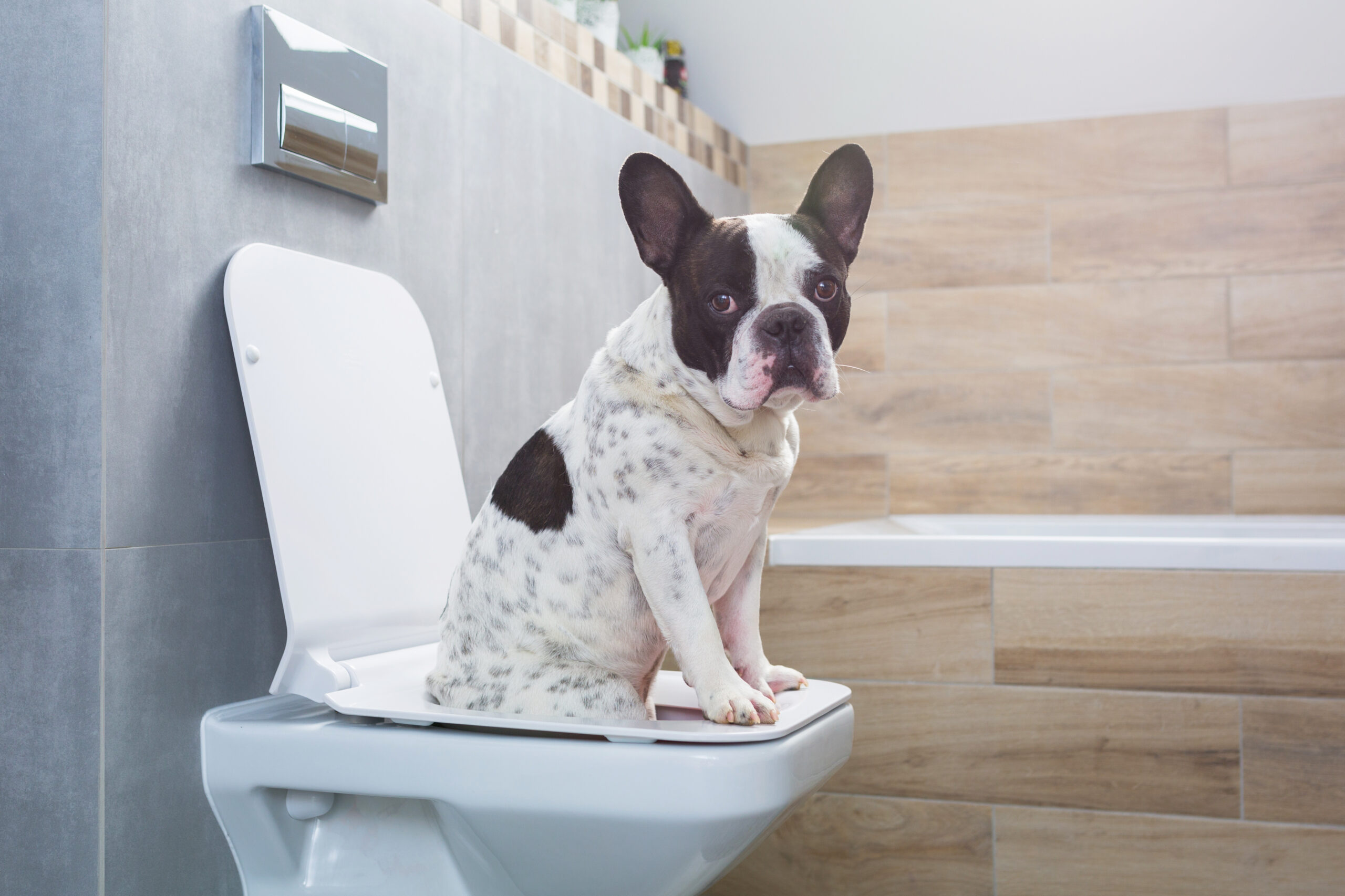
Many owners of adult or senior dogs worry that it might be "too late" for potty training, but with the right steps and a bit of patience, it’s entirely possible to start over. This article introduces a 7-step method designed to be low-stress for older dogs, helping them learn while minimizing accidents. From understanding why mistakes happen to providing practical tips you can start today, this guide is here to help you and your dog enjoy a more comfortable life together.
Older dog housetrainingの基本を理解する
otty training an adult dog requires a different approach than with a puppy. Most adult and senior dogs naturally want to keep their living space clean; the issue is rarely a lack of motivation, but rather confusion, health concerns, or unclear instructions from humans. To succeed, you must master three core elements. First is a clear routine with scheduled meals and consistent potty breaks—predictability is the enemy of accidents. Second is supervision and management, using baby gates or crates to limit free roam indoors. Finally, immediate positive reinforcement after they go in the right spot helps your dog bridge the gap between their action and the rewarding result.
Puppy vs. Adult: Distinct Approaches to House Training
The mechanics of learning potty habits vary significantly by age. Puppies are essentially "blank slates" with developing physical control, meaning their frequent accidents are physiological rather than behavioral. They thrive on high-frequency relief schedules (every 1–2 hours) synchronized with sleep and meal cycles.
Adult dogs, however, often come with pre-existing behavioral histories. They may have been conditioned to improper surfaces or lack clarity from previous owners. It’s also vital to consider medical factors such as urinary tract infections (UTIs) or age-related incontinence, as well as the impact of environmental stressors on their memory. Training an adult is a process of "habit replacement" rather than initial education. Although adults possess greater physical stamina, the key lies in establishing a designated elimination area and exercising the patience needed to overwrite old habits with a structured, predictable lifestyle.
Challenges Specific to Rescue and Rehomed Dogs
Adult dogs from shelters or rescues often face unique hurdles compared to those raised in a single home since puppyhood. Many rescues have backgrounds that shape their behavior: living outdoors or in kennels where they could relieve themselves anywhere, or being confined to small crates for so long that they became used to soiling their sleeping space. Others may have dealt with inconsistent rules, or suffer from "submissive urination" and anxiety-related accidents due to past trauma. In senior dogs, medical issues like UTIs, incontinence, or joint pain can also make going outside difficult.
These factors can lead to frequent indoor accidents, marking, or a fear of leashed outings. It’s important to realize that these dogs aren't being "stubborn"; they simply may have never learned clear rules or might associate elimination with stress. Success requires treating them like a puppy—starting with a strict routine, constant supervision, and frequent breaks. Most importantly, consult a vet to rule out medical issues and use gentle, reward-based methods rather than punishment, which only adds to their fear and confusion.
Common Misconceptions and the "Stubborn Dog" Myth
Many owners worry that their adult dog is simply "too old" for potty training. In reality, age itself is rarely the barrier. Most issues stem from unclear routines, confusing cues from humans, or unmet physical needs—such as UTIs, a weak bladder, or medication side effects.
The idea of a "stubborn dog" is usually a misunderstanding of canine behavior. An adult dog that soils the house isn't being defiant or spiteful. More likely explanations include: never being fully house-trained in the past, learning different cues or surfaces (like concrete instead of grass), or experiencing anxiety and cognitive decline that makes it hard to signal or find the door. In some cases, they may have accidentally been rewarded for indoor accidents through immediate attention or feeding. Labeling a dog as stubborn often leads to punishment, which only increases stress and worsens the problem. By viewing this as a training and communication gap, you open the door to a calm, structured path to success—even for senior dogs.
Step1 :Setting Up a Safe and Calm Potty Environment
A secure and calm toilet area helps an older dog relax and understand where to go. Anxiety, noise, or constant interruptions often lead to accidents, even in dogs that understand the concept of housetraining.
Choose a Quiet, Low‑Traffic Spot
Pick a place away from doors, children’s play areas, and loud appliances. The dog should be able to enter and exit easily, without feeling cornered.
- Avoid narrow corridors or locations right next to the front door
- Select a spot with minimal sudden noises (washing machines, doorbells)
- Provide good lighting so the dog can see clearly, especially if vision is declining
Make the Surface Comfortable and Consistent
Older dogs can be sensitive to slippery or uncomfortable flooring.
- Use non‑slip mats under pads or near the door to the yard
- Keep the same type of pad, grass patch, or surface every time
- Ensure the dog can stand and turn without pain or strain
Reduce Stress with Clear Boundaries
Use baby gates, pens, or a crate to limit the dog’s access when unsupervised, but keep the area spacious enough to move and lie down comfortably. Place a bed and water nearby, and keep the toilet area separate but clearly visible so the dog can easily choose the right spot.
Choosing Your Spot: Indoor vs. Outdoor Potty Criteria
When house training an older dog, the choice between an indoor or outdoor toilet area should be based on the dog’s health Status,and,Owner's Schedule
A primarily outdoor toilet area suits many healthy, active dogs. It is適している when:
- The dog can walk safely on stairs or elevators.
- Someone can take the dog out at least 3–5 times a day.
- There is easy access to a quiet, low-traffic spot such as a private yard, a designated corner of a communal apartment space, or a nearby park (provided that you follow the local rules and regulations).
An indoor toilet spot (pee pads or potty tray) is often better when:
-
The dog is a senior with arthritis, heart disease, or failing eyesight.The owner works long hours or lives in a high-rise apartment where late-night outings are difficult.Bad weather (snow, extreme heat, heavy rain) frequently makes going outside unsafe or stressful.
Many households find success with a hybrid strategy: outdoor elimination remains the primary goal, but an indoor backup is established to avoid indoor accidents and potential urinary health issues during periods when outings are restricted. Regardless of the chosen method, the toilet site must be consistently maintained in the same spot, located within a tranquil, distraction-free environment, and remain accessible to the dog around the clock.
When to Use a Crate vs. an Exercise Pen
Crates and playpens can be very effective tools for house training an older dog, but they are not necessary for every household. They are most useful when owners cannot supervise closely and want to prevent repeated accidents in the home.
Use a crate or playpen especially when:
- The dog urinates or defecates indoors whenever the owner leaves the room or the house
- The home has many rooms and it is difficult to monitor the dog’s movements
- The dog is already comfortable resting in a confined space, such as a bed-sized corner or under a table
- The owner needs a safe resting area during nighttime or while at work
A crate suits dogs that like a den-like, enclosed space and can relax in a smaller, bed-sized area. A playpen or exercise pen works better for dogs that become anxious in tight spaces but still need a clearly defined zone.
Crate or playpen use should always be temporary and paired with frequent trips to the chosen toilet area. The goal is not permanent confinement, but to build a clear routine and prevent indoor mistakes while the dog learns reliable habits.
Resetting Accident Spots with Odor Eliminators and Sprays
Why odor removal is critical for older dogs
Older dogs often return to the same spot if even a faint urine or stool odor remains. Standard household cleaners may remove stains that humans notice, but many do not break down the organic components that a dog’s nose can still detect. Without proper deodorizing, the dog believes the old spot is still an acceptable toilet area, which slows or completely blocks house training progress.
Choosing effective cleaners and sprays
For accident areas, it is recommended to:
- Blot first, then wash hard floors or removable fabrics with water or a mild, pet‑safe detergent.
- Follow with an enzymatic cleaner designed for pet urine and feces. Enzymes break down proteins and uric acid that hold the odor.
- On carpets or rugs, apply the enzymatic product generously so it reaches the underlay, then allow sufficient contact time as directed.
- Avoid cleaners containing ammonia, because the smell can resemble urine and may encourage repeat accidents.
After thorough cleaning, a dog‑training deterrent spray can be used in problem areas. Sprays with scents dogs dislike (for example, certain bitters or citrus blends) help signal that the location is “off‑limits,” while owners guide the dog to the designated toilet area and reward correct elimination there.
Step2 :Creating a Potty Schedule That Fits Your Adult Dog
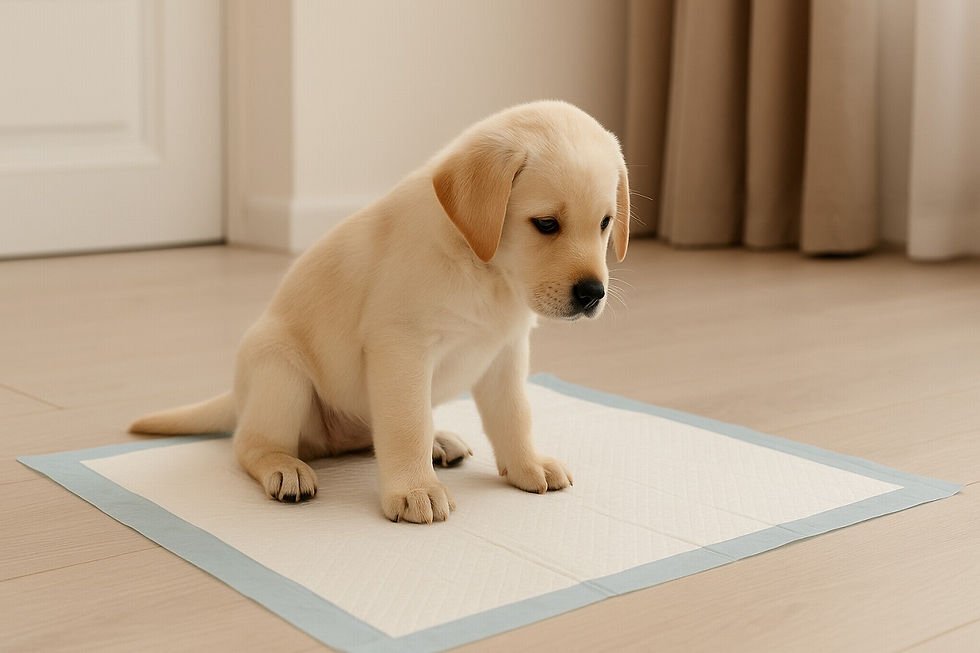
A successful schedule for an adult dog builds on predictable timing and the dog’s natural routines. Older dogs usually need fewer toilet breaks than puppies, but still benefit from clear structure.
Start by observing the dog for 2–3 days:
- Note when the dog typically urinates and defecates
- Record meal times, water intake, walks, and naps
- Watch for pre-elimination signs such as circling, sniffing, or restlessness
Use these observations to create a daily timetable. For many adult dogs, a basic framework is:
- Immediately after waking up
- 10–20 minutes after each meal
- After energetic play or walks
- Before being left alone for several hours
- Just before bedtime
Keep feeding times consistent, because regular meals usually lead to more predictable bowel movements. Water should be available, but if veterinary guidance permits, avoid large late-night drinking sessions to reduce overnight accidents.
For senior dogs or dogs with medical issues, add more frequent, shorter toilet breaks. Regularity helps the dog understand when the opportunity to eliminate will come, which reduces anxiety and speeds up house training.
Recommended Frequency
In many cases, an older dog needs to urinate more frequently than a young adult, especially if there are age‑related changes in the kidneys or bladder. As a general reference, the following schedule is often realistic for a healthy senior dog that is in the process of house training:
| Time period | Usual toilet frequency (Standard) |
|---|---|
| Daytime | Every 3–4 hours |
| Nighttime | Every 5–7 hours |
Daytime walks or potty breaks every 3–4 hours help prevent accidents and give the dog many chances to succeed outdoors. For very small breeds, dogs with a history of accidents, or dogs on diuretics, breaks every 2–3 hours may be more appropriate during training.
At night, many healthy adult and senior dogs can comfortably sleep 5–7 hours without a toilet break once training is progressing. However, dogs with urinary issues, gastrointestinal problems, or very new training may still require 1 planned nighttime trip outside.
The key is to monitor the individual dog carefully. If the dog is frequently restless, licking the genital area, or having accidents between scheduled outings, the interval is too long and should be shortened by 30–60 minutes until the dog stays clean consistently.
Integrating Meals, Hydration, and Exercise into Your Routine
Basic daily timing guidelines
Older dogs learn faster when feeding, water access, exercise, and toilet breaks follow a predictable pattern. Regularity helps the bladder and bowels adjust and reduces accidents indoors.
As a starting point:
- Meals: 2 times a day at fixed hours (for example, 7:00 and 19:00)
- Water: Available most of the day, but reduce 1–2 hours before bedtime if the veterinarian agrees
- Exercise/Walks: At least morning and evening, ideally plus a short midday outing
- Toilet time: Always after waking, after eating, after active play, and before bed
Table of a simple structure:
| Time | Activity |
|---|---|
| Morning | Wake → outside toilet → breakfast |
| 1–2 hours later | Short walk & toilet |
| Afternoon | Short play → outside toilet |
| Evening | Dinner → outside toilet |
| Late evening | Calm time → last toilet before bed |
Adjusting food, water, and exercise for better success
For dogs that often have accidents indoors, feeding slightly earlier in the evening can help the dog eliminate before night. Light, easy-to-digest meals may also support more predictable bowel movements.
Water should not be restricted excessively; dehydration is dangerous, especially for seniors. Instead of removing water too early, guide the dog outside shortly after drinking larger amounts.
Gentle exercise stimulates digestion and urination. Short, frequent walks are usually more effective for house training an older dog than one long walk, and they are kinder to aging joints.
Strategies for Extended Periods Home Alone
Preparing the environment before leaving
When an older dog spends many hours alone, the key is to prevent accidents before they happen. Creating a limited, safe space helps maintain house training while reducing stress.
Consider the following adjustments:
- Use a confined area such as a playpen, exercise pen, or gated room with easy‑to‑clean flooring.
- Separate toilet and rest zones: place a bed or crate on one side and pet sheets or a litter‑style tray on the opposite side.
- Limit access to water, not remove it: provide a stable bowl or no‑spill water dispenser and consult a veterinarian about appropriate amounts for the dog’s age and health.
- Offer a comfortable rest spot: orthopaedic bed or thick mat so the dog naturally avoids soiling the sleeping area.
Before leaving, ensure the dog has had sufficient exercise and a toilet opportunity. A short sniff walk followed by a calm toilet break helps the bladder empty more completely and makes long absences easier to handle.
Using tools and support for long absences
For owners who are away longer than the dog can reasonably hold urine, humane support options are important.
Useful strategies include:
- Dog walker or pet sitter to provide a midday toilet break.
- Dog daycare on particularly long days to reduce loneliness and accidents.
- Indoor toilet training with pet sheets for dogs that physically cannot hold it due to age or medical issues.
- Camera monitoring to confirm timing of accidents and adjust the schedule.
By combining environmental management with appropriate support, an older dog can maintain good habits even on days when alone time is unavoidable.
Step3 :Reading Your Dog’s "I Have to Go" Signs
Recognizing the right moment when an adult dog needs to go is a crucial part of house training. Especially for older dogs, whose bladder control may be weakening, careful observation of their daily habits is key. When a dog feels the urge to go, their behavior usually shifts from the norm. Watch for these specific signals:
-
Restless pacing or wandering within a small area.
-
Intense sniffing along the floor, carpet edges, or in corners.
-
Circling repeatedly in the same spot as if searching for the perfect position.
-
Heading toward the door, balcony, or their usual potty area.
-
Becoming suddenly distracted during play and moving to a different location.
Older dogs may show more subtle signs due to decreased physical energy or past negative experiences with punishment. It’s vital to remain calm and gently guide them to the potty area without scolding. By responding quickly every time, your dog learns that signaling leads to bathroom access. This clear cause-and-effect relationship accelerates training and significantly reduces indoor accidents.
Common Physical Cues to Watch For
Typical Signs Your Adult Dog Needs to Go Most adult dogs communicate their potty needs through distinct behaviors. Recognizing these typical signs makes it much easier to build successful habits together.
Common signals include:
-
Restless Pacing: Walking around the room fidgeting or pacing back and forth in the same area.
-
Intense Sniffing: Sniffing the floor or carpet intently, especially near doors or spots where they’ve had accidents before.
-
Heading Toward Exits or Potty Zones: Stopping in front of the front door, balcony, or the room where their potty pads are located.
-
Staring or Following You: Making eye contact and then looking toward the exit, or following you with a pleading expression.
-
Whining or Pawing at the Door: Making small whimpering sounds or scratching at the door—subtle but clear requests for attention.
Because adult dogs have better physical control, the "window" for these signs is often shorter. Observing their daily patterns and learning your dog’s unique "pre-potty routine" is the secret to smooth and stress-free training.
Recognizing the Easy-to-Miss Signals
How to Spot Quiet and Subtle Potty Signs Even when an adult dog really needs to go, their signals aren't always obvious. Especially with older dogs, instead of restless pacing or whining, they may act quietly and calmly. Owners need to be tuned into these subtle shifts in behavior.
Typical subtle signs include:
-
Pausing momentarily during play or while chewing a toy, appearing "spaced out."
-
Walking slowly toward their usual potty area and stopping halfway.
-
Staring at you for a few seconds before looking away.
-
Sniffing the floor in small circles rather than exploring the whole room.
-
Moving toward the door but then retreating to their bed or crate.
-
Becoming suddenly restless after a nap without any clear excitement.
To recognize these quiet signals, try the following:
-
Watch your dog closely during key times, such as after meals or naps.
-
Look for slight postural changes, like a lowered tail or a tensed body.
-
Keep a simple log of meal times, water intake, and potty breaks. By paying attention to these tiny shifts in movement and focus, you can act before an accident happens, consistently reinforcing correct potty habits.
Training Your Dog to Signal at the Door
Training Your Dog to Signal at the Door Teaching a clear signal for going outside helps prevent accidents and reduces stress for both you and your senior dog. Instead of waiting for subtle body language, establishing a predictable "request" at the door is highly effective.
The most practical approach is to associate the signal with every single potty break:
-
Choose a Clear Signal: This could be sitting by the door, touching a hanging bell, or nudging a "target sticker" with their nose.
-
Guide Them Every Time: Lead your dog to the door for every potty break and gently help them perform the action (e.g., guiding their paw to the bell or asking for a "sit").
-
Provide Immediate Access: The moment your dog performs the action, open the door immediately and head straight to the potty area.
-
Repeat for Consistency: Be consistent so your dog learns the sequence: "Signal at the door → Door opens → Opportunity to go potty."
For older dogs, it’s important to keep the signal simple and low-impact, considering potential joint or mobility issues. A gentle nose-touch to a bell or a hanging strip is much easier than jumping or scratching. Over time, your dog will begin to offer the signal voluntarily, making their needs much clearer and house training far more reliable.
Step4 :Positive Reinforcement: The Art of the Potty Praise
Praising an older dog for using the correct toilet spot should be clear, calm, and easy to understand. Overly excited reactions can startle a sensitive dog, so the aim is confident, warm feedback.
Use a consistent praise phrase
Choose a short phrase such as “Good potty here” or “Good toilet outside” and use it every time the dog finishes in the right place. Consistency helps the dog connect the words, the location, and the action.
Speak in a slightly higher, gentle tone and keep the wording similar. Changing phrases frequently can confuse an older dog that is trying to learn new rules.
Combine verbal praise with gentle touch
Many adult dogs respond best to a mix of words and touch:
- Soft stroking on the chest or shoulders
- Light scratching behind the ears
- Relaxed body language from the owner
Avoid rough patting or hugging, which can feel overwhelming. The goal is for the dog to feel safe and proud after toileting in the correct area.
Praise immediately after the behavior
Praise should come within a few seconds of finishing. Waiting until the dog has walked away or come back indoors weakens the association. Immediate, gentle praise makes it easier for an older dog to understand exactly what was correct.
The Secret to Perfect Timing: When to Give Rewards
Reward Within 1–2 Seconds
For an older dog to connect a reward with toileting in the correct spot, the timing needs to be very fast. Give the treat within 1–2 seconds of finishing. If the reward is delayed until re‑entering the house or walking away from the area, the dog cannot understand what behavior earned the treat.
Keep treats in a pocket or pouch so they are always ready. As soon as the dog finishes, calmly say a marker word such as “Yes” or “Good potty,” then immediately deliver the food reward.
Reward Only in the Toilet Area
To make the training message clear, offer special, high‑value treats only when the dog eliminates in the designated toilet area. Avoid giving that same treat at random times indoors.
A simple routine can help:
- Dog starts toileting in the correct place.
- Stay quiet and neutral until finished.
- Mark the moment with a short praise word.
- Give 1–2 small treats at ground level.
Consistent timing and location of rewards help an older dog learn quickly which behavior is worth repeating.
No Treats? No Problem! High-Value Reward Ideas
Food is powerful, but many older dogs respond even better to non-food rewards that fit their personality and energy level.
Everyday rewards that feel special to a dog
Non-food rewards can be anything the dog really enjoys in daily life. For house training, the key is to reserve the best rewards only for successful toilet breaks.
Useful ideas include:
- Praise in a happy voice: Short, upbeat phrases such as “Good potty!” delivered immediately after elimination.
- Favorite toy: A quick game with a beloved ball, tug rope, or squeaky toy used only after outdoor toileting.
- Physical affection: Gentle chest rubs, ear scratches, or short massage if the dog enjoys touch.
- Freedom and exploration: A few extra minutes to sniff, explore the park, or walk a bit farther.
- Social time: Joining the family in a favorite room or on a cozy bed after toileting outside.
How to use non-food rewards effectively
To keep the association clear and strong:
- Deliver the reward within a few seconds of elimination.
- Use the same word or phrase (marker) every time, then follow with praise or play.
- Save the dog’s most valued privilege (for example, off‑leash sniffing) exclusively for correct toilet behavior.
By aligning rewards with what the individual dog loves most, house training becomes more motivating and less dependent on treats alone.
How to Handle Dogs Who Don’t Want to Go Home After Pottying
Make “toilet time” clearly separate from “walk time”
Many older dogs want to keep staying outside because toilet time and walk time are mixed in the same outing. First, separate the purposes.
- For toilet-only outings, go straight to the usual toilet spot.
- Say a fixed cue word such as “toilet” and wait quietly.
- After elimination, calmly praise and give a reward, then go home at once.
In addition, schedule separate walks purely for exercise and sniffing. When the dog learns that walks are guaranteed at other times, the urge to prolong toilet time usually decreases.
Use a clear “end of walk” routine
If the dog resists going home right after toileting, create a predictable ritual.
- After elimination, allow 2–3 minutes of free sniffing as a “bonus time”.
- Then always repeat the same pattern: say a cue such as “all done”, go to the gate or corner, sit, reward, and return home.
By repeating the same flow every day, the dog learns that sniffing time is limited but reliable, and that going home also brings calm praise and possibly a chew or quiet play indoors.
Avoid being dragged and remove hidden rewards
If the dog pulls or refuses to move:
- Do not drag. Stand still and wait until the leash slackens, then move a few steps.
- If the dog lies down, gently encourage with voice and a small treat near the front, then reward again at the doorway.
Also check for hidden rewards: greeting neighbors at the corner, playing with other dogs, or getting excited by cars may all make “not going home” more fun. Change the route or time so that unwanted attractions are reduced during toilet-only outings.
Step5 :How to Handle Accidents: The Rules of Correction
The Golden Rule: Stay Calm and Neutral When an accident happens, the most important rule is to stay calm and avoid an emotional reaction. Older dogs often carry past experiences or deal with underlying health issues; harsh punishment can quickly damage your bond of trust and set back your training progress.
-
ffective Response Patterns for Accidents
-
Interrupt, Don't Explode: If you catch them in the act, use a short, neutral cue like "No" or "Oops" and gently guide your dog to the designated potty area. Avoid shouting, hitting, or rubbing their nose in the mess.
-
Clean Thoroughly and Silently: Move your dog away from the area and use an enzymatic cleaner to ensure odors don't trigger re-marking. Do not scold during cleanup. If you do, your dog may learn to fear the act of elimination itself rather than understanding the house rules.
-
Adjust Management, Not Just Scolding: Review your timing for water, meals, and potty breaks. Increasing supervised time and scheduled breaks is often more effective than harsher scolding.
-
Use Calm, Low-Intensity Correction: If a correction is needed, keep your voice firm but not loud, and keep eye contact brief. The goal is to inform, not to intimidate. Always end with a clear cue to move to the potty spot and praise them when they finish in the right place.
-
Why You Should Never Scold After the Fact
Why Scolding After the Fact Doesn’t Work Punishing a dog after a potty accident has already occurred is ineffective and can significantly delay house training, especially for senior dogs. Dogs learn by connecting an action with its immediate consequence; the window for this association is only a few seconds. If a puddle is found on the floor and the dog is scolded minutes later, they cannot link the previous act of urinating with the punishment. Instead, the dog only learns that you become angry when you approach them or when you see a puddle, which creates anxiety rather than understanding.
-
Additional Risks for Senior Dogs:
-
Increased Stress and Fear: Harsh punishment may cause your dog to start hiding when they need to urinate or defecate.
-
Weakened Bond of Trust: This can damage the relationship with you, making it much harder to get their cooperation during training.
-
Confusion: This is especially true for dogs suffering from age-related cognitive decline or other health issues.
-
-
The focus of successful house training includes:
-
Calmly interrupting the dog mid-accident with a neutral signal.
-
Promptly redirecting the dog to the designated potty area.
-
Reinforcing success with positive praise and rewards once they finish.
-
By limiting corrections to the exact moment you catch them in the act, and prioritizing management and rewards instead, your senior dog can learn proper potty habits much faster and with far less stress.
Deciphering the "Guilty Face": Is It Regret or Fear?
The Truth Behind the "Guilty Look"
Many owners assume that a senior dog’s "guilty face" means they understand their house-training mistake and feel regret. In reality, these classic signs—ears pinned back, cowering, avoiding eye contact, lip licking, or rolling over—are appeasement signals. They indicate stress and are an attempt to calm an angry human, not a reflection of moral guilt.
Dogs primarily react to their owner’s current tone of voice, posture, and facial expression. When a person discovers a mess and begins to scold, the dog quickly reads the anger and displays submissive body language to de-escalate the conflict. Even if the accident happened hours ago, the dog cannot link the punishment to their previous action; they are simply reacting to the current emotional atmosphere.
Interpreting this look as "my dog knows what they did" often leads to harsher corrections, which can make the dog more anxious about eliminating near humans. That anxiety may cause the dog to start hiding when they need to go, making house training even harder. By seeing the "guilty look" as a fear response rather than evidence of understanding, owners can stay calm, avoid unnecessary scolding, and focus on clear, consistent training.
Procedures for Effective Interruption and Silent Cleanup
How to Interrupt Without Causing Stress When an indoor accident starts, the goal is to gently interrupt the behavior without creating fear. Avoid shouting, grabbing the collar, or pinning the dog down. These actions only teach your dog to hide when they need to go.
A calm interruption looks like this:
-
Use a short, neutral cue such as "Ah-ah" or "Outside."
-
Gently clap your hands once to get their attention as you approach.
As soon as the dog stops, quietly guide them to the designated potty area. If they finish there, immediately praise them and offer a small reward to reinforce that this is the correct spot.
Quiet and Efficient Cleanup to Prevent Repeat Accidents After guiding your dog away, clean the area without involving them. Placing your dog in a separate room or a crate with a chew toy helps keep the situation neutral and stress-free.
Key Cleaning Procedures:
-
Blot first, then wash: Remove as much urine as possible by blotting before applying any cleaner.
-
Use enzymatic cleaners: Opt for products specifically designed for pet odors rather than standard scented sprays.
-
Clean beyond the visible spot: Clean a wider area than what is visible to ensure any lingering scent marks are fully removed.
-
Avoid scolding during cleanup: For senior dogs, the only clear message should be: "Accidents indoors get no attention, while correct potty behavior in the right spot earns a quiet, consistent reward."
Step6 :When Indoor Toilets or Puppy Pads are Necessary
For some older dogs, especially in apartments or during bad weather, indoor toilets or pee pads are a practical solution rather than a shortcut.
The key is to treat the indoor toilet as clearly as an outdoor potty area.
- Choose a fixed location away from food and sleeping areas.
- Use a wide, non-slip tray or toilet frame so pads do not move.
- Place used tissue or a small amount of urine on the pad at first to transfer the scent.
- Bring the dog to the pad on a schedule (after waking, after meals, after play) and give a clear cue word.
- Reward immediately with praise and a small treat when the dog uses the pad.
If the dog already soils random spots, temporarily block access to those areas and guide the dog to the designated toilet instead. Cleaning former accident spots thoroughly with an enzymatic cleaner prevents mixed signals.
Indoor toilets should not replace walks or mental stimulation. Even with perfect pad use, older dogs still need regular exercise, sniffing time, and social interaction outdoors to stay healthy and relaxed.
Options for Senior Dogs and Long Hours at Home
For senior dogs or situations where the owner is away for many hours, relying on outdoor toileting alone can be unrealistic and stressful for the dog. In such cases, planning alternative toilet options protects the dog’s health and keeps house training consistent.
For an older dog, holding urine for too long can worsen kidney or bladder problems. A safe guideline is roughly age in months + 1 hours up to a maximum of 8 hours, but many senior dogs need far more frequent breaks. When long absences are unavoidable, the following options can help:
- Indoor toilet area using pet sheets or a dog toilet tray in a quiet corner
- Dog-sitter or dog-walker to provide regular outdoor breaks
- Dog daycare facility for dogs that enjoy social environments
- Gated area or playpen with clearly separated sleep, play, and toilet zones
For very elderly dogs or dogs with incontinence, a combination of indoor toilet training, waterproof bedding, and scheduled vet checks is important. Choosing the right setup according to the dog’s age, health, and temperament reduces accidents, prevents scolding, and helps maintain comfortable, low-stress house training even when the owner is away.
How to Train Your Dog to Use Puppy Pads and Indoor Trays
Teaching an older dog to use pee pads and a toilet tray often starts with management rather than strict training. The pad and tray need to be in a quiet, easily accessible spot, away from food and bedding. A tray slightly larger than the dog’s natural “turning circle” helps prevent accidents around the edges.
Step-by-step introduction to pee pads and trays
Begin by observing the dog’s natural elimination schedule. When the dog shows pre-toileting signs (sniffing, circling, pacing), calmly guide the dog on-leash to the tray with the pee pad already set inside.
- Lead the dog onto the pad and keep the leash short but relaxed.
- Use a consistent cue such as “toilet” or “go potty.”
- After successful elimination, reward immediately with high-value treats and quiet praise.
- If the dog steps off the pad mid-toilet, avoid scolding; simply increase tray size or add an extra pad next time.
For dogs used to outdoor toileting, placing a pad where previous indoor accidents occurred can help, then gradually moving that pad a few centimeters each day toward the tray location until the dog reliably targets the tray.
Preventing confusion and reinforcing the right spot
To avoid the dog mistaking rugs or blankets for pads, limit access to similar textures during the training phase. Only offer pads in the tray, not scattered around the room. Keep a single, stable location at first; once the habit is strong, add a second tray if necessary.
Accidents should be cleaned with enzymatic cleaner to remove odor cues. The only place that consistently smells like a toilet should be the pad in the tray, which helps an older dog understand where to go, even with reduced vision or mobility.
Step-by-Step: Transitioning Your Dog from Pads to the Outdoors
Gradual transition from indoor to outdoor
For an older dog that already understands indoor pee pads, the key is a gradual shift of the toilet location. Sudden changes often create confusion and accidents.
- Move the pee pad toward the door over several days. Shift it 20–50 cm at a time so the dog still finds the familiar surface.
- When the pad reaches the door, keep the door open during toilet times and encourage the dog to walk toward the doorway.
- Next, place the pad just outside the door in a quiet, low‑distraction area. Reward generously when the dog uses it.
- Gradually move the pad farther into the yard or outdoor space, always going at the dog’s pace.
Phasing out the pee pad
Once the dog reliably walks outside to eliminate on the pad, start reducing reliance on it.
- Cut the pad into smaller pieces or fold it to reduce the area.
- Place the pad on natural surfaces such as grass or soil.
- When the dog urinates on the ground rather than the pad, offer high‑value treats and calm praise.
If accidents reappear, go back one step in the process and reinforce success before trying to advance again.
Step7 :What to Check When Potty Training Issues Persist

When accidents continue despite consistent training, it is important to step back and review every element of the routine.
First, reassess the toilet schedule. Many older dogs benefit from:
- More frequent breaks (every 2–3 hours, plus after meals and naps)
- A predictable daily rhythm for walks and feeding
- Extra opportunities before bedtime and before the owner leaves home
Next, check whether management is clear and consistent:
- Is the dog supervised when roaming indoors?
- Is access to carpeted or problem areas limited with baby gates or pens?
- Are accidents being cleaned with enzymatic cleaners to remove odor cues?
Training methods may also need adjustment. Reward must be:
- Given immediately after successful elimination in the correct spot
- High value for the dog (favorite treats, praise, gentle petting)
- Consistent among all family members, with the same keywords and cues
Finally, consider stress factors. Changes in household members, schedule, or environment can confuse an older dog. Reducing pressure, staying calm after accidents, and briefly returning to earlier, simpler steps often helps the dog regain reliability.
Frequent Messes: When to Suspect a Medical Problem
Frequent accidents in an older dog are not always just a training issue; they can signal underlying health problems that make holding urine or stool physically difficult.
Common conditions that may cause increased indoor accidents include:
- Urinary tract infection (UTI): frequent small urinations, possible blood in urine, strong odor
- Kidney disease: increased drinking, large volumes of urine, weight loss, lethargy
- Diabetes: excessive thirst and urination, increased appetite, weight loss
- Cognitive dysfunction (dog dementia): confusion, forgetting where to toilet, aimless wandering
- Arthritis or pain: reluctance to move, difficulty using stairs or going outside in time
- Hormonal issues (e.g., incontinence after spay): leaking urine during sleep or relaxation
Consult a veterinarian promptly if any of the following are observed:
- Sudden increase in accidents despite consistent training
- Changes in drinking or eating habits
- Straining, crying, or taking a long time to urinate or defecate
- Blood in urine or stool, or very strong odor
Effective house training for an older dog often begins with ruling out or treating medical causes. Once the physical issues are under control, behavioral training is far more successful and less stressful for both dog and owner.
Stress Factors: How Environment Impacts Indoor Accidents
Environmental stress and anxiety often lead to sudden house-soiling in older dogs, even when basic house training seemed established. A change in routine or surroundings can confuse a dog’s sense of where it is allowed to eliminate.
Common triggers include:
- Moving to a new home or major furniture rearrangement
- New family members, such as a baby or another pet
- Loud construction noise, storms, or frequent visitors
- Changes in the owner’s schedule, such as longer working hours
Under stress, many dogs lose confidence and may urinate or defecate indoors as a coping response or because they are too anxious to ask to go outside. Some dogs begin submissive urination when being scolded, which can create a negative cycle.
To reduce environment-related accidents, it is helpful to:
- Re-establish a calm, predictable daily routine
- Create a quiet “safe space” with a bed or crate away from noise
- Offer more frequent, low-pressure toilet breaks
- Use gentle praise and avoid punishment, which increases anxiety
Once stress levels decrease and the environment feels predictable, older dogs often regain reliable toilet habits more quickly.
Signs It’s Time to Seek Professional Help
Older dogs often learn house training smoothly with consistent routines, but professional support can prevent long‑term problems when certain warning signs appear.
Consider consulting a certified dog trainer or veterinary behaviorist when:
- Frequent accidents continue after 4–6 weeks of structured training and management
- The dog urinates or defecates immediately after coming back indoors, even after a walk
- There are signs of strong anxiety or fear (panting, drooling, trembling, hiding) around toileting
- The dog starts guarding indoor soiled areas or reacts with growling or snapping when interrupted
- A veterinarian has ruled out medical causes, but sudden regression in house training persists
- The household schedule or environment makes it difficult to supervise consistently
A professional can:
- Assess whether the issue is mainly training, stress, or health‑related behavior
- Create a tailored toilet schedule and reward plan suited to an older dog’s pace
- Teach the family how to respond calmly to accidents without punishment
- Suggest environmental changes (pens, baby gates, indoor toilet spots) that reduce failures
Early consultation often shortens the training period and helps prevent the problem from becoming a long‑term habit.
Potty Training Timelines and Tips to Stay Motivated
House training an adult dog is rarely a straight line, so setting realistic goals is key to staying motivated and avoiding frustration.
General Timelines for House Training an Adult Dog
House Training Timelines for Adult Dogs
In most cases, adult dogs can grasp the basics of house training with 2–4 weeks of consistent practice. However, it typically takes 1–3 months before they become truly reliable indoors, depending on the dog and their environment.
Typical Timelines:
Fast Learners: Noticeable improvement in 1–2 weeks; solid habits established in about 1 month.
Average Dogs: Visible progress in 2–4 weeks; mostly accident-free days within 1–2 months.
Dogs with Challenging Backgrounds (Neglect, puppy mills, long-term shelter stays): May require 2–3 months or more to fully adjust.
Progress is rarely a straight line. You may see sudden accidents after a period of success, especially if your routine changes or supervision becomes lax. Even after clear success, it is vital to maintain continued management (using leashes, crates, or restricted areas) and provide ample rewards at the potty spot.
Senior dogs with medical issues—such as UTIs, incontinence, or cognitive decline—may require significantly more time. If you see absolutely no improvement after 3–4 weeks of systematic training, a veterinary checkup and a review of your training plan are highly recommended.
Common Mistakes and Troubleshooting Checklist
-
ommon Mistakes in Adult House Training Most setbacks in adult house training stem from human habits rather than the dog’s age or ability. Recognizing these common mistakes is the first step toward preventing confusion and accidents.
Typical Errors Include:
-
Inconsistent Schedule: When meal and potty times change daily, the dog cannot predict when they should eliminate.
-
Too Much Freedom Indoors: Allowing the dog to roam the entire house before reliability is established makes accidents harder to spot and prevent.
-
Scolding After the Fact: Discovering a mess later and scolding the dog only increases anxiety; they cannot link the punishment to their past behavior.
-
Lax Supervision After Small Successes: When accidents decrease, owners often let their guard down too early, causing progress to stall.
-
Ambiguous Potty Spot: Failing to consistently guide the dog to a single designated area or pad creates confusion.
-
Practical Improvement Checklist Use this checklist to fine-tune your training plan:
-
[ ] Fixed Schedule: Specific times for meals, walks, and potty breaks are set and followed every day.
-
[ ] Constant Supervision: Your dog is either under direct supervision or in a safe, restricted space between potty breaks.
-
[ ] Consistent Cues: The same cue word is used every time you take your dog to the potty area.
-
[ ] Enzymatic Cleanup: Accidents are cleaned with an enzymatic cleaner to ensure odors are fully removed.
-
[ ] Progress Tracking: Successes and accidents (time, location) are recorded in a simple notebook or app.
-
[ ] Immediate Rewards: Praise and treats are given immediately after they eliminate in the correct spot.
-
[ ] Family Consistency: Training rules are shared and followed consistently by everyone in the household.
Regularly reviewing this checklist helps keep your training organized and prevents repeating past mistakes.
Bonding and Progress: How to Patiently House Train a Rescue Dog
Building Trust: The Foundation of Successful House Training Building a bond with rescue or senior dogs is essential for successful house training. Since many rescues have unknown histories, patience and predictability help them feel safe enough to learn new habits.
-
Establish a Calm, Predictable Routine: Consistent daily schedules for meals, walks, and potty breaks provide a sense of security. Use the same exit door and the same potty area at similar times each day. Predictability reduces anxiety and directly improves success rates.
-
Gentle Communication and Clear Cues: Speak in a soft, steady voice and use simple, consistent cues like "Potty" or "Outside." Never scold for accidents; clean them up calmly and lead your dog quietly to the right spot next time. For dogs with past trauma, harsh reactions can easily damage trust.
-
Reward Calm Behavior and Seek Cooperation: Offer high-value treats, gentle praise, and affection immediately after they go in the right area. Also, reward signs of trust, such as approaching you or making eye contact. Over time, your dog will associate you, the routine, and the potty spot with safety and positive outcomes.
-
Respect Their Pace and Personal Space: Some rescues need extra time to feel comfortable being watched while eliminating. In such cases, keep your distance, turn your body slightly sideways, and avoid intense staring. By respecting their boundaries and moving at their pace, house training becomes a collaborative process rather than a source of pressure.
Summary of the "7 Steps" to Success This article provides a detailed "7-step guide" to successful house training for adult and senior dogs. You will learn to understand challenges unique to mature dogs and common issues with rescues—from setting up the right environment and creating a schedule to reading their signs and mastering the art of praise. Including tips for indoor potty solutions and troubleshooting, this practical guide shows that with a consistent approach, house training can be successful regardless of a dog's age or history.


![[Senior Dog Food] What kind of food does an elderly dog need?](http://with-my-dog.com/wp-content/uploads/2021/09/TSURU170308-074_TP_V-150x150.jpg)
![[Free Only] 3 Sites Where You Can Download Dog Bone Illustrations](http://with-my-dog.com/wp-content/uploads/2022/03/947760_sのコピー-150x150.jpg)