
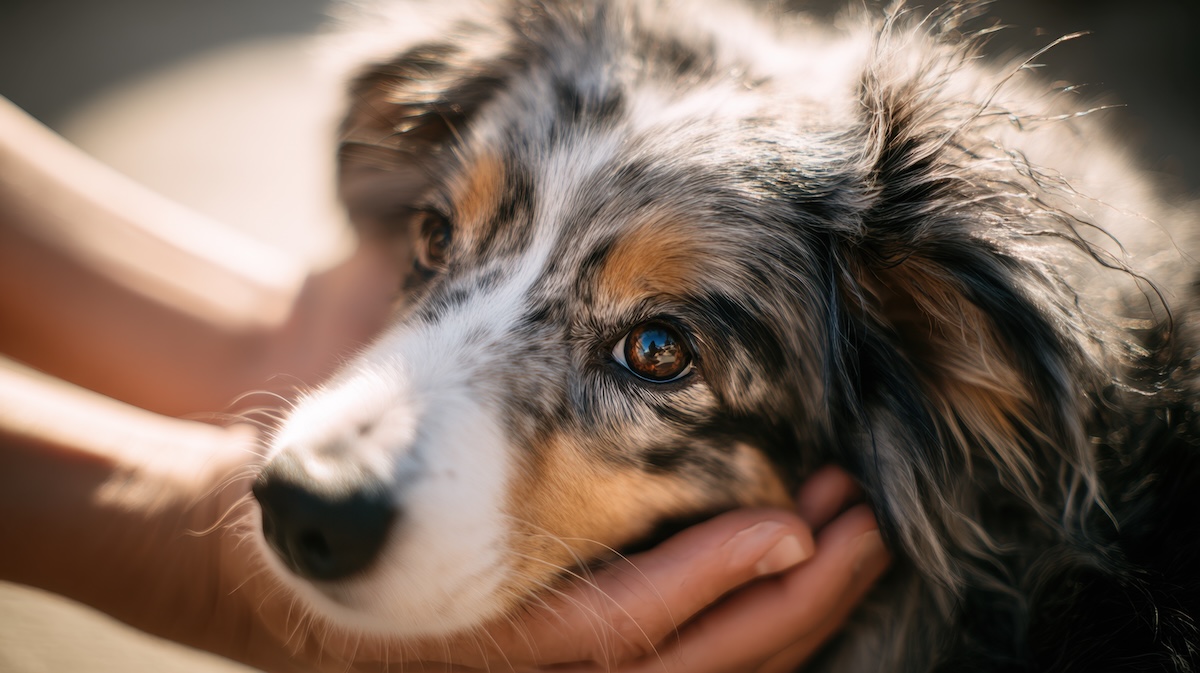
If your dog barks incessantly, destroys furniture, or wanders restlessly every time you leave them alone, it might be due to "separation anxiety." This article clearly explains seven steps to alleviate separation anxiety in dogs. By learning practical tips you can start using today, we aim to help your dog feel more at ease when you're away. This article will be helpful for anyone who wants to make life with their dog calmer and more comfortable.
Understanding separation anxiety in dogs
Separation anxiety is a stress disorder in which a dog panics when left alone or away from a specific person. It is not naughtiness or “spite.” The dog genuinely feels fear and distress, similar to a human panic attack. Common reactions include constant barking, destructive chewing, indoor accidents, or escape attempts that start soon after the owner leaves. Understanding that the behaviour is anxiety‑driven is the first step toward kind and effective training.
What separation anxiety looks like
Separation anxiety appears when a dog panics about being away from their caregiver, not when the dog simply feels bored. Typical signs include loud, continuous barking or howling, scratching at doors or windows, destructive chewing near exits, pacing, drooling, and accidents even in toilet‑trained dogs. Many dogs show stress right before the owner leaves, such as shadowing every move, panting, or refusing food once alone. Symptoms usually stop when the owner returns.
Common causes and risk factors
Separation anxiety often develops from early negative experiences with being alone or sudden changes. Common causes include abrupt schedule changes, rehoming, time in shelters, or a sudden increase or decrease in how long the dog is left. Genetics and temperament also play a role: sensitive, highly bonded dogs are at higher risk.
Puppies that were never gently taught to spend short, calm periods alone can be more vulnerable. Over‑dependence on one person, trauma such as loud storms or break‑ins when alone, and an overly exciting daily routine can further increase the chance of separation anxiety.
How it differs from normal misbehavior
Many dogs chew, bark, or toilet indoors for normal reasons such as boredom, lack of training, or excess energy. Separation anxiety is different because the behaviour appears mainly when the dog is alone or senses an upcoming absence, and stops when the owner returns. Dogs with anxiety often show panic signs like drooling, pacing, or trying to escape, not just playful destruction or attention‑seeking.
Before you start any anxiety training
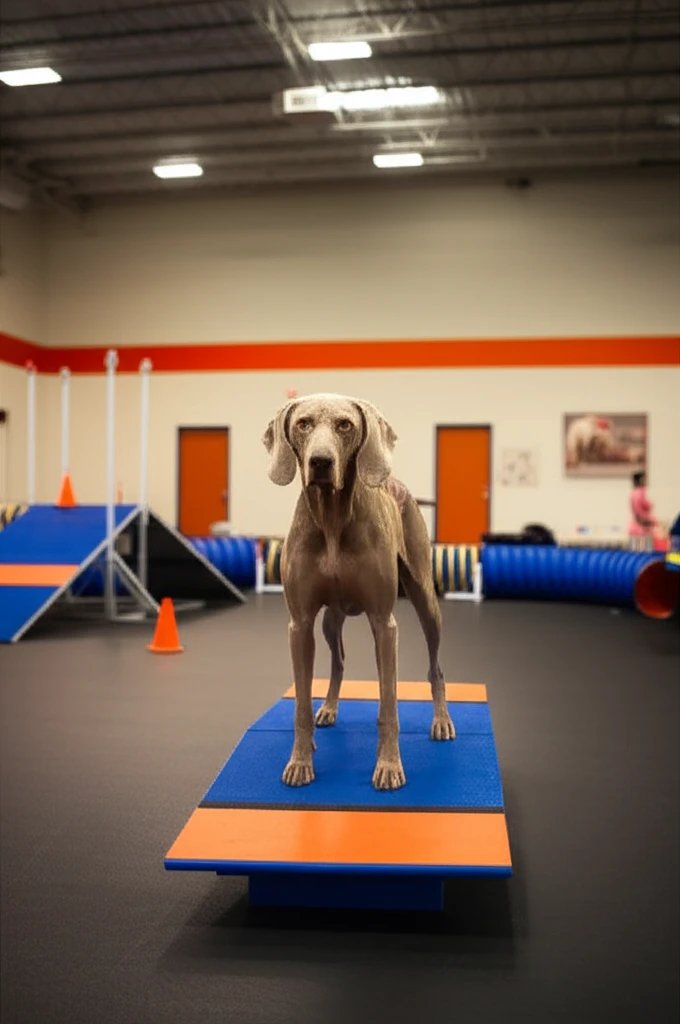
Before starting any separation anxiety training, preparation is essential. Dogs struggling with being alone are already under high stress, so the goal is to make life feel as safe and predictable as possible before any formal exercises begin. Owners should first confirm health, review the home environment, and adjust daily routines so the dog is calmer overall. Entering training with a relaxed, well‑supported dog greatly increases the chances of steady, low‑stress progress.
Rule out pain and medical problems first
Many dogs show anxiety because of undiagnosed pain or illness, not only emotional causes. Before starting any separation anxiety training, a veterinarian check is essential. Ask the vet to assess joints, teeth, stomach, skin, and hearing or vision, and to review any recent life changes or medications. When discomfort is treated, emotional training becomes far more effective and some “anxiety” may disappear.
Other behavior issues to check for
Some problems look like separation anxiety but have different causes and solutions. Before starting anxiety training, it is helpful to check for the following:
| Behavior pattern | What it might be | Key clue |
|---|---|---|
| Barking at noises outside | Territorial or alert barking | Dog reacts even when owners are home |
| Chewing cushions, bins, shoes | Boredom or lack of exercise | Happens whether alone or not |
| Accidents indoors | Incomplete house‑training | Dog also toilets indoors when people are home |
| Destruction at doors/windows only | True separation distress | Focus on exit points, heavy panting, drooling |
If signs do not match pure separation anxiety, simple changes to exercise, enrichment, or training may be more effective than anxiety‑focused plans alone.
Setting up a safe, calm space at home
A dedicated calm area helps many dogs feel safer when alone. Choose a quiet, well‑ventilated room away from street noise or busy corridors. Add a comfortable bed, water, and a few safe chew toys or food puzzles. Use baby gates instead of closed doors if complete confinement increases anxiety. Soft background sound, such as low‑volume radio or white noise, can mask outside triggers and support relaxation. Keep the space consistent so the dog learns it is a predictable, secure place.
What does training dog separation anxiety involve?
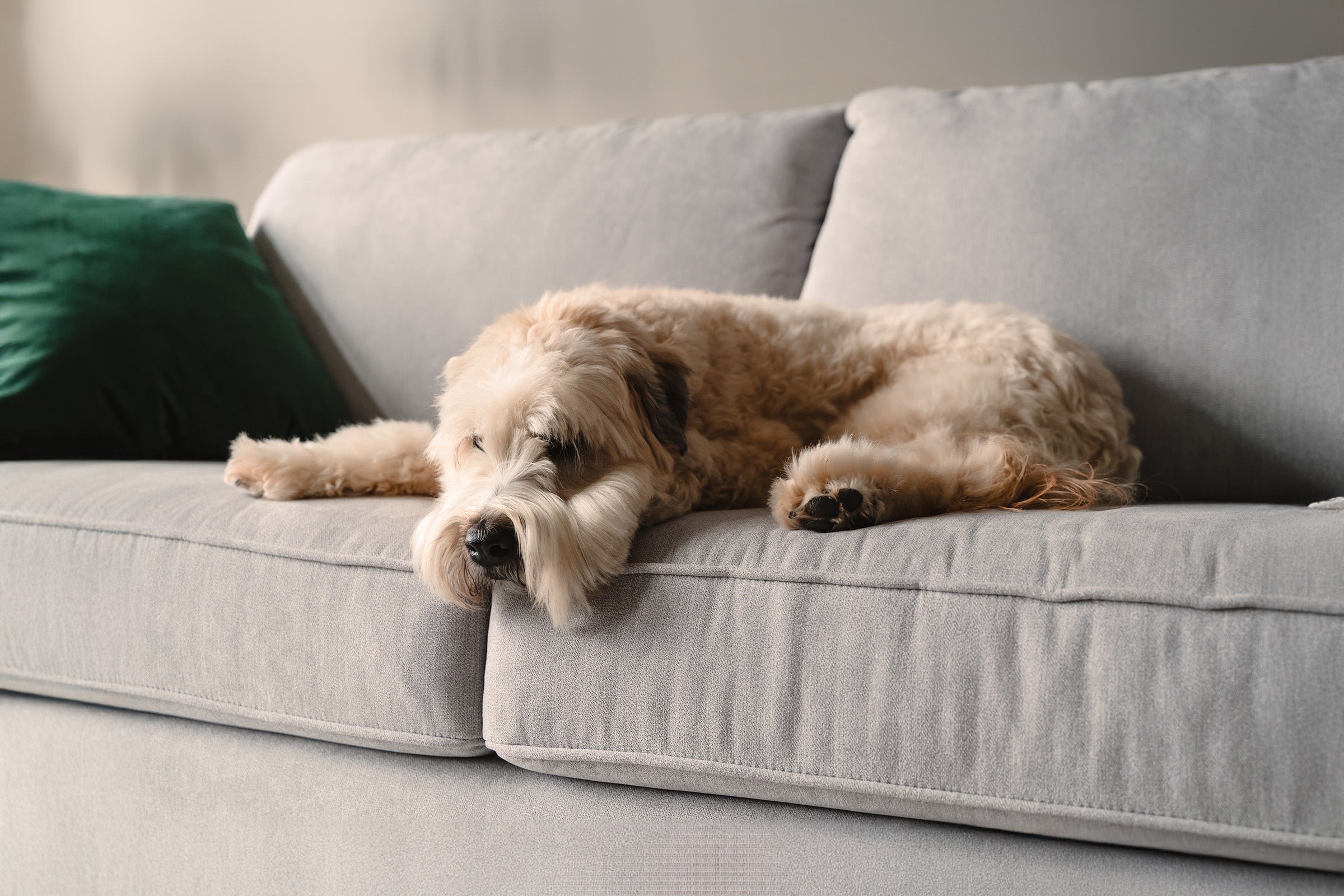
Training for separation anxiety focuses on changing your dog’s emotions about being alone, not on obedience. The goal is to teach that owner departures are safe and predictable. Core elements include very gradual absences, keeping the dog below panic level, and rewarding calm behavior. Owners record progress, adjust difficulty slowly, and avoid leaving the dog longer than it can currently cope. In many cases, support from a trainer or vet is also part of a complete plan.
Why punishment makes anxiety worse
Punishment teaches a dog that being alone is scary and unsafe. When a dog cries, chews, or toilets from panic and receives yelling, scolding, or physical correction, the dog does not “learn a lesson”; the dog only learns that fear leads to more unpleasant events.
Anxious behaviour is not a choice but a stress response. Harsh reactions raise stress hormones, which increase vocalising, pacing, and destruction and can trigger aggression or shutdown. Calm management, distance from triggers, and reward‑based training allow the dog to feel safe enough for learning and recovery.
How desensitisation and counter‑conditioning work
Desensitisation means exposing a dog to being alone in such tiny doses that fear does not start, then very gradually increasing the difficulty. The dog learns that owner movements, door sounds, and short absences are safe.
Counter‑conditioning pairs those same triggers with something the dog loves, such as high‑value food or a favourite chew. Over time, the emotional response changes from panic to pleasant anticipation. Used together, both methods replace fear with calm, rather than forcing the dog to "get over it."
Realistic expectations and training timelines
Separation anxiety training usually takes weeks to months, not days. Progress depends on severity, the dog’s past experiences, and how consistently the plan is followed. A realistic goal is steady improvement, not instant cure.
Owners should expect to:
- Start with very short absences and build slowly
- Adjust the pace when the dog shows stress
- Maintain training even after success to prevent relapse
If a dog cannot stay calm for even a few seconds, seeking professional support is recommended.
7 step separation anxiety training plan
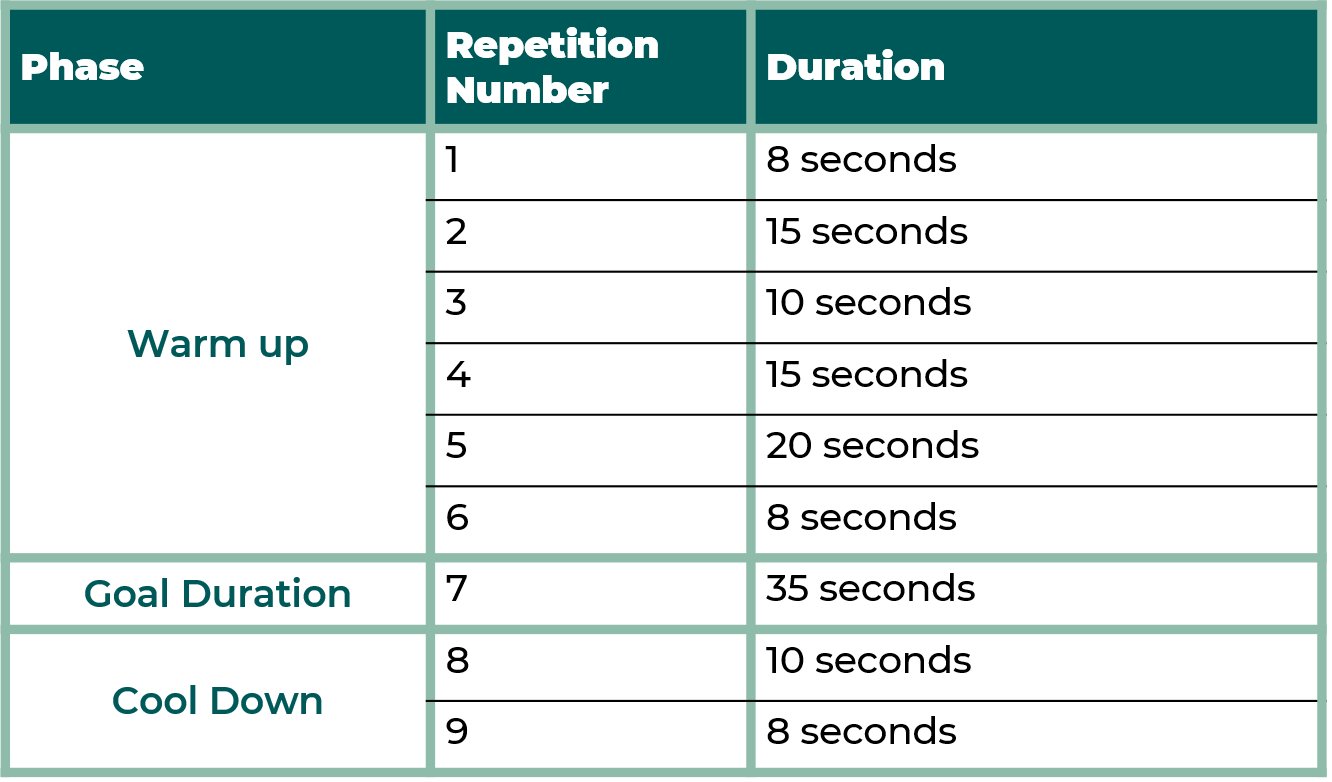
A clear, step‑by‑step plan helps dogs feel safer and owners avoid rushing. The following 7 steps move from calm relaxation to realistic alone time, always at the dog’s pace:
- Teach a relaxed “settle” cue as an emotional anchor.
- Separate departure cues (keys, shoes) from anxiety.
- Start with ultra short, out‑of‑sight moments.
- Gradually increase alone time in very small increments.
- Practice with different doors, cues, and times of day.
- Add real‑life leaving routines once the dog stays calm.
- Maintain progress and manage setbacks over time.
Owners can move forward only when the dog stays fully relaxed at each level. If stress appears, the most effective strategy is to go back one step and make progress smaller and easier.
Step 1: Teach a strong relaxed settle cue
A relaxed settle cue means the dog lies or sits calmly on a bed or mat and chooses to stay there. It becomes the foundation for all later alone‑time practice.
- Choose a mat or bed used only for relaxing.
- Lure the dog onto the mat and reward any calm posture.
- Add a simple cue such as “relax” or “settle” when the dog is already calm.
- Gradually increase calm duration before each reward.
Only reward loose muscles, soft eyes, and quiet behavior so the cue links to true relaxation, not excitement.
Step 2: Disconnect departures from stress
When departure cues always predict worry, anxiety starts before the owner leaves. The goal in Step 2 is to turn keys, coats, bags, and shoes back into “neutral” signals.
First, list every cue that usually comes before leaving. Next, perform those cues many times a day without going out: pick up keys then watch TV, put on a coat then prepare dinner, open and close the front door then stay inside. Keep movements calm and quiet.
Over days, the dog learns that departure cues no longer guarantee being left alone, so anticipatory panic gradually decreases and later training becomes much easier.
Step 3: Start ultra short out‑of‑sight moments
Ultra short out‑of‑sight moments are the bridge between calm routine and real alone time. Start with seconds, not minutes. Step into another room, close the door most of the way, and return before any whining, scratching, or barking begins. Reward calm with quiet praise or a small treat, then pause before repeating so the dog can fully relax.
Aim for many tiny successes in a row. If the dog shows tension or follows immediately, shorten the time or keep the door slightly open. The goal is for the dog to learn, through repetition, that a brief loss of sight is safe and predictably followed by a calm reunion.
Step 4: Build up alone time in tiny stages
Alone time should increase so gradually that the dog barely notices the change. After the dog relaxes for a few seconds out of sight, extend to 10–20 seconds, then 30–60 seconds, always returning before any signs of distress.
Increase only one element at a time: duration, distance, or where the dog rests. If anxiety appears, shorten the next session and succeed at an easier level. Progress is not linear; small steps and many repetitions create stable confidence.
Step 5: Vary doors, cues, and time of day
Changing small details prevents the dog from linking calmness only to one very specific scenario. After short, successful alone times, gradually rotate doors, rooms, and times of day. Start with the easiest version (quiet time, usual door), then repeat the same duration using another door or room. Later, practise in the morning, afternoon, and evening so the dog learns, “Being alone is safe any time, anywhere in the home.”
Step 6: Add realistic leaving routines
Once the dog stays calm for short absences, daily routines can start to look more like real life. Begin by breaking the leaving routine into tiny parts: picking up keys, putting on shoes, opening the door. Practice each part many times without going far or being gone long, so cues lose their emotional power.
Next, combine several cues and step out briefly, returning before anxiety appears. Keep movements quiet and neutral, avoiding big goodbyes. Over days, extend time away only if the dog stays fully relaxed. If any sign of stress appears, shorten the absence and slow the pace of progression.
Step 7: Maintain progress and prevent setbacks
Consistency after improvement is essential for long‑term separation anxiety success. Continue short, achievable alone‑time sessions several times per week, occasionally dropping back to an easier level so the dog can “win.” Track progress in a simple log (date, duration, dog’s behavior) to spot patterns early. Prevent setbacks by avoiding sudden long absences, arranging pet sitters or daycare if schedules change, and responding quickly if whining, pacing, or house soiling start to reappear.
Daily habits that support calmer alone time
Daily routines strongly influence how calmly a dog spends time alone. Aim for predictable patterns each day: similar walk times, meal times, rest times, and training sessions. Unpredictable schedules often increase worry.
Keep interactions balanced: offer affection and play, but also encourage quiet time on a bed or mat while people are home. Reward calm, independent behaviour with gentle praise or a chew, so the dog learns that relaxing alone is safe and worthwhile. Avoid big emotional goodbyes or reunions, which can keep arousal high and make separations harder.
Meeting your dog’s exercise and sleep needs
Adequate exercise and sleep are the foundation of calmer alone time. Most healthy adult dogs need around 1–2 hours of mixed physical and mental exercise per day, adjusted for age and breed. Over‑tired dogs can be as unsettled as under‑exercised dogs, so gentle walks, sniffing, and short training games are ideal. Aim for a calm walk and toilet break before absences, then encourage rest. Puppies and seniors need more daytime naps; a quiet, dark, comfortable area helps them switch off and associate the environment with safe relaxation when alone.
Using food toys and enrichment safely
Food toys and enrichment can guide a dog’s focus away from worry and toward healthy chewing or sniffing. Choose safe, size‑appropriate chews and toys that cannot be swallowed, and avoid very hard items that may damage teeth. For anxious dogs, offer enrichment mainly before very short absences, not only when leaving, so rewards do not predict owner departure. Always supervise new items first, check for wear and sharp edges, and remove anything broken immediately for safety.
Creating low‑key goodbyes and reunions
High‑emotion goodbyes and excited reunions can keep a dog’s anxiety level high. Aim for quiet, predictable interactions instead. Before leaving, give a cue such as “Back soon,” place a calm treat toy, and walk out without extra talking or hugging. On returning, enter calmly, put bags down, and wait for the dog to offer even a brief moment of calm, then quietly greet and reward. Consistency helps the dog learn that departures and arrivals are normal parts of the day, not major events.
Puppies and newly adopted dogs
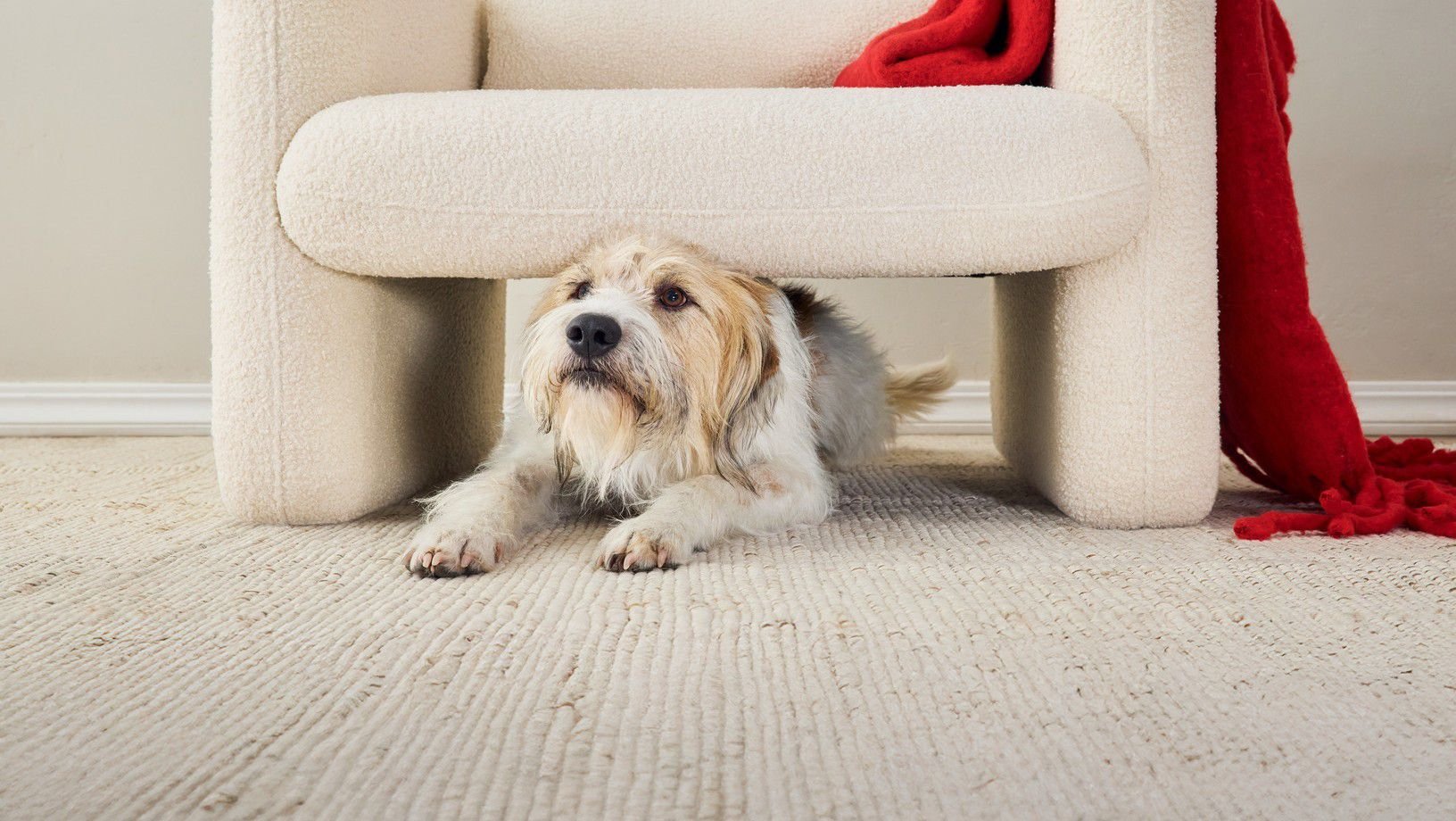
Puppies and newly adopted dogs are especially vulnerable to separation anxiety because everything in their world is new. Early experiences around alone time strongly shape future behaviour, so gentle, structured training is very important. Owners are encouraged to introduce short absences gradually, avoid sudden long periods alone, and pair separation with calm, positive routines. For rescue dogs, patience is crucial, as many have unpredictable pasts and need extra reassurance and consistency.
Preventing separation issues from day one
Separation problems are much easier to prevent than to cure. The key is to teach from day one that alone time is safe and predictable. Start by keeping early absences very short and within your dog’s coping range, then gradually lengthen the duration. Mix alone periods with plenty of calm closeness, so the dog learns that owners always come back.
Aim for a steady routine: regular feeding, walks, rest, and training help puppies and new rescues feel secure. Encourage independent relaxation on a bed or mat near the owner, then at a little distance. Avoid making departures or reunions over‑emotional; quiet hellos and goodbyes reduce anxiety and keep separations feeling normal.
Gentle crate and confinement training tips
Gentle confinement helps many dogs feel safer, not trapped. Start with very short sessions while someone is home. Leave the crate or pen door open at first and pair the space with high‑value treats, chews, or meals. Never use confinement as punishment.
Aim for a quiet corner away from heavy foot traffic. Provide a comfortable bed, water, and a safe chew. Some dogs relax more with a light blanket over part of the crate, soft music, or a worn T‑shirt with the owner’s scent. End each session before the dog becomes distressed and gradually extend the time.
When home training is not enough
Home training can reach a limit, especially with severe or long‑standing separation anxiety. If a dog panics as soon as the owner moves away, cannot be left even for a few minutes, or still struggles after several weeks of careful practice, extra support is often needed. Professional help is recommended when anxiety disrupts daily life, damages the home, or affects the dog’s health and safety.
Signs you should call a trainer or vet
Recognising when professional help is needed prevents problems from becoming severe. A trainer or vet should be contacted if:
- Your dog panics as soon as you leave or even move toward the door
- Barking, howling, or destruction disturb neighbours or cause safety risks
- Your dog injures themself, breaks teeth or nails, or has accidents only when alone
- Home training has not improved things after several weeks
- Anxiety appears suddenly in an adult dog
In such cases, early support usually leads to faster, kinder improvement.
Behaviourists, medication, and support options
For moderate to severe separation anxiety, specialist help often brings faster, safer progress. A qualified veterinary behaviorist can assess anxiety levels, rule out health issues, and prescribe medication when needed. Short‑ or long‑term anti‑anxiety drugs do not “knock dogs out”; the goal is to lower panic so training can work.
Well‑qualified reward‑based trainers or clinical animal behaviorists design step‑by‑step plans and coach guardians between sessions. Many offer online support with video reviews. Family, pet sitters, or dog‑daycare can provide temporary management so the dog is not pushed beyond its limit while training continues.
Sample weekly plans you can follow
Clear weekly plans help owners stay consistent and reduce stress for dogs. A simple structure is useful:
| Week focus | Main goal | Key actions |
|---|---|---|
| Week 1 | Calm at very short absences | 3–5 sessions/day of seconds‑long out‑of‑sight, watch for early stress signs |
| Week 2 | Build up minutes | Gradually increase alone time only if dog stays relaxed |
| Week 3 | Add real leaving cues | Shoes, keys, door sounds paired with calm, short exits |
| Week 4 | Practise real‑life departures | Mix session lengths, include occasional longer but still easy absences |
Owners can repeat a week or slow the pace whenever anxiety appears; progress is not always linear.
Four‑week starter plan for mild cases
For mild separation anxiety, a simple four‑week plan can work well. The key is short, successful sessions and increasing difficulty very gradually.
| Week | Main goal | Session idea |
|---|---|---|
| 1 | Relax near door | Dog settles on bed while the owner moves to and from the door for a few seconds |
| 2 | Brief out‑of‑sight | Step out of sight for 3–30 seconds, return before any distress |
| 3 | Extend alone time | Build up to several minutes using many short repetitions per day |
| 4 | Add real departures | Practice putting on shoes, picking up keys, and leaving for 5–15 minutes |
Progress should only increase when the dog stays calm for several sessions in a row. If any whining or pacing appears, go back one step and rebuild confidence slowly.
Adjusting the plan for busy schedules
Busy owners can still make progress by planning short, focused sessions. Aim for one structured alone‑time exercise daily, even if it is only 5–10 minutes, and treat everyday exits (taking out rubbish, checking mail) as extra practice opportunities.
Use a simple framework:
| Day type | Main goal | Minimum action |
|---|---|---|
| Workdays | Maintain skill | 1–2 very short departures your dog can handle |
| Days off | Build duration | 15–30 minutes total broken into mini‑sessions |
On hectic days, protect your dog from going over their limit by using management such as dog sitters, daycare, or friends. Progress may be slower, but steady, low‑stress practice is more effective than occasional long, stressful absences.
This article provides a clear explanation of everything from the basics of separation anxiety in dogs to seven specific non-punishment training methods, daily tips, preventative measures for puppies and rescue dogs, and the use of experts and medications, outlining key points to help your dog feel comfortable being left alone.







![Dog diet [exercise]](https://with-my-dog.com/wp-content/uploads/2022/07/image2-37-150x150.jpg)