
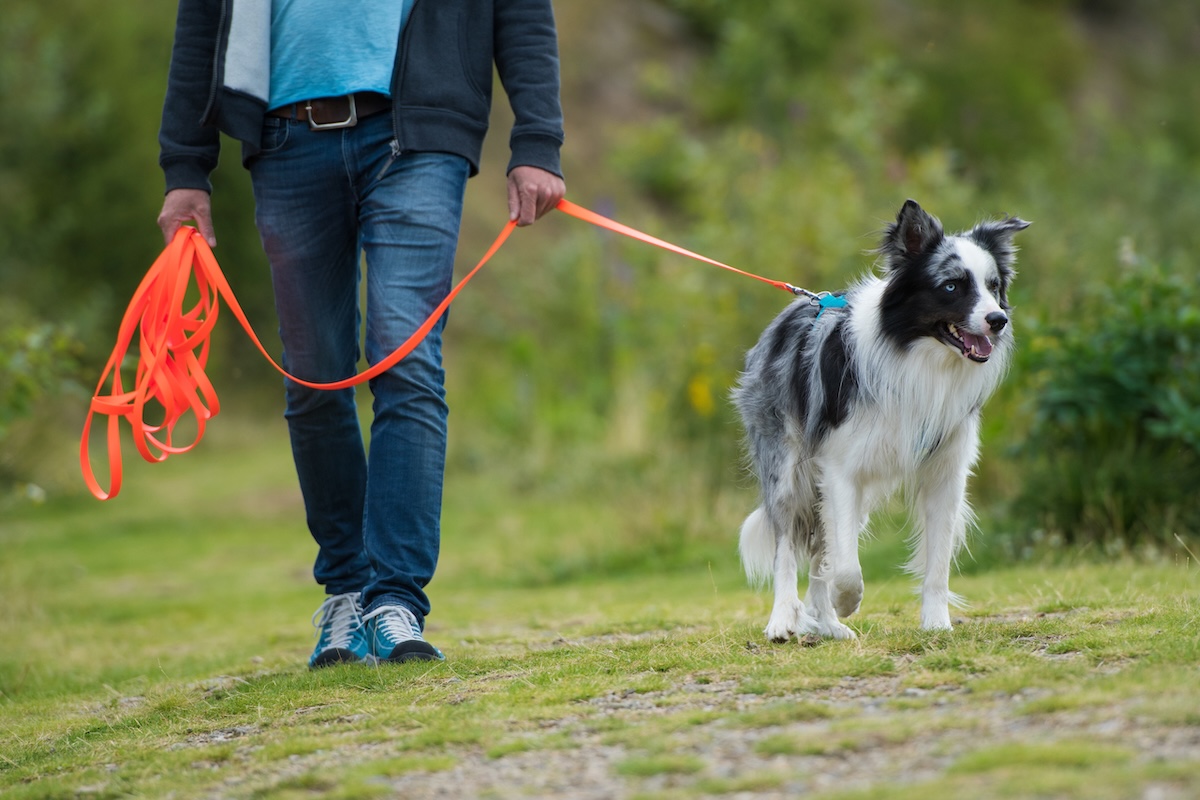
Many dog owners find walking their dogs difficult because their dogs pull too hard on the leash. This article will explain the causes and specific training steps from a third-party perspective, focusing on "how to stop dogs from pulling on the leash during walks." This will be helpful for anyone who wants to make their daily walks safer and more enjoyable.
Why Dogs Pull on the Leash
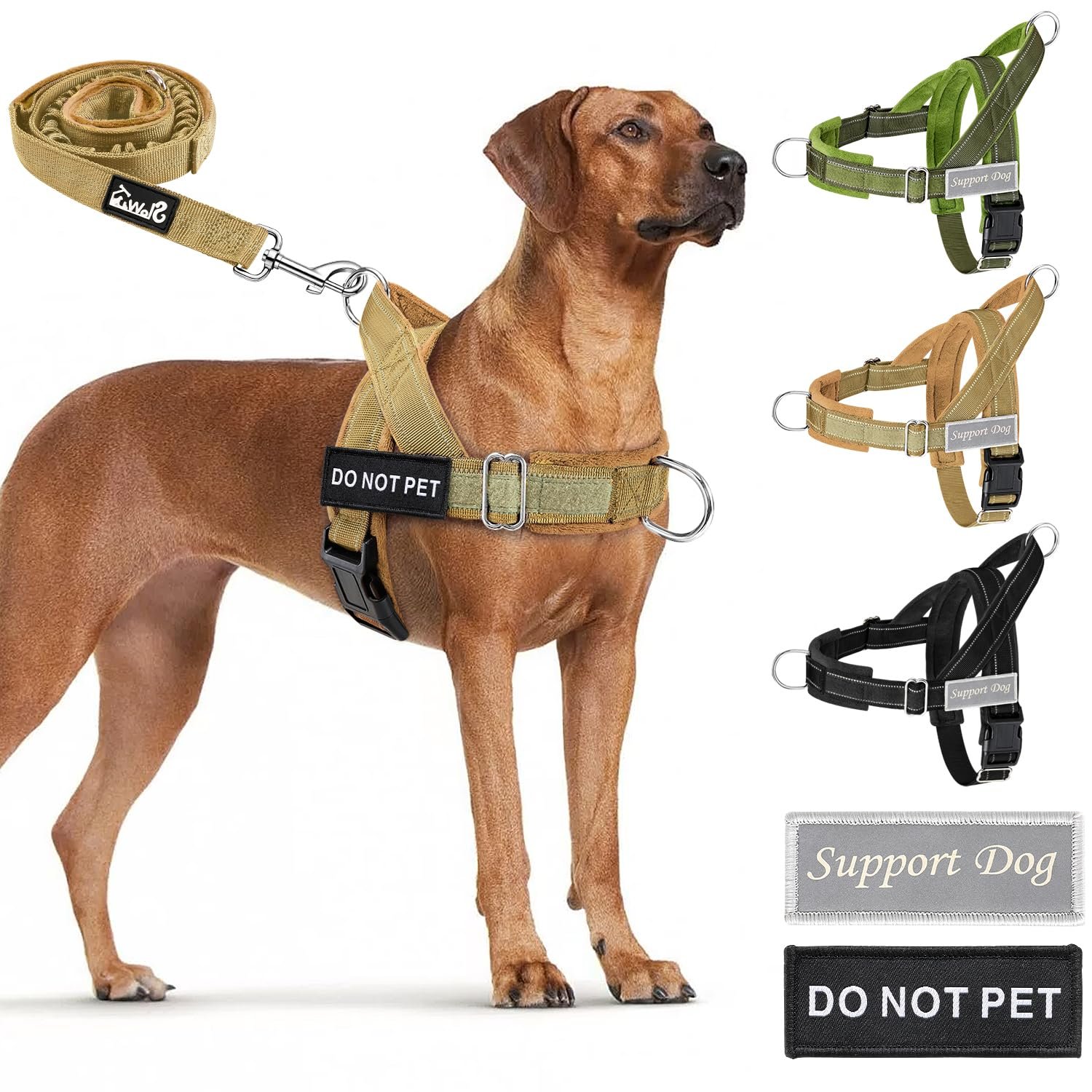
Many dogs pull simply because walking on a leash is not natural dog behavior. Dogs usually move faster than humans, follow scents, and hurry toward interesting sights. When a dog reaches a goal by pulling, the habit becomes stronger. In addition, excitement, lack of training, or feeling anxious outdoors can all contribute. Understanding why a dog pulls makes training more effective and kinder for both dog and owner.
Natural instincts and walking pace
Many dogs naturally move faster than humans. Their body structure, long stride, and high energy make a brisk, forward trot feel normal, so a walking pace that suits people can feel slow or frustrating. On top of that, dogs are guided by scent and movement; when an interesting smell or sight appears ahead, instinct says “go now,” not “wait.” Without training, pulling simply reflects a normal canine way of exploring the world, not stubbornness or a wish to misbehave.
Reinforcement from past walks
Many dogs learn to pull simply because pulling has worked for them in the past. Each time the dog drags the person toward a tree, another dog, or a good smell and reaches the goal, the behavior is rewarded. Even small steps count: if the leash tightens and the human keeps moving, the dog learns that tension means “go faster.” Over many walks, this creates a strong habit, so training must change the rule so that only a loose leash makes the walk progress.
Overexcitement, stress, and fear
Many dogs pull because big emotions take over. Overexcitement makes it hard to think; the dog rushes toward smells, people, or parks and forgets the person at the other end of the leash. Stress and fear can cause frantic pulling or sudden lunging, for example away from loud noises or toward the owner for safety. In all cases, the dog is not being stubborn; the dog is struggling to cope. Calming the environment and working under the dog’s stress limit is essential before real training can progress.
Before You Start Training

Before leash training starts, preparation makes progress smoother and kinder for the dog. First, confirm that the dog’s body is healthy enough for training and regular walks, especially joints, heart, and breathing. Next, choose quiet, low‑distraction areas to help the dog focus. Finally, plan short, frequent sessions instead of long, tiring walks. Good preparation reduces frustration, protects the dog’s body, and helps polite leash manners develop more quickly.
Health and age checks with your vet
Before starting leash training, it is important to confirm whether the dog’s body can handle it. A vet check is strongly recommended, especially for dogs that are very young, senior, overweight, short‑nosed, or have a history of joint or breathing problems.
Ask the vet to check joints, spine, heart, and lungs, and to advise on safe walk duration and intensity. Owners who plan to use a harness should also confirm any neck or shoulder issues. Proper checks help prevent pain, sudden lameness, or breathing trouble during leash training.
Choosing a safe walking area
Choosing a safe walking route is directly linked to successful training and reducing your dog’s stress. First, it is important to choose a place with little car or bicycle traffic and stable footing. Quiet residential streets, walking paths in parks, and wide riverside areas provide environments where your dog can focus more easily and pulling is less likely to worsen.
Places with too many people or dogs can easily cause strong pulling due to excitement or anxiety, so it is safer to avoid them at first. At night, darkness increases blind spots, so choosing a bright time of day and a route with good visibility will help improve safety.
How long and how often to train
Short, frequent sessions are more effective than long, rare ones. For most dogs, aim for 5–15 minutes, 1–2 times a day focused only on leash skills. End while the dog is still interested.
Use the table below as a general guide:
| Dog type | Session length | Sessions per day |
|---|---|---|
| Young puppy | 3–5 minutes | 2–4 |
| Adult beginner | 5–10 minutes | 1–3 |
| Energetic, fit adult | 10–15 minutes | 1–2 |
Regular walks can also include “real life” practice, but keep criteria easy so the dog can succeed often and be rewarded frequently.
Essential Gear for Better Leash Walks
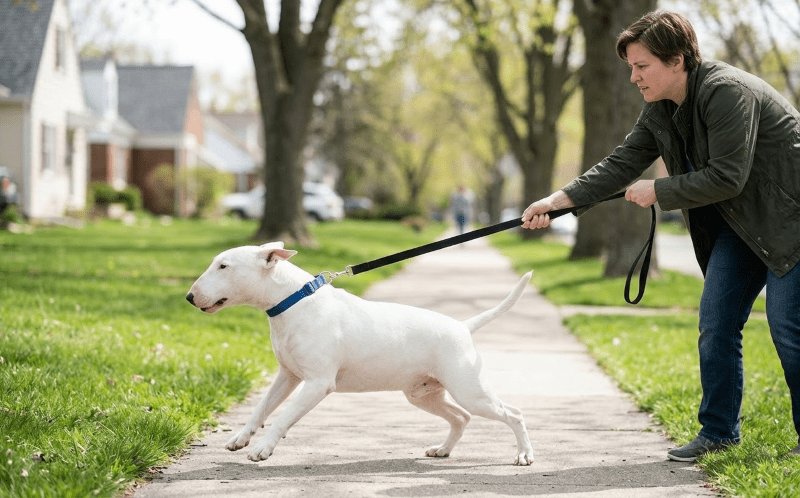
The right gear makes leash training safer, clearer, and less stressful for both dog and owner. Comfortable equipment prevents pain, so the dog can focus on learning instead of fighting the leash. Suitable harnesses or collars, an appropriate leash length, and highly motivating rewards all work together to reduce pulling. Good gear does not train the dog alone, but it supports consistent, kind training and protects the dog’s neck, back, and joints during everyday walks.
Harnesses, collars, and long lines
Choosing the right equipment makes leash training safer and more comfortable for both dog and owner.
| Item | Main Purpose | Key Points |
|---|---|---|
| Harness | Protect neck, give more control | Choose a front‑clip harness to reduce pulling |
| Flat collar | Hold ID tags, for already trained dogs | Avoid using for strong pullers |
| Long line | Practice recall and loose leash at distance | Use only in open, safe areas |
A well‑fitted harness should not rub armpits or restrict shoulder movement. Long lines are helpful for training but should not replace regular leash practice in everyday streets.
Leashes to use and leashes to avoid
Choosing the right leash makes polite walking much easier. As a basic rule, a simple 1.8–2 m (6–7 ft) fixed-length leash is best for training. It gives enough freedom for sniffing but keeps control.
Recommended leashes:
- Flat nylon or biothane leash
- Soft, round rope leash with comfortable handle
Leashes to avoid for training:
- Retractable leashes: encourage pulling and sudden lunges, can burn hands
- Bungee or elastic leashes: reduce clear feedback
- Very short leashes: increase tension and frustration for many dogs
Owners who enjoy long countryside walks can add a long line later, once the dog understands loose leash basics.
High‑value treats and rewards
High‑value rewards make polite leash walking much easier to learn. Use tiny, soft treats with a strong smell, such as small pieces of cooked chicken, cheese, or commercial training treats. Dry kibble is often not exciting enough outdoors. Rewards do not need to be only food; many dogs work well for sniffing time, a quick game, or moving toward something they want. Reserve the very best rewards only for calm walking on a loose leash so the behavior stays highly motivating.
Core Method: Teaching Loose Leash Walking
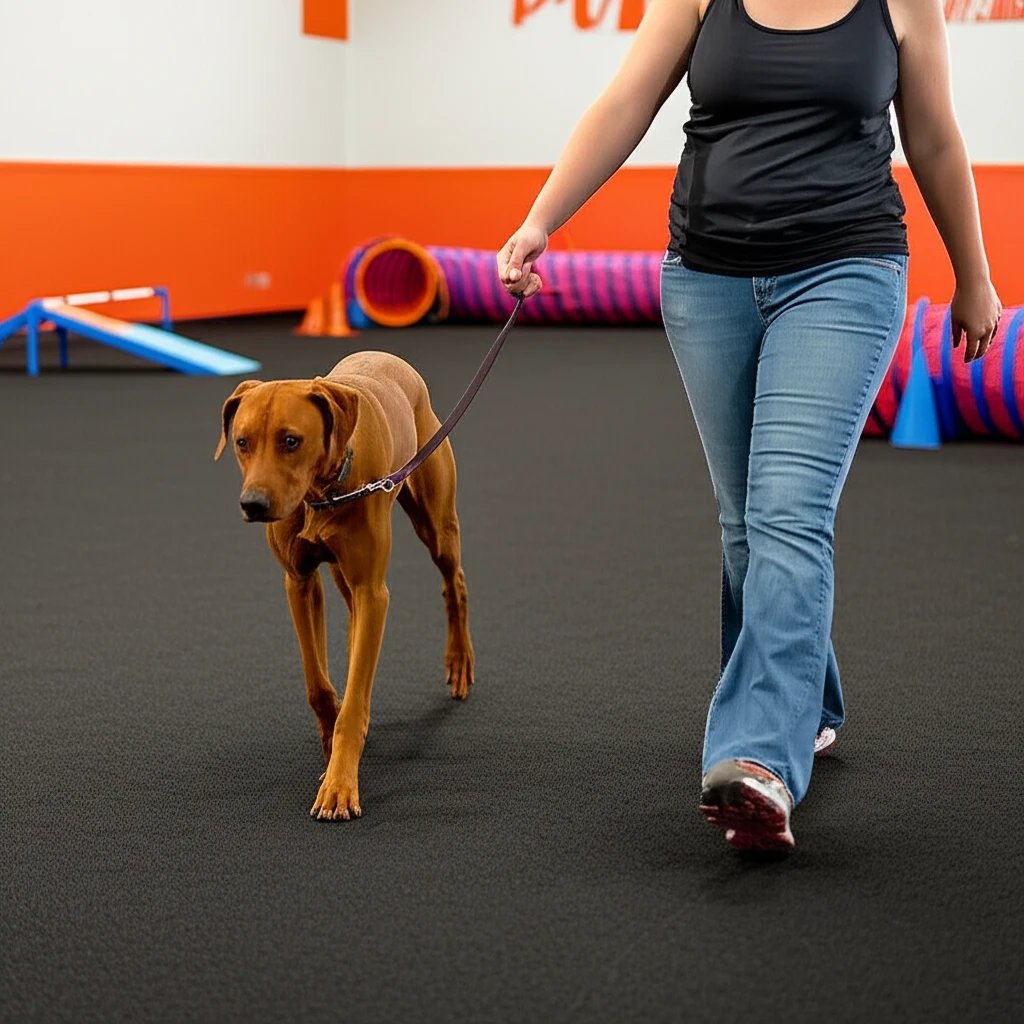
Loose leash walking means the leash hangs in a relaxed “J” shape while the dog moves beside the handler. The goal is not a perfect heel, but a calm, comfortable walk where both feel safe and in control. Training focuses on rewarding the dog for staying close, before the leash goes tight, so pulling never pays off. By teaching a clear pattern—“loose leash = move forward, tight leash = stop or change direction”—owners create a simple rule that dogs can understand and follow in any environment.
Step 1: Reward your dog beside you
The first step is helping the dog understand that being calmly at the handler’s side is the most rewarding place to be. Stand still with the dog on a short but loose leash. The moment the dog appears beside the handler’s leg or looks up, immediately give a tiny, high‑value treat right by the handler’s thigh. Mark the moment with a cheerful word such as “yes” so the dog links the position to reward. Repeat several times until the dog chooses to return to that spot on its own, then begin spacing out rewards gradually.
Step 2: Add movement with a slack leash
Once the dog understands that being by the handler’s side brings rewards, gentle movement can be added. Start with one or two slow steps forward while the leash stays slack, then immediately feed a treat at the handler’s leg. If the leash begins to tighten, simply pause, wait for the dog to return closer, and only then move again. Short sequences of step‑treat, step‑treat help the dog learn that following at the handler’s pace keeps the walk going.
Step 3: Practice in quiet, easy places
Once the dog understands standing by the handler for rewards, practice in low‑distraction, easy locations such as a quiet hallway, garden, or empty parking lot. Keep sessions short and calm. Walk only a few steps, then pay as soon as the leash stays loose and the dog remains near the handler. If pulling starts, simply pause and reset position. Gradually increase distance and duration only while the dog can regularly succeed without tension on the leash.
Step 4: Gradually add distractions
Once a dog walks calmly in quiet spaces, distractions can be added slowly and systematically. Start with mild distractions at a distance, such as people or calm dogs far away. Reward every moment of slack leash and attention toward the handler. If the dog starts to pull or stare, increase distance or choose an easier distraction level. The key is to change only one thing at a time: busier area, closer dogs, or more noise. Short, successful sessions prevent frustration and steadily build reliable loose leash walking in real‑world environments.
Step‑by‑Step Plan to Stop Leash Pulling
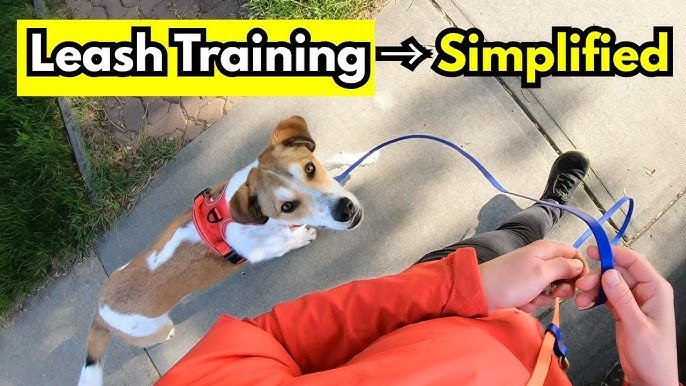
A step‑by‑step plan turns loose leash skills into everyday manners. First, decide one clear rule: pulling never moves the team forward, a slack leash always does. Second, use the same gear, side, and cue word for every walk to avoid confusion. Third, combine two elements in every outing: short focused training sections and relaxed sniffing breaks as rewards. Finally, progress slowly—start in easy locations, then only add difficulty when your dog succeeds several times in a row.
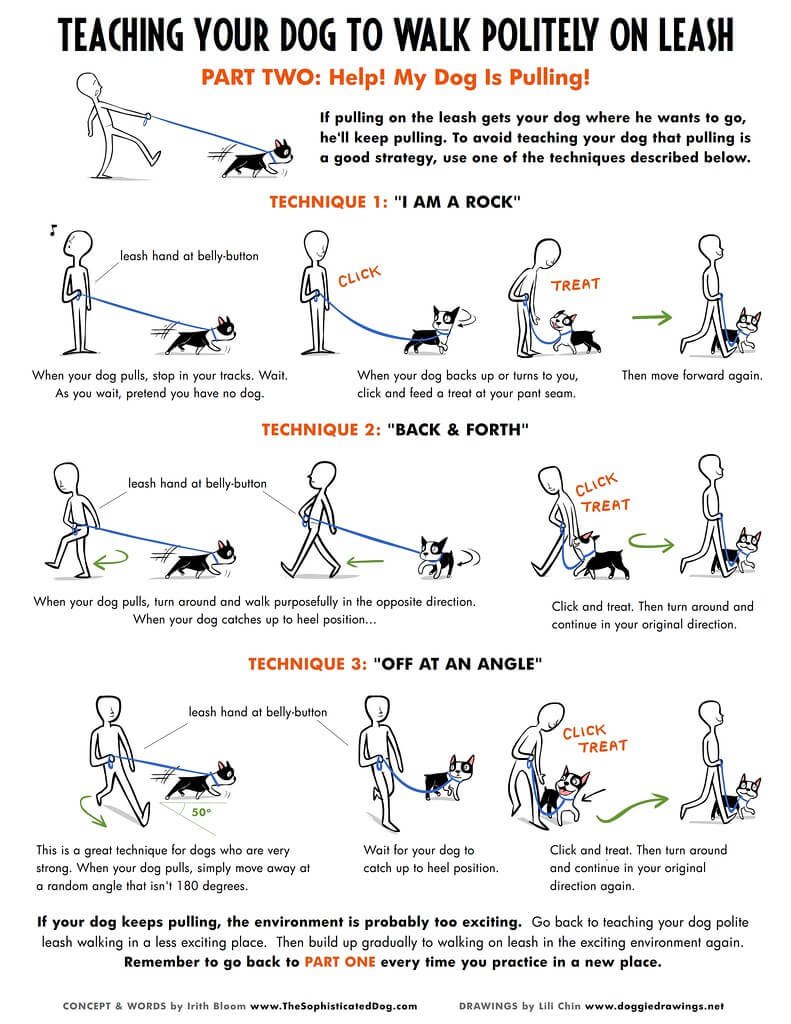
The stop‑and‑stand still technique
The stop‑and‑stand still technique teaches dogs that pulling makes the walk stop, and a loose leash makes the walk continue. As soon as the leash tightens, the handler calmly stops and stands like a tree without speaking or tugging. When the dog steps back or turns so the leash becomes slack, the handler marks the moment with a quiet "yes" and moves forward again, sometimes adding a small treat. Repeating this consistently helps dogs learn to control their own pace and walk politely.
Changing direction instead of dragging
Many dogs lean forward into the leash out of habit. Instead of pulling them back, owners can quietly change direction whenever the leash goes tight. As soon as the dog reaches the end of the leash, the handler calmly turns 180 degrees and walks the other way.
The dog learns that pulling never leads toward the original goal; only a loose leash moves the walk forward. Consistent, gentle turns avoid neck strain, keep frustration low, and shift the dog’s focus to staying near the handler.
Teaching a cue for walking politely
A clear verbal cue helps dogs understand when polite walking is wanted. Common choices are “let’s go,” “walk on,” or “heel.” First, say the cue before stepping off, then immediately reward a few steps on a loose leash with treats or calm praise. Repeat many short bouts. If the leash tightens, quietly stop or change direction without repeating the cue. The cue should always predict easy, rewarding walking, not pulling or scolding.
Training Puppies Not to Pull
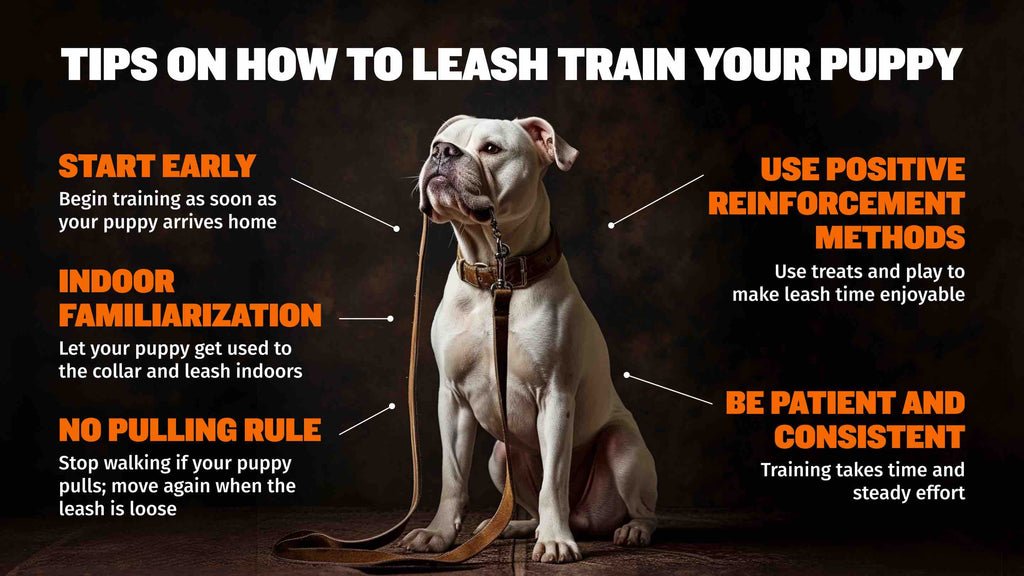
Puppies learn leash manners most easily when pulling never works and walking near the handler always pays. Instead of long walks, early outings focus on calm experiences and frequent rewards by the handler’s side. Every step where the leash stays loose earns a tiny treat or praise, while forward movement simply stops the moment the puppy tightens the leash. In daily life, the handler can clip on the leash indoors, reward the puppy for following for a few steps, then unclip again so polite walking becomes a normal habit rather than a special drill.
Short, fun sessions for young dogs
Puppies learn best in short, fun sessions rather than long, serious walks. Aim for 3–5 minutes of leash practice several times a day, ideally before the puppy becomes tired or overexcited. Use tiny treats, a happy voice, and simple goals such as "stand by my side" or "take three steps with a loose leash." End each session while the puppy is still engaged, then switch to play or rest so leash time always feels positive.
Preventing pulling habits early
Early habits shape a dog’s lifelong walking style, so prevention is far easier than fixing strong pulling later. From the first walks, reward your puppy whenever the leash hangs in a soft “J” shape and the puppy is near your side. If pulling starts, simply stop or turn away so forward motion never pays. Teach a “let’s go” or “heel” cue and practice around mild distractions. Regular sniff breaks on a loose leash help the puppy learn that calm walking still leads to fun exploration.
Helping Adult Dogs Break Old Habits
Adult dogs can absolutely learn new leash manners, but old habits must be carefully replaced, not simply stopped. First, walks should slow down for a while: shorter routes, calmer environments, and predictable routines reduce frustration. Next, every walk becomes a training opportunity; pulling never reaches the goal, while a loose leash always earns movement, treats, or sniffing. Consistent rules, the same equipment, and clear cues from all family members gradually overwrite long‑standing pulling patterns.
Resetting your walking routine
Adult dogs often connect the word “walk” with racing out the door and pulling. To change pulling, it is helpful to reset every part of the walking routine. Start by pausing before the door: clip the leash on calmly, ask for a sit or stillness, and only open the door when the leash is loose. If the dog rushes or tightens the leash, quietly close the door and try again.
On the street, avoid automatic “destination walks” at first. Plan short sessions focused on loose leash practice, not distance. Turn away from known trigger spots and busy routes for a while. Use the same equipment, same side of the body, and similar cues each time so the new pattern becomes clear and predictable for the dog.
Mixing exercise with training walks
For many dogs, pulling is partly caused by pent‑up energy. Pure training walks may feel frustrating if the dog never gets to move freely. A practical approach is to separate “exercise time” and “training time” within the same outing.
One easy pattern is: 5–10 minutes of focused loose‑leash practice, then a short “free sniff and stroll” break on cue, repeated several times. Off‑leash play in a safe area, flirt‑pole games, or fetch before training can also reduce pulling. The key is clear cues so the dog understands when polite walking is required and when relaxed movement is allowed.
What Not to Do With a Pulling Dog
Many owners focus only on stopping pulling and accidentally make walks unpleasant. Avoid walking for long periods while the dog leans into the leash, because constant pulling quickly becomes a habit. Do not ignore signs of discomfort such as coughing, gagging, or limping. Training should never rely on pain, fear, or exhaustion. Instead, shorten sessions, give rest breaks, and set up walks so the dog can succeed and be rewarded for calm behavior.
Why yanking or jerking the leash backfires
Yanking the leash may stop movement for a moment, but it often rewards pulling by moving the dog closer to what the dog wants. Sudden force can also cause pain in the neck, throat, or spine, leading to coughing, injury, or fear. Many dogs learn to ignore leash pressure and pull harder. Others become anxious or defensive, which can increase barking or lunging. Gentle, consistent training builds safer and more reliable leash manners.
Risks of punishment‑based tools
Punishment‑based tools such as prong collars, choke chains, and shock collars may stop pulling in the moment, but they work by causing pain or fear. Dogs often learn to associate walks, people, or other dogs with discomfort, which can increase anxiety and reactivity. There is also a risk of physical injury to the neck, spine, or thyroid. Fear‑based control damages trust and usually worsens behaviour over time, so humane, reward‑based methods are recommended instead.
Signs your dog is too stressed to learn
A dog that is too stressed cannot focus on learning, even with good training methods. Key signs are intense body tension, rapid panting, pinned‑back ears, wide eyes, tail tucked, or constant scanning of the environment. Some dogs shut down and move slowly; others become hyperactive or frantic. Frequent lip‑licking, yawning, whining, or refusing food also signal overload. When several signs appear together, it is safer to pause training, move to a calmer place, and lower the difficulty of the walk.
Handling Strong or Reactive Dogs
Strong or reactive dogs need management plus training, not strength contests. The priority is safety: use secure equipment (well‑fitted Y‑front harness, sturdy leash, possibly a waist belt or double‑clip) and avoid crowded routes until control improves. Increase distance from triggers before the dog explodes so the dog can still take food and respond. Short sessions of success are better than long, chaotic walks. For powerfully built dogs, planning, equipment, and early space from triggers matter more than physical force.
Managing pulling toward dogs or people
When a dog pulls toward other dogs or people, the main goal is often social access or creating distance from something worrying. Start by keeping enough space so the dog can stay under threshold; crossing the street or stepping behind a parked car is acceptable. Reward eye contact and calm behavior whenever another dog or person appears, so the dog learns “see something → look back at the handler → earn a reward.” If the dog begins to pull, stop or gently move away, then reward when the leash slackens. Short, positive exposures build confidence and reduce rehearsal of strong pulling.
When your dog lunges at cars or wildlife
Lunging at cars or wildlife is often driven by instinct and adrenaline, so safety must come first. Use a secure harness plus a strong, non‑retractable leash, and keep enough distance from roads or animal‑dense areas. Before the trigger gets close, move away in an arc and feed a steady stream of treats so the dog learns “scary or exciting thing = turn to the owner for rewards.” If the dog locks on and tenses, calmly U‑turn and leave instead of waiting for a lunge.
When to get help from a trainer
Professional support is recommended when walks feel unsafe, overwhelming, or no longer improve. Seek a qualified, reward‑based trainer if your dog’s pulling is paired with lunging, growling, or barking, if the handler struggles to hold the leash, or if practice over several weeks brings little change. Trainers who use force‑free, science‑based methods can create a tailored plan and may suggest veterinary input when fear or anxiety is severe.
Real‑Life Tips for Everyday Walks
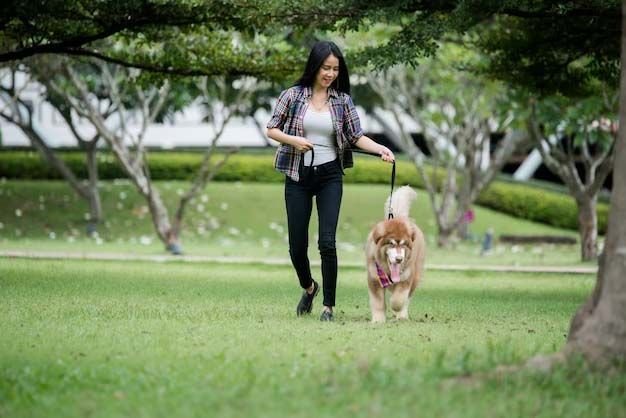
Everyday walks become smoother when training is woven into normal routines. Start by planning a calm route with fewer triggers such as busy roads or crowded parks. Keep the leash a comfortable length and reward often whenever the leash stays loose. Build in short "training zones" on each walk where polite walking is the only job, then allow planned sniffing breaks as a reward. Ending each walk while the dog is still focused helps the next outing start more calmly.
Warm‑up games before you leave home
A short warm‑up at home helps many dogs start walks calmer and more focused. Simple games are enough.
- Sniff-and-search: Scatter a few treats on the floor or in a snuffle mat. Let the dog sniff for 1–2 minutes to lower excitement.
- Hand-target game: Present a hand near the dog’s nose, mark and reward when the nose touches. Repeat while taking one or two quiet steps.
- Name and check‑in: Say the dog’s name, reward eye contact, then clip on the leash. This encourages the dog to look back to the handler during walks.
Keep each game very short and end while the dog still wants more. Short, predictable routines before leaving help reduce pulling caused by pent‑up energy at the door.
Letting your dog sniff without pulling
Allowing sniffing on walks is very important for a dog’s mental health, but it can be done without encouraging pulling. A useful strategy is to teach a clear “go sniff” cue. When the leash is slack, say the cue and calmly walk the dog to an interesting spot, then allow free sniffing within the leash length. When the cue ends (for example, “let’s go”), gently move away and only reward movement that keeps the leash loose. Over time, the dog learns that polite walking earns sniffing, instead of dragging the owner toward smells.
Balancing training walks and fun time
Training walks and “fun walks” can be balanced by clearly separating goals. Plan short, focused sessions where rewards come for a loose leash and attention, then schedule relaxed walks for sniffing and exploring.
A simple rule is helpful: training walk first, fun walk after. Calm, polite walking earns access to a park, a sniffy area, or a short game. By alternating structure and free time, owners can avoid frustration, keep motivation high, and make leash manners part of everyday life.
Troubleshooting Common Problems

Many owners feel stuck when leash training seems to stall, but most issues have clear patterns. First, check whether the dog has had enough physical and mental exercise outside of training walks; under‑exercised dogs pull more. Next, review the rules: same gear, same cues, same rewards make learning easier. If progress suddenly reverses, consider pain, heat, or a recent scare outdoors. When problems repeat for more than a week, go back to easier setups and rebuild success in quiet areas before returning to busy streets.
Dog pulls more at the start of the walk
Many dogs explode with energy as soon as the door opens. They have pent‑up excitement, a faster natural pace, and a strong habit of pulling toward smells or the park. To reduce pulling at the start, add a short indoor warm‑up: a few minutes of simple cues, treat‑based heeling, or nose‑work games before leaving. Then step outside and move only when the leash is slack. If pulling starts, briefly stop, wait for looseness, reward, and continue.
Good at home, but pulls in new places
Many dogs walk nicely at home but pull in new places because the environment suddenly becomes more exciting and challenging. New smells, people, and noises make it hard to focus.
To help, lower the difficulty. First practice near home, then in a quiet new area, keeping distance from big distractions. Reward very frequently for any attention and slack leash. Short sessions work better than long, stressful walks. If pulling increases, move farther away, slow down, and return to an easier level of training.
Other family members undoing progress
When rules change from person to person, dogs quickly learn pulling works sometimes. To avoid this, everyone who walks the dog should:
- Agree on one response to pulling (for example, stop or change direction)
- Use the same walking cue and reward position
- Practice short sessions together so the dog experiences a single, clear pattern
If one person cannot follow the plan, assign that person to fun off‑leash play in safe areas instead of training walks.
Staying Consistent and Seeing Progress
Consistency is the key factor for changing leash‑pulling habits. Dogs learn fastest when the same rules, cues, and rewards apply on every walk. Decide in advance: when the leash tightens, the walk stops; when the leash is loose, forward motion and sniffing are allowed. Apply this rule calmly every time. Short daily sessions, even 5–10 minutes, help progress feel steady and prevent both owner and dog from becoming frustrated.
Setting realistic expectations and goals
Many owners hope for instant results, but leash manners usually improve gradually over weeks. A realistic goal is small changes: fewer hard pulls, more moments of slack leash, and calmer starts to walks.
Set clear, simple targets such as “walk to the corner with a loose leash three times this week.” Adjust expectations for age, health, and environment; puppies or excitable breeds normally need more time and practice.
Tracking small wins to stay motivated
Training progress often feels slow, so tracking small wins helps owners stay motivated. Instead of waiting for perfect loose‑leash walks, note any improvement: one calmer step, quicker response to a cue, or shorter pulling episodes. A simple log or phone memo makes changes visible.
| Small win example | How to record it |
|---|---|
| Dog kept leash loose for 5 seconds | Note time and place in a memo |
| Ignored one passing dog | Mark a ✔ in a “distraction” column |
| Pulled less at start of walk | Add a brief comment after the walk |
Reviewing these records weekly shows clear progress and supports steady, positive training.
When it’s okay to relax the rules
Leash manners do not need to be perfect on every walk. It is helpful to decide in advance which walks are for training and which are for relaxation. On relaxed walks, owners may allow more sniffing, a slightly longer leash, or occasional mild tension, as long as everyone stays safe. Clear cues such as “training walk” versus “free walk” help dogs understand the difference and prevent confusion while still keeping progress steady.
This article provides a comprehensive explanation of everything from why dogs pull on leashes, to necessary preparations, recommended equipment, and specific training procedures. It also covers strategies for puppies and adult dogs, behaviors to avoid, solutions to common mistakes, and tips for continued training, all aimed at helping owners achieve safe and enjoyable walks.







![[I love both!] Can you keep dogs and cats together? Here are some tips and tricks to keep in mind](https://with-my-dog.com/wp-content/uploads/2022/07/image3-18-150x150.jpg)