
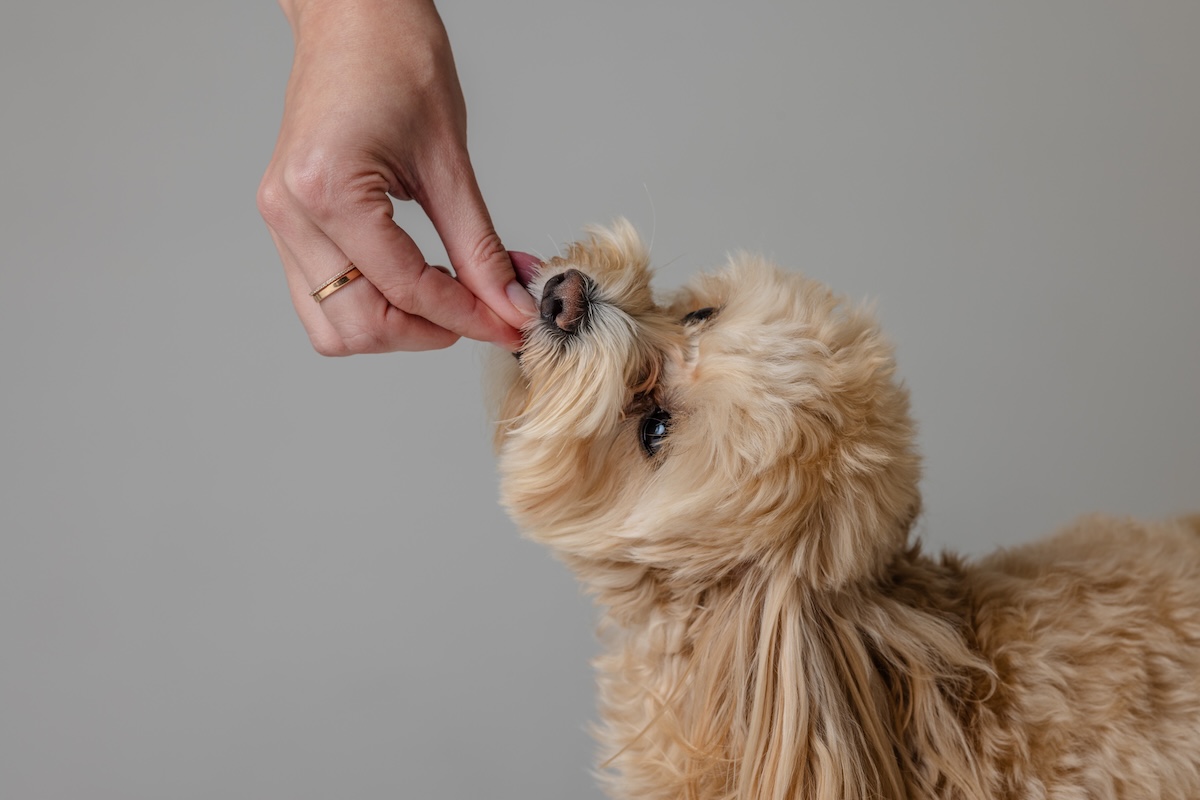
While a puppy's playful nipping may seem cute, if left unchecked, it can escalate to serious biting and cause problems. Therefore, many owners worry about when and how to correct their puppy's biting habit. This article explains the reasons behind puppy biting behavior and clearly outlines seven steps to stop biting that you can implement starting today. Knowing safe and low-stress training methods will help make life with your puppy more secure and enjoyable.
Why Puppies Bite and Mouth
Puppies explore the world with their mouths, so biting and mouthing are normal puppy behaviors. Just like human babies, puppies go through teething and learn how hard they can use their teeth when playing. Many owners feel worried or frustrated, but in most cases the behavior is a natural part of growth, not a sign of meanness. The key is to guide the puppy gently so that playful mouthing does not turn into a painful or dangerous habit.
Normal teething and play behavior
Puppies explore the world with their mouths, so gentle mouthing and chewing are normal parts of growing up. During teething (around 3–6 months), gums feel sore, and puppies seek relief by biting hands, clothes, and furniture. Play-biting also helps puppies learn social skills and how hard is too hard. As long as the puppy’s body is loose and wiggly, bites are easy and quickly released, the behavior is usually healthy play and teething, not aggression.
When biting becomes a problem
Puppy mouthing is natural, but biting becomes a problem when it is frequent, hard, or scary. Warning signs include teeth leaving red marks or breaking skin, lunging at faces or clothes, growling while guarding toys or food, and a puppy that cannot calm down even when play stops. If family members feel afraid, or biting worsens instead of improving by around six months of age, structured training and professional advice are strongly recommended.
Step 1: Prepare for Safe Puppy Play
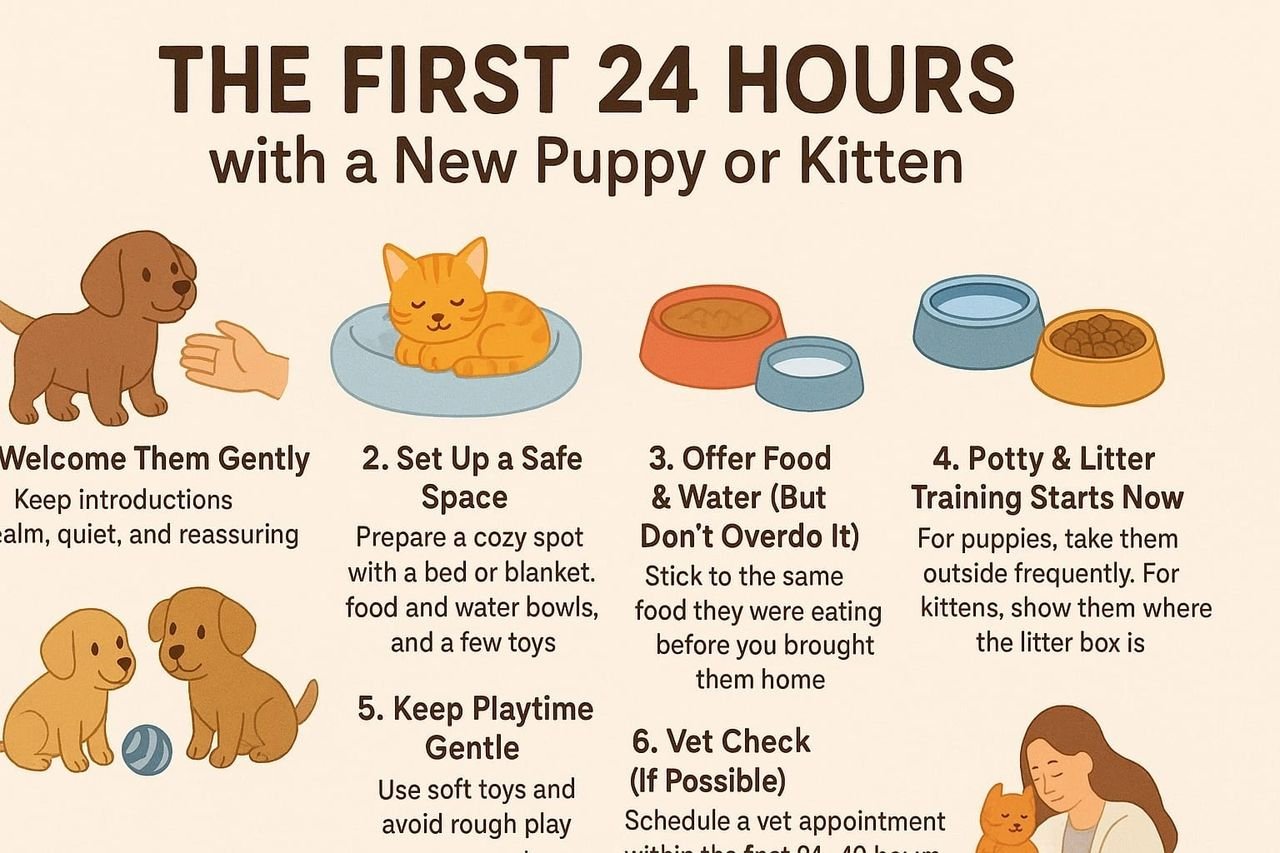
Safe play starts with a safe setup. Puppies explore the world with their mouths, so the environment needs to guide gentle behavior. Prepare a play area with non-slippery flooring, safe chew toys, and no dangling cords or fragile items. Keep sessions short to prevent overtired, bitey behavior. Decide in advance how family members will react to biting so the puppy receives one clear, consistent message every time teeth get too rough.
Set house rules everyone follows
Clear house rules help puppies learn faster and prevent confusion. Decide in advance what behavior is allowed and what is never okay. For example, agree on:
- Whether the puppy is allowed on beds or sofa
- Which rooms are off-limits
- How to react every time biting happens
- Which words to use for cues such as “sit,” “off,” and “leave it”
All family members should respond in the same way so the puppy receives one consistent message.
Use gates, pens, and leashes wisely
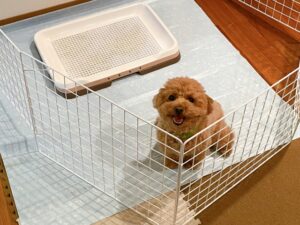
Using barriers well prevents accidents and unwanted biting. Puppy gates and pens create a safe space where teeth cannot reach hands or furniture. Place the pen in a busy area so the puppy can relax while still seeing family life. Rotate safe chew toys inside.
Indoor leashes are also useful. Clip a lightweight leash to guide the puppy away from trouble, interrupt nipping, or step on the leash to stop jumping. Avoid dragging or yanking; gentle handling teaches calm habits and keeps training stress‑free.
Step 2: Teach Soft Mouth (Bite Inhibition)
Teaching a soft mouth means showing a puppy how to control jaw pressure, not just stopping all nipping at once. Puppies normally learn this from littermates: when one bites too hard, the playmate yelps and walks away. At home, owners take over that role. By calmly responding whenever teeth touch skin and rewarding gentle behavior, the puppy learns, step by step, that only gentle mouths keep games, attention, and rewards coming.
How to react when teeth touch skin
The moment puppy teeth touch skin, stop moving and freeze. Avoid yanking the hand away, because sudden movement excites many puppies and encourages chasing and harder biting. In a calm voice, give a brief "Ouch" or "Too bad" once, then end all attention for a few seconds. Hands go away, eye contact stops, and play pauses. After a short pause, offer a toy instead or resume gentle play if the puppy has settled.
Games that build gentle jaws
Gentle games help puppies learn to control jaw strength. Tug with a soft toy and only allow play when the puppy keeps a loose, gentle grip; stop briefly if biting becomes hard, then resume when the grip softens. Hand-feeding part of meals, rewarding for taking food softly, also builds a careful mouth. Short fetch with soft toys and scent games using treats in a snuffle mat keep the mouth busy in a safe, controlled way.
Step 3: End the Game When Biting Hurts
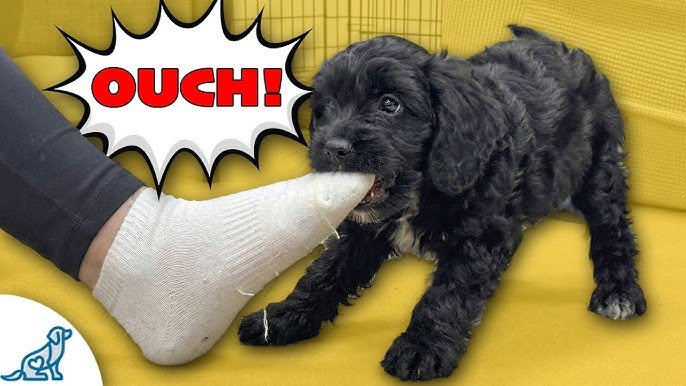
Puppy play should stop the moment teeth hurt human skin. Ending the game teaches that rough biting makes fun disappear. Respond in a calm, consistent way: pause, remove attention, and briefly separate from the puppy or remove the puppy from the play area. Avoid long lectures or chasing, because that can feel like more play. Clear, immediate game-over is the key link puppies understand.
Use the “game over” signal
A clear “game over” signal helps puppies understand that biting makes fun stop. The moment teeth touch skin and it hurts, briefly say a firm “Ouch” or “Too bad,” then quietly end all interaction. Stand up, turn away, and ignore the puppy for 20–60 seconds. No eye contact, no talking, no pushing away. The loss of attention, not scolding, teaches the puppy that gentle play keeps the game going.
Restarting play the right way
After the short pause, only restart play when the puppy is calm. Ask for a simple cue such as “sit” or “watch me,” then reward with a treat or gentle praise and resume the game. Keep the next round shorter and stop again before excitement peaks. If biting restarts immediately, end the session and offer a chew toy or quiet activity instead. Consistent calm restarts teach that polite behavior makes fun continue.
Step 4: Offer Chew Toys Instead of Skin
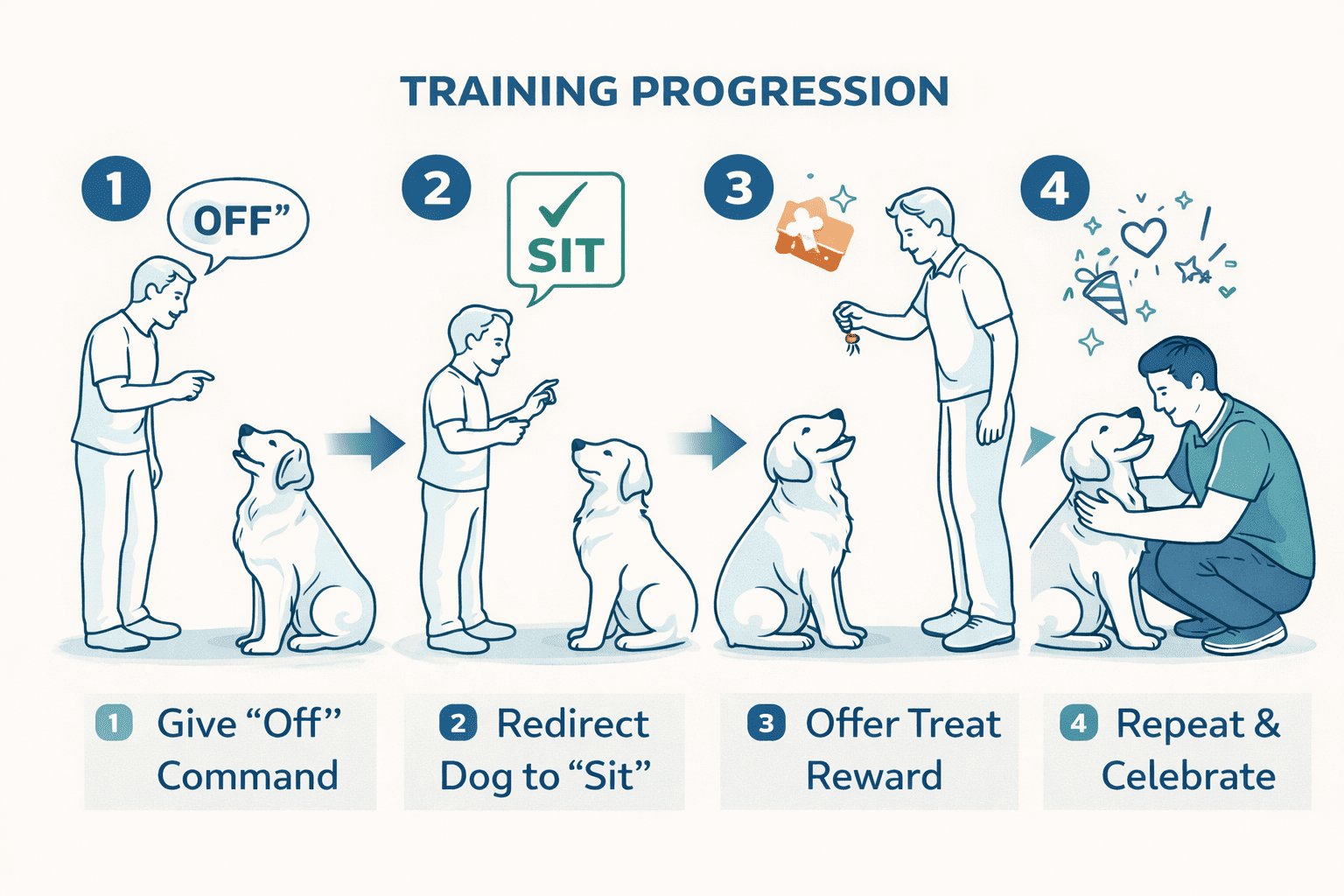
Puppies naturally explore with their mouths, so owners should plan to give teeth something appropriate to chew. Any time a puppy goes for hands, feet, or clothing, calmly freeze, then redirect the mouth to a chew toy. Praise as soon as the puppy bites the toy instead of skin. Keeping toys within reach in every room, and clipping a tug or soft chew to a belt during play, makes it easy to swap body parts for safe objects before bad habits form.
Best toys for teething puppies
Teething puppies need safe, durable, and interesting chew toys to protect human skin and household items. Good options include soft rubber chew toys, frozen rubber or fabric toys to cool sore gums, rope toys for supervised tug, and treat or kibble-dispensing toys that keep puppies busy. Avoid very hard bones, cooked bones, toys small enough to swallow, or items with loose parts that can be chewed off.
Teach “take it” and “drop it” cues
Teaching “take it” and “drop it” makes redirecting biting much easier. Start in a quiet place. Hold a toy, say “take it” in a cheerful voice, then offer the toy. When the puppy mouths the toy, praise gently. Practice until the cue predicts permission to grab the toy.
Next, teach “drop it”. Offer the toy, then present a high‑value treat to the puppy’s nose and say “drop it” once. Most puppies release the toy to eat. Mark the moment the toy falls, give the treat, then return the toy so the puppy learns letting go does not mean fun is over. Repeat in short, positive sessions.
Step 5: Use Calm Time-Outs, Not Punishment
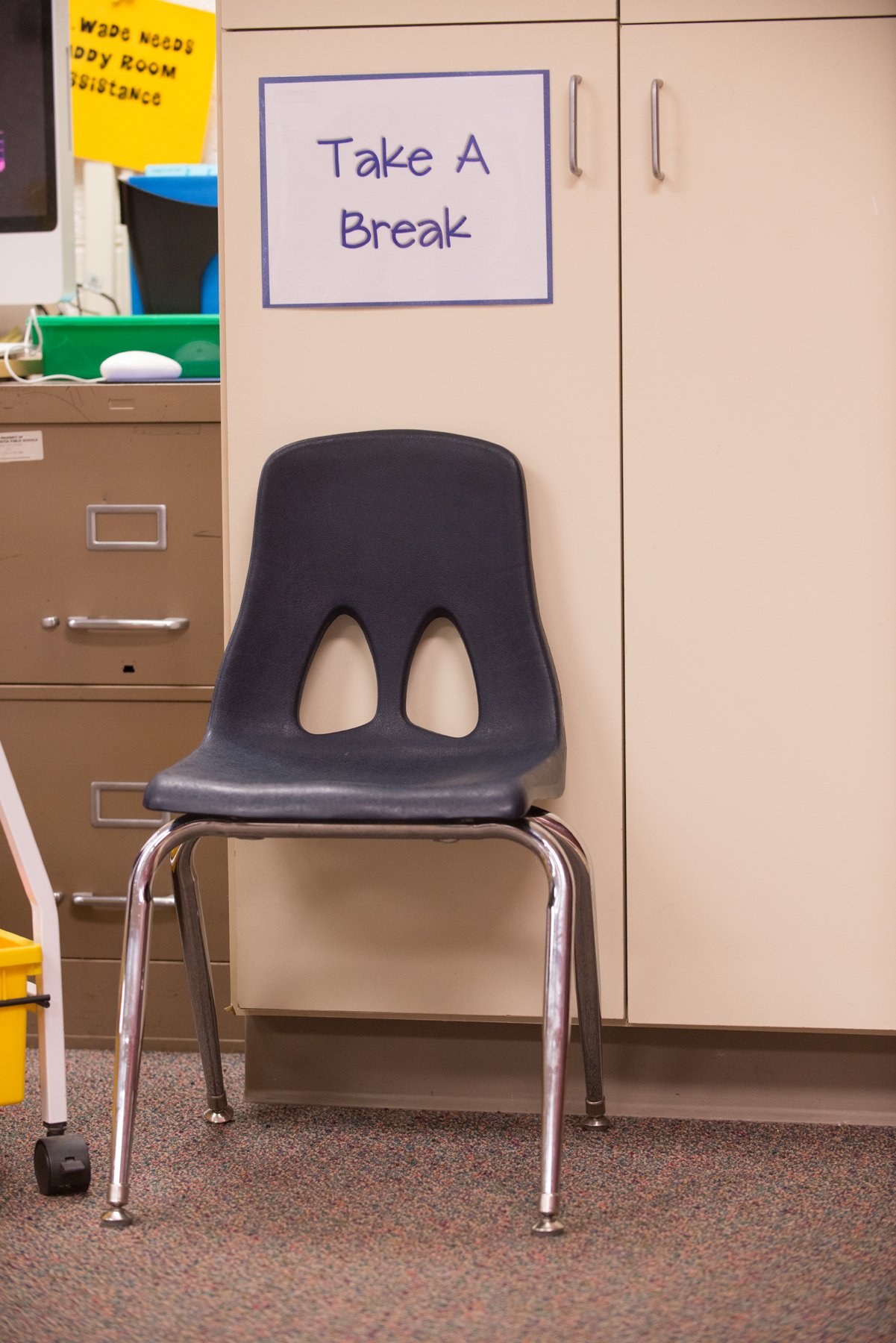
Calm time-outs help puppies understand that biting makes fun stop, without creating fear. Instead of scolding or physical punishment, the goal is to briefly remove attention and excitement. Puppies who are punished can become anxious or defensive, and biting may even increase. A short, quiet pause teaches self-control, protects trust in the owner, and supports all the other training steps introduced for puppy biting.
When to give a brief time-out
A brief time-out is helpful when a puppy becomes overexcited and cannot stop biting, even after redirection to toys or a short pause in play. Use it when biting is hard enough to hurt, when clothes or hair are targeted, or when jumping and nipping happen together. Time-outs are also useful during the “evening zoomies” if gentle cues fail. The goal is to give the puppy 30–60 seconds of calm separation, not to scare or punish.
Common time-out mistakes
Many owners accidentally turn time-outs into a new game. Chasing a puppy to catch it, talking during the time-out, or scolding repeatedly can give extra attention and increase excitement. Time-outs must be short, calm, and boring. Avoid using the crate as a punishment space, leaving the puppy too long, or applying time-outs for fear-based biting, where professional advice is more appropriate.
Step 6: Fix Biting Caused by Extra Energy
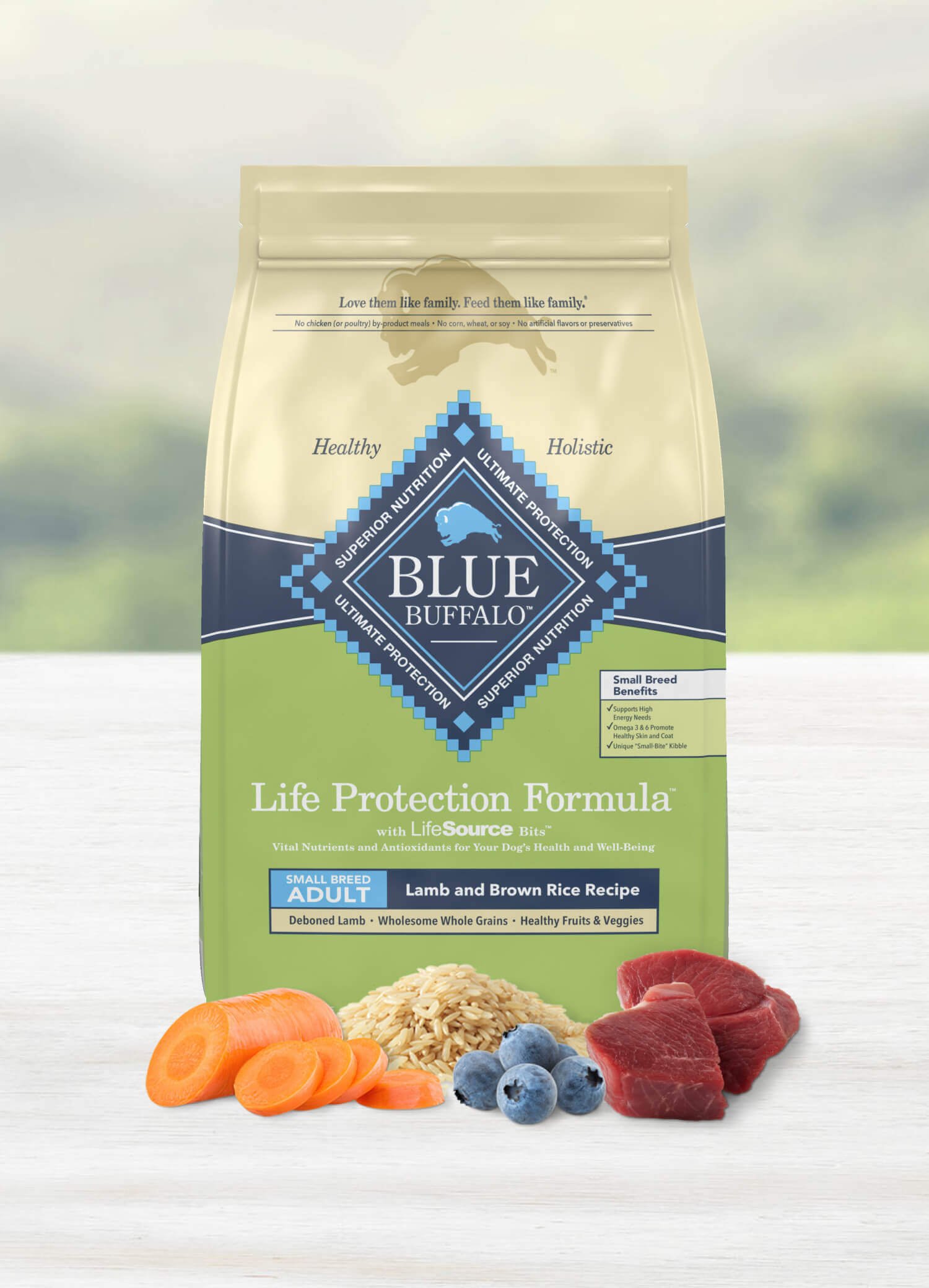
Puppies often bite more when they are overexcited or under-exercised. Excess energy quickly turns into jumping, grabbing clothes, and nipping hands or ankles. In many homes, difficult times are predictable, such as early morning or evening. By planning structured exercise, brain games, and calm downtime before those busy periods, owners can prevent a lot of biting. The key is to meet the puppy’s physical and mental needs before frustration builds into rough behavior.
Age-appropriate exercise ideas
Puppy biting often worsens when energy is not used in a safe, age-appropriate way. Hard exercise is not suitable for growing joints, so gentle movement is best.
| Puppy age (approx.) | Safe exercise ideas | Notes |
|---|---|---|
| 8–12 weeks | Short play indoors, gentle tug, brief sniffy walks in the yard | Several 5-minute sessions per day |
| 3–6 months | ||
| Short walks on soft ground, fetch on grass, controlled play with calm dogs | Avoid long runs and stairs | |
| 6–12 months | ||
| Longer walks, simple hiking, slightly longer fetch sessions | Increase time gradually, watch for fatigue |
As a guideline, aim for about 5 minutes of walk per month of age, up to twice daily, while monitoring the puppy’s condition closely.
Mental games that tire puppies out
Mental stimulation can tire a puppy more efficiently than long walks. Aim for several short sessions each day. Simple nose-work games are very effective: scatter kibble on the floor or in the yard and let the puppy search. Food puzzle toys, snuffle mats, and stuffed Kongs turn mealtime into a brain workout and reduce biting triggered by boredom.
Training games also use a lot of mental energy. Practice short sessions of sit, down, stay, and come, rewarding calm focus. "Find it" with hidden treats, basic trick training, and gentle tug with clear rules all help. A mentally satisfied puppy is less likely to nip out of frustration or excess energy.
Step 7: Reward Calm, Polite Behavior
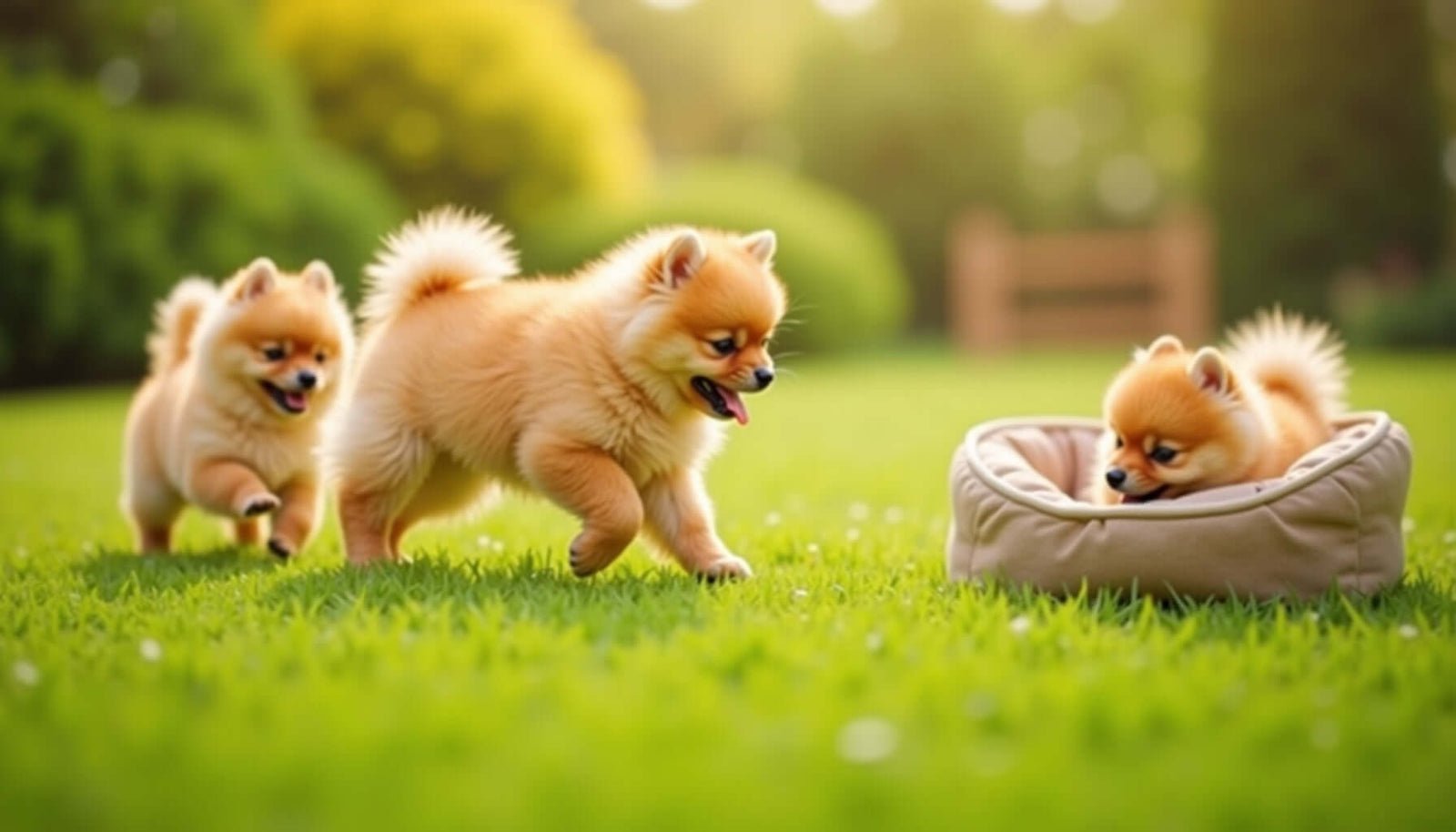
Calm, polite behavior should always pay off for a puppy. Puppies quickly repeat what brings rewards, so owners are encouraged to notice quiet moments, loose bodies, and gentle choices. Offer tiny treats, soft praise, or a short game whenever the puppy sits, lies down, or waits politely. Over time, biting and jumping feel less rewarding, while calm behavior consistently leads to attention and fun.
Mark and reward four paws on the floor
Puppies repeat behaviors that work well, so calmly marking and rewarding “four paws on the floor” is very effective. The moment the puppy stands or sits with all paws on the ground, say a clear marker word such as “Yes!” or use a clicker, then give a small treat or start play. Ignore jumping and only give attention when the puppy is grounded. Over time, the puppy learns that polite, calm posture reliably earns rewards and human contact.
Simple training you can do daily
Short, daily sessions help puppies learn faster. Aim for 3–5 minutes, a few times a day, rather than one long lesson. Rotate simple skills that reduce biting:
- Sit and wait for attention before being petted or given a toy
- Hand target (touch): nose to hand, then reward, to redirect from hands
- Leave it: reward looking away from hands or moving toys
- Settle on a mat: reward calm lying down after play
Always use tiny treats or toys as rewards, keep a cheerful voice, and end while the puppy still enjoys training.
Training Puppy Biting: Mistakes to Avoid
Puppy biting often becomes worse because of well‑intentioned but unhelpful reactions from humans. Common mistakes include reacting with big drama, pushing the puppy away with hands, playing rough wrestling games, allowing biting “because they are small,” and using punishment instead of training. These actions can confuse the puppy, turn biting into a fun game, or even create fear. Avoiding such habits makes later training faster, clearer, and much safer for everyone.
Why yelling and smacking backfire
Yelling or smacking may stop a puppy for a moment, but it usually increases fear and arousal rather than teaching better choices. Puppies often become more excited or learn to avoid hands and people, not biting. Harsh reactions can damage trust, create anxiety, and even lead to defensive aggression later. Gentle, consistent training helps a puppy understand what to do instead and supports a safe, happy bond.
Rough play that encourages nipping
Rough play often teaches puppies to use their teeth harder. Wrestling on the floor, waving hands near the mouth, or encouraging the puppy to "get" sleeves can all lead to more nipping. Tug is fine when controlled, but stopping as soon as teeth touch skin is important. For safer play, use toys with handles, keep feet and hands out of reach, and reward calm behavior instead of wild chasing of people.
Keeping Kids and Guests Safe
Puppies, children, and excited visitors can be a risky mix, so planning safe interactions in advance is essential. Prepare a calm area, such as a crate, pen, or gated room, where the puppy can rest when play becomes too lively. Ask guests to ignore jumping and nipping, and to reward only calm behavior. Short, supervised sessions prevent the puppy from practicing rough play and protect everyone from accidental bites.
Ground rules for children and puppies
Children and puppies both need clear, simple rules to stay safe. Adults should explain that the puppy is not a toy and must be treated gently. Basic rules often include: no hugging, no pulling ears or tail, no climbing on the puppy, and no taking food or toys from the puppy’s mouth. Children sit or kneel to interact, use quiet voices, and offer hands from the side, not over the head. Adults must always supervise and calmly end play at the first sign of roughness from either side.
How to greet and handle puppies safely
Safe greetings teach puppies that people are predictable and gentle. Ask visitors to ignore the puppy at first. Once the puppy has all four paws on the floor, invite the person to crouch sideways, avoid staring, and offer a hand to sniff. Gentle strokes on the chest or shoulder are safer than patting the head. Lift puppies only with full body support, and stop handling immediately if any puppy shows stress or tries to wriggle away.
Signs Biting May Be Aggression
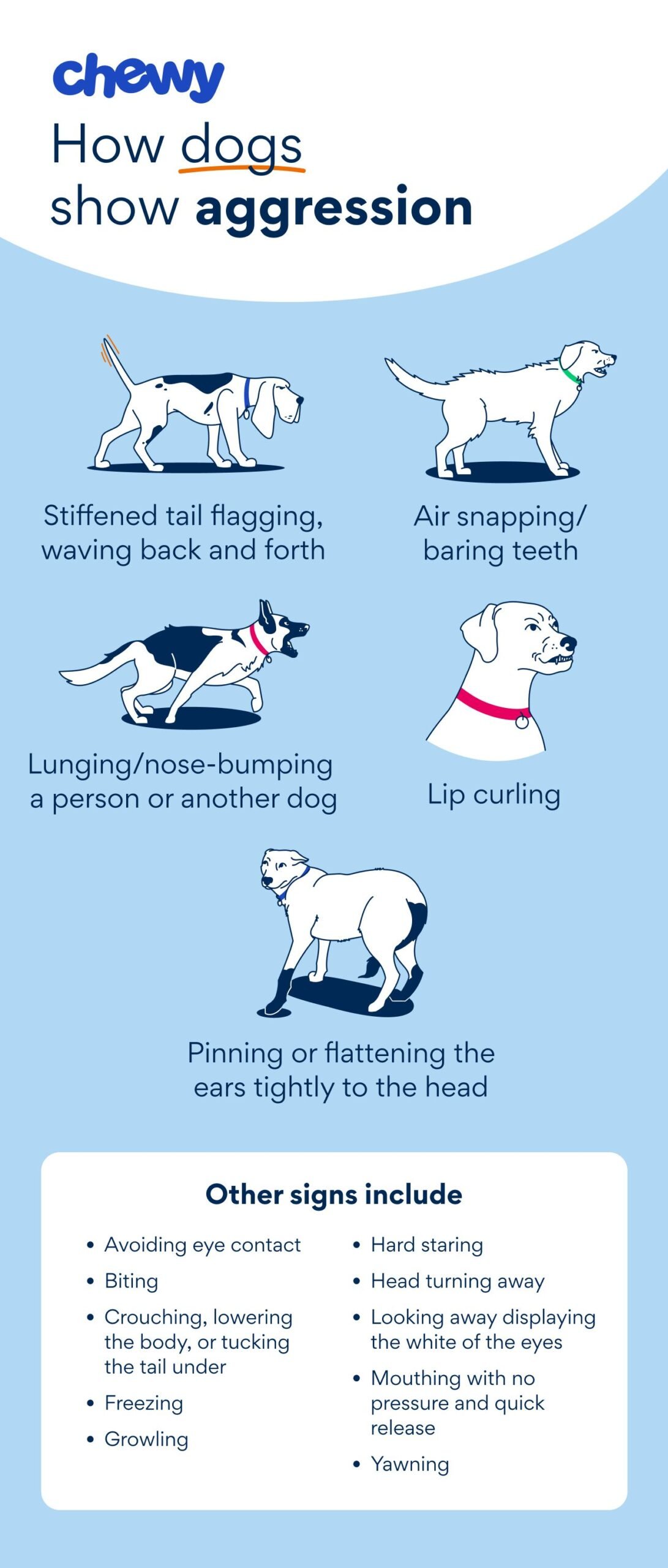
Puppy mouthing is usually normal, but true aggression has a different feel. Warning signs include stiff, tense body, hard staring, growling with a low tone, and lunging to bite rather than playful nipping. Bites that leave bruises or punctures, especially without much warning, are concerning. If the puppy guards food, toys, or space with snarling or snapping, the behavior may be beyond typical play and needs prompt, professional guidance.
Body language that signals trouble
Some puppy body language suggests true discomfort or aggression, not normal play. Warning signs include a stiff, frozen body, hard staring, lips pulled tight, and a low growl that does not sound playful. The tail may be held high and rigid, or tucked tightly.
Also watch for repeated snapping, lunging, or biting that happens outside of play, especially when a person reaches for food, toys, or the puppy’s body. Raised hackles (hair standing up along the back) and a puppy that cannot be easily calmed are further red flags.
When to call your vet or trainer
Persistent or worrying biting should prompt early consultation with a professional. Contact a veterinarian when biting appears suddenly, is paired with pain, illness, or behavior change, or occurs when the puppy is handled in specific areas. Medical issues such as dental pain or injury can increase irritability.
A qualified trainer or behaviorist should be contacted when biting is frequent, intense, hard to interrupt, or directed at faces, children, or guests. Seek urgent help if there are deep punctures, repeated bites in quick succession, or if owners feel afraid of their puppy.
Getting Extra Help With Your Puppy
Puppy biting sometimes feels overwhelming, even with careful training. In such cases, early support from professionals is very effective. A veterinarian can rule out pain or illness that may increase irritability. Certified trainers or behavior specialists can assess the home environment, teach safe handling, and create a step‑by‑step plan tailored to the puppy and family. Seeking help is not a failure; it is a smart way to prevent long‑term behavior problems and protect children, guests, and the dog.
Choosing a good puppy class
A good puppy class focuses on reward‑based methods, small class sizes, and safety. Look for instructors who allow gentle, controlled puppy play, explain body language, and give each owner individual feedback. Avoid classes that rely on punishment, choke or prong collars, or flooding shy puppies. A clear curriculum, written homework, and time for questions are strong signs of a well‑run, supportive class.
Finding a qualified dog trainer
A good trainer should use reward-based, force-free methods and be happy to explain the training plan. Look for certifications from reputable bodies (such as CCPDT or IAABC), clear service contracts, and insurance. Before signing up, ask to observe a session, check how dogs and owners seem to feel, and read reviews. Avoid anyone who uses pain, fear, or guarantees to “fix” behavior quickly, as this can worsen biting problems.
This article explains the reasons why puppies bite, and provides a clear explanation of seven steps to gently stop biting, including establishing rules for playtime, teaching gentle biting, signaling "game over," using alternative toys, time-outs, and adjusting exercise levels. It also covers dangerous signs and when to consult a professional.















![Dog Names! [Female]](https://with-my-dog.com/wp-content/uploads/2022/07/image2-43-300x217.jpg)