

Neutering your dog is said to have many benefits, not only preventing unwanted breeding but also reducing the risk of disease and stabilizing their temperament. However, many owners have anxieties and questions such as, "How much does it actually cost?", "Can I use insurance?", and "Is it really good for their health?". This article will provide information to help you make the best choice for your dog, from the average cost of neutering dogs as of 2024 to the health and behavioral benefits and points to note.
What neutering is and why it matters

Neutering is a routine surgery where a male dog’s testicles are removed so he can no longer father puppies. The procedure lowers hormone levels, especially testosterone. As a result, neutering can improve health, reduce some unwanted behaviors, and help prevent accidental litters. For many families, it is a one‑time investment that supports both a dog’s long‑term wellbeing and community animal welfare.
Neutering vs spaying: quick definitions
Spaying and neutering are both surgical sterilization, but for different sexes. Neutering usually means removing a male dog’s testicles (castration) so he cannot make puppies and produces fewer sex hormones. Spaying means removing a female dog’s ovaries, usually with the uterus, so she no longer comes into heat or becomes pregnant. Both surgeries aim to prevent unwanted litters and lower certain health and behavior risks.
How the surgery is done for male dogs
During neutering, a male dog receives general anesthesia so he is fully asleep and pain‑free. The vet makes a small incision in front of the scrotum, removes both testicles, then ties off the blood vessels and spermatic cords. The skin is closed with stitches or skin glue. Most dogs go home the same day with pain relief and an e‑collar, and normal activity is restricted for about 10–14 days while the wound heals.
Health benefits of neutering your dog
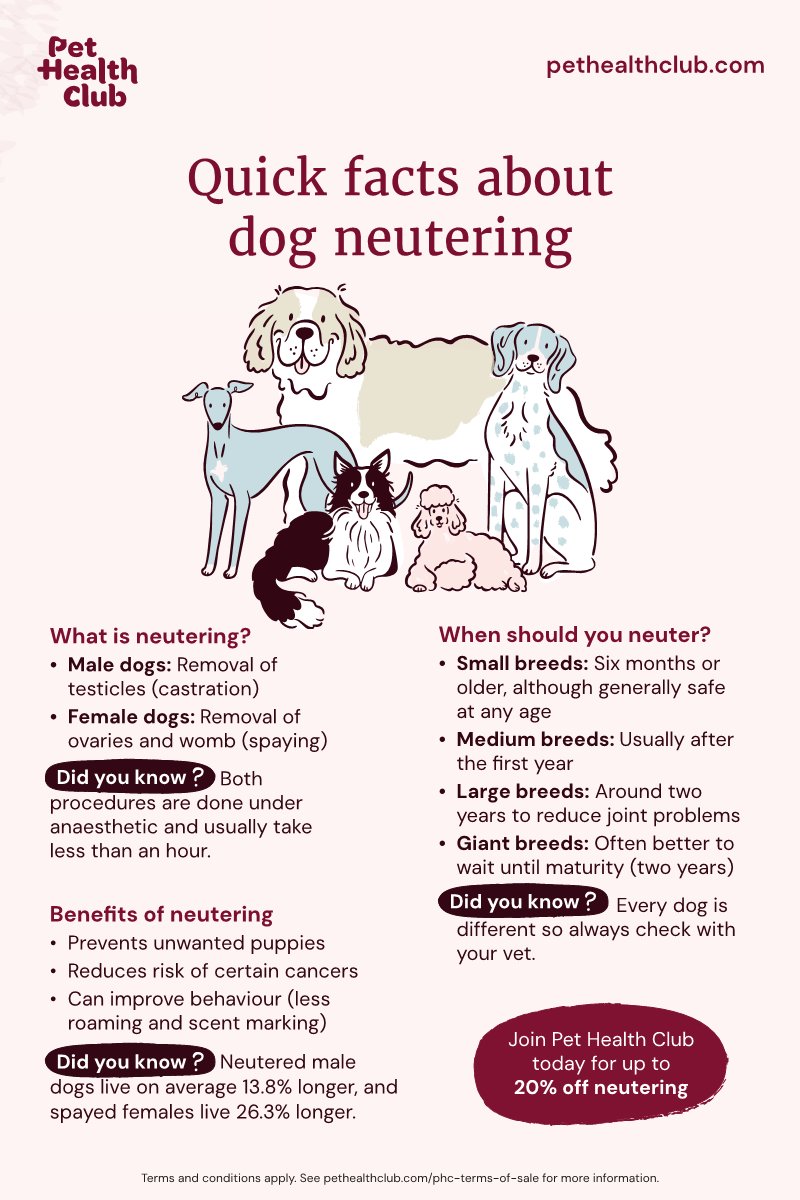
Neutering offers both health and behavior benefits for male dogs. By removing the testicles, the surgery lowers testosterone, which reduces the risk of several serious diseases and some problem behaviors. Many neutered dogs are less likely to roam, fight, or mark indoors, which improves safety and reduces injury risk. Neutering also helps control unwanted litters, which protects community shelter resources and overall canine welfare.
Reduced cancer and tumor risks
Neutering reduces several serious cancer risks for male dogs. The biggest effect is on testicular cancer, which is essentially eliminated once the testicles are removed. In addition, the chance of certain perianal tumors and some prostate‑related problems often becomes lower after surgery. The overall benefit is especially important for dogs expected to live many years, because cancer risk generally rises with age.
Fewer hormone‑driven diseases
Hormones such as testosterone affect many organs, so neutering can prevent several hormone‑driven problems. Common examples include benign prostatic enlargement, perianal adenomas (anal-area tumors), and some prostate infections. Neutered males also show lower risk of certain hernias and hormone-linked skin issues. By removing the testes, hormone levels fall, which helps protect long‑term urinary and reproductive health and can improve overall comfort in senior years.
Behavior changes that affect safety
Hormones strongly influence behavior, so neutering often leads to calmer, safer conduct. Many male dogs show less roaming, urine‑marking, mounting, and same‑sex aggression after surgery. Reduced roaming lowers the risk of car accidents or getting lost. Fighting may decrease, which can mean fewer bite injuries and emergency vet visits. However, training and socialization remain essential, because surgery alone does not solve all behavior problems.
Population control and community health
Uncontrolled breeding leads to more dogs than available homes, which results in shelter overcrowding and euthanasia. Neutering directly reduces unplanned litters and helps lower intake at shelters and rescues. Fewer stray and roaming dogs also means fewer dog bites, car accidents, and noise complaints. In many regions, widespread neutering helps control infectious diseases such as rabies, improving overall community health and safety for people and pets.
Possible risks and side effects
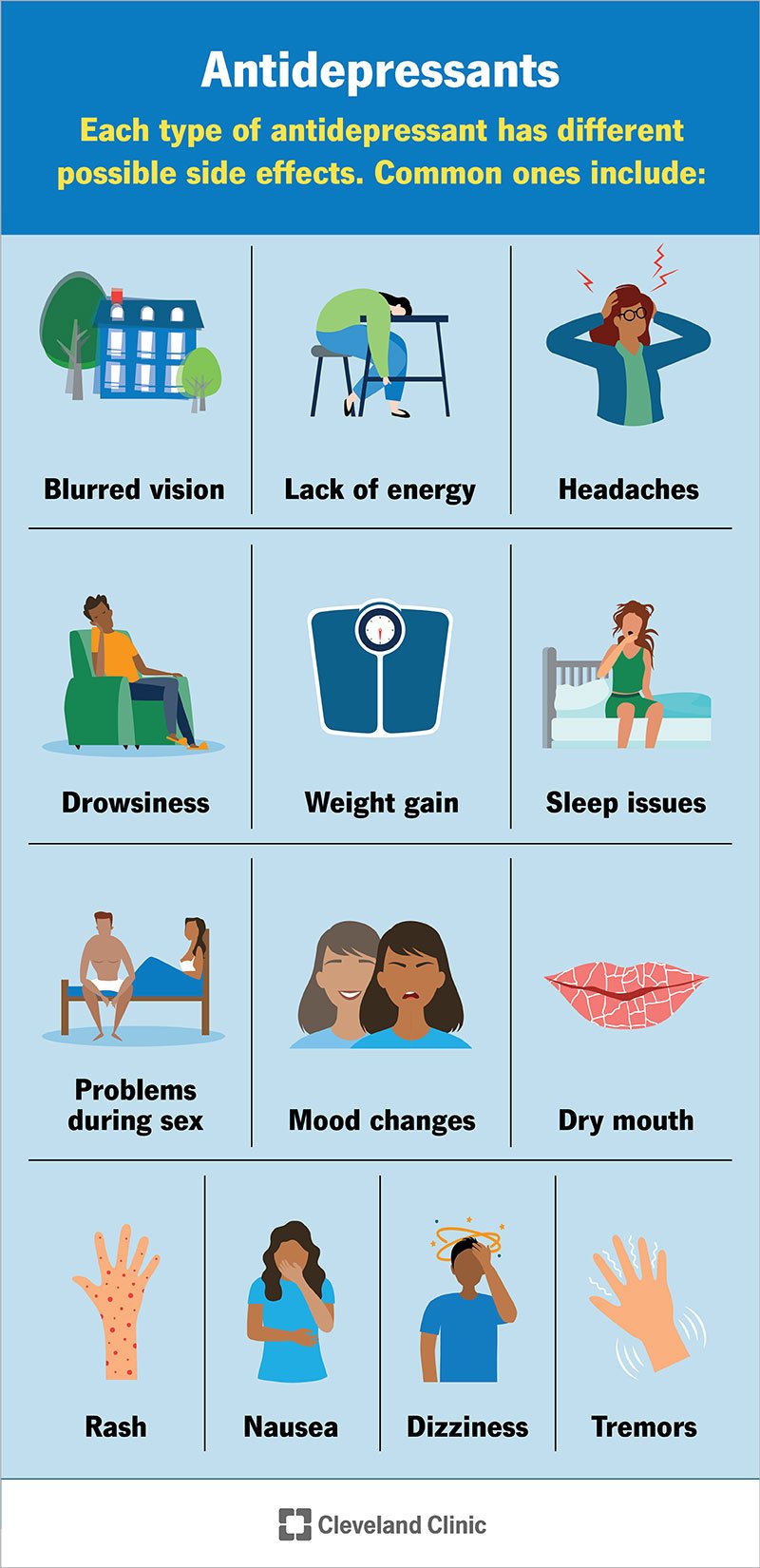
Neutering is generally very safe, but no surgery is completely risk‑free. Dog owners should understand both short‑term and long‑term effects. In the short term, possible issues include anesthetic reactions, bleeding, infection, and wound‑licking that slows healing. Over the long term, neutered dogs may have a slightly higher risk of weight gain, some joint issues, or certain tumors, especially in large breeds. Good veterinary planning and careful home care greatly reduce most of these concerns.
Short‑term surgical risks
Short‑term risks mainly occur during or soon after surgery. They include reactions to anesthesia, bleeding, infection at the incision, and swelling or bruising of the scrotal area. Most healthy dogs have only mild discomfort.
Warning signs after surgery include continuous bleeding, severe swelling, lethargy, vomiting, or refusal to eat or drink. Owners should contact a veterinarian promptly if any such symptoms appear.
Long‑term health considerations
Neutering usually supports long‑term health, but owners should understand potential lifelong effects. Hormone changes can slightly increase risk of weight gain, joint stress, and in some breeds, cruciate ligament injuries. Some studies suggest links to certain cancers (like lymphoma or bone cancer) in large breeds when surgery is done very early. Careful timing, tailored diet, and appropriate exercise help protect long‑term health while keeping neutering’s benefits.
How to lower the risks for your dog
Risk can never be zero, but owners can significantly lower neutering complications with a few steps. First, choose a clinic that performs many spay/neuter surgeries, uses modern anesthesia, and provides written aftercare instructions. Pre‑surgical bloodwork is strongly recommended for older dogs or those with health issues.
Before surgery, follow fasting instructions exactly and inform the vet about all medications and supplements. After surgery, strict rest and cone use greatly reduce infection and wound problems. Check the incision daily, keep the area dry and clean, and contact the clinic promptly for swelling, bad odor, or lethargy.
Dog neuter cost in 2024: price overview
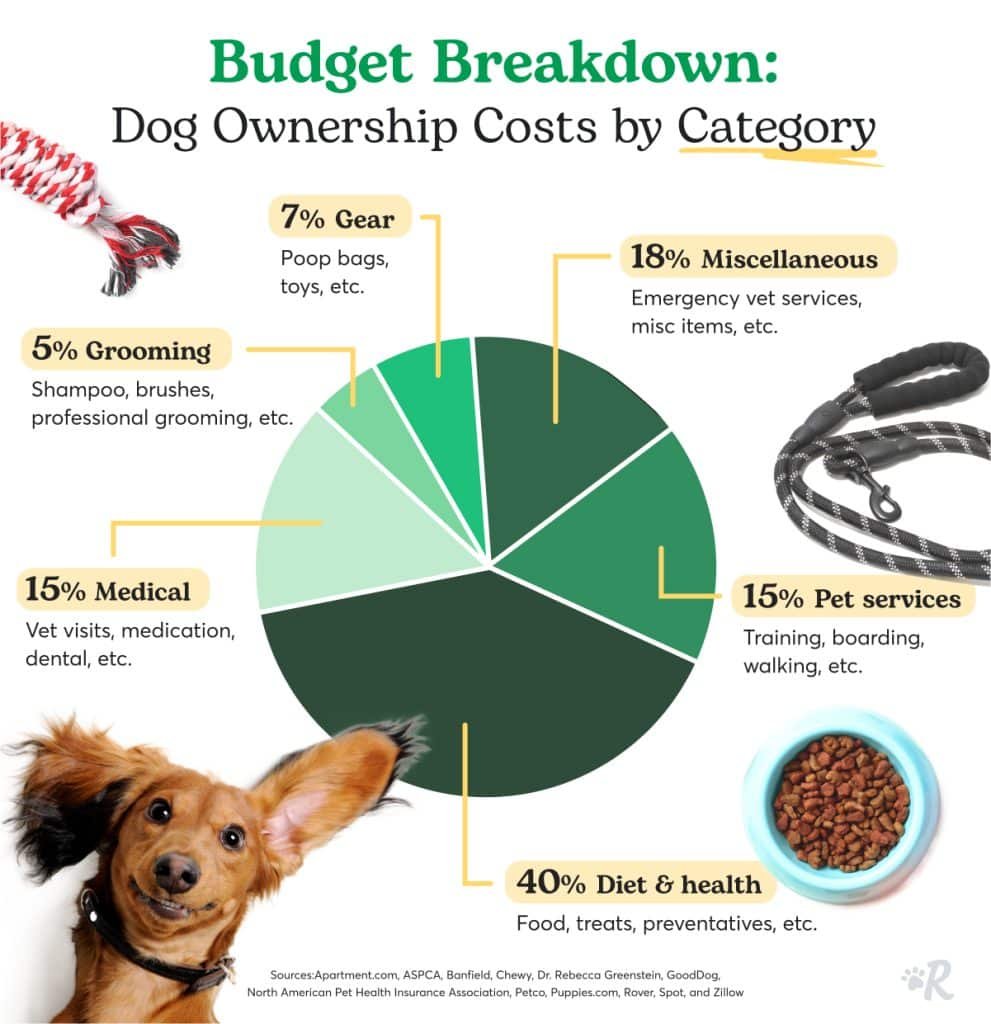
Dog neuter cost in 2024 varies widely, but most owners can expect around $100–$500 for a standard procedure. The price depends on clinic type, region, and the dog’s size and health. Low‑cost programs and shelters may charge under $100, while full‑service hospitals with extensive monitoring can be higher. Understanding the typical range first makes it easier to judge whether a quote is reasonable and where potential savings are possible.
Typical price ranges by clinic type
Neuter fees vary widely by where the surgery is done. As a rough guide in 2024, full‑service veterinary hospitals often charge around $250–$600+ for a male dog, reflecting longer appointments, advanced monitoring, and individualized care. Low‑cost or nonprofit clinics frequently range from $75–$250, focusing on high‑volume, standardized procedures. Municipal or shelter programs may offer heavily discounted or even free neutering for eligible owners, usually with fewer optional extras.
How size, age, and breed affect price
Size, age, and breed strongly influence neuter cost. In general, larger and older dogs cost more because surgery takes longer, requires more anesthesia, and often needs higher drug doses.
| Factor | Tends to be cheaper | Tends to be more expensive |
|---|---|---|
| Size | Under ~20–25 lbs | Over ~60–70 lbs |
| Age | Young, healthy adult | Senior or with conditions |
| Breed | Short‑snout risk low | Brachycephalic (e.g., French Bulldog), deep‑chested (e.g., Great Dane) |
Certain breeds may need extra monitoring, pain control, or pre‑op testing, which can add to the final fee.
City vs rural and regional price gaps
Neuter prices often vary by location. Urban clinics usually charge more because rent, staff wages, and equipment costs are higher. In contrast, rural veterinarians may offer lower base fees, but owners sometimes travel farther and have fewer low‑cost programs.
Regional differences also appear. Coastal and high‑cost‑of‑living areas tend to have higher fees, while regions with strong shelter networks or spay/neuter grants may offer very affordable packages.
Health dog neuter cost: what you pay for
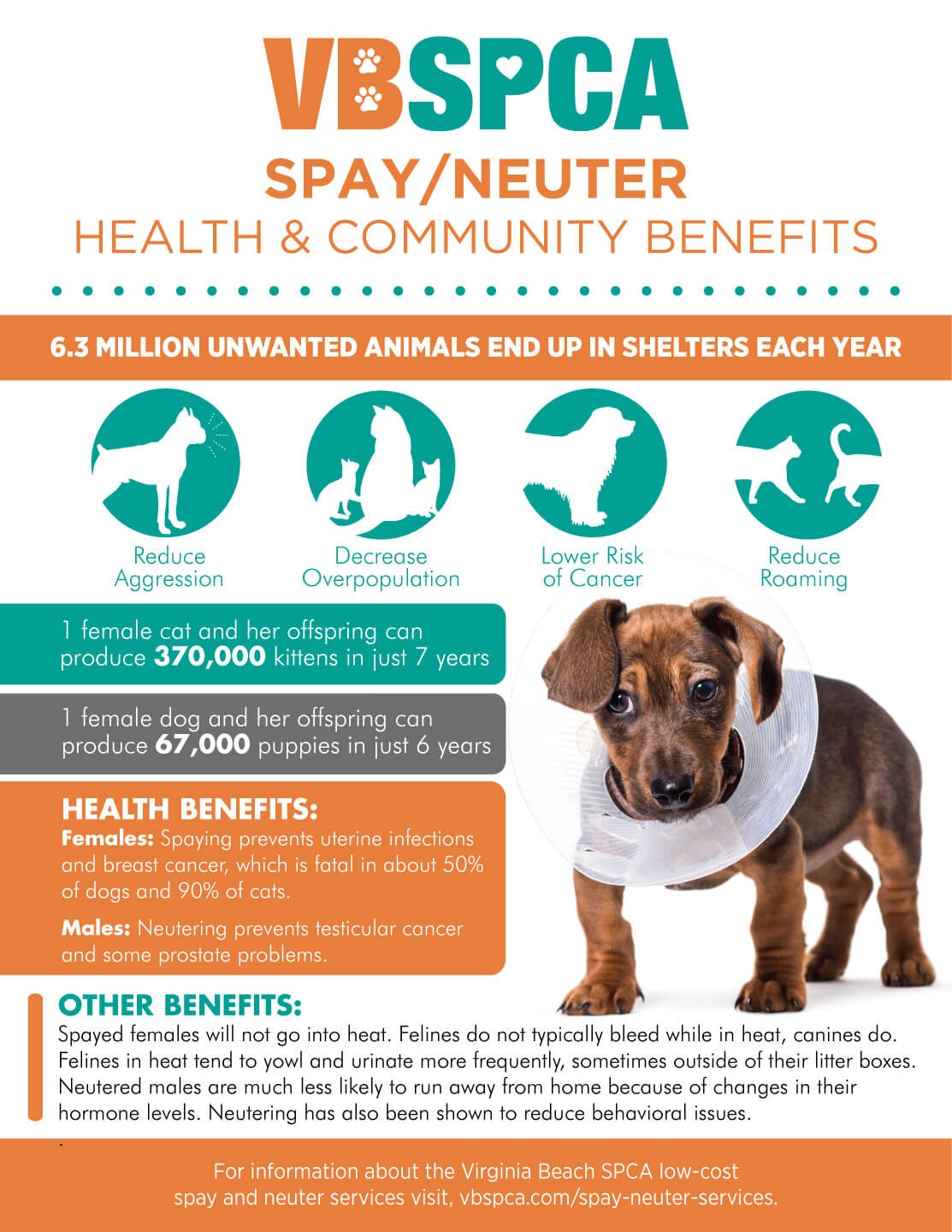
Many owners focus on the price number, but the “health dog neuter cost” is really a bundle of medical services. The fee usually reflects the skill of the surgical team, the quality of anesthesia and monitoring, and how safely pain is managed. In other words, a slightly higher cost often means better equipment, stronger infection control, and more thorough care before, during, and after surgery. Understanding what is included helps owners judge value, not only the cheapest quote.
What’s usually included in the fee
Most “neuter packages” cover the essential medical work for a safe surgery. In many clinics, the fee usually includes:
- Pre‑surgery exam to check overall health
- General anesthesia and monitoring
- The neuter operation itself
- Basic pain relief during or right after surgery
- Standard supplies such as sutures and bandages
Owners should confirm in advance exactly what is included in the quoted price.
Extra charges many owners don’t expect
Many owners are surprised by add‑on fees that are not in the basic quote. Common extra charges include pre‑anesthetic bloodwork, IV fluids, upgraded pain medication, e‑collars, and post‑op recheck visits. Some clinics also bill separately for lab tests, nail trims, or microchipping done during surgery. Always ask for a written, itemized estimate so total neuter cost is clear before booking.
In‑heat, cryptorchid, and medical add‑ons
In many clinics, being in heat, having undescended testicles (cryptorchid), or needing extra medical support increases neuter cost.
| Situation | Why it costs more | Typical impact on fee |
|---|---|---|
| In heat (mostly for females) | Larger blood vessels, higher bleeding risk, longer surgery | Moderate increase |
| Cryptorchid male | Testicle search in abdomen, more delicate surgery | Moderate–high increase |
| Medical add‑ons | Heart disease, obesity, brachycephalic breeds, senior age | Varies; may require extra monitoring, medications, or tests |
Owners are advised to disclose any health history so the clinic can give a realistic estimate in advance.
Bloodwork, pain meds, and e‑collars
Bloodwork, pain medication, and e‑collars are often billed separately but strongly influence comfort and safety. Pre‑anesthetic bloodwork helps detect hidden issues such as kidney or liver problems, which can change anesthesia plans or timing. Pain relief (injection plus take‑home meds) is essential for humane recovery and can slightly increase the fee. An Elizabethan collar (e‑collar or soft cone) prevents licking and wound opening, which helps avoid far more expensive infection or re‑stitch visits.
Low‑cost and free neuter options
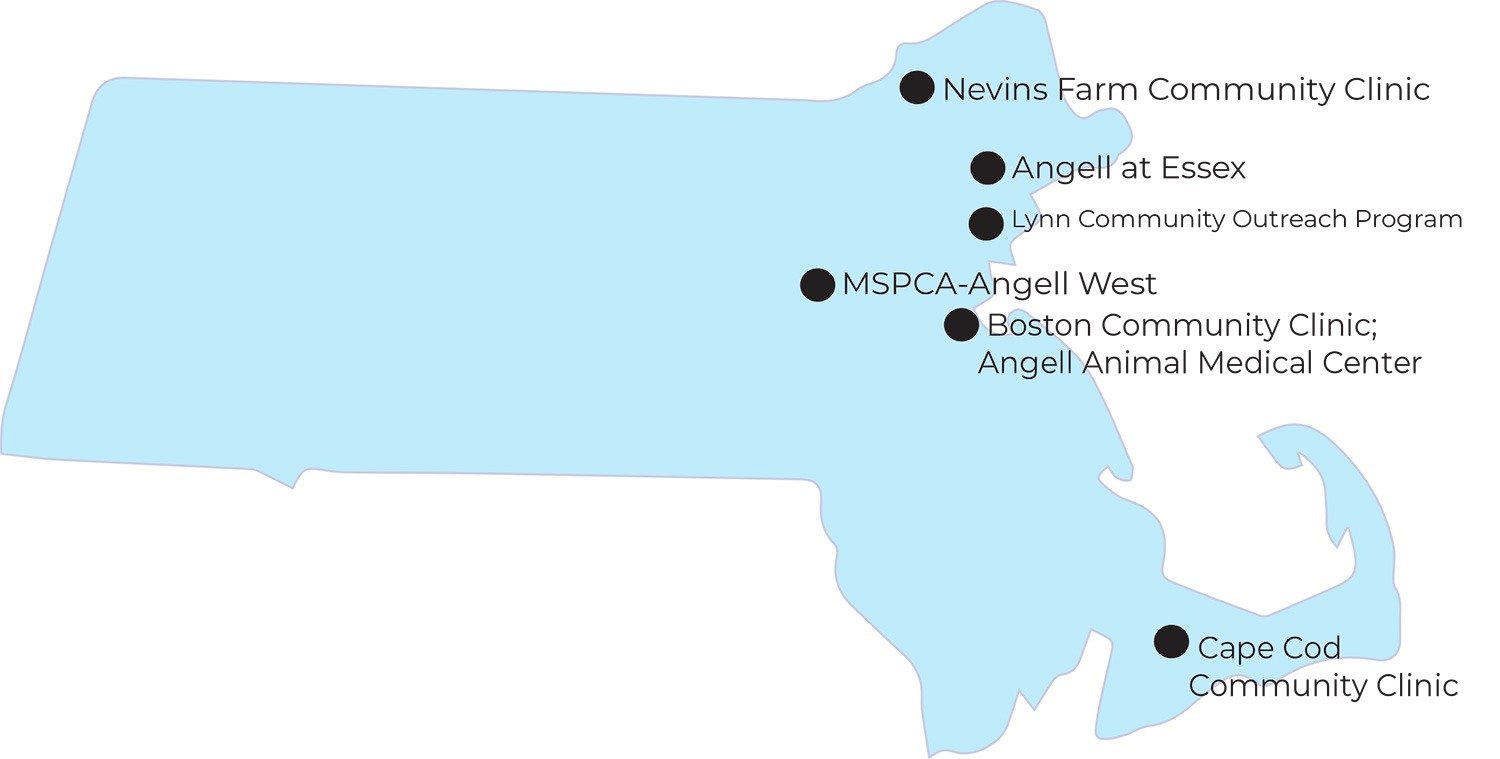
Neutering does not have to be expensive. Many areas offer low‑cost or even free surgery through animal shelters, humane societies, municipal programs, and veterinary schools. Fees are often reduced for low‑income owners, seniors, and people adopting from shelters. Owners who are flexible with dates and locations usually have more options, so early planning is very helpful for finding affordable care.
Nonprofit and shelter‑based clinics
Nonprofit organizations and animal shelters often run low‑cost or free neuter clinics funded by donations, grants, and local governments. Fees are usually lower than at private hospitals, but surgery standards and pain control are generally comparable. Many clinics prioritize low‑income owners, rescue dogs, and community animals, so early booking and income documents may be required. Checking each group’s website or social media helps confirm prices, dates, and eligibility.
Voucher and subsidy programs
By using vouchers and subsidy programs, you can get your pet spayed or neutered at a significantly lower price than usual, and in some cases, for free. Many of these programs are run by local governments, animal welfare organizations, animal shelters, and social welfare foundations, and often prioritize low-income households, the elderly, military personnel and veterans, and owners of rescue dogs.
Generally, you will need to submit an application form and provide proof of income and address. If approved, you will be issued a coupon or referral number that can be used at participating veterinary clinics. There are often deadlines and limits on the number of animals that can be spayed or neutered, so early information gathering and application are important.
How to find affordable vets near you
Finding an affordable vet starts with a broad, organized search. Begin by calling local humane societies, municipal shelters, and rescue groups; many keep updated lists of low‑cost partners. Next, check websites such as SpayUSA, state veterinary public‑health pages, and regional pet‑welfare coalitions. When comparing clinics, ask for a written estimate that breaks down every fee, confirm whether vaccines and bloodwork are required, and check online reviews focusing on cleanliness, pain control, and staff communication.
Is neutering worth the cost?
Many owners wonder if health dog neuter cost is really justified. In most cases, neutering is financially and medically worth the investment. The one‑time fee can prevent expensive problems such as testicular cancer, prostate disease, roaming injuries, and unplanned litters. Neutering also supports community welfare by reducing stray and shelter populations. When long‑term health, safety, and avoided vet bills are considered, the surgery cost is usually small compared with the overall benefits for both dog and owner.
Comparing surgery cost to future vet bills
Neutering often prevents expensive illnesses and emergencies later. A single surgery usually costs less than one major treatment for prostate disease, testicular cancer, or injuries from roaming and fighting.
| Expense type | Typical one‑time cost* |
|---|---|
| Neuter surgery | $150–$500 |
| Prostate enlargement treatment | $500–$1,500+ (often repeated) |
| Testicular cancer surgery | $1,000–$3,000+ |
| Hit‑by‑car or fight injuries | $1,000–$5,000+ |
Avoided litters also reduce food, vaccination, and rehoming costs. For most families, neutering is financially protective over a dog’s lifetime.
*Actual fees vary by region and clinic.
Balancing health benefits and risks
Neutering generally offers more health benefits than risks for most pet dogs, but the balance depends on age, breed, and lifestyle. Benefits include fewer hormone‑related cancers, less roaming, and lower risk of some emergencies. Potential downsides include slightly higher risk of weight gain and some joint issues, especially in large breeds neutered very early. Owners are encouraged to discuss timing and individual risk factors with a veterinarian, rather than relying on a one‑size‑fits‑all schedule.
Best age to neuter for health and budget

The “best” age combines health benefits, behavior needs, and budget. For many small and medium breeds, vets often recommend neutering around 6–9 months, before hormones are fully active. Large‑breed dogs may benefit from waiting longer for joint and bone development, which can mean higher costs but fewer orthopedic issues later. Very early neuter can be cheaper, yet delaying slightly can reduce some long‑term health risks. Owners are encouraged to discuss ideal timing and pricing with a veterinarian familiar with the individual dog’s breed and lifestyle.
Puppies, adolescents, and adult dogs
Age affects both health impact and surgery cost, so timing deserves careful thought.
| Life stage | Typical timing guidance* | Main points |
|---|---|---|
| Puppies | Around 6–9 months | Easier surgery, lower cost, helps prevent unwanted litters |
| Adolescents | About 9–18 months | Hormones already active; may still gain behavior benefits |
| Adult dogs | Any age if healthy, after vet check and bloodwork | Surgery can be slightly higher risk and price |
Exact timing should be decided with a veterinarian, considering breed, size, and behavior. Owners are encouraged to ask how age will change both health outlook and total neuter cost.*
Large‑breed timing considerations
Large breeds grow more slowly and place more stress on joints. Early neutering before growth plates close may slightly increase risks of hip dysplasia, cruciate ligament injury, and some cancers in certain breeds.
Many veterinarians now delay neutering large‑breed dogs until 12–18 months, or even 18–24 months for giant breeds, once bones and muscles mature. Ideal timing depends on breed, sex, and behavior, so consultation with a veterinarian familiar with large‑breed research is recommended.
Preparing your dog for surgery day
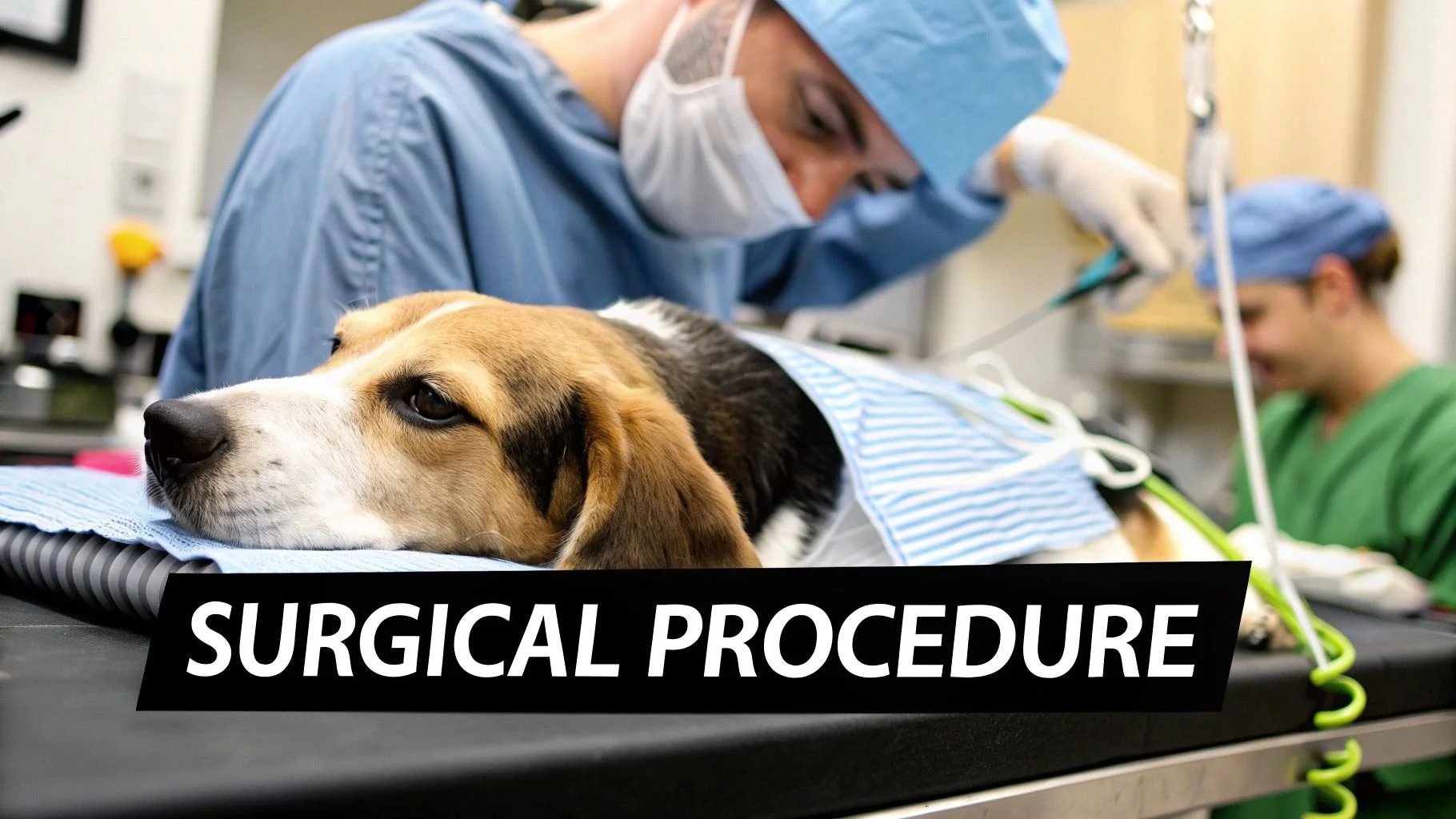
Surgery day is less stressful when a clear plan is in place. Follow clinic instructions exactly, especially for fasting, arrival time, and medication. Most dogs must skip breakfast and some evening snacks. Confirm what is allowed for water.
Use the night before for a calm walk, gentle play, and a chance to toilet. Prepare a quiet recovery space with a clean bed, blankets, and an e‑collar if recommended. Bring required paperwork, your dog’s ID, and any medications in original containers.
On the day, keep greetings low‑key to avoid excitement. A familiar blanket or toy in the carrier or car can help nervous dogs feel safer before neuter surgery.
Questions to ask about price and care
Before booking, owners should clarify both cost and care. Helpful questions include:
- What is the total estimate, and what exactly is included? (exam, bloodwork, anesthesia, pain relief, e‑collar)
- Are any possible extra fees common for age, size, or medical issues?
- Who monitors anesthesia, and what pain management is used?
- What are the expected recovery time, activity limits, and recheck schedule?
- How are emergencies handled after hours?
Pre‑op checklist for a safe procedure
A simple pre‑op routine helps keep surgery safer and smoother for dogs. Use the following checklist as a guide.
| Item | What owners should check |
|---|---|
| Fasting | Follow the vet’s instructions on food and water cut‑off time. |
| Medications | Confirm which regular medicines or supplements should be paused. |
| Health status | Postpone surgery if the dog has vomiting, diarrhea, cough, or lethargy. |
| Transport | Prepare a secure crate or harness for calm, safe travel. |
| Identification | Ensure tags and microchip details are up to date. |
| Paperwork & payment | Bring consent forms, vaccination records, and payment method. |
| Comfort items | Pack a blanket or toy to reduce stress if the clinic allows it. |
Owners who prepare in advance can reduce stress for both the dog and the veterinary team, and support a safer procedure.
Aftercare, recovery, and long‑term health
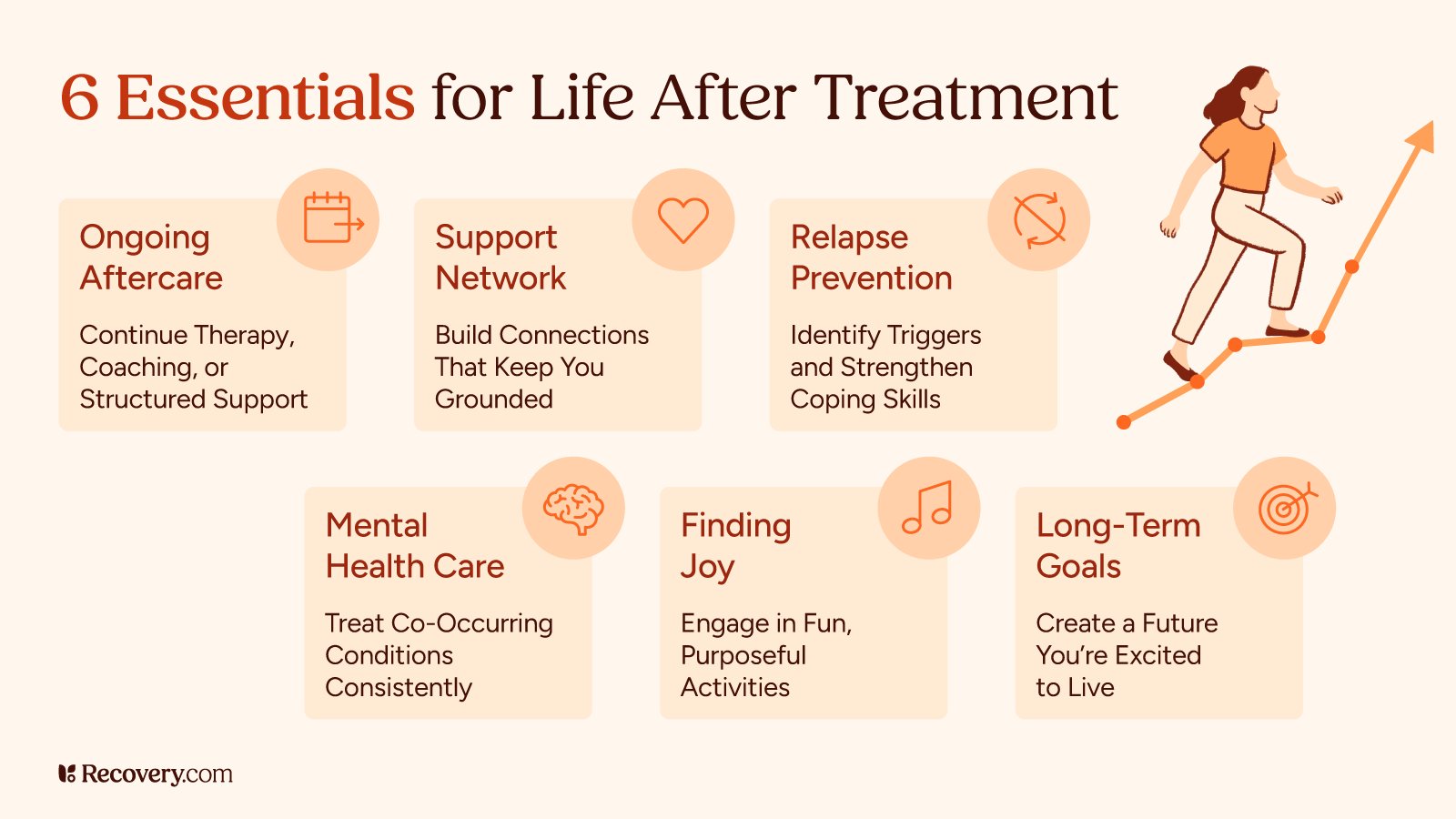
Neutering is routine surgery, but careful aftercare strongly influences outcome. Right after surgery, most dogs are groggy and must be kept warm, quiet, and closely monitored for breathing, bleeding, and pain. Over the next days, owners manage rest, short leash walks, and prevent licking of the incision with a cone or suit. Good recovery care lowers infection and complication risks, supporting better long‑term joint, urinary, and cancer prevention benefits linked with appropriate neutering timing.
Home care and healing timeline
Most dogs recover from neutering quickly, but quiet home care for 10–14 days is essential. Restrict running, jumping, and rough play; short leash walks for toileting are usually enough. Use an e‑collar or recovery suit at all times so licking does not open the incision.
Check the surgical site twice daily. Mild redness and slight swelling are normal, but contact a vet urgently for bad odor, pus, large swelling, or if stitches open. Call promptly as well for lethargy, vomiting, loss of appetite, or fever.
Many dogs act normal within 24 hours, but the skin and internal tissues need time to seal. Pain medication should be given exactly as instructed; do not add over‑the‑counter drugs without veterinary approval. Most vets schedule a recheck around 10–14 days, after which normal activity can usually resume if healing looks good.
Nutrition, weight, and exercise after neuter
After neutering, many dogs gain weight because metabolism slows while appetite often increases. Owners should reduce calories by about 10–20% compared with pre‑surgery portions and choose a high‑quality, balanced food. Monitor body condition every few weeks and adjust gradually.
Once the vet allows, daily low‑impact exercise such as walks and gentle play helps maintain muscle and joint health. Avoid sudden intense workouts after the rest period; build activity back up over 1–2 weeks. Consistent routine, measured meals, and limited treats support long‑term health after neutering.
How to choose a clinic you can trust
Choosing the right clinic affects both safety and overall cost. Start by checking that the clinic is licensed and AAHA or Fear Free certified, or follows recognized veterinary guidelines. Look for clear information on pricing, what is included, pain management, and emergency support. Reviews from other dog owners, staff responsiveness, and a clean, calm facility also signal a trustworthy place for neuter surgery.
Signs of a high‑quality, safe practice
A high‑quality clinic prioritizes safety, transparency, and hygiene. Look for modern, clean facilities, separate dog/cat areas, and calm handling by staff. The veterinarian should explain the procedure, risks, and costs in detail and provide written estimates. Safe practices include pre‑op exams, pain management, sterile equipment, and clear aftercare instructions. Positive reviews, accreditation, and up‑to‑date emergency protocols are also strong signs of trustworthy care.
When a bargain price may be a red flag
A low fee can be helpful, but extremely cheap neutering may signal cost‑cutting in safety or care. Warning signs include no pre‑surgery exam, unclear anesthesia plan, no pain control, or very rushed appointments. If staff avoid questions, refuse to explain complications or aftercare, or cannot confirm licensing and monitoring, the price advantage may not be worth the potential health risk for the dog.
This article provides a clear and objective explanation of the health benefits and risks of neutering dogs, the average costs and breakdown of additional fees as of 2024, low-cost and free options, appropriate ages for neutering, pre- and post-operative care, and how to choose a trustworthy veterinary hospital. The aim is to help you make the best decision while balancing cost and health.












![Dog diet [exercise]](http://with-my-dog.com/wp-content/uploads/2022/07/image2-37-150x150.jpg)