

Many dog owners become worried when they notice abnormalities in their dog's skin, such as itching, redness, dandruff, or hair loss, wondering, "Could it be a disease?" There are several common types of skin problems in dogs, and it's important to address them by not overlooking the early signs. This article clearly explains seven common types of skin problems in dogs and the health warning signs they indicate. It will be helpful as a guide when checking your dog's condition.
Understanding your dog’s skin health
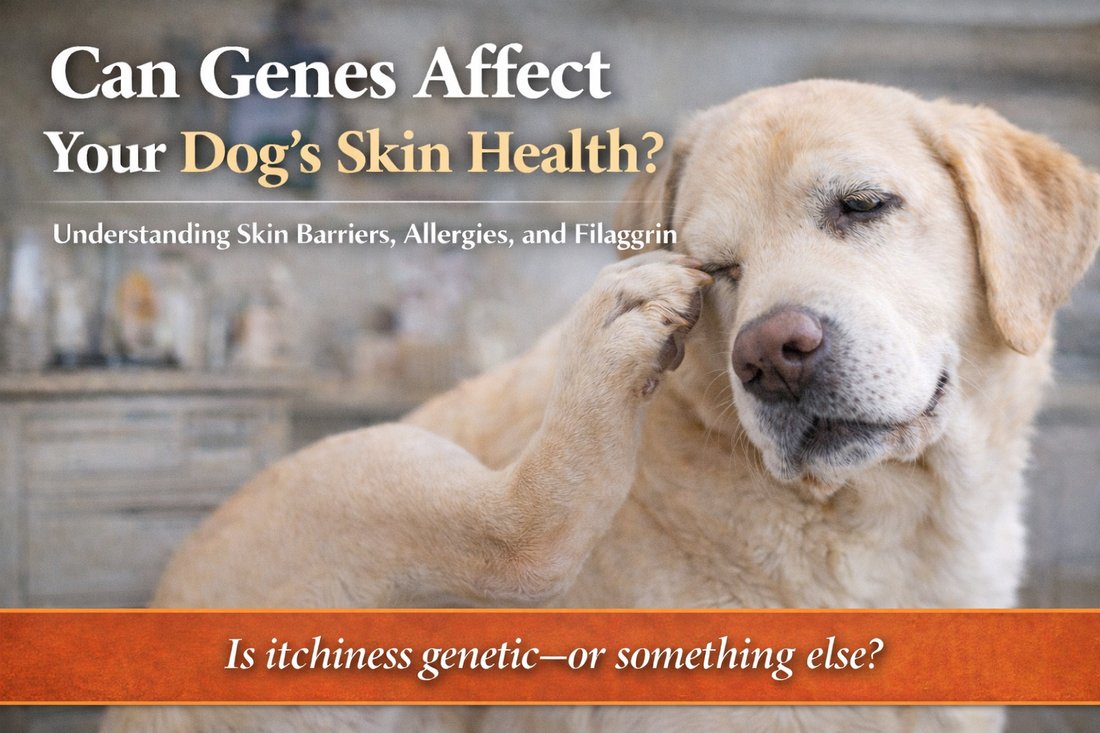
Healthy skin is a major part of a dog’s overall health. The skin acts as a protective barrier against germs, parasites, and injury, and helps control body temperature and hydration. When the skin is irritated or damaged, a dog may feel pain, itching, and stress, and hidden diseases can become worse.
A dog’s skin and coat reflect internal health. A healthy coat usually looks shiny or glossy, feels soft, and has minimal odor. The skin underneath should be smooth, light pink or pigmented, and free from scabs or thick crusts. Sudden changes in coat quality or skin appearance often signal an underlying problem that needs attention.
Early signs of skin trouble to watch for
Skin trouble in dogs often starts subtly. Early changes in the skin or coat are easier and cheaper to treat, so careful observation is important. Owners should watch for:
- New or increased scratching, licking, or chewing
- Redness, rashes, or small bumps
- Dandruff, greasy fur, or a dull coat
- Odor from skin, ears, or paws
- Localized hair loss or thinning areas
Any change that persists for more than a few days, worsens, or bothers the dog strongly should be discussed with a veterinarian.
Changes in coat and hair loss
Sudden thinning fur or patchy hair loss often signals skin trouble or overall illness. Owners may first notice dull coat, more shedding than usual, or areas where the skin shows through. Common locations are the tail base, belly, neck, around the ears, and paws. Hair may break easily, feel dry or greasy, or change shine. When hair loss appears with redness, smell, or itching, prompt veterinary consultation is recommended.
Redness, bumps, and rashes
Redness, small bumps, and rashes often signal active inflammation in a dog’s skin. Owners may notice pink to bright‑red areas, tiny raised spots like pimples, or a blotchy rash on the belly, groin, armpits, or between the toes. Causes range from allergies and insect bites to infections and contact with irritants such as grasses or cleaning products. Spreading, painful, or oozing redness requires prompt veterinary attention, as infection can progress quickly.
Itching, licking, and chewing
Persistent itching, licking, or chewing often means a dog is uncomfortable or in pain, even when the skin looks normal at first glance. Dogs may target paws, belly, tail base, or between toes. Constant licking can actually create open sores and infections, so the cycle becomes worse over time.
Common causes include allergies, parasites, minor injuries, and joint pain. Owners should note when the behavior occurs (after walks, at night, after food) and how long it lasts. If a dog wakes from sleep to scratch or focuses on one area until the fur thins, a veterinary check is strongly recommended.
Odor, discharge, and scabs
A bad smell from the skin, ears, or paws often means infection. A sour, cheesy, or musty odor suggests yeast, while a strong, "dirty" or pus‑like smell often points to bacteria. Discharge may appear as yellow, green, or bloody fluid, moist oozing patches, or sticky areas between toes and skin folds. As problems progress, crusts and scabs form where the skin has oozed and dried. Persistent odor, wet or bleeding scabs, or discharge from wounds, ears, or around the anus requires prompt veterinary attention, because infection can spread and cause significant pain.
7 major types of dog skin problems
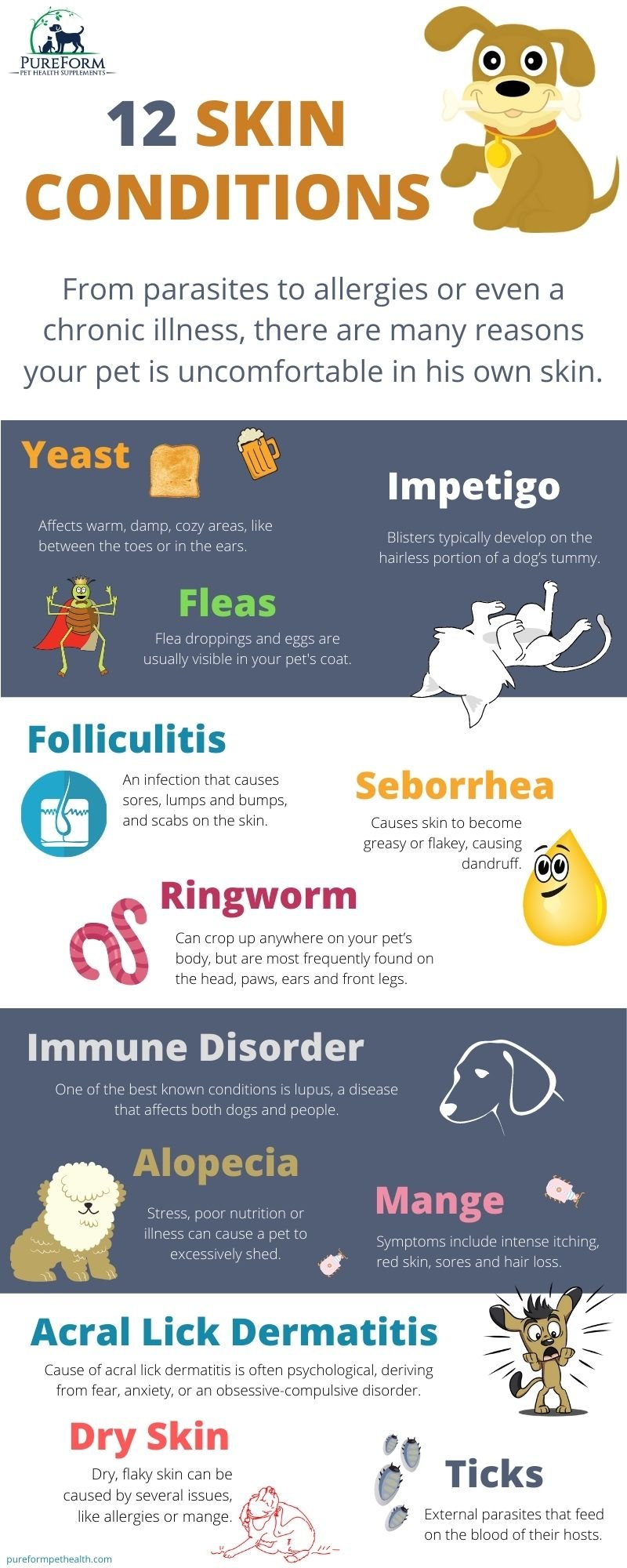
Dog skin trouble often falls into a few broad categories. Understanding the main types helps owners notice problems earlier and avoid serious complications.
In everyday practice, most issues fit into seven groups:
- Allergic skin disease (itch and inflammation)
- Parasites such as fleas, ticks, and mites
- Bacterial infections on damaged or moist skin
- Yeast and other fungal problems
- Dry, flaky conditions and seborrhea
- Hair loss and coat changes from hormonal or genetic causes
- Skin tumors and autoimmune disease
Many dogs experience more than one type at the same time, so careful observation and early veterinary advice are important.
1. Allergies and itchy skin
Allergic skin disease is one of the most common causes of dog skin problems. The immune system overreacts to harmless substances such as pollen, food ingredients, or flea saliva and creates intense itch and inflammation. Dogs often develop allergies gradually, starting in puppyhood or early adulthood. Because allergies are usually lifelong tendencies, good control relies on early diagnosis, avoiding triggers as much as possible, and ongoing skin care guided by a veterinarian.
Typical symptoms of allergic skin disease
Allergic skin disease usually appears as persistent itching that does not match the season or grooming schedule. Typical signs include redness of the skin, small bumps, rashes, and thinning hair from constant scratching. Many dogs lick or chew their paws, belly, armpits, or groin area until the skin becomes moist and sore. Ear infections with odor and dark discharge are also common with allergies.
Common triggers and causes of allergies
For allergic dermatitis, it is important to identify “what your dog is reacting to”. Common triggers include parasites such as fleas and mites, environmental allergens such as pollen, house dust, and mold, and food allergens such as beef, chicken, dairy products, and wheat. Chemicals that come into contact with the skin, such as shampoos, detergents, and scented cleaning products, may also become irritants. When factors such as constitution, genetics, and a weakened skin barrier overlap, allergic reactions are more likely to occur.
Treatment and long‑term management tips
Effective allergy care combines vet treatment and daily management at home. Mild flare‑ups may improve with medicated shampoos, anti‑itch sprays, and short courses of allergy medication prescribed by a veterinarian. More severe or ongoing cases often need oral or injectable anti‑itch drugs, antibiotics for secondary infection, or allergy shots.
Long‑term control focuses on avoiding known triggers (such as specific foods, pollen seasons, or dust), using year‑round flea prevention, and keeping skin clean and moisturized. A balanced diet rich in omega‑3 fatty acids supports the skin barrier. Regular checkups help adjust treatment so a dog can stay comfortable over many years.
2. Parasites: fleas, ticks, and mites
Parasites are one of the most common causes of itchy, inflamed skin in dogs. Fleas, ticks, and mites bite or burrow into the skin, leading to scratching, redness, hair loss, and scabs. Some dogs develop allergic reactions to parasite saliva, so even a few bites can trigger severe discomfort and skin infection. Reliable parasite prevention, regular checks after walks, and quick treatment of any infestation are essential to protect both skin health and overall health.
How flea and tick bites affect the skin
Flea and tick bites damage the skin in different ways. Fleas usually cause small red bumps and intense itching, often on the back, base of the tail, and thighs. A single bite can trigger flea allergy dermatitis, leading to severe scratching, scabs, and hair loss. Ticks attach firmly, creating local redness, swelling, or a small lump. If mouthparts remain, the skin may form a painful sore or abscess. Repeated biting breaks the skin barrier, allowing bacterial and yeast infections to develop and making discomfort much worse.
Mange mites and intense itching
Mange is caused by microscopic mites that burrow into or live on the skin, triggering extremely strong itching. Dogs often scratch, bite, and rub non‑stop, which leads to redness, scabs, and hair loss. In sarcoptic mange, mites spread easily between dogs and can temporarily irritate human skin. Demodectic mange is usually linked to a weakened immune system. Any dog with sudden, intense itching and patchy hair loss should be examined by a veterinarian promptly.
Prevention and parasite control options
Effective parasite control combines routine prevention, home care, and regular checks. Year‑round flea and tick medication (chewables, spot‑ons, or collars) greatly reduces bites and skin irritation. Vets usually recommend monthly products tailored to the dog’s weight and lifestyle. Clean bedding, vacuum carpets, and wash soft toys to remove eggs and larvae. After walks, quickly check ears, armpits, groin, and between toes for ticks. Avoid using multiple insecticides together without veterinary guidance, because overdose can be dangerous, especially for puppies and small breeds.
3. Bacterial skin infections
Bacterial skin infections usually occur on top of another problem, such as allergies, parasites, or skin injuries. When the skin barrier is damaged, normal skin bacteria multiply too much and cause red, swollen, painful areas, pimples, or oozing sores. Dogs may lick or scratch the spots, which quickly worsens the infection. Prompt veterinary care and proper cleaning help prevent deeper infections and scarring.
Folliculitis, impetigo, and hot spots
Folliculitis, impetigo, and hot spots are all bacterial skin infections, but they look slightly different.
- Folliculitis: small red bumps or pustules around hair follicles, often with hair loss in spots; common on belly, groin, and armpits.
- Impetigo: more common in puppies; round blisters that burst and leave honey‑colored crusts, usually on the belly.
- Hot spots: very red, moist, painful patches that appear suddenly; fur may be stuck together, and dogs often lick or scratch intensely.
All three conditions are uncomfortable and can spread quickly. Prompt veterinary care helps stop the infection, relieve pain, and prevent deeper skin damage or scarring.
Why bacteria overgrow on the skin
Bacteria are always present on a dog’s skin, but overgrowth occurs when the natural barrier is disrupted. Common causes are skin damage (scratching, bites, rubbing, poor grooming), moisture trapped in the coat (wet fur, skin folds, hot weather), and reduced immunity from illness, stress, or medications such as steroids. Allergies and parasites also inflame the skin and create tiny openings, allowing bacteria to multiply and lead to infection.
Vet treatments and home care basics
Bacterial skin infections usually require veterinary treatment. Depending on severity, a vet may prescribe medicated shampoo, topical ointments, and/or oral antibiotics, plus pain or anti‑itch medicine. It is important to finish the full antibiotic course even if the skin looks better.
At home, keep the area clean, dry, and clipped if advised, prevent licking with a cone or protective clothing, and follow bathing instructions carefully. Avoid human creams or leftover medicines, because inappropriate products may worsen irritation or delay healing.
Safe home‑care checklist
- Gently clean as instructed by the vet
- Use only prescribed shampoos and ointments
- Stop your dog from scratching or chewing
- Monitor for spreading redness, swelling, or pus
- Arrange recheck visits if improvement is slow
4. Yeast and fungal problems
Yeast and fungal problems mainly affect warm, moist areas of a dog’s skin, such as ears, armpits, skin folds, and paws. A small amount of yeast normally lives on healthy skin, but when conditions favor overgrowth, dogs develop itching, redness, and a strong odor. Fungal infections may stay on the surface or involve hair and nails, and some (like ringworm) are contagious to other pets and humans, so early veterinary diagnosis and treatment are very important.
Yeast dermatitis signs and smell
Yeast dermatitis is an overgrowth of Malassezia yeast that normally lives on dog skin. Affected areas often appear red, moist, and slightly swollen, especially in skin folds, ears, between toes, armpits, and the groin. The skin may look darkened or thickened over time, and dogs usually show intense itching, rubbing, or chewing.
A very typical feature is a strong, musty or "corn chip" smell that persists even after bathing. Owners may notice sticky or greasy fur, brownish discharge in the ears, and flaky scales. Persistent odor plus itchiness and redness are key clues that suggest yeast dermatitis rather than simple dirt or doggy smell.
Ringworm and circular hair loss patches
Ringworm is a contagious fungal infection, not an actual worm. It attacks hair shafts, leading to round, clearly edged bald patches. The skin in affected areas may look red, scaly, or slightly crusty, and some dogs feel itchy while others do not. Lesions often start on the face, ears, paws, or tail. Because ringworm can spread to humans and other pets, early veterinary diagnosis and careful hygiene are very important.
Antifungal treatments and cleaning tips
Antifungal care focuses on two pillars: medication prescribed by a vet and thorough cleaning of the dog’s skin and environment.
Topical treatments include medicated shampoos, wipes, creams, and ear drops containing antifungal agents. Dogs with more severe or widespread infections often need oral antifungal drugs for several weeks. Owners should never stop medicine early, even if the skin looks better.
Good hygiene supports recovery:
- Bathe with vet‑recommended antifungal shampoo as directed
- Rinse and dry skin folds, paws, and ears carefully
- Wash bedding, blankets, and soft toys in hot water
- Clean floors and crates regularly to reduce spores
Avoid using human antifungal products without veterinary guidance, because some ingredients irritate canine skin or are toxic when licked.
5. Dry, flaky skin and seborrhea
Dry, flaky skin occurs when the skin barrier loses moisture and protective oils. Dogs may show white flakes, dull coat, and mild itching. In seborrhea, the process is exaggerated, so the skin becomes either very dry or overly oily, often with odor. Persistent dryness can lead to small cracks, making infections easier to develop. Early care and a vet check help protect the skin and keep the coat comfortable and shiny.
Dandruff, scaling, and greasy coat
Dandruff in dogs appears as white flakes on the coat or bedding, often more visible after brushing. Scaling means the skin surface sheds in larger, plate‑like pieces. A greasy coat feels oily even soon after a bath and may have a strong, “doggy” odor.
In seborrhea, the skin barrier is disrupted, so oil production and shedding are unbalanced. Some dogs have dry, flaky seborrhea, others have oily, waxy skin, and many show a mix of both, especially around the back, neck, ears, and armpits.
Underlying health issues to rule out
Behind dryness, dandruff, or greasiness, hormonal abnormalities or systemic diseases may be hidden. Common examples include hypothyroidism, hyperadrenocorticism (Cushing’s syndrome), diabetes, malnutrition, and food allergies. In senior dogs or dogs whose coat condition has suddenly worsened, it is important to carefully observe not only the skin but also whether there are any whole-body symptoms such as weight changes, increased drinking and urination, or decreased energy, and to have your dog examined at an animal hospital early.
Shampoos, diet, and grooming support
A gentle, medicated shampoo can ease itching and remove excess oil, flakes, or yeast. Choose products made for dogs, avoiding human shampoos that may disrupt skin pH. Follow vet instructions on how often to bathe; over‑bathing can dry the skin.
Diet also supports recovery. High‑quality protein, omega‑3 fatty acids, and balanced vitamins help skin repair and strengthen the coat. For allergic dogs, a hypoallergenic or novel‑protein diet may reduce flare‑ups.
Regular brushing removes loose hair, spreads natural oils, and lets owners spot problems early. Keep nails trimmed and the coat clean and untangled so the skin can breathe and stay healthy.
6. Hair loss, color and texture changes
Hair loss or changes in coat color and texture often signal that something is affecting the skin from the inside or outside. Sudden or patchy hair loss, dull coat, or thinning fur can point to allergies, parasites, hormonal disease, infection, or stress. A once-shiny coat becoming dry, brittle, or wiry may also reflect poor nutrition or underlying illness. Because many causes overlap, any persistent coat change deserves a veterinary check to protect the dog’s overall health.
Alopecia patterns and bald spots
Hair loss often follows a pattern that gives clues about the cause. Symmetrical bald spots on both sides of the body commonly suggest hormonal problems such as hypothyroidism or Cushing’s disease. Patchy bald areas with redness, broken hairs, or scabs point more toward parasites, allergies, or infections. Bald spots only where a dog licks or chews repeatedly often indicate pain, stress, or itch in that specific area. Any sudden, expanding, or unusual bald patch should be checked by a veterinarian.
When coat color or thickness shifts
Changes in color or coat volume can be signs of overall health, not just skin condition. Caution is needed if the coat color suddenly becomes lighter, turns reddish-brown, becomes partially white, or loses its overall shine. Changes such as the coat becoming less dense than before or feeling sparse to the touch should also be checked.
Common examples include reddish-brown discoloration from saliva or tear stains, pigmentation in areas of chronic inflammation, and coat fading caused by hormonal abnormalities. Gray hair due to aging is a natural change, but if there is a sudden change in color or thickness with a noticeable difference between the left and right sides, it is important to consult a veterinarian early.
Possible hormonal and genetic causes
Hormones strongly influence coat growth and pigment. Thyroid disease, Cushing’s disease, sex‑hormone imbalances, and seasonal hormone shifts can all cause thinning, symmetrical hair loss, or dull, faded color. In many dogs, genetics also play a role; some breeds inherit patterns such as pattern baldness or color dilution alopecia.
How vets investigate hormonal and genetic causes
When hormonal or inherited problems are suspected, veterinarians often recommend blood tests, hormone level checks, and sometimes genetic testing. Early diagnosis helps protect not only skin and coat, but also overall health.
7. Skin tumors and autoimmune disease
Skin tumors and autoimmune diseases are less common than allergies or infections, but they can be serious and sometimes life‑threatening. Tumors range from benign fatty lumps to malignant skin cancers that spread inside the body. Autoimmune diseases cause the immune system to attack healthy skin, leading to blisters, ulcers, and thick crusts. Early veterinary attention gives the best chance for effective treatment and a good quality of life.
Lumps, bumps, and skin cancer risks
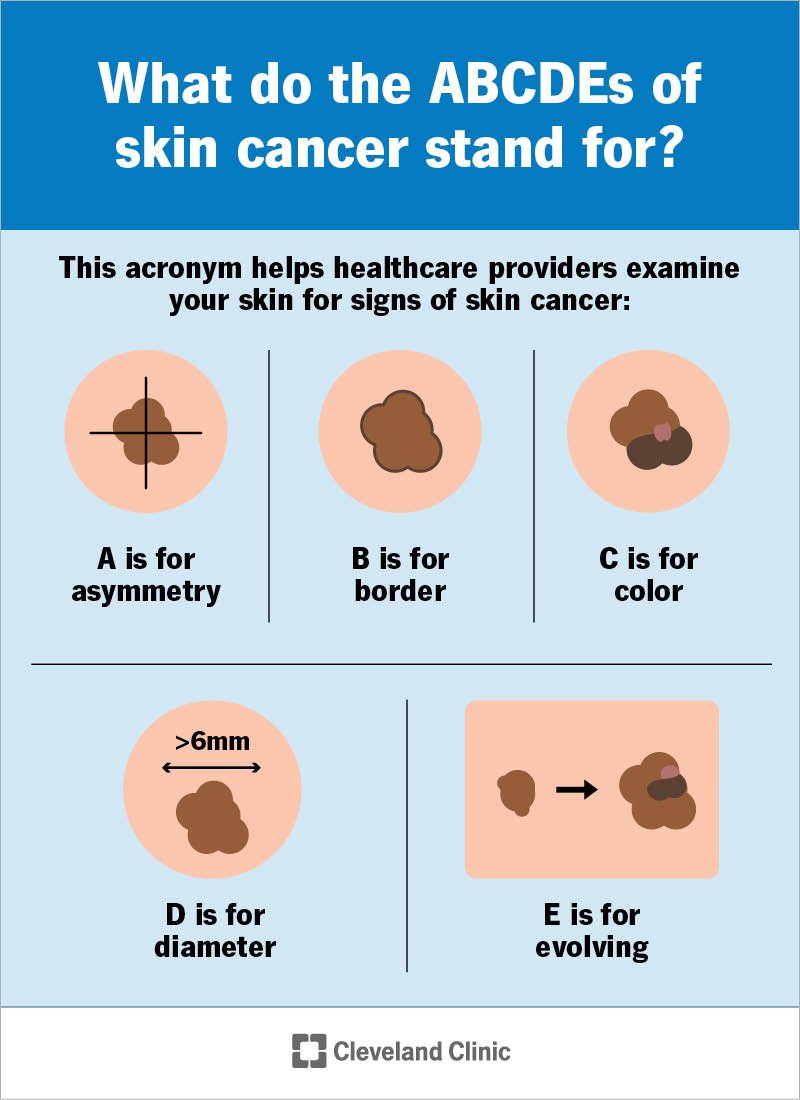
Lumps and bumps on a dog’s skin range from harmless fatty tumors to malignant skin cancers. Any new growth, or a change in size, shape, or color of an existing lump, deserves attention. Warning signs include rapid growth, irregular borders, ulceration, bleeding, or the dog frequently licking or scratching the area. Even small growths can be serious, so veterinary examination and, often, a biopsy are essential to distinguish benign from dangerous tumors and decide on timely treatment.
Autoimmune blistering and crusting diseases
Autoimmune skin diseases cause the dog’s own immune system to attack healthy skin, leading to blisters, ulcers, crusts, and hair loss. Lesions often appear on the nose, face, ears, paw pads, and groin. The skin may ooze, then form thick yellow‑brown crusts. Many dogs feel painful or very itchy and may become lethargic or lose appetite. Autoimmune skin disease always requires prompt veterinary diagnosis and long‑term medical management.
Treatment options and prognosis
Treatment options and prognosis
Autoimmune skin diseases often require long‑term, sometimes lifelong management. Treatment usually starts with high‑dose corticosteroids (such as prednisolone) to quickly control blisters and crusts, then shifts to the lowest effective dose or to steroid‑sparing drugs (cyclosporine, azathioprine, mycophenolate). Many dogs also need medicated shampoos, gentle skin care, and treatment for secondary infections.
Prognosis varies by type and severity. Pemphigus foliaceus and cutaneous lupus can often be controlled, allowing many dogs to live relatively normal lives, although flare‑ups are common. More severe, body‑wide conditions or those affecting internal organs may carry a guarded to poor prognosis. Early diagnosis, close monitoring, and careful adjustment of medication are crucial to reduce side effects and keep the dog comfortable.
What causes skin problems in dogs?
Dog skin problems usually develop from a combination of external irritants and internal health factors. Common causes include parasites such as fleas or mites, environmental or food allergies, and infections by bacteria or yeast. Hormonal diseases, genetic tendencies, stress, and poor nutrition can also weaken the skin barrier. Once the barrier is damaged, irritants and germs enter more easily, leading to itching, redness, and infection.
Breed, age, and lifestyle risk factors
Breed, age, and lifestyle all influence how likely a dog is to develop skin problems and which type appears.
| Factor | Higher‑risk examples | Typical skin issues |
|---|---|---|
| Breed | Bulldogs, Pugs, Shih Tzus, Retrievers, Westies | Allergies, infections in skin folds, ear disease |
| Age | Puppies, seniors | Parasites, mange, infections, tumors in older dogs |
| Lifestyle | Outdoor dogs, swimming often, dusty homes | Fleas and ticks, hot spots, fungal and yeast issues |
Flat‑faced or heavy‑coated breeds, dogs with allergies in the family, and pets in warm, humid climates need especially careful skin checks and prevention.
Diet, environment, and other triggers
Diet and environment strongly influence what kind of skin problem develops and how severe it becomes. Low‑quality food, sudden diet changes, or unbalanced homemade meals can lead to poor coat quality, dandruff, and increased itching. Food allergies to proteins such as chicken, beef, or dairy may cause chronic ear infections and paw chewing.
Environmental triggers are also important. Pollen, dust mites, mold, and household cleaners easily irritate sensitive skin. Dry indoor air from heating, frequent bathing with harsh shampoo, or living on very wet ground can damage the skin barrier and promote infections.
Other triggers include stress, obesity, and underlying disease such as thyroid problems or Cushing’s disease. Medications, vaccines, or flea products rarely cause reactions but are possible. Careful observation of season, location, and recent changes around the dog helps the veterinarian pinpoint the main trigger and choose effective prevention.
Health risks by dog skin problem types

Different dog skin problem types carry different levels of health risk. Allergies, parasites, and infections can cause severe pain, sleep loss, and skin damage if not treated. Open sores from hot spots or mange may lead to deeper infections. Hormonal or autoimmune causes can signal internal disease. Tumors and non‑healing wounds may indicate cancer, which can spread beyond the skin. Early veterinary care greatly reduces long‑term risk.
When a skin issue signals deeper disease
Skin abnormalities can sometimes point to illnesses elsewhere in the body, not only to local skin trouble. Sudden hair loss, color change, or persistent infections may reflect hormone disorders such as Cushing’s disease or hypothyroidism. Non‑healing sores, multiple lumps, or bruising can suggest cancer or immune disease. Very itchy skin plus weight loss, drinking more water, lethargy, vomiting, or diarrhea should prompt prompt veterinary consultation, because internal disease may be progressing unnoticed.
Complications of leaving skin issues untreated
Untreated skin problems can cause more than just itching. First, chronic pain and severe stress can reduce sleep and appetite, greatly lowering quality of life. In addition, scratches may lead to bacterial infections, pus, or widespread “hot spots,” and in some cases, fever or dehydration. Long-term inflammation can leave pigmentation or scarring, and if certain tumors are discovered late, the risk of life-threatening complications may also increase. It is important to identify the cause early and receive appropriate treatment.
How vets diagnose dog skin conditions
Veterinarians combine a detailed history with skin-focused exams and tests to reach a diagnosis. The goal is to identify the underlying cause, not only treat surface symptoms.
First, the vet checks the whole body: coat quality, redness, lesions, odor, and any pain or itch. Location and pattern of hair loss or rashes provide strong clues.
Next, simple in‑clinic tests are often used in combination:
| Test type | What it checks | Typical use |
|---|---|---|
| Skin scraping | Mites | Suspected mange, intense itch |
| Tape or swab cytology | Bacteria, yeast | Red, smelly, oozing areas |
| Wood’s lamp / fungal culture | Ringworm | Circular hair loss, crusts |
| Trichogram (hair exam) | Hair shaft problems, mites | Patchy alopecia |
| Allergy testing / diet trial | Allergies | Chronic or seasonal itch |
In more complex cases, blood tests, hormone checks, or a skin biopsy may be recommended to rule out hormonal, immune, or cancerous causes.
What to tell your vet and what they check
Before the appointment, it is helpful to note when the skin problem started, how it has changed, and where on the body it appears. Inform the veterinarian about diet, treats, shampoos, flea control, new products, other pets, and any recent stress or illness. During the consultation, the veterinarian checks the coat, skin color, moisture, odor, pain, and temperature, then examines ears, paws, skin folds, and anal area carefully. The veterinarian also evaluates overall health, weight, lymph nodes, and heart and lungs to see whether the skin issue may be linked to a deeper disease.
Common tests for skin and coat problems
Veterinarians use several simple tests to identify what type of skin problem is affecting a dog.
| Test | What it checks | Typical use |
|---|---|---|
| Skin scraping | Mites and some parasites | Suspected mange or severe itching |
| Tape or swab cytology | Bacteria and yeast under a microscope | Red, smelly, or oozy skin |
| Fungal culture / PCR | Ringworm fungi | Circular hair loss, contagious lesions |
| Wood’s lamp exam | Some ringworm species | Quick in‑clinic screening |
| Trichogram (hair exam) | Hair shaft damage, mites on hair | Unusual hair breakage or loss |
| Allergy testing | Environmental allergies | Chronic, recurring itch |
| Blood tests / hormone tests | Underlying diseases | Suspected thyroid, Cushing’s, or immune issues |
| Biopsy | Tumors, autoimmune disease | Lumps, non‑healing sores, strange crusts |
Accurate testing allows the vet to choose targeted treatment and avoid unnecessary medications.
At‑home care and daily skin prevention

Daily care at home greatly reduces most common dog skin problems. Owners can:
- Brush regularly to remove dirt and loose hair
- Keep bedding and living areas clean and dry
- Rinse off pollen, dust, or salt after walks when needed
- Use vet‑recommended shampoos only, avoiding frequent harsh baths
- Check skin weekly for redness, smell, or new bumps
Prompt attention to small changes often prevents painful, expensive skin disease.
Grooming routines that protect the skin
Regular, gentle grooming helps spot skin problems early and keeps the skin barrier healthy. Aim for a simple routine:
| Care step | Recommended frequency | Skin benefit |
|---|---|---|
| Brushing/combing | Daily or several times/week | Removes loose hair, boosts circulation |
| Bathing with mild shampoo | Every 3–6 weeks (unless vet advises otherwise) | Cleans irritants without over‑drying |
| Paw and ear checks | Weekly | Finds redness, moisture, parasites |
| Nail trimming | Every 3–4 weeks | Prevents scratching and self‑injury |
Use lukewarm water, dog‑safe shampoo, and dry the coat thoroughly, especially in skin folds and between toes. Avoid strong perfumes, human shampoos, or harsh brushing, because they can damage sensitive skin and worsen hidden problems.
Nutrition and supplements for a healthy coat
A balanced diet rich in high‑quality animal protein and essential fatty acids is vital for skin and coat health. Omega‑3 and omega‑6 (from fish oil, salmon, sardine, krill, or algae oil) can reduce itching and support a glossy coat. Always introduce oils gradually and follow the vet’s dosage to avoid stomach upset.
Supplements such as biotin, zinc, vitamin E, and probiotics may help when a deficiency or gut imbalance is present, but unnecessary use can cause problems. For safety, select dog‑specific products and consult a veterinarian before starting any supplement, especially if the dog has chronic disease or takes other medication.
Parasite prevention and allergy control
Daily prevention reduces most parasite‑ and allergy‑related skin problems. Use year‑round flea, tick, and mite preventives recommended by a veterinarian, adjust type and dose by weight and lifestyle, and never mix dog and cat products. Vacuum and wash bedding regularly, and limit contact with stray animals. For allergies, reduce exposure to known triggers, use vet‑approved allergy medications or immunotherapy, and keep a simple, consistent diet to identify food reactions early.
When to see the vet urgently
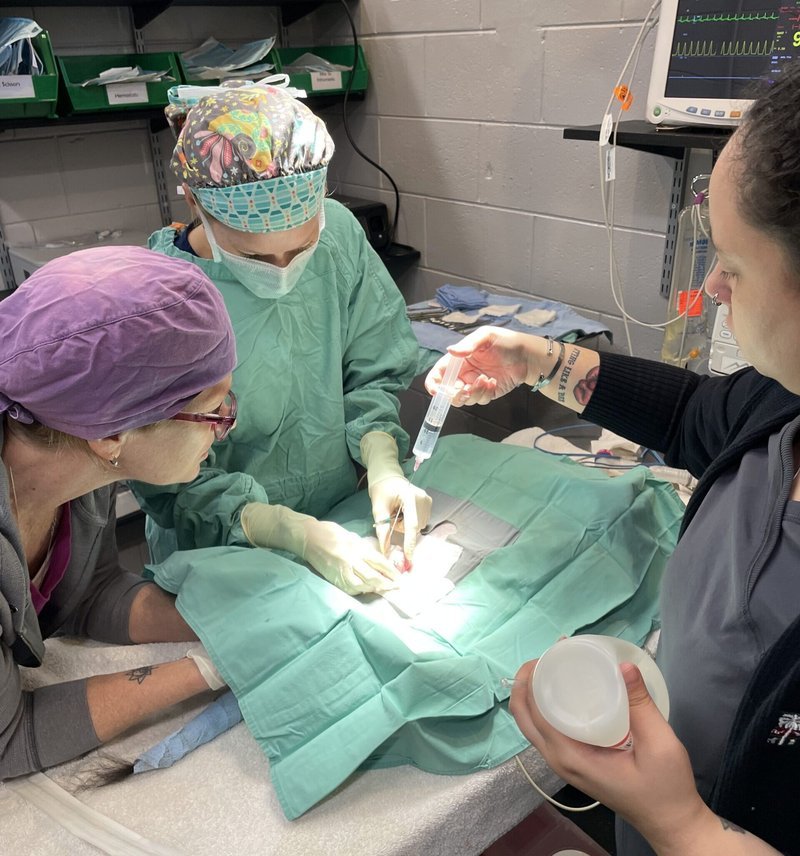
Skin problems can change from mild to serious very quickly, so urgent vet care is needed if the dog seems unwell overall, not only itchy. Sudden swelling of the face or muzzle, fast spreading redness, or many hives may signal an allergy emergency. Constant scratching with bleeding, large open sores, or severe pain also require prompt examination. If skin changes come with fever, vomiting, diarrhea, heavy panting, collapse, or pale gums, contact an emergency clinic immediately.
Red flag symptoms that need fast help
Sudden or severe skin symptoms can signal an emergency. Seek urgent veterinary care if any of the following appear:
| Red flag symptom | Why it is serious |
|---|---|
| Rapidly spreading redness or swelling | Possible severe infection or allergic reaction |
| Hives, facial swelling, trouble breathing | Risk of life‑threatening anaphylaxis |
| Large areas of raw, bleeding, or black skin | Deep infection or tissue death |
| Many blisters, pustules, or peeling skin | Possible autoimmune disease or severe drug reaction |
| Extreme pain, crying when touched | May indicate deep infection or injury |
| Fever, lethargy, vomiting with skin changes | Sign of whole‑body illness, not only skin |
If unsure, owners are advised to call a veterinary clinic or emergency hospital and describe the symptoms as accurately as possible.
How to keep your dog comfortable until the visit
Until the vet visit, the goal is to reduce pain, itching, and stress without hiding important symptoms.
- Prevent scratching and chewing using a cone or soft collar, and keep nails trimmed
- Clean open areas gently with lukewarm water only; avoid human creams, oils, or disinfectants
- Use a cool, well‑ventilated, quiet room; avoid heat and direct sun
- Place a clean, soft blanket or towel as bedding and keep the area dry
- Offer water frequently and small, easy‑to‑digest meals
If a bandage is already in place, keep it clean and dry but do not apply new tight bandages without veterinary guidance.
This article outlines the characteristics and warning signs of seven common skin problems in dogs, clearly explaining their causes, risks, and when to seek veterinary attention. It also introduces at-home skincare and prevention methods, providing information to help you quickly notice itching, hair loss, lumps, and other issues in your dog and prevent them from becoming severe.