
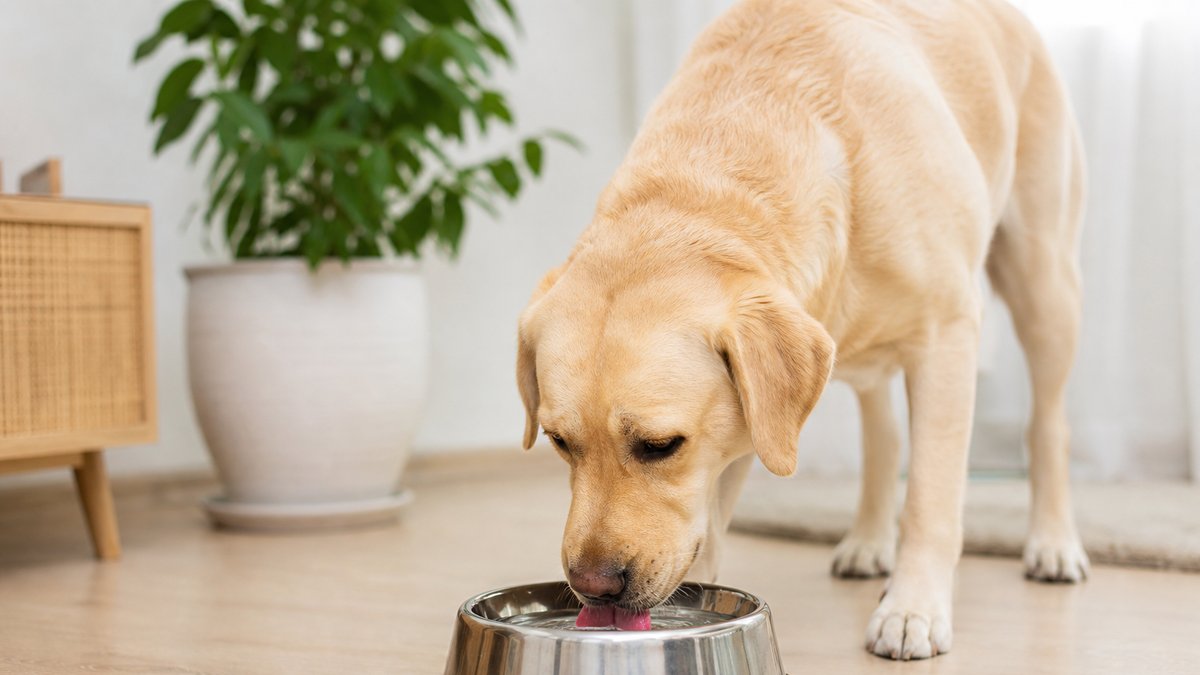
Many dog owners have recently noticed their dogs drinking a sudden increase in water intake. Ignoring this as simple thirst can be a sign of serious underlying conditions such as kidney disease, diabetes, or hormonal imbalances. This article clearly explains the main causes of excessive water intake in dogs, possible illnesses, signs that indicate a visit to the vet, and checkpoints you can perform at home. This information will help you understand how to address concerning symptoms and facilitate early detection and treatment.
Is My Dog Really Drinking Too Much?
Many dogs seem to “drink all day,” so owners often worry about health. In reality, intake varies with size, diet, and weather. The key is whether daily volume clearly exceeds normal and is accompanied by other changes such as frequent urination, weight loss, or lethargy.
Before assuming illness, it is helpful to measure roughly how much water is offered and how much remains. If intake appears suddenly higher than usual for more than a couple of days, especially without an obvious reason such as heat or heavy exercise, a health check is recommended.
Normal daily water needs for dogs
A healthy dog typically drinks about 50–60 ml of water per kilogram of body weight per day. In other words, a 10 kg dog usually needs around 500–600 ml daily, while a 25 kg dog may drink about 1.2–1.5 liters. Puppies, lactating females, and very active dogs often drink a little more, whereas calm indoor dogs may drink slightly less. What matters most is a fairly steady pattern from day to day.
Simple ways to measure intake at home
An easy way to check intake is to measure the water put in the bowl and the leftover amount after 24 hours. Use a measuring jug to fill the bowl, note the volume, then measure what remains later.
For multi-dog homes, prepare separate bowls to know who drinks how much. Weighing small dogs’ bowls on a kitchen scale before and after can also help. Repeat for several days to find a typical daily range, not just a one‑day spike.
Signs your dog’s thirst is abnormal
A dog’s thirst is likely abnormal when the pattern changes clearly from usual. Typical warning signs include:
- Sudden increase in drinking over a few days
- Needing the bowl refilled multiple times a day
- Drinking then urgently asking to go out to pee
- Waking at night to drink or urinate
- Drinking from unusual places (toilet, puddles, shower)
If increased thirst lasts longer than 2–3 days, or is paired with vomiting, weight loss, lethargy, or accidents in the house, a vet check is strongly recommended.
Healthy Reasons for Increased Thirst
A dog’s thirst can increase for harmless, natural reasons as well as illness. Understanding healthy causes helps owners judge when to worry. Common non‑dangerous reasons include diet (especially dry food or salty treats), hot weather, more exercise, and normal life‑stage changes such as puppy growth or senior aging. Some prescribed medications also make dogs drink and urinate more. If thirst rises in line with such clear lifestyle factors and the dog otherwise seems bright, eating well, and maintaining weight, the change is often normal. However, any sudden, unexplained, or extreme increase in drinking still deserves a veterinary check to rule out hidden disease.
Diet, dry food, and salty treats
Food type has a major impact on thirst. Dogs fed mainly dry kibble often drink more because the food contains little moisture, while canned or fresh food provides more water. Very salty treats, chews, or human snacks (ham, chips, cheese) also increase thirst as the body tries to balance sodium levels. High‑protein or very rich diets may have a similar effect. If water intake suddenly rises, owners should review recent diet changes, new treats, and any table scraps first.
Hot weather, heating, and exercise
Hot days, central heating, and exercise all increase a dog’s normal water needs. Dogs cool down mainly by panting, so they lose moisture quickly in warm environments. Long walks, running, or play sessions also use more water.
Owners should offer fresh water before and after exercise, avoid vigorous play in peak heat, and watch for heavy panting, bright-red gums, or fatigue. Sudden, extreme thirst in mild weather can indicate illness, so veterinary advice is recommended.
Puppies, seniors, and life stage changes
Age greatly affects normal drinking patterns. Puppies often drink more because they are growing fast, play hard, and have smaller bodies that dehydrate quickly. Their bladder is immature, so frequent drinking and peeing can still be normal if energy and appetite are good.
Senior dogs may also seem thirstier. Slower kidneys, joint pain, and age‑related diseases (kidney disease, diabetes, Cushing’s disease) can all increase water intake. Any sudden change in thirst at any life stage is a reason to contact a veterinarian, especially if it lasts more than a day or two or appears with weight loss, vomiting, or lethargy.
Medications that make dogs drink more
Some medicines naturally increase thirst and urination. If a dog starts drinking much more water soon after a new drug, the change may be medication‑related.
Common examples are:
| Medication type | Why thirst increases |
|---|---|
| Steroids (prednisone, etc.) | Affect hormones, cause more thirst and urine |
| Diuretics (heart drugs) | Flush fluid from the body |
| Some anti‑seizure drugs | Can change appetite and thirst |
Owners should never stop a prescribed drug on their own. Instead, contact a veterinarian to ask whether the dose, schedule, or medication choice needs adjustment and to confirm that no other disease is present.
Health Problems Linked to Excessive Drinking
Excessive drinking (polydipsia) often signals an underlying illness rather than a simple habit. Persistent, marked thirst almost always deserves veterinary attention. Many conditions stimulate the body to lose more water or concentrate waste poorly, so the dog compensates by drinking.
Common causes include kidney disease, diabetes, hormonal disorders such as Cushing’s, liver disease, uterine infection in unspayed females, and problems with electrolytes or body temperature. Early detection greatly improves the outlook, so a noticeable, ongoing increase in water intake should be treated as an important health clue.
Dehydration, vomiting, or diarrhea
Dehydration itself makes dogs feel extremely thirsty. When a dog loses water through vomiting, diarrhea, or heavy panting, the body tries to correct the deficit by increasing thirst, so water intake can suddenly rise.
However, ongoing vomiting or diarrhea also prevents proper rehydration and can quickly become dangerous. Warning signs include lethargy, dry or sticky gums, sunken eyes, and skin that stays tented when gently lifted. In such cases, prompt veterinary care is important, because fluid loss can lead to shock or organ damage, especially in puppies and small or elderly dogs.
Kidney disease and kidney failure
Kidneys filter waste and control water balance. When kidney function declines, dogs cannot concentrate urine, so they lose more water in urine and feel constantly thirsty.
Early kidney disease often causes: increased drinking and urination, mild weight loss, and reduced appetite. In more advanced kidney failure, dogs may show vomiting, bad breath, lethargy, pale gums, and sometimes ulcers in the mouth.
Prompt blood and urine tests are important, because early detection allows diet changes and medication that can slow progression and improve quality of life.
Diabetes mellitus and sugar levels
Diabetes mellitus is a common hormonal disease where the pancreas does not make enough insulin or the body cannot use insulin properly. As a result, sugar stays in the blood instead of entering cells, so the body thinks it is starving. The dog becomes very thirsty and urinates a lot because excess sugar draws water into the urine.
Typical signs include increased thirst and urination, weight loss despite good appetite, and sometimes cloudy eyes (cataracts) or tiredness. Any sudden change in drinking combined with weight or appetite changes should prompt a prompt veterinary check and blood sugar testing.
Diabetes insipidus and hormone issues
Diabetes insipidus is a rare hormonal disease where antidiuretic hormone (ADH) does not work properly. ADH normally helps kidneys concentrate urine and retain water. When ADH is lacking or kidneys do not respond, dogs pass very large amounts of dilute urine and become extremely thirsty.
Main forms are:
| Type | Problem | Typical cause |
|---|---|---|
| Central DI | Not enough ADH produced | Brain tumor, trauma, congenital |
| Nephrogenic DI | Kidneys ignore ADH | Genetic, kidney disease, drugs |
Dogs often show constant drinking, huge puddles of very clear urine, and accidents in the house. Diagnosis requires blood and urine tests and sometimes imaging. Treatment may include hormone replacement (desmopressin) and careful monitoring of water access under veterinary guidance.
Cushing’s disease and excess cortisol
Cushing’s disease occurs when the body produces too much of the stress hormone cortisol. In dogs, this often comes from a benign tumor in the pituitary gland, and less commonly from a tumor in the adrenal glands. Excess cortisol makes dogs drink and urinate a lot, eat more, and feel tired.
Typical signs include a pot‑bellied abdomen, thinning skin, hair loss, muscle weakness, panting, and recurrent skin or urinary infections. Cushing’s disease progresses slowly, so increased thirst over weeks or months, combined with these changes, should prompt a veterinary checkup and blood testing.
Liver disease and infections
Liver problems can interfere with the body’s ability to process toxins, protein, and hormones, so dogs may drink and urinate more as the liver struggles to work. Increased thirst with low energy, poor appetite, or yellow gums/eyes (jaundice) can signal liver disease or infection and warrants prompt veterinary attention.
Common causes include chronic liver disease, congenital shunts, toxin exposure, and infections such as leptospirosis or liver abscesses. Other signs may include vomiting, diarrhea, weight loss, a swollen belly, or behavior changes (confusion, pacing). Blood tests, urine tests, and imaging help confirm the diagnosis, and early treatment often improves the outlook.
Uterine infection (pyometra) in females
Pyometra is a serious, often life-threatening uterine infection that affects unspayed female dogs, usually middle‑aged or older. Hormonal changes after repeated heat cycles make the uterine lining thick and prone to bacterial infection. Signs include drinking and urinating much more, lethargy, loss of appetite, vomiting, and sometimes a foul-smelling vaginal discharge. In "closed" pyometra, discharge may not appear, making diagnosis harder. Emergency surgery and intensive care are usually required, so any intact female with sudden excessive thirst needs prompt veterinary attention.
Electrolyte imbalance and fever
Electrolytes (sodium, potassium, chloride, etc.) help control thirst, nerves, and muscles. When the balance changes, dogs often drink more to compensate.
Fever, heatstroke, severe infection, vomiting, or diarrhea can all disrupt electrolytes and cause intense thirst. Other signs include weakness, shaking, confusion, or collapse. Any dog with fever plus sudden heavy drinking needs prompt veterinary attention to correct fluids and find the underlying cause.
Water Intoxication and Overhydration
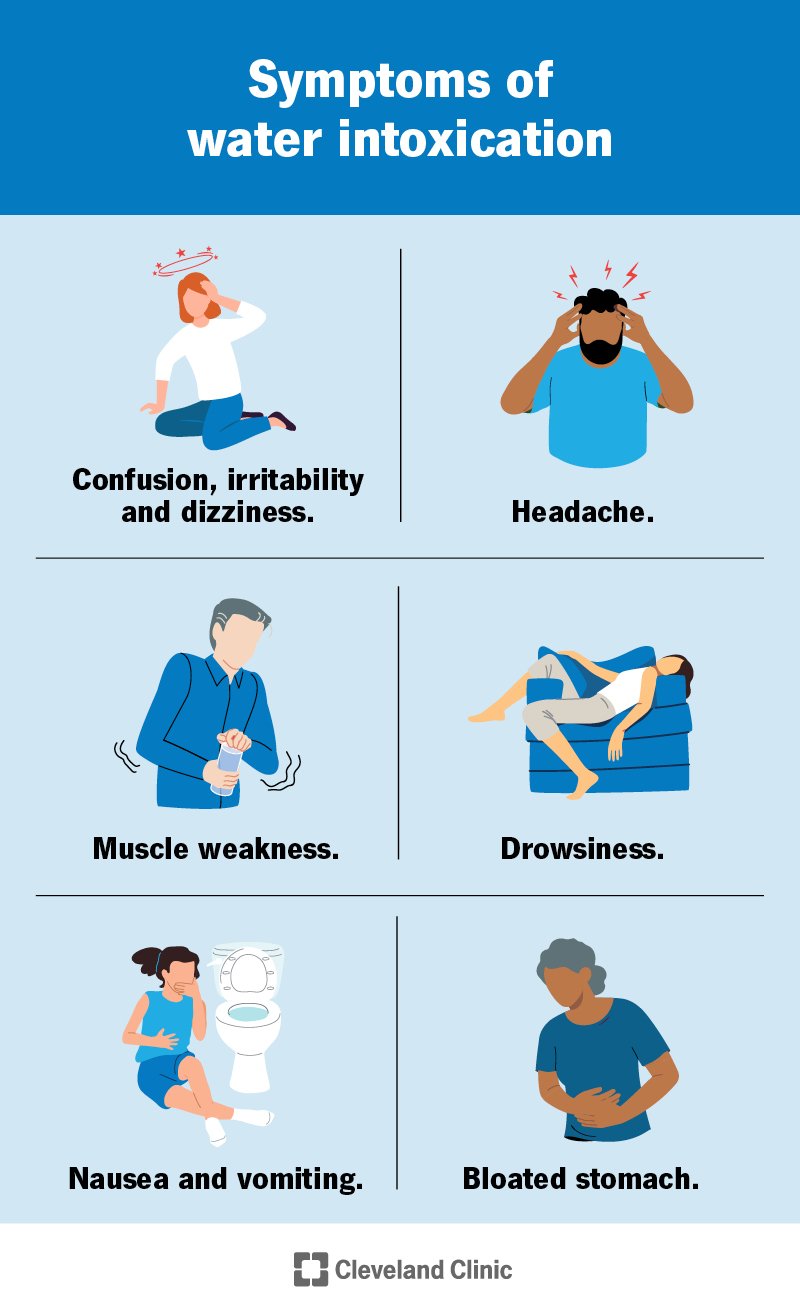
Water intoxication means a dog has taken in more water than the body can safely handle. In most cases, dogs are thirsty for a medical reason, not overhydrated. However, sudden, excessive water intake in a short time can be life‑threatening. It often occurs during intense water play, swimming, or when dogs bite at sprinklers or hoses. Too much water dilutes sodium in the blood, causing brain swelling, confusion, and even seizures. Prompt recognition and emergency veterinary care are crucial.
What water intoxication is in dogs
Water intoxication means a dog has taken in far more water than the body can handle, causing blood sodium levels to drop dangerously (hyponatremia). Cells then absorb excess water and swell. In dogs, this most notably affects the brain and lungs, leading to neurological signs and breathing problems. Water intoxication usually occurs after intense water play, swimming, or biting at sprinklers and hoses, rather than from calmly drinking at a bowl.
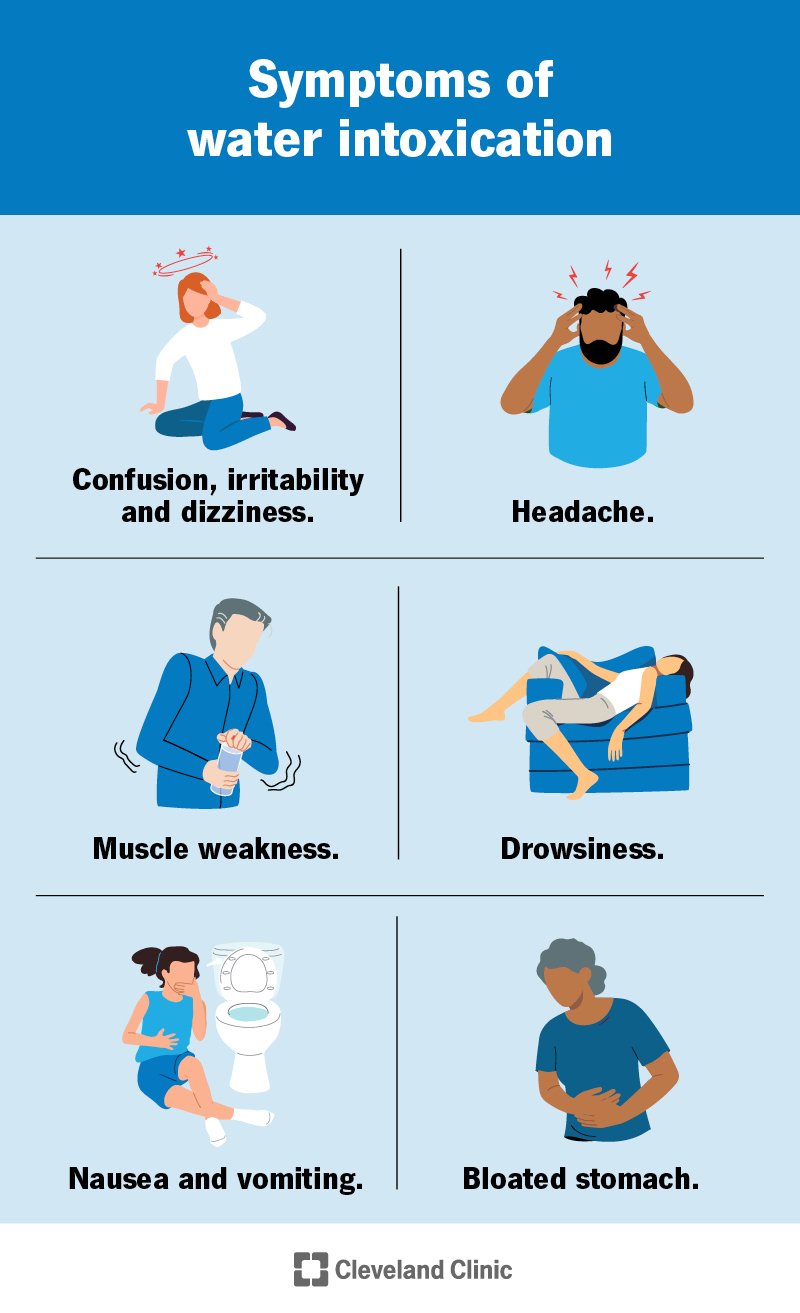
Symptoms of dangerous overhydration
Water intoxication develops quickly and can be life‑threatening. Any sudden behavior change after heavy water intake is an emergency sign.
Typical symptoms include:
| Symptom | What owners may notice |
|---|---|
| Lethargy, weakness | Dog looks "out of it", wobbly, lies down suddenly |
| Vomiting | Repeated or sudden vomiting after water play |
| Pale or swollen gums | Gums look puffy, very pale, or feel slippery |
| Loss of coordination | Staggering, falling over, difficulty walking |
| Bloating | Abdomen appears swollen or tight |
| Tremors or seizures | Twitching, paddling, or full seizures |
| Collapse, coma | Dog cannot stand or respond normally |
If any of these signs appear after swimming, hose or sprinkler play, or rapid drinking, stop water access and seek urgent veterinary care immediately.
Dogs at higher risk around water play
Dogs that repeatedly bite at water, retrieve toys from deep water, or spend long periods swimming are at higher risk of water intoxication. Small dogs, very lean dogs, and breeds that love water such as Retrievers, Spaniels, and herding breeds are commonly affected. Young, highly energetic dogs that will not stop playing unless prompted also face increased risk, especially in lakes, pools, or with hose play.
First aid and urgent vet care steps
Water intoxication progresses quickly, so immediate action and veterinary care are essential.
At home (while contacting an emergency vet):
- Remove the dog from water immediately
- Keep the dog calm and prevent further drinking
- Lay the dog on its side in a cool, quiet place
- If vomiting occurs, gently clear the mouth so the airway stays open
- If the dog is unconscious and not breathing, start basic CPR if trained
Do not try to make the dog drink salt water or give human medications. Prompt transport to a vet is vital, as treatment may include oxygen, IV fluids with adjusted electrolytes, seizure control, and monitoring of brain swelling.
Common Worrying Combinations of Signs
When a dog drinks more than usual, the combination of thirst with other symptoms often reveals how serious the situation is. Owners should pay attention not only to the amount of water, but also to changes in urination, appetite, weight, behavior, and digestion. In the following subsections, several common and worrying patterns are explained so owners can judge more accurately when prompt veterinary attention is needed.
Drinking a lot and peeing a lot
Drinking a lot and peeing a lot usually appear together, because the body tries to flush out excess sugar, toxins, or hormones. In many dogs, this pattern suggests diseases such as kidney trouble, diabetes, Cushing’s disease, or uterine infection (pyometra). If puddles are larger, accidents occur indoors, or the dog wakes at night to urinate, veterinary consultation is strongly recommended. Sudden change, blood in urine, or lethargy require urgent examination.
Drinking a lot and vomiting
Drinking a lot of water and vomiting together often indicate dehydration or an underlying illness, not simple overdrinking. Vomiting causes fluid loss, so dogs instinctively drink more, which can trigger more vomiting and a dangerous cycle.
Seek urgent veterinary advice if there is repeated vomiting, blood, lethargy, pale gums, abdominal pain, or collapse. Possible causes include gastroenteritis, foreign body obstruction, pancreatitis, toxin ingestion, kidney or liver disease, and heatstroke. Until examined, offer small, frequent sips of water only and avoid food unless a veterinarian advises otherwise.
Drinking more and losing weight
A dog that is drinking more and losing weight often has a chronic health problem rather than a simple lifestyle change. Diabetes mellitus and chronic kidney disease are two of the most common causes, but cancers, overactive thyroid in some small breeds, long‑term gut disease, and advanced liver disease can also lead to weight loss with increased thirst and urination. Any unintentional weight loss over 5–10% of body weight together with polydipsia requires prompt veterinary examination and blood and urine tests.
Restless, panting, and waking at night
Dogs that are restless, panting, and waking at night while also drinking more water may be uncomfortable or in pain. Possible causes include fever, heat stress, heart or lung disease, Cushing’s disease, pain, anxiety, or needing to urinate more often. Sudden onset, labored breathing, pale gums, or collapse are emergencies and require immediate veterinary care. Even gradual changes should be discussed with a vet within a few days.
Excessive thirst plus paw licking
Excessive drinking combined with persistent paw licking may indicate discomfort, pain, or anxiety in addition to a medical problem.
Paw licking can point to allergies, skin infection, joint pain, or stress. When paired with increased thirst, veterinarians often consider hormonal disease, liver or kidney trouble, or nausea. If paws look red, swollen, have odor, or the dog seems restless, prompt veterinary consultation is recommended.
When to Call the Vet About Thirst
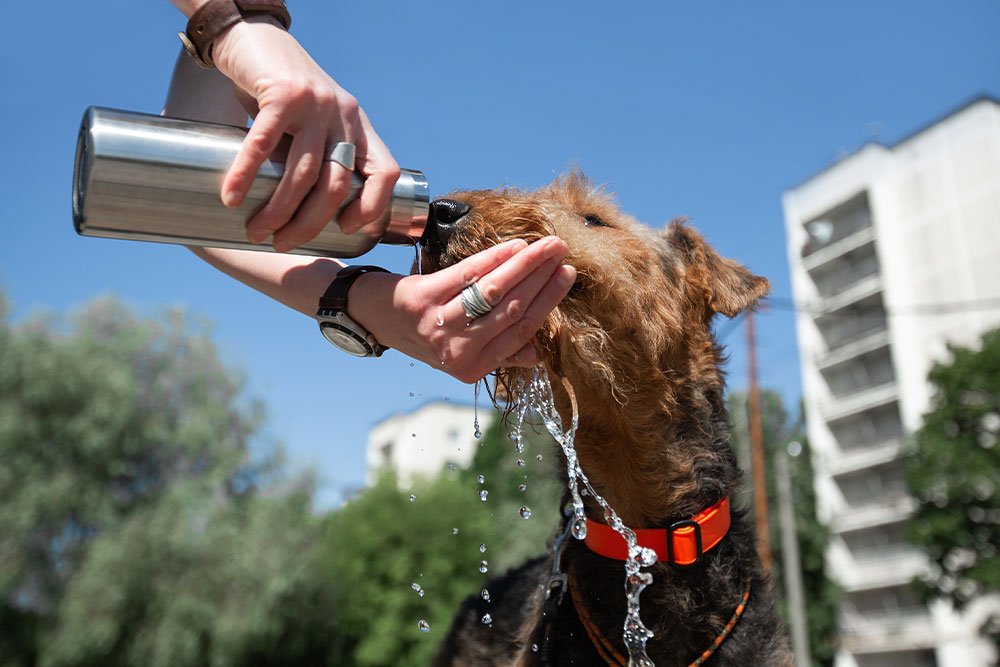
Worry about increased drinking is natural, but not every change is an emergency. Contact a vet within a few days if thirst clearly rises and lasts more than 2–3 days, even without other signs. Sudden, massive increases in drinking, changes in urination, appetite, weight, or energy should be discussed promptly. For puppies, seniors, or dogs with known illness, earlier consultation is recommended, because underlying disease can progress quietly.
Red flag symptoms that need urgency
Sudden excessive thirst can signal an emergency, especially when combined with other symptoms. Seek urgent veterinary care if your dog:
- Cannot stand, seems very weak, or collapses
- Has pale gums, yellow gums, or very dark urine
- Vomits repeatedly or has watery/bloody diarrhea
- Breathes fast, pants heavily at rest, or has a bloated abdomen
- Has seizures, disorientation, or suddenly changes behavior
Any rapid change plus a big jump in drinking is safer to treat as urgent.
What details your vet will ask for
Veterinarians will ask detailed questions to narrow down causes of excessive thirst. Having information ready makes diagnosis faster and safer.
Typical points include:
- When the increased drinking started and whether it is getting worse
- Approximate amount of water per day and any change in urination
- Current diet, treats, and recent food changes
- Medications or supplements in use, including flea/tick and steroids
- Other signs: vomiting, diarrhea, weight loss, panting, restlessness, accidents in the house, behavior change
- Female dogs: last heat cycle, spay status, possible pregnancy
Keeping a few days of notes on water intake, appetite, and urine output before the visit is very helpful for the vet.
How Vets Diagnose Excessive Thirst
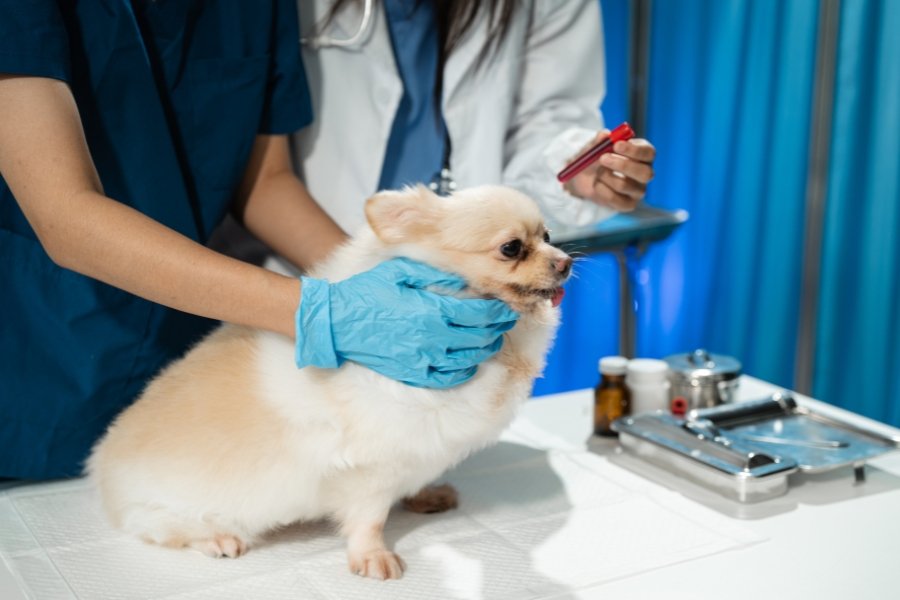
Excessive thirst (polydipsia) is treated as a clinical sign, so veterinarians diagnose the cause rather than the drinking behavior itself. In most cases, the process starts with a detailed history and physical exam, then moves to blood and urine tests to check kidneys, liver, sugar levels, and infection. If needed, vets add imaging (X‑ray/ultrasound) and hormone tests to look for diabetes, Cushing’s disease, or other internal problems. Careful step‑by‑step testing prevents missing serious disease while avoiding unnecessary procedures.
Physical exam and history taking
Veterinarians begin by listening carefully to the owner’s observations. They will ask when the increased drinking started, how much the dog drinks and urinates, changes in appetite or weight, medications, diet, and previous illnesses.
Next, a full physical exam is performed. The vet checks hydration status, gum color, heart and lung sounds, abdominal pain, temperature, and body condition. Any abnormalities help narrow down whether the cause is mainly hormonal, kidney-related, liver-related, infectious, or due to another problem.
Blood tests and urine tests
Blood and urine tests are central to finding the cause of excessive thirst. They are usually quick, minimally invasive, and provide a large amount of information.
| Test type | What it checks | What it can reveal about thirst |
|---|---|---|
| Complete blood count (CBC) | Red and white blood cells, platelets | Infection, inflammation, anemia |
| Biochemistry panel | Kidney, liver, blood sugar, electrolytes | Kidney disease, diabetes mellitus, liver problems, electrolyte imbalance |
| Urinalysis | Concentration, sugar, protein, infection | Dilute urine, diabetes, kidney disease, urinary infection |
Vets may also measure urine specific gravity to see whether the kidneys can concentrate urine properly, which is key in conditions such as kidney disease, Cushing’s disease, and diabetes insipidus.
Imaging and hormone testing
When blood and urine tests suggest an underlying disease, vets may use imaging and hormone tests to pinpoint the cause of excessive thirst.
Common imaging methods include X‑rays and abdominal ultrasound to check kidneys, liver, adrenal glands, uterus, and bladder for tumors, infections, stones, or structural problems. In some complex cases, CT or MRI may be recommended.
Hormone tests help diagnose Cushing’s disease, Addison’s disease, and diabetes insipidus. Typical tests include:
| Test type | Main purpose |
|---|---|
| ACTH stimulation test | Checks adrenal gland function (Cushing’s/Addison’s) |
| Low-dose dexamethasone suppression test | Confirms Cushing’s disease |
| ADH / water deprivation-related tests | Helps diagnose diabetes insipidus |
These advanced tests allow vets to choose the most appropriate treatment plan and give a clearer prognosis.
Treatment Options and Home Care
When a dog drinks too much water, treatment focuses on the underlying cause rather than simply cutting back water. Vets may prescribe medication (for example for diabetes or Cushing’s disease), special kidney or liver diets, antibiotics for infections, or surgery for conditions such as pyometra. At home, owners should always leave fresh water available, follow medication and diet instructions carefully, monitor urine, stool, appetite, and energy, and keep a simple diary of water intake to share at follow‑up visits.
Medical treatments for key diseases
Veterinarians tailor treatment to the underlying cause of excessive thirst, not just the symptom. Some main approaches are:
| Condition | Typical Medical Treatment |
|---|---|
| Kidney disease | IV fluids, blood pressure control, kidney‑supportive diets, nausea medication |
| Diabetes mellitus | Daily insulin injections, monitored diet and weight control |
| Cushing’s disease | Oral drugs that reduce cortisol, regular blood tests |
| Liver disease | Liver‑supportive medications, special diets, treatment of infections |
| Pyometra | Emergency surgery to remove the infected uterus, IV fluids, antibiotics |
Prompt, correct treatment often reduces thirst and prevents serious complications.
Diet changes and safe hydration tips
Food and water management often help after medical treatment. Dogs on mainly dry kibble usually need more water, while wet food or fresh diets provide moisture. Gradually adding wet food, unsalted broth, or water-rich toppers can support hydration without forcing drinking. Avoid very salty snacks (jerky, cheese, processed meats), as they increase thirst and may strain the kidneys.
For safe daily hydration, provide clean, cool water in several bowls, washed at least once a day. During hot weather or after exercise, offer small, frequent drinks and short rests instead of one large gulp. Use portable water bottles on walks, and avoid encouraging obsessive water play for long periods to reduce risk of water intoxication.
Why you should not limit water suddenly
Suddenly restricting a dog’s water can be dangerous rather than helpful. When dogs drink more due to illness, the body often uses extra water to flush toxins or balance blood sugar and salts. Rapid limitation may cause dehydration, electrolyte imbalance, or kidney strain, and can worsen nausea or confusion.
In addition, dogs that feel thirsty but cannot drink may gulp large amounts when water returns, increasing the risk of vomiting or water intoxication. Safer management is to offer constant clean water and promptly consult a veterinarian to address the underlying cause of increased thirst.
Preventing Thirst-Related Health Issues

Preventing thirst-related health issues begins with early observation and gentle habits, not strict water limits. Provide fresh, clean water at all times, wash bowls daily, and avoid very salty treats or heavily seasoned human food. Gradual diet changes, regular weight checks, and routine vet visits help detect problems before severe symptoms appear. During heat or intense exercise, offer frequent short water breaks and shade to keep hydration safe and stable.
Daily routines to monitor water use
Creating simple daily habits makes it easier to notice early changes in drinking.
- Use a marked jug or measuring cup for all water put in bowls and note the amount per day
- Refresh bowls at the same times (morning, midday, evening) to spot sudden increases
- Take a quick photo or note in a diary app if the bowl is empty earlier than usual
- For multi‑dog homes, use separate bowls to track each dog
- Combine water notes with weight, appetite, and urination patterns to share with the vet
Safer ways to let dogs play in water
Water play can be very enjoyable for dogs, but a few precautions help prevent overhydration and accidents.
- Prefer shallow areas where dogs can stand
- Use floating toys that do not require repeated diving
- Keep water sessions short with rest breaks
- Avoid letting dogs gulp hose or sprinkler streams
- Dry and warm dogs quickly in cold weather
If a dog seems exhausted, coughs, or shows bloating or disorientation after water play, stop immediately and consult a veterinarian.
When to schedule a health checkup
Scheduling regular health checkups helps catch subtle changes in thirst before they become serious. In general, adult dogs benefit from a full vet exam once a year, while puppies, seniors, and dogs with chronic illness should visit every 6 months.
Book an appointment sooner if you notice a clear increase in drinking or urination lasting more than 2–3 days, even without other symptoms. Sudden excessive thirst, behavior changes, weight loss, or accidents in the house are all reasons to move the checkup forward.
Is Drinking Too Much Water Unhealthy?
Many dogs go through short phases of drinking more water, and mild, temporary increases are usually not harmful. However, when intake stays high for days or is clearly excessive, it often signals an underlying problem rather than a harmless habit. Constant overdrinking can strain the kidneys and bladder, disturb sleep, and indicate serious disease such as diabetes or kidney trouble. On the other hand, suddenly drinking huge amounts in a short time can lead to dangerous water intoxication. Monitoring patterns and other symptoms is essential.
Balancing hydration and health risks
Staying well hydrated is vital for joint health, digestion, temperature control, and kidney function. A healthy dog should always have access to fresh water. Problems arise when thirst changes suddenly, intake is far above normal, or drinking is paired with symptoms such as weight loss, vomiting, or heavy urination. Owners should watch for patterns, not single days. When in doubt, measuring intake and asking a veterinarian early helps protect health while avoiding dangerous dehydration or overhydration.
Key takeaways for worried dog owners
For most dogs, a short-term increase in drinking has a harmless cause, such as warmer weather, more exercise, or dry food. However, sudden or ongoing excessive thirst, especially with other symptoms, can signal serious disease such as kidney trouble, diabetes, Cushing’s disease, or infection.
Key actions for owners are simple:
- Measure water intake for several days instead of guessing
- Watch for changes in urination, appetite, weight, and energy
- Seek urgent veterinary care if there is vomiting, collapse, confusion, staggering, or very sudden changes
Avoid restricting water without veterinary advice. Prompt assessment usually leads to better outcomes and safer treatment for dogs that are drinking too much.
This article provides a clear and easy-to-understand explanation from a third-party perspective, covering everything from the normal range and how to distinguish between normal and excessive water intake in dogs, possible illnesses and the risks of water intoxication, when to seek veterinary attention, what kind of tests are performed at the animal hospital, treatment and home care, and daily preventative measures. The content will help pet owners make informed decisions to protect their dog's health.







![[Funny Dog & Cat Videos] Tips for Filming to Bring Out Their Charm and Make Your Dog Look Like That!](https://with-my-dog.com/wp-content/uploads/2022/04/3015452_s-150x150.jpg)

![[Photos] Fat dogs are cute! Be careful not to get too fat](https://with-my-dog.com/wp-content/uploads/2022/07/image10-5-150x150.jpg)