
Many dog owners become worried when their dog's eye discharge suddenly increases or changes in color and consistency. In fact, eye discharge in dogs can often be a sign of illness or injury, not just fatigue or dust. This article clearly explains seven common health problems that cause eye discharge in dogs, along with possible symptoms and when to seek veterinary attention. Please use this information to help you notice any abnormalities early and prevent or mitigate eye problems in your dog.
Is Dog Eye Discharge Ever Normal?
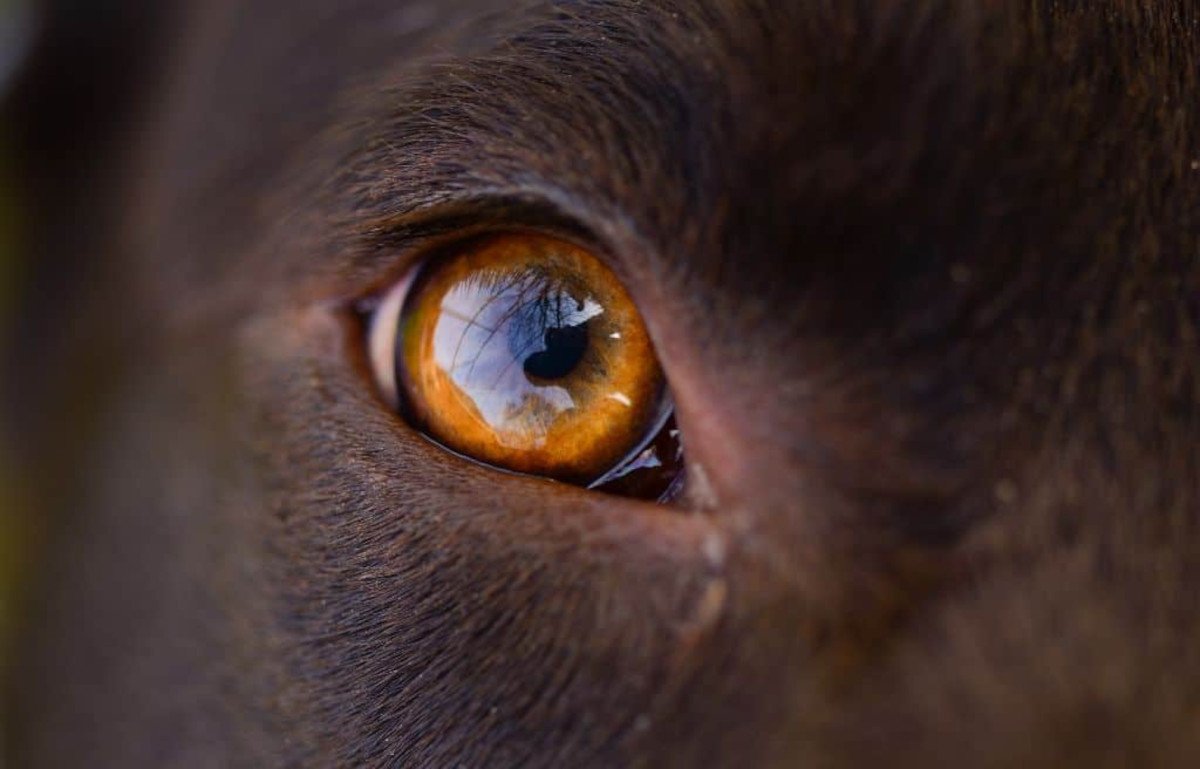
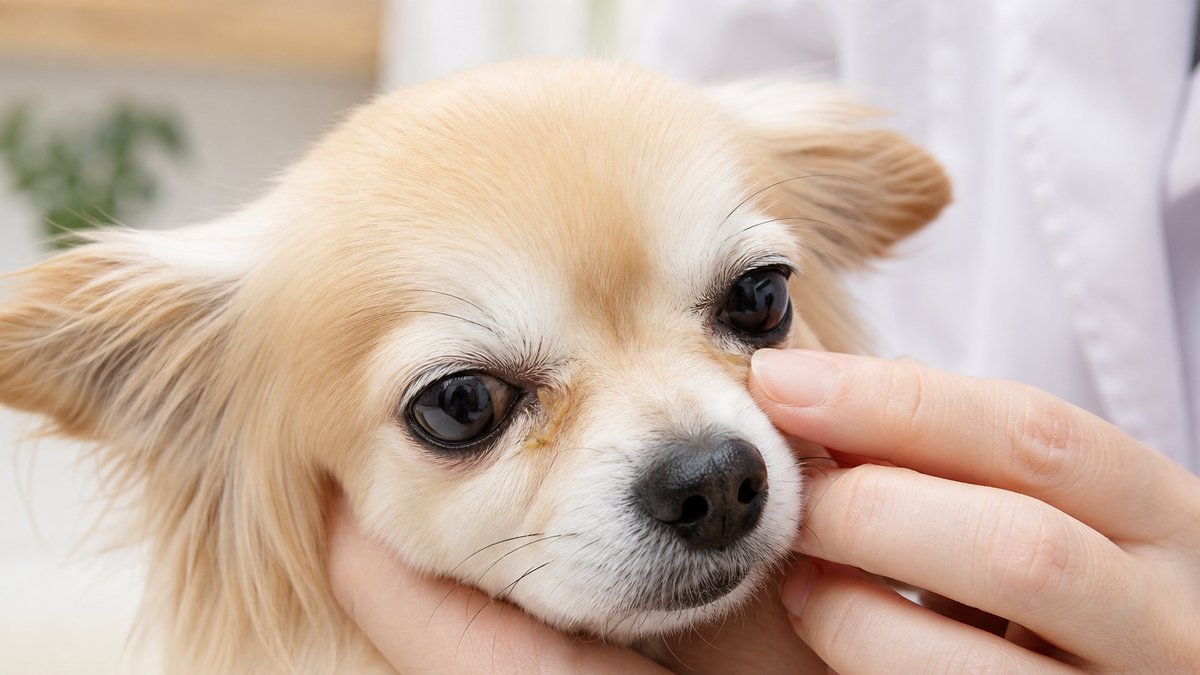
Some eye discharge is completely normal for many dogs. The eyes constantly produce tears to keep the surface moist and to flush away dust or tiny particles. As tears dry, a small amount of soft, clear-to-light-brown residue can collect at the inner corners of the eyes, especially after sleep.
Normal discharge does not cause redness, squinting, bad odor, or obvious discomfort. In healthy dogs, the amount should be small, easy to wipe away, and relatively consistent from day to day. Any sudden change in color, quantity, or behavior usually suggests a health problem rather than normal tearing.
Small morning eye crusts
A small amount of light-colored crust in the inner corners of a dog’s eyes in the morning is usually normal. During sleep, tears, dust, and old cells collect and dry. Soft flakes that wipe away easily with a damp cotton pad and do not come back quickly or change color are generally harmless. However, large amounts, bad odor, or yellow‑green or bloody crust should be treated as a possible health problem and checked by a veterinarian.
When clear tearing is harmless
Clear, watery tears can be normal in many dogs. Occasional tearing from wind, cold air, excitement, or a bit of dust is usually harmless if the eyes stay white, comfortable, and your dog behaves normally. The fur may feel slightly damp, but there should be no foul smell, heavy crusts, or colored discharge.
However, even clear tearing can be a concern when it is constant, soaks the fur, or comes with redness, squinting, or rubbing. Persistent tearing, especially in flat‑faced or small breeds, can indicate allergies, irritants, or tear‑duct problems and should be checked by a vet.
Warning Signs in Your Dog’s Eye Discharge
Dog eye discharge becomes worrying when it changes from the usual small, clear eye crusts to persistent, abnormal discharge combined with other symptoms. Owners should pay attention if discharge increases suddenly, appears in only one eye, or returns repeatedly. Warning signs include color changes, bad odor, eye redness, swelling, pain, or vision problems. In particular, painful or sudden-onset eye discharge can signal emergencies such as ulcers or glaucoma, so prompt veterinary consultation is strongly recommended.
Changes in color, smell, or thickness
Changes in eye discharge often signal a shift from harmless to potentially serious.
- Color: Clear discharge can be normal, but yellow, green, or bloody discharge usually indicates infection or injury and needs a vet check.
- Smell: A bad or unusual odor around the eyes suggests bacteria or severe inflammation.
- Thickness: Watery tears are less worrying; thick, stringy, or sticky mucus points to problems like conjunctivitis or dry eye.
Any sudden change in these features, especially in both eyes at once, should be assessed by a veterinarian promptly.
Redness, squinting, and pawing at eyes
Red, irritated eyes combined with squinting or holding an eye shut often signal pain or inflammation rather than simple eye “gunk.” Pawing or rubbing the face on the floor or furniture means the eye is itchy or uncomfortable and can quickly cause scratches or ulcers. Any redness plus squinting or pawing should be treated as an eye emergency and checked by a veterinarian as soon as possible to prevent permanent damage or vision loss.
Vision changes and behavior shifts
Vision problems are often subtle, but they are an important warning sign. Owners may notice bumping into furniture, misjudging doorways, or hesitation on stairs, especially in dim light. A normally confident dog may suddenly cling to the owner, move more slowly, or refuse to go out at night. Some dogs become unusually anxious or irritable when approached from the side they cannot see well. Such behavior changes together with eye discharge suggest more than a simple irritation and should prompt prompt veterinary consultation.
7 Common Health Problems Behind Eye Discharge
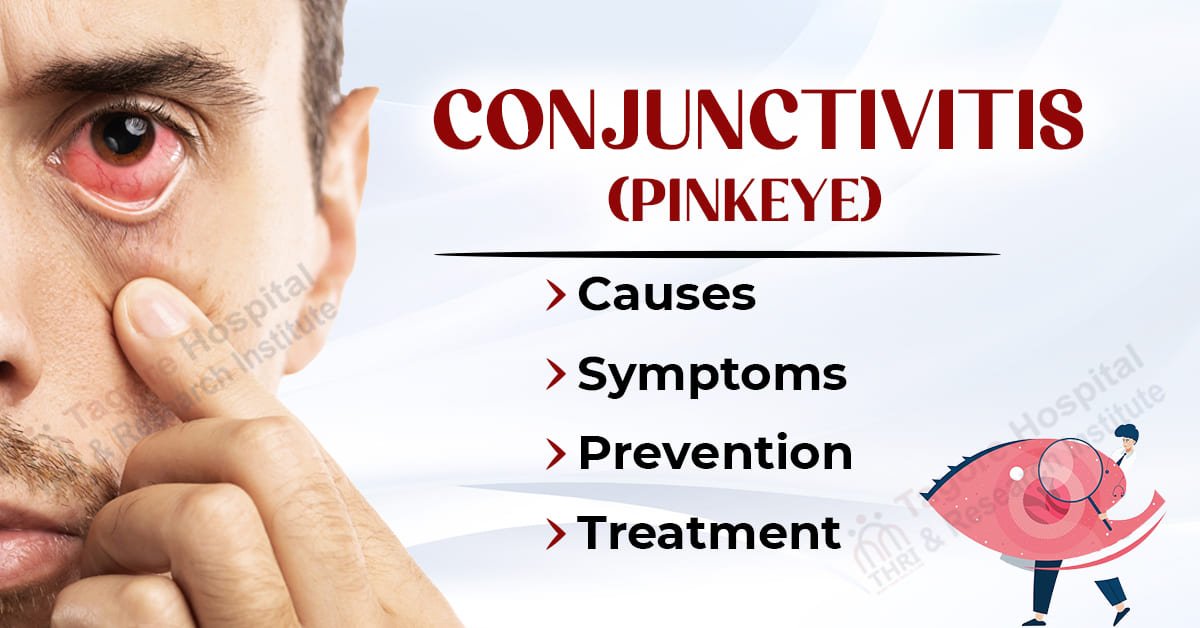
Eye discharge is not a disease on its own; it is a symptom of many different eye or whole‑body problems. Common causes range from mild and treatable conditions to urgent emergencies.
Typical health problems behind eye discharge include:
- Conjunctivitis and other infections (bacterial, viral, fungal)
- Corneal ulcers and eye injuries from scratches or foreign bodies
- Dry eye (keratoconjunctivitis sicca), where tear production is too low
- Glaucoma, which raises pressure inside the eye and can cause pain
- Allergies and environmental irritants, such as pollen or dust
- Blocked tear ducts, leading to constant overflow of tears
- Breed‑related eyelid and eyelash issues, including entropion and long facial hair
Understanding these potential causes helps dog owners judge how serious the situation may be and why prompt veterinary assessment is important whenever discharge changes suddenly or worsens.
1. Conjunctivitis and eye infections
Conjunctivitis refers to inflammation of the conjunctiva, the pink tissue lining the eyelids. It often causes red, swollen eyes with gooey discharge. The discharge may be clear, white, yellow, or green, and the eyelids can stick together after sleep.
Main causes include bacterial or viral infections, allergies, foreign material, or irritation from shampoo or smoke. Dogs may squint, blink often, or rub the face.
Prompt veterinary care is important. Treatment usually involves prescription eye drops or ointment, and sometimes oral medication, depending on the cause.
2. Corneal ulcers and eye injuries
Corneal ulcers are wounds or scratches on the clear surface of the eye. They often occur when a dog is poked by a branch, clawed during play, rubbed the eye on rough surfaces, or when a foreign body such as sand, grass seeds, or dust gets trapped under the eyelid. Chemical irritants like shampoo can also injure the cornea.
Typical signs include sudden squinting, keeping one eye closed, redness, and watery or mucus-like discharge. Many dogs rub the painful eye with a paw or on furniture. Because ulcers can deepen quickly and even lead to vision loss or eye rupture, any suspected eye injury or sudden discomfort should be seen by a vet the same day.
3. Dry eye (keratoconjunctivitis sicca)
Dry eye, or keratoconjunctivitis sicca (KCS), occurs when a dog’s tear glands do not produce enough tears. Tears normally keep the surface of the eye smooth, moist, and protected from dust and germs. When tear production drops, the eye becomes dry, irritated, and prone to injury and infection.
Typical signs include thick, stringy discharge, redness, frequent blinking, and a dull or rough-looking cornea. Some dogs rub their face because the eyes feel itchy or painful. Untreated KCS can lead to corneal ulcers, pigment on the cornea, and even permanent vision loss, so prompt veterinary care is very important.
KCS is often caused by an immune-mediated attack on the tear glands, but can also be linked to certain medications, hormonal disease, or previous eye infections. Treatment usually involves lifelong use of prescription eye drops that stimulate tear production and replace missing tears. With early diagnosis and consistent treatment, many dogs remain comfortable and keep good vision.
4. Glaucoma and eye pressure issues
Glaucoma occurs when pressure inside the eye rises and damages the optic nerve. In many dogs, it develops suddenly and is extremely painful. Eye discharge may appear watery or slightly cloudy, and the eye can look enlarged, hard, or bluish. Other signs include redness, a very dilated pupil, bumping into objects, or acting dull from pain.
Glaucoma is an emergency. Sudden eye swelling, cloudiness, or vision loss require same‑day veterinary care to prevent permanent blindness and relieve severe discomfort.
5. Allergies and environmental irritants
Allergies and environmental irritants often cause clear, watery discharge, mild redness, and itchiness. Common triggers include pollen, dust, mold, cigarette smoke, perfumes, cleaning sprays, and even some shampoos or laundry detergents. Dogs may rub their face on furniture or paw at the eyes.
If both eyes are affected and symptoms come and go with seasons or certain locations, allergy is more likely than infection. However, persistent discharge, strong redness, or squinting should be checked by a veterinarian, as allergic irritation can lead to secondary infections or corneal damage.
6. Blocked tear ducts and tear overflow
Tears normally drain through tiny openings at the inner corners of a dog’s eyelids into the nose. When tear ducts are blocked or too narrow, tears spill over the eyelids and cause constant wetness and staining. Causes include congenital narrow ducts, scarring from past infections, inflammation, or small foreign bodies. Dogs often show wet fur under the eyes, reddish-brown tear stains, and mild clear discharge, but usually no strong pain.
Persistent overflow can irritate the skin and may mask more serious problems. If one eye suddenly becomes much wetter, or discharge changes color or odor, a veterinary check is important. Vets may flush the ducts, treat infections or inflammation, and in some cases recommend surgery to improve drainage and comfort.
7. Breed-related eyelid and eyelash problems
Eyelid and eyelash structure strongly affects eye discharge. In some breeds, the eyelids roll inward (entropion) or outward (ectropion), or extra eyelashes rub on the cornea (distichia, ectopic cilia). Constant friction causes redness, pain, and thick or mucus-like discharge. Flat-faced and loose-skinned breeds are especially prone. Many dogs need surgical correction plus eye drops or ointments to protect the surface of the eye and prevent scarring or ulcers.
What Eye Discharge Color Can Tell You
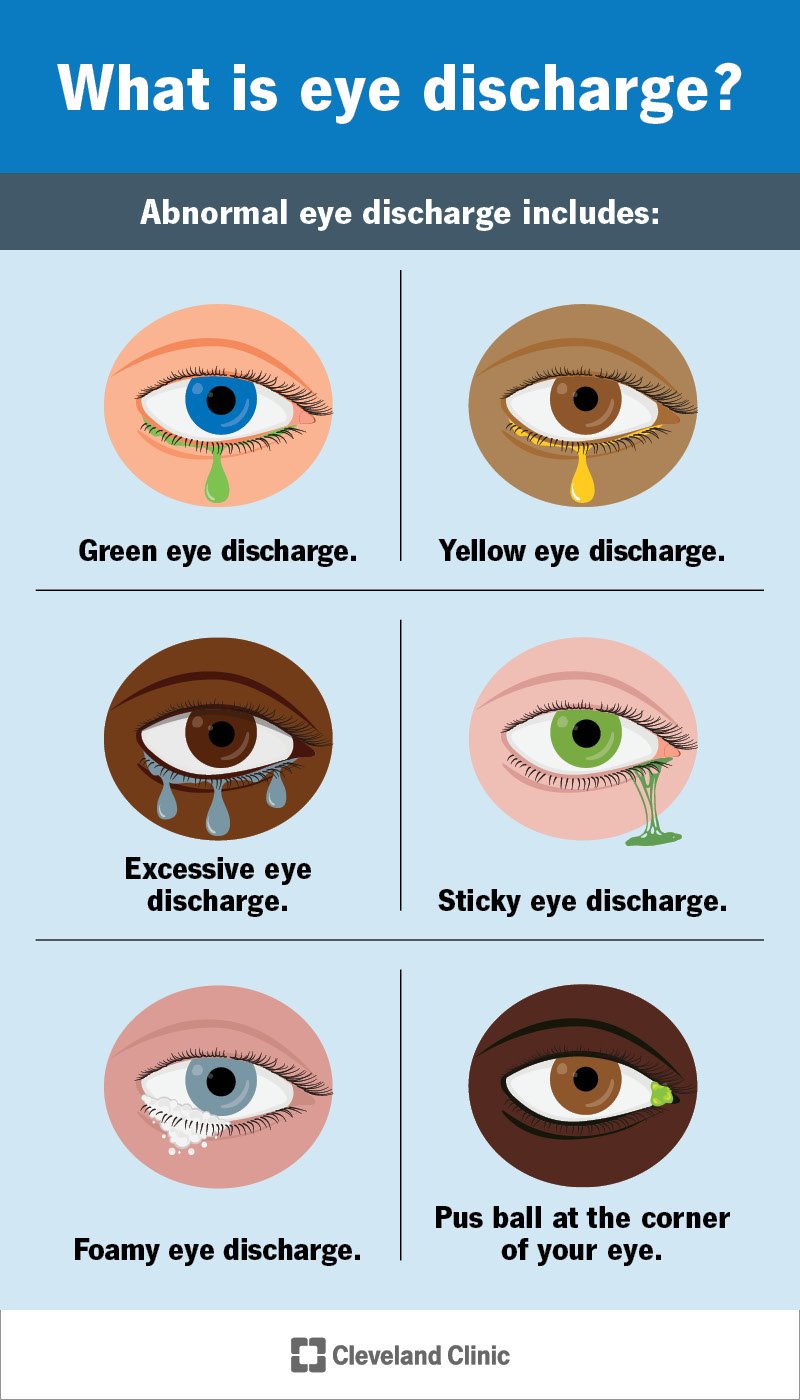
Eye discharge color often reflects the underlying health dog eye discharge causes and helps owners judge urgency. In general, clear tears are more likely linked to mild irritation or allergies, while yellow, green, or bloody discharge usually signals infection or serious eye disease. However, color alone is not enough. Vets also assess amount, thickness, odor, and changes over time to decide whether immediate treatment or further testing is needed.
Clear, watery eye discharge
Clear, watery eye discharge often comes from excess tearing rather than infection. Mild tearing after wind, dust, or excitement can be normal if eyes stay clear, white, and comfortable. The fur may feel damp, but dogs act normal.
However, constant watery eyes, redness, squinting, or rubbing can signal problems such as allergies, irritation, or blocked tear ducts. Persistent tearing that soaks the fur or forms tear stains should be checked by a veterinarian.
Reddish-brown tear stains
Reddish-brown streaks under the inner corners of a dog’s eyes are usually tear stains, not dried blood. The color comes from pigments in tears reacting with air and skin bacteria. Small, long‑standing stains in light-colored breeds can be mainly cosmetic. However, new or suddenly darker stains, a bad odor, skin redness, or constant wetness may signal problems such as blocked tear ducts, allergies, eye irritation, or infection, so a veterinary check is recommended.
White or gray mucus
White or gray eye mucus often looks like stringy, sticky strands or blobs in the inner corner of the eye. In many dogs, this type of discharge suggests chronic irritation or a condition such as dry eye (keratoconjunctivitis sicca) or mild, ongoing conjunctivitis. The eye surface is not being kept moist enough, so thicker mucus forms to compensate. Any increase in amount, foul odor, or pairing with redness or squinting should prompt a veterinary check, since untreated dry eye can lead to painful ulcers and vision loss.
Yellow or green pus-like discharge
Yellow or green, pus-like eye discharge is almost always a sign of infection or serious inflammation. Bacteria, viruses, or fungi can cause conjunctivitis, corneal ulcers, or even a deeper eye infection. Dogs may also show redness, swelling, pain, or keep the eye closed. Home care alone is unsafe; prompt veterinary treatment is essential to protect vision and relieve discomfort.
Thick, crusty eye gunk
Thick, hard eye gunk often means discharge has been building up for a while and drying on the fur. It may start as mucus, pus, or heavy tearing, then form firm crusts that can pull on the skin and lashes. Large crusts can cause discomfort, redness, or even small sores at the inner corner of the eye.
Do not pick or peel off dry clumps. Soften crusts first with warm, damp cotton and gently wipe away, then contact a veterinarian if new gunk appears quickly, has odor, or is paired with pain, swelling, or vision changes.
Dog Breeds Prone to Eye Discharge
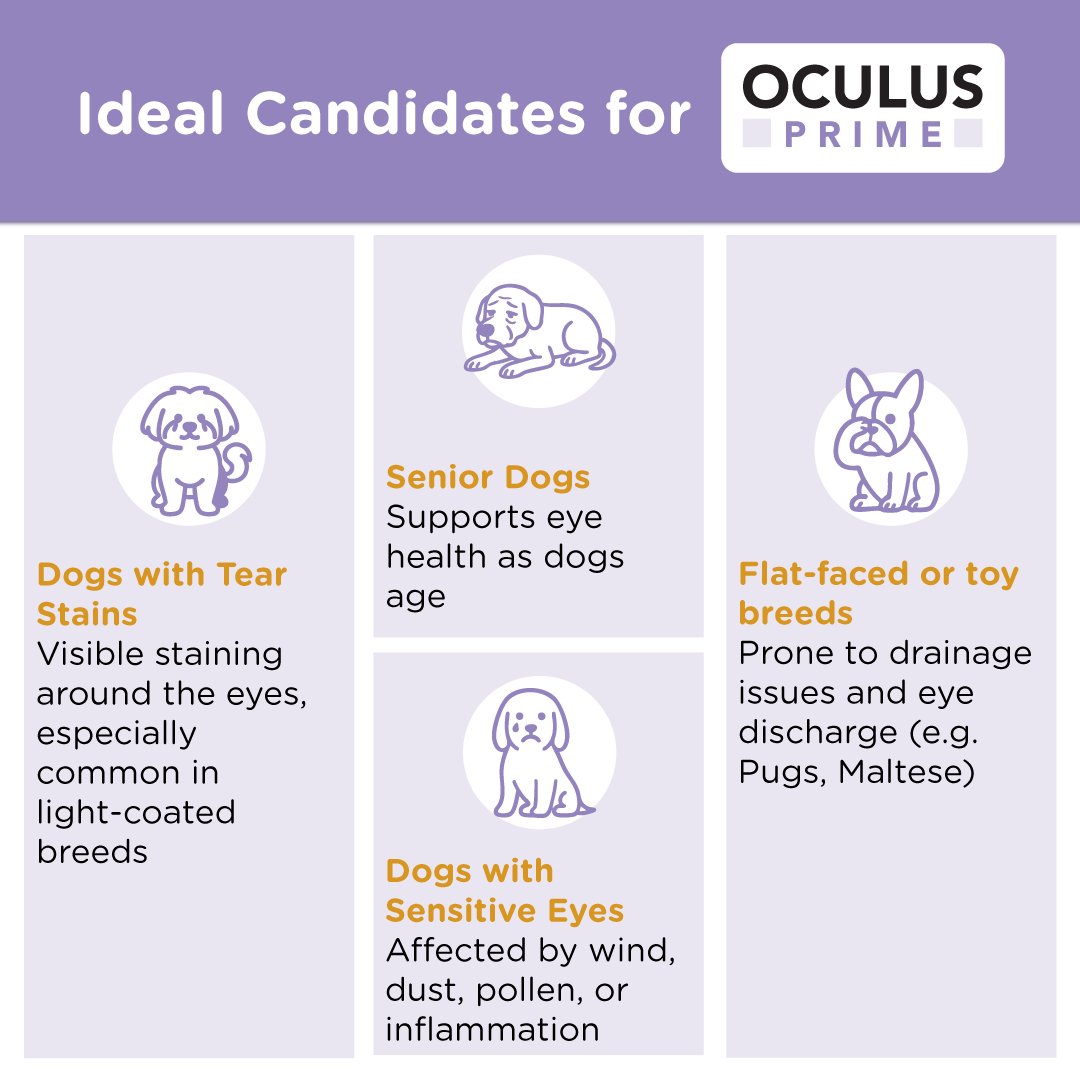
Some breeds are simply more prone to eye discharge because of face shape, eyelid structure, or lifestyle. Flat-faced dogs, small toy breeds, and dogs with loose facial skin often have constant tearing. Active working dogs that spend time outdoors may also pick up dust and debris more easily. Knowing a breed’s tendency helps owners spot early changes and arrange regular eye checks, trimming, and gentle cleaning to protect long‑term eye health.
Flat-faced and toy breeds
Flat‑faced and toy breeds such as Pugs, French Bulldogs, Shih Tzus, Pekingese, and Chihuahuas often have naturally shallow eye sockets and prominent eyes. Tears spill over easily, leading to regular staining and mild discharge. Their narrow tear ducts and small faces also trap dust and hair around the eyes. Owners should check eyes daily, keep facial hair trimmed, and consult a vet if discharge changes color, becomes thick, or is paired with redness or squinting.
Breeds with heavy facial folds
Breeds such as Bloodhounds, Shar-Peis, Bulldogs, Cocker Spaniels, and Pekingese often have deep skin folds around the eyes that trap moisture, tears, and debris. This environment encourages irritation, redness, and recurrent discharge or infection. Gentle daily cleaning and keeping facial hair trimmed are very important. Persistent odor, swelling, or colored discharge around the folds should prompt a veterinary check, as chronic fold dermatitis can quickly affect eye health.
Working and outdoor dogs
Working and sporting dogs that spend long hours outdoors often experience more eye discharge. Wind, dust, sand, pollen, smoke, and debris can all irritate the eye surface and trigger watery or mucous discharge. Dogs that run through brush or tall grass are also at higher risk for scratches and foreign bodies.
Using a dog-safe eye lubricant before messy activities, rinsing eyes gently afterward, and avoiding dusty or smoky environments as much as possible can help protect eye health. Owners should check the eyes after every outing for redness, squinting, or new discharge.
How Vets Diagnose Eye Problems in Dogs
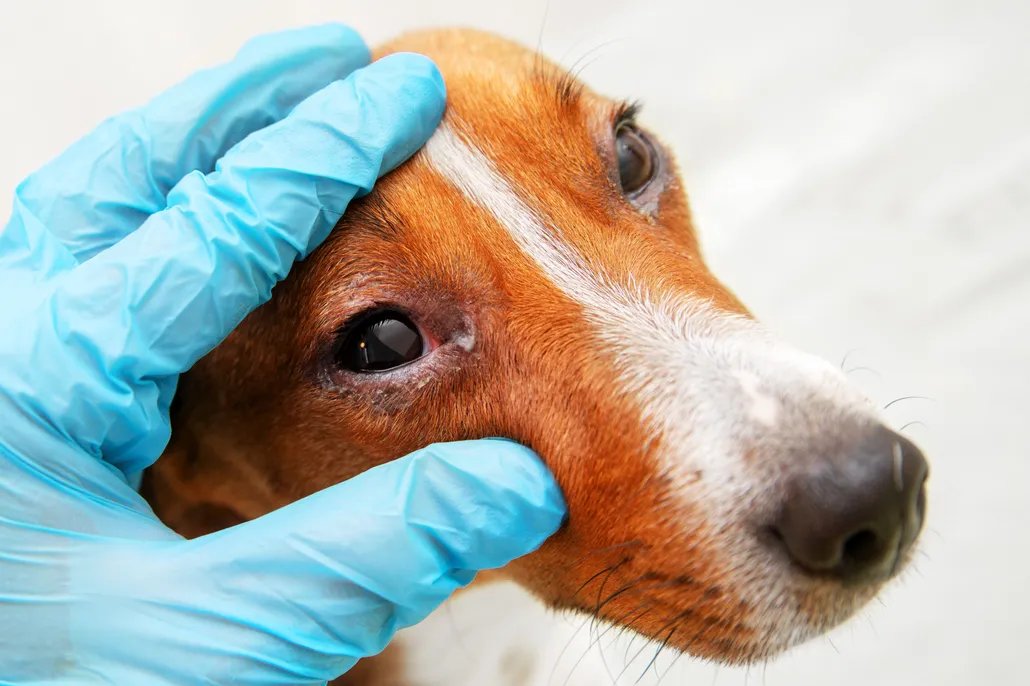
When eye discharge is more than a minor nuisance, veterinarians follow a structured process to find the cause. The goal is to determine whether the problem is on the eye surface, inside the eye, or related to the eyelids or tear system. To do so, veterinarians combine a detailed history, careful eye examination, and simple in‑clinic tests. Accurate diagnosis allows selection of the safest treatment and helps protect your dog’s vision.
Questions and physical exam
Veterinarians begin by asking detailed questions about the eye discharge and overall health. Typical questions cover when the discharge started, how it has changed, which eye is affected, recent injuries, new foods or cleaners, and any other symptoms such as sneezing, coughing, or behavior changes.
During the physical exam, the veterinarian checks the whole body first, then focuses on the eyes and face. The vet looks for redness, swelling, squinting, pain, changes in pupil size, eyelid or eyelash abnormalities, and tear staining. The area around the eyes, nose, and mouth is also inspected for signs of allergy, infection, or injury.
Eye tests, stains, and pressure checks
Veterinarians often perform several simple eye tests during the exam. A fluorescein stain highlights scratches or ulcers on the cornea. A Schirmer tear test measures tear production to check for dry eye. A tonometry test measures eye pressure to detect glaucoma. In some cases, swabs of the discharge or blood tests are used to identify infection or underlying disease. These tests are quick, usually painless, and crucial for choosing the right treatment.
When referral to an eye specialist is needed
In many cases a general veterinarian can manage eye problems, but some situations require a veterinary ophthalmologist. Referral is recommended when:
- Pain or redness does not improve within 24–48 hours of treatment
- Ulcers, scratches, or injuries are deep or keep returning
- Glaucoma or sudden vision loss is suspected
- Complex conditions such as dry eye unresponsive to standard medicine appear
- Eye pressure or lens problems suggest a need for surgery
Specialists have advanced tools and surgical options that help protect long‑term vision.
Safe Home Care for Mild Eye Discharge
Mild eye discharge can often be managed at home if your dog is bright, comfortable, and the eye itself looks clear. The goal is to keep the eye area clean, reduce irritation, and avoid infection while monitoring for changes. Gentle wiping with suitable products, preventing rubbing, and watching for worsening redness, swelling, or pain are key. However, home care is only for mild, short‑term discharge; any sudden, severe, or persistent change still needs veterinary advice.
How to gently clean your dog’s eyes
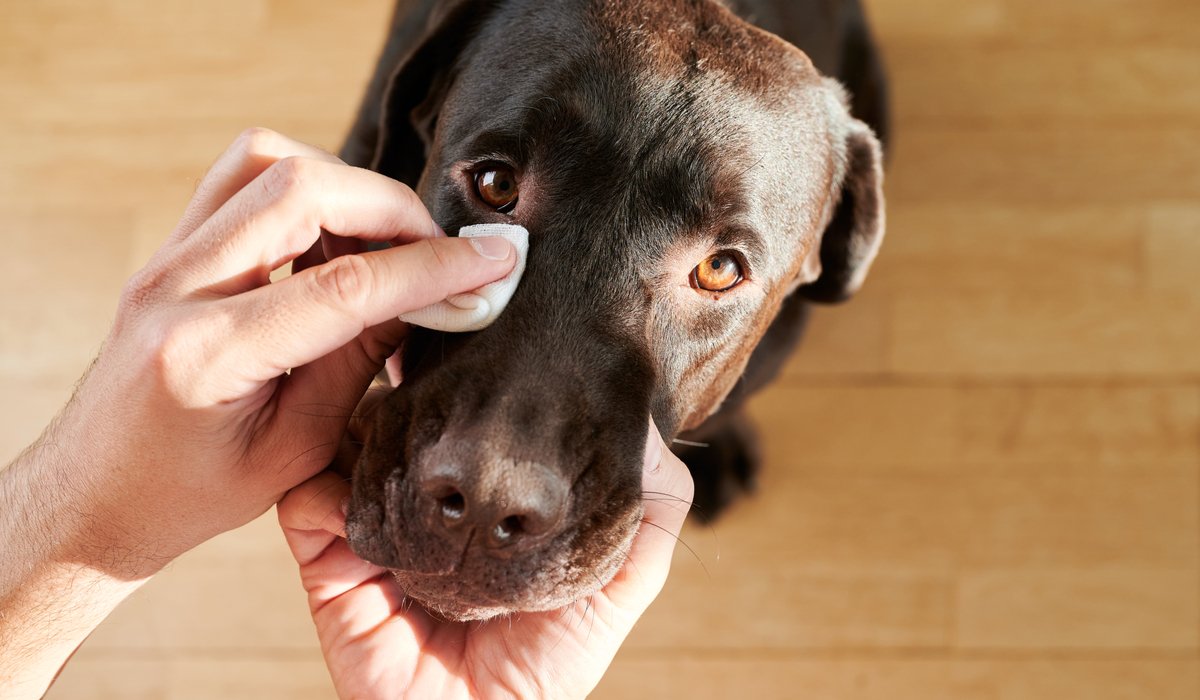
Gently cleaning the eye area helps prevent irritation and infection. Prepare soft cotton pads or gauze and lukewarm water or sterile saline. Wash hands first to avoid bringing germs near the eyes.
Soak the pad, squeeze out excess liquid, then wipe from the inner corner (near the nose) outward in one smooth motion. Use a new pad for each wipe and for each eye so discharge is not spread. Do not rub back and forth, and do not touch the eyeball. If discharge is stuck, hold the damp pad on the crust for a few seconds to soften it, then wipe away gently. Stop immediately if the dog shows pain and contact a veterinarian.
Eye wipes, saline, and what to avoid
For mild discharge, plain, pet-safe products are safest. Pre-moistened dog-specific eye wipes or sterile saline (0.9% sodium chloride) help soften crusts and remove staining around the eyes. Use a fresh pad or cotton ball for each eye to avoid spreading germs.
Avoid human eye drops, redness-relief drops, contact lens solutions, hydrogen peroxide, alcohol, makeup removers, and baby wipes around the eyes. Do not use herbal or homemade solutions unless a veterinarian has approved them, because they may sting or damage the cornea.
Steps for applying dog eye medication
Correct application helps medication reach the surface of the eye safely and effectively.
- Wash and dry hands thoroughly. Prepare cotton pads or tissues to catch extra drops.
- Gently hold the dog’s muzzle and lift the upper eyelid or pull down the lower lid to form a small pocket.
- For eye drops, hold the bottle close but not touching the eye, apply the prescribed number of drops into the pocket, then let the dog blink.
- For ointment, apply a thin ribbon inside the lower lid, then gently close the eye and massage the eyelid so medication spreads.
- Reward the dog calmly to make future treatments easier.
Avoid touching the eye surface or lashes with the tip of the bottle or tube to prevent injury and contamination.
When to Call the Vet About Eye Discharge
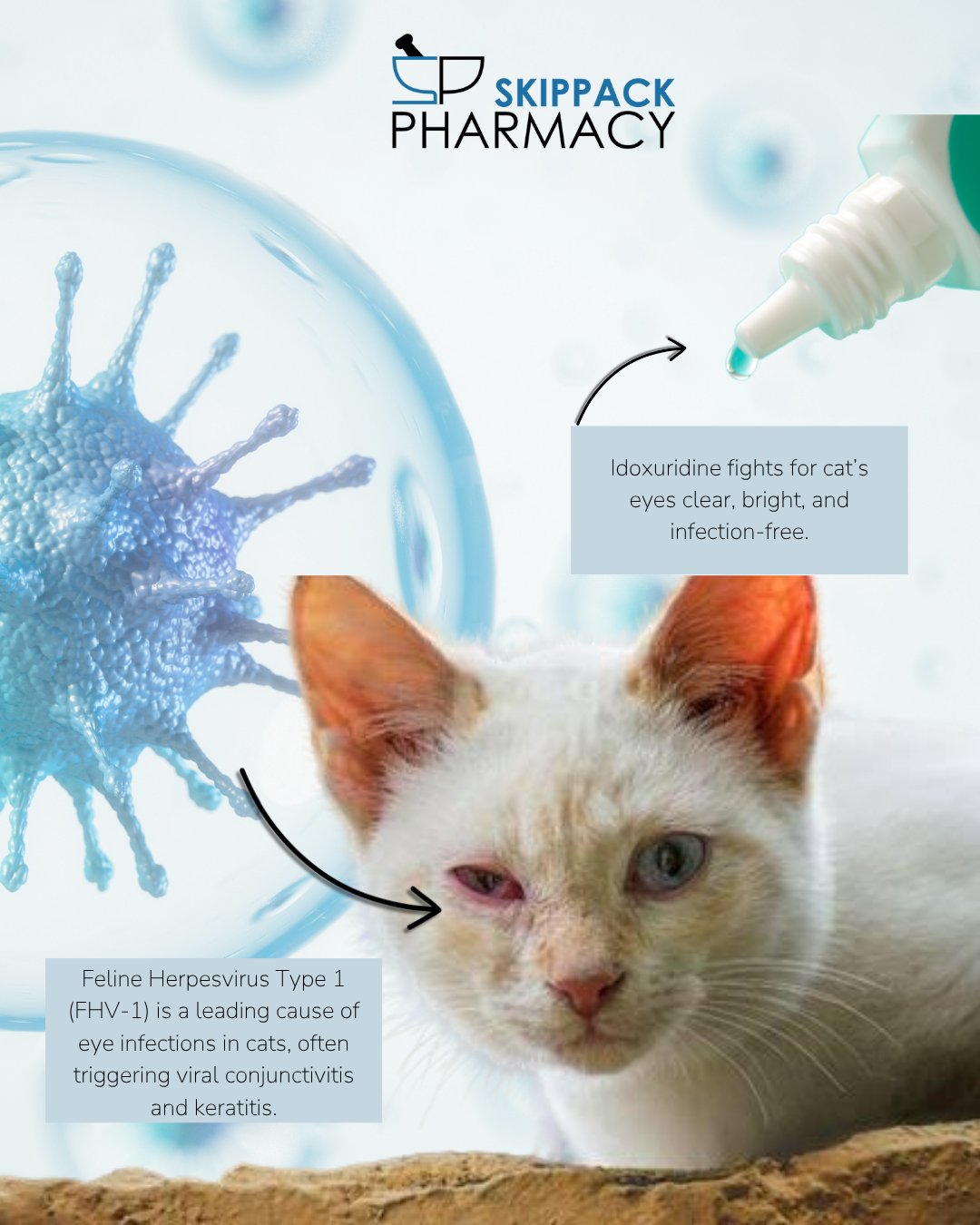
Mild, clear eye discharge that improves within a day may be monitored at home. However, eye problems can worsen quickly, so contacting a vet is safer whenever there is doubt. Call a vet promptly if discharge appears suddenly, lasts more than 24 hours, keeps returning, or is accompanied by redness, squinting, pain, or behavior changes. Puppies, senior dogs, and dogs with chronic illness should be checked sooner, even for seemingly minor eye issues.
Urgent symptoms that need same-day care
Eye problems can worsen within hours, so some signs require same-day veterinary care. Seek urgent help if any of the following appear:
- Sudden eye cloudiness, a blue/white film, or bulging eye
- Yellow or green discharge with marked redness or swelling
- Intense pain: constant squinting, crying, hiding, refusing to open the eye
- Visible injury: blood, scratch, foreign object, or eyelid torn/rolled in
- Closed eye that will not open, or discharge sealing the lids
- Sudden vision changes: bumping into objects, disorientation, dilated pupils
In such cases, contact a vet or emergency clinic immediately, even outside normal hours.
Situations where you can monitor briefly
Some mild eye discharge can be observed at home for a short time. Monitoring is reasonable when your dog seems bright, is eating well, and only has slight clear or white discharge without redness or pain. For example, a bit of extra tearing after a windy walk, mild seasonal allergies, or a one‑off irritant such as dust may settle within 24 hours. If discharge worsens, changes color, or your dog starts squinting or rubbing, prompt veterinary advice becomes important.
Preventing Future Eye Problems in Dogs
Preventive care focuses on spotting small changes early and reducing irritation around the eyes. Regular checks, gentle grooming, and a clean environment greatly lower the risk of serious eye disease. Owners should learn their dog’s normal eye appearance, trim hair that touches the eyes, and keep dust and chemicals away. Prompt attention to mild discharge or redness helps protect vision and avoid painful problems later.
Daily eye checks and grooming habits
Everyday eye care can catch problems early. A quick daily glance at each eye helps owners notice changes. Check that the whites are clear, the surface is shiny, and both pupils look the same. Light, clear moisture and a tiny crust in the morning are usually normal.
Grooming also plays a big role. Gently wipe away soft discharge from the inner corner with a damp cotton pad or pet-safe wipe, always using a fresh pad for each eye. For long-haired breeds, keep fur around the eyes trimmed to prevent irritation and trapped moisture. Regular brushing removes dust and pollen from the face, which supports overall eye comfort.
Keeping irritants away from your dog’s eyes
Keeping irritants away from a dog’s eyes helps prevent many causes of eye discharge. Try to avoid cigarette smoke, strong cleaning sprays, aerosol products, dust, and garden chemicals near the face. When walking on windy days or in sandy areas, consider changing route or using a dog-safe protective hood.
During bathing or swimming, shield the eyes and use only dog-specific shampoo, rinsed thoroughly. Trim hair around the eyes so strands do not rub the surface. For dogs that ride with their head out of the car window, close the window enough to protect from insects and debris that may injure the eye.
Nutrition and overall health for bright eyes
Good nutrition supports eye tissue, tear production, and immune defenses. A complete, balanced dog food appropriate for age and size is the foundation. Omega‑3 fatty acids (from fish oil), vitamins A, C, and E, and zinc help maintain the cornea and reduce inflammation. Fresh water prevents concentrated tears. Keeping weight healthy, controlling allergies, and regular vet checks all lower the risk of health dog eye discharge causes linked to systemic disease, such as diabetes or high blood pressure.
Summary of Dog Eye Discharge Causes and Care
Dog eye discharge can be normal when it is small, clear, and your dog seems comfortable. However, changes in color, amount, or your dog’s behavior often signal health problems. Common causes include conjunctivitis and infections, corneal injuries, dry eye, glaucoma, allergies, blocked tear ducts, and breed‑related eyelid or eyelash issues.
Color and texture give useful clues: yellow‑green or thick, foul‑smelling discharge is especially worrying and usually needs fast veterinary care. Gentle cleaning with damp cotton pads, safe saline, and correct use of prescribed eye drops can support recovery, but home care cannot replace diagnosis.
Owners are encouraged to call a vet promptly for redness, pain, squinting, or vision changes, and to monitor only mild, short‑lived discharge in a bright, comfortable dog. Regular eye checks, appropriate grooming, protection from irritants, and good nutrition help prevent many problems and keep a dog’s eyes clear and healthy.
While a small amount of eye discharge in the morning can be physiological, changes in color, amount, or odor, or signs of pain, could indicate an underlying illness. This article explains seven common health problems in dogs, how to distinguish them by color, signs that you should visit a veterinary hospital, home care, and preventative measures.







![[Latest] French Dog Names: A Guide to Cool and Stylish Names](https://with-my-dog.com/wp-content/uploads/2022/04/image1-150x150.jpg)