


Many dog owners worry when their beloved pet is shivering, wondering, "Is it just because they're cold?" or "Is it a sign of illness?" Dog shivering can have a variety of causes, from temporary reasons like cold or anxiety to more serious illnesses requiring immediate veterinary attention, such as pain, poisoning, or epilepsy. This article will explain the main causes of dog shivering, how to distinguish between them, when to seek veterinary attention, and key points for home care, providing a clear explanation of when and how to respond.
Is Dog Shaking Normal or Serious?

Dog shaking can be completely normal or a sign of a serious health problem, depending on the situation. Mild trembling from excitement, being cold, or briefly feeling nervous is usually harmless and stops on its own. However, sudden, intense, or repeated shaking, especially with other symptoms such as vomiting, breathing trouble, collapse, or confusion, can indicate an emergency. When shaking seems unusual for a dog’s normal behavior or persists, a veterinary check is strongly recommended.
Types of shaking and trembling in dogs
Dog shaking can appear in several patterns. Understanding the type of movement helps narrow down the cause.
| Type of shaking | What it looks like | Common causes |
|---|---|---|
| Whole‑body shiver | Rapid, fine shaking through the body | Cold, fear, excitement, mild illness |
| Localized tremor | Only one leg, head, or jaw shakes | Pain, injury, nerve issues, breed tremor |
| Intermittent quiver | Short episodes that stop on their own | Anxiety, anticipation, mild nausea |
| Continuous tremor | Ongoing shaking, hard to stop | Neurologic disease, toxin, metabolic problem |
| Jerking or convulsions | Stiff body, paddling legs, loss of awareness | Seizures, poisoning, serious emergency |
Gentle, brief shivers with normal behavior are often harmless. Sudden, violent, or persistent shaking, especially with other symptoms, can signal a medical emergency.
Key questions to ask yourself first
Before deciding how serious shaking is, dog owners can quickly review a few key points. Asking the right questions helps clarify whether the situation is urgent or possibly harmless.
| Question to ask | Why it matters |
|---|---|
| When did the shaking start? Sudden or gradual? | Sudden onset can signal injury, poisoning, or acute illness. |
| How long does each episode last? | Long or repeated episodes raise concern. |
| What was happening just before? | Cold, excitement, loud noises, or exercise suggest everyday triggers. |
| Are there other symptoms? | Vomiting, diarrhea, collapse, trouble walking, or confusion are red flags. |
| Is your dog alert and responsive? | A dull, non‑responsive dog needs prompt veterinary care. |
| Any access to toxins or new food/medication? | Exposure to chocolate, xylitol, rat poison, or new drugs can cause dangerous tremors. |
If the answer to any question points to pain, poison, breathing trouble, or major behavior change, contact a veterinarian immediately.
Common Everyday Reasons Dogs Shake

Many shaking episodes in dogs are linked to everyday situations rather than serious illness. Short, occasional trembling that stops once the situation changes is often normal. Common examples include being cold, feeling excited, reacting to stress, or shaking off water and dust. However, if shaking becomes frequent, lasts a long time, or appears together with pain, vomiting, collapse, or breathing problems, a health problem may be involved and a vet check is recommended.
Cold temperatures or getting wet
Cold is one of the most common non‑dangerous reasons for dog shaking. Small breeds, thin-coated dogs, seniors, and puppies lose body heat quickly, so they may shiver in winter, strong wind, or in an air‑conditioned room. After a bath, rain, or swimming, wet fur speeds up heat loss and triggers trembling.
Dry the coat gently with a towel, offer a warm bed, and consider a dog coat outdoors. If shaking continues even after the dog is warm and dry, or if there are other symptoms such as lethargy or pale gums, a veterinary check is recommended.
Excitement and happy anticipation
Excitement can make a dog’s whole body wiggle or shake. Many dogs tremble when a favorite person comes home, before walks, or when a toy or meal appears. In these moments, posture is loose, tail often wags, and the dog quickly settles once the exciting event actually starts. Occasional short bursts of excitement shaking are usually normal and harmless, but sudden extreme agitation or inability to calm down may signal stress or an underlying problem.
Fear, stress, and anxiety
Fear and stress often trigger full-body tremors, tucked tail, flattened ears, and wide eyes. Dogs may lick their lips, yawn repeatedly, pace, hide, or cling to the owner. Loud noises, vet visits, car rides, or unfamiliar people and dogs are common triggers. If shaking appears only in scary situations and stops once the dog relaxes, anxiety is the likely cause. Long‑term anxiety, however, should be discussed with a veterinarian or trainer.
Shaking to dry off or shake things away
Dogs often shake their whole body to dry off or get rid of something uncomfortable. After a bath, swim, or walk in the rain, rapid full‑body shaking helps remove excess water and warm the skin. Dogs may also shake to dislodge loose fur, dust, grass seeds, or mild skin irritants. In many cases, a quick shake followed by normal behavior is completely normal and simply part of natural grooming and comfort behavior.
Pain and Discomfort as a Cause
Shaking is often linked to pain or physical discomfort, not only to emotions or cold. When a dog hurts, muscles around the painful area may tense and tremble, similar to a person shivering from pain. Joint disease, injuries, dental problems, ear infections, and internal illness can all trigger shaking. Owners should focus on where the body moves, when shaking appears, and any changes in behavior, because those clues help separate mild soreness from a more serious health problem.
How pain can make dogs tremble
Pain can trigger shaking because muscles tense and tremble when a dog is hurting. The nervous system reacts to pain by sending stress signals through the body, which can cause shivering, quivering legs, or a tight, hunched posture. Chronic joint problems such as arthritis may lead to constant fine tremors, while sudden sharp pain, like an injury or abdominal issue, can cause full‑body shaking. In many dogs, shaking is one of the earliest outward signs of discomfort before crying or limping appears.
Signs your dog is hurting
Shaking from pain often appears together with other subtle changes. Paying attention to the whole picture helps identify “my dog is hurting” rather than just “acting odd.”
| Sign | What owners may notice |
|---|---|
| Changes in movement | Limping, stiff gait, reluctance to jump or use stairs |
| Posture changes | Hunched back, tucked tail, guarding one area when touched |
| Behavior changes | Hiding, clinginess, irritability, growling when handled |
| Face and sounds | Squinting, furrowed brow, whining, yelping, heavy panting |
| Daily habits | Restlessness, pacing, trouble getting comfortable, loss of appetite |
Sudden shaking combined with any of these signs usually points to pain and deserves prompt veterinary advice.
When pain-related shaking is urgent
Pain-related shaking becomes urgent when it appears suddenly, is intense, or comes with other worrying signs. Seek emergency care if shaking is paired with crying, yelping, collapse, trouble walking, a hard or swollen belly, pale gums, or rapid breathing. Shaking after a fall, accident, heat exposure, or suspected poisoning is always an emergency. If a dog cannot settle, refuses to move, or seems confused, contact a veterinarian immediately, even at night.
Health Dog Shaking Causes to Know

Dog shaking can come from many health-related causes, not only emotions or temperature. Understanding major categories helps owners judge urgency and speak clearly with a veterinarian.
| Category | Typical Features | How Serious? |
|---|---|---|
| Infections & fever | Lethargy, warm body, appetite loss | Often needs vet care soon |
| Digestive upset | Nausea, drooling, vomiting, diarrhea | Can be mild to emergency |
| Age-related tremors | Fine shaking, usually in head or legs | Often manageable, monitor |
| Medication effects | Starts after new drug or dose change | Talk to vet promptly |
| Breed-linked syndromes | Repeated tremors in certain breeds | Long-term management needed |
In the following subsections, each cause is explained with typical symptoms and when to seek help so owners can protect a dog’s health with confidence.
Infections, fever, and feeling unwell
Infections can make dogs shake because the body is fighting germs. Fever often causes shivering, lethargy, and warm ears or paws. Dogs may also show poor appetite, runny nose or eyes, coughing, or diarrhea.
If a dog suddenly becomes quiet, hides, or refuses food along with shaking, the dog may simply feel unwell rather than anxious or cold. Persistent shaking plus fever-like signs requires prompt veterinary advice, especially in puppies, seniors, and dogs with chronic illness.
Nausea, vomiting, and stomach upset
Stomach upset can make dogs shake or shiver from nausea. The body may react to abdominal pain, cramping, or the feeling of needing to vomit.
Common signs include:
- Drooling or licking lips repeatedly
- Eating grass, restlessness, or pacing
- Hunched posture, tight belly, or whining
- Vomiting, diarrhea, or refusing food
Bloody vomit/diarrhea, a swollen belly, or nonstop retching are emergencies and require urgent veterinary care, as conditions like bloat, pancreatitis, or toxin ingestion may be involved.
Age-related tremors in senior dogs
Age-related tremors are common in senior dogs and often appear as a gentle, rhythmic shaking of the head or legs when the dog is awake and relaxed. Many older dogs develop benign, long-term tremors that do not shorten life expectancy. However, sudden worsening, loss of balance, confusion, or collapse may indicate neurologic disease, pain, or other illness. Regular vet checks, blood tests, and monitoring changes in mobility or behavior are important to separate normal aging from treatable problems such as arthritis, cognitive decline, or nerve issues.
Medication side effects
Many medicines can cause shaking or tremors as a side effect, especially in small or sensitive dogs. Examples include some pain relievers, asthma drugs, ADHD‑type stimulants, thyroid medication, and certain flea or tick products. Shaking may also appear if the dose is too high or two drugs interact. Any new, worsening, or sudden trembling after starting a medication should be reported to a veterinarian promptly; never stop long‑term medicines without professional advice.
Breed-related tremor syndromes
Some breeds are prone to inherited tremor syndromes that cause lifelong shaking without other illness. Common examples include small white breeds (Maltese, West Highland White Terrier), Chihuahuas, Dalmatians, and certain spaniels. Tremors often begin in young adulthood, worsen with excitement, and improve at rest or during sleep. Many dogs live normal lives, but a veterinary diagnosis is essential to rule out seizures or poisoning and to discuss treatment such as medication or lifestyle adjustments.
Serious Medical Conditions Linked to Shaking
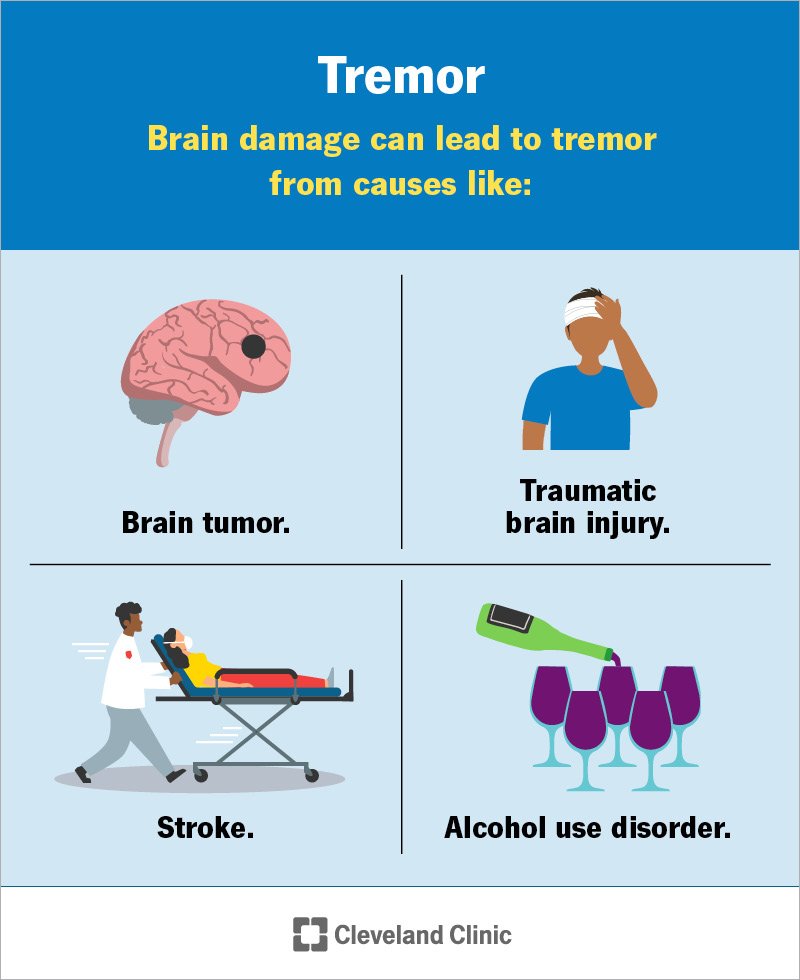
Serious medical problems can cause sudden or continuous shaking, often together with clear signs of illness. Problems include seizure disorders, brain or spinal disease, low blood sugar, organ failure, severe infection, heatstroke, and heart or breathing disease. When shaking comes with collapse, trouble walking, pale gums, or difficulty breathing, urgent veterinary care is needed.
| Serious condition | Typical warning signs |
|---|---|
| Seizure / epilepsy | Stiff body, paddling legs, loss of awareness |
| Neurologic disease | Head tilt, circling, stumbling |
| Low blood sugar or organ failure | Weakness, disorientation, collapse |
| Heatstroke | Heavy panting, red gums, very hot body |
| Heart or lung disease | Coughing, rapid breathing, blue or pale gums |
Persistent or worsening shaking should be treated as a medical problem until a vet rules out emergencies.
Seizures vs normal shaking
Seizures involve abnormal electrical activity in the brain, while normal shaking is usually a response to temperature, emotions, pain, or mild illness. Understanding the difference helps decide how urgent the situation is.
| Feature | Normal shaking | Seizure |
|---|---|---|
| Consciousness | Dog stays aware, can respond | Dog often unaware, unresponsive |
| Control | Dog can stop or move away | Movements are involuntary, cannot be stopped |
| Movements | Shivering, trembling, or brief twitches | Stiffening, paddling legs, jerking, or collapsing |
| Duration | Seconds to a few minutes, often situational | Usually seconds–2 minutes, may cluster |
| Before/after | Trigger like cold, fear, excitement | May have odd behavior before; confusion, pacing, or blindness after |
Any collapse, loss of awareness, or rhythmic jerking should be treated as a possible seizure, and a veterinarian should be contacted promptly.
Neurologic disorders and muscle tremors
Neurologic disorders affect the brain, spinal cord, or nerves and can cause rhythmic, repeated muscle tremors. Tremors often start in the head, hind legs, or one body part, then may spread. Causes include inflammatory brain disease, spinal cord injury, degenerative conditions, or nerve damage.
Warning signs are loss of balance, head tilt, walking in circles, abnormal eye movements, or sudden behavior changes. Any new, persistent tremor or coordination problem requires prompt veterinary examination and often neurological tests.
Low blood sugar and metabolic issues
Low blood sugar (hypoglycemia) and metabolic disorders can cause sudden, generalized shaking in dogs. When blood sugar drops, the brain and muscles lack fuel, leading to tremors, weakness, and sometimes collapse. Small breeds, toy puppies, diabetic dogs on insulin, and very active dogs that skipped a meal are at higher risk.
Other metabolic issues, such as liver disease, kidney failure, or electrolyte imbalances, may also trigger shivering along with lethargy, disorientation, appetite loss, or pale gums. Any shaking combined with weakness, confusion, or fainting requires prompt veterinary attention.
Heatstroke and overexertion
Dogs cool themselves mainly by panting, so in hot weather or after heavy exercise their body temperature can rise quickly. Heatstroke often causes shaking, weakness, and collapse. Other common signs include frantic panting, bright red or pale gums, drooling, vomiting, and a hot, dry body. Short‑nosed breeds, overweight dogs, and very old or young dogs are at higher risk, even during “mild” warm days or in poorly ventilated rooms.
Heart disease and breathing problems
Shaking can also appear when the heart or lungs are not working well. Lack of oxygen and poor circulation make dogs weak, wobbly, and shaky.
Key signs include:
| Warning sign | What owners may notice |
|---|---|
| Coughing or gagging | Worse at night or after mild exercise |
| Fast or labored breathing | Sides moving quickly, flared nostrils |
| Blue, gray, or very pale gums | Emergency sign of low oxygen |
| Collapse or sudden fatigue | Struggling on walks, lying down quickly |
Any shaking with breathing trouble, blue gums, or collapse is an emergency and needs immediate veterinary care.
Toxins and Poisoning Emergencies

Toxins can cause sudden, intense shaking in dogs and are among the most urgent reasons to seek a vet. Poisons overstimulate nerves or damage organs, leading to tremors, seizures, vomiting, and collapse. Many everyday items—foods, human medicines, yard products—are risky. Any unexplained shaking after possible exposure to a new object, plant, or substance should be treated as a medical emergency until a veterinarian rules out poisoning.
Common poisons that cause shaking
Many everyday substances can cause sudden shaking, tremors, or seizures in dogs. Prompt recognition is very important.
| Poison source | Examples | How it can cause shaking |
|---|---|---|
| Human foods | Chocolate, xylitol gum/candy, large amounts of caffeine | Affects the nervous system and blood sugar |
| Medications | Painkillers (ibuprofen), antidepressants, ADHD meds, sleep aids | Overstimulation or damage to the brain and nerves |
| Rodent poisons | Rat or mouse bait, poisoned rodents | Internal bleeding or severe brain effects |
| Pesticides & garden products | Insect sprays, slug pellets, lawn treatments | Toxic effects on nerves and muscles |
| Illicit or recreational drugs | Marijuana/edibles, cocaine, amphetamines | Strong nervous system stimulation |
| Household products | Antifreeze, cleansers, batteries, e‑cigarette liquid | Organ failure or nervous system damage |
Any sudden shaking after possible exposure to any of the above should be treated as an emergency and requires immediate veterinary advice.
Other symptoms of toxin exposure
Toxin exposure rarely causes shaking alone. Owners often notice several symptoms appearing together, which signals an emergency.
| Symptom type | Examples to watch for |
|---|---|
| Digestive | Drooling, vomiting, diarrhea, refusing food |
| Nervous system | Disorientation, stumbling, rigid muscles, seizures |
| Behavior | Restlessness, extreme agitation, sudden weakness or collapse |
| Breathing | Fast or labored breathing, coughing, blue or pale gums |
| Other | Pale gums, fast heart rate, abnormal pupil size, unusual odor on breath or fur |
If shaking appears with vomiting, collapse, or seizures, urgent veterinary care is strongly recommended.
Immediate steps if you suspect poisoning
If poisoning is suspected, treat it as an emergency. Remove the dog from the source (food, plant, chemical) and prevent further access. Check breathing, consciousness, and ability to walk. Call a veterinarian or emergency clinic immediately and describe the toxin, timing, and symptoms. Do not make the dog vomit or give home remedies unless a veterinarian clearly instructs. If safe, bring the packaging or a photo of the suspected substance to the clinic.
Shaking in Puppies vs Senior Dogs
Shivering can mean different things depending on age. Puppies often shake because they are still developing body temperature control, feel nervous in new situations, or burn energy quickly, so mild trembling can be common. Senior dogs, however, tend to shake more from pain, joint disease, muscle weakness, and age-related nerve changes. Paying attention to age helps owners judge whether shaking is more likely normal growth, emotional response, or a sign of chronic illness needing a veterinary check.
Normal puppy shivers and when to worry
Mild shivering is common in young puppies. Newborns cannot regulate body temperature well, so they may tremble when cold, tired, or after feeding. Short bursts of shaking during sleep can also be normal dream activity.
However, worry is warranted if a puppy shakes constantly, seems weak, cries, refuses milk or food, has diarrhea or vomiting, or feels very hot or very cold. In small or toy-breed puppies, shaking can signal low blood sugar, which is an emergency. When in doubt, contact a veterinarian promptly, especially for puppies under 4–5 months.
Shaking in older dogs and arthritis
Older dogs often shake because of arthritis and age‑related joint pain. Stiff, inflamed joints can cause trembling, especially in the legs, when standing up, climbing stairs, or after exercise. Dogs may also shake when muscles around painful joints tire from supporting extra weight.
Common clues include:
- Hesitating to jump on furniture or into the car
- Stiffness after rest that eases with gentle movement
- Limping or favoring one leg
- Groaning, licking, or chewing at joints
Shaking from arthritis tends to be intermittent and worse after activity or in cold, damp weather. A veterinary check is important, because pain relief, joint supplements, weight control, and low‑impact exercise can greatly improve comfort and reduce tremors in senior dogs.
Shaking in Different Situations
Shaking can have very different meanings depending on when it occurs. Paying attention to the situation, timing, and other symptoms helps narrow down the cause. For example, shaking only after a bath often relates to cold or stress, while shaking with panting on a hot day can signal overheating. Location, duration, and what the dog was doing just before trembling are important clues. In later sections, specific patterns such as shaking during sleep or after eating are explained in more detail.
Dog shaking while sleeping
Shaking during sleep often worries owners, but most nighttime twitches are harmless. Dogs experience active dream phases, and legs, whiskers, or eyelids may move rapidly. Gentle paddling, small jerks, or quiet whimpers usually indicate normal dreaming.
However, sudden, violent shaking, stiffened limbs, or loss of bladder control during sleep can signal a seizure. In that situation, owners should avoid touching the dog’s mouth, keep the area safe, and contact a veterinarian as soon as possible, especially if episodes repeat or last several minutes.
Dreaming, twitching, or seizure?
When a dog twitches in sleep, the cause is often normal dream activity. Light paddling of the legs, small jerks, tail flicks, soft whimpers, and easy waking usually indicate dreaming.
Possible patterns:
| Pattern | More likely meaning |
|---|---|
| Gentle twitches, brief | Normal dreaming |
| Rhythmic paddling, vocalizing | Intense dream but still normal |
| Stiff body, rigid legs | Possible seizure |
| Unresponsive when called/touched | More concerning for seizure |
| Long episode, then disoriented | Strong seizure suspicion |
A seizure is more likely if the dog is stiff, drooling, paddling hard, loses control of urine or stool, does not wake, or seems confused afterward. In that case, prompt veterinary consultation is recommended.
Dog shaking and panting
Shaking with panting often means a dog is under significant physical or emotional stress. Panting is a main way dogs cool down, but when it appears together with trembling, owners should suspect overheating, pain, fear, or illness. Check the environment temperature, recent exercise, and any injuries. If panting is fast or labored, gums look pale or blue, or the dog seems confused or weak, urgent veterinary attention is recommended.
Heat, pain, fear, or medical problem?
Shaking with panting often means the dog is struggling physically or emotionally. Main possibilities are:
| Cause | Typical clues |
|---|---|
| Heat/overheating | Hot weather, recent exercise, seeking cool floor, bright red gums, drooling |
| Pain | Whining, stiff movement, guarding one area, reluctance to jump or be touched |
| Fear/stress | Tail tucked, ears back, hiding, yawning, licking lips, avoiding eye contact |
| Medical issue | Collapse, pale or blue gums, vomiting, diarrhea, disorientation, seizures |
Panting plus shaking is an emergency if breathing is hard, gums change color, the dog collapses, or cannot settle; urgent veterinary care is needed.
Dog shaking after eating or drinking
Shaking soon after eating or drinking can range from harmless to serious. Mild shivers may occur from excitement about food, gulping cold water, or eating too fast, and usually settle within a few minutes if the dog acts normal.
Be more concerned when shaking is repeated or intense and comes with vomiting, diarrhea, drooling, bloated belly, restlessness, collapse, or pale gums. Possible causes include stomach pain, food intolerance, pancreatitis, bloat (GDV), low blood sugar, or toxin ingestion. In those cases, contact a veterinarian immediately and avoid giving more food or home remedies until professional advice is given.
How to Help a Shaking Dog at Home
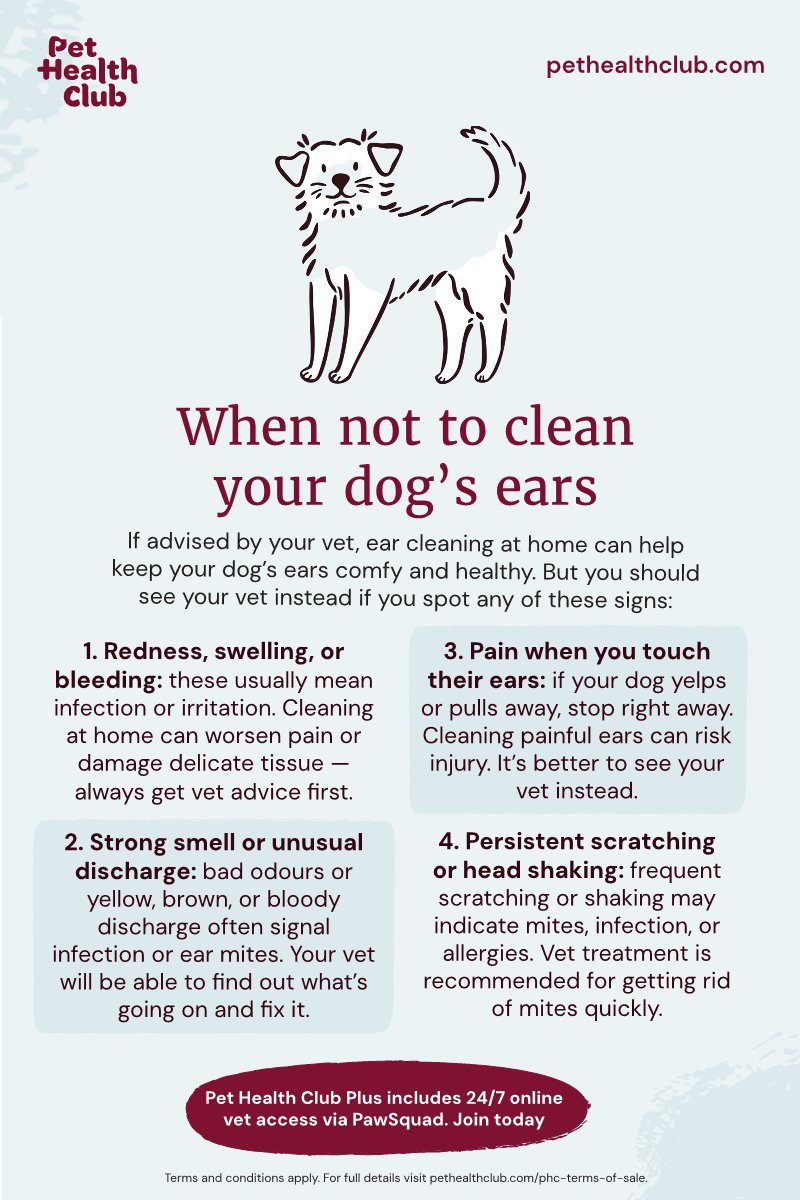
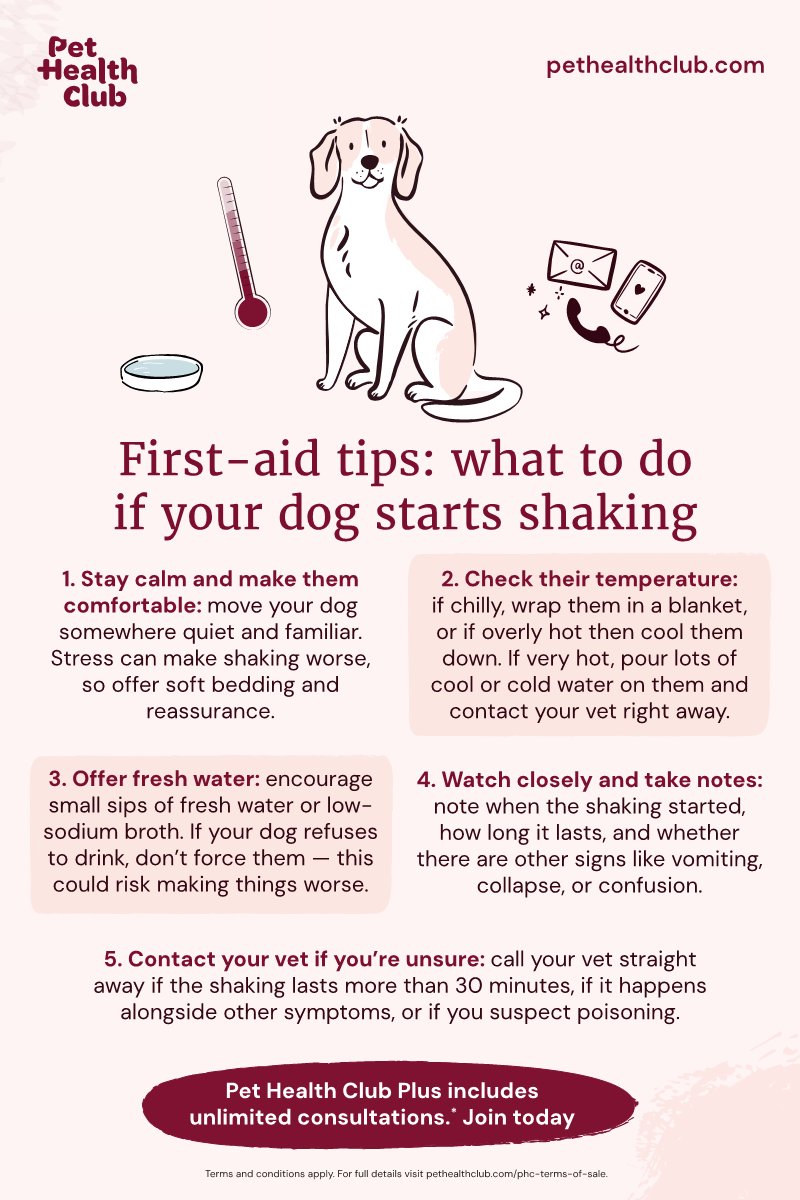
When a dog starts shaking, first stay calm and observe carefully. Note when the trembling began, what the dog was doing, and any other symptoms. Move the dog to a quiet, safe area away from stairs and sharp objects. Check for obvious problems such as injury, overheating, or exposure to cold. Offer fresh water, speak softly, and avoid sudden movements. If shaking is mild, brief, and the dog seems otherwise normal, gentle comfort and monitoring at home can be enough until a veterinary consultation is possible.
Calming techniques for fear and stress
Fear- or stress-related shaking often improves once the dog feels safer. First, create a quiet, secure space away from noise and strangers. Speak in a calm, low voice and avoid sudden movements. Offer a familiar bed or crate, and allow the dog to approach at its own pace.
Gentle touch can help, but only if the dog seeks contact. Slow petting along the chest or shoulders is usually more soothing than patting the head. Provide a long-lasting chew or food puzzle to redirect focus. For noise-sensitive dogs, white noise or soft music may reduce startle responses.
If anxiety is frequent, consider routine training, predictable schedules, and vet-approved calming aids such as pheromone diffusers or anxiety wraps. Persistent or worsening fear should be discussed with a veterinarian or qualified behaviorist.
Keeping your dog warm and comfortable
Keeping a shaking dog warm can quickly reduce harmless shivers and prevent hypothermia. First, move the dog to a dry, draft‑free room and provide a soft bed away from doors or windows. Use a towel or blanket to gently dry any wet fur, especially between toes and on the belly.
Provide layered warmth: a light dog sweater or coat, plus a blanket the dog can choose to burrow under. For extra heat, use a microwaveable heat pack or hot‑water bottle wrapped in a towel, placed beside (not under) the dog so the dog can move away if it feels too warm.
Offer lukewarm drinking water and let the dog rest quietly. Avoid overheating; signs include panting, restlessness, or moving away from the heat source. If shaking continues despite being warm and calm, or if other symptoms appear, contact a veterinarian promptly.
What not to do when your dog trembles
Owners may sometimes make the situation worse out of worry. Knowing what not to do helps keep your dog safe.
- Do not scold harshly or yell: This can increase fear and anxiety, making the trembling worse.
- Do not forcibly restrain your dog: This can cause pain, injury, or biting accidents. If you need to move your dog, do so gently and as minimally as possible.
- Do not give human medication without veterinary guidance: Pain relievers and cold medicines can be toxic even in small amounts.
- Do not wait too long based on your own judgment: If trembling is accompanied by lethargy, labored breathing, fainting, or similar symptoms, it is important to contact an animal hospital immediately.
- Do not rely only on information from the internet: Even the same symptom of “trembling” can have many different causes, and a veterinarian’s judgment is needed for diagnosis.
When Dog Shaking Is an Emergency
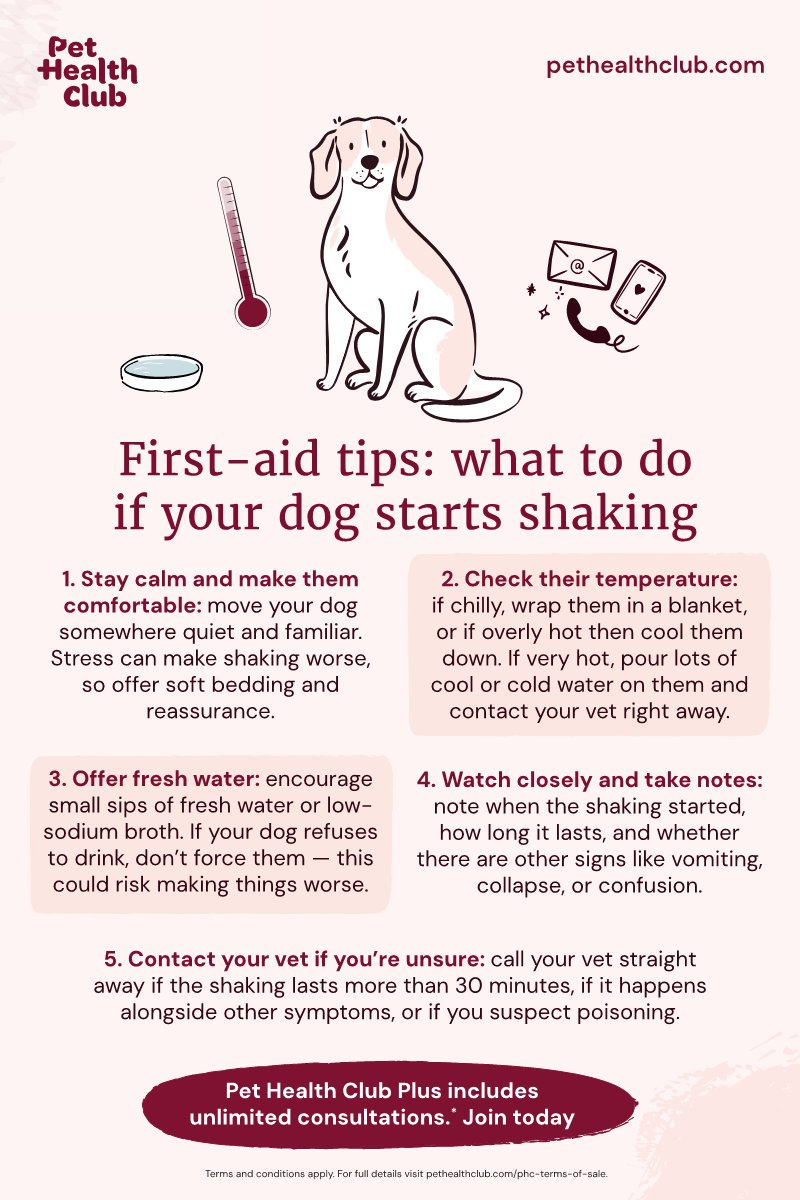
Dog shaking becomes an emergency when it is sudden, intense, or paired with other worrying signs. Any shaking with collapse, trouble breathing, blue or pale gums, or loss of consciousness needs urgent care. Seizure‑like movements, suspected poisoning, or shaking in a very young puppy or frail senior dog also require prompt veterinary attention. When in doubt, contacting a vet or emergency clinic is the safest choice for the dog’s health.
Red flag symptoms that need a vet now
Dog shaking becomes an emergency when it appears with other severe symptoms. Seek urgent veterinary care or an emergency clinic if you notice any of the following:
| Red flag sign | Why it is urgent |
|---|---|
| Collapse, can’t stand, or unresponsive | Possible seizure, shock, or serious neurologic problem |
| Shaking with pale/blue gums or trouble breathing | May indicate heart failure, anaphylaxis, or respiratory crisis |
| Shaking plus repeated vomiting/diarrhea or blood | Risk of toxin exposure, severe infection, or internal bleeding |
| Shaking with very high body temperature or extreme heat exposure | Suggests heatstroke, which can be rapidly fatal |
| Known or suspected toxin ingestion (chocolate, xylitol, rodent bait, human meds, etc.) | Many poisons cause tremors and seizures quickly |
| Shaking with severe pain, yelping, or a recent injury/trauma | Could indicate fractures, internal injury, or spinal problems |
| Shaking that looks like continuous seizure activity | Brain and organs can be damaged without fast treatment |
Any sudden change in behavior, fast worsening, or a strong “something is very wrong” feeling also deserves immediate veterinary attention.
When you can monitor at home briefly
In some situations, it is acceptable to observe a shaking dog at home for a short time.
You can usually monitor briefly when:
- Your dog is alert, responsive, and walking normally
- Shaking started after an obvious trigger (cold, excitement, mild fear)
- There is no vomiting, diarrhea, collapse, or breathing trouble
- Gums are pink, not pale or blue
Limit home monitoring to a few hours. If shaking worsens, new symptoms appear, or your dog seems unwell, contact a veterinarian promptly.
Information to give your veterinarian
Preparing a few details before contacting a vet helps speed up diagnosis and treatment. Take brief notes on:
| Category | Helpful information to share |
|---|---|
| Onset & pattern | When shaking started, how long episodes last, how often they occur |
| Triggers | What the dog was doing before shaking (resting, eating, exercise, stress, cold, noise) |
| Symptoms | Vomiting, diarrhea, collapse, stiffness, confusion, pain, behavior changes, breathing issues |
| Appearance of shaking | Whole body or one area, rhythmic tremors or jerky movements, consciousness during episode |
| Medical history | Age, breed, medications, recent vaccines, known diseases, recent injuries |
| Possible toxins | Access to human medicines, chocolate, xylitol, pesticides, rodent poison, lawn products |
If possible, record a short video of the shaking; many veterinarians find video evidence extremely valuable for distinguishing tremors from seizures.
Preventing Future Shaking Episodes
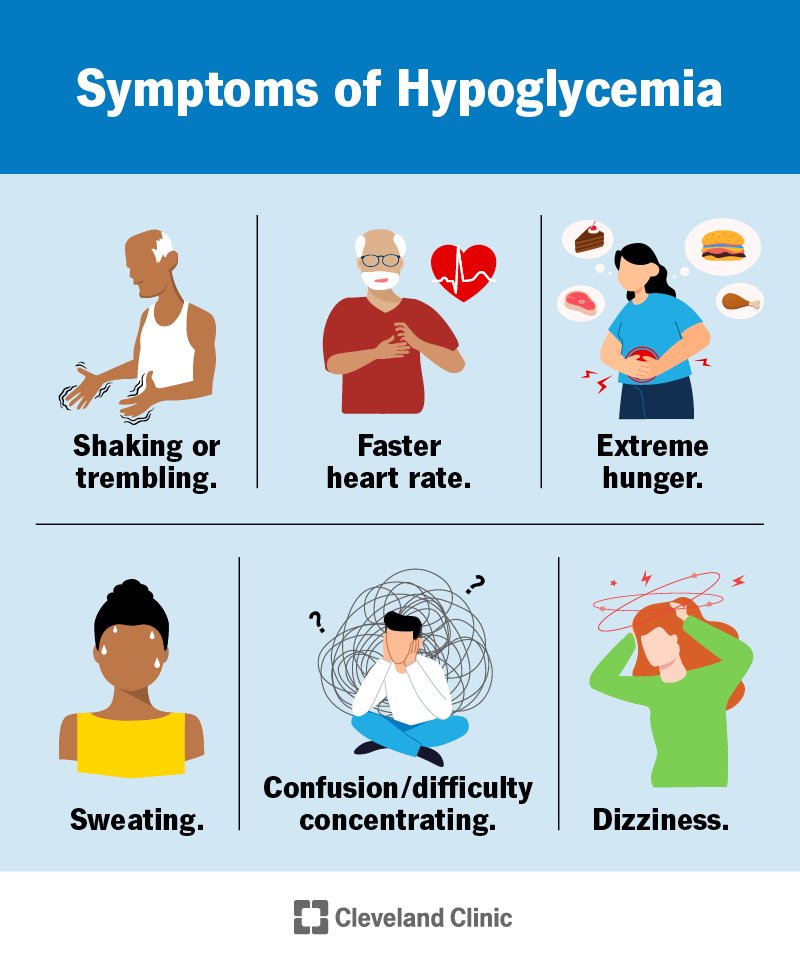
Preventing shaking starts with reducing triggers and protecting overall health. Keep dogs at a healthy weight, offer regular exercise, and provide mental enrichment to prevent stress-related trembling. Maintain a stable routine so sensitive dogs feel secure. Protect from cold with coats or blankets and dry fur promptly after walks.
Regularly check living spaces for toxins, sharp objects, and slipping hazards. Early action on small changes in behavior often prevents more serious shaking episodes later.
Routine health checks and vaccines
Regular veterinary checkups help catch early health dog shaking causes before they become serious. Annual or semiannual exams allow the vet to check joints, heart, nerves, and weight, and to review any new trembling. Core vaccines and parasite prevention also reduce risks of fever, infections, and weakness-related shaking. Keeping a simple health log of vaccinations, tests, and past illnesses makes it easier for the vet to spot patterns if shivering suddenly increases.
Safe environment and toxin proofing
A safe home environment reduces many health dog shaking causes linked to toxins and accidents. Store medicines, cleaning products, antifreeze, and garden chemicals in closed cabinets. Keep human foods such as chocolate, xylitol gum, alcohol, grapes, and onions far from dogs.
Use the table below as a quick safety checklist:
| Area | Common dangers | Simple safety step |
|---|---|---|
| Kitchen | Chocolate, xylitol, fatty foods, trash | Use lidded bin, block counter access |
| Bathroom | Painkillers, vitamins, cosmetics | Keep in closed cupboard |
| Garage/Yard | Antifreeze, rodent bait, fertilizers | Store high, use pet-safe products |
Regularly check floors and yards for dropped pills or sharp objects. Call a vet immediately if poisoning is suspected, even if symptoms seem mild.
Managing anxiety with training and care
Gentle, predictable care helps many dogs shake less from anxiety. Create a calm routine for walks, meals, and bedtime so the day feels predictable. Reward-based training teaches cues like “sit,” “stay,” and “go to mat,” which give anxious dogs a job and build confidence. Provide a safe space such as a crate or quiet corner with a bed and toys.
For stressful events (thunder, fireworks, vet visits), use gradual desensitization and counterconditioning: pair low-level scary sounds or situations with high-value treats and praise. Calming tools such as snug vests, pheromone diffusers, white noise, and puzzle feeders can also reduce shaking. When anxiety is frequent or severe, consult a veterinarian or qualified trainer; behavior plans and, in some cases, medication may be needed.
Summary: Understanding Your Dog’s Shivers
Dog shaking can range from completely normal to a sign of a medical emergency. Short, situation‑specific shivers from cold, excitement, or brief fear are usually harmless. In contrast, continuous shaking, changes in consciousness, or symptoms such as vomiting, trouble breathing, collapse, or pale gums require urgent veterinary care.
Pay attention to when shaking happens, how long it lasts, and what other signs appear. Noting triggers, videos, and timing helps veterinarians find the cause more quickly. With calm observation, prompt vet visits when needed, and good preventive care, owners can protect health and still enjoy their dog’s funny, normal little shivers.
This article organizes the main causes of trembling in dogs, from "common everyday reasons" to "dangerous signs such as pain, illness, and poisoning," and explains how to distinguish between different situations, how to deal with it at home, emergency symptoms that require immediate veterinary attention, and points for prevention. This will make it easier to determine whether your dog's trembling is normal or dangerous.





![[2022 Edition!] Popular Small Dog Names](https://with-my-dog.com/wp-content/uploads/2022/04/image2-1-150x150.jpg)


![[Dog Names] Is the Japanese name boom here?! Ranking of Japanese dog names!](https://with-my-dog.com/wp-content/uploads/2021/10/adtDSC_0871-150x150.jpg)


![Want to see cute dog photos? A collection of popular sites [including free stock images]](https://with-my-dog.com/wp-content/uploads/2022/07/image4-11-150x150.jpg)