
There are many allergies in the world, including food, cosmetics, house dust, and pollen. Dogs can also suffer from allergies.
Just like humans who have allergies, dogs also need allergy prevention measures. This time, we will explain dog allergies, focusing on dog food.
Please read to the end.
1. What foods are most likely to cause allergic reactions?

The following foods are commonly associated with allergic reactions.
・Corn
Corn is rich in nutrients and helps regulate the intestinal environment. However, it is said to be prone to indigestion.
・Wheat
It is said to be the most allergenic of all grains. Its high gluten content makes it difficult to digest, and continued consumption can cause allergies.
・Dairy Products
There is a condition called "lactose intolerance," in which dogs are unable to digest dairy products properly. Be careful with dogs that get stomach upset when eating dairy products.
・Soybeans
"Defatted soybeans," the residue left over after processing and cooking for human consumption, are said to be difficult to digest. In rare cases, they can cause allergies.
・Beef
Beef is said to be the most allergenic of all meats. It can easily cause itching, diarrhea, vomiting, and abdominal pain. Food allergies in dogs are often caused by excessive intake of carbohydrates and protein.
One criterion for determining whether it's safe to feed your dog food is to consider what it ate when it was in the wild and not yet domesticated.
2. What are the symptoms of food allergies?

Allergic reactions seen in food allergies include:
- Itching around the mouth, eyes/ears, and other areas of the skin
- Typhus
- Edema
- Vomiting
- Diarrhea
- Tear stains
- Dandruff
- Hair loss
- Thinning hair
- Rough coat
Food allergies in dogs often begin with itching, and most allergic symptoms are seen on the skin. Chronic conditions can cause the skin to thicken and darken due to pigmentation.
If you notice any of these symptoms, it's important to immediately take your pet to the vet and have the food that's causing the problem identified.
3. What kind of food should I choose?

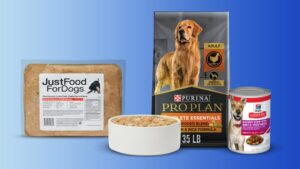
We previously introduced foods that are likely to cause allergic reactions. To improve food allergies, you must first review your dog's food.
In many cases, changing your dog's food can alleviate allergies, and it's said to be more effective than medication.
So, what kind of food should you choose?
Single Protein Source
Food allergies are primarily caused by proteins contained in food. When a dog's body recognizes a specific protein as a foreign substance, its immune system overreacts, causing an allergic reaction.
To help determine which food protein your dog is allergic to, start by choosing a dog food containing a single type of meat or fish and rotating each bag.
This method is effective in identifying allergens and can prevent overreactions to specific proteins.
However, even if your dog doesn't have an allergic reaction at first, he may suddenly develop an allergic reaction a few months later. The opposite is also true: even if your dog has an allergic reaction at first, he may be able to eat the food without any problems a few months later.
Foods that are likely to cause allergies are not used
While foods that cause allergies vary from person to person, it's important to avoid the foods listed above in advance.
However, the foods listed above do not necessarily cause allergic reactions. Some dogs can eat them without any problems.
Although it's well known, gluten, a type of protein found in grains such as wheat, is also likely to cause allergic reactions, so be careful.
Simple ingredients
To make it easier to determine which foods cause allergic reactions, choose foods with simple and clearly listed ingredients.
No unnecessary additives
Synthetic chemicals such as preservatives and coloring agents can also cause allergic reactions.
Since synthetic chemicals do not list the ingredients used in the processing stage, it is difficult to determine which ingredients are causing the problem. Choose dog food that contains as few additives as possible, other than synthetic supplements such as vitamins and minerals.
It is also a good idea to check whether chemicals such as antibiotics and hormones are used on chickens and cows.
4. What are the countermeasures for food allergies?

One way to combat food allergies in dogs is to rotate their dog food. Try different protein foods or homemade food every 1 to 3 months.
This is a way to prevent allergies from developing due to long-term consumption of the same protein, and it is also an effective way to identify allergens.
However, some dogs may cross-react to other foods with similar allergen molecular structures. As a countermeasure, it is a good idea to keep a written record of all the ingredients in the dog food you are feeding your dog, which will be useful when comparing the ingredients with those of other dog foods.
5. Summary
What did you think?
While there are many different types of allergies, this time we focused on food allergies.
However, the information presented in this article does not apply to all dogs, so if you have any concerns about your dog's food allergies, consult a veterinarian.
















![[2022 Edition!] Popular Small Dog Names](https://with-my-dog.com/wp-content/uploads/2022/04/image2-1-300x200.jpg)