

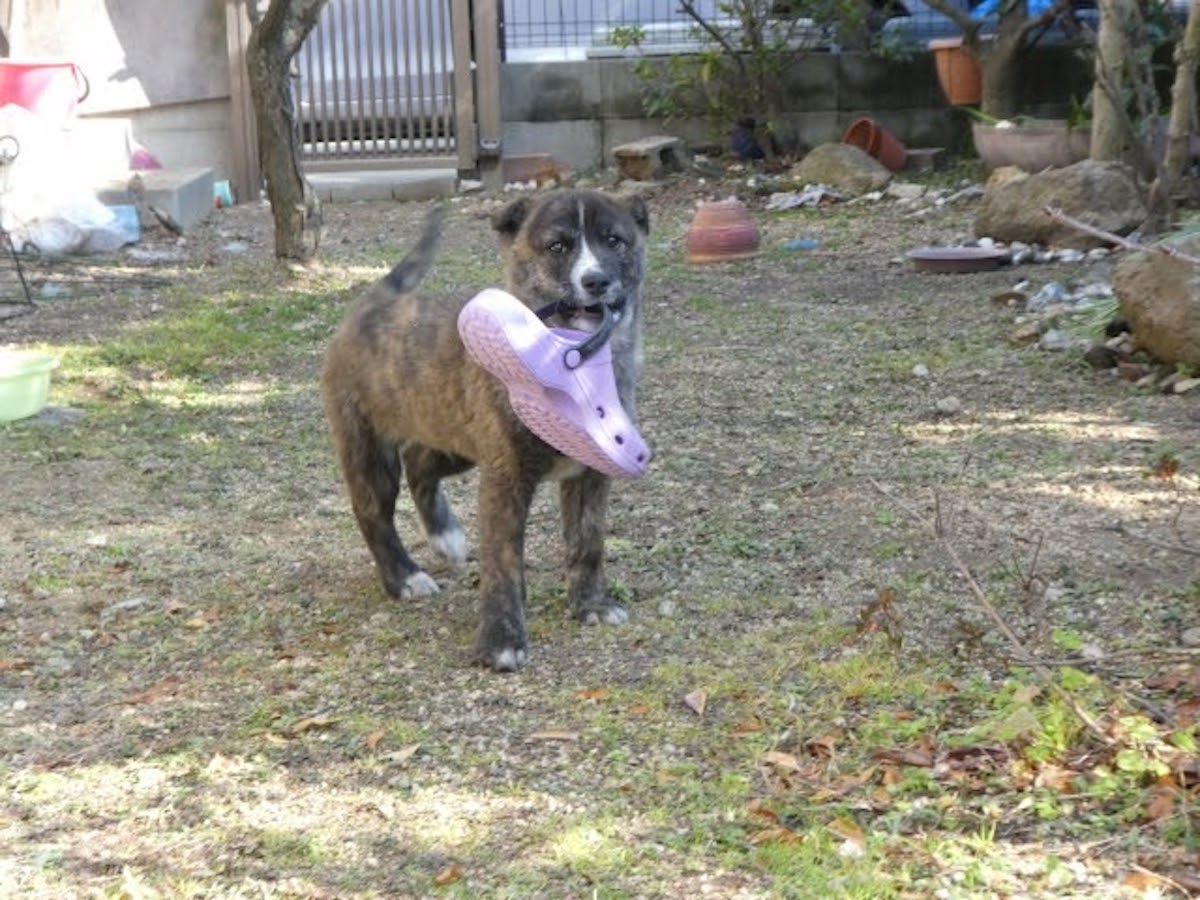
The Kai dog is characterized by its dignified expression and dignified tiger fur. The Kai dog is a type of Japanese dog designated as a national natural monument and has been beloved in Japan for a long time.
"I want to raise a Kai dog from a young age, but I'm not sure how to do it..."
"Are there any precautions I should take when raising a baby Kai dog?"
Those who are thinking about raising a Kai dog or who already own one may be wondering about these concerns and questions.
In this article, we'll explain how to raise a Kai dog, a charming Japanese breed, its characteristics, and the differences between baby and adult dogs. We'll explain in detail how to raise a Kai dog from a young age, so please take a look.
Before the Kai Dog Puppies Were Born
First, let's take a closer look at the following two points about baby Kai dogs.
- Time until pups are born
- Number of pups born
It takes about two months for Kai dogs to give birth
It takes about two months (63 days) for Kai dogs to give birth. This is true not only for Kai dogs, but for all breeds.
Around two to three weeks into pregnancy, the mother dog will begin to show symptoms such as morning sickness and vomiting. If these symptoms are accompanied by abdominal swelling and breast enlargement, it is a sign of pregnancy.
Kai Inu puppies are born in numbers of around three to four.
Approximately three to four Kai Inu puppies are born at a time.
Dogs vary in size depending on whether they're small, medium, or large, so the number of puppies they give birth to also varies.
About the Growth Rate of Kai Dogs
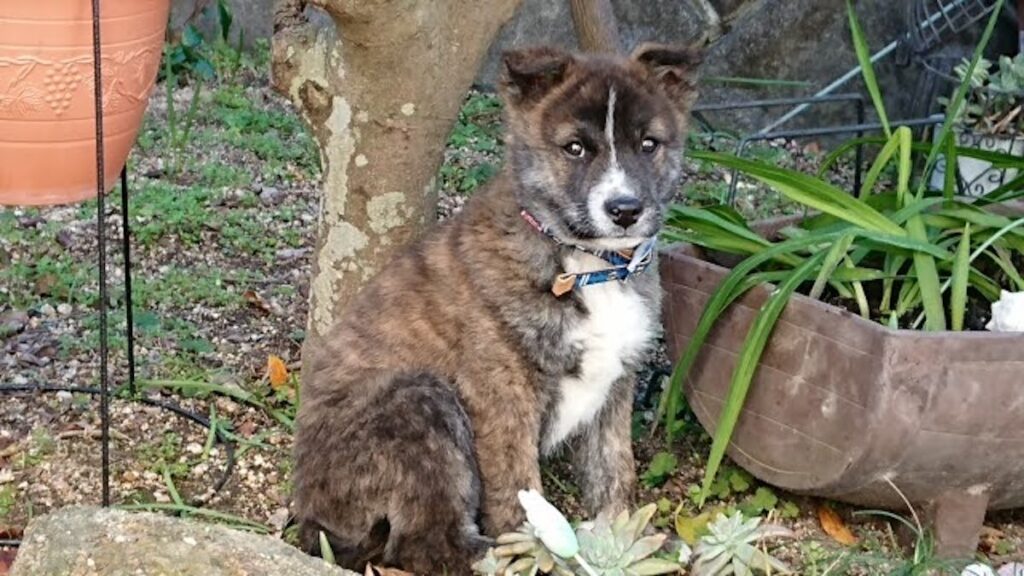
How fast do baby Kai dogs grow?
Let's take a closer look at how quickly they grow.
Weight increases steadily until six months of age, then gradually increases thereafter.
Baby Kai dogs are in a growth period from birth to one year of age. Their bodies continue to grow rapidly until they reach one year of age.
The weight of a baby Kai dog changes as it grows, as follows:
| Birth Period | Weight Guide |
|---|---|
| 2 Months | 4-6kg |
| 3 Months | 5-7kg |
| 4 Months | 6-8kg |
| 5 Months | 7-9kg |
| 6 Months | 7-11kg |
As you can see, your baby's weight and body size will continue to increase steadily until they reach 6 months of age. After six months of age, their weight gradually increases, reaching approximately 12-18 kg at adulthood.
Hair Changes
One of the characteristics of Kai Inu puppies is that their coat changes as they grow. Even if they have a solid coat color as pups, it will develop a tiger-striped coat color as they grow.
The tiger-striped coat color of Kai Inu dogs generally comes in the following three types:
- Black Tiger: Brown tiger pattern on a black background
- Red Tiger: Brown tiger pattern on a dark brown background
- Tiger: Brown tiger pattern on a light black background
Each coat color is beautiful, and each one enhances the charm of the Kai dog.
How to Raise Kai Dog Babies and Puppies
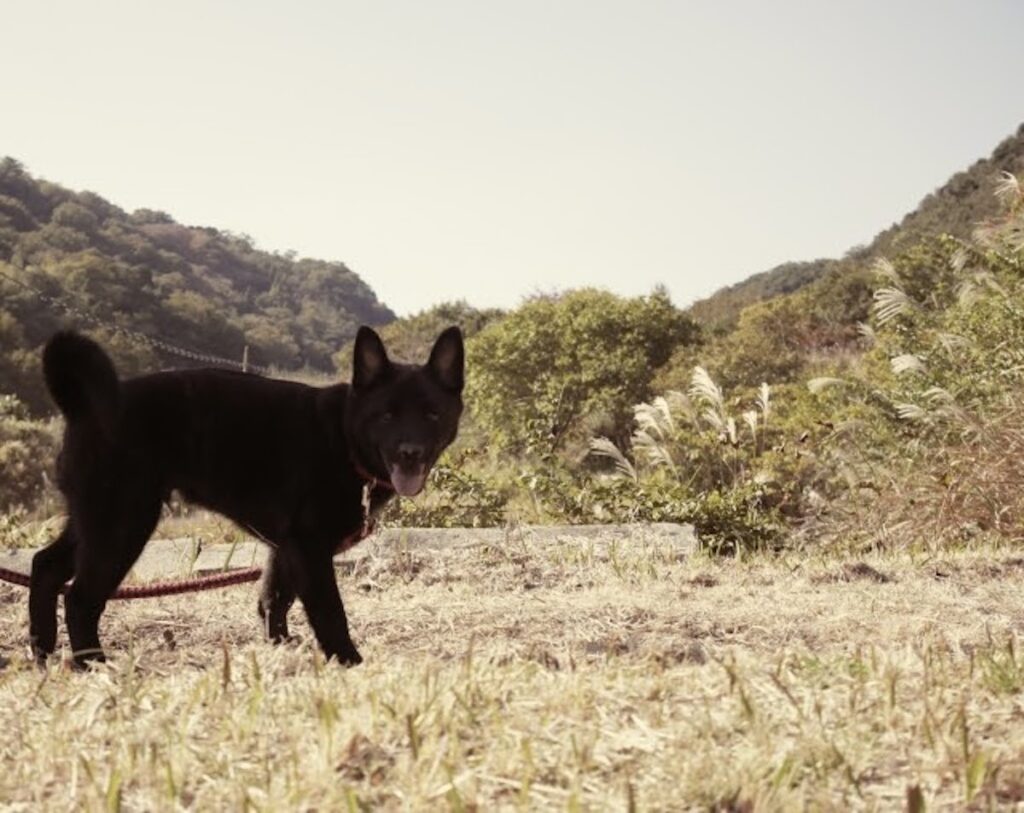
Now, let's take a look at how to raise Kai-inu babies and puppies.
- Food Amount
- Training
- Diseases to Watch Out For
The above three points are particularly important when raising Kai-inu babies and puppies. We will explain them in detail.
Amount of Food
Baby dogs need a lot of calories to grow healthy. Therefore, feed them a well-balanced, complete food for babies and puppies.
Furthermore, refer to the amount listed on the back of the complete food package to feed your dog the appropriate amount. However, the amount listed is only a guideline, so adjust the amount to suit your dog's size and physical condition.
Generally, the ideal number of meals is about 5-6 times a day immediately after weaning, and about 3 times a day at around 5 months of age. However, the amount of food varies depending on the baby or puppy, so refer to the instructions on the packaging and feed your dog as often as it can comfortably finish.
Training
Basically, training should begin the day you bring your puppy home. This is because babies and puppies are highly adaptable and have the ability to learn and master discipline. Of course, you can train your dog after it becomes an adult, but starting from a young age will help it learn more easily.
In particular, potty training should begin from the day you bring it home. Babies begin to defecate from the day they are brought home, so it's important to help them learn the correct toilet location as soon as possible.
For more information on potty training babies and puppies, please refer to the following article.
【How to potty train a puppy. What to do when you bring a puppy home】
Also, start socialization training your puppy early. Socialization training will help reduce the likelihood of your puppy becoming overly wary or threatening toward people or other dogs outside the family.
To prevent bites and other accidents, expose your puppy to many dogs and people from the time it's puppy. Taking your puppy to various places will also provide it with a variety of external stimuli and help it develop social skills.
We recommend that you consciously socialize your puppy during its puppyhood.
Diseases to Watch Out For
Kai dogs are said to be prone to the following diseases.
- Allergic dermatitis
- Otitis externa and otitis media
- Cataracts, etc.
They are particularly prone to allergic dermatitis from a young age (around 6 months of age) through adulthood. Allergic dermatitis manifests as symptoms such as itchy skin and hair loss.
Causes of allergic dermatitis include:
- House dust
- Pollen
- Fleas
- Dust mites
The causes vary depending on the dog.
Japanese dogs are particularly prone to developing allergic dermatitis, so as a preventative measure, we recommend having your dog undergo an allergy test at a veterinarian beforehand. Identifying the allergens allows you to take measures to combat them.
If your dog is itchy, showing signs of hair loss, or eczema, take him to the veterinarian as soon as possible.
Differences between Kai Inu and Adult Dogs
What are the main differences between adult and baby Kai dogs? The most obvious differences are the number of meals and the amount of sleep.
First of all, baby dogs should be fed multiple times a day to promote their physical growth. Unlike adult dogs, babies cannot eat large amounts at once, so they will inevitably need to eat more frequently.
On the other hand, adult dogs have already grown physically and their digestive systems are well developed, so they generally eat twice a day, morning and night. You can also give them snacks for physical contact.
Baby dogs need more sleep than adult dogs. At around 6 months of age, about 17-18 hours of sleep is ideal. Getting plenty of sleep allows their bodies to recover and promote growth.
Keep in mind that there are significant differences in the number of meals and the amount of sleep between baby and adult Kai dogs.
Make sure to create a safe and comfortable sleeping environment, especially for baby dogs, so as not to disturb their sleep. For example, it's a good idea to keep their sleeping area clean at all times and keep the lights dim around the sleeping area at night.
Summary
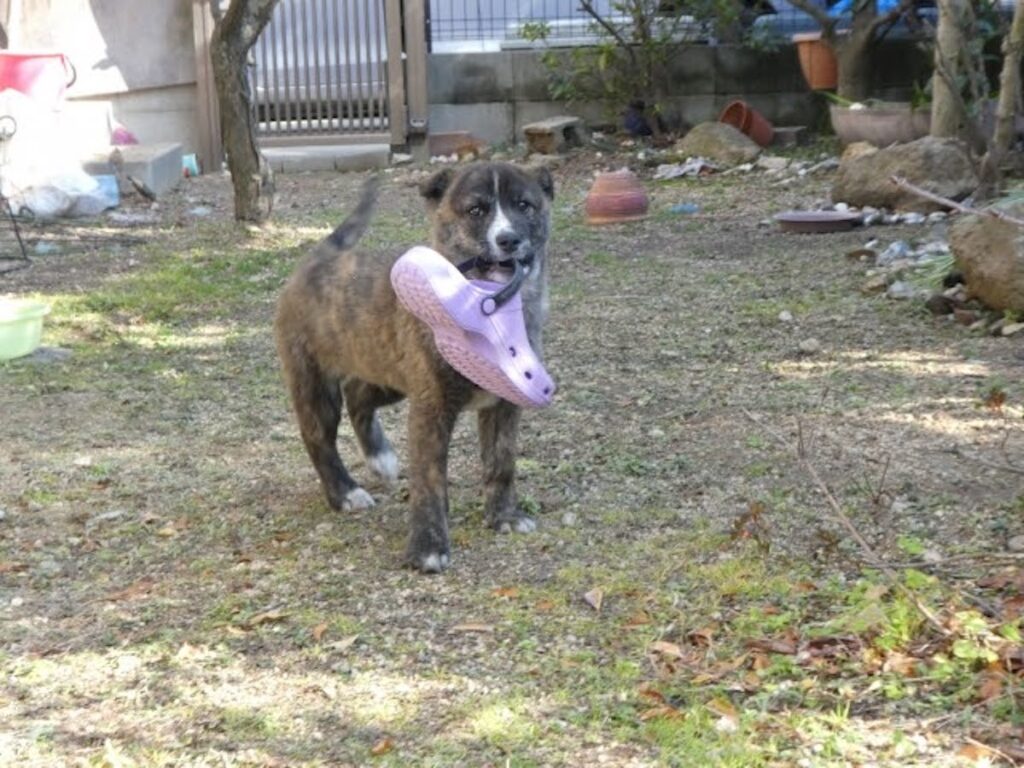
We've explained how to raise a Kai dog, its characteristics, and the differences between a baby and an adult.
The Kai dog is an attractive breed with its dignified expression and wild, tiger-like fur, typical of Japanese dogs. Watching its coat color change as it grows is one of the exciting aspects of raising a Kai dog puppy.
However, Kai dogs are prone to certain diseases, such as allergic dermatitis, so caution is advised. Observe your dog's behavior regularly and take it to the vet if necessary.
Create an environment where your Kai dog pup can grow up healthy and watch over your beloved dog as it grows.











![[Additive-free is popular] 5 recommended Japanese dog foods!](https://with-my-dog.com/wp-content/uploads/2022/07/image4-7-150x150.png)





![Dog Diet [Food]](https://with-my-dog.com/wp-content/uploads/2021/10/dog-g9601cd196_1920-300x199.jpg)