


Many dog owners struggle with their dogs' excessive barking, which can easily lead to neighborhood disputes and stress. This article, themed "How to stop a dog from barking," clearly explains seven training steps you can start implementing today, while also addressing the reasons why dogs bark. It seems to provide a clear picture of how to use rewards and creating a supportive environment to help your dog become calmer without scolding.
Why Dogs Bark and What It Means
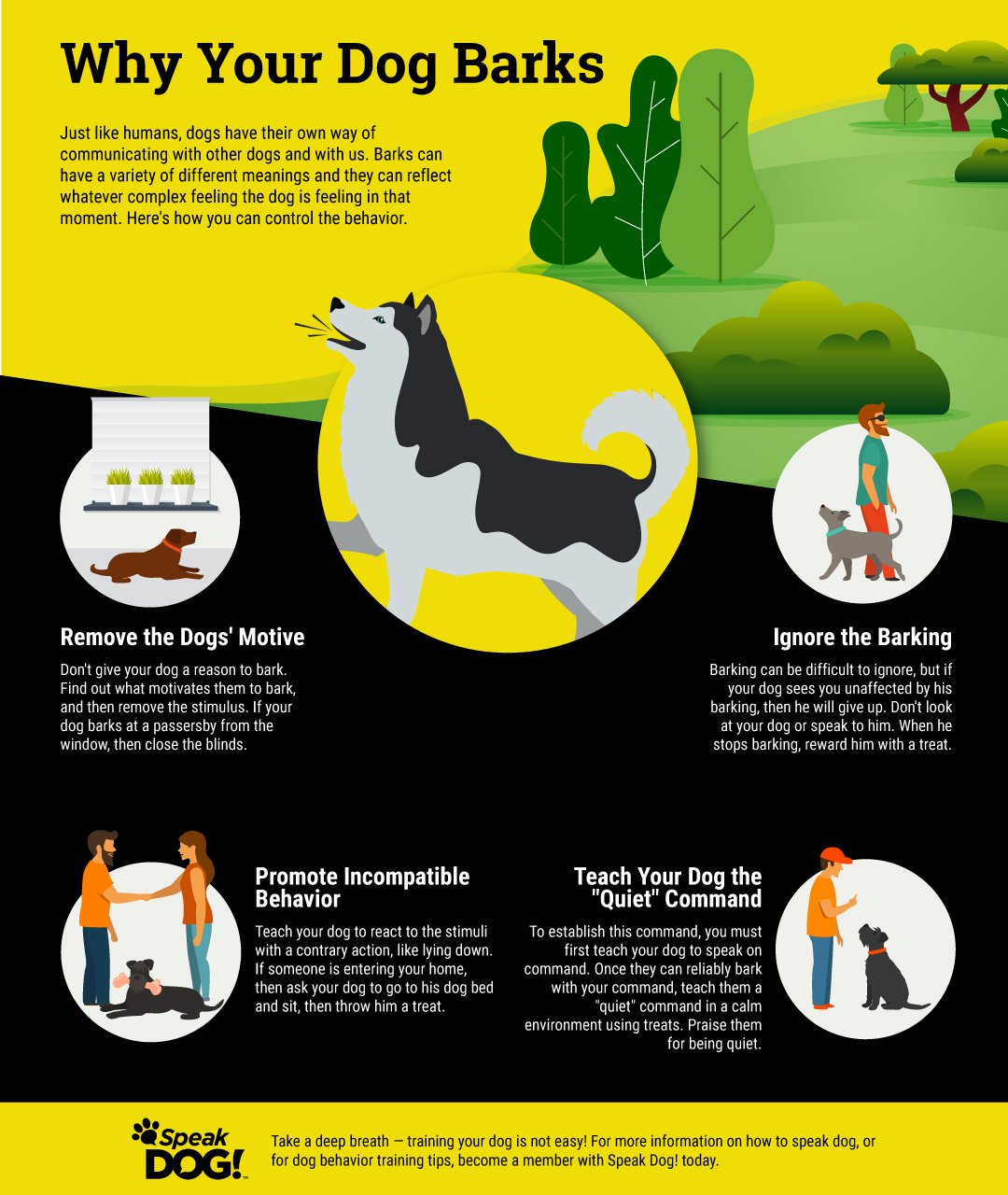
Dogs bark to communicate, not to annoy humans. Barking can signal excitement, worry, fear, boredom, or a request for attention. Understanding what the bark means is the first step in effective training.
Instead of focusing only on the noise, it is important to look at when, where, and at whom the dog is barking. The pattern often reveals whether the dog is protecting territory, feeling lonely, reacting to sounds, or simply asking for play. Once the reason is clear, training can target the real problem, not just silence the bark.
Common reasons dogs bark too much
Many dogs bark excessively because of boredom, lack of exercise, or pent‑up energy. Others react to noises, people, or other dogs they see as potential threats. Some bark from frustration when they cannot reach something, or from fear in new situations. Attention‑seeking barking is also common when dogs learn that vocalizing brings food, play, or eye contact. Understanding the main trigger is the first step toward effective training.
Normal barking vs problem barking
Normal barking is a natural way for dogs to communicate. For example, a few short barks when someone knocks, playful barking during games, or brief “alert” barks on walks are usually healthy, manageable behavior.
Problem barking is frequent, long‑lasting, or intense, and often hard to interrupt. Neighbors may complain, the dog may seem worked up or unable to relax, and barking can happen even when nothing obvious is going on. When barking starts to affect daily life or the dog’s well‑being, it is treated as a behavior issue that needs training and sometimes professional support.
How to spot anxiety or frustration
Barking caused by anxiety or frustration often looks different from simple alert barking. Key signs include:
- Repetitive, high‑pitched or panicked barking
- Pacing, spinning, or jumping at doors and windows
- Lip licking, yawning, shaking off, or pinned‑back ears
- Clinginess, whining, or scratching when owners leave
When barking appears with tense body language or difficulty settling, the dog is likely struggling emotionally, not being “naughty.” In such cases, gentle training and, if needed, professional support are important.
Before You Start: Safety and Setup

Before starting any training to stop barking, preparation is essential for both safety and success. Dogs learn best when they feel secure and relaxed, so creating the right conditions prevents frustration for owner and dog. A safe setup also reduces chances of bites, door dashing, or conflicts with neighbors while practicing. By checking health, environment, and rewards in advance, owners can focus fully on calm, consistent training once barking work begins.
Rule out pain or medical issues first
Before excessive barking begins, it's important to first check for any pain or physical ailments. If your dog suddenly starts barking, or if there are other changes such as aversion to being touched, a change in gait, or loss of appetite, these may be signs of a physical problem rather than just a behavioral issue. It's reassuring to have your dog examined and checked at a veterinary clinic before scolding them for barking. Regular health checks are especially important for senior dogs and dogs with pre-existing conditions.
Set up a calm, low‑distraction space
Creating a quiet learning environment is directly linked to the success of barking training. First, choose a room with few people or noises, and turn off the TV and music. If your dog is easily distracted by what's outside the window, closing the curtains or using a crate or gate to restrict their view will help them concentrate. It's also important to make the floor non-slip and provide a safe place for your dog, such as a bed or crate. It will be even more effective if you inform family members in advance not to talk to your dog during training.
Choose rewards your dog loves
Rewards are the engine of barking training, so choosing the right ones is essential. Use high‑value treats that are small, soft, and very tasty (chicken, cheese, commercial training treats). Pair food with praise, petting, or a favorite toy, depending on what the dog enjoys most. Reserve the very best rewards only for quiet behavior around barking triggers so the dog clearly learns which 행동 brings the biggest payoff.
7 Step Training Plan to Quiet Barking

A structured plan makes training how to stop dog from barking clearer and less stressful for both owner and dog. The following 7‑step method uses positive reinforcement and small, achievable goals. First, identify when barking happens, then teach a clear quiet cue. Next, reward calm behavior before barking starts, and adjust distance from triggers. Gradually add distractions, practice in everyday situations, and finally reduce treats while keeping good habits. By moving step by step, excessive barking can be reduced without hurting trust or confidence.
Step 1: Track when and why they bark
The first step to effective training is to record "when, where, and what" your dog barks. Writing down the time of day, location, surrounding circumstances, events that occurred before the barking, and the type of barking (high-pitched, low-pitched, continuous, etc.) in a notebook or on your phone's memo app will help you identify the cause.
If you continue this for a few days to a week, you will start to notice certain patterns, such as barking only during mail delivery hours or only when you see someone outside the window. Once you understand the patterns, it becomes easier to practice "quiet" cues and adjust the distance from stimuli in later steps, increasing the success rate of preventing excessive barking.
Step 2: Teach a solid “quiet” cue
A reliable “quiet” cue teaches a dog what to do instead of barking. Start in a calm room with low distractions. Wait for a moment of silence, say a short cue such as “Quiet,” pause one second, then give a high‑value treat. Repeat many times so “Quiet” predicts rewards for silence.
Next, create a mild trigger that usually causes barking (for example a soft knock). As soon as the dog gives one or two barks, say “Quiet,” then immediately reward the first second of silence. Gradually ask for slightly longer quiet before rewarding. Keep sessions brief and end while the dog is still successful.
Step 3: Reward calm before barking starts
Calm behavior needs to pay off before barking begins. Watch for early signs such as relaxed body, soft eyes, quiet watching, or briefly looking to the owner instead of reacting. Quiet seconds should be rewarded quickly with a tiny treat, gentle praise, or access to something enjoyable.
A simple routine is helpful: when a mild trigger appears, wait one or two quiet seconds, mark the silence with a cue such as “good” and give a reward. Over time, extend the quiet period. The dog learns that staying calm makes good things happen, so barking becomes less rewarding than silence.
Step 4: Manage triggers and distance
Many dogs that bark excessively are reacting to specific "triggers." First, it's helpful to keep a record of who, what, and at what distance they bark, perhaps by writing a log, to identify the cause. Next, it's important to manage situations that tend to trigger barking by creating sufficient distance from the trigger and making it difficult to see and hear. Adjusting the environment by using curtains, fences, or moving to another room will create a situation where barking is not necessary, which will facilitate learning. Creating distance is not "running away," but an important step in building positive experiences.
Step 5: Add distractions slowly
If the surrounding stimuli are too strong, the dog will not be able to learn. Once you have created distance in Step 4, raise the difficulty level by one thing at a time. For example, adding elements in stages, such as "increasing the number of people," "having people with movement pass by," or "slightly increasing the volume," will increase the chances of success.
If your dog manages to stay quiet for two or three consecutive times, slightly increase the difficulty level. If it fails, return to the previous stage. Always ending with a success is the quickest way to establish quiet behavior.
Step 6: Practice in real‑life situations
In practice, it's important to start with scenarios where success is likely. Ask someone to play the role of a visitor in the house, or have a family member make noise at the front door, and before your dog starts barking, give the command "quiet" or "sit," praise them for being quiet, and reward them. Next, gradually expand to situations where your dog often barks in everyday life, such as short walks or in front of the elevator. If failures continue, the key is to return to the original distance or time and lower the difficulty level.
Step 7: Fade treats and keep habits
Once the dog understands the quiet cue, it's important to gradually reduce the reward. Start by giving a treat and praising with words every time, and once success becomes consistent, reduce the treats to once every two times, then once every three times, and increase the use of words and petting as praise. By not changing the standards from day to day and having everyone in the family follow the same rules, the behavior of being quiet will be more likely to become a lifelong habit.
Stopping Barking at the Door or Window
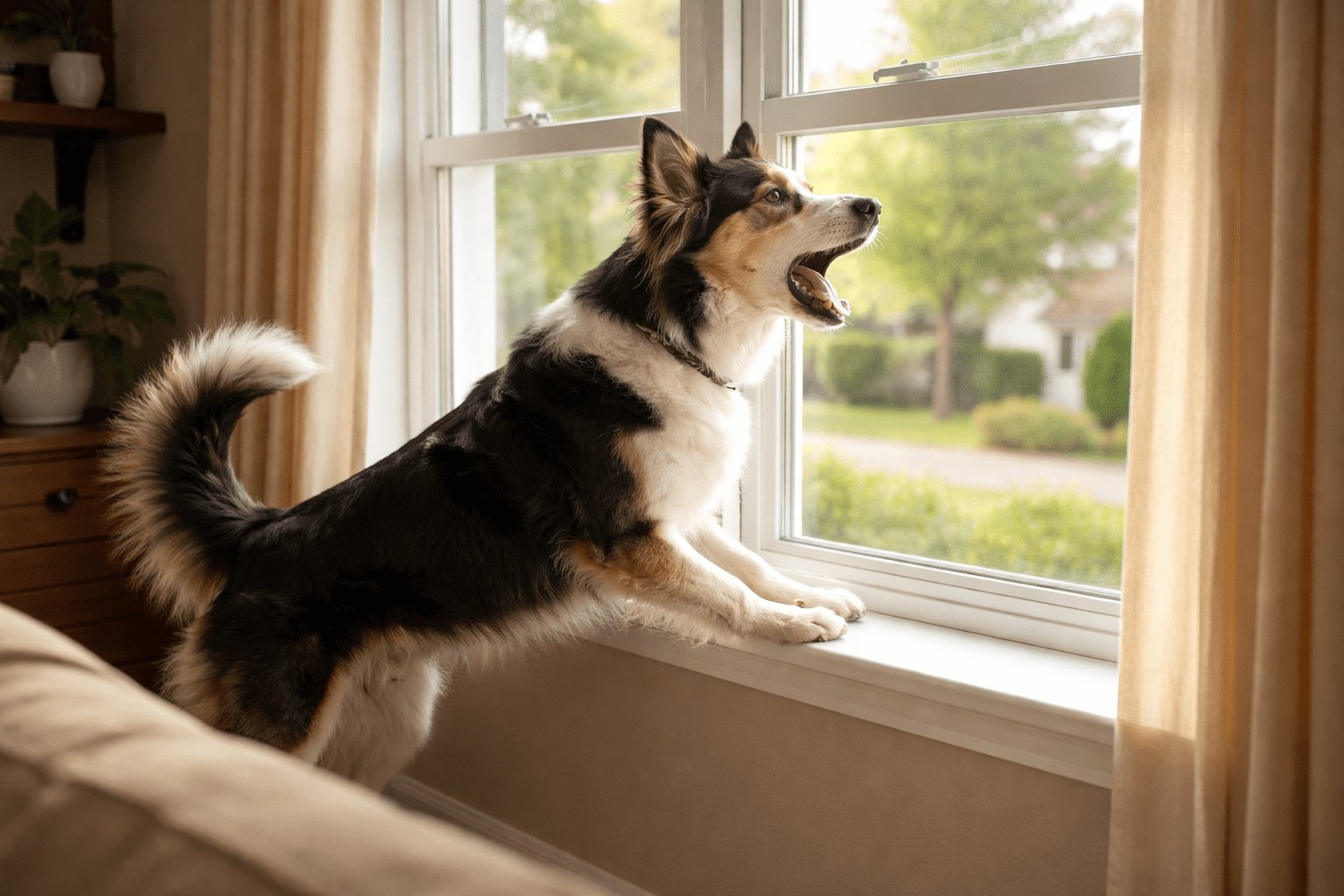
Door and window barking often comes from excitement, guarding instinct, or surprise. The goal is not to remove all barking, but to teach the dog what to do instead.
- Limit the view with curtains, film, or furniture so triggers appear less often.
- Keep a leash or harness nearby to guide the dog away calmly.
- Prepare high‑value treats or a favorite toy in a bowl near the door.
- When barking starts, calmly say a cue such as “thank you,” then guide the dog away and reward when the dog turns, moves with the owner, or offers eye contact.
Over time, the dog learns that quietly moving away from the door brings rewards, while frantic barking does not pay off. Consistent practice at low‑intensity times (for example family members ringing the bell on purpose) helps before real visitors arrive.
Teaching a go‑to‑bed or mat behavior
A go‑to‑bed or mat behavior helps dogs move away from doors and stay calm. First, choose a fixed mat location away from the main door. Let the dog sniff the mat and reward any interest. Next, toss a treat on the mat so the dog steps on it, then calmly praise. When the dog reliably goes to the mat, add a cue such as “bed.” Gradually ask for a sit or down on the mat and reward relaxed staying. Short, frequent sessions help the dog learn that quiet time on the mat always brings something good.
Handling barking at people passing by
Dogs often bark at passersby because they feel the need to guard territory or are excited and frustrated. The goal is to change the habit from “rush and bark” to “look and stay calm.”
- Block the view where possible with curtains, film, or furniture to reduce triggers.
- Keep a leash or house line on the dog indoors if safety allows, so guidance is easier.
- Stand with the dog away from the window or door. When a person passes and the dog notices but is still quiet, immediately say a calm cue such as “Good quiet” and give a high‑value treat.
- If barking starts, gently guide the dog away from the window to a mat or bed and reward once the dog is calm and looking at the owner.
- Repeat daily in short sessions. Over time, the dog learns that quiet watching brings rewards, while barking ends the fun.
For very reactive dogs, it is helpful to start at a time of day with fewer people outside and gradually work up to busier periods.
Reducing Barking on Walks
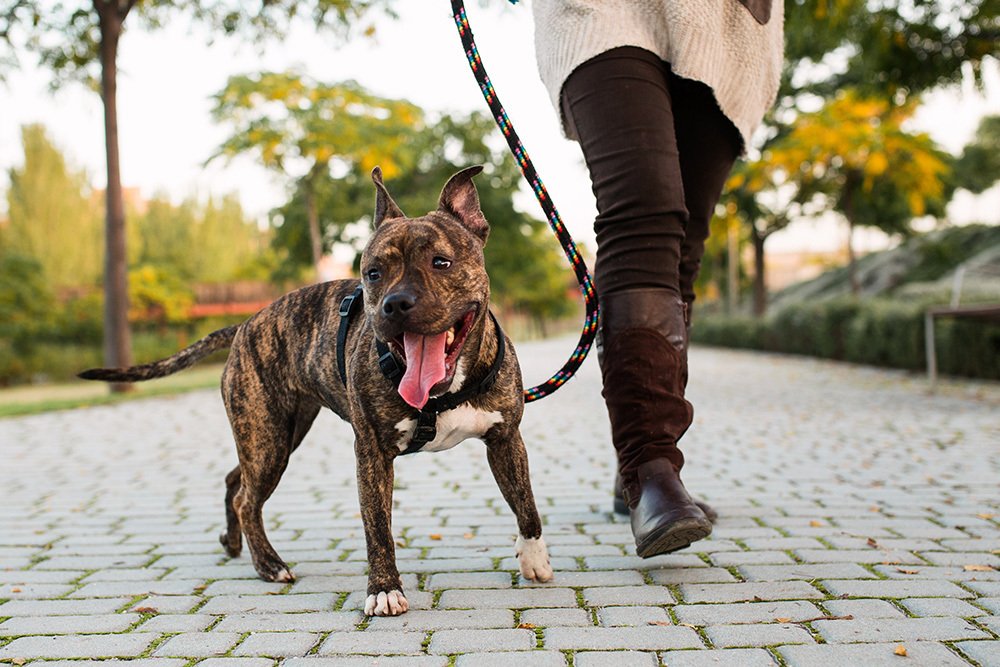
On walks, many dogs bark from excitement, fear, or frustration. The key is to prevent overload and make walks calmer and more predictable. Keep the leash short but relaxed, avoid constant pulling, and choose quieter routes at first. Allow time for sniffing, as sniffing lowers arousal and reduces barking. Short, frequent walks are often more effective than one long, chaotic outing. When triggers appear, calmly create distance rather than dragging the dog closer, and reward any moment of quiet attention.
Barking at other dogs or people
Many dogs bark on walks from excitement, fear, or frustration. Understanding the cause is the first step to change. Observe body language:
- Loose body, wagging tail → often excitement
- Stiff posture, weight forward, hard stare → frustration or guarding
- Tucked tail, ears back, panting, trying to escape → fear or anxiety
If possible, note distance from the trigger, time of day, and situation. That information helps adjust training and choose the right approach for your dog.
Using distance and focus games
Using distance and focus games makes it easier to safely reduce barking during walks. The key is to maintain a distance where your dog can still remain calm. The ideal learning zone is just before they start barking./p>
The most representative games are as follows:
| Game name | How to play | Objective |
|---|---|---|
| "Watch" game | Treats are given each time the dog looks into its owner's eyes at a signal. | Increases focus on the owner |
| Observing game | Look at a dog or person in the distance for 1-2 seconds → Give a reward while they are still quiet. | Practice staying calm even when looking at the trigger. |
| U-turn game | When the dog starts to notice, give a signal to change direction and give it a treat. | Avoid it while keeping your distance and having fun. |
It's easier to succeed if you start in a place with low stimulation and begin with short sessions of 1-2 minutes. If your dog barks, don't scold them; wait until they calm down, then create some distance and try to create a situation where they can succeed.
Helping Dogs Who Bark When Left Alone

Dogs that bark when left alone often feel anxiety, boredom, or fear, not stubbornness. The key is to change their emotional state, not simply silence the sound.
Begin with very short absences your dog can handle without barking, even a few seconds. Calmly leave, return before barking starts, and reward quiet with a treat or gentle praise. Gradually extend the time. Avoid dramatic good‑byes or greetings, which can increase arousal. Providing safe chew toys, food puzzles, and a comfortable resting spot also helps many dogs relax when alone.
Separation anxiety signs to watch for
Separation anxiety is more than simple boredom. Dogs feel panic when alone and cannot calm themselves. Typical signs appear before, during, and after the owner goes out.
| Timing | Signs to watch for |
|---|---|
| Before leaving | Restlessness, pacing, drooling, glued to the owner, whining when keys or shoes appear |
| While alone | Continuous barking or howling, scratching doors or windows, chewing exits, indoor urination or defecation only when alone |
| After return | Over‑intense greeting, slow to settle, signs of stress such as panting or shaking |
If barking is paired with destruction near doors, self‑injury, or escape attempts, professional support is strongly recommended.
Calm routines for leaving and coming home
For dogs prone to barking when alone, predictable routines create security. Before leaving, offer a calm walk, short play, and a chance to toilet, then give a safe chew or food‑puzzle and leave quietly without long goodbyes. Keep departures and returns low‑key: enter, wait for your dog to settle, then greet calmly. Using the same phrases, timing, and sequence every day helps the dog learn that owners always come back and there is no need to bark or panic.
Training How to Stop Dog From Barking
Training how to stop dog from barking begins with a clear goal: teach an alternative, calm behavior that is more rewarding than barking. Owners observe triggers, prevent rehearsing problem barking, and reward quiet moments. Short, frequent sessions work best, using gentle, reward‑based methods instead of punishment. Over time, the dog learns that staying calm earns attention, treats, and access to what it wants, so unwanted barking naturally decreases.
Consistency between family members
Family members reacting differently to barking confuses dogs and slows training. Agreeing on one clear rule set is essential. Decide in advance which words to use (for example “quiet”, “bed”, “enough”) and how to respond to both barking and calm behavior.
A simple written plan on the fridge helps everyone remember: when barking starts, give the same cue, wait one or two seconds of silence, then reward. Equally important, no one should occasionally reward barking by giving attention, food, or opening doors faster.
How long training usually takes
Training duration varies by barking cause, dog temperament, and owner consistency. For mild barking habits, many families see clear improvement in 2–4 weeks of daily practice. Long‑standing patterns or fear‑based barking often require 2–3 months or more.
As a guideline, short sessions of 3–5 minutes, several times per day, are more effective than occasional long sessions. Progress is rarely linear; setbacks are normal, especially when new triggers appear. If no improvement is seen after a month of structured work, consultation with a trainer or veterinarian is recommended.
What Not to Do With a Noisy Dog
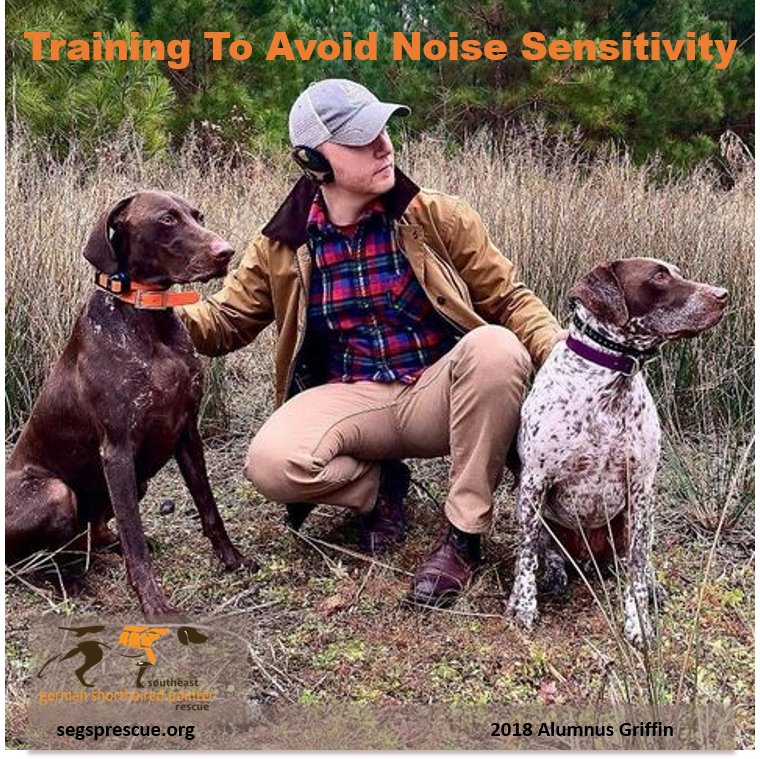
Many owners focus only on stopping noise, but certain reactions quietly make barking worse. Avoid inconsistent rules such as sometimes allowing barking at the window and sometimes scolding. Do not reward barking with attention, like talking, eye contact, or letting the dog outside immediately. Refrain from leaving the dog bored for long hours; pent‑up energy often turns into vocalizing. Instead, aim for calm, predictable responses and sufficient exercise so training works smoothly.
Why shouting or punishment backfires
Shouting at a barking dog usually makes the problem worse. Many dogs interpret loud human voices as joining in the barking, so arousal increases instead of decreasing. Punishment such as yelling, leash jerks, or spraying can suppress barking for a moment, but the underlying emotion—fear, anxiety, or frustration—often becomes stronger. Over time, dogs may bark more intensely, learn to hide warning signals, or start to fear family members. Calm, reward‑based training is safer and more effective for lasting change.
Harsh tools and methods to avoid
Harsh tools may stop barking in the moment but often create fear, aggression, or new behavior problems. Avoid anything that causes pain, fear, or startle. Typical examples include:
| Tool / Method | Why to Avoid |
|---|---|
| Shock / e‑collars | Cause pain and anxiety, can increase aggression |
| Prong or choke chains | Risk of injury, teach dogs to fear walks or people |
| Bark collars (shock, citronella, ultrasonic) | Suppress signals without fixing emotion, may worsen anxiety |
| Throwing objects or using spray bottles | Startles dogs and damages trust |
| Alpha rolls, pinning, leash jerks | Increase stress, risk of bites, block learning |
Humane, reward‑based training is safer, more effective, and better for long‑term results.
Tools and Aids That Can Help
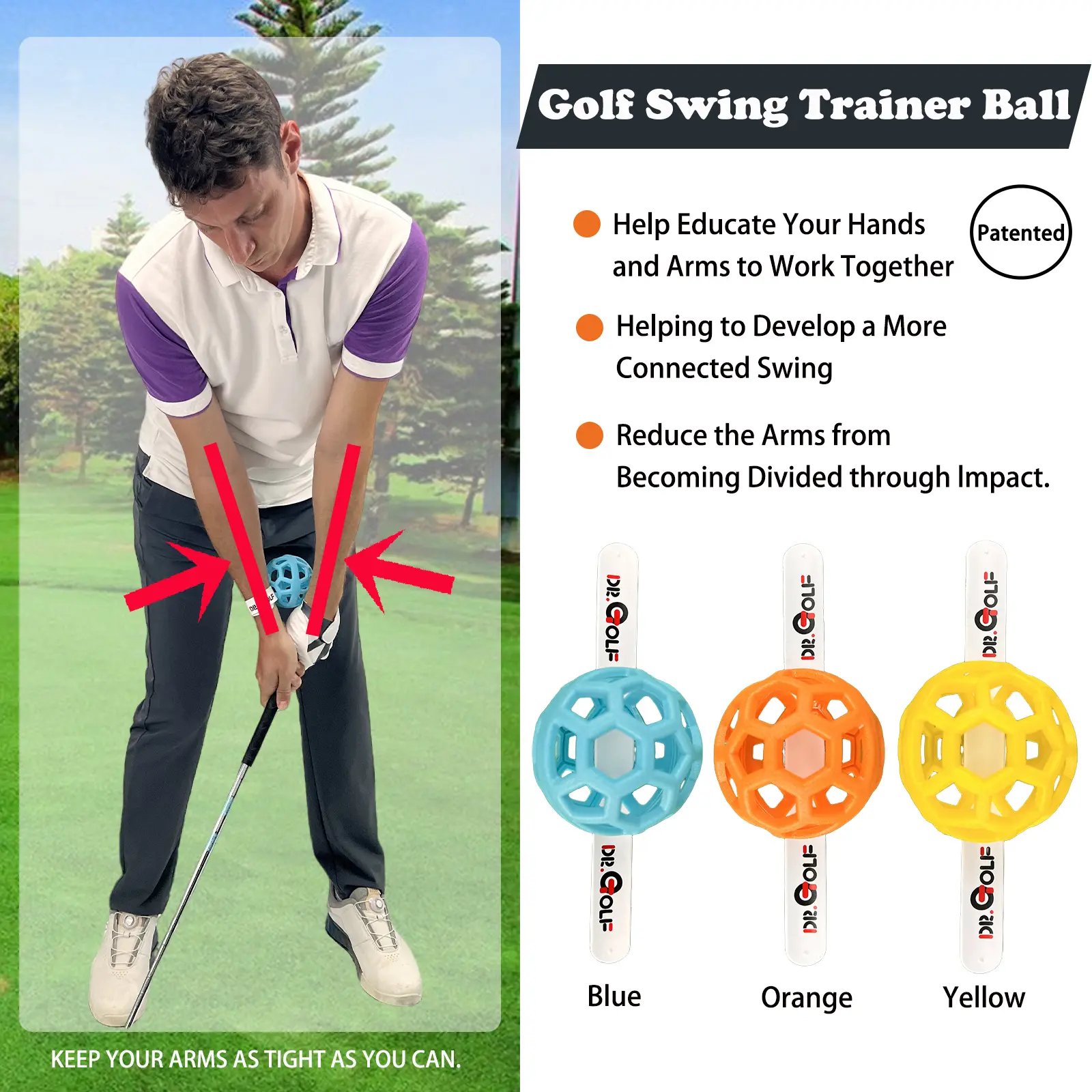
Simple tools can make training how to stop dog from barking much easier. The goal is supporting calm behavior, not forcing silence. Helpful aids include barriers that limit what the dog can see or access, comfy resting spots, food‑puzzle toys, and basic training gear such as harnesses and long leashes. When chosen well, tools reduce triggers and help the dog relax, so positive training works faster and feels kinder for both owner and dog.
Using crates, gates, and visual barriers
Crates, gates, and visual barriers are useful tools for reducing barking by preventing your dog from rehearsing noisy habits. A crate or gated room offers a cozy, secure space where the dog can relax away from doorbells, visitors, or street noise. The goal is not punishment, but creating a safe den-like area. Covering a crate partly with a blanket or using frosted film on windows can block visual triggers such as people or dogs passing by. When paired with treats, chews, and calm praise, these tools help the dog feel comfortable and make training to be quiet much easier.
Calming enrichment and exercise ideas
Moderate exercise and "mental-stimulating" play form the foundation for preventing excessive barking. Taking your dog for walks on slower routes that allow them to sniff around will help them feel more fulfilled. Indoors, using Kongs, puzzle toys, or food puzzles will allow them to release energy and relax at the same time. Tug-of-war and nosework are also good ways to satisfy dogs in short bursts of play and are suitable for dogs that tend to bark a lot.
When to Call a Trainer or Vet

The sooner you consult a specialist, the easier it will be to resolve the barking problem. It is especially important to consider seeing a doctor or seeking advice if the barking is interfering with your daily life or if there has been a sudden change in your dog's barking.
Generally, consulting a trainer or veterinarian is beneficial in the following situations:
| 状況 | 相談先の目安 |
|---|---|
| The frequency and duration of barking continue to increase | Both a trainer and a veterinarian |
| Accompanied by anxious behaviors such as scratching intensely or trembling | A veterinarian (or a specialist if necessary) |
| Aggressive barking or biting is occurring | A trainer knowledgeable about behavior + a veterinarian |
| No improvement is seen despite the owner’s efforts | A trainer |
If concerning changes continue, it is safe to say that “consulting someone once” is more reassuring than “waiting to see what happens.”
Signs you need professional help
Dogs that bark often can usually improve with home training, but some patterns signal professional help is needed. As a guideline, consider support from a vet or qualified trainer when:
| Sign | Why it matters |
|---|---|
| Barking suddenly increased | May indicate pain or illness |
| Barking lasts for hours, most days | Suggests chronic stress, not just habit |
| Barking when alone, plus drooling, pacing, destruction | Typical of separation anxiety |
| Barking with growling, lunging, or biting | Safety risk for people and dogs |
| Training efforts show no progress after several weeks | Plan or technique may be unsuitable |
When safety, severe distress, or health concerns are present, prompt consultation with a vet or behavior professional is strongly recommended.
Finding a qualified force‑free trainer
A force‑free trainer uses methods that avoid pain, fear, and intimidation, and focus on reward‑based learning. When searching, look for terms such as “positive reinforcement,” “R+,” or “Fear Free Certified.” Check professional bodies like APDT, IAABC, or local veterinary behavior societies, and read reviews carefully. Before booking, ask what tools are used, how barking is addressed, and whether a written training plan and progress updates are provided.
This article provides a detailed 7-step guide, starting with understanding why dogs bark, and covering everything from creating a suitable environment to teaching them to be quiet, and how to handle different situations such as when guests are over, during walks, or when you're away from home. It introduces safe and easy-to-implement training methods that the whole family can participate in without relying on punishment.