

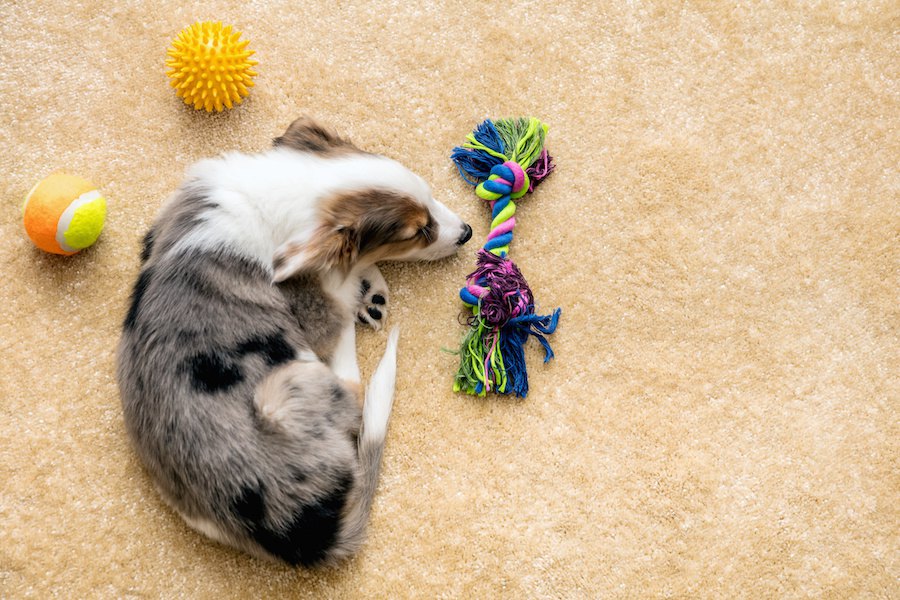
Many dog owners worry if their dog remains still with its back hunched over, a posture known as "hunched back," and wonder, "Could it be a sign of illness?" This kind of hunched posture in dogs is a sign of pain or discomfort and is known as "dog hunched back illness," a condition that has been recognized internationally. This article clearly explains seven major illnesses that can cause dogs to hunch their backs and what owners should do in such situations.
Is a Hunched Back in Dogs Serious?
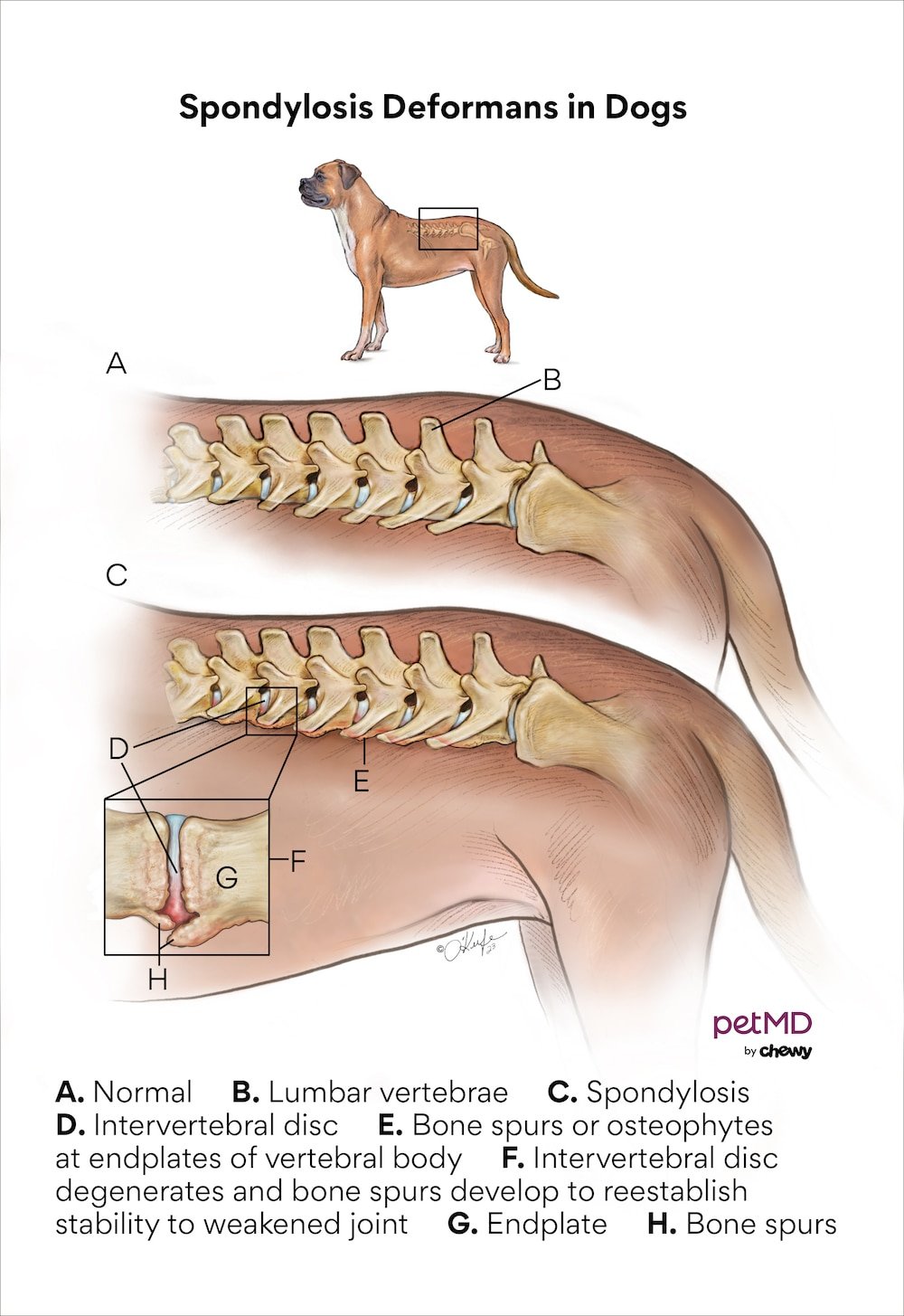
A hunched or arched back in a dog often signals pain or discomfort, not just a quirky posture. Dogs instinctively protect sore areas by tensing muscles and rounding the spine, so a new or persistent hunch should be taken seriously. In some cases it can indicate spinal problems, abdominal illness, or neurological disease that require prompt veterinary care. If the posture is sudden, frequent, or paired with other worrying signs such as weakness, vomiting, or crying, urgent vet attention is recommended rather than waiting to see if the problem passes.
Normal posture vs. worrying arching
A relaxed, healthy dog holds the back in a gentle straight or slightly curved line, with weight evenly on all four legs and the head moving freely. During a normal stretch after sleep, the spine may arch briefly, then return to usual posture.
A worrying arch looks different: the back stays rounded like a cat, the tummy tucks up, and the dog often keeps the head low or stiff. Many dogs also move carefully, resist being touched, or stand frozen. Persistent or repeated hunching, especially with pain signs, is usually abnormal and should be checked by a vet.
When a hunched back means illness
A hunched or arched back can be an early sign of illness or pain, not just a quirky posture. Dogs often round the spine to guard a sore area, such as the back, neck, or belly. If the hunching is sudden, persistent, or paired with changes in walking, mood, or eating, it usually indicates a medical problem. In many cases, conditions like spinal disc disease, muscle injury, arthritis, or abdominal trouble are involved, so prompt veterinary assessment is strongly recommended.
Other Signs to Watch Alongside Hunching
A hunched back rarely appears alone. Many dogs also show changes in mood, movement, or daily habits, which help judge how serious the problem is.
Key points to watch include:
- Pain signs such as trembling, whining, or stiffness
- Changes in walking like wobbling, dragging paws, or short, careful steps
- Appetite, drinking, and toilet changes, including vomiting, diarrhea, or trouble urinating
If several of these signs appear suddenly together with a hunched back, urgent veterinary attention is strongly recommended.
Pain and behavior changes
Pain often shows first as subtle changes in how a dog acts. A hunched back combined with mood or behavior differences usually indicates discomfort rather than a “quirk.” Watch for sudden clinginess or, conversely, hiding and wanting to be alone. Many dogs become quiet, irritable, or may even growl when touched along the spine or belly.
Other common signs include restlessness, difficulty finding a comfortable position, panting at rest, trembling, or whining. A normally food‑motivated dog that leaves meals, refuses favorite games, or sleeps more than usual may be trying to cope with significant pain and should be checked by a veterinarian.
Mobility and walking problems
Mobility problems often appear together with a hunched back. A dog may walk more slowly, hesitate to move, or refuse to jump onto furniture or into the car. Short, shuffling steps, a stiff gait, or an arched back while walking can suggest back or nerve pain.
Watch for wobbliness, crossing the legs, knuckling the paws, or stumbling on stairs. Dragging the toes, weakness in the hind legs, or collapsing when turning are especially worrying and require prompt veterinary attention.
Changes in eating, drinking, and toilet
Changes in appetite, thirst, and toilet habits often appear together with a hunched back and can signal internal illness or strong pain.
| Change you notice | What it can suggest |
|---|---|
| Eating less or refusing food | Nausea, severe pain, fever |
| Drinking much more | Hormonal disease, kidney trouble, diabetes |
| Vomiting or diarrhea | Stomach or intestinal illness, pancreatitis |
| Straining to pee or poo | Urinary blockage, spine pain, abdominal pain |
| Accidents indoors | Pain when squatting, weakness, nerve problems |
If a hunched posture appears together with vomiting, diarrhea, not eating, or pee problems, prompt veterinary care is strongly recommended.
7 Common Health Causes of a Hunched Back
A hunched or arched back is often a sign of pain or discomfort, not just an odd posture. The most common causes involve the spine, back muscles, joints, or internal organs. Typical health problems include spinal disc disease (IVDD), muscle strain, arthritis, abdominal pain, neurological disease, and severe infections or other serious conditions. Some are urgent and can threaten mobility, so prompt veterinary assessment is very important whenever a new or worsening hunch is noticed.
1. Spinal disc disease (IVDD)
Intervertebral disc disease (IVDD) is a common spinal condition in dogs where the cushioning discs between the vertebrae bulge or burst. Leaked disc material presses on the spinal cord or nerves, causing pain, a hunched back, and sometimes weakness or paralysis. Hunching often appears suddenly, especially after jumping or twisting. IVDD can range from mild pain to an emergency that requires immediate veterinary care to protect movement and bladder function.
Typical symptoms of IVDD
Intervertebral disc disease often causes a sudden, painful change in posture. Many dogs develop a rigid, hunched back, cry out when picked up, and resist being touched along the spine. Some dogs become quiet, hide, or refuse to move. Weakness, wobbliness, or dragging of the hind legs may appear, and in more severe cases dogs may lose the ability to stand or walk. Loss of bladder or bowel control is an emergency sign linked to severe IVDD.
Dogs and breeds at higher risk
Certain dogs are more likely to develop IVDD and a suddenly hunched, painful back.
| Risk level | Typical features | Examples |
|---|---|---|
| Very high | Long body, short legs | Dachshund, Corgi, Basset Hound |
| High | Chondrodystrophic or long‑backed types | Shih Tzu, Pekingese, Beagle, Lhasa Apso |
| Moderate | Small to medium, active jumpers | Miniature Poodle, French Bulldog, Cocker Spaniel |
Age (often 3–8 years), excess weight, and frequent jumping or stair use further increase risk for all breeds, including mixed‑breed dogs.
2. Back muscle strain or injury
Back muscle strain or injury often occurs after rough play, sudden jumping, slipping, or twisting. Affected dogs may show a sudden hunched back, reluctance to move, yelping when lifted, or stiffness after rest. Mild strains can improve with strict rest and vet‑prescribed pain relief, but more serious injuries may hide spinal damage. If the hunched posture lasts more than a day, worsens, or is paired with weakness or wobbliness, prompt veterinary examination is very important.
3. Arthritis and spinal degeneration
Arthritis and age‑related spinal degeneration can also lead to a permanently or repeatedly hunched back. As the joints between the vertebrae wear down, they become inflamed and painful, so dogs brace their core and round the spine to protect sore areas. Stiffness when getting up, reluctance to jump, slower walks, and hunching that is worse after rest or heavy exercise are common. Older and large‑breed dogs are most often affected, but long‑backed breeds can develop spinal arthritis earlier, especially if overweight or poorly muscled.
4. Abdominal pain and stomach illness
Abdominal pain often makes dogs tense their belly and round their back to guard the painful area. Owners may notice a hunched posture together with restlessness, panting, or refusing to lie on the stomach. Common causes include gastric upset, pancreatitis, intestinal blockage, or severe constipation. Vomiting, diarrhea, bloated abdomen, black or bloody stools, or repeated attempts to vomit are warning signs. Sudden hunching with a hard, swollen belly or unproductive retching is an emergency and requires immediate veterinary attention.
5. Neurological disease and wobbliness
Neurological disease affects the brain, spinal cord, or nerves and often causes a hunched, stiff back together with wobbliness. Dogs may appear drunk, cross their legs, knuckle over their paws, or sway when standing. Many also show head tilt, rapid eye movements, or collapse episodes. Any sudden wobbliness plus a hunched posture can indicate conditions such as IVDD, spinal tumors, meningitis, or stroke‑like events and requires prompt veterinary assessment.
6. Infection, fever, or severe pain
Infection anywhere in the body can make a dog hunch from widespread discomfort and fever. Dogs may feel stiff, walk with a tucked abdomen, and avoid being touched. Common causes include spinal infections, severe skin or bite-wound infections, uterine infection (pyometra), or organ inflammation.
Warning signs are fever, shaking, refusal to eat, vomiting, fast breathing, or collapse together with a hunched back. Sudden extreme pain without clear injury can also signal a serious internal problem. In such cases, urgent veterinary care is strongly recommended.
7. Less common but serious conditions
Less common but very serious diseases can also cause a hunched back. Examples include spinal tumors, meningitis or encephalitis (inflammation of the brain and spinal cord), severe pancreatitis, and internal organ cancers. In many cases, dogs show persistent pain, weight loss, extreme tiredness, or odd behavior together with hunching. Any sudden, unexplained hunching that does not improve quickly should be checked by a veterinarian as soon as possible.
Dog Hunched Back Illness: Red Flag Signs
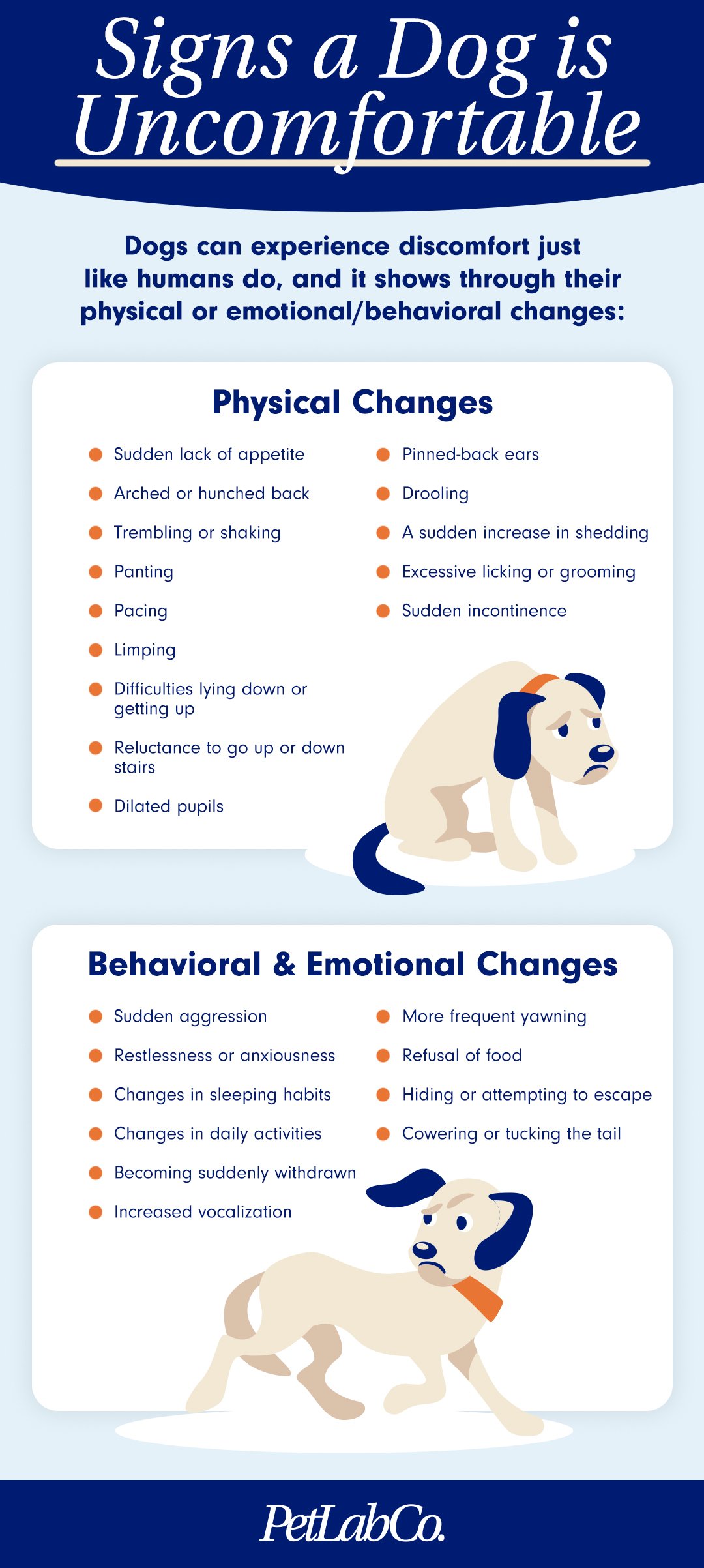
A hunched or arched back can be a warning sign of serious illness, not only a posture habit. In many dogs it reflects significant pain in the spine, belly, or nerves. Owners should pay attention to how suddenly the hunching appeared, how long it lasts, and whether it is accompanied by wobbliness, crying, or changes in eating and toilet habits. When hunching is new, persistent, or combined with other worrying symptoms, a prompt veterinary check is strongly recommended.
Emergency symptoms needing urgent care
A hunched back can signal a true emergency, especially when combined with other severe signs. Immediate veterinary or ER care is needed if a dog shows any of the following:
- Sudden inability to walk or stand, dragging one or more legs
- Loss of bladder or bowel control or leaking urine
- Strong neck or back pain, crying out when touched or moved
- Seizures, collapse, or extreme wobbliness
- Bloated, hard abdomen with restlessness, drooling, or retching
- Fast or difficult breathing, pale gums, or severe lethargy
In such cases, carry the dog carefully, limit spine movement, and go to a veterinarian or emergency clinic at once.
Signs that allow a same‑day vet visit
Not every hunched back is an immediate emergency, but any new or worsening hunching still needs a prompt vet check. Same‑day consultation is recommended when you notice:
- Hunched back with mild but clear stiffness or reluctance to move
- Occasional limping, wobbliness, or unsteady steps that come and go
- Whining, restlessness, or hiding, but still eating and drinking
- Repeatedly looking at or licking the back or belly
- Mild vomiting or soft stool without collapse or continuous vomiting
If symptoms persist for more than a few hours or return within a day, arrange a same‑day visit rather than waiting to “see how it goes”.
How Vets Diagnose the Cause of Hunching
When a dog visits a clinic for a hunched back, veterinarians work step‑by‑step to find the cause. First comes a detailed history, then a hands‑on physical and neurological check, followed by targeted tests such as bloodwork and imaging. The aim is to decide quickly whether the problem is mainly spinal, muscular, abdominal, or whole‑body, and how urgent treatment needs to be.
Questions your vet will ask
Veterinarians start by asking detailed questions to narrow down the cause of a dog’s hunched back. Common points include:
- When the hunching first started and whether it is constant or comes and goes
- Recent injuries, falls, rough play, or jumping from heights
- Changes in walking, balance, or ability to climb stairs
- Appetite, vomiting, diarrhea, or signs of abdominal pain
- Changes in urination or defecation, including accidents or straining
- Past problems with the back, neck, or nerves, and current medications
- Any behavior changes, such as hiding, whining, or aggression when touched
Clear, specific answers help the vet decide how urgent the situation is and which tests are needed first.
Physical and neurological exams
During the examination, the veterinarian observes posture and how the dog stands, sits, and walks. The spine is gently palpated to locate tender areas, muscle tightness, or deformity. Joint range of motion in the neck, back, and limbs is checked.
A neurological exam evaluates brain, spinal cord, and nerve function. The vet tests paw placement, reflexes, and pain sensation, and watches for wobbliness, weakness, or asymmetry. Findings from both exams guide the need for imaging or urgent treatment.
Blood tests and imaging (X‑ray, MRI, CT)
Blood and imaging tests help confirm the cause of a hunched back and guide safe treatment.
| Test type | What it checks | Why it matters for hunching |
|---|---|---|
| Blood tests | Infection, inflammation, organ function, electrolytes | Detects infection, fever, abdominal disease, or problems before anesthesia |
| X‑ray (radiograph) | Bones, spinal alignment, arthritis, some disc spaces | Screens for fractures, severe arthritis, some disc disease |
| Ultrasound | Organs in the abdomen | Helps find pancreatitis, stomach or intestinal pain that can cause hunching |
| MRI | Spinal cord, discs, nerves in detail | Best test for IVDD and many neurological causes of hunching |
| CT scan | Bones and some soft tissues in 3D | Useful for complex spinal, bony, or surgical planning cases |
Vets choose tests based on urgency, symptoms, and budget, starting with the options most likely to give answers quickly.
Treatment Options for a Hunched Back Dog
Treatment depends on the underlying cause of the hunched back. In many cases, vets combine several approaches rather than relying on only one.
Typical options include:
- Medication to control pain and inflammation
- Strict rest or activity restriction to protect the spine
- Surgery for severe disc disease or fractures
- Rehabilitation and physiotherapy to rebuild strength
- Supportive care such as harnesses, ramps, and weight control
Early, appropriate treatment greatly improves the chance of recovery.
Pain relief and anti‑inflammatory meds
Pain control is essential for dogs with a hunched back, both for comfort and to prevent further injury. Vets often prescribe non‑steroidal anti‑inflammatory drugs (NSAIDs) made for dogs, opioid‑type painkillers, or gabapentin for nerve pain. Human painkillers such as ibuprofen, naproxen, and paracetamol/acetaminophen can be toxic to dogs, so owners should never give them without veterinary guidance. Always follow the prescribed dose and monitor for side effects like vomiting, diarrhea, or loss of appetite, and contact a vet if any appear.
When surgery is recommended
Surgery is generally considered when pain and neurological signs do not improve with strict rest and medication, or when tests show severe spinal compression. Typical reasons include loss of the ability to walk, quickly worsening weakness, loss of bladder or bowel control, or very unstable vertebrae from trauma or advanced disc disease. Early surgery can greatly improve the chance of recovery in many IVDD and spinal injury cases, so urgent specialist consultation is recommended when such signs appear.
Rest, rehab, and physiotherapy
Care after back pain or surgery focuses on strict rest first, then gradual, controlled movement.
Short leash walks only for toileting are usually advised at the beginning. Avoid running, jumping, and stairs. Many vets recommend crate rest or a small pen so the dog cannot overdo activity.
As pain improves, rehab and physiotherapy may include:
- Gentle range‑of‑motion exercises
- Controlled leash walks
- Balance work on cushions
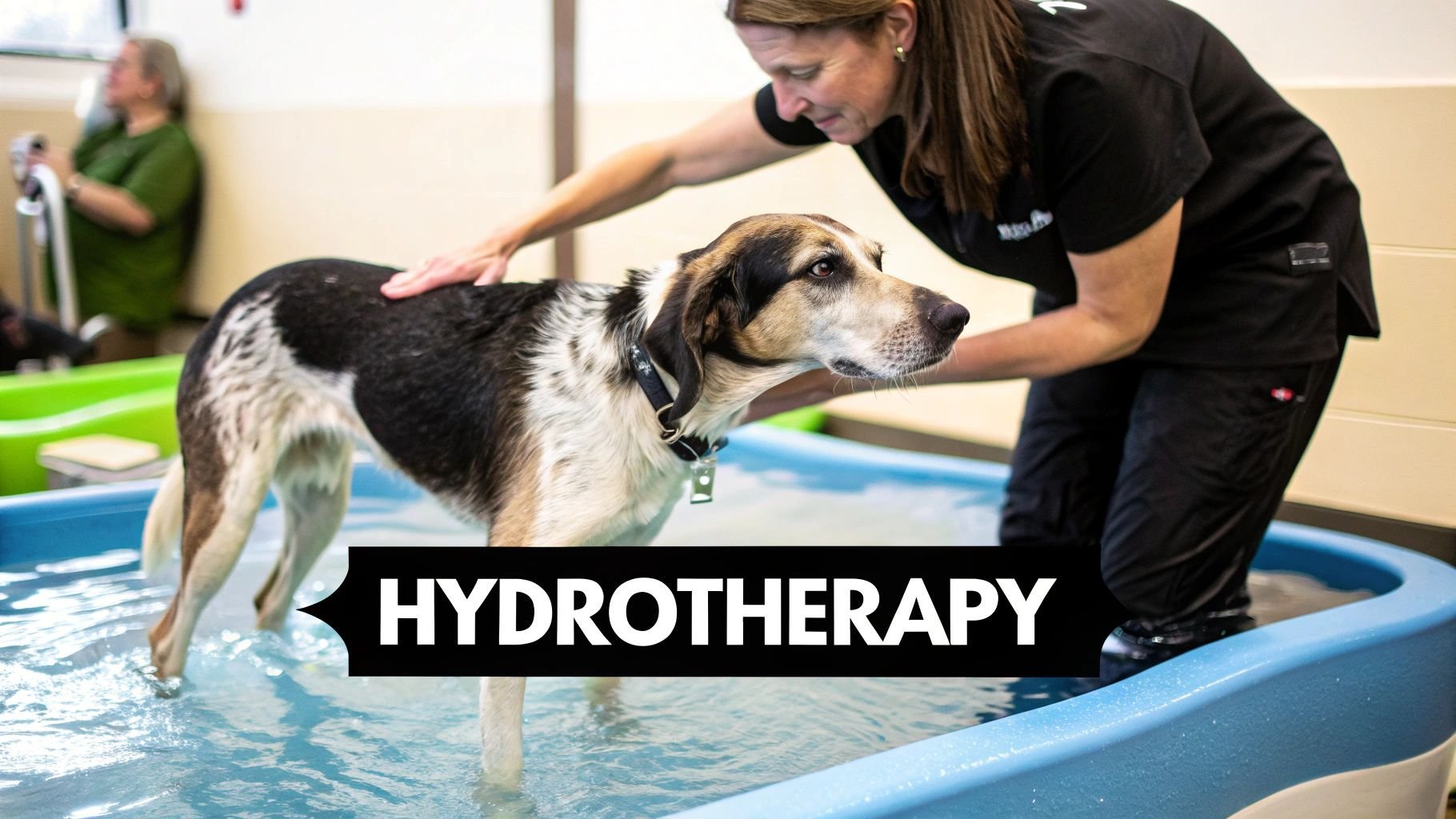
- Underwater treadmill or swimming (when allowed)
Sessions should be planned by a vet or certified canine rehabilitation professional. Over‑exercise or unsupervised stretching can worsen spinal problems, so owners should follow the prescribed plan carefully and monitor for any return of pain or wobbliness.
What You Can Safely Do at Home

At home, the priority is to avoid worsening hidden injuries and keep the dog comfortable until a veterinary check. Short, calm rest in a small area, using soft non‑slip bedding, helps reduce strain on the spine and abdomen. Encourage only gentle, necessary movement such as going to the toilet on a lead. Avoid play, jumping, and stairs. Monitor closely for worsening pain, wobbliness, or loss of bladder control, and seek prompt veterinary care if any red‑flag signs appear.
Safe handling and movement tips
When a dog has a hunched back, gentle, controlled movement is essential. Avoid letting the dog jump on or off furniture, run up and down stairs, or play rough. Support the body with one hand under the chest and one under the hind end when lifting.
For walking, use a harness rather than a collar to reduce neck strain. Keep walks short and slow on non‑slippery ground. If the dog seems more painful, stop the activity immediately and contact a veterinarian. Children should be supervised and taught to pet calmly, avoiding hugging or picking the dog up.
Comfortable beds, ramps, and flooring
A supportive environment reduces strain on a dog with a hunched back. An orthopedic or memory‑foam bed that is flat, thick, and large enough to stretch out helps keep the spine in a neutral position. Avoid thin, lumpy cushions and high sofas.
Ramps or sturdy pet steps are useful for getting onto sofas, into cars, or up small sets of stairs. Surfaces should be non‑slip, with rubber grips or carpet, to prevent falls. On slippery floors, use rugs or runners so the dog can walk without sliding and worsening back pain.
What not to give or try on your own
Self‑treatment for a hunched‑back dog can be dangerous. Avoid giving human painkillers (ibuprofen, aspirin, acetaminophen/paracetamol) because many are toxic to dogs and can cause stomach ulcers, kidney, or liver damage. Do not use leftover pet medicines or increase prescribed doses without veterinary advice. Avoid massage, stretching, or chiropractic manipulation on a painful back, as hidden spinal injury or IVDD can worsen. Online braces, random supplements, CBD products, or home remedies should only be used after a vet confirms they are safe and appropriate.
Preventing Back and Spine Problems

Keeping a dog’s spine healthy starts with reducing daily strain and catching problems early. Avoid sudden intense exercise, long sessions of ball chasing, or rough play that involves twisting and hard stops. Slippery floors, high sofas, and car jumps put extra stress on the back, especially in small or long-bodied breeds. Regular vet checkups, appropriate exercise, and a safe home environment greatly lower the risk of hunched back illness and chronic pain.
Weight control and daily exercise
Maintaining a healthy weight and getting moderate exercise are important preventative measures that significantly reduce the strain on your dog's spine and intervertebral discs. Obesity puts constant heavy stress on the back and joints, increasing the risk of intervertebral disc herniation and arthritis. It's reassuring to check your dog's weight with a veterinarian, using a body shape where you can lightly feel their ribs.
The key to exercise is ""a little bit every day, consistently."" It's safer to break up short walks into several sessions than to suddenly play ball or run long distances. Depending on your dog's age and condition, a combination of slow walks, gentle inclines, and indoor toy play is recommended. Suddenly increasing exercise can cause back and hip pain, so it's important to increase exercise gradually and in stages.
Jumping, stairs, and harness choices
Jumping and stairs put strong, repeated load on a dog’s spine. Sudden leaps from sofas or cars can trigger or worsen back problems, especially in small or long‑backed breeds. As a rule, avoid games that involve high jumping and discourage your dog from running up and down long staircases.
Ramps or pet steps to the bed, sofa, and car help reduce impact on the back. Non‑slip flooring or rugs are also useful so the dog does not slip and twist the spine when landing.
Harness choice is important. A well‑fitting chest harness is usually safer than a collar for dogs with neck or back risk, because pressure is spread across the chest instead of the neck. Avoid harnesses that sit high on the neck or rub the shoulders.
When lifting, support both chest and hindquarters so the spine stays as straight as possible. Combined with controlled exercise and weight management, careful handling and suitable equipment greatly lower the chance of a hunched‑back illness forming or recurring.
Special care for at‑risk breeds
Some breeds have a higher risk of back and spinal problems, especially Dachshunds, Corgis, Basset Hounds, Shih Tzus, Pekingese, Beagles, and other long‑backed or chondrodystrophic breeds. For these dogs, prevention must start early.
Key points of daily care are shown below.
| Point | How to care for at‑risk breeds |
|---|---|
| Weight | Keep lean body condition; avoid frequent treats and table scraps |
| Exercise | Prefer short, regular walks over intense running or jumping games |
| Jumps & stairs | Use ramps, block access to high furniture, limit stair use |
| Equipment | Use a well‑fitted harness instead of a neck collar when possible |
| Handling | Support chest and hips when lifting; avoid letting the spine dangle |
| Vet checks | Schedule regular checkups; ask the vet about early signs of IVDD |
If an at‑risk breed suddenly shows a hunched back, wobbliness, or crying when touched, urgent veterinary attention is especially important, because prompt treatment greatly affects the outcome.
When to Seek a Specialist for Your Dog
Many hunched‑back problems improve with support from a general vet, but some dogs benefit greatly from early specialist care. Owners should consider a referral when:
- Pain or hunching continues despite several days of treatment
- Symptoms keep returning once medication stops
- There is any weakness, wobbliness, or dragging of the legs
- The vet suspects IVDD, neurological disease, or needs advanced imaging
In such situations, a specialist can offer more precise diagnosis and targeted treatment, which often improves long‑term outcome.
Seeing a neurologist or orthopedic vet
Specialist consultation is recommended when a dog’s hunched back is linked to neurological signs, severe pain, or unclear diagnosis. A veterinary neurologist focuses on the brain, spinal cord, and nerves, so is suited for wobbliness, paralysis, seizures, or suspected IVDD. An orthopedic vet focuses on bones and joints, helping with complex fractures, severe arthritis, or spinal deformities. Referral usually follows initial tests by a general vet and can lead to advanced imaging, targeted treatment, and a clearer long‑term plan.
Questions to ask about prognosis
When speaking with a specialist, concrete questions help clarify outlook and daily care. Examples include:
- “Is my dog’s condition likely to improve, stay stable, or worsen over time?”
- “What level of pain or disability is expected in the short and long term?”
- “What are the best‑ and worst‑case scenarios?”
- “What signs mean quality of life is no longer acceptable?”
- “What activities will be safe, and which should be avoided permanently?”
- “How often are rechecks needed, and what costs should be expected?”
- “If surgery or advanced treatment is declined, what is the realistic prognosis with medical care only?”
Clear answers support planning, financial decisions, and early adjustments at home to protect quality of life.
This article explains when a dog’s hunched back signals illness, key symptoms to watch for, 7 common health causes, how vets diagnose and treat the problem, safe home care, prevention tips, and when to seek urgent or specialist help.











![Interesting! Names and secret stories of great men's dogs [Saigo Takamori and his beloved dog]](https://with-my-dog.com/wp-content/uploads/2022/04/image1-3-150x150.jpg)